

1 Michelin Star · We're Smart World 2 Radishes
Our verdict
Perched in Oostende's Skytowers with an unobstructed view of the North Sea, HAUT earned its first Michelin star in 2025 under Chef Dimitri Proost's modern French kitchen. The cooking draws on local coastal produce and the chef's international experience, with a fully plant-based menu available alongside the main tasting format. Reserve in advance and mention dietary preferences at booking.

Pearl is the En Primeur Club membership app, where members save venues, book tables and use the concierge.
The menu
What to order
- Seabass in dashi
- North Sea crab
- Bresse poultry
Fine Dining at Altitude on the Belgian Coast
The Belgian coast has always occupied an odd position in the country's fine dining map: geographically peripheral, yet drawing some of the most produce-driven cooking in the country precisely because the sea, the polders, and the fishing ports are right there. Restaurants serious about that supply chain tend to cluster near the water, and Oostende has, over the past decade, developed a small but credible tier of ambitious kitchens sitting above the brasserie-and-moules mainstream. HAUT occupies the upper floor of the Skytowers complex on Leopold III-laan, and the elevation is literal as well as aspirational. The North Sea fills the windows on clear days, and the kitchen frames its cooking around that visual and geographical relationship.
Within the Oostende scene, the price and format positioning is clear. Storm operates in the same modern French register at a lower price tier; Frenchette takes a brasserie-inflected approach at the €€€ level; Bistro Mathilda focuses on farm-to-table at comparable pricing; and Brasserie David sits at the accessible contemporary end. HAUT sits at the top of that local hierarchy at €€€€, and the 2025 Michelin star formalises what the format already signalled.
A Michelin Star in a Coastal Context
Belgium's Michelin-starred dining is concentrated in a handful of recognised corridors: Brussels, the Flemish Ardennes, and the stretch of West Flanders that includes Roeselare and Kortrijk. Coastal starred restaurants are fewer, which makes HAUT's 2025 recognition more pointed. The star follows a Michelin Plate in 2024, a sequence that signals consistent kitchen execution over a sustained period rather than a single standout year. Further into Flanders, Boury in Roeselare and Hof van Cleve in Kruishoutem set the ceiling for the regional modern French tradition.
The Cooking: Local Produce, International Framework
Modern French fine dining on the coast tends to resolve around one central question: how much does the sea actually appear in the plate, or does the format treat coastal geography as backdrop rather than ingredient? Chef Dimitri Proost's kitchen sits closer to the engaged end of that spectrum, drawing on local products and coastal supply while filtering the cooking through a modern French structure informed by broader international reference. The result is a menu that isn't purely a fish restaurant in disguise, but one where the provenance of ingredients carries genuine weight in how dishes are framed and sequenced.
For comparison within the modern French fine dining category at this price tier, restaurants like Sketch's Lecture Room and Library in London and Schanz in Piesport represent what the format looks like when scaled to higher recognition tiers. HAUT's kitchen is operating at a more measured scale, which in practice means a tighter menu and a dining room where the format can be executed with consistency. Bozar Restaurant in Brussels offers a useful urban counterpoint for guests considering where HAUT sits within Belgium's broader modern French conversation, while d'Eugénie à Emilie in Baudour represents the country's more rural expression of the same tradition.
One menu option that receives less attention than it warrants is the fully plant-based offering available alongside the main format. Entirely plant-based tasting menus at starred level remain a small category in Belgium, and HAUT's version operates at the same elevation (literally and in terms of format ambition) as the broader menu. The practical requirement is direct: mention it when booking. The option exists and is taken seriously by the kitchen, but it doesn't receive the same prominence in the restaurant's communications as the main menu.
Wine and the Elevation Angle
Modern French fine dining at the €€€€ tier carries a set of wine programme expectations that are fairly consistent across European markets: a cellar weighted toward French appellations, a pairing option aligned with the tasting menu, and a sommelier capable of navigating the gap between classic Burgundy and Bordeaux references and more contemporary natural or low-intervention producers. How any individual kitchen resolves those tensions reflects both philosophy and sourcing relationships.
HAUT's setting adds a specific dimension to the wine experience. The view from the Skytowers dining room over the North Sea creates a visual context that pairs more naturally with certain wine registers than others: mineral-driven whites, coastal appellations, and lighter reds tend to read differently when the light off the water is part of the room. Champagne and sparkling wine programmes also tend to work well in refined dining rooms with sea views, and the modern French format at this tier typically supports a serious by-the-glass offering alongside the tasting pairing. Guests with specific wine requirements or preferences are leading served by mentioning them at the booking stage, alongside any menu format requests.
The wine conversation in Belgium's fine dining tier is increasingly interesting. The country's own wine production remains modest, but sommeliers at starred restaurants across Flanders have been building cellars that range across French and broader European producers with more sophistication than the tier commanded a decade ago. Zilte in Antwerp is among the Belgian starred restaurants where the wine programme has received specific critical attention; HAUT's coastal positioning and modern French framework put it in a conversation with that tier even if the cellar scale differs.
The Room and the Setting
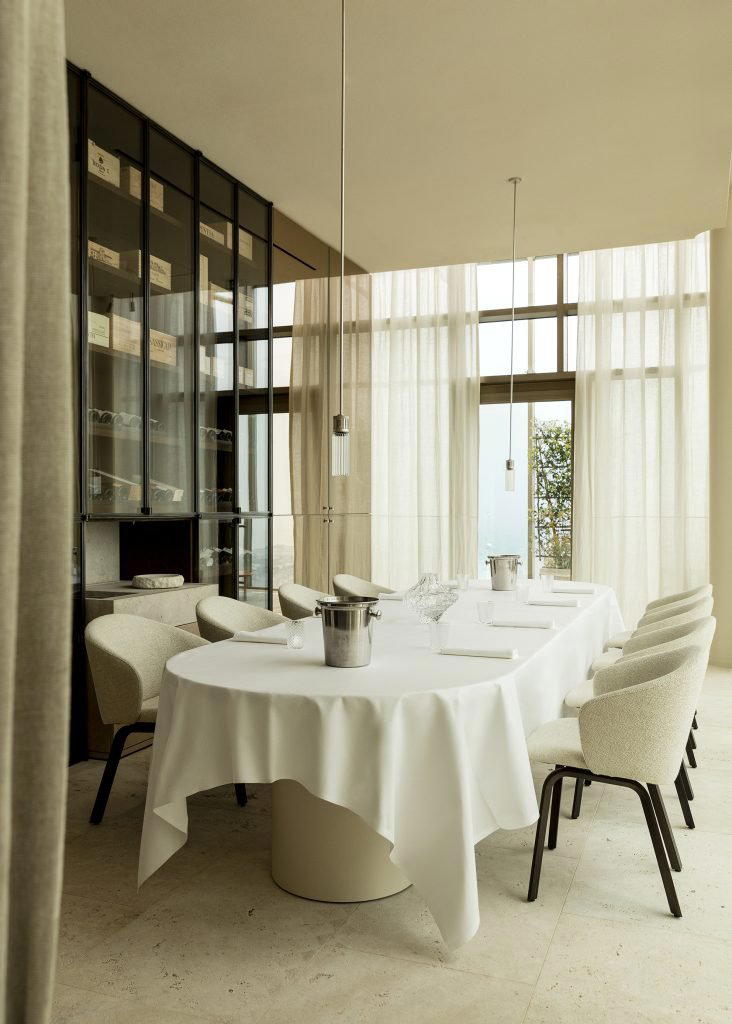
refined dining rooms on the coast carry a specific set of design and atmospheric pressures. The view tends to become the dominant design element by default, which means kitchens operating in those spaces either lean into the visual relationship with the landscape or work harder to create an interior atmosphere independent of it. HAUT's position in the Skytowers, with the North Sea as the primary external reference, suggests a room where the sea does a significant amount of atmospheric work. That's not a criticism: a dining room with a coherent relationship to its geography is preferable to one that ignores it. But it means the experience of dining at HAUT is partly dependent on conditions, time of day, and season in a way that a basement or interior room is not. An evening table in winter, with the North Sea grey and lit only by port lights, reads differently from a summer lunch with the water blue and the terrace open. Both are valid; they're different experiences within the same format.
Planning a Visit
HAUT is located at Leopold III-laan 2 in Oostende's Skytowers complex. The price tier (€€€€) and Michelin star positioning suggest booking well in advance, particularly for weekend dinner slots and summer months when the coast draws additional traffic. The plant-based menu option requires advance notice at booking. Guests arriving by train will find Oostende station within manageable distance; the Skytowers is a recognisable landmark in the city's northern district. For a broader view of where HAUT sits within the city's hospitality offer, see our full Oostende restaurants guide, our full Oostende hotels guide, our full Oostende bars guide, our full Oostende wineries guide, and our full Oostende experiences guide.
Frequently asked questions
Is HAUT more mid-range or high-end?
Pricing at HAUT is listed as €€€€.
Does HAUT have a Michelin star or similar recognition?
HAUT has received recognition including: Chef Dimitri Proost invites you to discover his own vision of fine dining, inspired by his many travels as well as our local culture and products. It doesn’t just sound good – it truly is good. From the Skytowers, with eyes set on the sea, ….
What should I eat at HAUT?
HAUT operates as a modern French tasting menu restaurant under Chef Dimitri Proost, whose cooking draws on local coastal produce framed by an internationally informed technique. The kitchen also offers a fully plant-based menu as an alternative to the main tasting format, though the venue asks that you flag this preference at the time of reservation. Given the €€€€ price tier and 2025 Michelin Star, the expectation is a multi-course set menu rather than à la carte flexibility.
What part of town is HAUT in?
HAUT is located at Leopold III-laan 2, 8400 Oostende, Belgium, Oostende.
Who is the chef at HAUT?
The chef associated with HAUT is Eugène Hobraiche.
The Short List
| Venue | Cuisine | Price | Awards | Notes |
|---|---|---|---|---|
| HAUTThis venue (the venue you are viewing) | Modern French with Asian Influences | $150–200 | 1 Michelin Star · We're Smart World 2 Radishes | Not listed |
| Frenchette | Modern French Bistronomy | $50–100 | Michelin Plate · World's Best Wine Lists Awards WBWL 3-Star | French - Brasserie, Farm to table |
| Bistro Mathilda | Modern French-Belgian Bistro | $50–100 | Michelin Plate | Farm to table |
| Brasserie David | Contemporary Coastal Brasserie | $50–100 | Michelin Plate | Contemporary |
| Storm | Modern Belgian Seafood | $50–100 | Michelin Plate · We're Smart World 1 Radish | Modern French |
Recognition history
Dated appearances from independent guides and award organizations, with the underlying list record or original source where available.
Michelin 1 Star
Michelin
We're Smart World 2 Radishes
We're Smart World
Full recognition history (4 entries)
Michelin 1 Star
Michelin
Michelin Plate
Michelin

Continue exploring
More in Oostende
Restaurants in Oostende
All restaurants in Oostende →
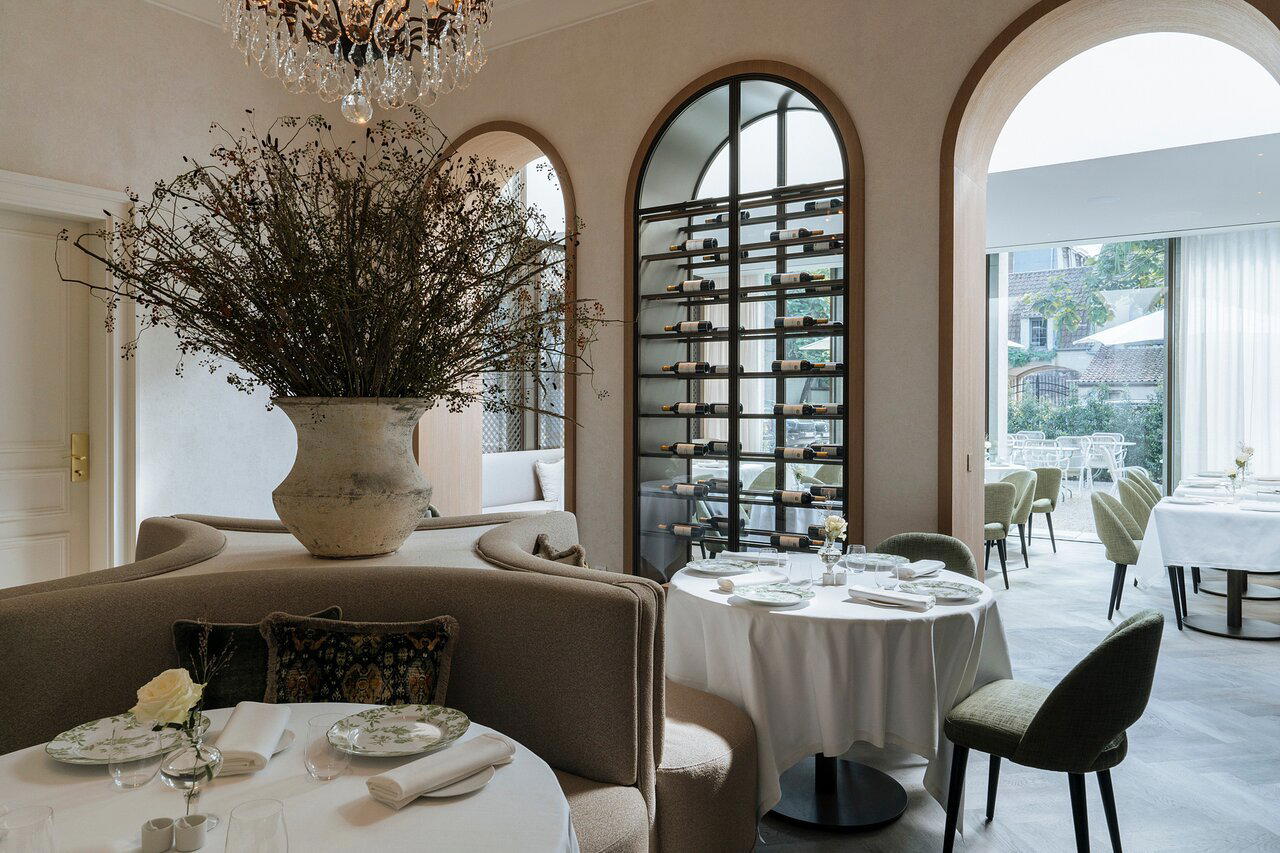
Bars in Oostende
Browse all →
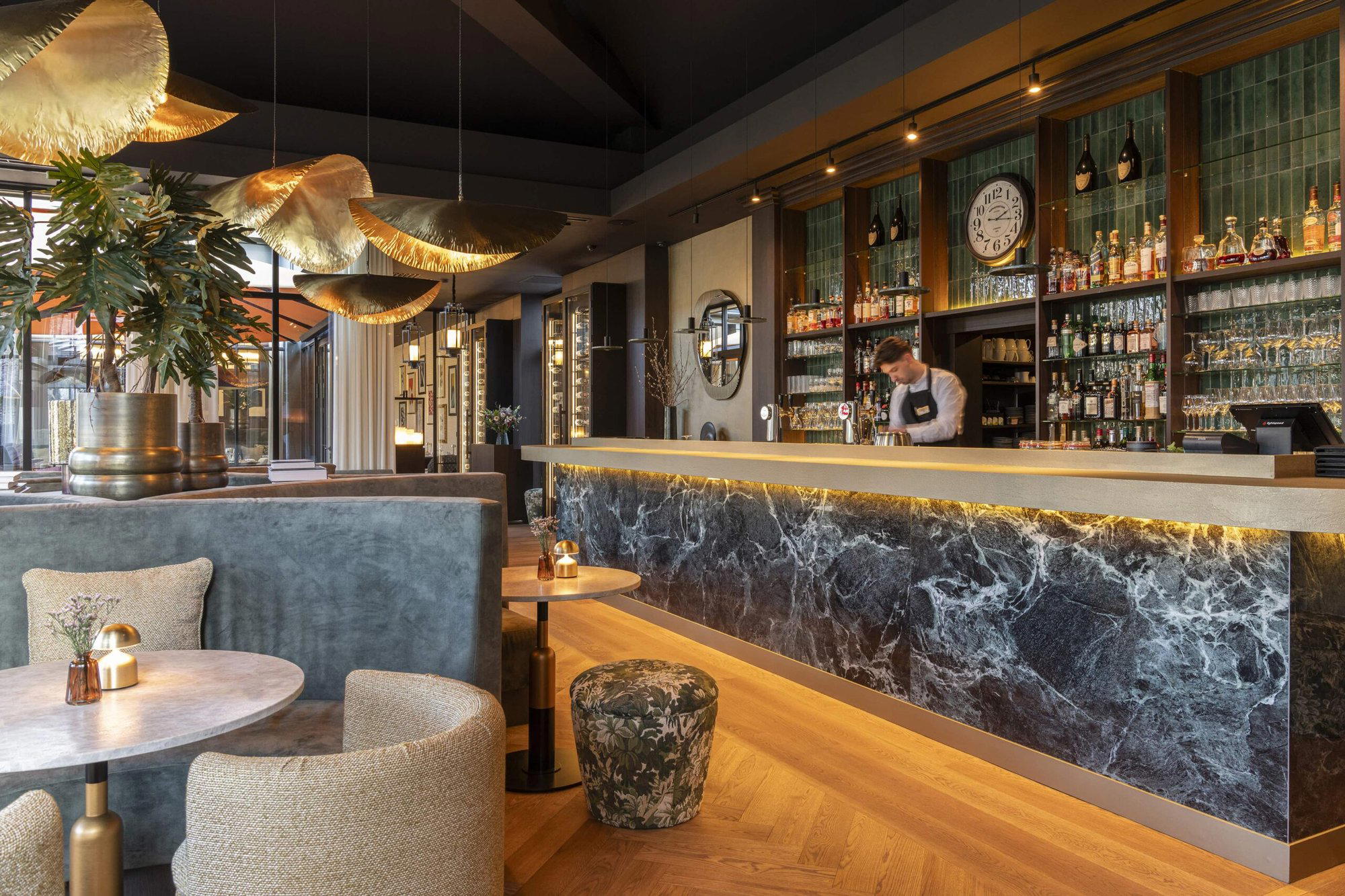
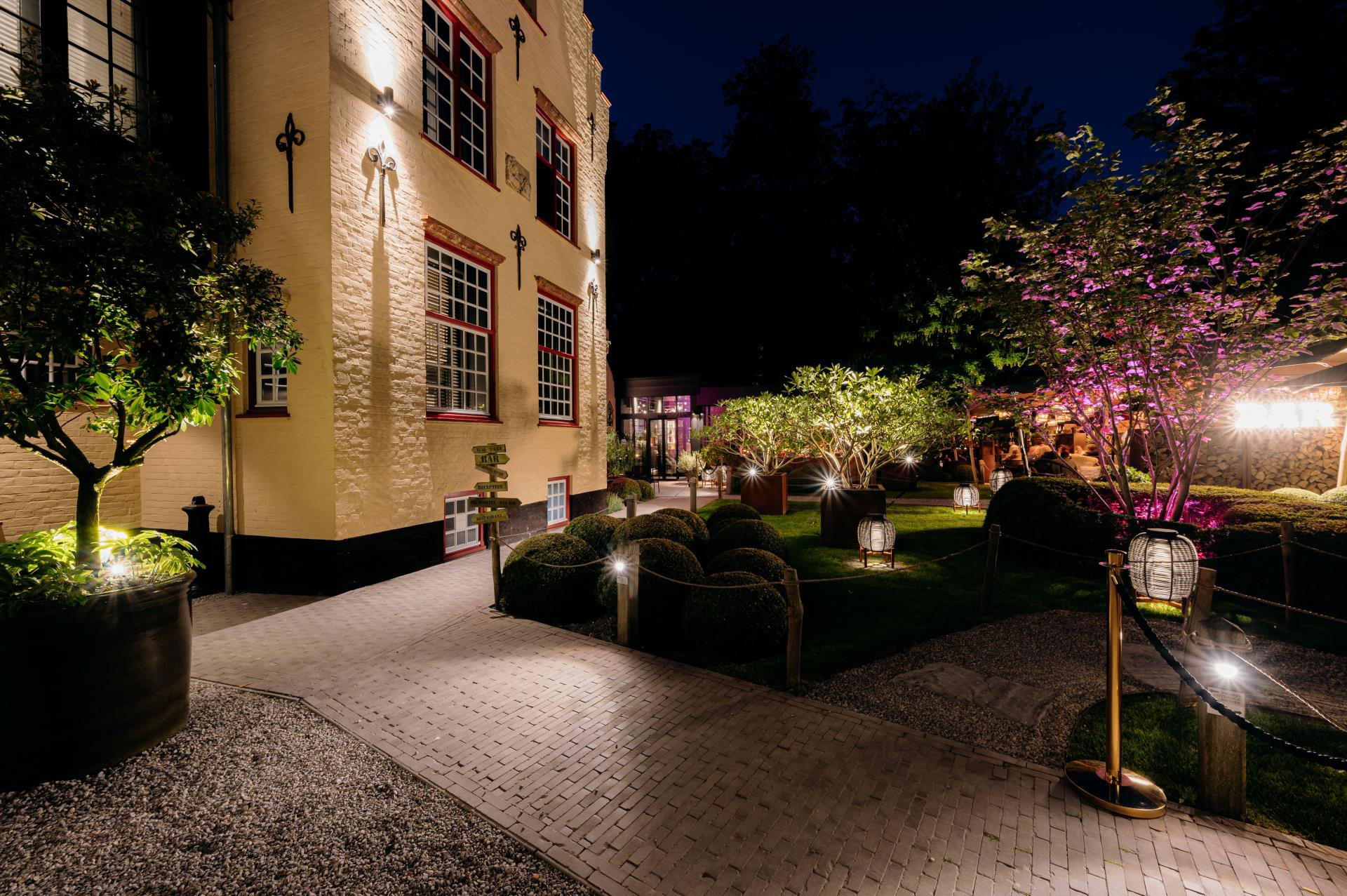
Hotels in Oostende
Browse all →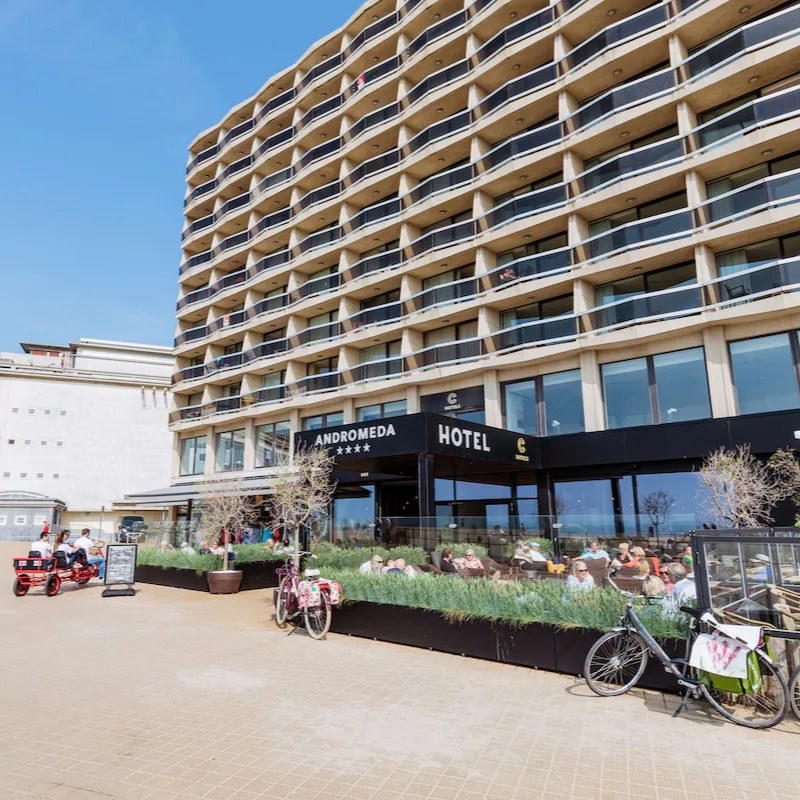
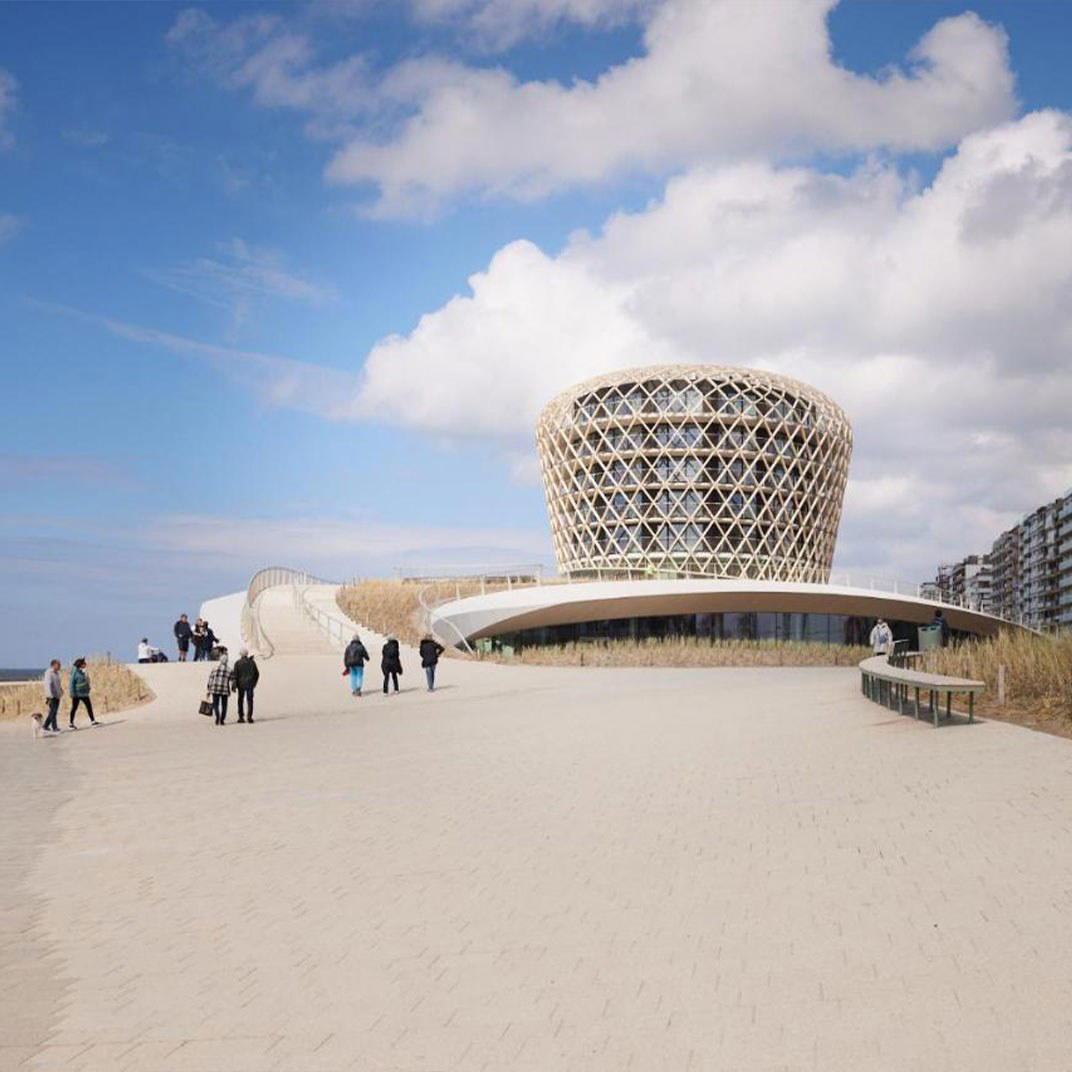
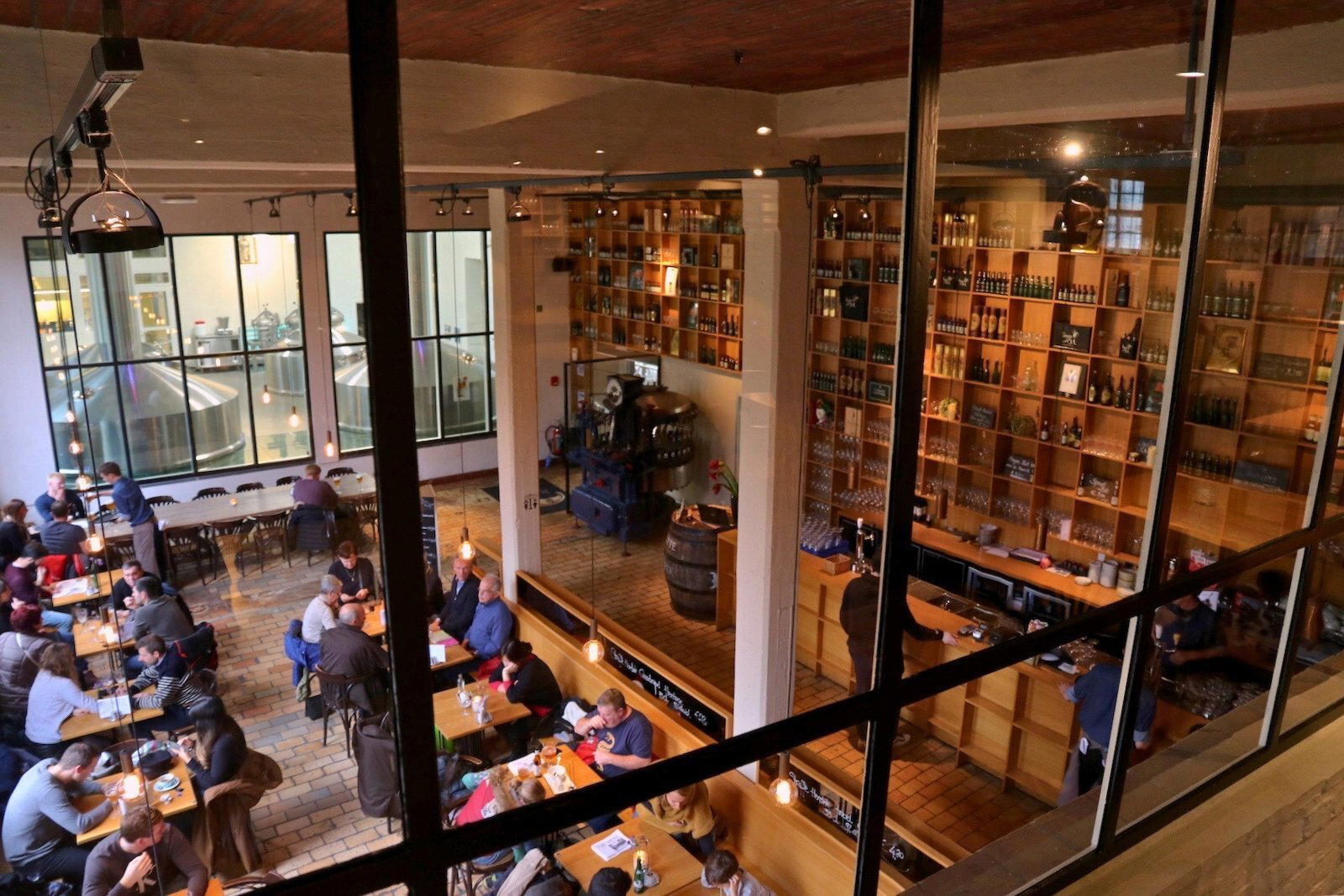
Wineries in Oostende
Browse all →
Details
- Elegant
- Modern
- Sophisticated
- Intimate
- Date Night
- Special Occasion
- Celebration
- Panoramic View
- Open Kitchen
- Extensive Wine List
- Local Sourcing
- Waterfront
- Skyline
- Tasting Menu
- Wine
- Vegetarian Friendly
Current opening hours
- Monday
- Closed
- Tuesday
- Closed
- Wednesday
- 12–3 PM, 7–10:30 PM
- Thursday
- 12–3 PM, 7–10:30 PM
- Friday
- 12–3 PM, 7–10:30 PM
- Saturday
- 12–3 PM, 7–10:30 PM
- Sunday
- Closed
Hours can change for holidays and private events. Hours as of .
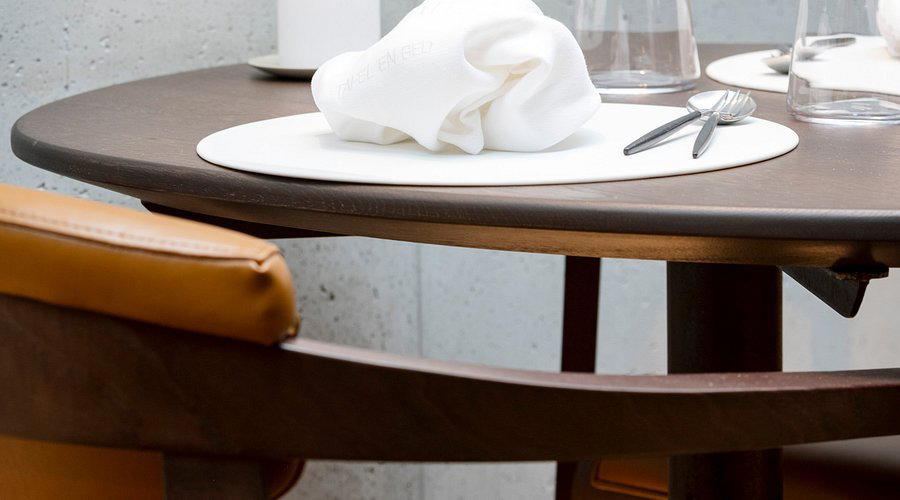
Modern and elegant interior with natural materials, neutral tones, and floor-to-ceiling windows flooding the space with natural light, creating a serene, warm, and sophisticated coastal atmosphere.