Our verdict
Now operating as Chichilo, this Oaxaca City Centro address sits inside one of Mexico's most ingredient-rich dining traditions, where mole negro, heirloom corn, and local chiles form the foundation of a menu rooted in regional technique. The restaurant's rebranding signals a shift toward tighter identity within a crowded Centro scene. Seek it out under its new name on Google or social channels before visiting.
The menu
What to order
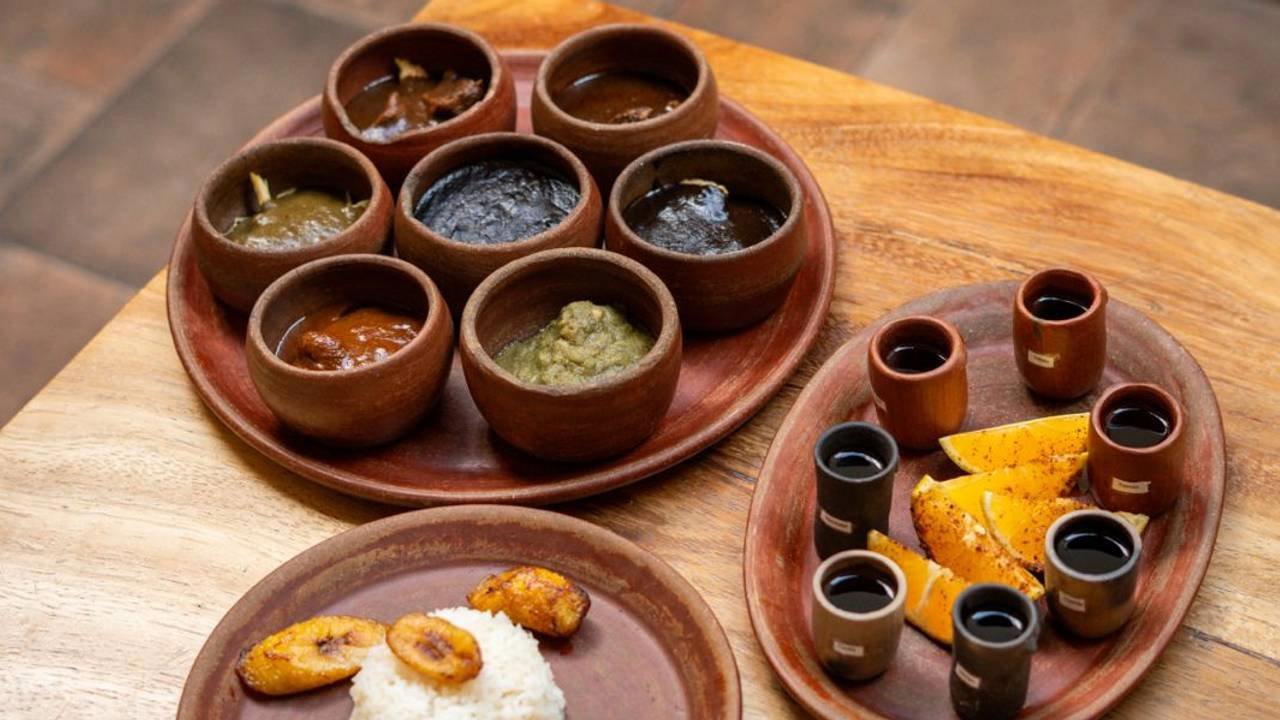
- Seven mole tasting
- Chichilo mole
A Rename, a Tradition, and What It Means to Eat in Oaxaca's Centro
Centro Histórico in Oaxaca City operates at a different register than most Mexican dining districts. The streets around Calle Mariano Abasolo and the broader Ruta Independencia corridor carry centuries of culinary continuity: markets where vendors have sold dried pasilla negro and mulato chiles for generations, tortillerías running on heirloom maíz criollo, and family-run fondas that have never needed a reservation system. Into this context, the restaurant formerly known as Los Pacos Centro has relaunched as Chichilo, taking its new name from one of Oaxaca's seven canonical moles. That choice of name is itself an editorial statement about where the kitchen wants to plant its flag.
Chichilo is the least-known of the classic Oaxacan moles outside the state, built on charred chiles, hierba santa, and the thickening power of toasted corn tortilla rather than the more familiar combination of chocolate and nut paste. By naming a restaurant after it, the kitchen signals an intention to work in the registers of Oaxacan cooking that don't translate easily to a tourist shorthand. That's a worthwhile position to occupy in a Centro full of places happy to deliver a recognizable plate of enchiladas rojas and call it tradition.
Where Indigenous Product Meets Accumulated Technique
The broader pattern visible across Oaxaca's better Centro restaurants, including Levadura de Olla Restaurante and the market-adjacent fondas that anchor the neighbourhood, is a growing willingness to treat local ingredients with the precision that was once reserved for European-influenced fine dining. This isn't fusion in the debased sense. It's the application of accumulated culinary intelligence, whether that comes from classical training or generational practice, to products that have always been exceptional: the black beans from the Cañada region, the quesillo pulled fresh each morning, the grasshoppers harvested seasonally from the central valleys.
Chichilo sits at this intersection. The name itself is an act of regional specificity. Across Mexico's premium dining tier, from Pujol in Mexico City to Le Chique in Puerto Morelos, the most credible kitchens of the past decade have made indigenous product the protagonist rather than the backdrop. In Oaxaca, that conversation has a longer and denser history. Restaurants here aren't borrowing the argument from Mexico City; they've been having it since before it became fashionable. What varies between addresses is the depth of commitment and the technical clarity brought to execution.
The Rebranding Question and What It Tells You About the Scene
A restaurant rebranding mid-operation is always worth pausing on. The transition from Los Pacos Centro to Chichilo, communicated directly through the venue's own name on Google and social media with a note directing diners to search under the new identity, suggests a kitchen recalibrating its positioning rather than responding to a crisis. In Oaxaca City's Centro, where the dining scene has intensified considerably since 2018, a sharper name with a cleaner culinary reference point is a competitive decision as much as an identity one.
The wider Centro dining context makes that move legible. Casa Crespo has long occupied the chef-driven tasting menu tier. Boulenc anchors the natural-process, artisan-grain conversation. Catedral Restaurant works the terrace-and-ambiance angle for the zócalo-adjacent crowd. For a kitchen on Abasolo to cut through, it needs a clear answer to the question of what it's actually for. Naming yourself after a mole is a clear answer.
Eating in Context: Oaxaca's Ingredient Calendar
Oaxacan cooking is more seasonal than its reputation as a year-round tourism destination might suggest. Late summer brings the rainy season harvest, which pushes huitlacoche, fresh herbs, and a wider range of green chiles into kitchens. The months between October and February align with drier conditions and a different set of dried chile preparations, slow-cooked braises, and the heavy, warming architecture of mole negro. A kitchen taking its name from a mole is implicitly anchoring itself to this calendar.
For visitors planning around the food, the period from late October through early December sits at a productive midpoint: post-rainy season availability of preserved and dried products, the lead-up to Día de Muertos when Oaxacan cooking is at its most ceremonially elaborate, and a stretch before the high-season tourist compression of December and January. Booking ahead for any Centro address during the Guelaguetza festival period in July or the Día de Muertos window is advisable; foot traffic in the historic centre during those weeks can extend wait times at restaurants operating without reservations.
For context on how Oaxacan cooking compares to broader Mexican regional traditions, restaurants like Alcalde in Guadalajara, KOLI Cocina de Origen in Monterrey, and Animalón in Valle de Guadalupe offer useful reference points for how different regional kitchens approach the indigenous-product question. Oaxaca remains the most ingredient-dense of those conversations, with a chile, corn, and herb vocabulary that no other Mexican state fully replicates.
Finding Chichilo and Planning Your Visit
The address on Calle Mariano Abasolo 115 in the Ruta Independencia section of Centro places the restaurant within walking distance of the zócalo and the main market corridors, a stretch of the historic centre that operates at a slightly quieter register than the immediately tourist-facing streets. That location suits a kitchen that has chosen a name most international visitors will need to look up. For practical purposes, search under Chichilo on Google Maps and social channels rather than the former name; the venue's own signage directs diners accordingly. Phone and online booking details are best confirmed through current Google listings. Given the rebranding is recent, confirming hours before arrival is a sensible step.
For a fuller picture of what the Centro dining scene offers across price points and formats, the EP Club Oaxaca City restaurants guide covers the wider neighbourhood context, including entries on Bar Jardin Zocalo and Cafe Los Cuiles. Further afield, Pangea in San Pedro Garza Garcia, Olivea Farm to Table in Ensenada, Lunario in El Porvenir, HA' in Playa del Carmen, and Lazy Bear in San Francisco and Le Bernardin in New York City offer comparative benchmarks for how serious kitchens in other cities handle the local-ingredient, technical-execution conversation that defines Chichilo's positioning.
Frequently asked questions
Is Chichilo (formerly Los Pacos Centro) child-friendly?
Centro Histórico restaurants along the Ruta Independencia corridor in Oaxaca City tend to operate in a relaxed, neighbourhood register rather than a formal one, which typically accommodates families. The address at Calle Mariano Abasolo 115 places it close to the zócalo, a family-trafficked part of town.
What is the overall feel of Chichilo (formerly Los Pacos Centro)?
The restaurant sits in the Ruta Independencia section of Centro, a district where eating tends to be grounded in local routine rather than tourism spectacle. The rebrand from Los Pacos Centro to Chichilo, communicated through the venue's own name rather than a press release, suggests an operation more interested in the neighbourhood it serves than in outside attention. Expect a dining register closer to a serious Centro fonda than to Oaxaca's newer tasting-menu circuit.
What is the must-try dish at Chichilo (formerly Los Pacos Centro)?
The venue's new name, Chichilo, references one of Oaxaca's seven canonical moles: a dark, chile-forward sauce built on dried chiles and traditionally paired with beef and chochoyotes. If the name is indicative of the kitchen's focus, that preparation is the logical starting point.
Why did Los Pacos Centro change its name to Chichilo, and how do I find it now?
The venue rebranded mid-operation and is now searchable as Chichilo on Google Maps and social media, the original listing actively directs guests there. The physical address remains Calle Mariano Abasolo 115 in the Ruta Independencia section of Oaxaca City's Centro Histórico. Rebrands of this kind in Oaxaca's Centro often signal a deliberate shift in kitchen identity, and in this case the new name anchors the restaurant to a specific regional mole tradition rather than a generic cantina format.
Similar Picks
| Venue | Cuisine | Price |
|---|---|---|
| Los Pacos Centro (cambiamos el nombre a Chichilo, ¡búscanos en Google o redes!)This venue (the venue you are viewing) | Traditional Oaxacan Mole | Not listed |
| Bar Jardin Zocalo | Traditional Oaxacan Cafe-Bar | $10–20 |
| Cafe Los Cuiles | Oaxacan Mexican Cafe | $1–10 |
| Casa Crespo | Authentic Oaxacan | $30–50 |
| Catedral Restaurant | Authentic Oaxacan Fine Dining | $30–50 |
| Fonda Rosita | Traditional Oaxacan Market Fonda | $10–20 |
Continue exploring
More in Oaxaca
Restaurants in Oaxaca
All restaurants in Oaxaca →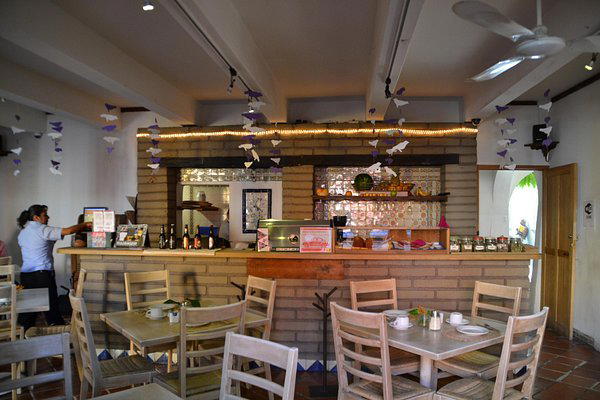
Bars in Oaxaca
All bars in Oaxaca →
Hotels in Oaxaca
All hotels in Oaxaca →

Details
- Rustic
- Cozy
- Special Occasion
- Tasting Menu
- Vegetarian Friendly
- Vegan Options
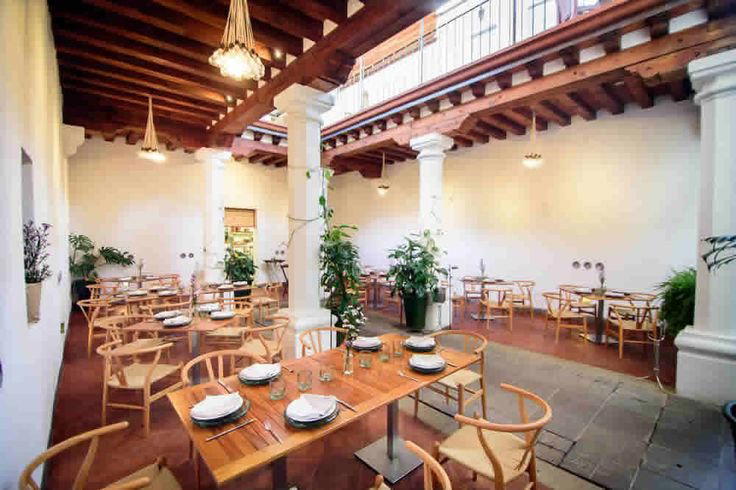
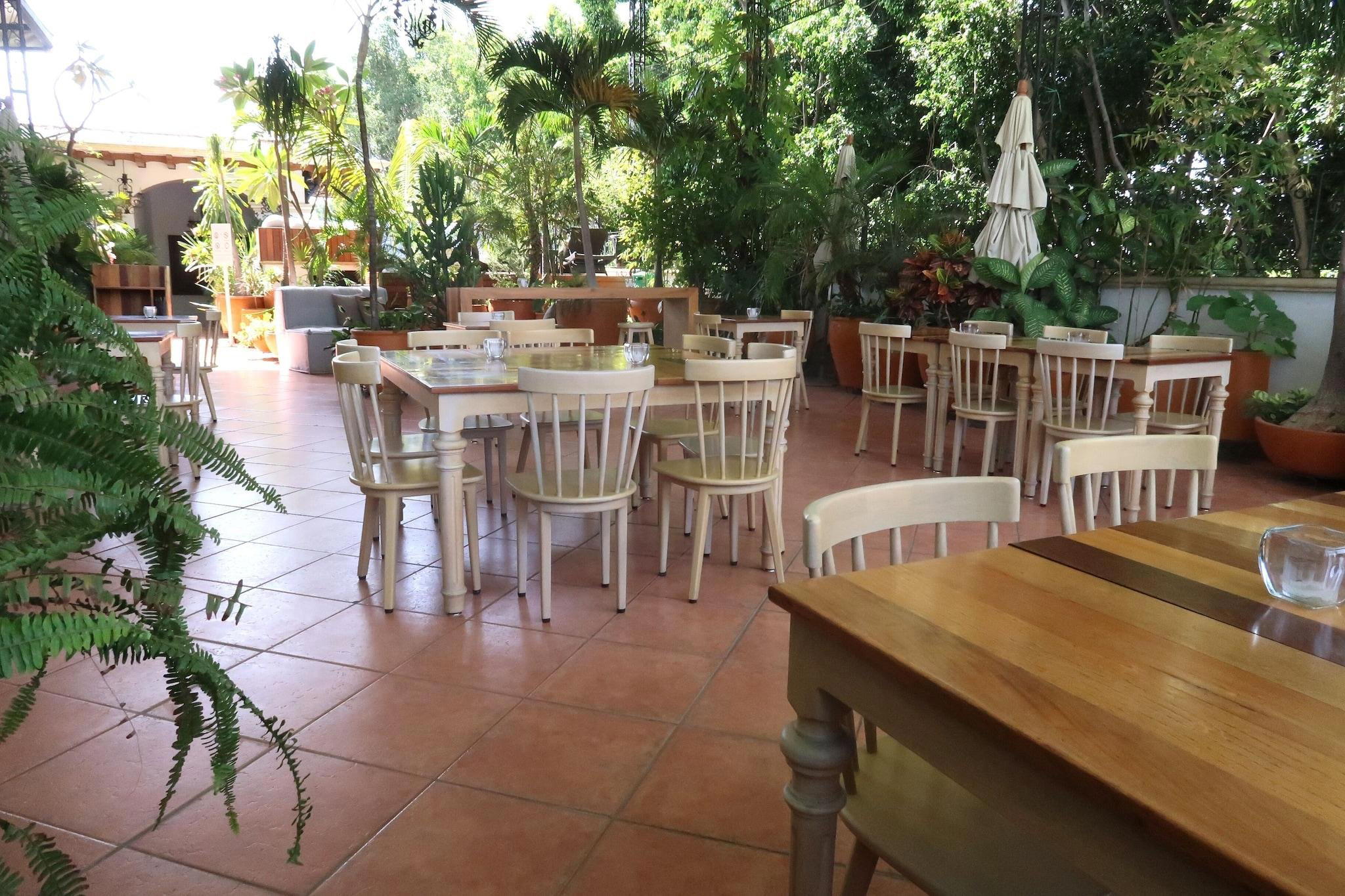
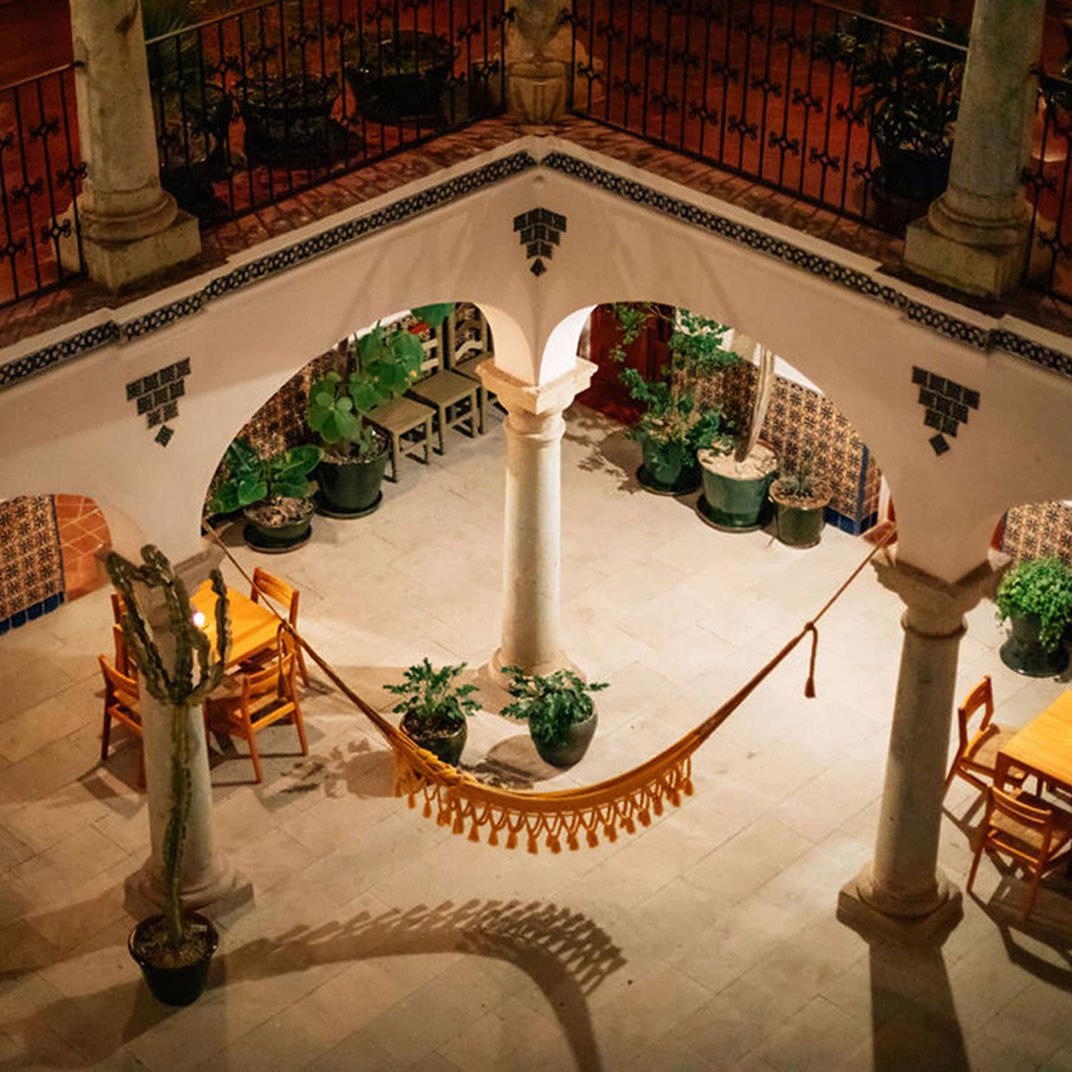
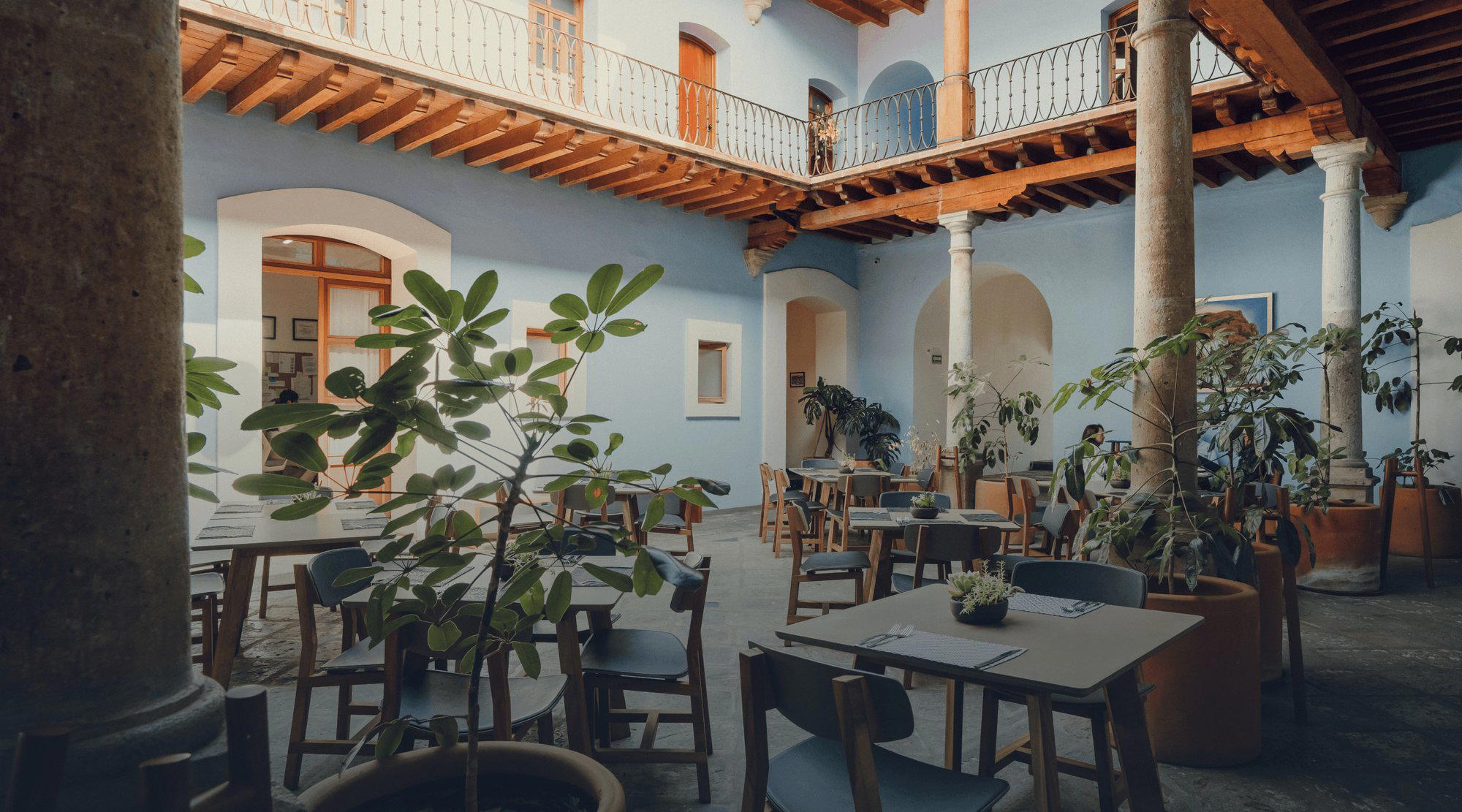
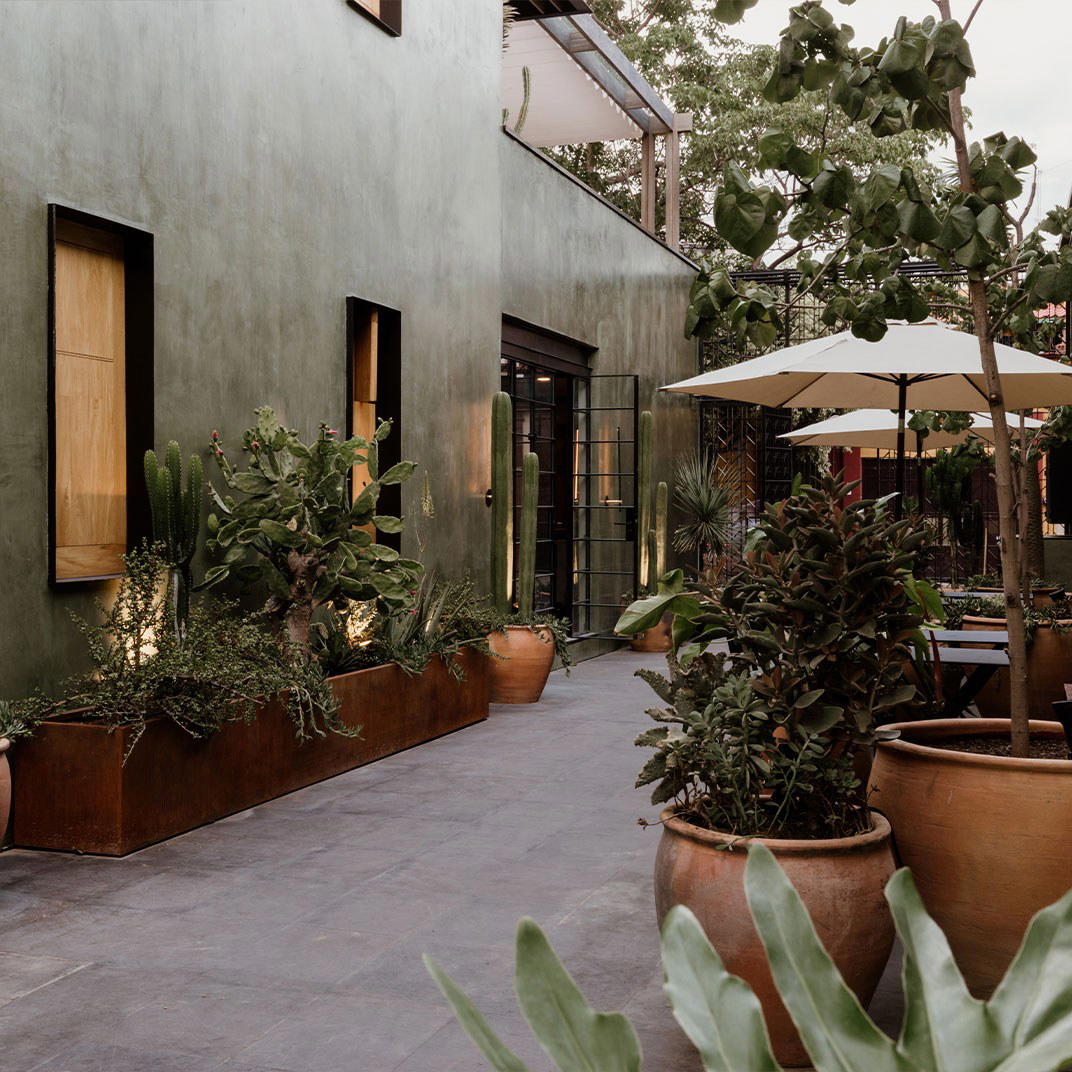
Enchanting with a beautiful setting as described by diners.