Our verdict
On Reforma in Oaxaca's Centro, Aguacate Oaxaca draws from the same ingredient-rich tradition that has made this city a reference point for Mexican regional cooking. The address places it within walking distance of the mercados and producer networks that supply the state's most serious kitchens, situating it in a dining scene where sourcing is not a marketing posture but an operational baseline.

Pearl is the En Primeur Club membership app, where members save venues, book tables and use the concierge.
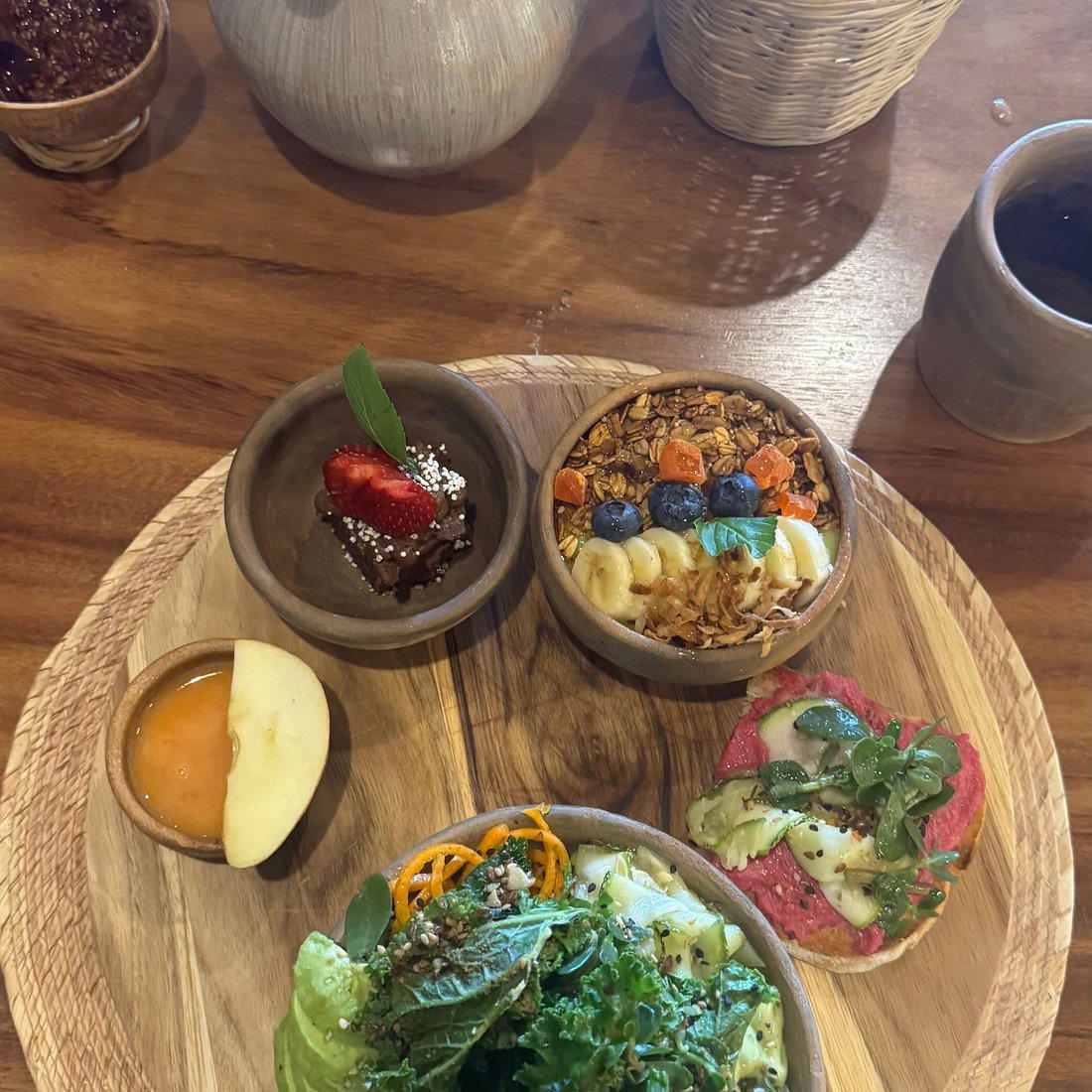
Where Oaxaca's Ingredient Culture Meets the Table
Reforma 703 is a Centro address that needs little introduction to anyone who has spent time in Oaxaca's older colonial grid. The street runs through a neighbourhood where the physical infrastructure of the city's food culture, its covered markets, its spice vendors, its producers arriving early with chiles and chocolate and fresh-cut herbs, remains visible and immediate. In a city where the supply chain between field and kitchen is often measured in kilometres rather than days, the location of a restaurant is rarely incidental. For Aguacate Oaxaca, a position in the RUTA INDEPENDENCIA pocket of Centro means the sourcing networks that define Oaxacan cooking are close enough to walk.
That proximity matters because Oaxacan cuisine is, more than most regional Mexican traditions, an expression of place at the ingredient level. The seven moles, the tlayudas, the memelas and enfrijoladas that anchor menus across the city are not primarily techniques, they are arguments about specific chiles, particular strains of corn, local varietals of squash and herb that behave differently from their counterparts elsewhere in Mexico. A kitchen operating in Centro without access to those inputs is working at a disadvantage. One that operates within the orbit of the Mercado Benito Juárez or the Mercado 20 de Noviembre is inside the system.
The Ingredient Argument in Oaxacan Kitchens
Oaxaca's culinary reputation has attracted considerable outside attention over the past decade, which has put pressure on local ingredient supply in ways that were less visible ten years ago. As kitchens from Pujol in Mexico City to Le Chique in Puerto Morelos have built national profiles around Mexican regional sourcing, the producers supplying those kitchens have become more visible and, in some cases, harder to access for smaller operations. This dynamic has made the sourcing relationships of Oaxaca's neighbourhood restaurants a more consequential editorial question than it was in an earlier period.
The restaurants that remain most grounded in local supply tend to sit in the mid-range of Oaxaca's price spectrum, operating more like Levadura de Olla Restaurante than the higher-concept kitchens at the top of the market. At that level, the relationship with the mercado is direct and daily rather than curated and seasonal. The food that results reads differently on the plate: less constructed, more immediate, calibrated to what came in that morning rather than what fits a tasting menu narrative. Aguacate Oaxaca, based on its Centro positioning, operates within that register.
Comparison with the broader Oaxaca dining tier is instructive. Alfonsina and Almú represent directions in which Oaxacan cooking is pushing toward greater formalism and editorial self-consciousness. Los Danzantes Oaxaca occupies a higher price point with a mezcal program that anchors its identity as much as its food does. Adamá operates in a different cultural register altogether, importing a Middle Eastern perspective into the city's ingredient base. Against those peers, a Centro address named for one of Mexico's most elemental fruits suggests a kitchen more interested in the ingredient than in the frame around it.
Oaxaca's Produce Network and Why It Defines the Dining Scene
The state of Oaxaca is among the most biodiverse agricultural regions in Mexico, a function of its dramatic elevation changes, from Pacific coast lowlands to Sierra Norte highlands above 3,000 metres, which produce a range of microclimates capable of supporting crops that do not exist side by side anywhere else in the country. Corn diversity alone is a subject Oaxacan cooks treat with the same seriousness that Burgundian winemakers apply to village classifications. Heirloom varieties grown at specific altitudes behave differently in a masa, retain moisture differently in a tlayuda, carry different aromatic compounds into a tamale. Restaurants that engage seriously with that diversity do not do so casually; it requires sustained relationships with specific producers and a kitchen willing to adapt to what those producers can deliver.
The avocado, from which Aguacate Oaxaca takes its name, is itself a crop with deep Mesoamerican roots. Mexico is the world's largest producer, but the varieties cultivated in Oaxaca differ from the commercial Hass that dominates export markets. Criollo and regional varieties tend toward thinner skins, earthier flavour profiles, and a texture that holds differently in cooked preparations. A restaurant organised around that fruit in a market like Oaxaca is making a sourcing argument, whether explicit or not.
Planning a Visit
Aguacate Oaxaca is located at Reforma 703, in the RUTA INDEPENDENCIA section of Oaxaca's Centro, a walkable district from the zócalo and within range of both major mercados. Phone, website, and booking information are not listed in public databases at the time of writing; walking in or asking locally is the most reliable approach, which places it in the same accessibility tier as many of Oaxaca's neighbourhood-level restaurants that operate without formal reservation systems. For visitors building a multi-day itinerary across the city's dining scene, the full Oaxaca restaurants guide maps the broader picture, from entry-level mercado eating to the higher-concept kitchens drawing national attention. Oaxaca's cooking tradition is also useful to read against other serious Mexican regional projects, including KOLI Cocina de Origen in Monterrey, Alcalde in Guadalajara, and Animalón in Valle de Guadalupe, each of which makes a distinct case for Mexican ingredient specificity in a different regional register. Further afield, ingredient-led thinking underpins kitchens as different as Arca in Tulum, Olivea Farm to Table in Ensenada, Lunario in El Porvenir, HA' in Playa del Carmen, Pangea in San Pedro Garza Garcia, and internationally at Le Bernardin in New York City and Lazy Bear in San Francisco.
Frequently asked questions
Is Aguacate Oaxaca okay with children?
The Centro location at Reforma 703 is squarely within Oaxaca's walkable, family-frequented colonial core, and Mexican dining culture broadly accommodates children across most meal formats. Nothing in the restaurant's address or neighbourhood context suggests a bar-forward or adults-only format. Families passing through the zócalo area will find the surrounding blocks practical for all ages.
What's the vibe at Aguacate Oaxaca?
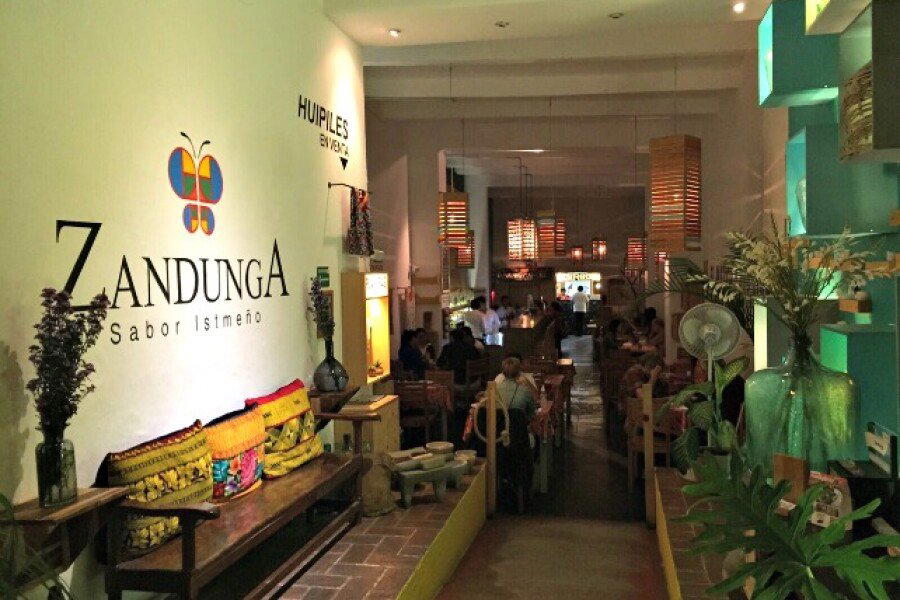
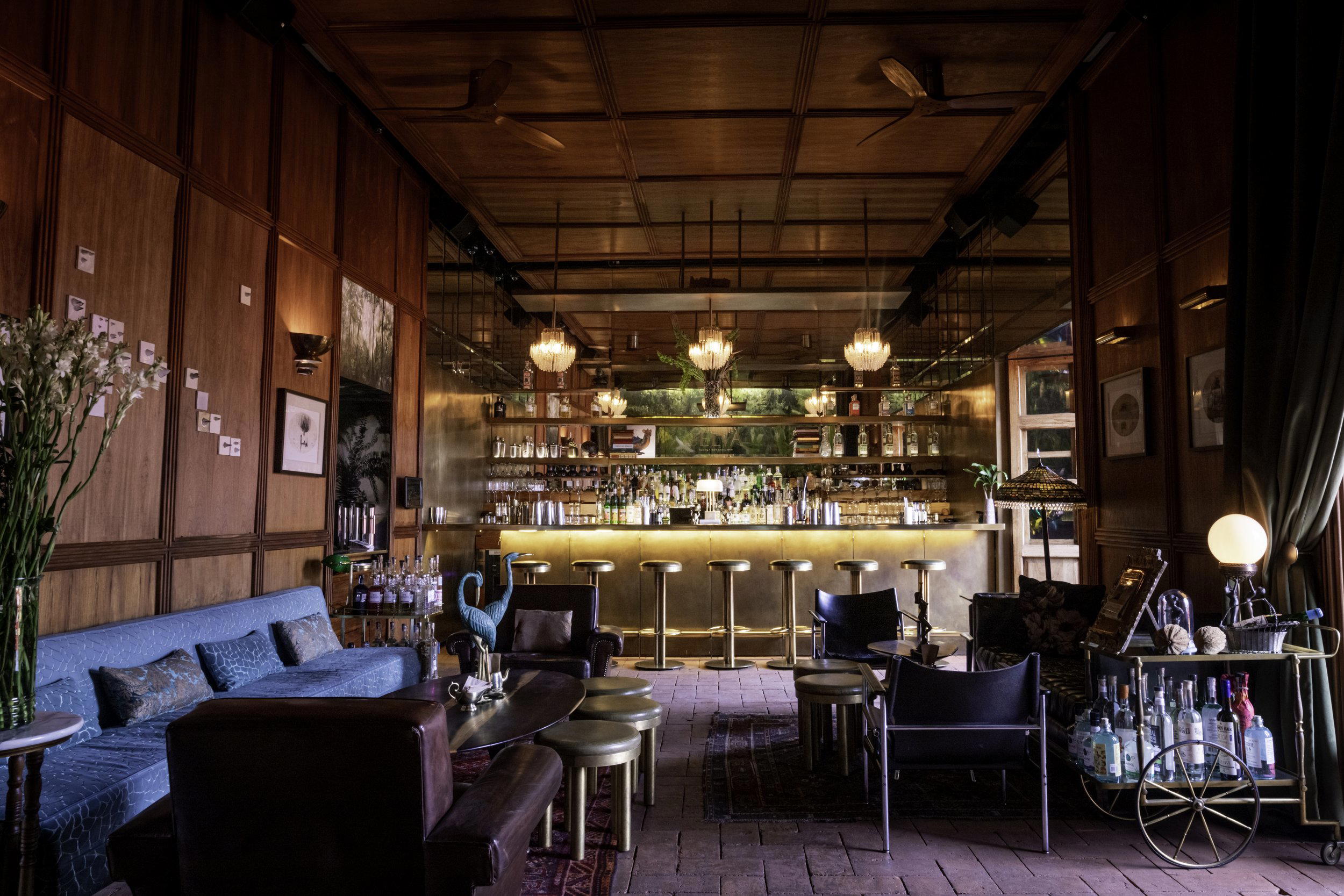
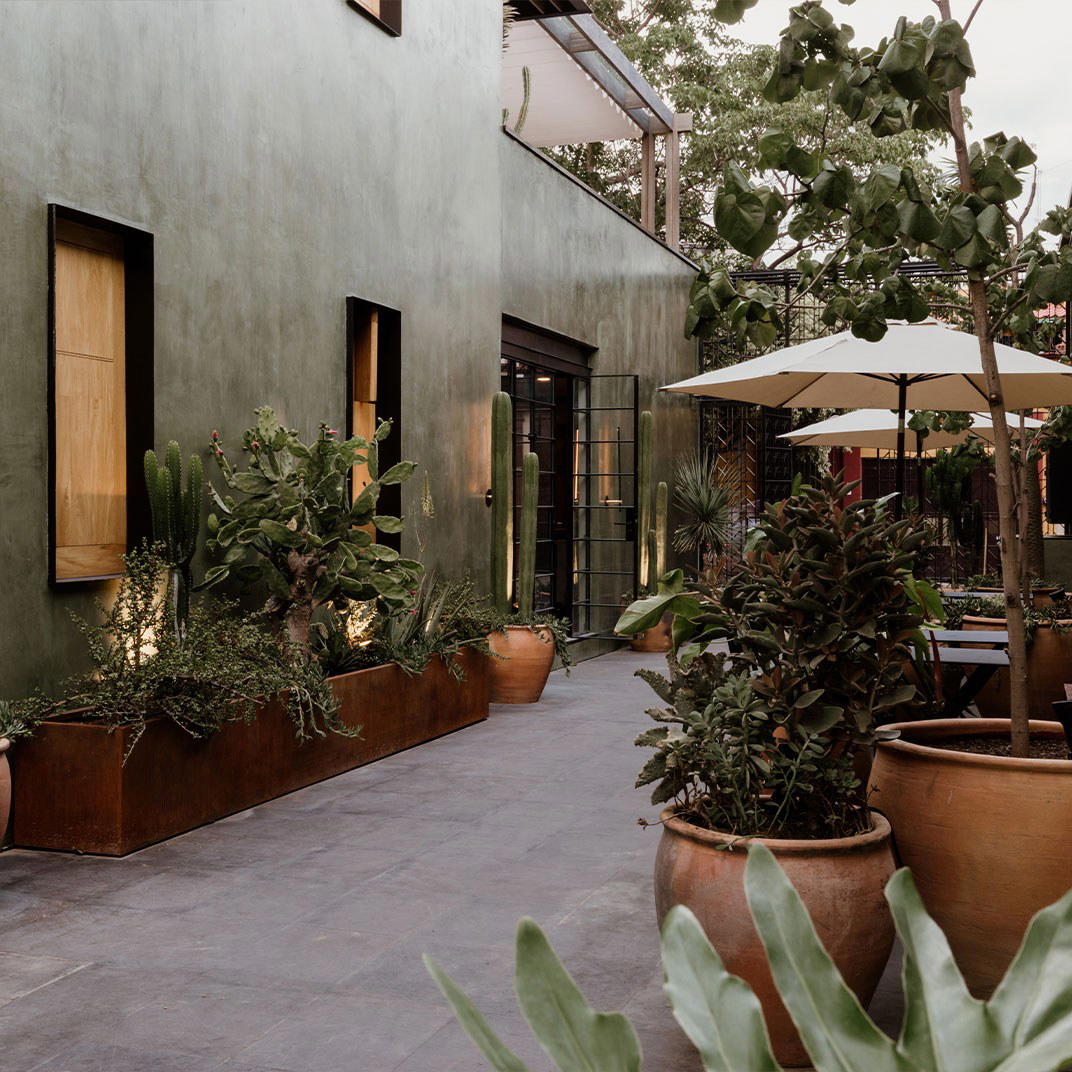
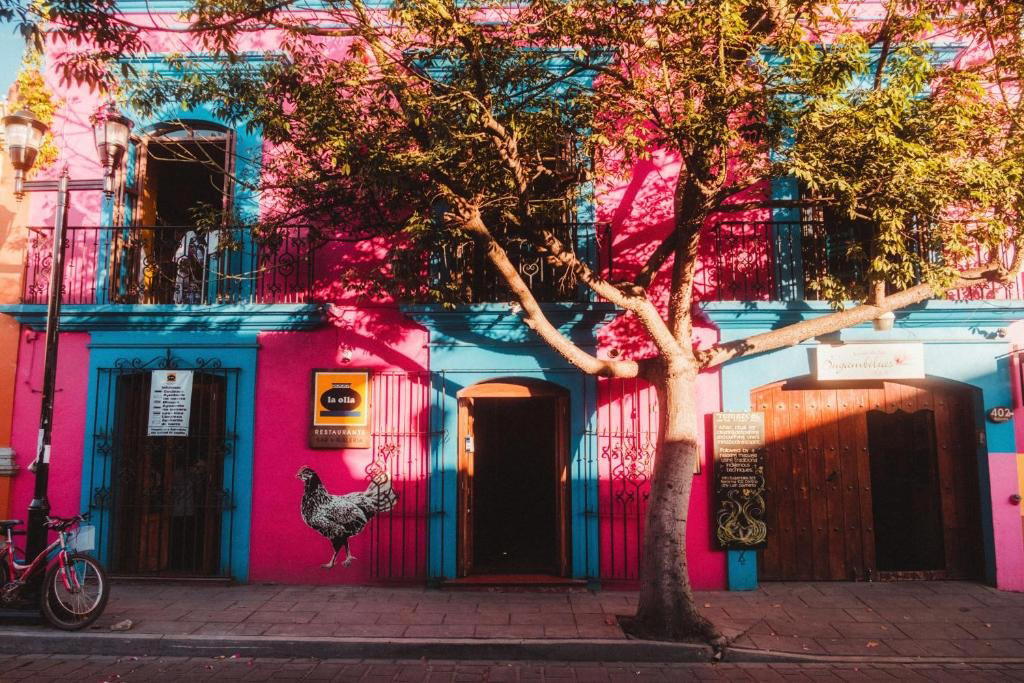
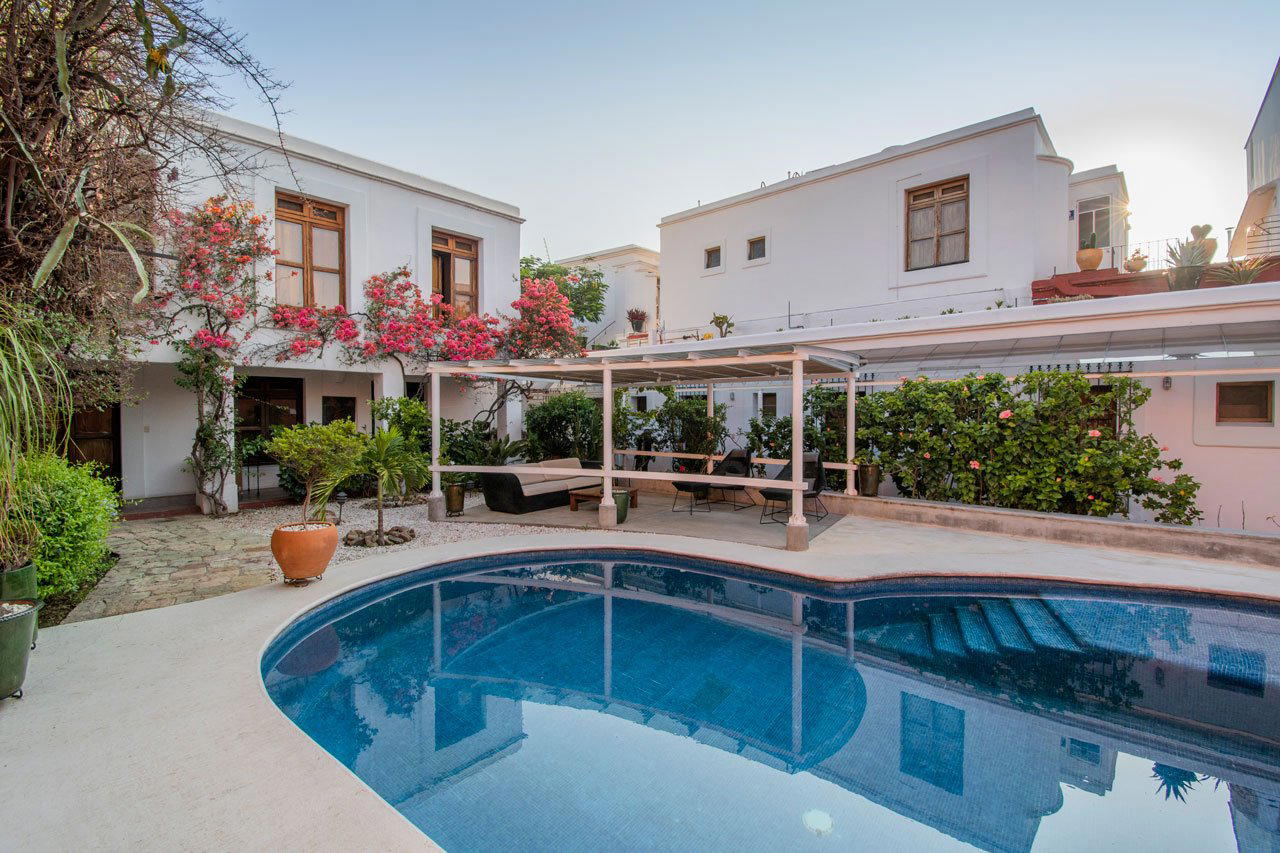
Reforma 703 sits inside Oaxaca's RUTA INDEPENDENCIA section of Centro, where colonial-era architecture frames a neighbourhood that operates at street level throughout the day. The address carries the ambient texture of a working historic district rather than a tourist corridor, which typically translates to a grounded, local-facing atmosphere. Expect the rhythm of the neighbourhood to set the tone more than any designed interior concept.
What makes Aguacate Oaxaca's location in Centro significant for the dining experience?
Reforma 703 places the restaurant within the RUTA INDEPENDENCIA corridor of Oaxaca's Centro, the historical and civic core of Oaxaca de Juárez. This grid is within walking distance of the zócalo and the Benito Juárez market, which is one of the primary nodes of Oaxaca's fresh-ingredient supply chain. For a restaurant whose name foregrounds a specific regional ingredient, proximity to that supply network is a practical and symbolic anchor in equal measure.
What do people recommend at Aguacate Oaxaca?
The restaurant's name references the avocado, a fruit with pre-Columbian cultivation roots in Mesoamerica, which signals an orientation toward local, regionally anchored ingredients. Oaxaca's broader dining scene draws on endemic chiles, heirloom corn, and native herbs, so dishes rooted in that pantry are a reasonable expectation at a Centro address of this character.
A Quick Peer Check
Comparable venues nearby, for context on price, style, and recognition.
| Venue | Cuisine | Price | Awards | Notes |
|---|---|---|---|---|
| Aguacate OaxacaThis venue (the venue you are viewing) | Vegetarian Mexican | $10–20 | Not listed | Not listed |
| Boulenc | Artisanal Sourdough Bakery & Cafe | $10–20 | Not listed | 2006700010933 |
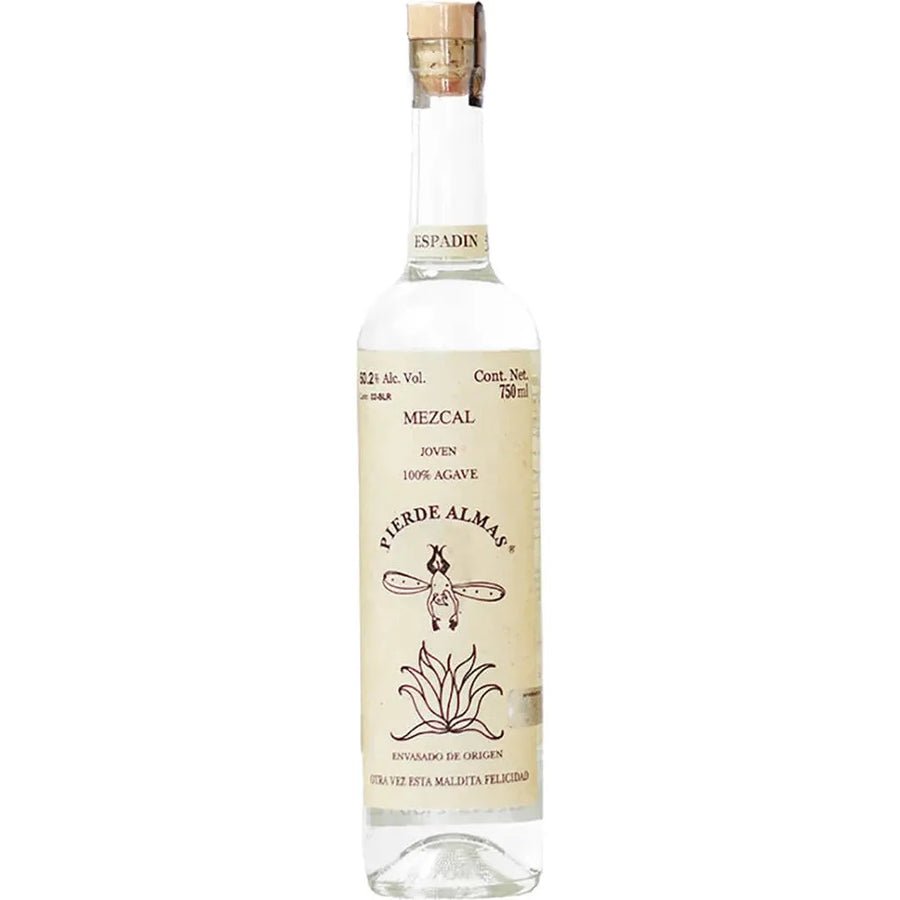
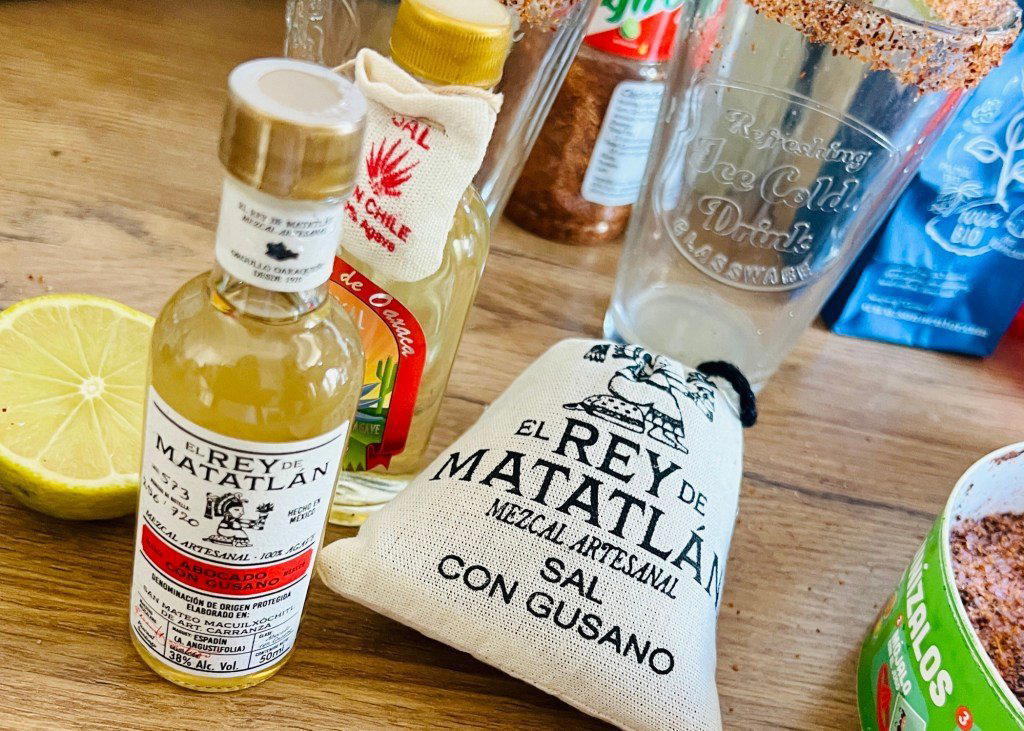
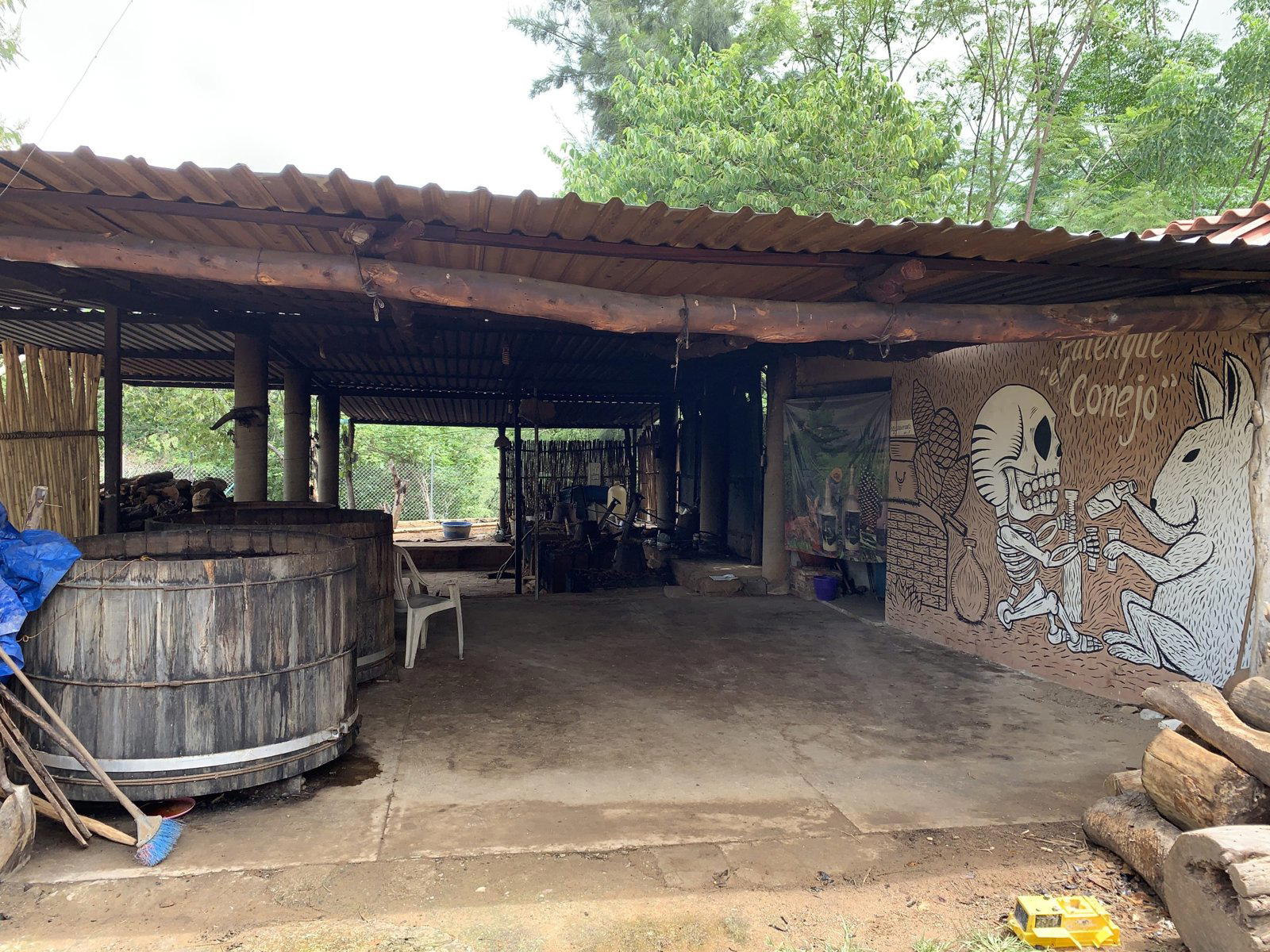
| Mezcal Distillery | Mezcal Tasting Distillery | Not listed | Not listed | Matatlán |
| Tlayudas Libres Doña Martha | Oaxacan Tlayudas | $10–20 | Not listed | 2006700010204 |
| Barbacoa Obispo Cocina Rural | Oaxacan Barbacoa | $10–20 | Michelin Plate | 2006700010505 |
| Tacos Del Carmen | Traditional Oaxacan Street Tacos | $1–10 | Not listed | 2006700010929 |
Continue exploring
More in Oaxaca
Restaurants in Oaxaca
All restaurants in Oaxaca →
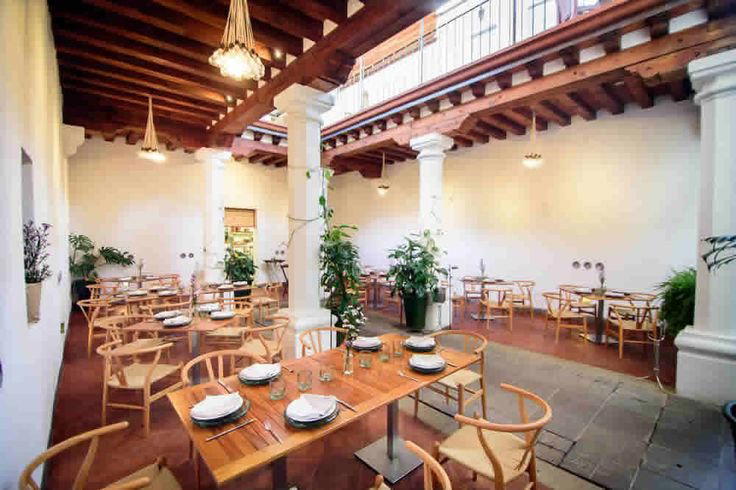
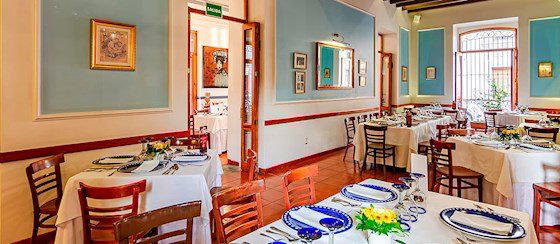
Bars in Oaxaca
All bars in Oaxaca →
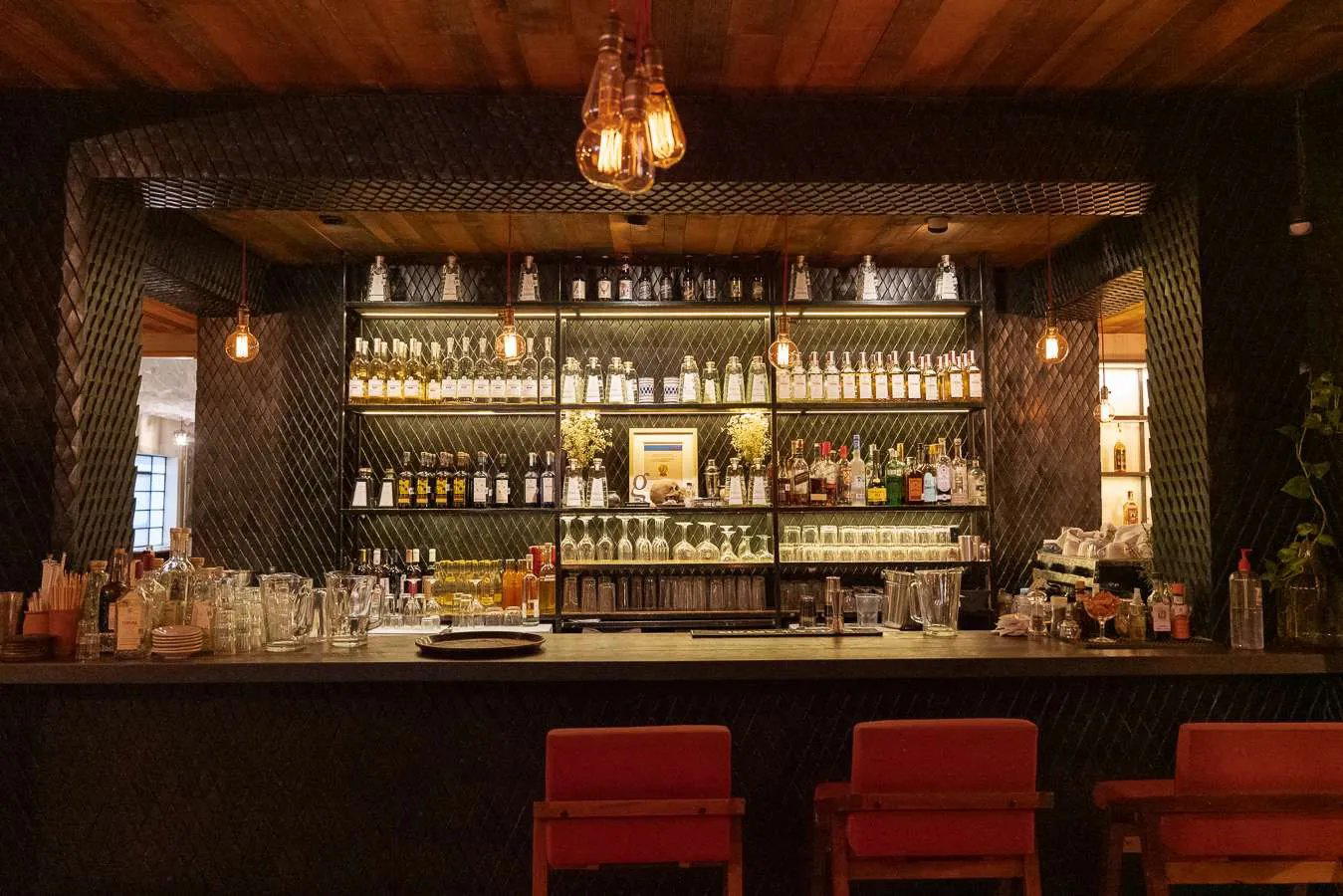
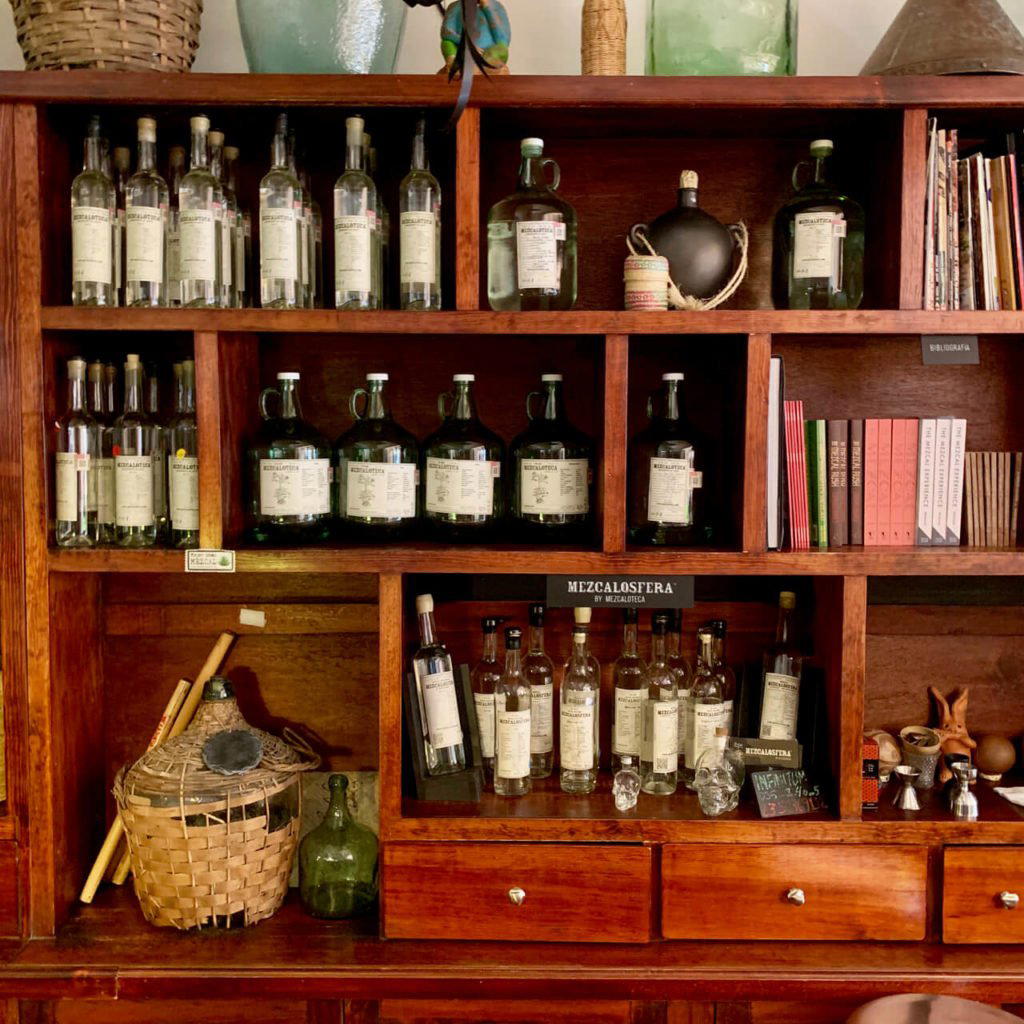


Details
- Cozy
- Modern
- Casual Hangout
- Standalone
- A La Carte
- Vegetarian Friendly
- Vegan Options
Current opening hours
- Monday
- 10 AM–5:30 PM
- Tuesday
- 10 AM–5:30 PM
- Wednesday
- 10 AM–5:30 PM
- Thursday
- 10 AM–5:30 PM
- Friday
- 10 AM–5:30 PM
- Saturday
- 10 AM–5:30 PM
- Sunday
- 11 AM–4:30 PM
Hours can change for holidays and private events. Hours as of .
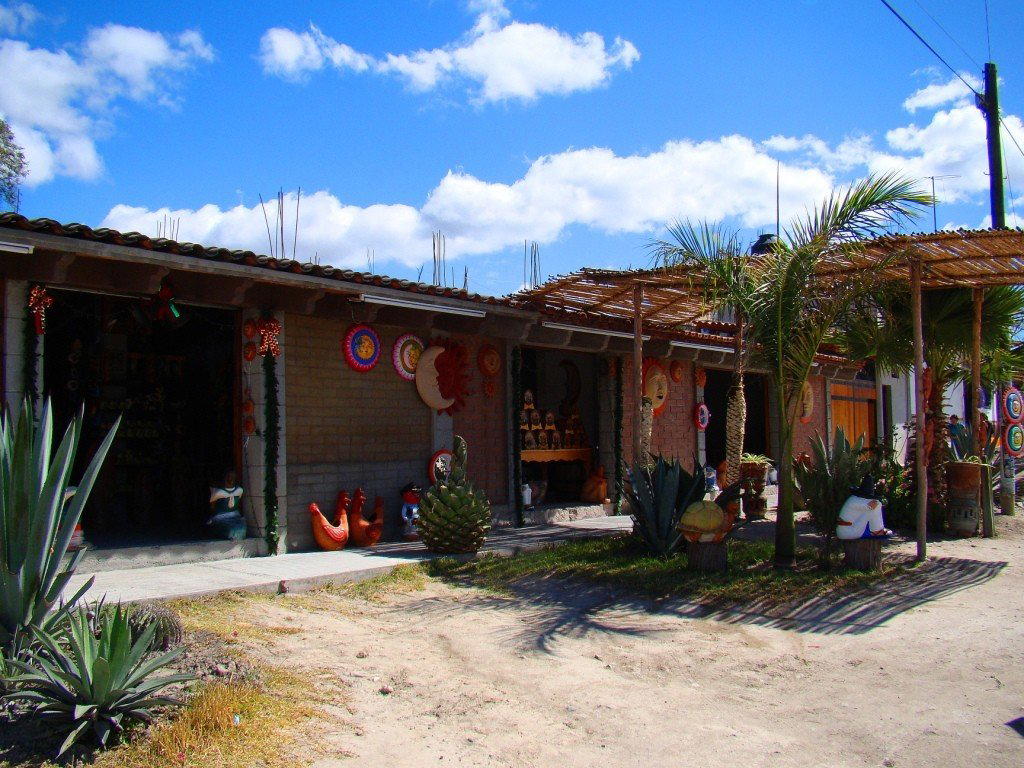
Calm and relaxed space with a modern vibe inside a shopping complex.