
Our verdict
Lechoncito de Oro sits on Calle de Los Libres in Oaxaca's Centro, where the city's tradition of slow-roasted pork remains one of the most direct expressions of Mixtec and mestizo cooking in the region. The address places it within the historic core, where market-driven preparation and communal eating define the standard. For roasted pork done without refinement theatre, this is the reference point in the neighbourhood.

Pearl is the En Primeur Club membership app — saves, bookings, and concierge access live there. Same editors, same standards.
- Address
- C. de Los Libres s/n, RUTA INDEPENDENCIA, Centro, 68000 Oaxaca de Juárez, Oax., Mexico
- Phone
- +529513264003
- Hours
- Mon–Sat 8 PM–3 AMSun Closed
- Website
- facebook.com
- Directions
- Get directions
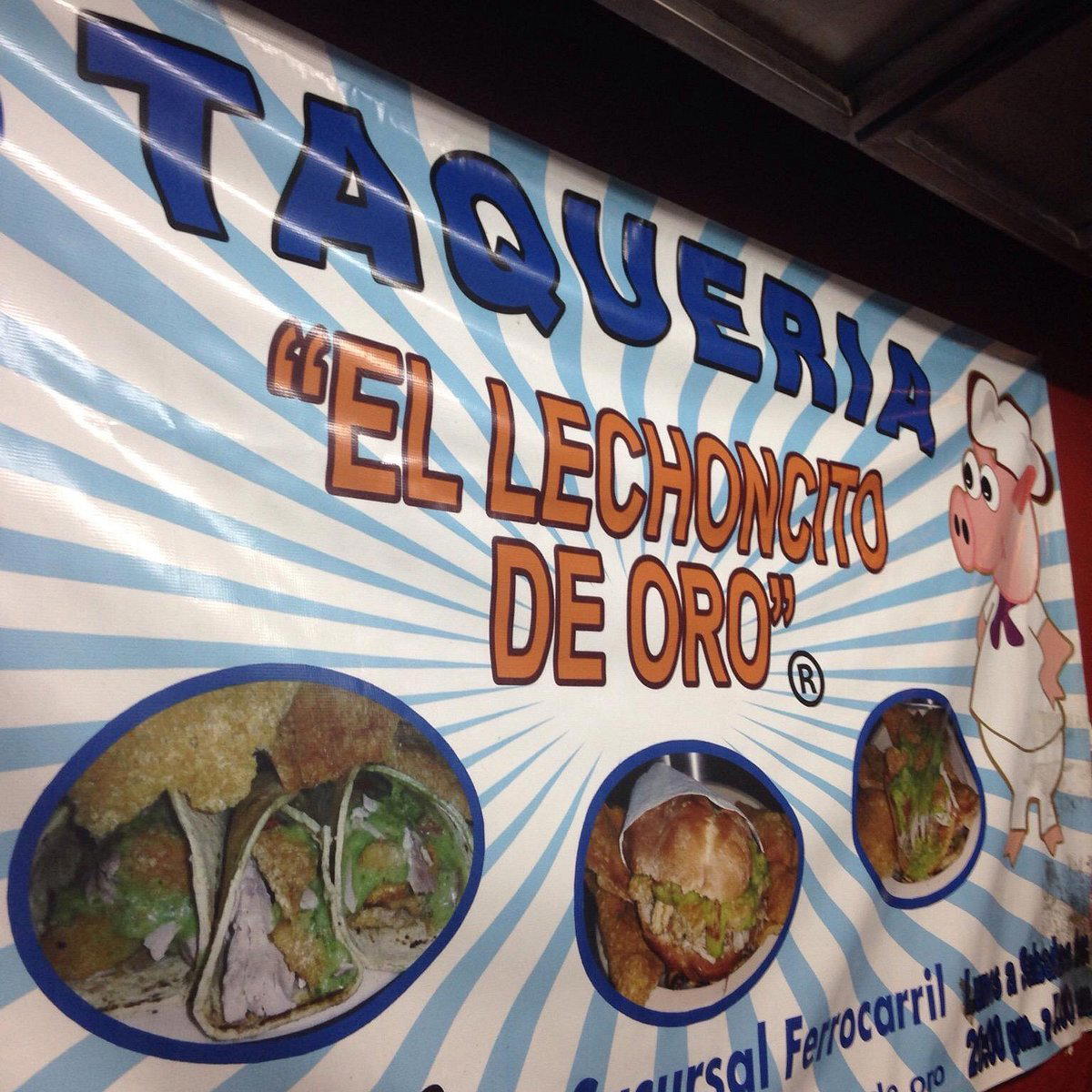
The menu
What to order
- Tacos de Lechón con Chicharrón
- Tostadas de Lechón
- Torta de Lechón
Slow Roast and Street Logic in Oaxaca's Centro
Oaxaca's Centro operates on a different register from the tasting-menu circuit that draws international attention to addresses like Levadura de Olla or Los Danzantes. Along Calle de Los Libres and the surrounding RUTA INDEPENDENCIA blocks, the cooking proposition is far more direct: fire, pork, and technique accumulated over generations rather than seasons. Lechoncito de Oro occupies this register. The name translates roughly as "little golden suckling pig," and the promise it makes is a specific one, rooted in the Mexican tradition of lechón preparation that traces back to colonial-era pork culture layered onto pre-Hispanic cooking methods.
Approaching the address, the signal is olfactory before it is visual. The scent of rendered fat and wood smoke is the oldest form of restaurant marketing in central Mexico, and it works here the same way it works in the market corridors of the Mercado 20 de Noviembre a few blocks away, where smoke from the comal corridor has drawn visitors and locals alike for decades. The difference is format: Lechoncito de Oro operates as a more contained proposition, anchored to a specific preparation rather than the broad market sweep.
Lechón in the Oaxacan Context
To understand what Lechoncito de Oro represents, it helps to understand where lechón sits in Mexico's wider pork tradition. The suckling pig preparation — slow-roasted whole, typically in a wood-fired or underground pit, with skin rendered to a lacquered crisp while the interior stays yielding — arrived with Spanish colonizers in the 16th century but was rapidly absorbed into regional cooking vocabularies across the country. In Oaxaca specifically, that absorption happened alongside the state's distinctive use of chiles, chocolate, and fermented corn, producing a local idiom that differs meaningfully from Yucatecan cochinita pibil or the carnitas traditions of Michoacán.
Oaxaca's food identity is often discussed through the lens of its moles, its tlayudas, or its mezcal culture, but the city's relationship to pork preparation is equally foundational. The Mercado 20 de Noviembre's "corridor of smoke" (Pasillo de Humo) is the most documented expression of this, where visitors choose raw cuts and have them grilled to order over charcoal. Lechoncito de Oro represents a different but related tradition: the whole-animal, slow-roast approach that requires more time and a different level of commitment from the cook. It is, in that sense, a less improvised proposition than the market grill, and the name's invocation of gold (oro) signals the specific aspiration of the preparation: that caramelised, crackling exterior that defines a properly executed lechón.
This type of cooking rarely intersects with the fine-dining tier represented by Alfonsina or the more technique-forward work happening at Aguacate Oaxaca. Across Mexico, the restaurants doing this work most credibly, from Pujol in Mexico City to Animalón in Valle de Guadalupe, share an orientation toward the raw material and the process over the performance of service. Lechoncito de Oro sits at the more accessible, less theatrical end of that spectrum.
What the Address Tells You
The RUTA INDEPENDENCIA designation places Lechoncito de Oro within one of Centro's busiest pedestrian and commercial corridors. This is not the quiet side-street address that signals a destination-only dining proposition. The surrounding blocks carry significant foot traffic from both local residents and visitors moving between the zócalo and the city's market district. Restaurants that survive and build reputations on this kind of street do so through consistent execution of a narrow offer rather than through atmosphere or novelty, because the competition for attention is constant and the customer has ready alternatives within a short walk.
That competitive pressure produces a useful quality signal. An address like this, in a city with Oaxaca's depth of food culture, and with a name that makes a specific claim about a specific preparation, has to deliver on the preparation to hold its position. The absence of formal awards or Michelin recognition is not unusual in this tier of Mexican regional cooking; the validation system that applies to KOLI Cocina de Origen in Monterrey or Le Chique in Puerto Morelos operates in a different register from the market-adjacent, single-preparation spots that form the backbone of how Oaxacans actually eat.
Oaxaca's Wider Table
Lechoncito de Oro is one data point in a city that has become one of Mexico's most discussed food destinations over the past decade, drawing comparisons to the diversity of approach found at Adamá and the market-focused cooking that defines the city's lower price tiers. Internationally, Oaxaca's food scene is benchmarked against Mexico City, but the more useful comparison is with other Mexican regional capitals: Guadalajara's Alcalde, Mérida's Huniik, or the Baja California work represented by Olivea in Ensenada. Each city has a high-end tier and a street-level tier, and the quality of the street-level tier is often the more reliable indicator of a food culture's depth. In Oaxaca, that street-level tier is formidable, and Lechoncito de Oro operates within it. For visitors who have covered the tasting-menu side of the city's offer, including the contemporary Mexican work at HA' in Playa del Carmen or the Korean-inflected precision of Atomix in New York, the directness of a properly roasted lechón on a working-city street is its own form of argument. You can find the full range of the city's options in our Oaxaca restaurants guide, alongside comparable spots at Pangea in San Pedro Garza García and Lunario in El Porvenir for those building a broader Mexican itinerary.
Planning Your Visit
Lechoncito de Oro is located at Calle de Los Libres s/n within the RUTA INDEPENDENCIA zone of Centro, Oaxaca de Juárez, 68000. The standard approach for this category of Oaxacan restaurant is to arrive mid-morning when the roast is at its finest, before the main cuts are exhausted. As with most whole-animal preparations in the region, the supply is finite and arrival time matters more than reservation strategy. Walk-ins are the expected mode of entry; the question is timing, not planning ahead.
Frequently asked questions
Where exactly is Lechoncito de Oro?
Lechoncito de Oro is located at C. de Los Libres s/n, RUTA INDEPENDENCIA, Centro, 68000 Oaxaca de Juárez, Oax. Mexico, Oaxaca.
How does Lechoncito de Oro fit into Oaxaca's whole-animal cooking tradition?
Oaxaca sits at an intersection of pre-Hispanic cooking technique and colonial-era pork culture, and whole-animal preparations have deep roots in the region's market and festive food calendar. Lechoncito de Oro's position on Ruta Independencia in Oaxaca de Juárez places it within a Centro corridor where traditional preparations coexist alongside the city's more internationally profiled dining addresses. The focus on lechón as a single, defined preparation aligns it with a strand of Oaxacan cooking that prioritises process depth over menu breadth.
What's the must-try dish at Lechoncito de Oro?
The name answers the question directly: lechón, slow-roasted suckling pig, is the preparation the kitchen is built around. In Oaxaca's Centro, where diners are knowledgeable and competition among traditional preparations is genuine, a venue that puts one dish in its own name is making a specific commitment to that execution.
Do they take walk-ins at Lechoncito de Oro?
No reservation infrastructure has been confirmed for this address. The location on Ruta Independencia — one of Centro's busiest commercial and pedestrian corridors in Oaxaca de Juárez — places it in the walk-in category consistent with market-adjacent venues in the district. Arriving early in the service window is the practical approach.
What has Lechoncito de Oro built its reputation on?
The address and format point to a reputation grounded in consistent execution of a single preparation. Oaxaca's food scene draws serious domestic and international attention, and Centro diners apply a high standard of comparison. A venue that holds its position on Ruta Independencia around that one preparation is operating on the logic of repetition and reliability rather than range.
A Pricing-First Comparison
Comparable venues nearby, for context on price, style, and recognition.
| Venue | Cuisine | Price | Notes |
|---|---|---|---|
| Lechoncito de OroThis venue — the venue you are viewing | Oaxacan Suckling Pig Tacos | $1–10 | Not listed |
| Fonda Rosita | Traditional Oaxacan Market Fonda | $10–20 | 2006700011630, Traditional Oaxacan Market Fonda |
| El Lechoncito de Oro | Oaxacan Lechón Tacos | $1–10 | Santa Lucía del Camino, Oaxacan Lechón Tacos |
| Mercado 20 de Noviembre | Traditional Oaxacan Market Food | $1–10 | Centro, Oaxacan Market Food |
| Bar Jardin Zocalo | Traditional Oaxacan Cafe-Bar | $10–20 | 2006700010952, Traditional Oaxacan Cafe-Bar |
| La Flor de Huayapam | Oaxacan Tejate Stall | $1–10 | 2006700010952, Oaxacan Tejate Stall |
Recognition history
Dated appearances from independent guides and award organizations, with the underlying list record or original source where available.
Opinionated About Dining Cheap Eats in North America Ranked #31
Opinionated About Dining
Continue exploring
More in Oaxaca
Restaurants in Oaxaca
Browse all →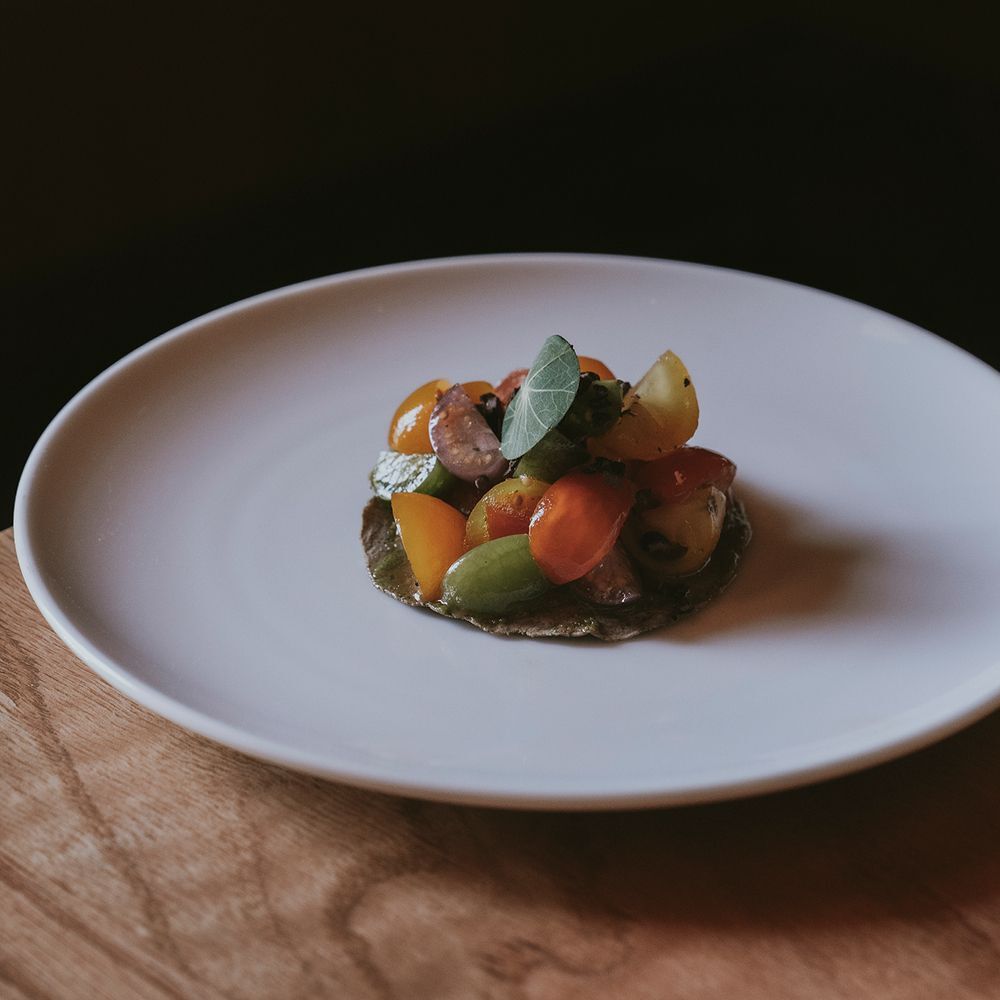
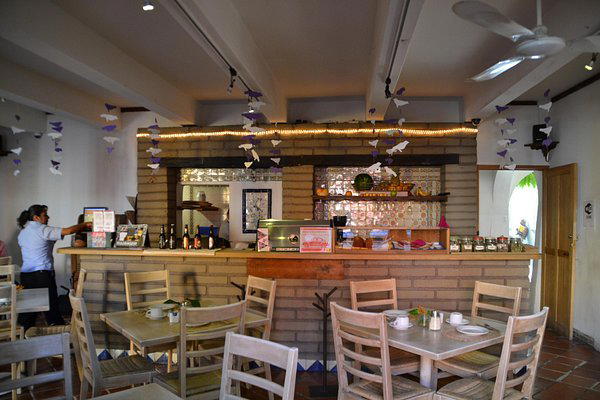
Bars in Oaxaca
Browse all →

Hotels in Oaxaca
Browse all →
Details
- Well Known
- Lively
- Rustic
- Late Night
- Casual Hangout
- After Work
- Open Kitchen
- Street Scene
- A La Carte
- Counter Dining
Current opening hours
- Monday
- 8 PM–3 AM
- Tuesday
- 8 PM–3 AM
- Wednesday
- 8 PM–3 AM
- Thursday
- 8 PM–3 AM
- Friday
- 8 PM–3 AM
- Saturday
- 8 PM–3 AM
- Sunday
- Closed
Hours can change for holidays and private events. Last verified .
Lively street-side atmosphere with plastic benches and standing-room-only crowds, especially late at night; energetic and casual with a local food scene vibe.