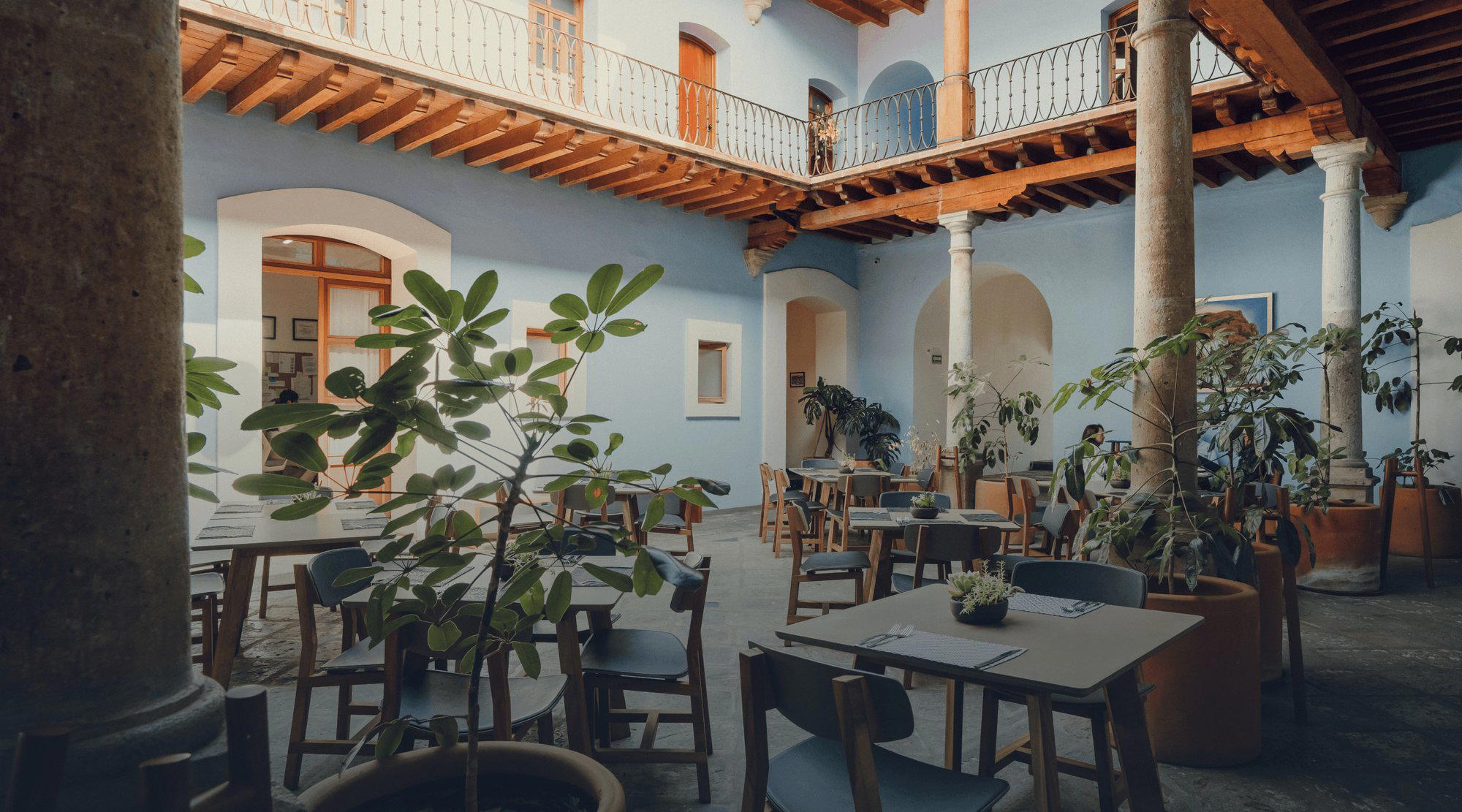
On Reforma in Oaxaca City's Centro, Casa Crespo occupies a position in the neighbourhood's mid-tier dining conversation — an address on a street that connects the city's colonial core to its more local, everyday eating culture. The dining ritual here draws on the deep Oaxacan pantry: mole traditions, masa technique, and the slow pacing that characterises the region's approach to a proper meal.
Pearl is the En Primeur Club membership app — saves, bookings, and concierge access live there. Same editors, same standards.
- Address
- Reforma 808, RUTA INDEPENDENCIA, Centro, 68000 Oaxaca de Juárez, Oax., Mexico
- Phone
- +52 951 119 1910
- Website
- casacrespo.com
- Directions
- Get directions
 Saves & bookings on Pearl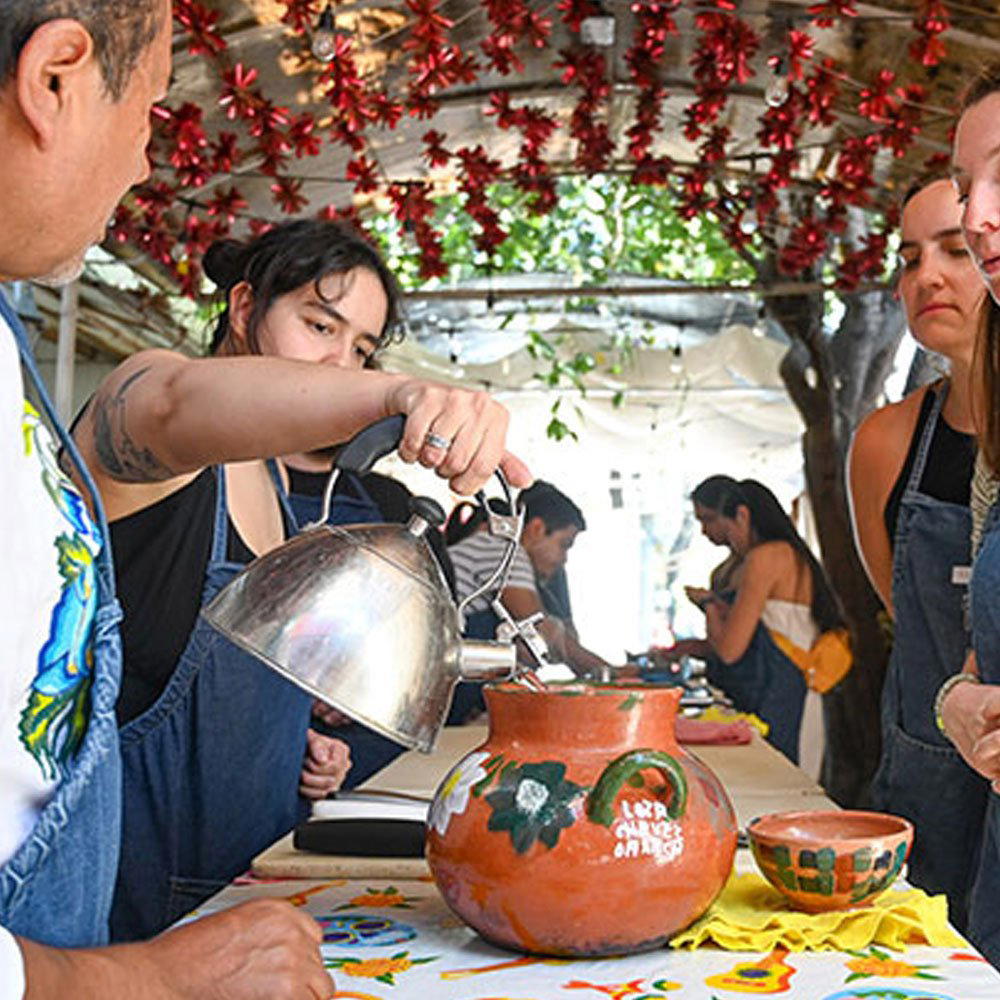
Reforma Street and the Grammar of Oaxacan Dining
Centro Oaxaca runs on a logic that visitors take a few meals to understand. The streets radiating from the zócalo sort themselves into layers: the tourist-facing terraces of the square itself, the more considered mid-blocks where local and visitor clientele overlap, and then the quieter outer avenues where the cooking tends to speak more plainly. Reforma sits in that middle register. At number 808, Casa Crespo occupies a Centro address that places it inside the city's established dining corridor without being absorbed into its most performative stretch.
That address matters more than it might appear. Oaxaca City has spent the last decade consolidating a reputation as one of Mexico's most compelling food cities — not through a single flagship restaurant or a Michelin announcement, but through a sustained density of places that take the regional pantry seriously. The mole traditions of the Valles Centrales, the chocolate trade rooted in the city's markets, the masa work that stretches from market comedores to formal dining rooms: these are the building blocks that places like Casa Crespo work with, whether subtly or overtly. For comparison, you can see how the city's more market-adjacent operations approach the same ingredients at Comedor María Teresa, or how a more contemporary editorial lens shapes the menu at Levadura de Olla Restaurante in Oaxaca.
The Ritual of the Oaxacan Table
What defines a meal in this city, at almost any price point, is pacing. Oaxacan dining culture does not rush. The comida — the midday main meal, is a commitment, not a transaction. Menus tend to move through courses in a sequence that assumes the diner has time: a soup or tlayuda to open, a mole-based main that requires attention, perhaps a mezcal to close. This is the structure that gives Oaxacan restaurants their particular rhythm, and it is a rhythm that rewards visitors who adjust to it rather than imposing a northern-European or American tempo on the table.
Across Centro, the places that hold this format most faithfully tend to operate on a formula that is less about trend and more about repetition and refinement. The seven moles of Oaxaca, negro, coloradito, amarillo, verde, chichilo, rojo, manchamanteles, are not a menu flourish but a working vocabulary. A kitchen that can execute negro with the right depth of chile mulato and chocolate, or deliver a chichilo with its characteristic smoky-sour finish, is doing something that takes years of institutional practice. That's the standard against which Centro restaurants are quietly measured by Oaxacan diners themselves.
At a street level, this tradition sits alongside a broader national conversation about Mexican regional cuisine. The high-end interpretation of that conversation runs through places like Pujol in Mexico City or Alcalde in Guadalajara, while on the Pacific and northern coasts it takes on different registers at venues such as Animalón in Valle de Guadalupe and Olivea Farm to Table in Ensenada. Oaxaca's contribution to that national story is not technique in the modernist sense but depth of source material, ingredients, preparation methods, and serving customs that predate the contemporary fine dining movement by several centuries.
Where Casa Crespo Sits in the Centro Conversation
Centro Oaxaca's dining options cluster into a few recognisable tiers. The zócalo-facing terraces, including Bar Jardin Zocalo, trade primarily on location and atmosphere for a mixed tourist crowd. A step inward, places like Catedral Restaurant work a slightly more formal register. Further into the residential and commercial streets, operations like Cafe Los Cuiles and Boulenc address a more local and food-literate clientele with menus that assume familiarity with the regional canon.
Casa Crespo on Reforma 808 sits within this mid-Centro band. The Reforma address connects the colonial core to the city's more quotidian commercial fabric, which means the dining room draws from a wider range of visitors than the purely tourist-facing blocks while remaining accessible to travellers who have moved past the zócalo circuit and want something with more neighbourhood character.
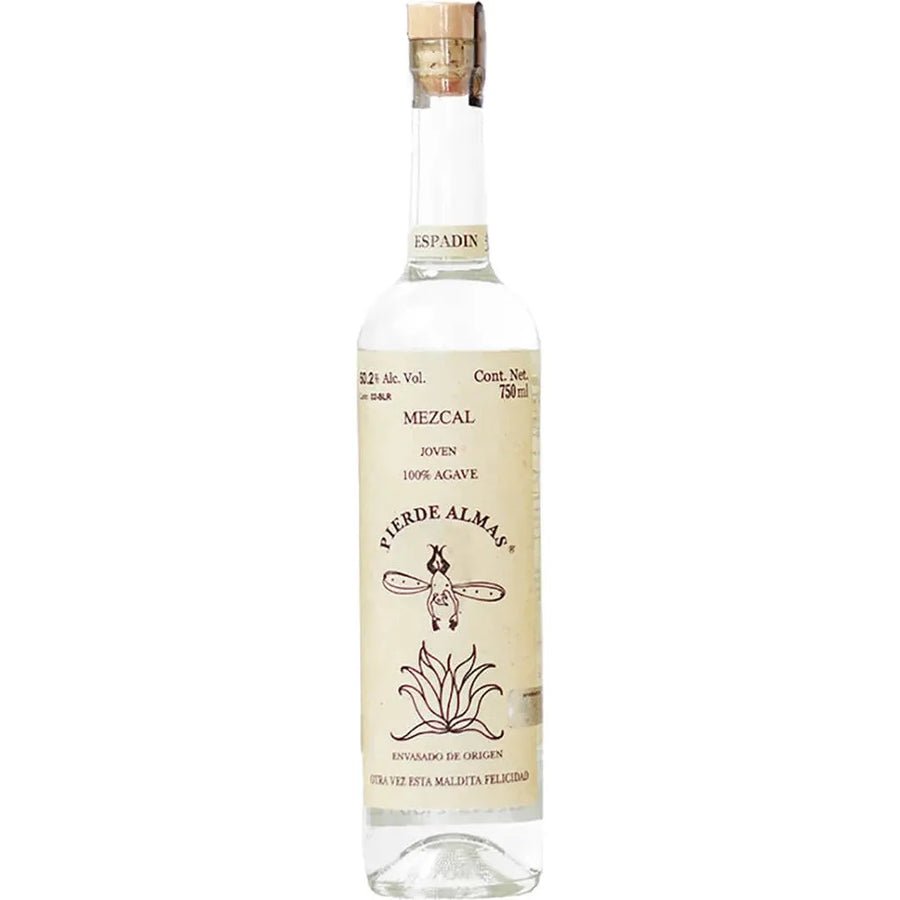
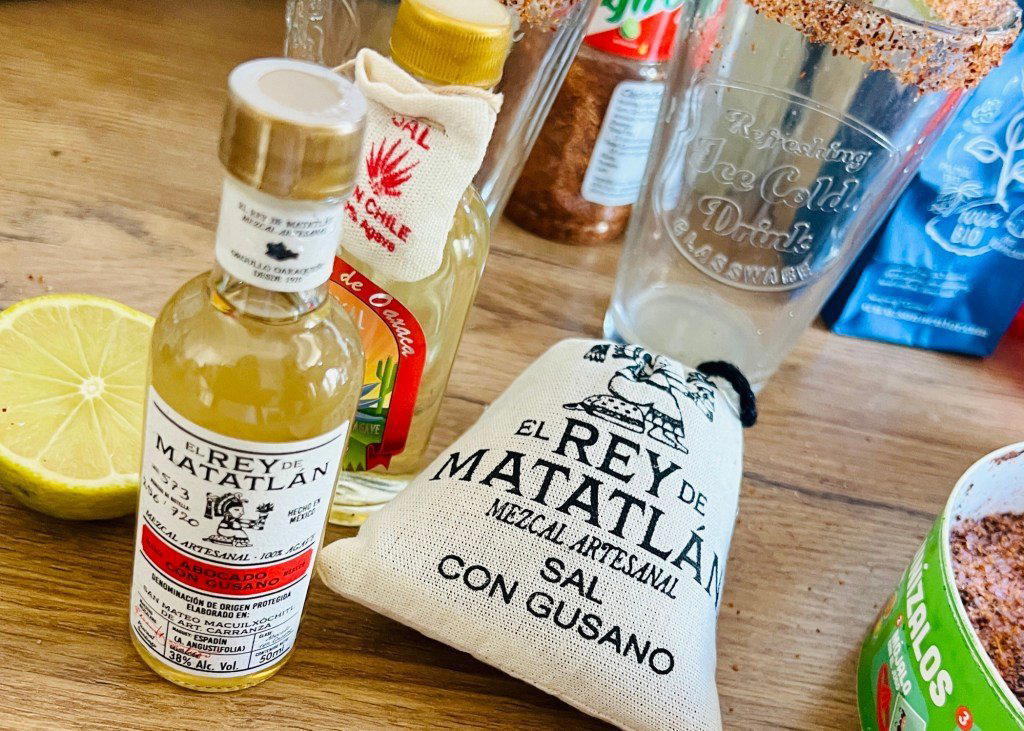
For visitors constructing a week of eating in Oaxaca, the practical question is how to distribute meals across the city's registers. A day structured around the market at Benito Juárez for breakfast, a proper midday comida at a Centro address on Reforma, and an evening mezcal at one of the city's bar-forward spaces is a format that reflects how Oaxacans themselves eat. The midday anchor is where a restaurant like Casa Crespo fits most naturally in that sequence.
Planning Your Visit
Reforma 808 is a walkable distance from the zócalo and the main pedestrian axis of Macedonio Alcalá, arrivals on foot from either direction will pass through the kind of ordinary Centro streetscape that gives this neighbourhood its character. The RUTA INDEPENDENCIA designation places the address in the administrative heart of the city. Phone and website details are not confirmed in current records, so the practical approach is to arrive at the address directly, or to ask at your hotel for current hours and reservation status. In Oaxaca's Centro, many mid-tier operations do not require advance booking at lunch, but weekend evenings and the high-travel periods around Día de Muertos (late October into November) and the Guelaguetza festival (July) compress availability across the neighbourhood significantly. If your visit falls in those windows, arriving early in the service is a more reliable strategy than relying on walk-in availability at peak hours.
For a broader map of where Casa Crespo sits within the city's full dining options, the EP Club Oaxaca City restaurants guide covers the range from market comedores to the more internationally referenced addresses. Elsewhere in Mexico, the Le Chique in Puerto Morelos, KOLI Cocina de Origen in Monterrey, HA' in Playa del Carmen, Pangea in San Pedro Garza Garcia, and Lunario in El Porvenir represent the full geographic spread of serious Mexican restaurant culture. For international reference points on format and pacing in destination dining, Le Bernardin in New York City and Lazy Bear in San Francisco show how different culinary cultures handle the ritual dimension of a timed, structured meal.
Cuisine Lens
| Venue | Cuisine |
|---|---|
| Casa CrespoThis venue — the venue you are viewing | This venue |
Continue exploring
More in Oaxaca
Restaurants in Oaxaca
Browse all →
Bars in Oaxaca
Browse all →
Hotels in Oaxaca
Browse all →

At a Glance
- Rustic
- Cozy
- Intimate
- Special Occasion
- Celebration
- Open Kitchen
- Farm To Table
- Local Sourcing
- Organic
Current opening hours
- Monday
- Closed
- Tuesday
- 10 AM–8 PM
- Wednesday
- 10 AM–8 PM
- Thursday
- 10 AM–8 PM
- Friday
- 10 AM–8 PM
- Saturday
- 10 AM–8 PM
- Sunday
- 10 AM–5 PM
Hours can change for holidays and private events. Last verified .
Warm and inviting home-like atmosphere focused on traditional Oaxacan culinary heritage with fresh, farm-to-table elements.
Know Before You Go
- Getting there
- Reforma 808, RUTA INDEPENDENCIA, Centro, 68000 Oaxaca de Juárez, Oax., Mexico