
Los Montes de Galicia occupies a measured address on Calle de Azcona in Madrid's Salamanca district, where Galician culinary tradition holds its ground alongside the neighbourhood's appetite for formality and precision. The kitchen draws on the seafood-heavy pantry of northwest Spain, placing it in a different register from the capital's avant-garde circuit and closer to the produce-led restaurants that treat sourcing as the primary argument.
Pearl is the En Primeur Club membership app — saves, bookings, and concierge access live there. Same editors, same standards.
- Address
- C. de Azcona, 46, Salamanca, 28028 Madrid, Spain
- Phone
- +34913552786
- Website
- covermanager.com
- Directions
- Get directions
 Saves & bookings on Pearl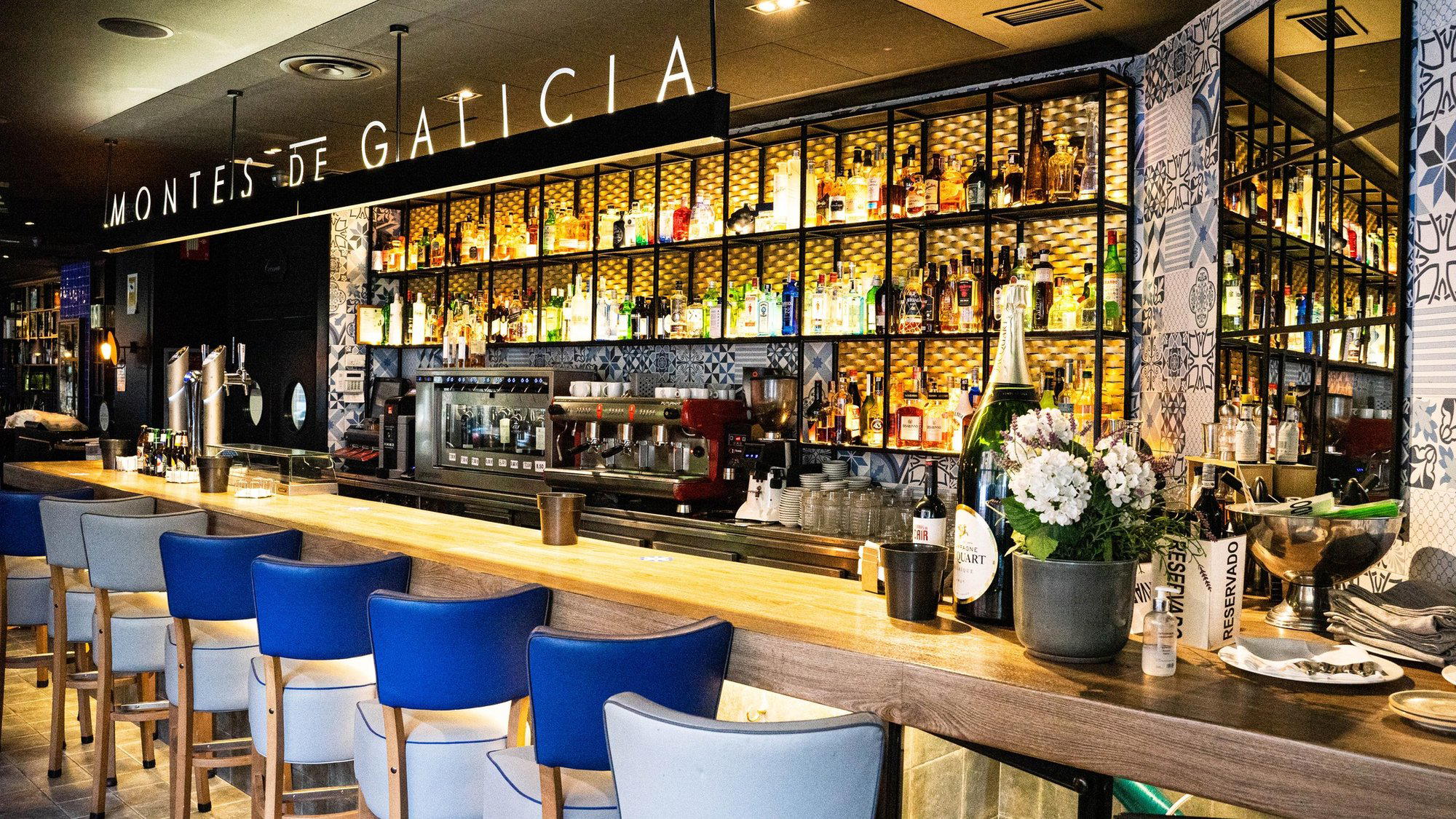
Salamanca's Galician Anchor
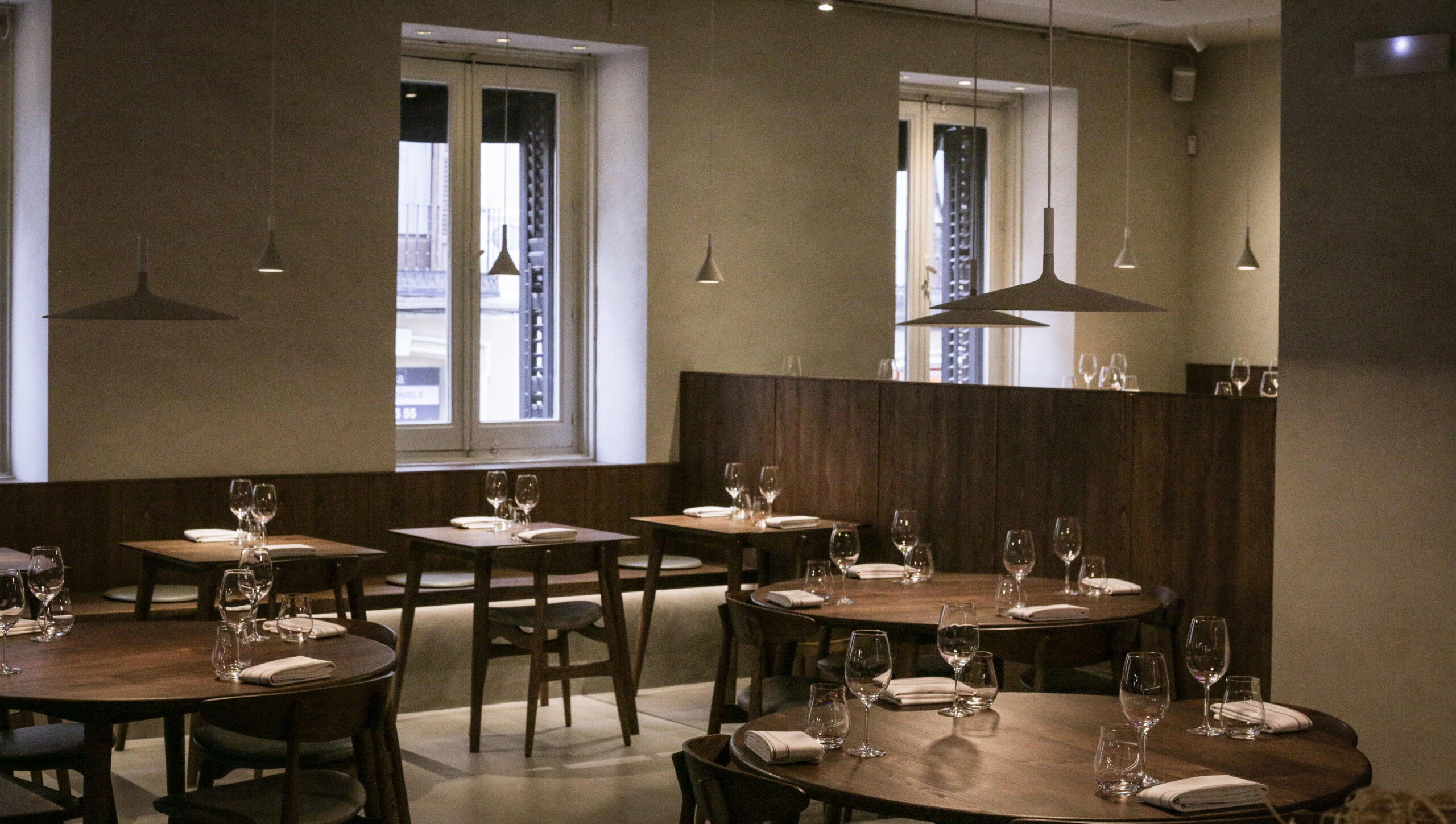
Madrid's Salamanca district operates at a consistent register of quiet formality. The streets around Calle de Azcona, 46 carry the particular hum of a neighbourhood where dining out is habitual rather than occasional, where tables fill on weekday evenings without the need for a press moment to drive them. Walking into that environment, you find a dining room that answers the street's expectations: composed, unhurried, and oriented around the kind of cooking that requires confidence in its source material rather than confidence in spectacle.
Galician restaurants in Madrid occupy a specific and durable position in the city's dining map. While the capital's avant-garde tier, places like DiverXO, Coque, and DSTAgE, competes on invention and narrative, Galician-focused dining competes on something harder to manufacture: access to the right product at the right moment. The Rías Baixas and Galicia's Atlantic coastline produce shellfish, fish, and beef that have a following well beyond regional borders, and a restaurant that builds its identity around that pantry is making a different kind of bet than one built around a chef's creative signature.
The Collaborative Architecture of a Produce-Led Room
The editorial angle that matters most at a restaurant like Los Montes de Galicia is not a single chef's vision but the coordination between kitchen, floor, and cellar. Galician cooking at this level is not technically demanding in the way that tasting-menu restaurants like Deessa or Paco Roncero are demanding. The difficulty lies elsewhere: in reading the daily catch correctly, in communicating its qualities to the dining room, and in building a wine list that does not overwhelm a plate of percebes or centolla with unnecessary performance.
That last point matters more than it might seem. The sommelier's role in a Galician restaurant in Madrid is to present Albariño, Godello, and the increasingly serious reds from Ribeira Sacra without making them feel like an afterthought to the food, and without making the food feel like an excuse to sell expensive bottles. When the floor reads the table correctly, a well-chosen Rías Baixas white alongside a plate of steamed clams is an argument in itself. When it does not, the same meal can feel like an expensive catalogue experience where product and wine coexist without actually speaking to each other.
Front-of-house in this kind of room carries significant responsibility. Galician cooking presents in ways that require explanation without condescension, the difference between varieties of percebes, the correct approach to a Galician lacón, the provenance signals that separate one turbot from another. Madrid diners in Salamanca are generally experienced, but the specificity of Galician product is regional knowledge that the floor needs to transfer with fluency.
Where Los Montes de Galicia Sits in the Madrid Context
Madrid's restaurant geography has sharpened over the past decade into reasonably distinct tiers. The city's three-Michelin-star cohort is small and concentrated. The two-star and one-star tables cover a range from creative Spanish cooking to more classical European formats. Below that formal tier, a large and genuinely competitive middle layer includes serious regional specialists, among which Galician restaurants form one of the more clearly defined sub-groups.
Galician seafood restaurants in Madrid are not rare. What separates the serious ones from the adequate ones is consistency of supply chain and the discipline of the team around it. A restaurant that presents good product three days a week and average product on the other four is not operating at the same level as one that has built direct relationships with specific suppliers in Galicia and communicates those relationships through what is on the plate. Spain's broader fine dining circuit, from El Celler de Can Roca in Girona to Arzak in San Sebastián to Martin Berasategui in Lasarte-Oria, rewards this kind of rigor with long institutional recognition. Regional specialists in Madrid operate with less visibility than their Basque or Catalan counterparts, but the standard is not lower for that.
Comparisons to Spain's broader coastal restaurant tradition are instructive. Aponiente in El Puerto de Santa María and Quique Dacosta in Dénia both take marine product as their primary language but translate it through highly technical, conceptually driven menus. The Galician tradition in Madrid operates at the opposite end of that spectrum, trusting the product to carry the meal with minimal intervention. Neither approach is superior; they answer different questions about what a serious seafood restaurant should be.
What to Know Before You Go
Los Montes de Galicia is located at Calle de Azcona, 46 in the Salamanca district, a neighbourhood that concentrates a significant share of Madrid's formal dining options within a walkable radius.
Galician seafood is seasonal in ways that affect any menu built honestly around it. The late autumn and winter months are when the Atlantic coast's shellfish reaches its fullest condition, and when a Galician restaurant in Madrid is most likely to be operating at its clearest. The stretch between October and February is when diners who care about produce-led cooking tend to seek out this kind of table. The summer months shift the equation: availability of the key species changes, and the kitchen's argument becomes a different one.
Salamanca is not a neighbourhood that rewards improvisation with bookings. The area's better tables fill through regular clientele and advance planning. For a restaurant anchored in this district with the kind of proposition the restaurant represents, arriving without a reservation on a Friday or Saturday evening in autumn is not a viable strategy. Booking ahead, particularly for peak product season, is the practical approach.
For those whose Madrid itinerary extends to other corners of Spain's serious dining circuit, Azurmendi in Larrabetzu, Mugaritz in Errenteria, Ricard Camarena in València, Cocina Hermanos Torres in Barcelona, and Atrio in Cáceres each represent a different way the peninsula's regional cooking traditions are being articulated at a serious level.
Peers in This Market
Comparable venues nearby, for context on price, style, and recognition.
| Venue | Cuisine | Price | Notes |
|---|---|---|---|
| Los Montes de GaliciaThis venue — the venue you are viewing | Traditional Galician Haute Gastronomy | $$$ | Not listed |
| Casa Benigna | Traditional Spanish Rice Dishes & Paella | $$$ | Ciudad Jardin |
| Cañadío | Traditional Cantabrian | $$$ | Lista |
| Restaurante Ferreiro | Traditional Asturian Spanish | $$$ | Cuatro Caminos |
| Castizo Canalejas | Classic Spanish Tapas | $$$ | Sol |
| Ramón Freixa Tradición | Traditional Spanish Cuisine | $$$ | Recoletos |
Recognition history
Dated appearances from independent guides and award organizations, with the underlying list record or original source where available.
Macarfi 7.3 Food Rating
Macarfi
Continue exploring
More in Madrid
Restaurants in Madrid
Browse all →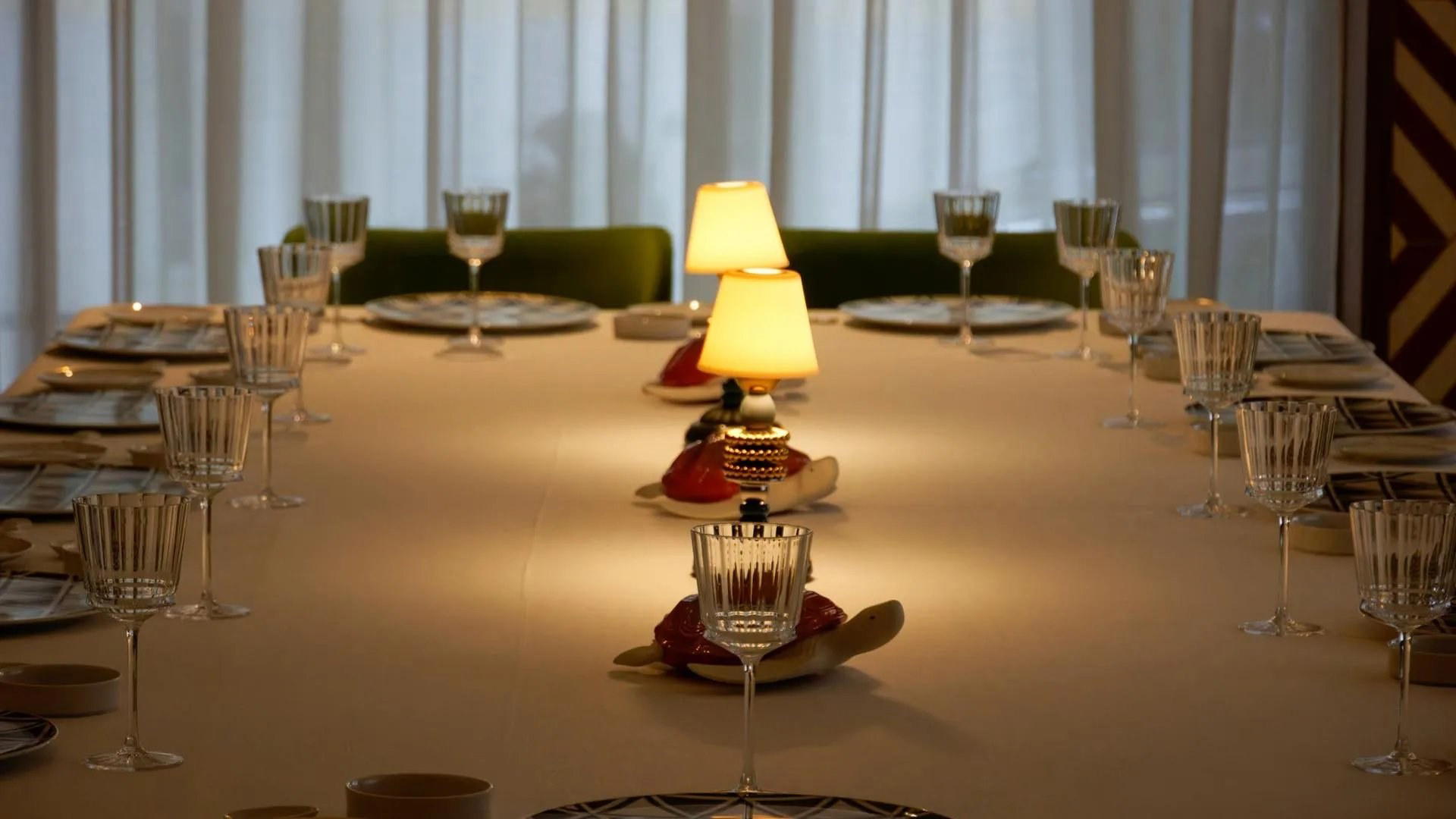
At a Glance
- Elegant
- Sophisticated
- Rustic
- Classic
- Date Night
- Business Dinner
- Group Dining
- Special Occasion
- Standalone
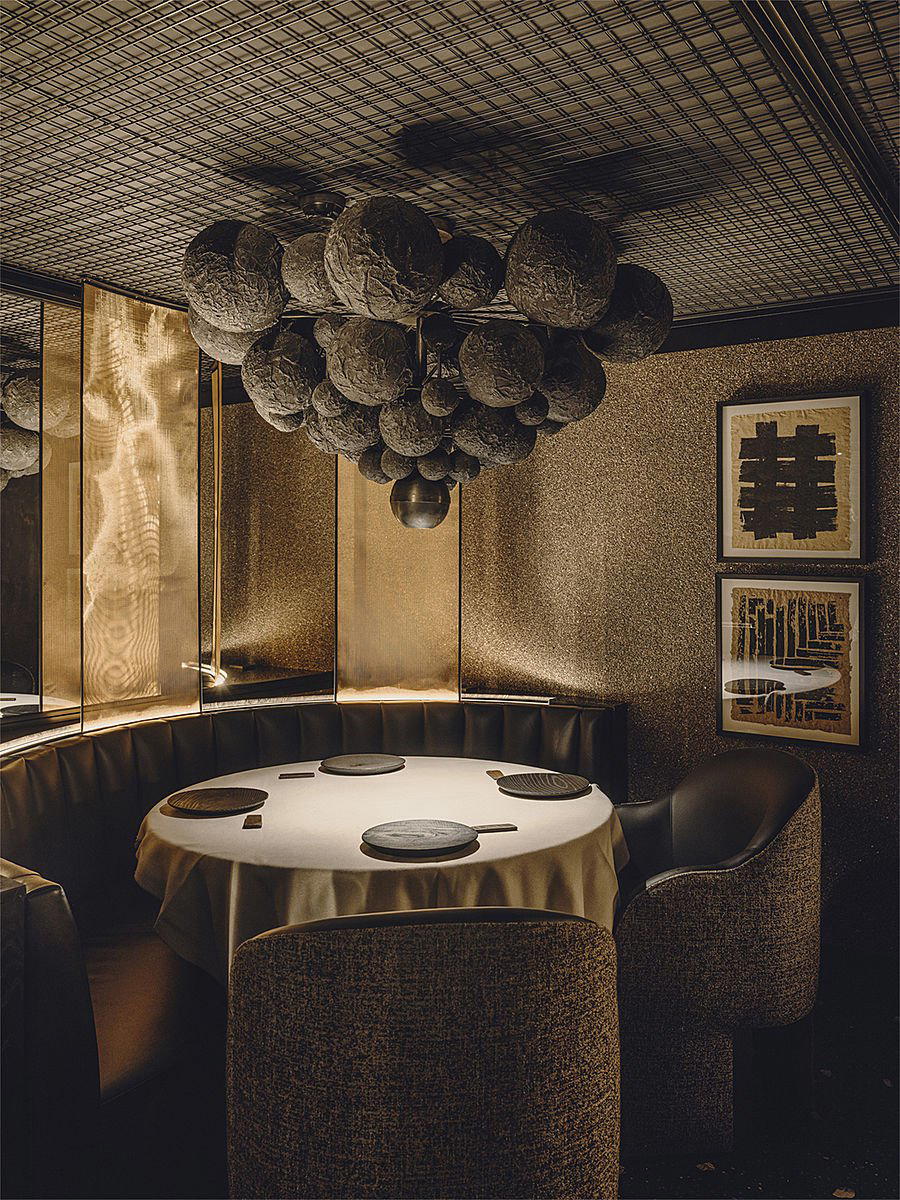
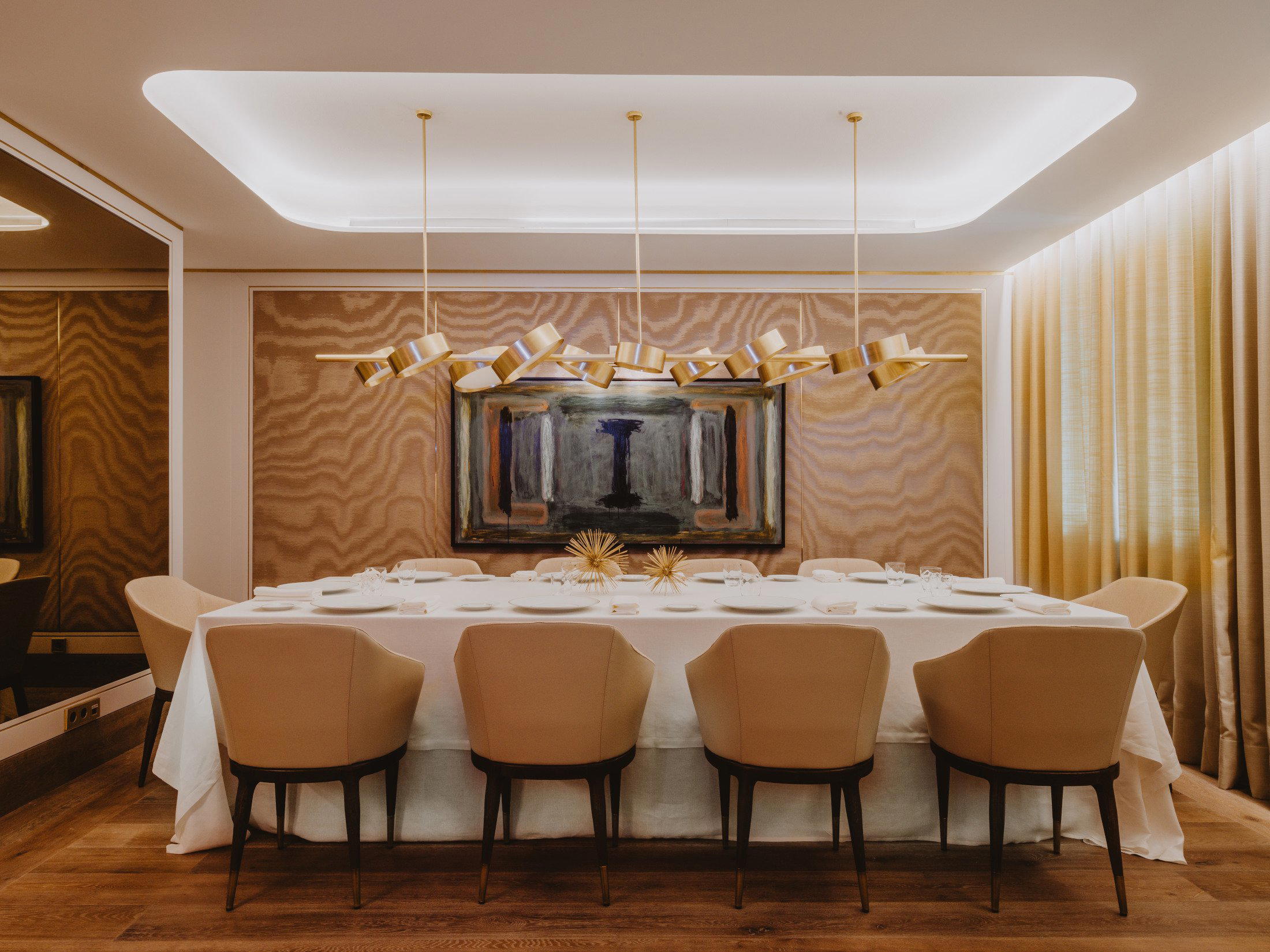
- Private Dining
- Extensive Wine List
- Craft Cocktails
- Sommelier Led
- Local Sourcing
Current opening hours
- Monday
- 1:30–4:30 PM, 7:30 PM–12 AM
- Tuesday
- 1:30–4:30 PM, 7:30 PM–12 AM
- Wednesday
- 1:30–4:30 PM, 7:30 PM–12 AM
- Thursday
- 1:30–4:30 PM, 7:30 PM–12 AM
- Friday
- 1:30–4:30 PM, 7:30 PM–12 AM
- Saturday
- 1:30–4:30 PM, 7:30 PM–12 AM
- Sunday
- 1:30–4:30 PM, 7:30 PM–12 AM
Hours can change for holidays and private events. Last verified .
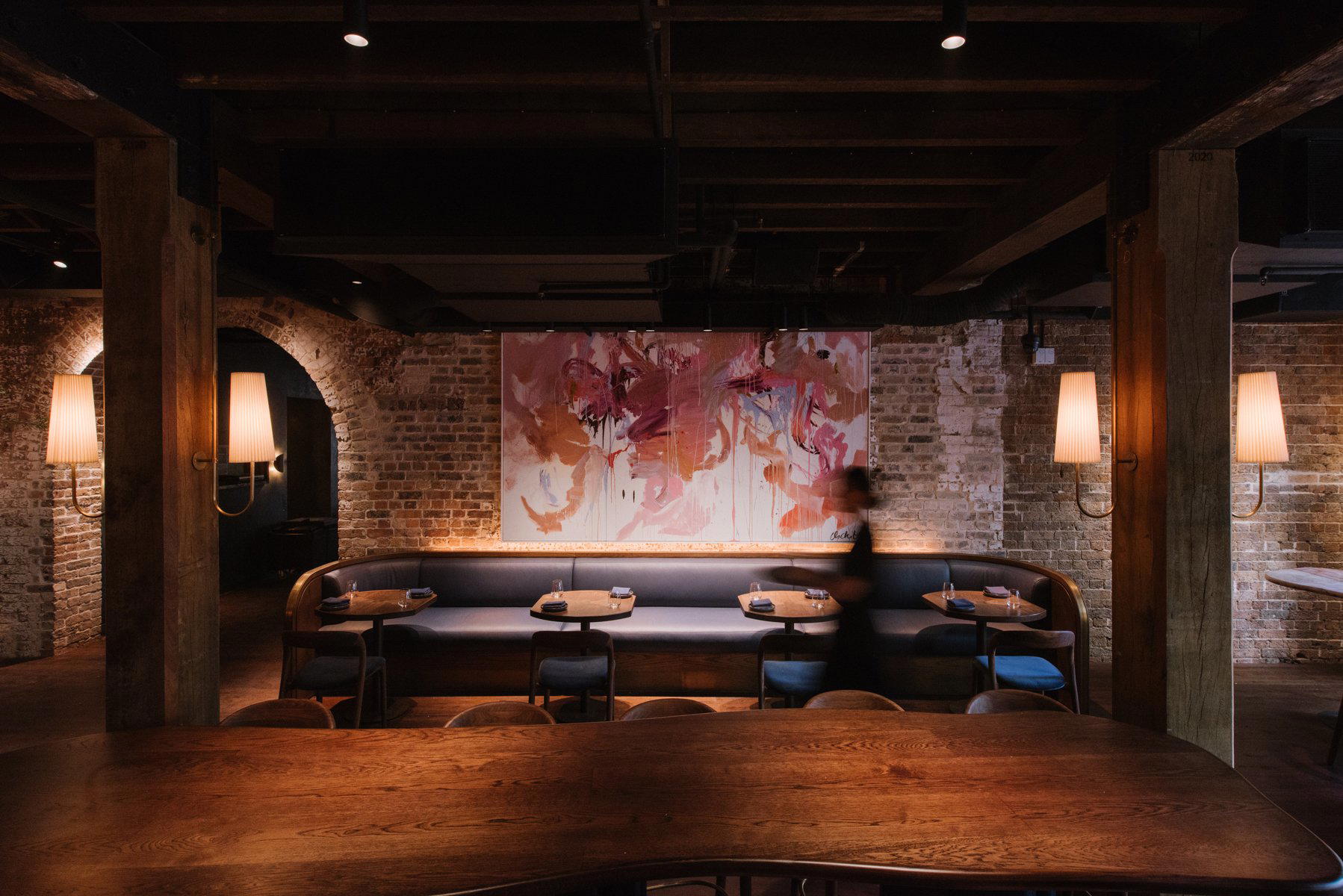
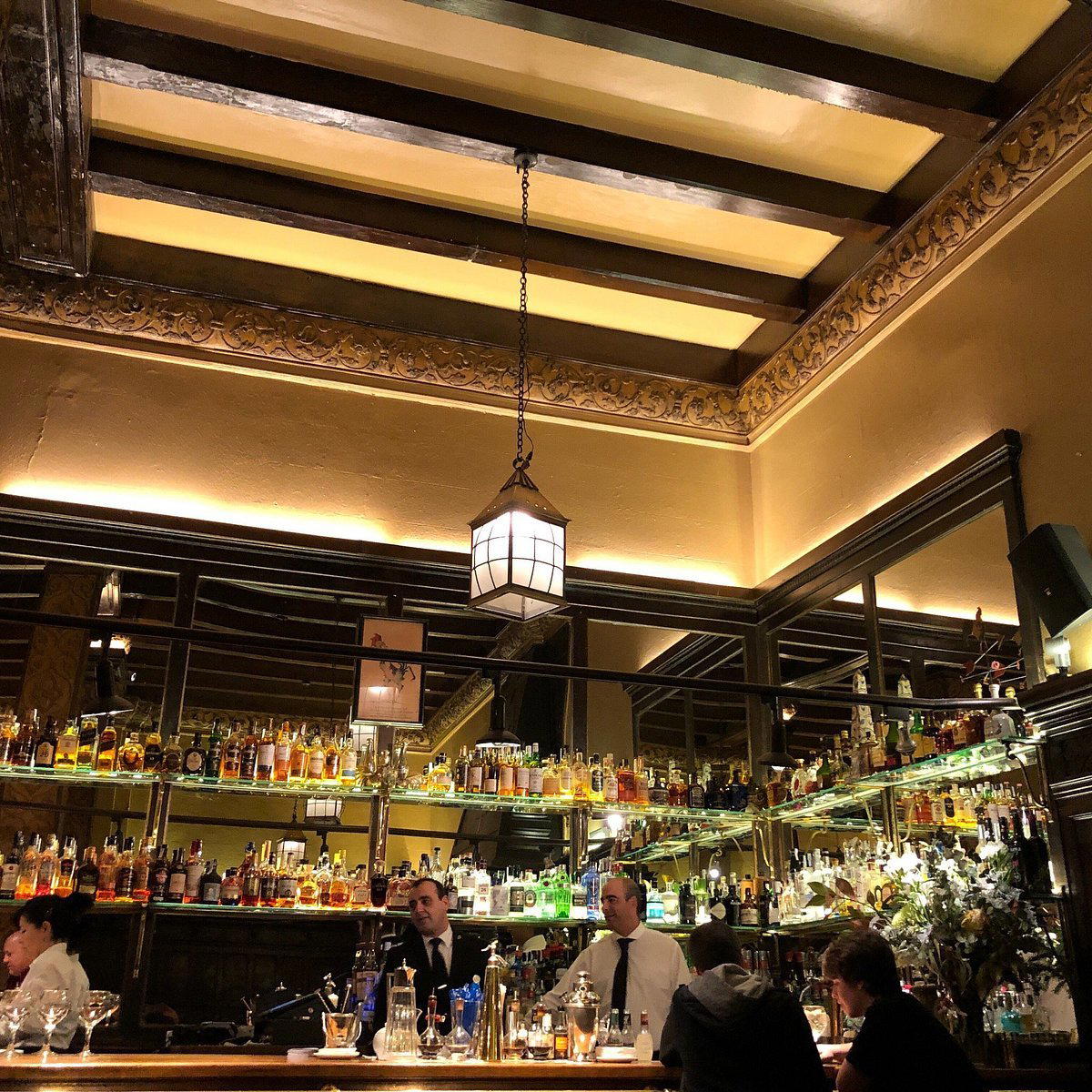
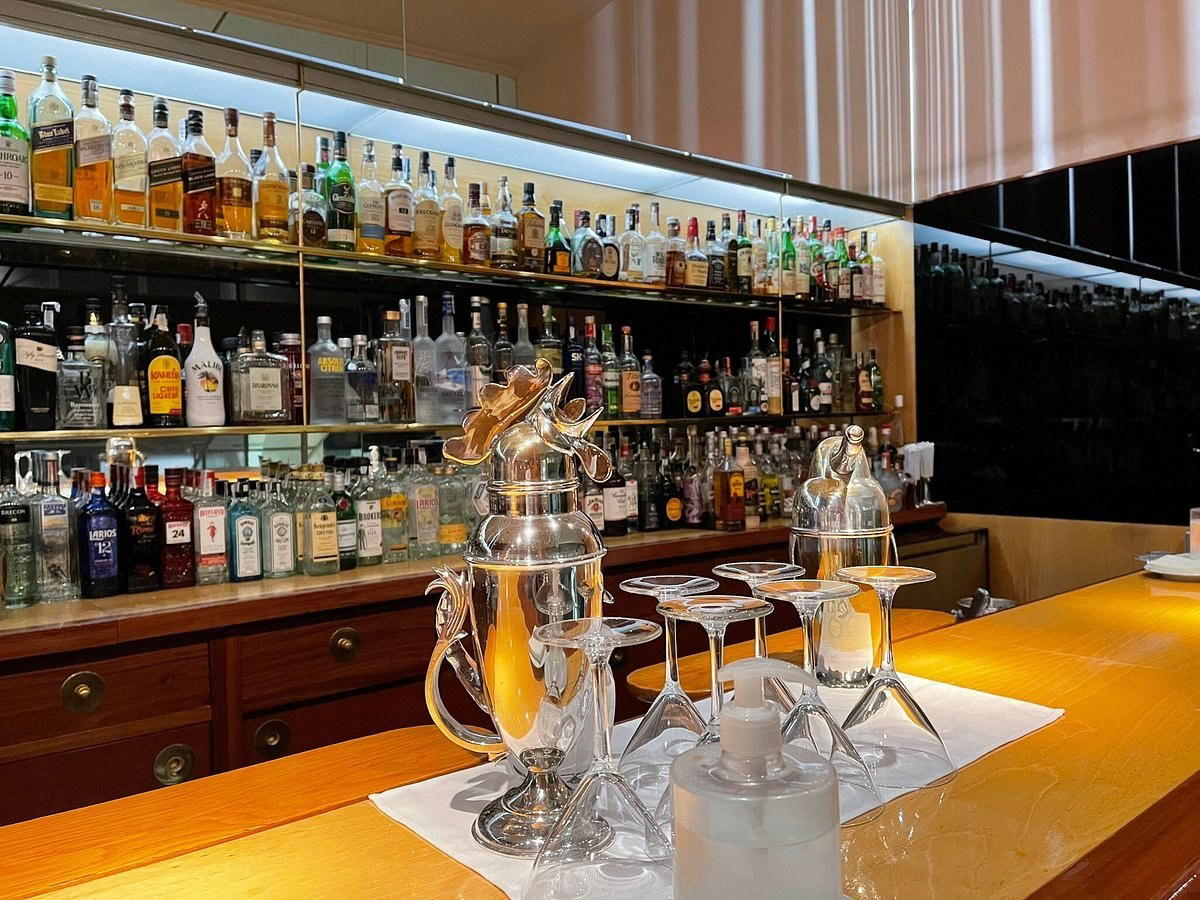
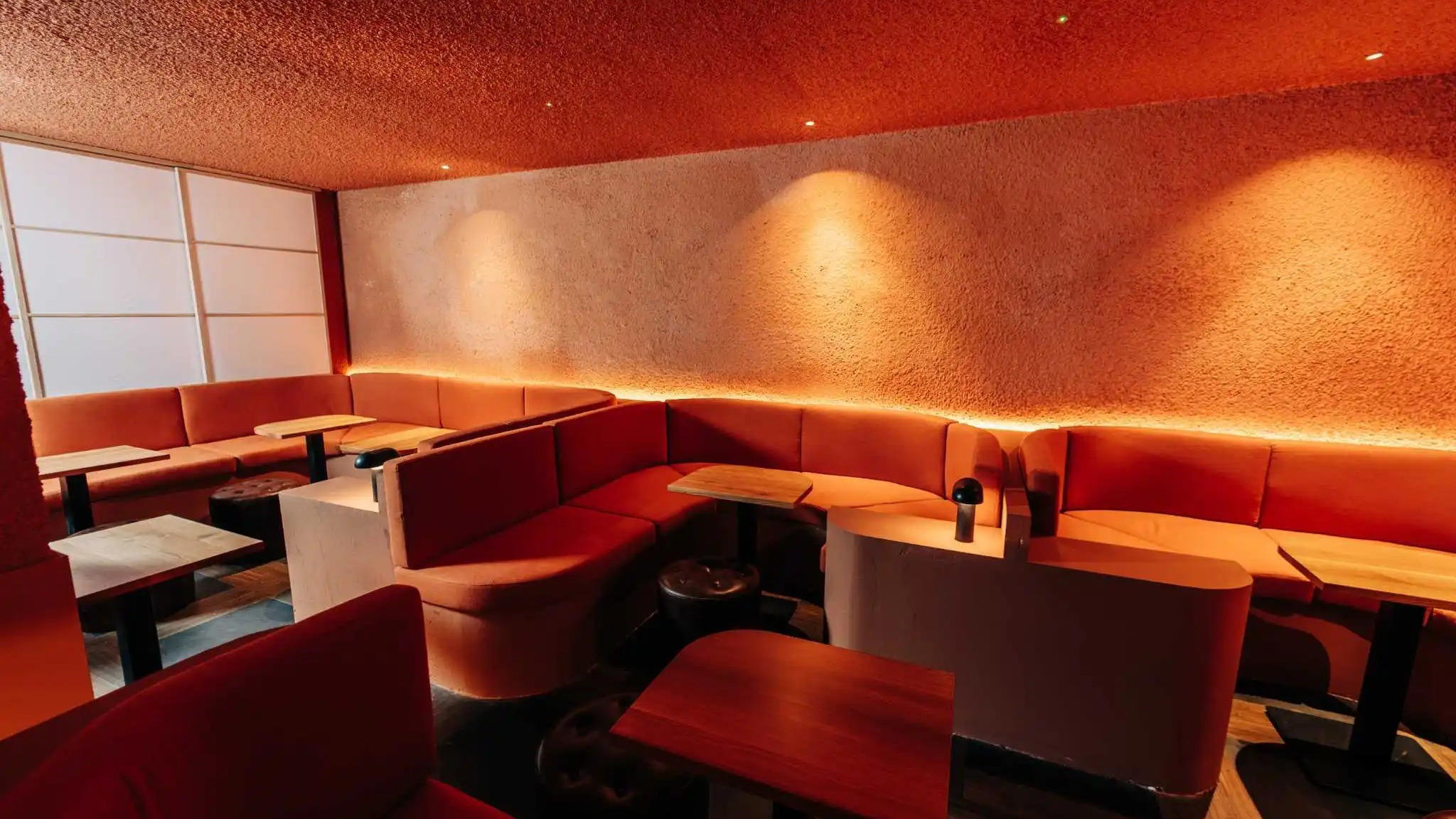
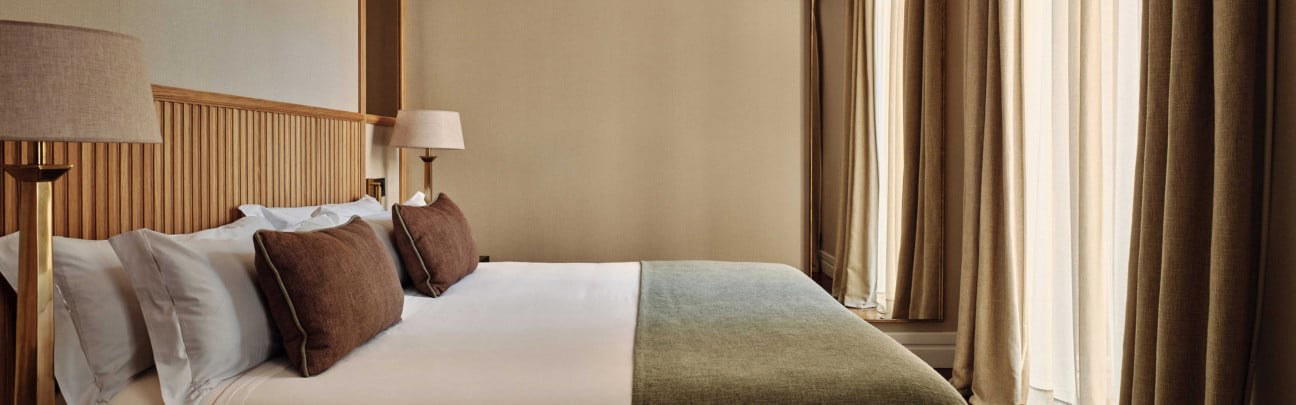
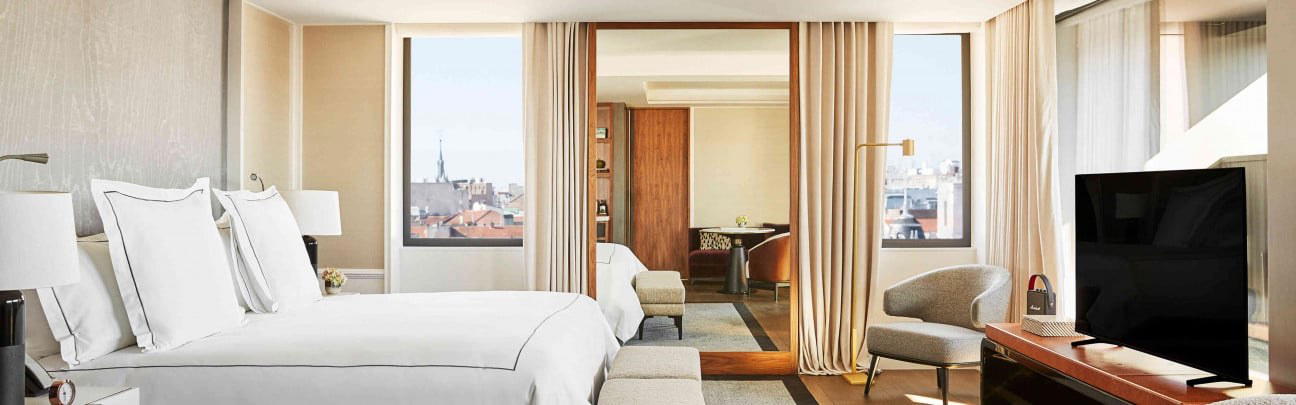
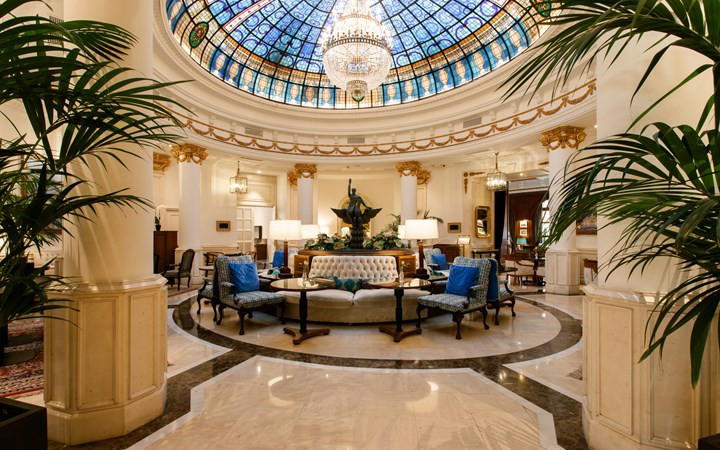
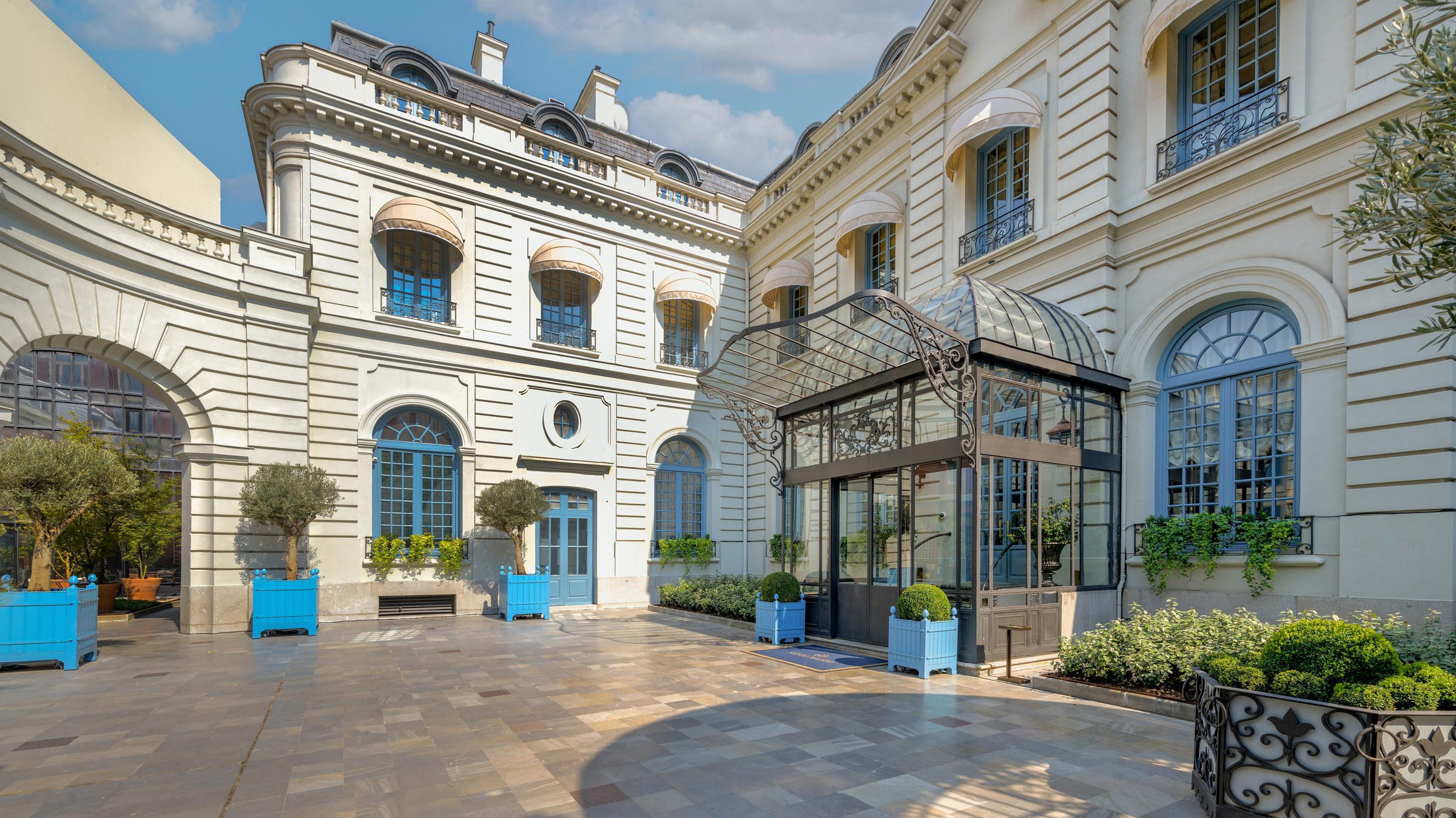
Warm lighting and rustic decor evoking Galician landscapes, creating an inviting and welcoming environment with attention to hospitality details.