Our verdict
Castizo Canalejas occupies a prime address on Calle Alcalá in Madrid's Centro district, placing it within walking distance of the Retiro and the city's most trafficked cultural corridor. The name signals an intention rooted in Madrid's castizo tradition, the vernacular cooking identity the capital has periodically lost and reclaimed across successive dining generations. It sits in a category of Madrid restaurants that use heritage framing to anchor a contemporary offer.

Pearl is the En Primeur Club membership app — saves, bookings, and concierge access live there. Same editors, same standards.
- Address
- C. Alcalá, 19, Centro, 28014 Madrid, Spain
- Phone
- +34910882898
- Hours
- Daily 9 AM–1 AM
- Website
- glhrestaurants.com
- Directions
- Get directions
- Booking
- Book on CoverManager
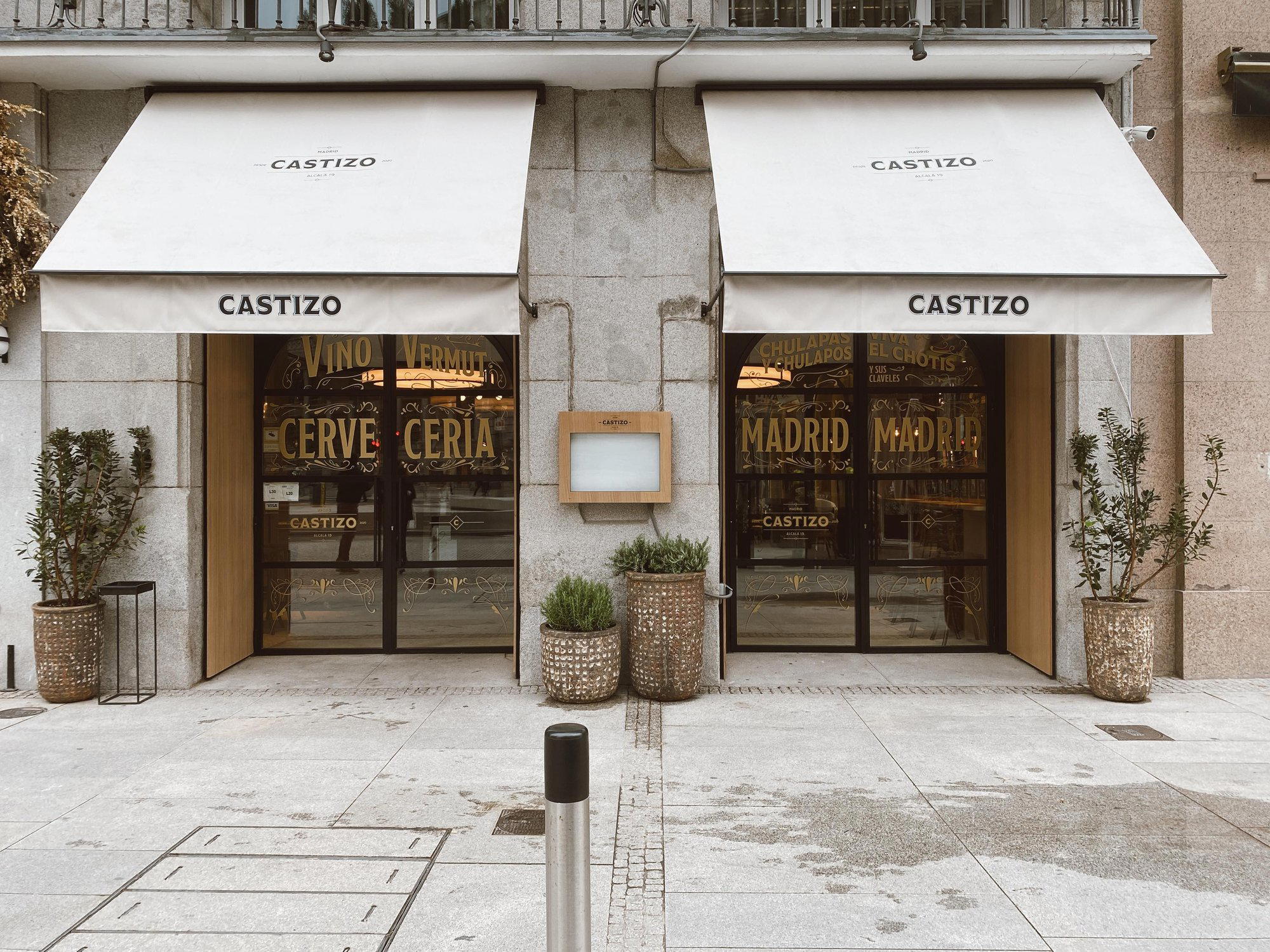
The menu
What to order
- Ensaladilla clásica
- Tortilla española
- Pimientos de padrón
Calle Alcalá and the Weight of the Castizo Revival
Madrid's Centro district has never been short of restaurants, but the stretch along Calle Alcalá carries a particular kind of pressure. This is where the city presents itself to itself, where the architecture is deliberate and the footfall mixes tourists with locals who have strong opinions about what Madrid food should taste like. Opening here, under the banner of castizo, the loaded term for authentically Madrileño, is a positioning statement. It commits a restaurant to a version of the city's culinary identity that diners will hold it accountable to.
The castizo tradition in Madrid cooking is older than any single restaurant and has been through several cycles of reinvention. It anchors itself in dishes like cocido madrileño, callos a la madrileña, and huevos rotos, preparations that were never glamorous but always filling, built for a city of laborers and tradespeople rather than aristocrats. For much of the late twentieth century, that tradition was treated as something to move beyond. The arrival of nueva cocina española, and the international attention it drew through figures working in the Basque Country and Catalonia, made regional vernacular cooking feel like a liability rather than an asset. Madrid's own chefs often defaulted to either French-inflected classicism or the kind of creative tasting menu format associated with restaurants like DiverXO, Coque, or DSTAgE.
The past decade has reversed that. Across Spain, there is a renewed seriousness about regional identity at the table. You can trace it in the way Quique Dacosta in Dénia treats Valencian coastline produce, or in how Arzak in San Sebastián and Mugaritz in Errenteria have made Basque specificity into an international calling card. Madrid, whose culinary identity is more mixed and less geographically legible, has been slower to claim that ground. The castizo revival is Madrid's version of the same impulse.
What Reinvention Looks Like at This Address
Castizo Canalejas takes its name from two sources: the castizo tradition it invokes and the Canalejas complex in which it operates, one of the most ambitious commercial and hotel redevelopments in central Madrid in recent years. That context matters. The Canalejas complex represents a particular type of urban reinvention, converting a historic banking headquarters into a luxury retail and hospitality destination.
Operating inside that kind of development introduces a specific tension for a restaurant claiming vernacular identity. Castizo cooking is historically the food of tabernas and tascas, of marble-topped bars and paper tablecloths, not gilded ceilings and concierge desks. How a kitchen resolves that tension, whether it imports the format of fine dining into the castizo pantry or keeps the register deliberately accessible, defines whether the castizo claim is substantive or decorative. Madrid has examples of both: restaurants that use the vocabulary of traditional cooking to deliver technically sophisticated plates, and others that simply serve refined versions of tourist-facing comfort dishes. The distinction is visible on the plate and in the pricing.
For comparison, Madrid's highest-intensity creative restaurants, among them Deessa and Paco Roncero, sit at the top of the city's price tier and operate through tasting menus that require advance booking. Castizo Canalejas occupies a different register, one where the room and address suggest aspiration but the food identity gestures toward something more grounded. It is the kind of position that works when execution is consistent and when the kitchen has genuine command of the culinary tradition it is invoking.
Madrid's Dining Season and When This Works well
Madrid dining has a rhythm that differs from coastal Spain. The city does not rely on a summer tourist surge the way Barcelona or the Balearics do. Instead, autumn and winter are when Madrid's restaurant culture intensifies. Cocido madrileño, the chickpea and meat stew that is the city's cold-weather anchor dish, is a seasonal marker as much as a recipe. Any restaurant working within the castizo tradition takes on meaning from October through March that it cannot quite replicate in July, when the terrace culture and lighter eating habits of summer pull attention elsewhere.
Spring in Madrid is a transition period. The calçots and spring vegetables that animate Catalonian menus in March and April have their Madrid equivalents in asparagus and early legumes, and a kitchen attentive to castizo seasonality should reflect that. These are the months to visit if you want to see how a restaurant interprets the tradition beyond its winter staples.
The Calle Alcalá location makes logistics direct. The Banco de España metro station is at the end of the block, and the address places the restaurant within an easy walk of the Prado and Thyssen-Bornemisza museums, which makes it a natural dinner destination for visitors whose afternoons have been spent in that corridor.
Where Castizo Canalejas Sits in the Wider Spanish Picture
Madrid is not the only city working through questions of culinary identity and reinvention. El Celler de Can Roca in Girona, Cocina Hermanos Torres in Barcelona, Ricard Camarena in València, Aponiente in El Puerto de Santa María, Azurmendi in Larrabetzu, and Martin Berasategui in Lasarte-Oria each represent a region using its kitchen to articulate something specific about place. Madrid's answer to that conversation is still forming. Castizo Canalejas, by committing to the city's vernacular identity at a prominent address, is one of the more visible contributions to that argument.
Internationally, the model of repositioning traditional urban cooking inside a premium hospitality context has precedents worth noting. Le Bernardin in New York City spent decades making the case that French seafood classicism could sustain at the highest level in an American city. Lazy Bear in San Francisco demonstrated that communal-format American cooking could carry serious technical weight. The question Castizo Canalejas is implicitly answering is whether Madrid's own vernacular cooking can do the same on its home ground.
For a fuller picture of where this restaurant fits within the city's current offer, our full Madrid restaurants guide maps the field across price points and cuisines.
Know Before You Go
- Address: C. Alcalá, 19, Centro, 28014 Madrid, Spain
- Neighbourhood: Centro, within the Canalejas complex
- Nearest Metro: Banco de España (Line 2), at the end of the block
- Leading Season: Autumn and winter for the full castizo repertoire; spring for seasonal transitions
- Price Range:; check current menu pricing before visiting
- Hours:; verify before visiting
Frequently asked questions
Is Castizo Canalejas good for families?
The Canalejas complex setting and the castizo cooking register, built around familiar, substantial dishes rather than elaborate tasting sequences, make this more accessible for mixed groups than Madrid's high-end tasting menu restaurants. Whether it works for young children depends on the time of visit and specific party size. A weekend lunch slot, typical in Madrid's dining culture, tends to be more family-tolerant than a late Friday dinner service. Confirm current booking conditions directly with the venue.
Is Castizo Canalejas better for a quiet night or a lively one?
Madrid dining in Centro skews energetic, and a restaurant inside the Canalejas complex sits at an address that attracts a mixed crowd of hotel guests, after-work diners, and visitors moving between the Prado corridor and the city center. If the castizo positioning holds to form, expect a room that is animated without being deafening, closer to the taberna spirit than to a private dining room. Madrid's creative tasting menu rooms, such as Coque or DSTAgE, operate at a quieter register; Castizo is not in that mode.
What's the must-try dish at Castizo Canalejas?
What the castizo tradition implies is a kitchen anchored in cocido madrileño, callos, and egg-based preparations. Any restaurant invoking the castizo name credibly should be able to demonstrate command of at least one of those. Ask the front-of-house team which preparations represent the kitchen's current focus, as seasonal rotations shift the emphasis month to month.
Do they take walk-ins at Castizo Canalejas?
Madrid restaurants at prominent central addresses, particularly those inside hotel-adjacent developments like Canalejas, often allocate a portion of covers to walk-ins at off-peak times, but this varies. A weekday lunch is more likely to yield a table without a reservation than a Saturday evening.
What's Castizo Canalejas leading at?
The strongest signal from the restaurant's name and location is its investment in Madrid's vernacular cooking identity within a contemporary setting. That combination, traditional pantry, prominent address, heritage building, positions it as a place where the castizo repertoire is taken seriously rather than treated as nostalgic shorthand. How well the kitchen delivers on that commitment is something only confirmed kitchen data and current critical coverage can validate.
How does the Canalejas setting shape the dining experience at Castizo?
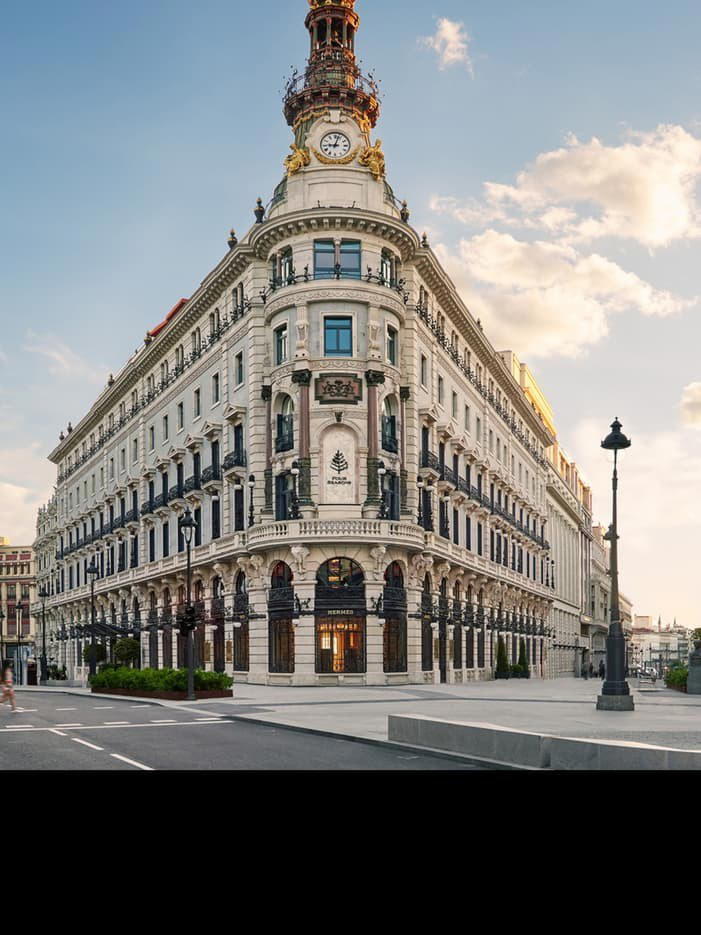
The Canalejas complex is one of central Madrid's most significant architectural repositionings of recent years, converting a Belle Époque banking palace into a luxury retail and hotel destination. Dining inside that envelope means the physical setting carries weight independent of the food. For a restaurant claiming castizo identity, this creates an interpretive question the room itself poses: Madrid's vernacular cooking tradition developed in modest, functional spaces, and the grandeur of Canalejas is the opposite of that. Whether the kitchen uses that contrast productively or lets the décor do the work that food should do is the central thing to assess on a visit. It places Castizo Canalejas in a recognizable category of European restaurants where heritage architecture and regional culinary identity are asked to coexist, a negotiation that the best of them, from Basque country to Catalonia, have learned to resolve on the plate.
Peers You’d Cross-Shop
| Venue | Cuisine | Price | Awards | Notes |
|---|---|---|---|---|
| Castizo CanalejasThis venue — the venue you are viewing | Classic Spanish Tapas | $30–50 | Not listed | Not listed |
| DiverXO | Avant-Garde Spanish Tasting Menu | $300–500 | 3 Michelin Stars · World's 50 Best #4 | Progressive - Asian, Creative |
| Coque | Modern Spanish Fine Dining | $300–500 | 2 Michelin Stars · La Liste Top Restaurants | Spanish, Creative |
| Deessa | Modern Valencian Fine Dining | $150–200 | 2 Michelin Stars · La Liste Top Restaurants | Modern Spanish, Creative |
| Paco Roncero | Avant-Garde Spanish Fine Dining | $150–200 | 2 Michelin Stars · La Liste Top Restaurants | Creative |
| Smoked Room | Modern Japanese Fire Omakase | $200–300 | 2 Michelin Stars · La Liste Top Restaurants | Progressive Asador, Contemporary |
Continue exploring
More in Madrid
Restaurants in Madrid
Browse all →
Bars in Madrid
Browse all →
Hotels in Madrid
Browse all →


Details
- Classic
- Elegant
- Cozy
- Business Dinner
- Casual Hangout
- After Work
- Historic Building
- Craft Cocktails
- Small Plates
- A La Carte
- Vermut
Current opening hours
- Monday
- 9 AM–1 AM
- Tuesday
- 9 AM–1 AM
- Wednesday
- 9 AM–1 AM
- Thursday
- 9 AM–1 AM
- Friday
- 9 AM–1 AM
- Saturday
- 9 AM–1 AM
- Sunday
- 9 AM–1 AM
Hours can change for holidays and private events. Last verified .
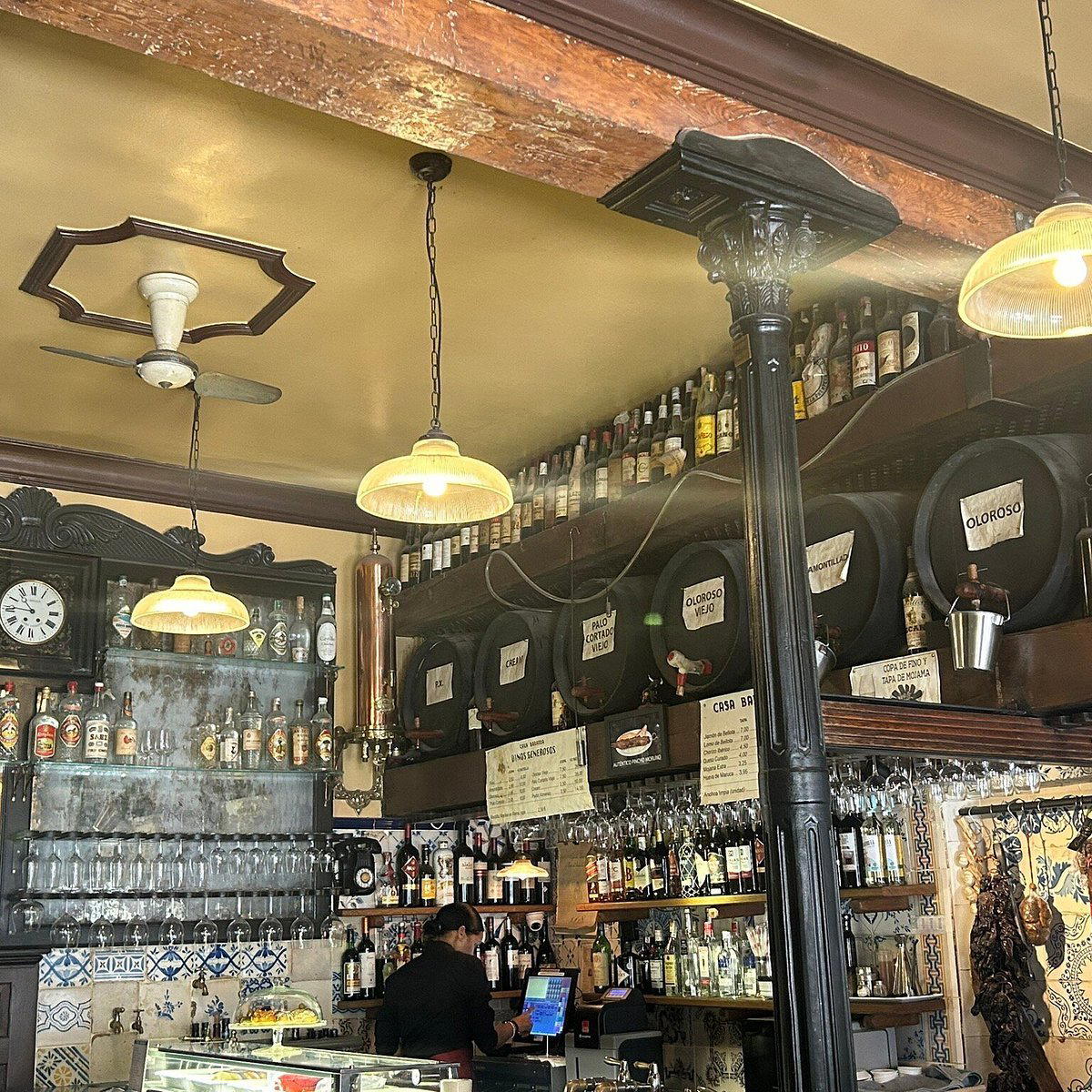
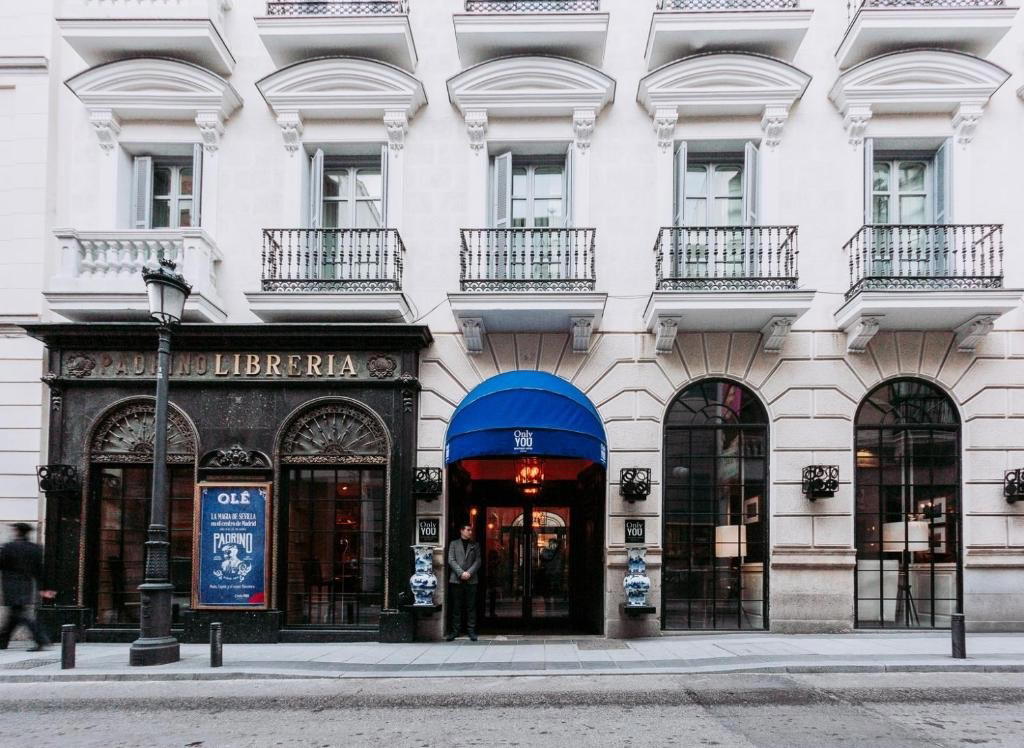
Beautiful and stylish setting with loft-style upper floor overlooking the bar area, transporting guests to a bygone era.