

Cañadío occupies a quiet stretch of Calle Conde de Peñalver in Salamanca, Madrid's most composed dining district, where the kitchen works from a market-led, seasonally rotated format rooted in northern Spanish tradition. The room draws a neighbourhood crowd that returns for the cooking rather than the spectacle, placing it in the tier of Madrid restaurants where craft and consistency matter more than performance. Reservations are advisable, particularly on weekends.
Pearl is the En Primeur Club membership app — saves, bookings, and concierge access live there. Same editors, same standards.
- Address
- C. del Conde de Peñalver, 86, Salamanca, 28006 Madrid, Spain
- Phone
- +34912819192
- Website
- restaurantecanadio.com
- Directions
- Get directions
 Saves & bookings on Pearl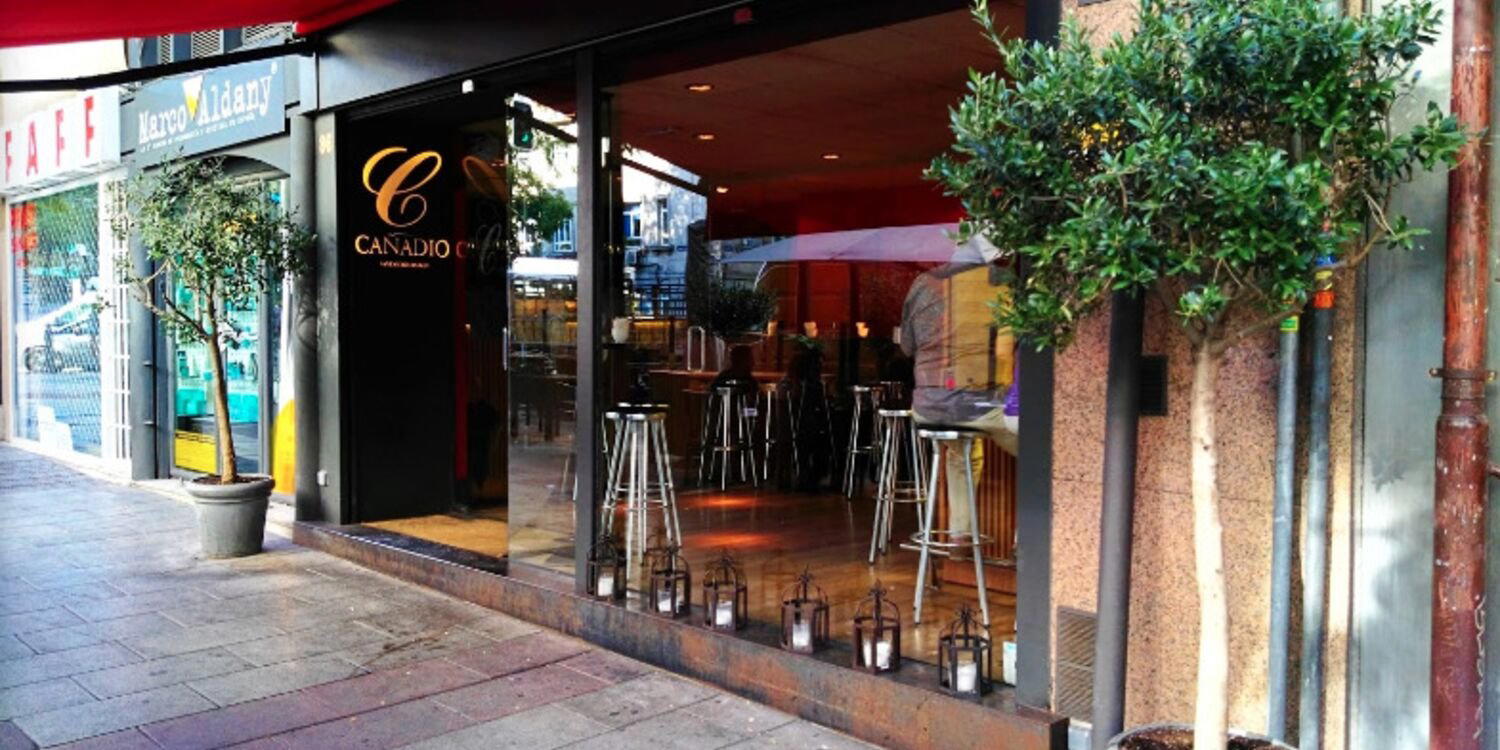
A Corner of Salamanca That Earns Its Reputation Quietly
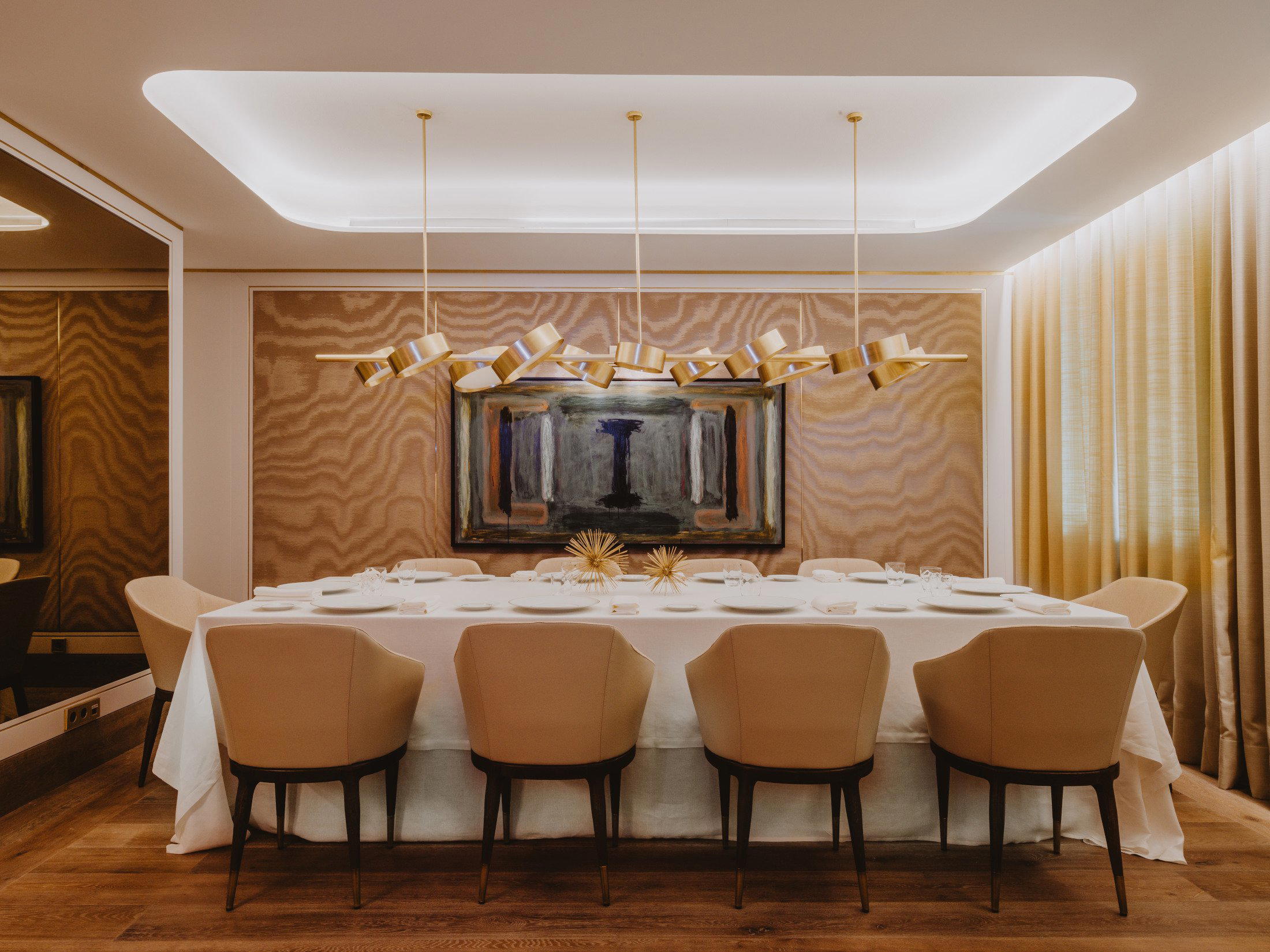
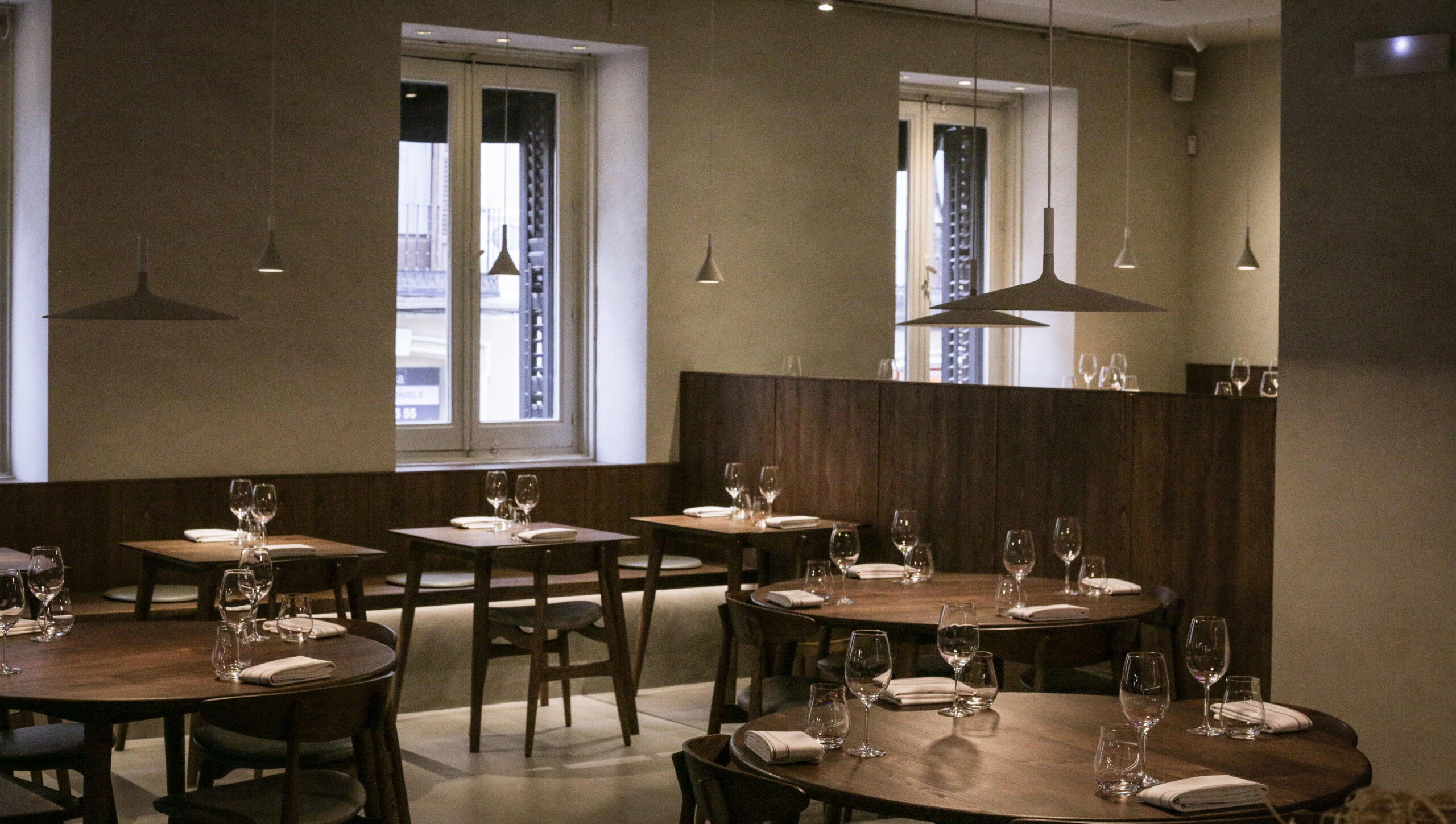
Along Calle Conde de Peñalver in Madrid's Salamanca district, the dining register is set by a clientele that tends to dress well, arrive on time, and return often. This is not a neighbourhood of tourist drift or social-media theatre; it is one of the city's most consistent residential dining corridors, where a restaurant survives on the loyalty of locals rather than the volume of passers-by. Cañadío, at number 86, reads the room correctly. The interior is composed without being cold, the kind of space where the light and the noise level both stay at a pitch that allows conversation. There is no architectural provocation here, no statement design. The room's job is to disappear, and it does.
That restraint is worth understanding as a deliberate position. Madrid's premium dining tier has, over the past decade, split into two legible cohorts: the technically ambitious tasting-menu operations (think DiverXO, Coque, or Deessa) and a smaller group of places that resist that format in favour of something more grounded in the Spanish tradition of cooking well from good ingredients without demanding that the diner submit to a narrative. Cañadío belongs to the second group. It is a Madrid address with Cantabrian roots, and that provenance shapes everything from sourcing priorities to the way fish appears on the plate.
Northern Roots, Madrid Address: The Logic of Where This Kitchen Sits
Cañadío is named for a square in Santander, the capital of Cantabria, and that northern Spanish identity is the kitchen's organising principle rather than a decorative detail. Cantabrian cooking is defined by access to some of the most demanding cold-water seafood in Iberia: anchovies from Santoña, percebes from the Galician-Cantabrian coast, bonito from the Bay of Biscay during its short summer season. A kitchen that takes this tradition seriously is, by definition, a kitchen engaged with seasonality and supply chain in a way that aligns with what the broader dining world now calls sustainability, though in Cantabrian terms it predates that framing by generations.
The seasonal argument is concrete here. Bonito del Norte, the prized white tuna of the Cantabrian coast, runs from roughly June through September. Anchovy season peaks in spring. Percebes availability tracks Atlantic weather patterns. A kitchen built around these ingredients cannot operate from a static menu or a consolidated supply chain that ignores provenance. This is, in structural terms, a sustainability story, but it arrives through culinary logic rather than through policy. The sourcing is not a marketing position; it is a consequence of the cuisine.
This places Cañadío in an interesting comparative position relative to Madrid's avant-garde tier. Where DSTAgE or Paco Roncero frame their ingredient relationships through technique and transformation, Cañadío's approach is closer to what the leading Spanish regional restaurants have always done: procure well, handle carefully, present with confidence. The sustainability credentials, such as they are, come from the integrity of the sourcing rather than from a stated philosophy.
How Cañadío Sits Within Spain's Broader Fine Dining Circuit
Spain's restaurant circuit extends well beyond Madrid, and understanding where Cañadío fits requires some sense of what the country's broader table looks like. The multi-Michelin tier includes operations like El Celler de Can Roca in Girona, Mugaritz in Errenteria, Martin Berasategui in Lasarte-Oria, Arzak in San Sebastián, and Azurmendi in Larrabetzu. The coastal-produce tier has its own anchors, from Aponiente in El Puerto de Santa María, which has pushed marine sustainability into technically complex territory, to Quique Dacosta in Dénia, where Mediterranean ingredients meet formal tasting-menu architecture. Further afield, Ricard Camarena in València and Cocina Hermanos Torres in Barcelona represent the Catalan and Valencian expressions of this same impulse toward quality produce handled with technical discipline.
Cañadío does not compete in that tier. It operates at a different register: a neighbourhood restaurant in the serious Salamanca sense, with a kitchen anchored in regional tradition rather than experimental ambition. That positioning is not a limitation; it is the reason the room fills with people who know the difference. For readers who want the avant-garde Madrid experience, our full Madrid restaurants guide maps the full range. For those interested in how Spain's leading restaurants approach produce internationally, Le Bernardin in New York City and Lazy Bear in San Francisco offer useful comparative frames for seafood handling and seasonal tasting formats, respectively, though the cultural contexts differ substantially from what Cañadío is doing.
Within Atrio in Cáceres or comparable Spanish regional-roots-in-a-city-setting restaurants, the pattern is similar: the kitchen's identity comes from a specific geography, and the sourcing discipline that geography demands becomes the restaurant's most honest sustainability credential. Cañadío follows this logic from its Cantabrian foundation.
What to Expect in Practice
The menu at Cañadío rotates with the northern Spanish market calendar. In practical terms, this means the offer in autumn looks different from what arrives in spring or summer, and fish availability drives much of that variation. A kitchen operating this way cannot guarantee that any single dish will be present on a given visit, which is precisely the point: the freshness of what appears on the plate is a direct function of what was worth buying that day or that week.
The room suits a long lunch as readily as dinner. Salamanca's cadence supports both; the neighbourhood's working population treats midday eating seriously, and the restaurant's format accommodates that without rushing tables. For visitors, the lunch window is often easier to book than evenings, particularly later in the week.
Know Before You Go
- Address: C. del Conde de Peñalver, 86, Salamanca, 28006 Madrid, Spain
- District: Salamanca, one of Madrid's most consistent residential dining neighbourhoods
- Booking: Reservations are recommended, especially Thursday through Saturday evenings; lunch slots during the week tend to be more accessible
- Cuisine identity: Cantabrian-rooted Spanish cooking with a market-led, seasonally rotated menu focused on northern seafood and produce
- Format: À la carte; the menu changes according to seasonal availability rather than a fixed tasting structure
- Getting there: The restaurant sits on Calle Conde de Peñalver in the upper Salamanca district; nearest Metro stations are Núñez de Balboa and Diego de León on Line 6
How Cañadío Madrid compares with similar nearby venues.
| Venue | Cuisine |
|---|---|
| Haroma | Modern Spanish |
Recognition history
Dated appearances from independent guides and award organizations, with the underlying list record or original source where available.
Macarfi 7.6 Food Rating
Macarfi
Opinionated About Dining Casual in Europe Recommended
Opinionated About Dining
Continue exploring
More in Madrid
More from Chef Paco Quirós
Browse all →
Restaurants in Madrid
Browse all →
Bars in Madrid
Browse all →
Hotels in Madrid
Browse all →


At a Glance
- Classic
- Elegant
- Cozy
- Date Night
- Casual Hangout
- Special Occasion
- Terrace
- Open Kitchen
- Extensive Wine List
- Local Sourcing
- Street Scene
Current opening hours
- Monday
- 8 AM–1 AM
- Tuesday
- 8 AM–1 AM
- Wednesday
- 8 AM–1 AM
- Thursday
- 8 AM–1 AM
- Friday
- 8 AM–1 AM
- Saturday
- 9:30 AM–1 AM
- Sunday
- 9:30 AM–1 AM
Hours can change for holidays and private events. Last verified .
Classic and elegant atmosphere with a cosy dining room, informal bar for tapas, and terrace.
Know Before You Go
- Getting there
- C. del Conde de Peñalver, 86, Salamanca, 28006 Madrid, Spain