

Casa Benigna occupies a quiet address in Chamartín, one of Madrid's more residential northern districts, placing it at deliberate distance from the capital's high-profile restaurant corridors. The dining here trades on the kind of neighbourhood intimacy that the city's more theatrical tasting-menu destinations rarely attempt. For those who find their way to Calle de Benigno Soto, the reward is a meal rooted in place rather than spectacle.
Pearl is the En Primeur Club membership app — saves, bookings, and concierge access live there. Same editors, same standards.
- Address
- C. de Benigno Soto, 9, Chamartín, 28002 Madrid, Spain
- Phone
- +34914133356
- Website
- casabenigna.com
- Directions
- Get directions
 Saves & bookings on Pearl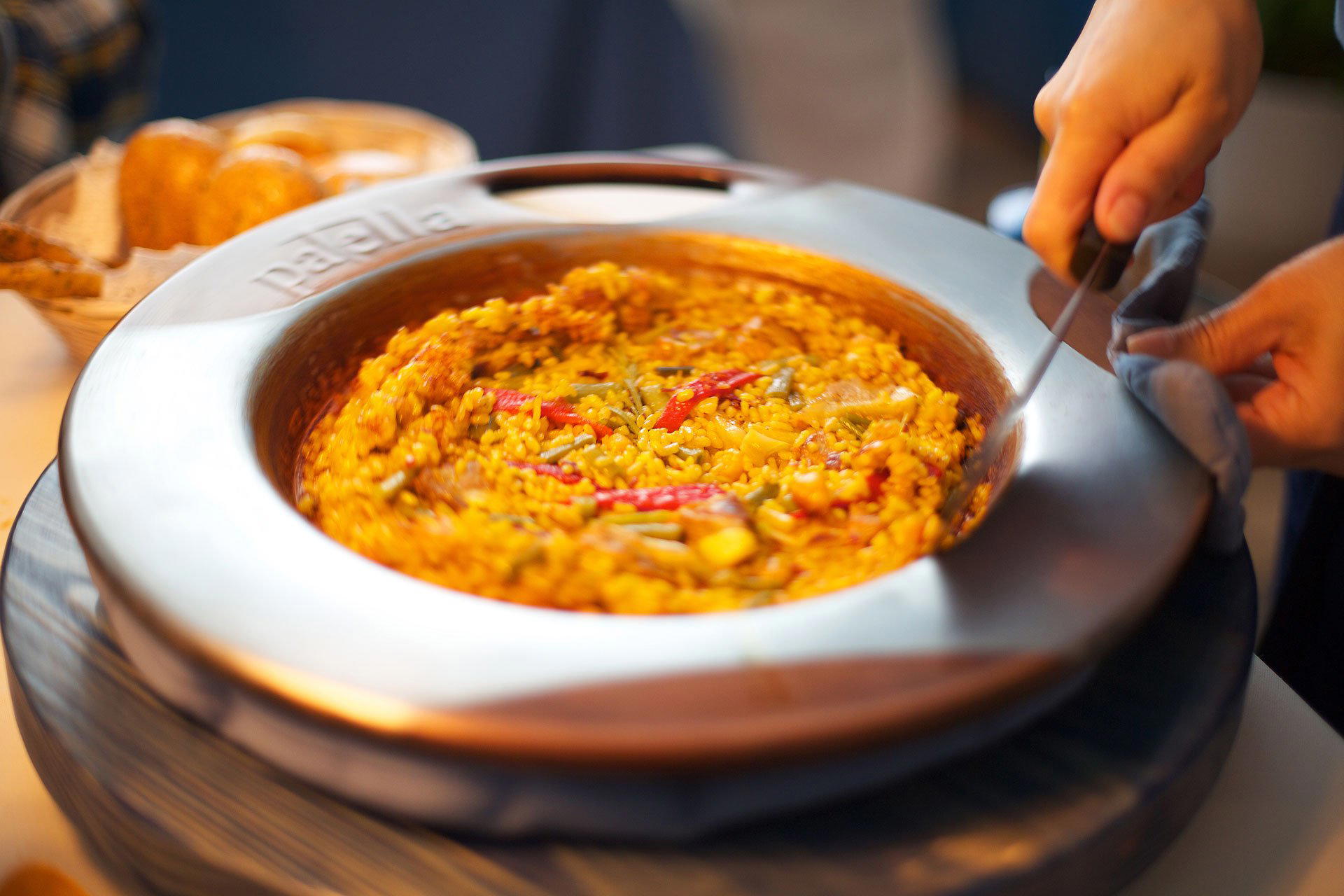
A Different Axis of Madrid Dining
Madrid's fine dining conversation tends to anchor itself south and west: the Castellana corridor, the streets around Salamanca, the central neighbourhoods where visibility and footfall reward ambition. Chamartín, the residential district spreading north of the M-30 ring, operates on a different rhythm. The streets here are quieter, the buildings largely postwar residential, and the restaurants that endure tend to do so on local loyalty rather than tourist rotation. Casa Benigna, on Calle de Benigno Soto, belongs to that tradition. Its address alone signals an intention: this is a place that expects you to seek it out. Casa Benigna is a Madrid restaurant serving traditional Spanish rice dishes and paella in Chamartín, with a casual dress code, essential reservations, and an average price of about $61 per person.
That geography matters for how the meal reads. Dining in a neighbourhood context shifts the register away from performance and toward something closer to domestic seriousness. The better restaurants in Madrid's outer residential belts often pursue precision in cooking without the theatrical scaffolding that the city's destination addresses feel obliged to provide. Compare that positioning with the more explicitly spectacle-forward end of the Madrid spectrum, where venues like DiverXO and Coque operate at a register of high-production tasting menus built for international audiences, and the Chamartín approach reads as a deliberate counter-position.
The Chamartín Character
Chamartín's dining identity has never clustered around a single dominant format. Unlike Salamanca, which runs a dense concentration of market-to-table restaurants and long-established traditional houses, or Malasaña, which renews itself constantly through natural wine bars and small-plate concepts, Chamartín tends toward the singular: individual restaurants with long histories, cooking that reflects ownership rather than trend, and rooms that prioritise the repeat guest over the first-time visitor.
This is the neighbourhood where Casa Benigna works well. The address on Calle de Benigno Soto is residential in one literal way: the street runs between apartment blocks rather than commercial frontage, and the restaurant sits within that fabric rather than announcing itself against it. Arriving here for the first time requires a degree of intention that arriving at a restaurant on Gran Vía or Velázquez simply does not. That friction is, in context, a form of curation.
Within Madrid's broader fine dining picture, the residential-neighbourhood house with serious cooking occupies a specific and relatively small niche. DSTAgE and Deessa sit in more commercially accessible positions; Paco Roncero occupies a Casino Real address that amplifies rather than quiets its setting. The restaurant's Chamartín position aligns it more closely with the European tradition of the serious neighbourhood restaurant, a format well-established in Paris and Lyon but less common in Madrid's dining culture, which has historically rewarded centrality.
Cooking in the Spanish Context
Spain's restaurant hierarchy at the summit tier is well-documented: institutions like El Celler de Can Roca in Girona, Mugaritz in Errenteria, and Martin Berasategui in Lasarte-Oria anchor a national conversation about technique, territory, and identity that has been running for thirty years. Below that summit tier sits a broader and more interesting layer: restaurants that work within Spanish culinary traditions, applying serious craft to seasonal produce without necessarily pursuing the avant-garde disruption that defined the country's international reputation.
That middle-serious tier is where much of particularly grounded eating in Spain happens. It includes places like Ricard Camarena in València, where produce specificity drives the menu rather than conceptual ambition, and Atrio in Cáceres, where regional identity is the editorial point. Aponiente in El Puerto de Santa María and Quique Dacosta in Dénia work at a higher register of technical ambition but share the same underlying commitment to place as source material.
The restaurant's position in this broader Spanish context is that of the Madrid residential house with a long-running reputation, a format with genuine scarcity in the capital. The city's most celebrated kitchens tend to be either destination-format (built for destination dining from outside Madrid) or neighbourhood-casual. The serious neighbourhood restaurant occupying the space between those poles is less common than the dining culture's reputation might suggest.
How Casa Benigna Sits Within Its comparable set
For visitors arriving in Madrid with a broader Spain itinerary, the comparison set is worth thinking through carefully. The Basque Country's leading tables, including Arzak in San Sebastián and Azurmendi in Larrabetzu, operate as destination restaurants drawing international diners specifically for those meals. Cocina Hermanos Torres in Barcelona similarly functions as an event in the travel calendar. The restaurant, by contrast, reads as a local institution: a place that rewards the visitor who has already covered the headline addresses and is looking for something that operates at the register of the city's own tastes rather than its export identity.
That distinction is not a diminishment. Particularly accurate reads on a city's food culture come through restaurants that never pursued international recognition as a primary objective. The full Madrid restaurant picture includes both ends of that spectrum, from the globally-cited to the quietly local, and a considered itinerary draws on both. For a point of comparison from outside Spain, the neighbourhood-serious format has parallels in cities like New York, where Le Bernardin demonstrates that precision cooking need not sacrifice intimacy, and San Francisco, where Lazy Bear has built a reputation on commitment to format over conventional accessibility.
Planning the Visit
Know Before You Go
- Address: C. de Benigno Soto, 9, Chamartín, 28002 Madrid, Spain
- District: Chamartín, northern Madrid, outside the central tourist corridor
- Booking: Reservations are essential
- Pricing: Around $61 per person
- Getting there: Chamartín is accessible via Metro lines 4 and 10 (Avenida de América, Prosperidad)
- Leading approach: Confirm all details before visiting
Recognition Snapshot
Comparable venues nearby, for context on price, style, and recognition.
| Venue | Cuisine | Price | Notes |
|---|---|---|---|
| Casa BenignaThis venue — the venue you are viewing | Traditional Spanish Rice Dishes & Paella | $$$ | Not listed |
| Puerta 57 | Traditional Spanish with Seafood | $$$ | Hispanoamerica |
| Los Montes de Galicia | Traditional Galician Haute Gastronomy | $$$ | Guindalera |
| Haramboure | Basque bistro with French influences | $$$ | Not listed |
| El D3S3O | Modern Spanish Fusion | $$$ | Almagro |
| St. James Juan Bravo | Valencian Rice and Paella Specialist | $$$ | Castellana |
Recognition history
Dated appearances from independent guides and award organizations, with the underlying list record or original source where available.
Macarfi 7.2 Food Rating
Macarfi
Opinionated About Dining Casual in Europe Recommended
Opinionated About Dining
Continue exploring
More in Madrid
Restaurants in Madrid
Browse all →



At a Glance
- Rustic
- Cozy
- Intimate
- Classic
- Family
- Business Dinner
- Group Dining
- Date Night
- Standalone
- Private Dining
- Sommelier Led
- Local Sourcing
- Sustainable Seafood
Current opening hours
- Monday
- 1:30–4 PM, 8:30–11 PM
- Tuesday
- 1:30–4 PM, 8:30–11 PM
- Wednesday
- 1:30–4 PM, 8:30–11 PM
- Thursday
- 1:30–4 PM, 8:30–11 PM
- Friday
- 1:30–4 PM, 8:30–11 PM
- Saturday
- 1:30–4 PM, 8:30–11 PM
- Sunday
- Closed
Hours can change for holidays and private events. Last verified .
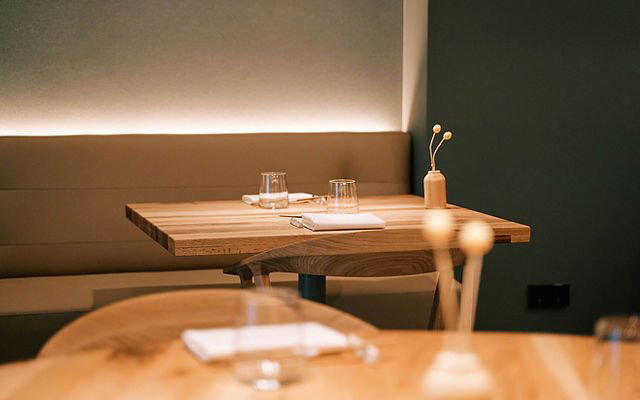
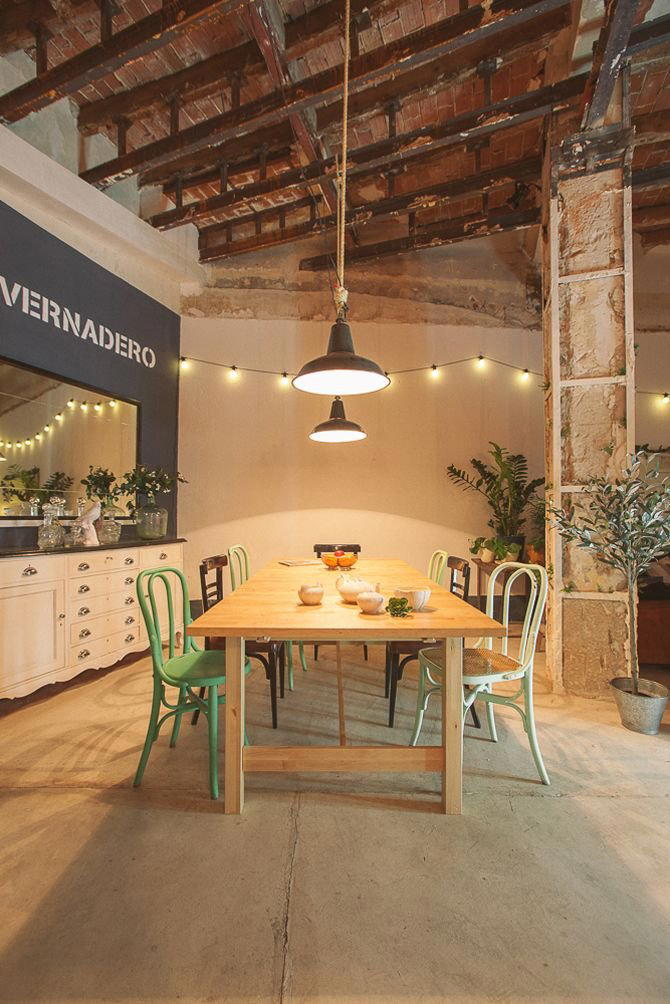
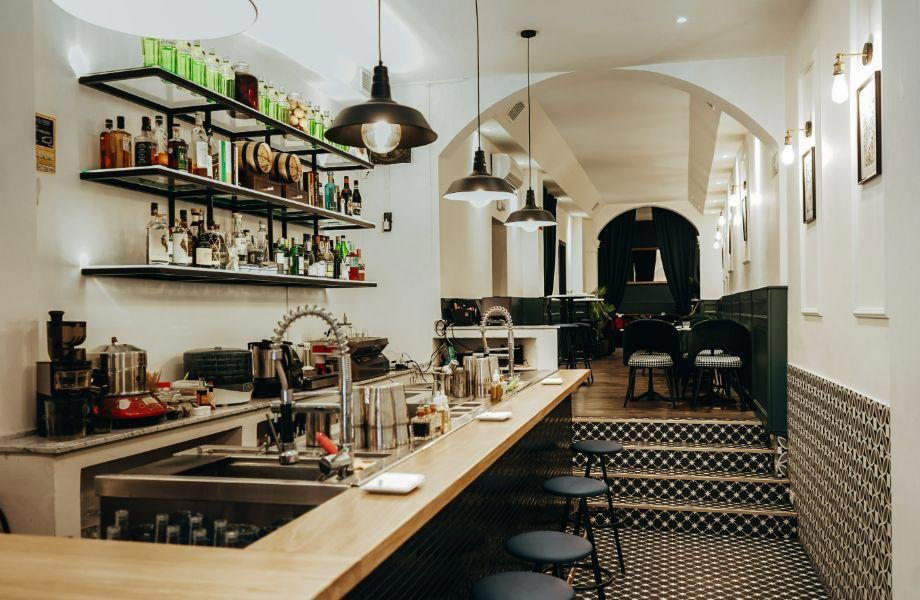
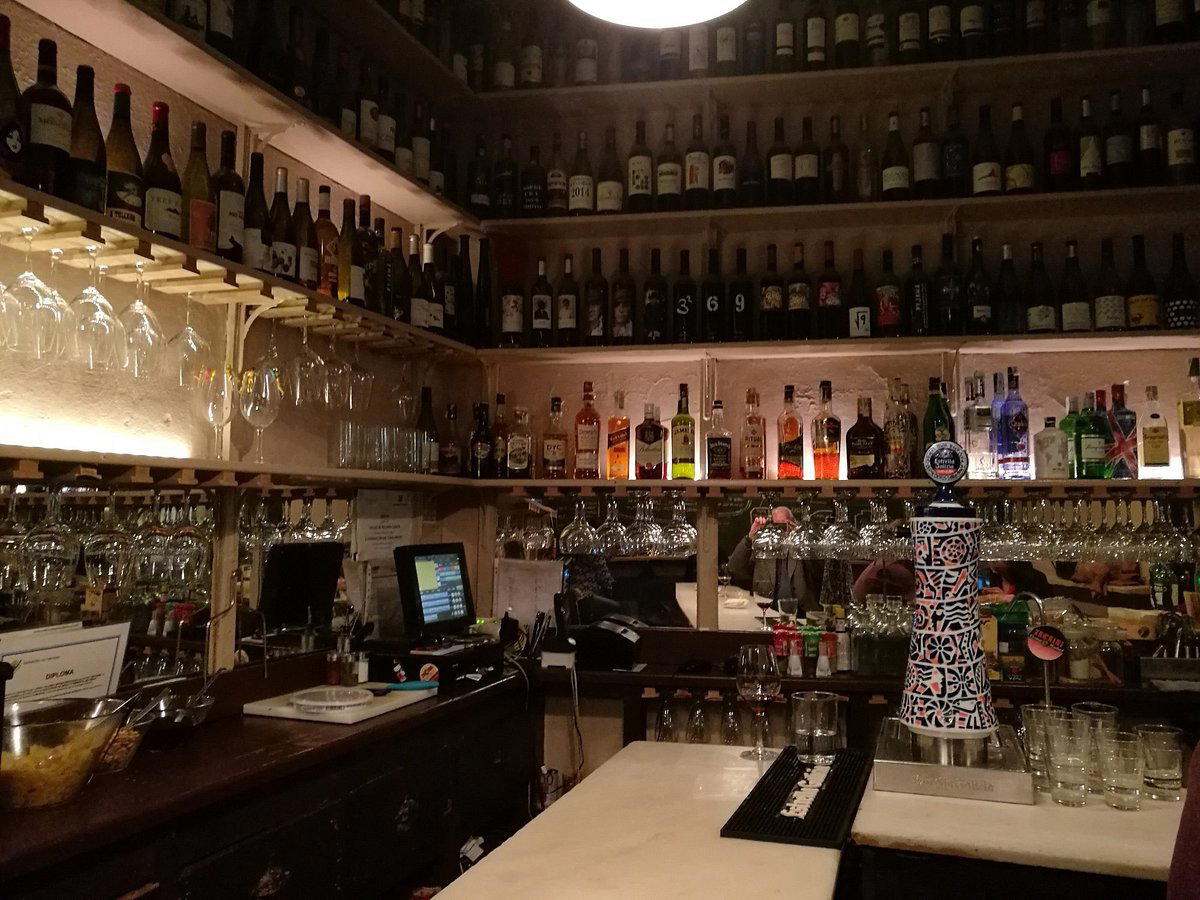
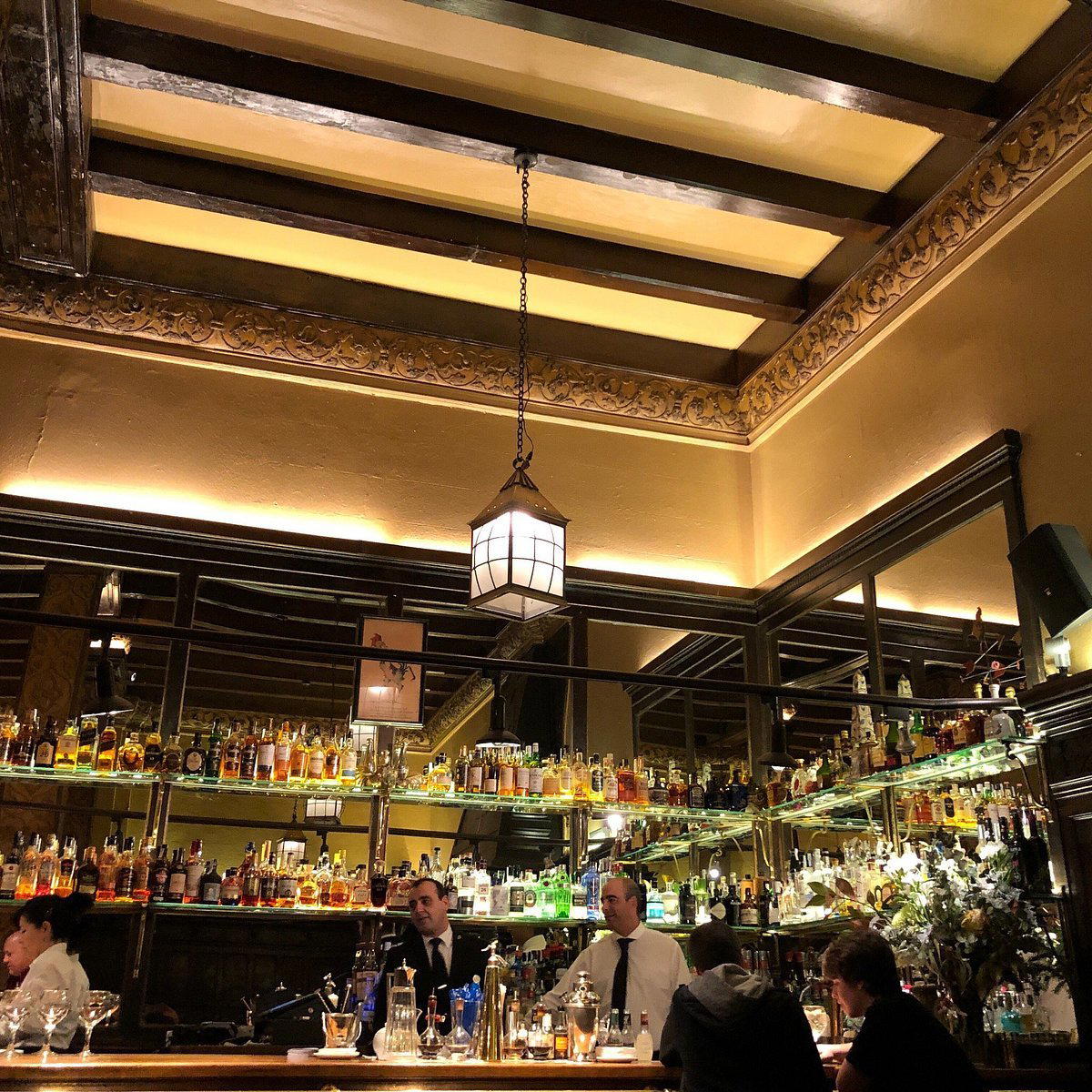
Warm and welcoming home-like setting with walls decorated with kitchen tools, multiple small dining rooms with round tables, and a rustic neighborhood charm that feels like dining in someone's house.