Los Cuates
A Georgetown fixture at 1564 Wisconsin Ave NW, Los Cuates occupies a corner of D.C.'s most walkable dining corridor where the cooking draws on Mexican culinary tradition in a neighborhood better known for white-tablecloth American fare. It offers a counterpoint to the tasting-menu formalism that defines much of the surrounding scene, trading ceremony for directness.
- Address
- 1564 Wisconsin Ave NW, Washington, DC 20007
- Phone
- +12029496402
- Website
- cuatesgrillmenu.com
- Directions
- Get directions
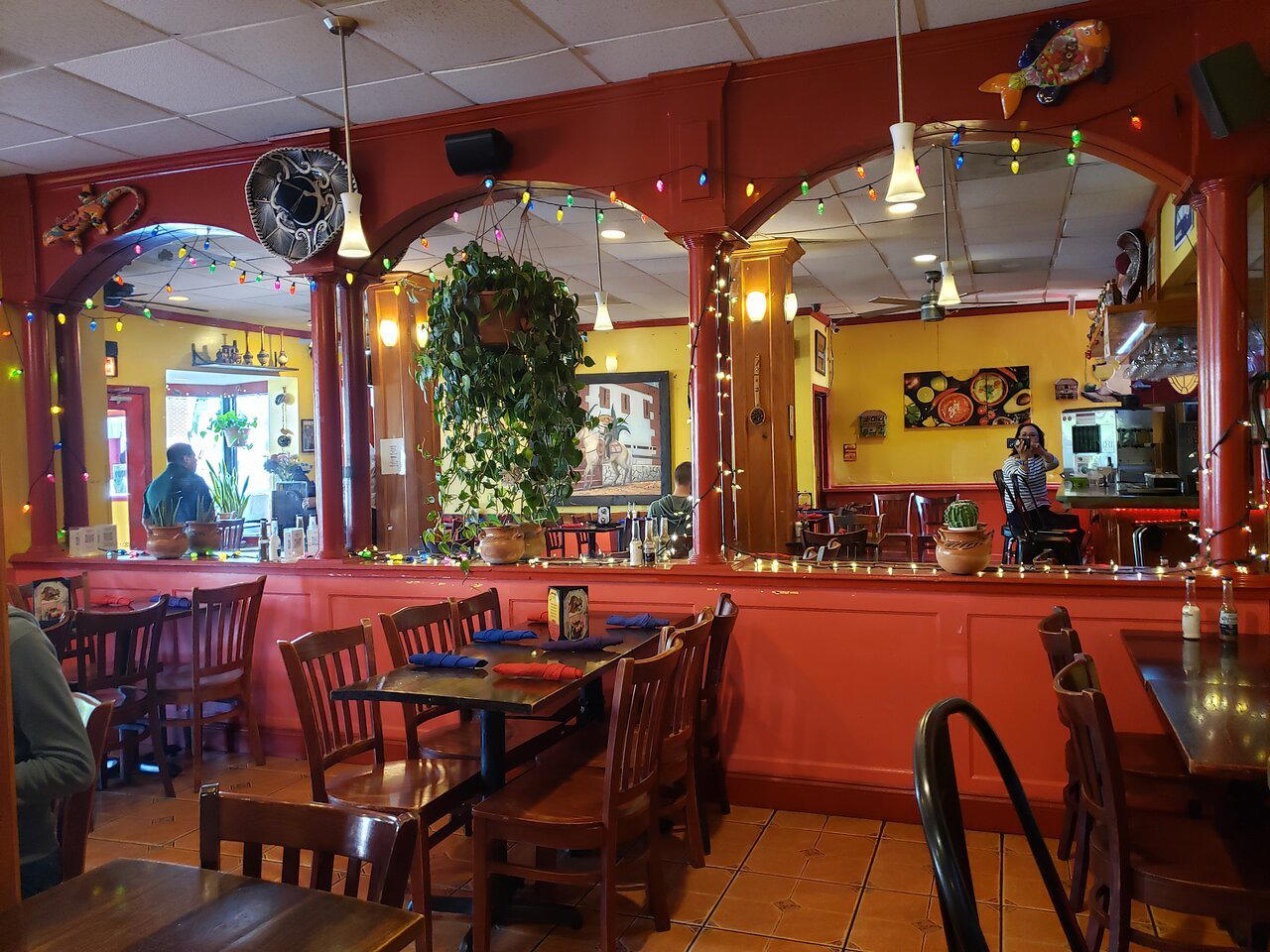
Wisconsin Avenue and the Case for Directness
Georgetown's Wisconsin Avenue corridor is one of Washington's most reliable dining streets, lined with a mix of long-running neighborhood spots and newer concepts aimed squarely at the city's professional class. The dominant register is formal: tasting menus, reservation windows that open weeks out, and service codes borrowed from the fine-dining tradition. Los Cuates is a casual Mexican & Tex-Mex restaurant at 1564 Wisconsin Ave NW, Washington, DC 20007. Mexican cooking in this part of D.C. does not compete with the prix-fixe formalism of a place like Jônt or the ingredient-obsession of Oyster Oyster. It holds its ground on different terms: tradition, repetition, and the kind of regional specificity that tasting-menu culture rarely has space for.
That positioning matters in a city whose dining conversation has increasingly centered on the ambitious end of the spectrum. Across D.C. the restaurants drawing critical attention, from Causa's Peruvian sourcing program to Albi's regional Middle Eastern cooking, are defined by documented provenance and culinary argument. Los Cuates holds a different position in that conversation: the neighborhood Mexican restaurant that has been in the room long enough that the conversation itself has moved around it.
Where Mexican Cooking Lives in the American City
The question of where Mexican cuisine sits in American fine dining has shifted considerably over the past two decades. A generation ago, the category was largely flattened into Tex-Mex familiarity or the kind of casual-chain shorthand that bears little relationship to regional Mexican cooking. That has changed. From the farm-to-table sourcing programs of high-end contemporary kitchens in San Francisco to the hyper-regional specificity of serious Mexican restaurants in Los Angeles, American diners have developed a more demanding vocabulary. The culinary argument that drives a place like Lazy Bear in San Francisco or Single Thread Farm in Healdsburg, that sourcing transparency and seasonal discipline are the markers of seriousness, has filtered outward and created a new frame for evaluating all restaurants, including Mexican ones.
In Washington specifically, that shift has produced a more contested space. The city's dining scene now includes restaurants like minibar, where technique and ingredient sourcing are the explicit subject of the meal, alongside more rooted neighborhood operations where the cooking is the point and the argument is secondary. Los Cuates belongs to the latter category. The address in Georgetown places it in a neighborhood where real estate costs alone tend to push restaurants toward the premium end. Surviving on Wisconsin Avenue as a neighborhood Mexican restaurant is its own credential.
Ingredient Sourcing and the Mexican Table
The ingredient conversation in Mexican cooking is distinct from the one dominating much of American fine dining. Where a tasting-menu kitchen might center its sourcing story on a named farm or a specific heirloom variety, the Mexican culinary tradition draws sourcing depth from a different structure: dried chiles with regional identities, masa made from specific corn varieties, proteins treated according to techniques that predate the farm-to-table movement by centuries. The dried chile pantry alone, anchos, guajillos, chipotles, mulatos, pasillas, encodes regional Mexican geography in a way that a composed tasting plate rarely does. Mole, one discussed example, is a study in sourcing multiplicity: a single sauce can involve twenty or more ingredients, each carrying its own origin and quality differential.
This is the culinary context that a restaurant like Los Cuates operates within, even if it does not frame its cooking in the language of provenance that drives critical conversation at places like Blue Hill at Stone Barns in Tarrytown or The French Laundry in Napa. The sourcing argument is embedded in the tradition itself rather than announced on the menu. That distinction separates neighborhood Mexican cooking from the contemporary American sourcing-forward model, and it is worth holding onto when evaluating what a restaurant like this is actually doing.
For comparison, consider how the sourcing conversation plays out at the other end of the American dining spectrum. Providence in Los Angeles documents its seafood provenance by vessel and catch date. Addison in San Diego builds its menu around a documented regional sourcing program. Le Bernardin in New York City has made ingredient purity a 40-year editorial position. The restaurant operates without those markers, but that absence does not indicate a lack of sourcing discipline. It indicates a different culinary tradition with its own logic.
Georgetown as a Dining Context
Georgetown is not D.C.'s most culinarily adventurous neighborhood. That distinction has generally migrated to Shaw, 14th Street, and NoMa over the past decade. But Wisconsin Avenue retains a density of long-running restaurants that the hipper corridors lack: places that have survived multiple economic cycles, shifting culinary fashions, and the particular pressure of Georgetown's high commercial rents. A restaurant at this address that has maintained a presence in the neighborhood represents a form of durability that newer critical favorites have not yet been tested against.
Across D.C. the restaurants with the deepest roots and most consistent neighborhood loyalty tend to be the ones that operate without the critical apparatus of awards cycles and press coverage. The Inn at Little Washington is the obvious counterexample, a D.C.-adjacent institution with a documented award record that spans decades. But the Inn exists at a different price point and with a different set of expectations. The restaurant occupies the space below that tier, where the transaction is simpler and the loyalty is neighborhood-based rather than destination-driven. For a broader view of where this fits in Washington's dining ecosystem, our full Washington, D.C. restaurants guide maps the category spread across price tiers and neighborhoods.
Planning Your Visit
The restaurant sits at 1564 Wisconsin Ave NW in Georgetown, walkable from the Georgetown waterfront and accessible by bus from the Foggy Bottom Metro station. Georgetown's restaurant strip tends to fill on weekend evenings, and Wisconsin Avenue spots that have built neighborhood loyalty often handle walk-in traffic more readily than reservation-led operations. Arriving earlier in the evening or on a weekday generally means shorter waits at this kind of neighborhood anchor. Reservations are recommended.
How It Stacks Up
Comparable venues nearby, for context on price, style, and recognition.
| Venue | Cuisine | Price | Notes |
|---|---|---|---|
| Los CuatesThis venue — the venue you are viewing | Authentic Mexican & Tex-Mex | $$ | Not listed |
| Lauriol Plaza | Mexican & Latin American | $$ | Striver's Section |
| MXDC | Modern Mexican Cocina | $$$ | Logan Circle |
| Guapo's | Mexican Cocina Mexicana | $$ | Tenleytown |
| Chef Geoff's West End | Contemporary American | $$ | West End |
| Tokyo Pearl | Modern Japanese Sushi Bar | $$ | Dupont Circle |
Continue exploring
More in Washington DC
Restaurants in Washington DC
Browse all →
Bars in Washington DC
Browse all →
Hotels in Washington DC
Browse all →

At a Glance
- Lively
- Family
- Casual Hangout
- Group Dining
- Standalone
Lively and welcoming casual atmosphere ideal for families and friends.