Tokyo Pearl
Tokyo Pearl occupies a Connecticut Avenue address that puts it in the company of Dupont Circle's more considered dining options. The kitchen works within a Japanese culinary tradition that prizes pacing and precision over volume, placing it in a different register from D.C.'s more accessible sushi tiers. Reservations and current pricing are best confirmed directly with the venue.
Pearl is the En Primeur Club membership app — saves, bookings, and concierge access live there. Same editors, same standards.
- Address
- 1301 Connecticut Ave NW, Washington, DC 20036
- Phone
- +12028173187
- Website
- tokyopearldc.com
- Directions
- Get directions
 Saves & bookings on Pearl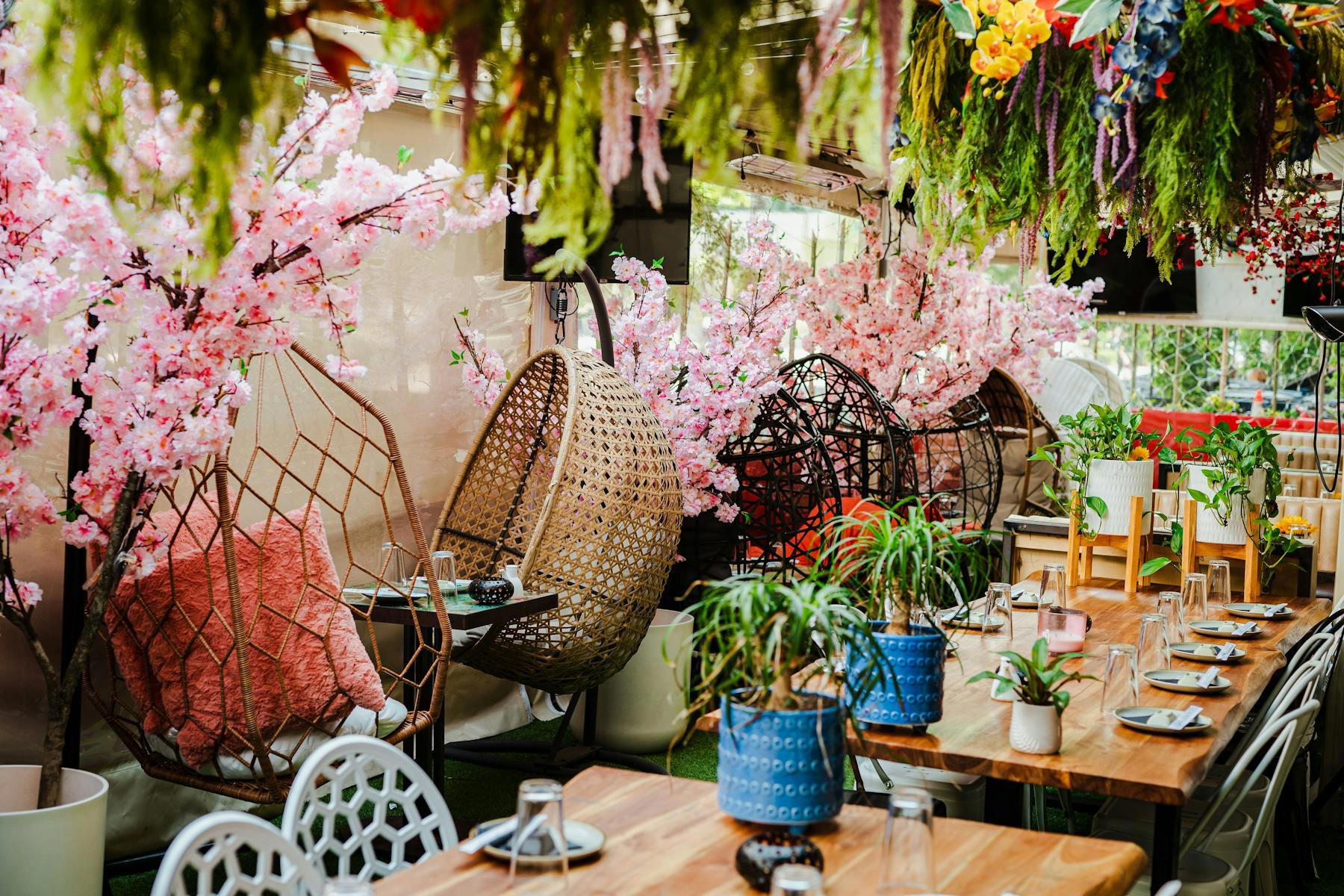
The Ritual of the Meal at Connecticut Avenue
Connecticut Avenue NW has a particular quality on a winter evening: the office crowd thins early, and the stretch between Dupont Circle and the K Street corridor settles into something quieter, more residential in feeling. Tokyo Pearl is a modern Japanese sushi bar in Washington, D.C. at 1301 Connecticut Ave NW. That physical position matters, because the dining tradition this address is associated with rewards exactly that kind of deceleration. Japanese counter dining, in its most considered form, is structured around patience: the meal moves at the kitchen's tempo, not the diner's.
At counters operating in the omakase or kaiseki tradition, the sequence of courses is fixed. The kitchen decides what comes next, and the diner's role is attentive reception rather than active selection. This is a fundamentally different social contract from a la carte dining, and it changes how you experience the room. Conversation drops into lower registers between courses. You watch the preparation. You eat when the dish arrives, not when the table is fully served. These are old conventions, carried intact from Japanese dining culture into American cities that have proved receptive to them, particularly in markets like D.C. where policy professionals, diplomats, and frequent international travelers have made the format familiar over the past two decades.
Where Tokyo Pearl Sits in D.C.'s Japanese Dining Tier
Washington's Japanese restaurant scene remains stratified in ways that matter for booking decisions. The entry tier is anchored by neighborhood sushi bars and fast-casual formats. A middle tier covers quality a la carte sushi with broader menus and accessible price points. Above that sits a smaller group of counter-format restaurants where the meal is structured as a set sequence, the seat count is low, and the kitchen operates with a degree of intentionality that shifts the experience from dinner to event. Tokyo Pearl, at 1301 Connecticut Avenue NW, addresses the Dupont Circle market from that upper register.
For D.C. diners accustomed to the format, the reference points are useful. Elsewhere in the American market, comparable counter programs operate at properties like Atomix in New York City, where Korean fine dining has refined similar principles of sequenced service and kitchen-led pacing. The Japanese tradition specifically has shaped some of the country's most awarded restaurants: Providence in Los Angeles draws on Japanese technique within a seafood-forward framework, and Le Bernardin in New York City shares the same underlying philosophy of restraint and product quality, even within a French idiom. D.C.'s own fine dining tier, which includes Jônt on its contemporary French side and minibar on its molecular end, has grown comfortable with the same format conventions that define Japanese counter dining at this level.
The Sequence and What It Asks of You
Counter dining in the Japanese tradition has its own internal rhythm, and that rhythm is seasonal in ways that matter. Spring omakase menus in Japan build around tai and bamboo shoots; summer pivots to cold preparations and eel; autumn introduces matsutake mushroom and fatty tuna in its peak condition; winter is the season for crab, fugu in licensed venues, and the richest, most substantial preparations. American kitchens working in this tradition adapt to domestic sourcing timelines, but the underlying logic of seasonality holds. A meal taken in October will feel different from the same counter visited in March, not because the format changes but because the available ingredients do.
For diners coming to Tokyo Pearl from D.C.'s broader restaurant circuit, the adjustment in pacing is especially significant. At Oyster Oyster or Albi, the meal is more conversational in structure: you make choices, dishes arrive in clusters, the table governs the pace. At a Japanese counter, the chef governs it. That transfer of control is the point. It creates a specific kind of attention that has made this format valuable to repeat visitors: you cannot multitask through a counter meal the way you can through a conventional dinner.
The comparison extends internationally. In the league of destination-level Japanese restaurants globally, counters operate under strict conventions of silence, focus, and timing that have been softened in their American adaptations but not abandoned. Venues like 8 1/2 Otto e Mezzo Bombana in Hong Kong demonstrate how high-end Asian dining has carried similar hospitality principles across different culinary traditions. The etiquette, in each case, asks the same thing of the diner: arrive prepared to be led through the meal rather than to direct it.
D.C. Context: The Connecticut Avenue Address
The 1301 Connecticut Avenue NW location places the restaurant within walking distance of the Dupont Circle Metro station. Dupont Circle has historically been one of D.C.'s more reliable neighborhoods for mid-to-upper dining, partly because the residential density supports repeat traffic and partly because the international character of the neighborhood creates an audience with calibrated expectations. Causa has made a case for high-concept Peruvian cooking in this market; the broader D.C. fine dining scene documented in our full Washington, D.C. restaurants guide shows a city increasingly comfortable with format-led, counter-style service across multiple cuisines.
For travelers building a D.C. dining itinerary around this kind of structured meal, the comparison set beyond D.C. itself is instructive. The Inn at Little Washington in the Virginia countryside has defined one version of ceremony in this region for decades. In the destination-dining tier nationally, The French Laundry in Napa, Alinea in Chicago, Single Thread Farm in Healdsburg, Blue Hill at Stone Barns in Tarrytown, Lazy Bear in San Francisco, and Addison in San Diego all operate fixed-format meals where the kitchen leads. The restaurant works within the same broad philosophy, applied to a Japanese culinary framework, in a city that has developed the audience for it. Also worth considering in the broader context of American seafood fine dining: Emeril's in New Orleans shows how product-driven kitchens have shaped their regional markets over long periods.
Planning Your Visit
Address: 1301 Connecticut Avenue NW, Washington, DC 20036. Nearest transit: Dupont Circle Metro station is within walking distance on the Red Line. Reservations recommended. Dress: smart casual. Budget: about $40 per person. Hours: Tue 5-9:30 PM, Wed 5-9:30 PM, Thu 5-10 PM, Fri 5-11 PM, Sat 5-11 PM.
Peers Worth Knowing
Comparable venues nearby, for context on price, style, and recognition.
| Venue | Cuisine | Price | Notes |
|---|---|---|---|
| Tokyo PearlThis venue — the venue you are viewing | Modern Japanese Sushi Bar | $$ | Not listed |
| KYOJIN Sushi | Modern Japanese Sushi | $$$ | West Village Georgetown |
| Shinwa Izakaya | Japanese Izakaya | $$$ | Tenleytown |
| Toryumon Japanese House | Japanese Sushi and Ramen | $$ | Golden Triangle |
| Marcel's | Dining | Not listed | West End |
| Green Almond Pantry | Turkish-Mediterranean cafe counter & market | $$ | Georgetown |
Continue exploring
More in Washington DC
Restaurants in Washington DC
Browse all →
Bars in Washington DC
Browse all →
Hotels in Washington DC
Browse all →
At a Glance
- Lively
- Trendy
- Energetic
- Date Night
- Group Dining
- Casual Hangout
- Late Night
- Open Kitchen
- Terrace
- Craft Cocktails
- Sake Program
Current opening hours
- Monday
- Closed
- Tuesday
- 5–9:30 PM
- Wednesday
- 5–9:30 PM
- Thursday
- 5–10 PM
- Friday
- 5–11 PM
- Saturday
- 5–11 PM
- Sunday
- Closed
Hours can change for holidays and private events. Last verified .
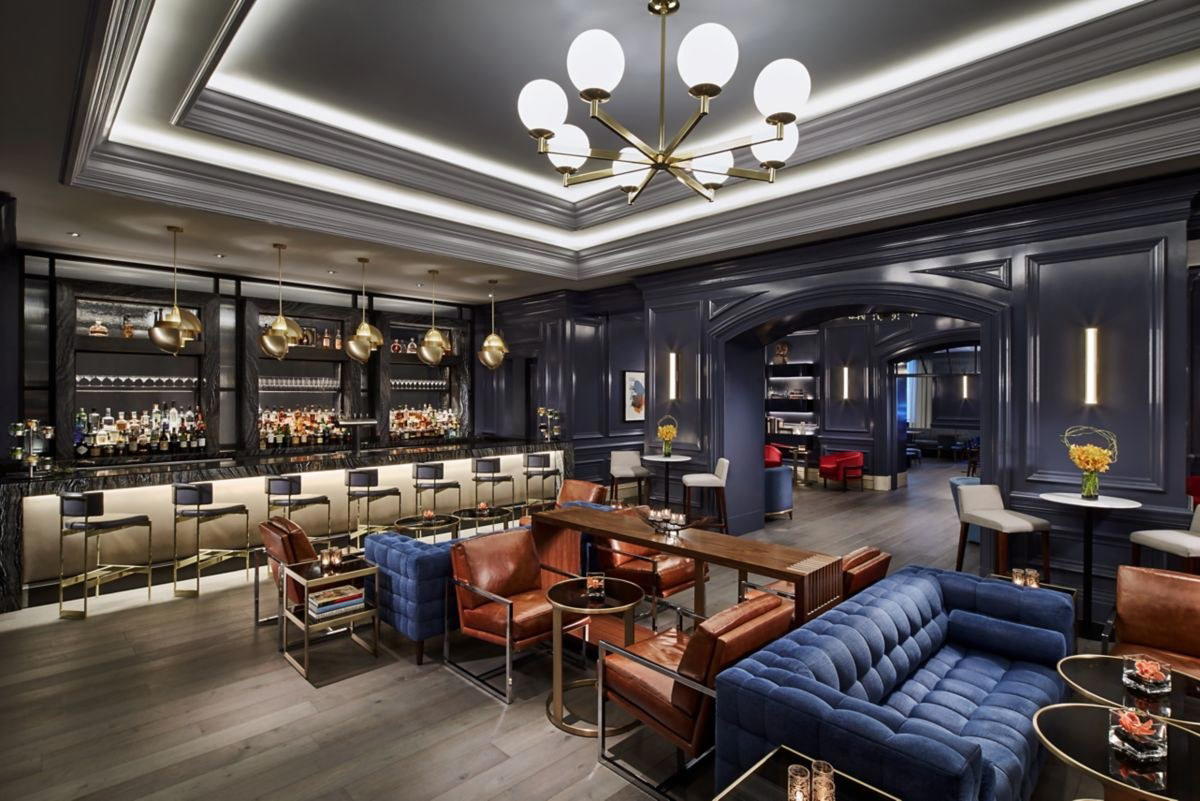
High-energy lounge with glow-in-the-dark graffiti bar turning into a nightclub after 10pm, complemented by a playful outdoor patio with swing chairs and flowers.