L'Espoir du Hibou

Michelin Plate
Our verdict
A Michelin Plate bistro on a quiet Gangnam side street, L'Espoir du Hibou holds a specific place in Seoul's French dining scene: a room where house-made charcuterie, classic onion soup, and duck confit are prepared with the kind of consistency that sustains a restaurant over years. The terrace draws a loyal crowd when the weather cooperates. Traditional French cooking, honestly priced at the ₩₩₩ tier.

Pearl is the En Primeur Club membership app, where members save venues, book tables and use the concierge.
The menu
What to order
- French Onion Soup
- Duck Confit
A Bistro That Reads as French Before You Order
Tucked off Dosan-daero 56-gil in Gangnam, L'Espoir du Hibou occupies the second floor of a low-rise building on a tree-lined street that the neighbourhood's glossier addresses have not yet swallowed. The approach already signals the register: the signage is understated, the outdoor terrace small enough to feel like an accident rather than a design decision, and the room itself carries the kind of well-worn warmth that French bistros accumulate over time rather than purchase at fit-out. In a Gangnam dining scene defined by restaurants that announce themselves loudly, that quietness is itself a position.
Seoul's French restaurant cohort has stratified sharply in recent years. At one end sit the high-concept, high-price addresses: places like Tutoiement and L'Amitié, which pursue Michelin recognition through tasting menu formats and chef-driven innovation. At the other end sits a smaller cohort of restaurants that have chosen a different argument: that classical French technique, applied consistently over years to dishes the canon has already settled, is its own form of seriousness. L'Espoir du Hibou belongs to that second cohort. Its 2024 Michelin Plate recognition reflects this: the Plate signals a kitchen that meets the guide's standard for good cooking without staking its identity on novelty.
The Choreography of a Classical French Room
The editorial angle around French dining in Asia often fastens on fusion or interpretation, on what happens when French technique meets local ingredients or local palates. L'Espoir du Hibou does not make that argument. The frame here is fidelity: to the bistro format, to the service rhythms that format requires, and to the small number of dishes that French cooking has used to define itself for generations.
French service at the bistro level operates differently from the white-tablecloth choreography at starred addresses like Les Amis in Singapore or L'Effervescence in Tokyo. It is less ceremonial, more attentive in a low-key way: a room where dishes arrive without narration, where the pacing is left to the guest, and where the staff carry knowledge about the food without needing to perform it. That mode of service is harder to sustain than it looks. It requires a front-of-house that reads tables without being directed to do so, and a kitchen confident enough in its output not to need explanation. When a bistro gets this balance right, the room feels effortless. When it does not, it feels inattentive. The consistency that defines L'Espoir du Hibou's reputation extends to this dimension of the experience as much as to the cooking itself.
The Kitchen's Case for Tradition
Chef Lim Ki-hak's kitchen produces French charcuterie from scratch: terrines and pâtés made in-house rather than sourced, which remains an uncommon commitment at this price tier in Seoul. The practice connects the restaurant to a tradition that French kitchens have been eroding for decades, as labour costs have pushed even mid-range bistros in France itself toward purchased product. That Seoul's ₩₩₩ tier can sustain house-made charcuterie says something about both the kitchen's priorities and the operational context the city offers.
The two dishes the restaurant's Michelin notes single out are the onion soup and the duck confit. Both are as technically demanding as they are familiar. Onion soup requires patience and precision in the caramelisation; a version that reads as outstanding against the city's French dining field says something concrete about execution. Duck confit is similarly unforgiving: the fat temperature and the duration of the cure determine everything, and the dish's simplicity means there is nowhere to hide a failure. At a price point where the competition includes Au Bouillon and Bistrot de Yountville, that level of kitchen discipline carries weight.
For context on how classical French addresses operate elsewhere in Asia, the gap between a bistro at this tier and destination fine dining addresses like Hotel de Ville Crissier is instructive: the bistro tradition never aspired to that register, but it demands its own distinct discipline. Seoul's Korean fine dining scene, represented by addresses such as Gaon and Kwon Sook Soo, operates at a completely different price and format level. L'Espoir du Hibou does not compete with or speak to that tier.
Terrace Season and the Room's Leading Version
The outdoor terrace is the room's most consistently mentioned feature for the warmer months, and the Michelin notes flag it as a consideration for seasonal visits. In Gangnam, where street-level dining culture is thinner than in Mapo or Itaewon, a functioning terrace on a quiet side street offers something genuinely different from the standard interior format. The warmer months in Seoul run approximately from late April through September, with May and June providing the most comfortable outdoor dining conditions before the humidity of the rainy season becomes a factor in July.
The restaurant's longevity in a neighbourhood that has replaced many of its original dining addresses with higher-turnover concepts reflects something about its positioning. The Michelin Plate recognition provides a different data point: the guide's assessors, who eat anonymously and apply consistent criteria, found the kitchen at standard. Those two signals together suggest a restaurant with a clear identity that will satisfy some guests substantially and leave others cold.
Seoul's broader dining scene extends well beyond the Gangnam French corridor. For restaurants working in different registers, KANG MINCHUL Restaurant operates at the contemporary Korean end of the spectrum, while further afield, Mori in Busan and Baegyangsa Temple in Jangseong-gun represent entirely different facets of Korean dining culture. For a fuller map of what Seoul offers across all categories, see our full Seoul restaurants guide, and for context on where to stay and what to do, our Seoul hotels guide, bars guide, wineries guide, and experiences guide cover the wider picture. For Korean-French crossover at a more ambitious price point, The Flying Hog in Seogwipo offers a contrasting regional perspective.
Know Before You Go
- Location: Dosan-daero 56-gil 10, 2nd floor, Gangnam District, Seoul
- Price tier: ₩₩₩ (mid-to-upper range for Seoul French bistros)
- Recognition: Michelin Plate 2024
- Cuisine: Classical French, charcuterie, soups, braised meats
- Terrace: Available in warmer months; late April through September recommended
Frequently asked questions
Does L'Espoir du Hibou work for a family meal?
At the ₩₩₩ price tier, this is a sit-down French bistro with a classical register, terrines, duck confit, onion soup, which suits adults and older teenagers more naturally than young children. The second-floor room on Dosan-daero 56-gil is relaxed rather than formal, but the pace and format expect a certain patience at the table. Families with younger children would likely find the setting a stretch.
What should I expect atmosphere-wise at L'Espoir du Hibou?
The room reads as immediately French in both décor and tempo, the Michelin assessors describe the overall effect as charming and coherent, from the interior to the outdoor terrace. This is not the high-production, design-forward dining room common to upper-tier Gangnam restaurants; the register is closer to a neighbourhood bistro in Paris than a contemporary Seoul showpiece. In warmer months, the terrace shifts the experience considerably and is the room's most-cited draw.
Is L'Espoir du Hibou Michelin-listed?
L'Espoir du Hibou has received recognition including: All of the elements at this bistro, from the food to the décor to the outdoor patio, fall into place to create an ambience that is immediately charming and oh so French! Consistency has been key to L’Espoir du Hibou’s longevity, not least….
What's the must-try dish at L'Espoir du Hibou?
The Michelin assessors specifically call out the onion soup and the duck confit as the kitchen's reference points. Both connect directly to Chef Lim Ki-hak's commitment to scratch production, he makes terrines and pâtés in-house, which is uncommon in Seoul's French dining scene, so the charcuterie selection is also worth ordering as an anchor to the broader menu.
How much does it cost to eat at L'Espoir du Hibou?
Pricing at L'Espoir du Hibou is listed as ₩₩₩.
Where is L'Espoir du Hibou in Seoul?
L'Espoir du Hibou is located at South Korea, Seoul, Gangnam District, Dosan-daero 56-gil, 10 레스쁘아 2층, Seoul.
In Context: Similar Options
| Venue | Cuisine | Price | Awards | Notes |
|---|---|---|---|---|
| L'Espoir du HibouThis venue (the venue you are viewing) | Traditional French Bistro | $50–100 | Michelin Plate | Not listed |
| 7th Door | Modern Korean Fermentation Fine Dining | $100–150 | 1 Michelin Star · World's 50 Best #49 | Korean, Contemporary |
| Solbam | Contemporary Neo-Classical Korean | $200–300 | 1 Michelin Star · World's 50 Best #55 | Contemporary |
| Onjium | Modern Korean Royal Court Cuisine | Not listed | 1 Michelin Star · World's 50 Best #14 | Korean |
| L'Amitié | Classic French Fine Dining | $100–150 | 1 Michelin Star · La Liste Top Restaurants | French |
| Zero Complex | Modern French Neo-Bistro | $100–150 | 1 Michelin Star · La Liste Top Restaurants | Korean-French, Innovative |
Recognition history
Dated appearances from independent guides and award organizations, with the underlying list record or original source where available.
Michelin Plate
Michelin
Full recognition history (2 entries)
Michelin Plate
Michelin
Continue exploring
More in Seoul
Restaurants in Seoul
All restaurants in Seoul →
Bars in Seoul
All bars in Seoul →

Details
- Elegant
- Cozy
- Intimate
- Classic
- Date Night
- Special Occasion
- Terrace
- Extensive Wine List
- A La Carte
- Prix Fixe
Current opening hours
- Monday
- 11:30 AM–3 PM, 5:30–10 PM
- Tuesday
- Closed
- Wednesday
- 11:30 AM–3 PM, 5:30–10 PM
- Thursday
- 11:30 AM–3 PM, 5:30–10 PM
- Friday
- 11:30 AM–3 PM, 5:30–10 PM
- Saturday
- 11:30 AM–3 PM, 5:30–10 PM
- Sunday
- 11:30 AM–3 PM, 5:30–10 PM
Hours can change for holidays and private events. Hours as of .
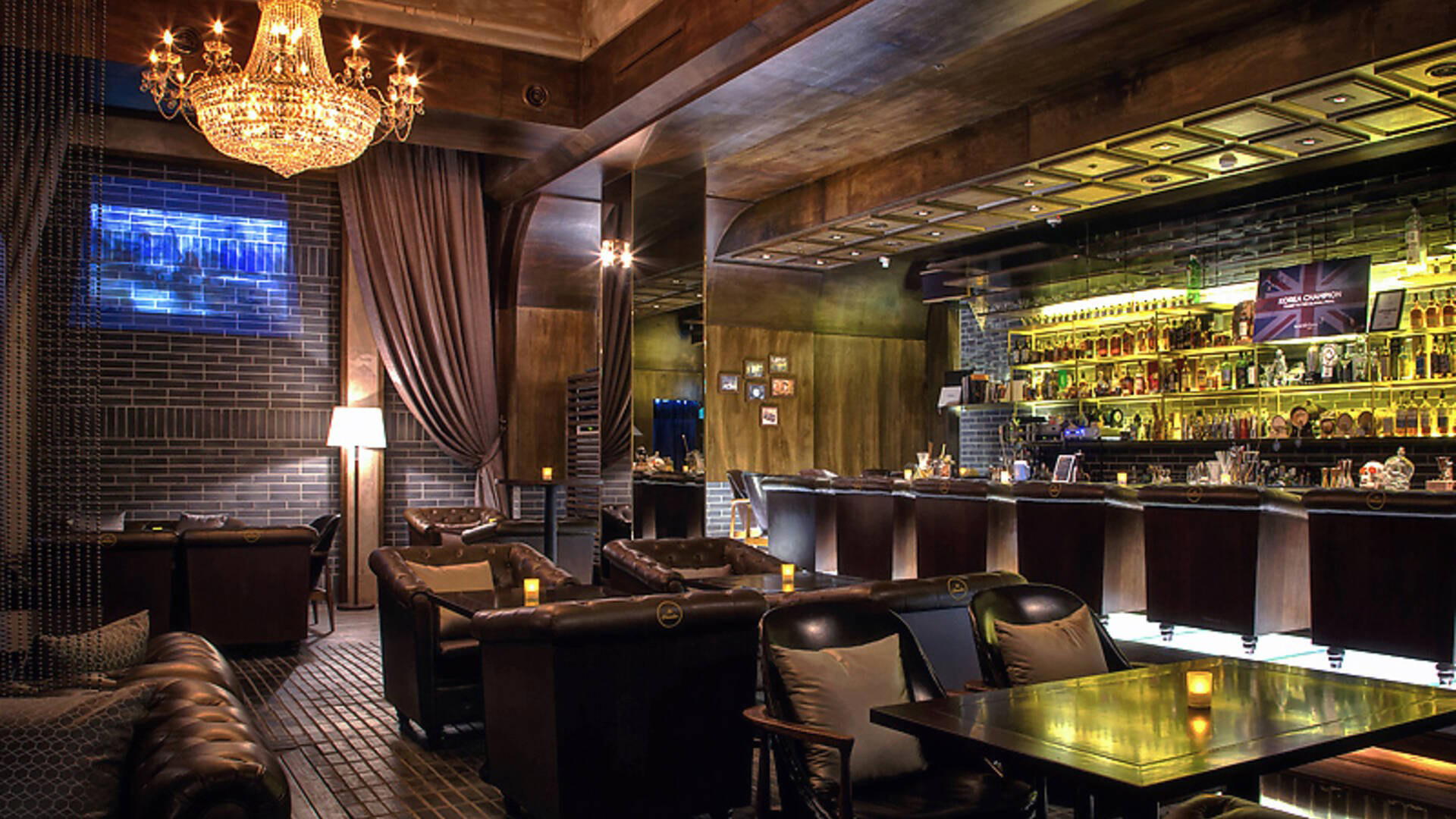
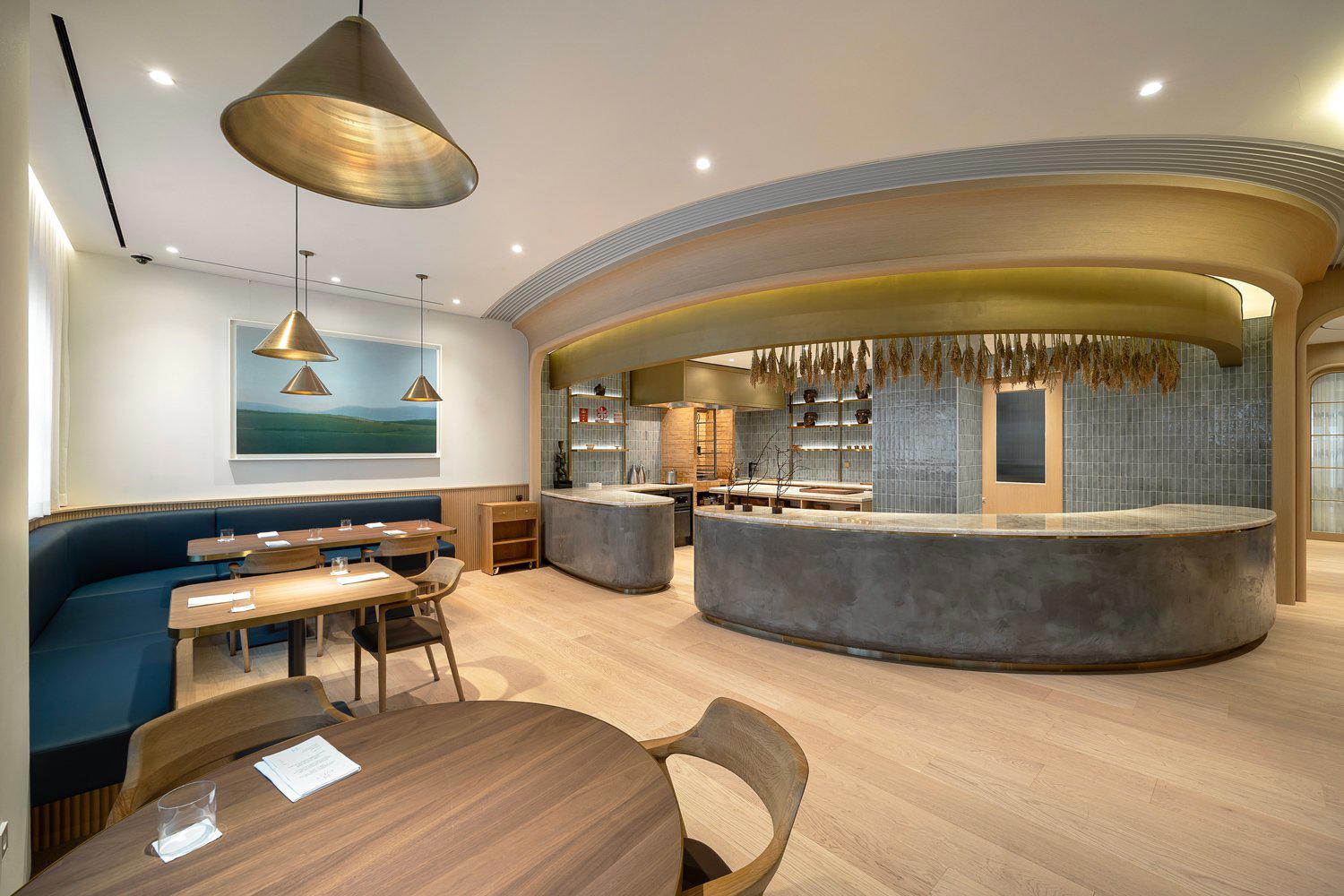
Charming French bistro with red painted walls, gilded mirrors, wood-clad walls, crisp white tablecloths, warm timber, linen, candlelight, and a quiet intimate setting.