
Lobby Café & Courtyard brings an Italian sourcing lens to Achrafieh, pairing imported pasta, cheeses, hams and porcini with produce from Lebanese mountain growers. The draw is not novelty but continuity: a grand Beirut room where classic risotto and speciality pasta have anchored the cooking since 1992.
Pearl is the En Primeur Club membership app — saves, bookings, and concierge access live there. Same editors, same standards.
- Address
- 137, rue Abdel Wahab El Inglizi, Achrafieh
- Phone
- +9611339797
- Website
- menumodo.com
- Directions
- Get directions
 Saves & bookings on Pearl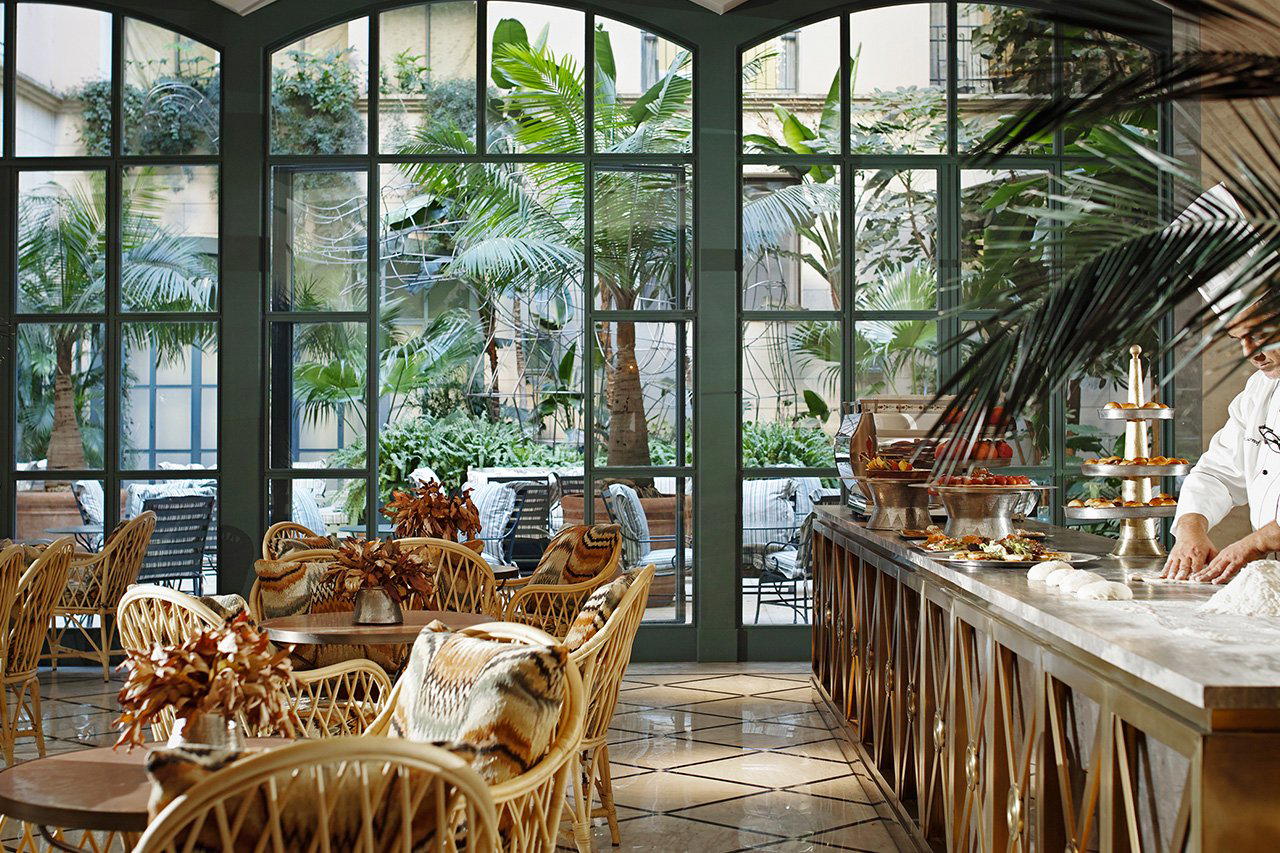
Achrafieh’s older dining rooms carry a different tempo from Beirut’s louder contemporary addresses: polished surfaces, courtyard light, a sense of meals built around conversation rather than turnover. Lobby Café & Courtyard belongs to that register. The room matters because the cooking is conservative in the precise sense: Italian classics, treated as a supply-chain discipline as much as a repertoire.
Italian cooking in Beirut has often worked through two routes. One is café casual, with pasta as a familiar comfort language. The other is ingredient-led and more formal, where imported products define the kitchen’s range and local produce decides its freshness. This address sits in the second camp. Since 1992, its Italian identity has been tied to products brought from Italy, including pasta, cheeses, hams and fresh porcini mushrooms, while fruit and vegetables come from market gardeners in the Lebanese mountains.
Italian classics shaped by two supply lines
The sourcing tells the story more clearly than a long chef biography would. Fresh porcini from Italy, hams and cheeses from the same orbit, and mountain-grown Lebanese vegetables create a menu logic familiar across serious Italian restaurants outside Italy: import the products that cannot be replicated, buy the produce that should not travel far. In Beirut, that second half carries weight. The mountains above the city have long fed urban tables with herbs, vegetables and fruit, and that proximity gives Italian formats a sharper local footing than a fully imported pantry would allow.
The cooking is described through traditional risotto and speciality pasta rather than reinvention. That distinction matters. In a city with deep confidence in its own table culture, foreign cuisines tend to survive when they settle into a clear role. Here, the role is not theatrical modern Italian; it is classic Italian technique supported by specific products. Home-made ravioli and speciality pasta sit beside the better-known capellini with asparagus, finished with a white Alba truffle-flavoured cream, a house speciality that signals the restaurant’s preference for recognizable luxury ingredients rather than experimental plating.
That menu language places the restaurant closer to old-school European dining than to the new wave of chef-counter minimalism. The absence of a public tasting-menu structure is not a weakness in this context. Beirut has a strong culture of long meals, mixed tables and shared decision-making, and Italian à la carte-style dining fits that rhythm more naturally than a rigid progression. For travelers building a broader food itinerary, the contrast with Lebanese classics is useful: compare the ingredient discipline here with the Levantine generosity at Al Halabi, the seaside Lebanese format at Babel Bay, or the café-social grammar of Al Falamanki Sodeco.
Why the Achrafieh setting changes the read
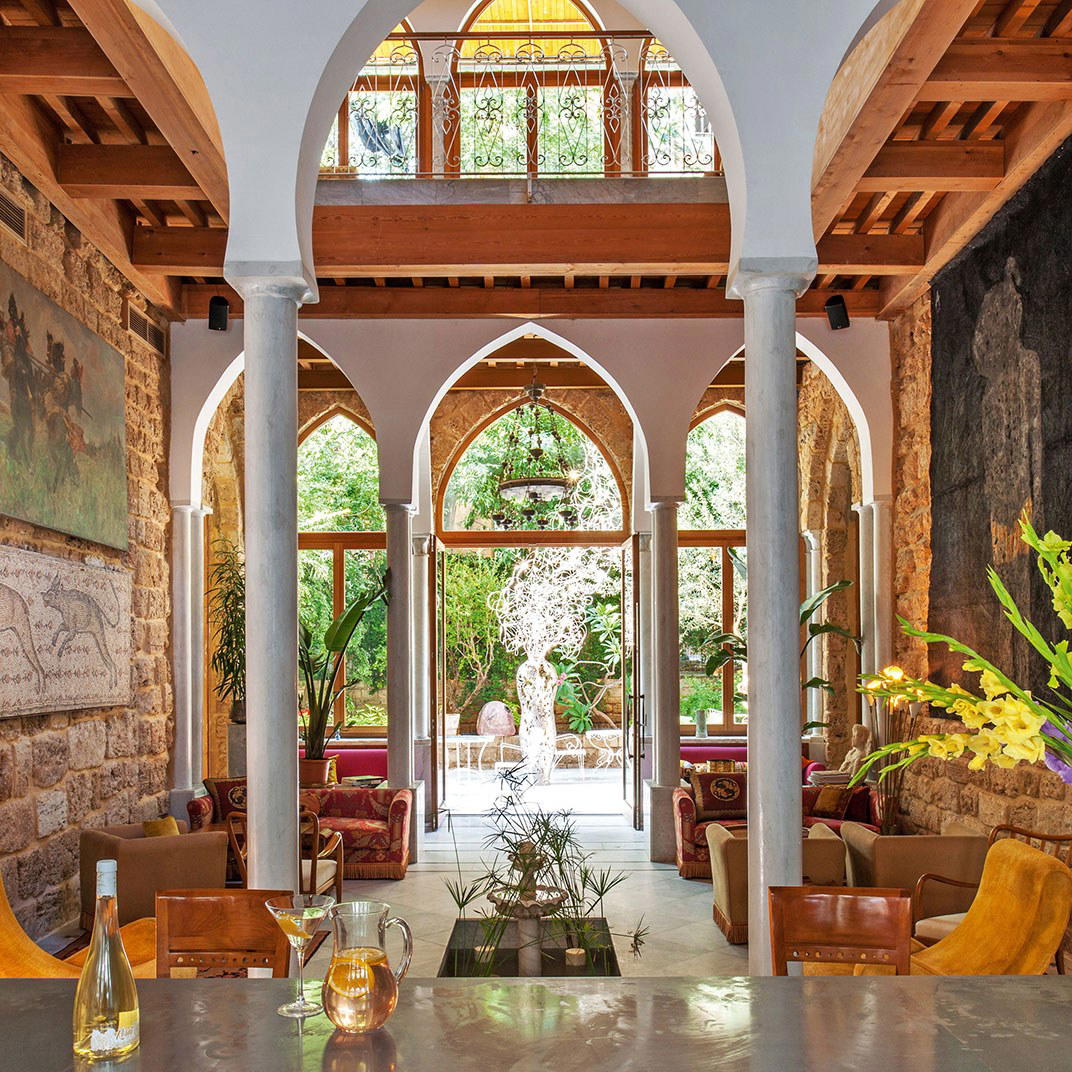
Achrafieh is one of Beirut’s clearest dining neighborhoods for rooms with history: townhouses, hotel dining rooms, terraces and courtyards that make hospitality feel residential rather than corporate. That setting suits Italian classicism. The neighborhood rewards restaurants that can hold business lunches, family dinners and cross-generational tables without forcing a single mood. A majestic room and courtyard format fits that expectation, giving the meal a sense of occasion while keeping it inside the city’s social flow.
There is also a practical editorial point: in Beirut, ambience is rarely separate from the meal. Rooms are chosen for whom they can accommodate, how long a table can linger and whether the setting can carry both local guests and visitors. This is why a formal Italian room in Achrafieh reads differently from the same menu in a hotel lobby elsewhere. The city’s dining culture values hospitality as a social architecture, and the courtyard element softens the European formality.
For a wider Beirut plan, this address works as the Italian counterweight to Lebanese and regional meals rather than as a replacement for them. Nearby and citywide references help map the field: Albergo Rooftop (Lebanese Cuisine) and Albergo Terrace in Achrafieh show the neighborhood’s hotel-terrace register, while Al Rawda - Shatila - Restaurant and Falafel Sahyoun in بيروت pull the itinerary toward Beirut’s more casual and street-level traditions. Outside the capital, Feniqia in Byblos, Al Halabi Restaurant in Matn District, Diwan Shahrayar in Matn and BRUT by Youssef Akiki in Keserwan District extend the picture beyond central Beirut.
The editorial read: continuity over novelty
The strongest case for Lobby Café & Courtyard is continuity. A restaurant operating around Italian classics since 1992 is working in a different competitive frame from newer openings chasing short menu cycles. The evidence is in the product list: imported porcini, cheeses and hams; home-made ravioli; risotto; speciality pasta; Lebanese mountain produce. These are not incidental details. They define a kitchen that depends on procurement, consistency and restraint.
That makes the restaurant a better fit for diners who want a composed, classic meal than for those seeking Beirut’s experimental edge. The cooking’s centre of gravity is traditional Italian, with sourcing doing much of the expressive work. The famous capellini with asparagus and white Alba truffle-flavoured cream is the clearest shorthand for that approach: familiar pasta architecture, a luxury Italian accent, and a room built for a slower table.
Use it within a Beirut itinerary as a pause from mezze-led abundance, grilled seafood and modern Levantine cooking. For broader planning, EP Club’s city pages collect the wider field: Our full Beirut restaurants guide, Our full Beirut hotels guide, Our full Beirut bars guide, Our full Beirut wineries guide and Our full Beirut experiences guide. For readers following classic-cooking addresses across regions rather than cuisines, Awasi Mendoza Restaurant, Cooking classics in Luján de Cuyo and Bistro Enkel, Cooking classics in Brampton offer useful category context without implying a like-for-like comparison.
Reputation & Price
Comparable venues nearby, for context on price, style, and recognition.
| Venue | Cuisine | Price | Notes |
|---|---|---|---|
| Lobby Café & Courtyard | Not listed | $$$ | Achrafieh, Mediterranean Café with Italian Accents |
| Central Station | Mar Mikhael, International Bar Cuisine | $$$ | Not listed |
| Liza | Achrafieh, Modern Lebanese | $$$ | Not listed |
| Marinella | Mar Mikhael, Classic Italian Trattoria | $$$ | Not listed |
| Clap | Not listed | $$$$ | Downtown Beirut / Martyr's Square, Modern Japanese Omakase with Nikkei Influences |
| Tawlet | Not listed | $$ | Mar Mikhael, Traditional Lebanese Home Cooking |
Recognition history
Dated appearances from independent guides and award organizations, with the underlying list record or original source where available.
Relais Chateaux Award
Relais Chateaux
Continue exploring
More in Beirut
Restaurants in Beirut
Browse all →
Bars in Beirut
Browse all →
Hotels in Beirut
Browse all →

At a Glance
- Cozy
- Quiet
- Classic
- Romantic
- Casual Hangout
- Date Night
- After Work
- Courtyard
- Hotel Restaurant
- Craft Cocktails
- Beer Program
- Local Sourcing
- Garden
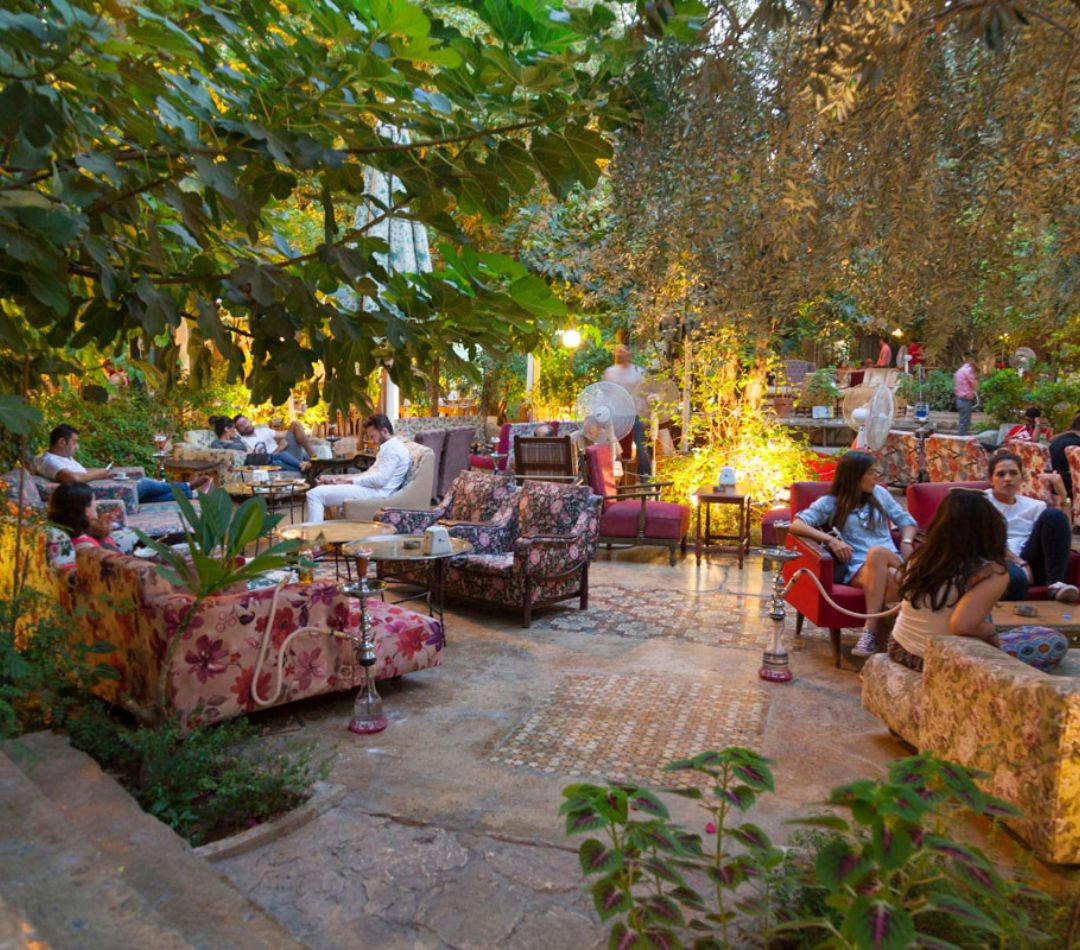
Small, cozy, and intimate, with a dimly lit evening mood and a charming courtyard-facing setting that feels tucked away from the city.