Château St. Thomas

Falstaff Winery - Listed
Château St. Thomas is a Bekaa Valley winery shaped by altitude, limestone-pebbly clay soils and a rock-cut cellar that suits a serious look at modern Lebanese wine. The estate works across international grapes and Lebanese varieties, with guided tastings, vineyard context and chapel visits giving the experience a stronger sense of place than a simple cellar stop.

Pearl is the En Primeur Club membership app — saves, bookings, and concierge access live there. Same editors, same standards.
- Address
- Bekaa Valley, Mont Liban, Lebanon
- Directions
- Get directions

Château St. Thomas is best understood through its setting: a rural hillside estate in the Bekaa Valley with a traditional Lebanese winery feel. The appeal is scenic and atmospheric rather than detail-heavy: cool underground cellars dug into rock, a serene chapel and vineyard views over the valley create a classic, quietly elegant sense of place. It is the kind of venue where the surrounding landscape does much of the storytelling. Rather than depending on a long list of technical specifics, the impression comes from the combination of hillside calm, stone, cellar air and open vineyard outlooks. For EP Club purposes, that makes the estate most useful to describe as a place-led winery visit: restrained, rooted and visually tied to the Bekaa Valley.
Bekaa Valley setting and traditional winery atmosphere
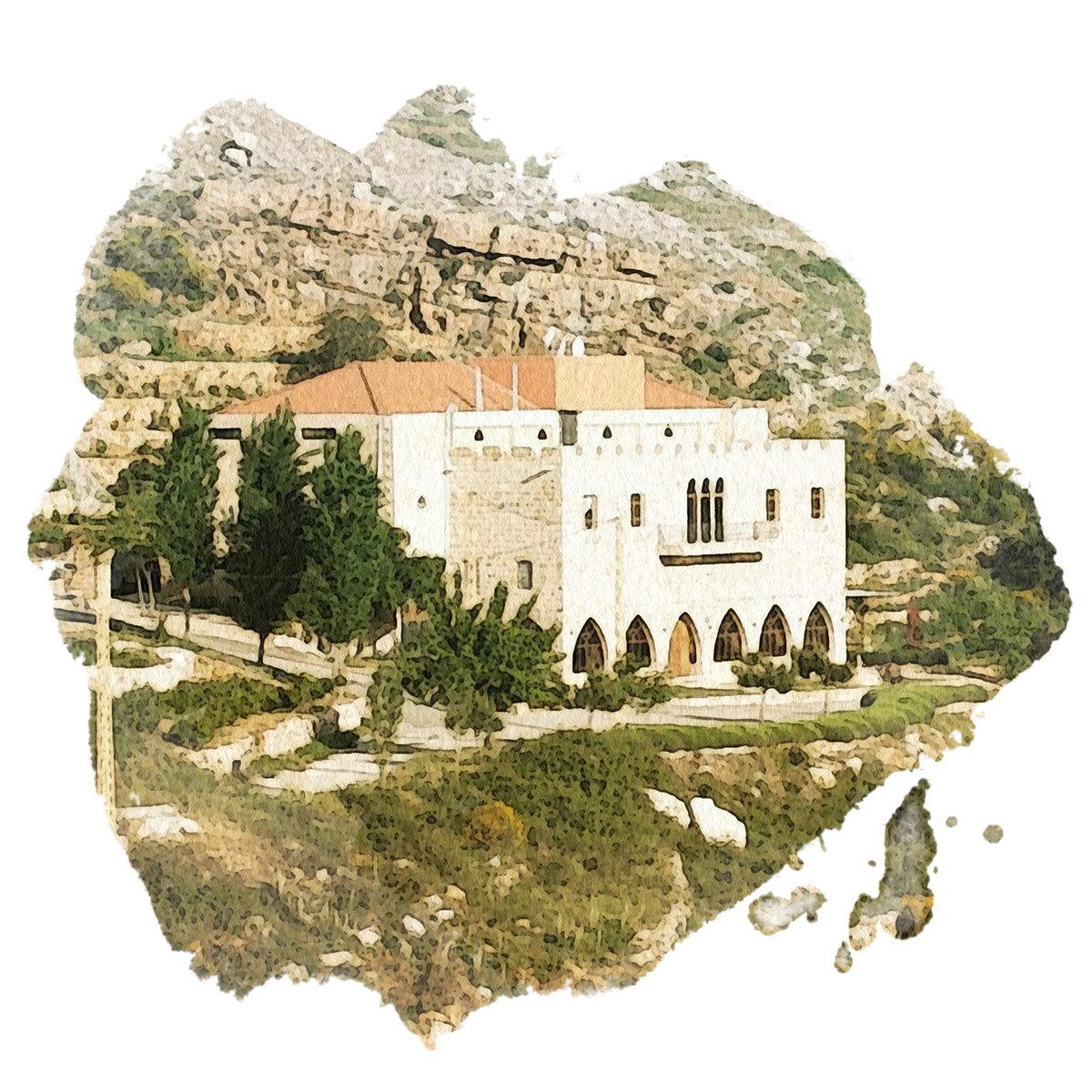
The estate’s hillside position gives the visit its character. Instead of relying on claims about specific grapes, production figures or technical cellar details, the strongest confirmed description is the mood of the property itself: vineyard views, rural calm and the feeling of a Lebanese winery rooted in its landscape. The hillside setting matters because it frames the estate as part of a wider valley scene rather than as an isolated tasting stop. The visitor’s attention is naturally drawn outward to the vineyards and the rural surroundings, then inward to the quieter architectural elements of the estate.
That traditional atmosphere is important to the way Château St. Thomas should be read. It is not presented here as a venue defined by spectacle, nightlife energy or highly polished hospitality claims. Its strength is subtler: a sense of place, a calm estate rhythm and the visual language of a Lebanese winery shaped by its surroundings. For travellers planning the Bekaa Valley, that distinction is useful. Some stops may be chosen for a specific meal, hotel stay or activity; this one is best understood through its landscape, cellars and quiet estate mood.
The underground cellars are a defining part of that atmosphere. They are described as cool spaces dug into rock, which helps explain why the estate feels more grounded and traditional than staged. The idea of rock-cut cellars gives the visit texture without needing to overstate what is known: they suggest depth, shade and a direct connection between the winery and the hillside itself. The chapel adds another quiet focal point, reinforcing the sense of a serene winery estate rather than a purely commercial stop. Together, the cellars and chapel help create a visit that feels composed and contemplative, with the vineyard views completing the broader picture.
For planning purposes, the price level is $$.
Rock-cut cellars and a visit shaped by place
What can be stated with confidence is the physical impression: rock-dug underground cellars, vineyard outlooks and a chapel within a rural hillside estate. Specific claims about tour formats, tasting languages, founding history, winemaking team, bottle production or grape varieties are not included in the public record here, so they should not be treated as confirmed. That restraint is deliberate.
The rock-cut cellar element is especially central because it gives the estate a tactile identity. Cool underground spaces tend to make a winery visit feel slower and more enclosed, contrasting with the openness of the vineyard views outside. At Château St. Thomas, that contrast is part of the appeal as described: the visitor can understand the estate through both its interior calm and its exterior landscape. The result is a place where the physical setting feels coherent, with the hillside, cellars and chapel all contributing to the same understated tone.
That still leaves a clear editorial reason to consider Château St. Thomas: it offers a classic Bekaa Valley winery setting with a calm, scenic and quietly elegant atmosphere. Visitors looking for a traditional estate mood, rather than a page built around service details, have a direct reason to keep it on a Bekaa Valley shortlist. The value of the stop lies in how it represents a familiar and appealing version of the region: vineyards, rural air, stone-led cellar character and a sense of Lebanese winery heritage expressed through place rather than through a dense set of claims.
The ideal way to frame the venue is as a scenic Lebanese winery estate: rural, hillside, cellar-focused in feel and visually connected to the surrounding vineyards. That framing keeps expectations accurate. It suggests a visit anchored in atmosphere, views and estate character, not one dependent on unconfirmed information about exact formats or technical production details. For travellers who respond to setting, this is enough to make the venue meaningful within a Bekaa Valley plan.
Where it fits in a Bekaa Valley itinerary
Château St. Thomas fits a Bekaa Valley itinerary for travellers who want a traditional winery setting with vineyard views and a calm estate atmosphere. It is best placed in an itinerary as a scenic, place-focused winery stop: a venue to consider when the goal is to experience the valley’s rural wine landscape and the quieter mood of a hillside estate. The chapel, underground cellars and vineyard outlooks give it a clear identity without requiring extra claims about what every visit includes.
For broader planning around the region, EP Club’s Bekaa coverage can be read by format, including Bekaa Valley wineries, restaurants, hotels, bars and experiences. Readers comparing the area should treat other Bekaa Valley dining and hospitality options generically unless a specific venue has been separately verified. Within that wider planning context, Château St. Thomas sits most naturally among winery options chosen for atmosphere, setting and traditional estate character. It is a direct fit for travellers who want the Bekaa Valley to feel scenic, grounded and calmly connected to its vineyards.
Recognition history
Dated appearances from independent guides and award organizations, with the underlying list record or original source where available.
Falstaff Winery - Listed
Falstaff
Continue exploring
More in Bekaa Valley
Wineries in Bekaa Valley
Browse all →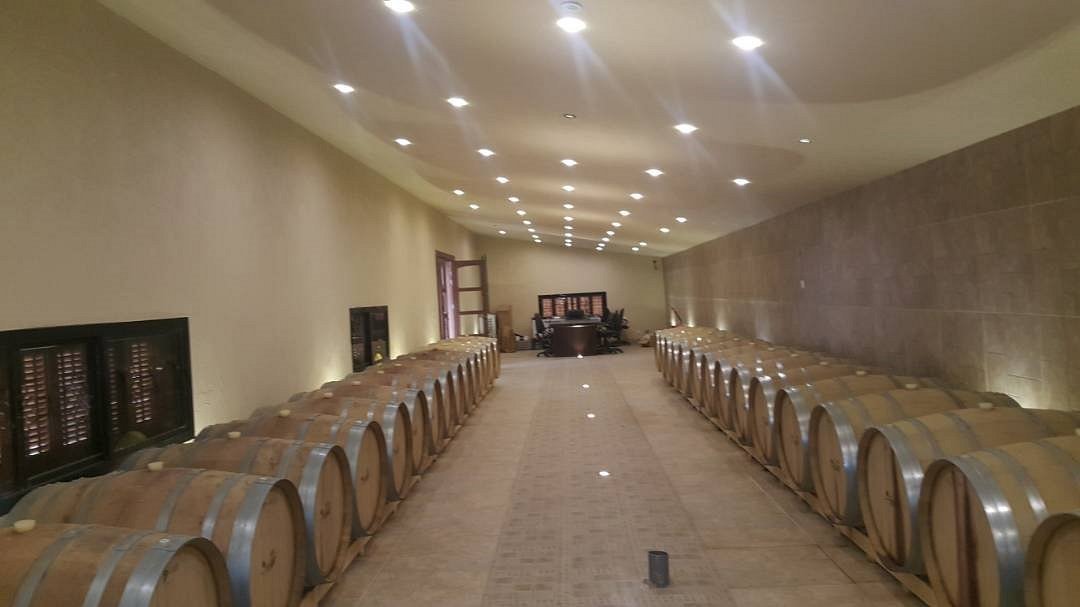
Bars in Bekaa Valley
Browse all →
Restaurants in Bekaa Valley
Browse all →
Details
- Scenic
- Classic
- Elegant
- Romantic
- Group Outing
- Wine Education
- Romantic Getaway
- Special Occasion
- Solo Exploration
- Family
- Vineyard Tour
- Cave Tasting
- Barrel Room
- Estate Grounds
- Panoramic View
- Private Tasting
- Sustainable
- Vineyard
- Mountain
- Cabernet Sauvignon
- Syrah
- Merlot
- Petit Verdot
- Pinot Noir
- Chardonnay
- Viognier
- Sauvignon Blanc
- Still Red
- Still White
- Still Rosé
- Sparkling
- Dessert
- Guided Tasting
- Cellar Tasting
- Vineyard Tour
- Chapel Visit
- Arabic
- French
- English
Rural hillside estate setting with a traditional Lebanese winery feel, combining cool underground cellars dug into rock with a serene chapel and vineyard views over the Bekaa Valley, giving a classic, scenic and quietly elegant atmosphere.