

Michelin Plate · Relais Chateaux Award
Our verdict
YOSO Asian Comfort Food holds a 2025 Michelin Plate at Schafbachstraße 14 in Andernach, a small Rhineland city with a dining scene punching above its size. The kitchen works in the Asian comfort register at a mid-range price point, earning. For Andernach, that combination of Michelin recognition and accessible pricing is a meaningful signal.

Pearl is the En Primeur Club membership app, where members save venues, book tables and use the concierge.
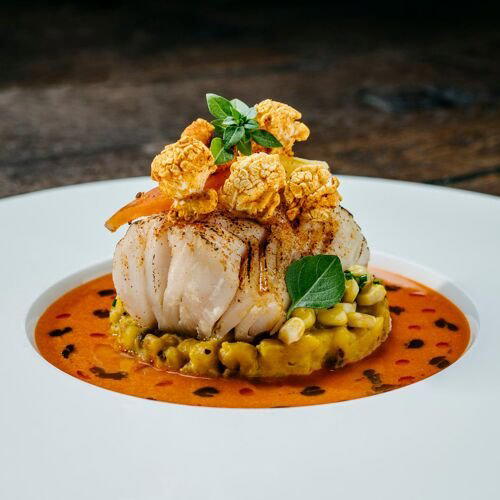
The menu
What to order
- Bao Buns
- Dim Sum
- Ramen
- Sushi
- Sashimi
- Chicken Yakitori
Asian Comfort Cooking in a Rhineland Town
Small German cities along the Rhine have developed a quiet habit of hosting restaurants that reward attention. For a town this size, those signals together matter. The Michelin Plate, which the guide awards to kitchens producing good cooking in their category rather than cuisine at the starred tier, indicates a baseline of consistency and intent that distinguishes it from the broader mid-range field. Alongside PURS and Ai Pero, YOSO rounds out a small cluster of Andernach restaurants with documented recognition, which you can read about further in our full Andernach restaurants guide.
The Asian Comfort Register
"Asian comfort food" as a category occupies a specific position in European dining. It is neither the tasting-menu formality of high-end pan-Asian kitchens nor the stripped-back throughput of fast-casual noodle bars. It draws on the idea that Asian cuisines, across their considerable geographic and cultural range, have deep traditions of food designed to be satisfying, familiar to those who grew up eating it, and accessible without requiring extensive prior knowledge from those who did not. In practice, this means dishes built on broth, slow cooking, rice, noodles, or fermented condiments, prepared with attention to the logic of those traditions rather than as approximations of them.
In Germany, this register has found a receptive audience in cities with significant Asian diaspora communities, but it has also spread into smaller cities where diners are increasingly familiar with the distinctions between, say, Japanese ramen and Korean gukbap, or between Cantonese roasting techniques and Sichuan braising. For comparison, taku in Cologne operates in the same Asian-cuisine space but at a higher price tier and with different ambitions. YOSO's €€ positioning places it in the accessible mid-range, where the case for returning rests on the quality of execution rather than on occasion or spectacle.
Michelin Plate Recognition at the Mid-Range
The Michelin Plate is sometimes misread as a consolation signal. It is more usefully understood as a quality floor: the guide's acknowledgment that a kitchen is doing what it sets out to do and doing it with care. At the €€ price point, that recognition carries a different weight than it would at a fine-dining address. It suggests that the kitchen is not simply delivering volume at accessible prices but is maintaining discipline in sourcing, technique, or both. Germany's Michelin-recognised dining has historically concentrated in the upper tiers: Schwarzwaldstube in Baiersbronn, Aqua in Wolfsburg, Vendôme in Bergisch Gladbach, ES:SENZ in Grassau, and Restaurant Haerlin in Hamburg all operate at €€€€ and represent the country's upper tier. Addresses like CODA Dessert Dining in Berlin and JAN in Munich occupy the creative mid-to-upper register. YOSO's Plate recognition at €€, in a smaller city, positions it in a narrower but genuinely useful category: the Michelin-acknowledged accessible restaurant, where quality and price point converge.
Cultural Roots and the Logic of Comfort Food
The phrase "comfort food" risks obscuring what is actually a sophisticated set of cooking traditions. Across East and Southeast Asia, the dishes that function as everyday sustenance, the ones eaten at home, at street stalls, or in the kind of small restaurants that operate on neighbourhood loyalty rather than destination traffic, are often technically demanding and deeply regional. Japanese karaage is fried with a logic quite different from Korean fried chicken. Vietnamese pho broth is built over many hours with a specific spice logic. Chinese congee depends on the precise ratio of rice to water and the quality of the stock beneath it. What these traditions share is that they are calibrated for repeat eating, not for a single high-occasion impression.
In Europe, Asian comfort food restaurants serve a dual function. For diners with roots in those cuisines, they provide a form of continuity and recognition. For diners encountering the food without that background, they offer a lower-stakes entry point than a formal tasting menu, with more room for curiosity and repetition. That kind of review density, in a smaller market, is built on regulars as much as on destination visitors. For further Asian-cuisine comparison outside Germany, Jun's in Dubai operates at the higher end of the Asian-dining spectrum and represents a different point in the category's range.
Andernach as a Dining Context
Andernach sits on the Rhine about 15 kilometres north of Koblenz, and its dining scene is small enough that recognition at any level has more local significance than it would in Frankfurt or Munich. The town's culinary identity is not built around a single cuisine or tradition; it has a general mid-Rhine character in which German regional cooking, Italian, and now Asian addresses coexist without obvious hierarchy. If you are planning a visit with time to explore the broader scene, our Andernach hotels guide, bars guide, wineries guide, and experiences guide cover the surrounding options. For Rhineland wine context, Schanz in Piesport and Waldhotel Sonnora in Dreis represent the region's higher-end dining destinations for those making a broader Mosel and Ahr itinerary.
Planning Your Visit
YOSO Asian Comfort Food is at Schafbachstraße 14 in central Andernach. The mid-range €€ price point makes it an accessible option for a standalone dinner or as part of a longer Rhine-valley stop.
Frequently asked questions
Is YOSO Asian Comfort Food award-winning?
YOSO Asian Comfort Food has received recognition including: Michelin Plate (2025).
What do people recommend at YOSO Asian Comfort Food?
YOSO holds a 2025 Michelin Plate, the guide's marker for consistent kitchen quality, which points to reliable execution across its Asian comfort food menu.
What's the price range at YOSO Asian Comfort Food?
Pricing at YOSO Asian Comfort Food is listed as €€.
Price and Positioning
Comparable venues nearby, for context on price, style, and recognition.
| Venue | Cuisine | Price | Awards | Notes |
|---|---|---|---|---|
| YOSO Asian Comfort FoodThis venue (the venue you are viewing) | Modern East Asian Comfort Food | $50–100 | Michelin Plate · Relais Chateaux Award | Not listed |
| Ai Pero | Authentic Italian Trattoria | $30–50 | Michelin Bib Gourmand | Altstadt, Authentic Italian Trattoria |
| PURS | New Nordic Japanese Cuisine | Not listed | 1 Michelin Star · Star Wine List | Andernach center, New Nordic Japanese Cuisine |
| Zur Linde | Modern Regional German | $30–50 | Michelin Plate | Mülheim-Kärlich, Modern Regional German |
| Genießer Wirtshaus | German | Not listed | Michelin Plate | Not listed |
| Thuns Dorfkrug | French-International with Regional Influences | $30–50 | Michelin Plate | Brauck, French-International with Regional Influences |
Recognition history
Dated appearances from independent guides and award organizations, with the underlying list record or original source where available.
Michelin Plate
Michelin
Relais Chateaux Award
Relais Chateaux
Full recognition history (3 entries)
Michelin Plate
Michelin
Continue exploring
More in Andernach
Restaurants in Andernach
All restaurants in Andernach →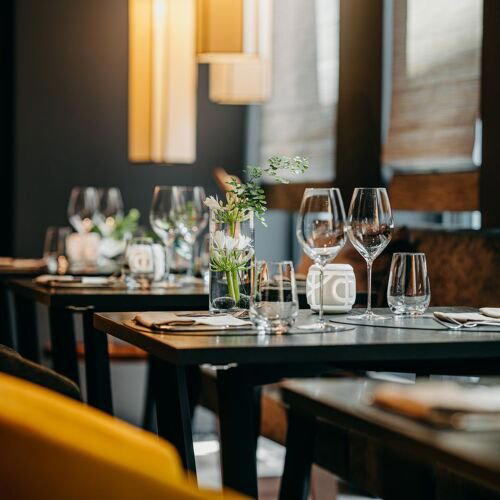
Bars in Andernach
Browse all →
Hotels in Andernach
All hotels in Andernach →



Details
- Modern
- Cozy
- Lively
- Casual Hangout
- Group Dining
- Business Dinner
- Special Occasion
- Standalone
- A La Carte
- Small Plates
- Family Style
Current opening hours
- Monday
- 5:30–11 PM
- Tuesday
- 5:30–11 PM
- Wednesday
- Closed
- Thursday
- Closed
- Friday
- 5:30–11 PM
- Saturday
- 5:30–11 PM
- Sunday
- 11:30 AM–10 PM
Hours can change for holidays and private events. Hours as of .
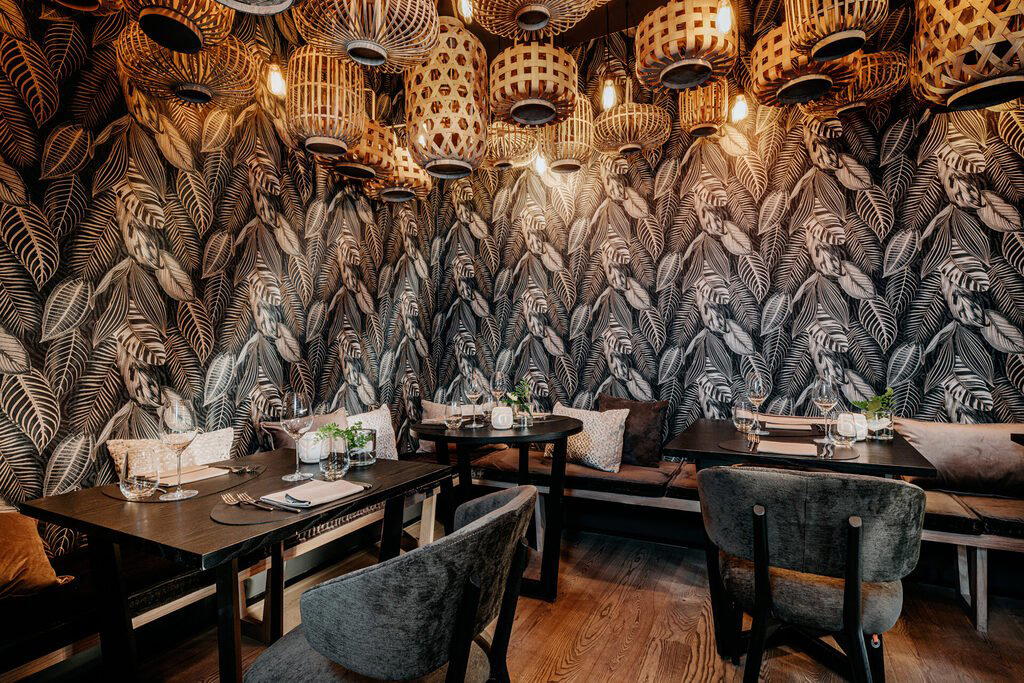
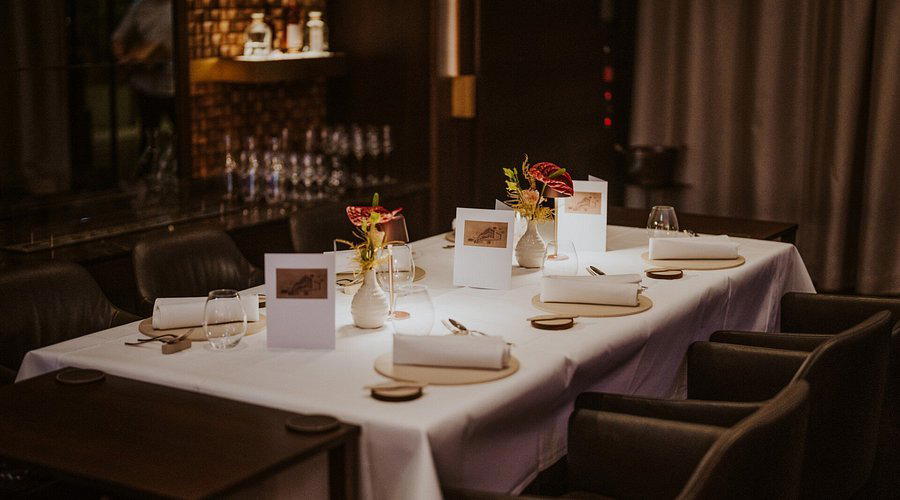
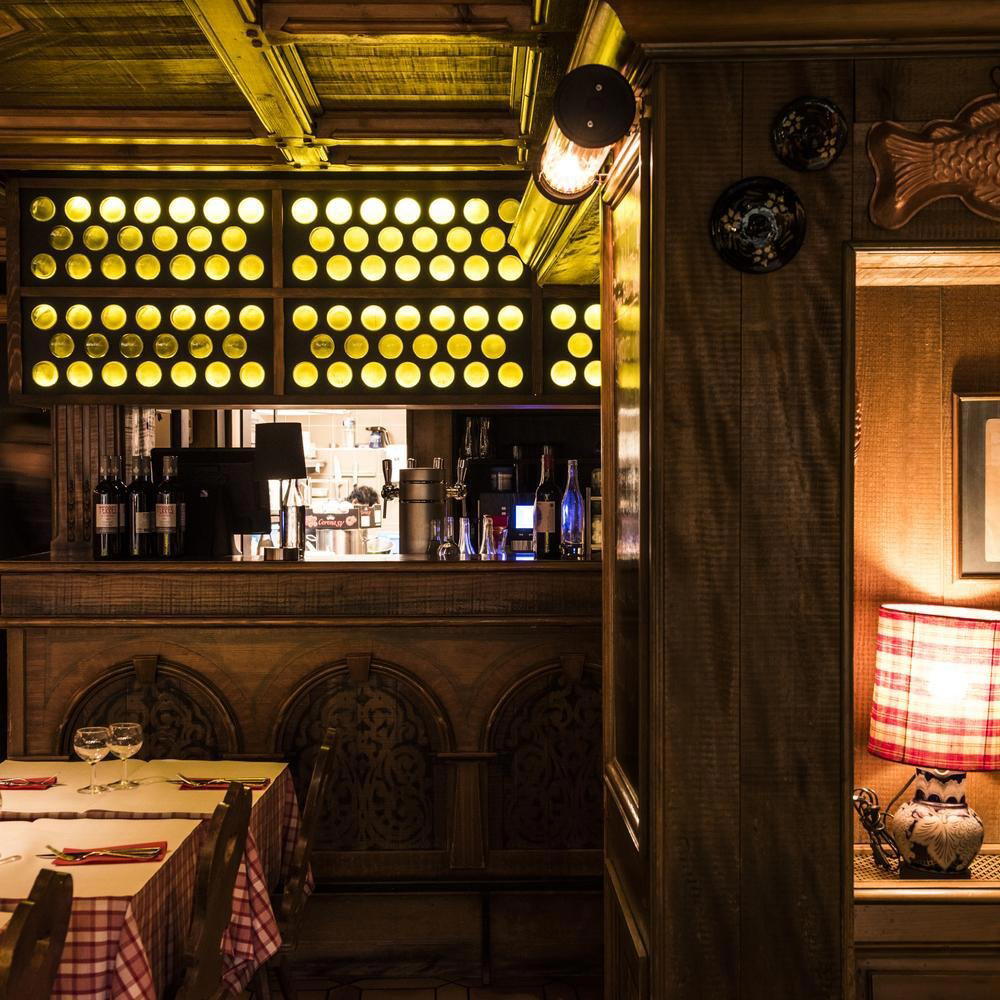
Relaxed and inviting, with a social sharing-focused atmosphere and a modern Asian comfort-food feel.