Kraut&Rüben sits on Moselweißer Strasse in Koblenz's southern residential belt, a neighbourhood that favours regulars over tourists and local familiarity over destination dining. Against Koblenz's small tier of formal restaurants, this address reads as the city's more grounded, produce-led alternative, where the name itself signals a kitchen rooted in Central European vegetable tradition rather than contemporary flourish.
Pearl is the En Primeur Club membership app — saves, bookings, and concierge access live there. Same editors, same standards.
- Address
- Moselweißer Str. 34, 56073 Koblenz, Germany
- Phone
- +4926157934946
- Website
- kraut-und-rueben.com
- Directions
- Get directions
 Saves & bookings on Pearl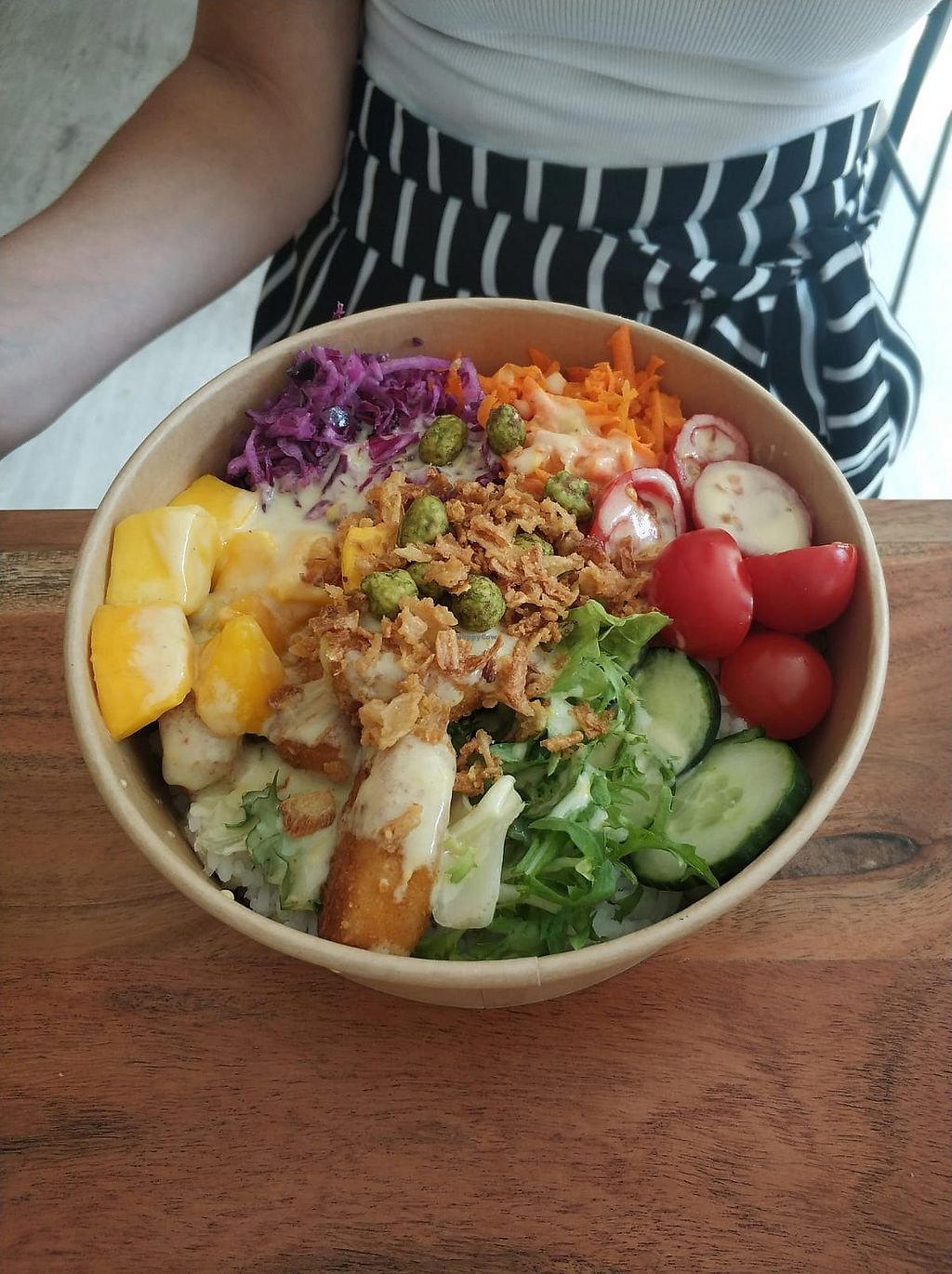
South of the Deutsches Eck: Dining Where Koblenz Eats for Itself
Moselweißer Strasse runs through the southern residential districts of Koblenz, well away from the tourist circuits around the Deutsches Eck and the Rhine promenade. This is where the city's inhabitants do their ordinary living: bakeries, neighbourhood pharmacies, apartment blocks with window boxes. A restaurant opening here is not making a bet on passing footfall or heritage tourism. It is making a bet on regulars, on a community that eats out because it wants to, not because it is between the cable car and the fortress. Kraut&R;üben sits at number 34 on that street, and the address itself communicates something about the kind of dining it intends.
In cities the size of Koblenz, roughly 115,000 people strung along the confluence of the Moselle and Rhine rivers, the restaurant scene tends to stratify into a thin formal tier and a broader, neighbourhood-facing tier. The formal tier in Koblenz is represented by addresses like Gotthardt's by Yannick Noack and Schiller's Manufaktur, both operating at the €€€€ price point with modern and classic cuisine respectively. The neighbourhood-facing tier is harder to generalise, but the name Kraut&R;üben, meaning cabbage and turnips in German, plants a flag deliberately on the vegetable-forward, Central European side of that category rather than the international bistro side.
What the Name Signals
German restaurant naming conventions carry more information than they might appear to. A name invoking Kraut and Rüben, two of the most quotidian vegetables in the Central European pantry, is not modest by accident. It positions the kitchen within a tradition that runs from the farmhouse to the market stall, where seasonal root vegetables, fermented cabbage, and preserved produce formed the backbone of the diet before imported ingredients became the norm. That tradition has had a broader revival across German-speaking Europe over the past decade, paralleling the Nordic root-to-table movement but drawing from distinctly different regional ingredients and pickling cultures.
This is worth framing against what else is happening in German restaurant culture more broadly. At the high-end tier, restaurants like Aqua in Wolfsburg, JAN in Munich, and Schwarzwaldstube in Baiersbronn represent the award-bearing, internationally recognised tier of German fine dining. Further along, places like Vendôme in Bergisch Gladbach, ES:SENZ in Grassau, and Victor's Fine Dining by Christian Bau in Perl confirm that serious culinary ambition exists well outside Munich and Berlin. An address like Kraut&R;üben, by contrast, operates in an entirely different register: it is not competing for Michelin recognition in the way that Waldhotel Sonnora in Dreis or Restaurant Haerlin in Hamburg are.
Koblenz's Dining Geography and Where This Fits
Koblenz does not have a single dominant dining district. The old town around the Liebfrauenkirche has tourist-facing restaurants; the area around the Löhr-Center has chain options; and the residential southern and western districts have the neighbourhood restaurants that serve the city's population rather than its visitors. Moselweißer Strasse belongs firmly to the latter category. Other Koblenz addresses worth knowing in this context include Verbene, FÄHRHAUS Koblenz, and GERHARDS GENUSSGESELLSCHAFT, each occupying a different position in the city's mid-range and neighbourhood tiers. A full account of the Koblenz restaurant scene is available in our complete Koblenz restaurants guide.
What distinguishes the southern residential belt is precisely its absence of tourist infrastructure. Getting to Moselweißer Strasse from the city centre requires intent. There is no casual walk-in traffic from the Rhine promenade. A diner arriving here has chosen to arrive, which tends to self-select for a clientele that already has some sense of what they are looking for. That dynamic shapes the atmosphere of neighbourhood restaurants in ways that are difficult to replicate in high-footfall locations: the room tends to be quieter, the pacing more relaxed, and the interaction between kitchen and regular more calibrated over time.
The Broader Context: Vegetable-Led Cooking in the Rhineland
The Rhineland sits at an agricultural crossroads. The Moselle valley to the southwest is wine country, with soils and slopes that also support herb and vegetable cultivation at altitude. The Rhine plain itself has historically been productive farming land. Regional cooking in this corridor has always had a strong vegetable and preserved-food component, with dishes built around sauerkraut, root vegetables, and legumes forming part of the everyday culinary culture long before plant-forward menus became a marketing category.
A restaurant name that foregrounds cabbage and turnips in this specific geography is not simply trend-chasing. It is anchoring itself in a local agricultural logic that has deep roots in the region's food culture. Whether that anchoring extends to sourcing from specific Moselle or Eifel producers, or manifests in fermentation practices on the menu, is the kind of detail that would require verification from the venue directly. What the name communicates unambiguously is a direction of travel: away from the international-facing bistro format and toward something more specifically embedded in Central European vegetable tradition.
For comparison, the ambition of produce-led specificity at places like CODA Dessert Dining in Berlin or the precision of Schanz in Piesport, which sits directly in Moselle wine country, represents how seriously German kitchens across price tiers have taken the question of regional identity. Even at the international tier, addresses like Le Bernardin in New York City or Atomix in New York City demonstrate how strongly a clear identity anchors a restaurant's reputation across time. The question for any neighbourhood address is whether that identity is sustained and legible enough to generate the repeat visits that make a local restaurant sustainable.
Planning a Visit
Kraut&R;üben is located at Moselweißer Str. 34, 56073 Koblenz. The address places it in the southern residential zone of the city, accessible by local bus from the city centre or by car with street parking available in the surrounding residential streets. No booking platform, phone number, or hours are confirmed in available data, so contacting the venue directly before visiting is advisable, particularly for weekday lunch service, which neighbourhood restaurants in this category often run on reduced schedules or not at all. Dress code, pricing, and seat count are similarly unconfirmed and leading verified at source.
How Kraut&Rüben - Koblenz compares with similar nearby venues.
| Venue | Cuisine | Price |
|---|---|---|
| Schiller's Manufaktur | Classic Cuisine | €€€€ |
| Verbene | Modern Cuisine | €€€€ |
Continue exploring
More in Koblenz
Restaurants in Koblenz
Browse all →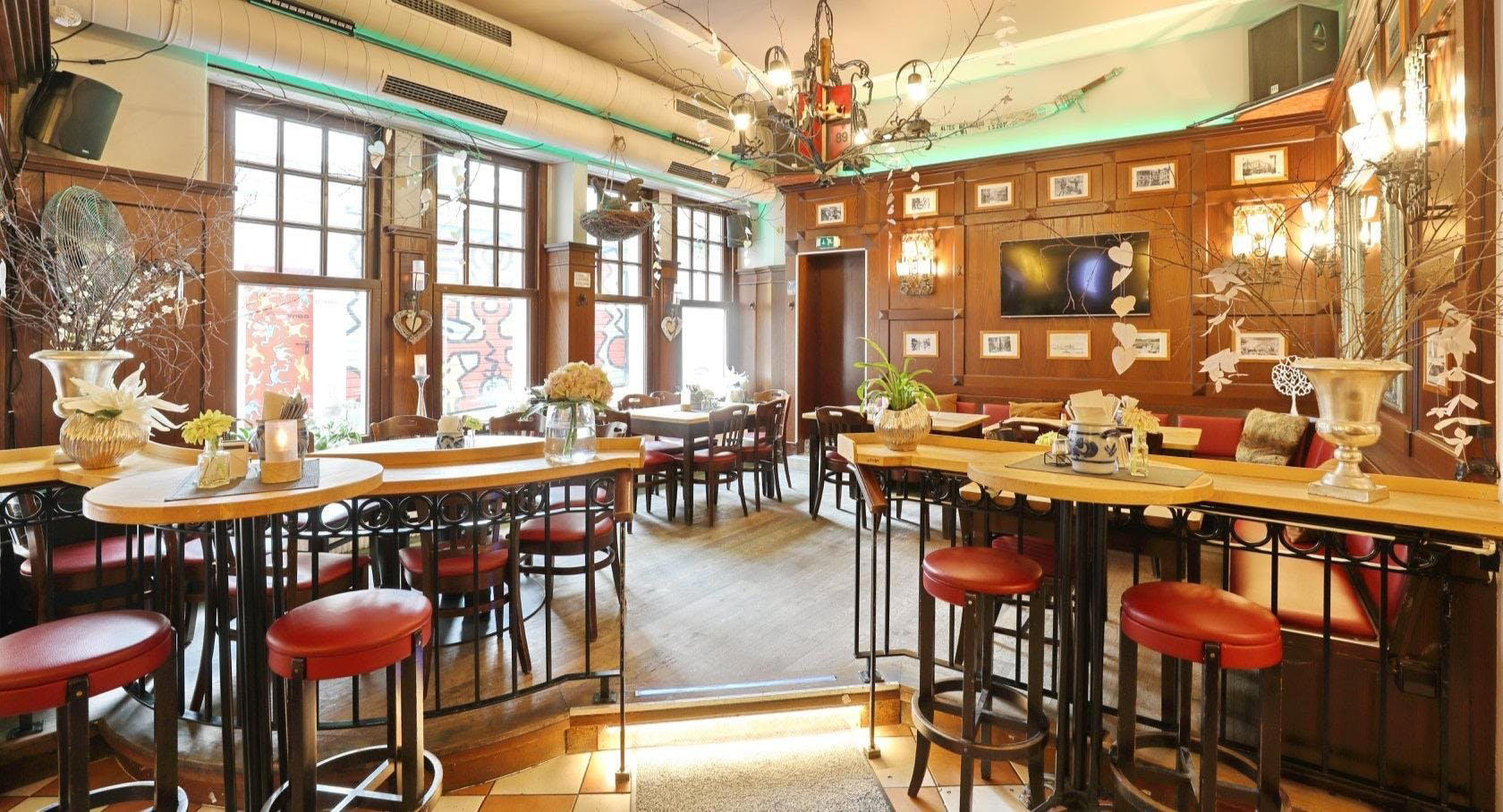
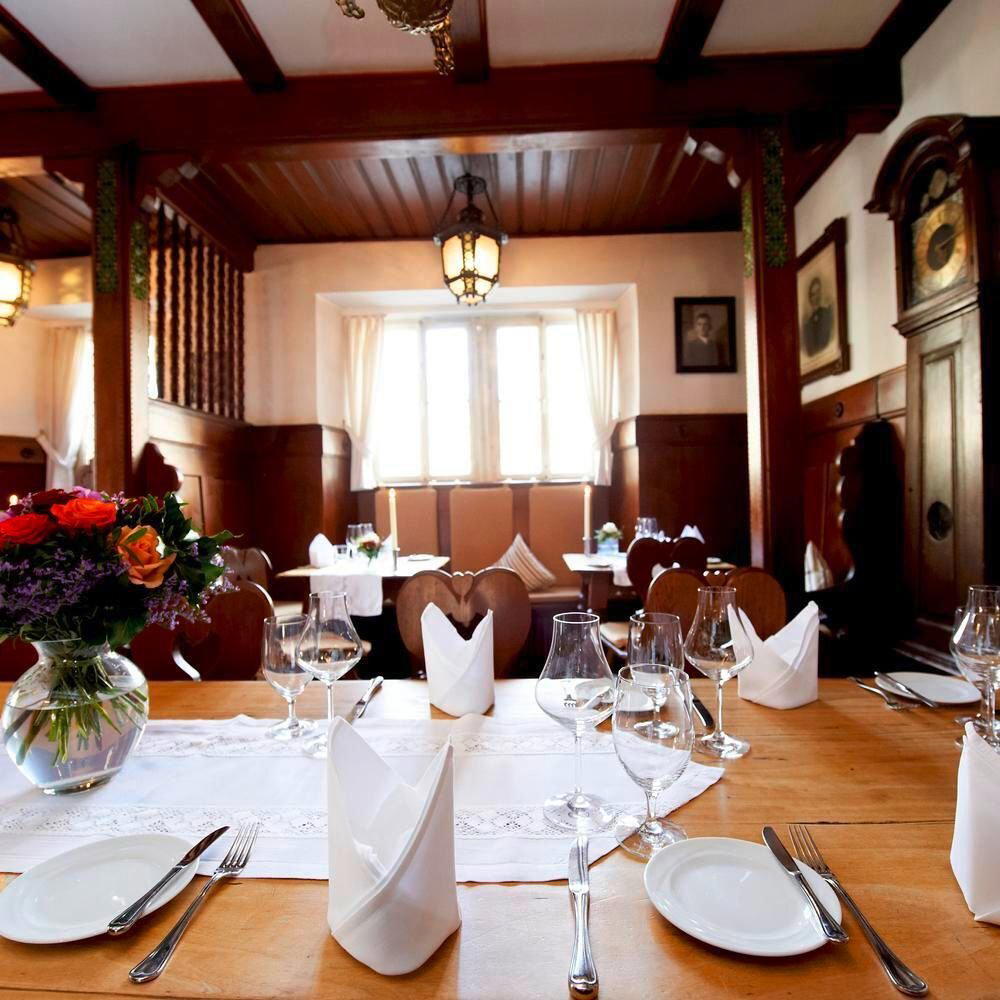
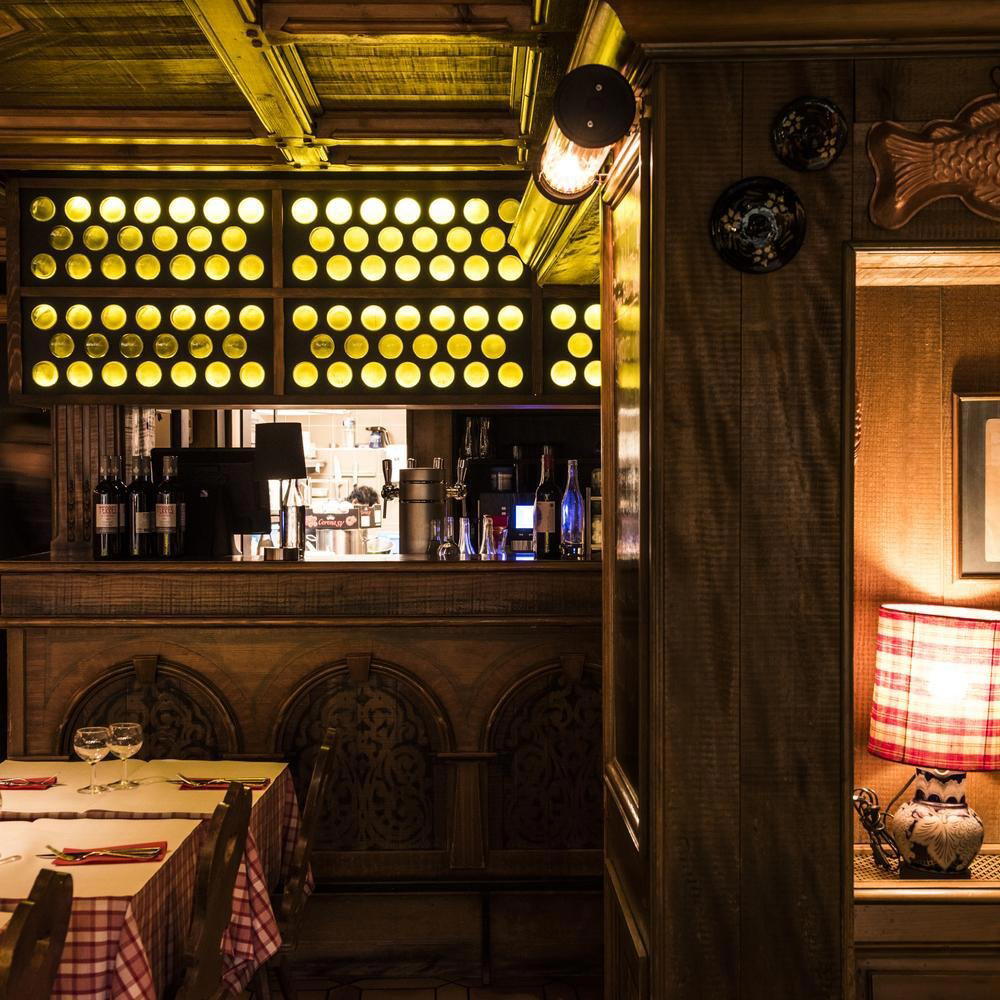
Bars in Koblenz
Browse all →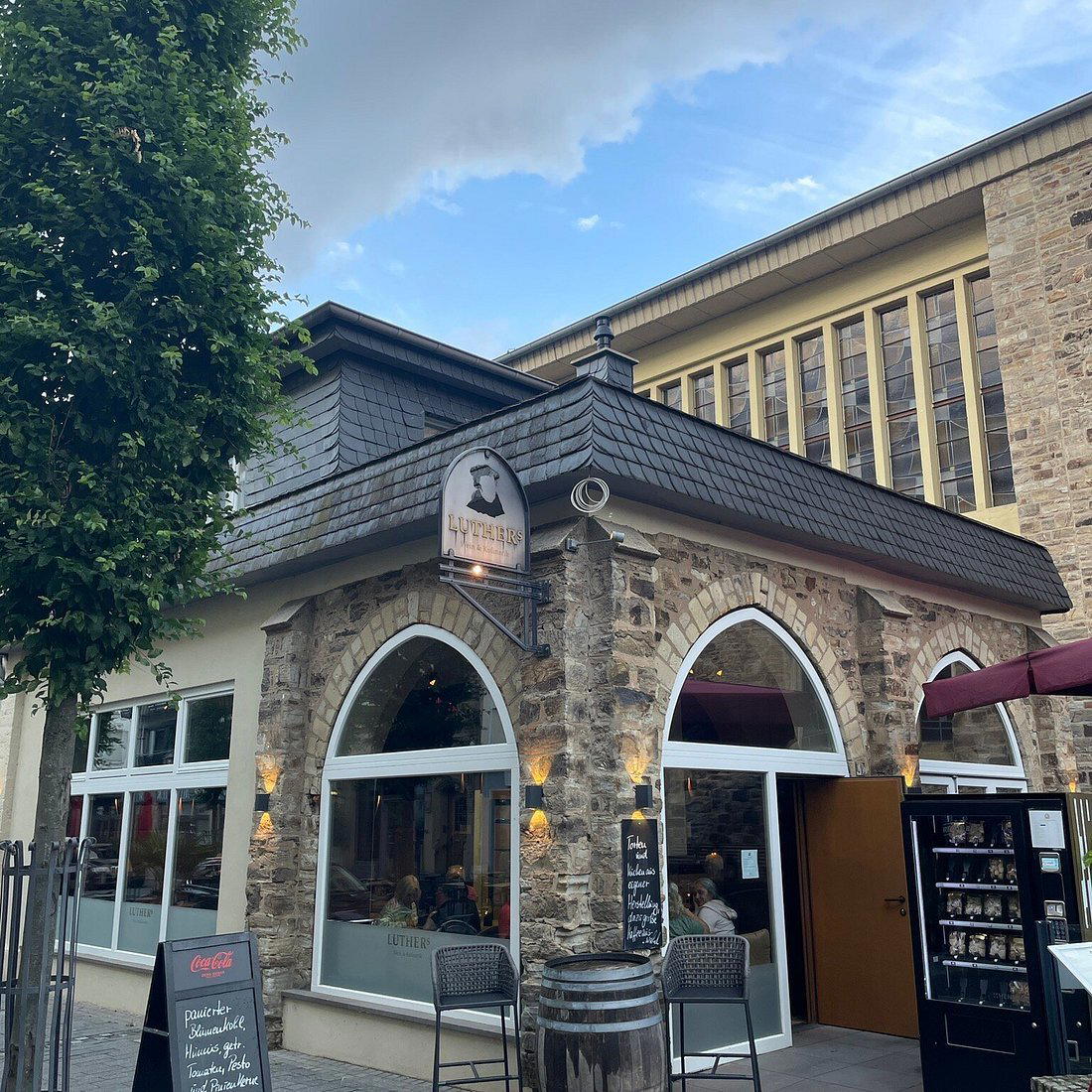
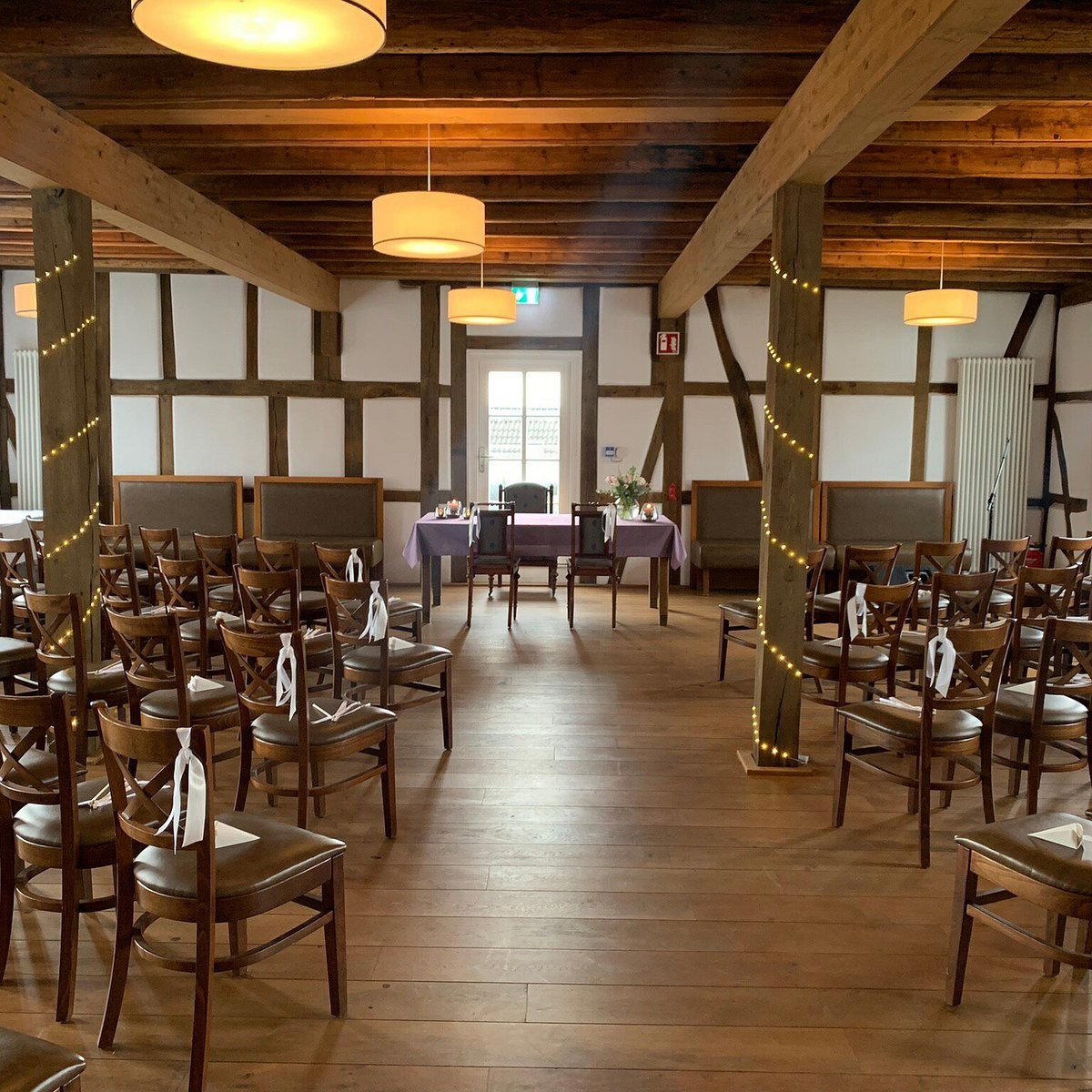
Hotels in Koblenz
Browse all →

At a Glance
- Cozy
- Rustic
- Casual Hangout
- Terrace
Current opening hours
- Monday
- 11 AM–4 PM
- Tuesday
- 11 AM–7 PM
- Wednesday
- 11 AM–7 PM
- Thursday
- 11 AM–7 PM
- Friday
- 11 AM–7 PM
- Saturday
- Closed
- Sunday
- Closed
Hours can change for holidays and private events. Last verified .
Cozy and pretty atmosphere praised by guests for its welcoming feel.
Know Before You Go
- Getting there
- Moselweißer Str. 34, 56073 Koblenz, Germany