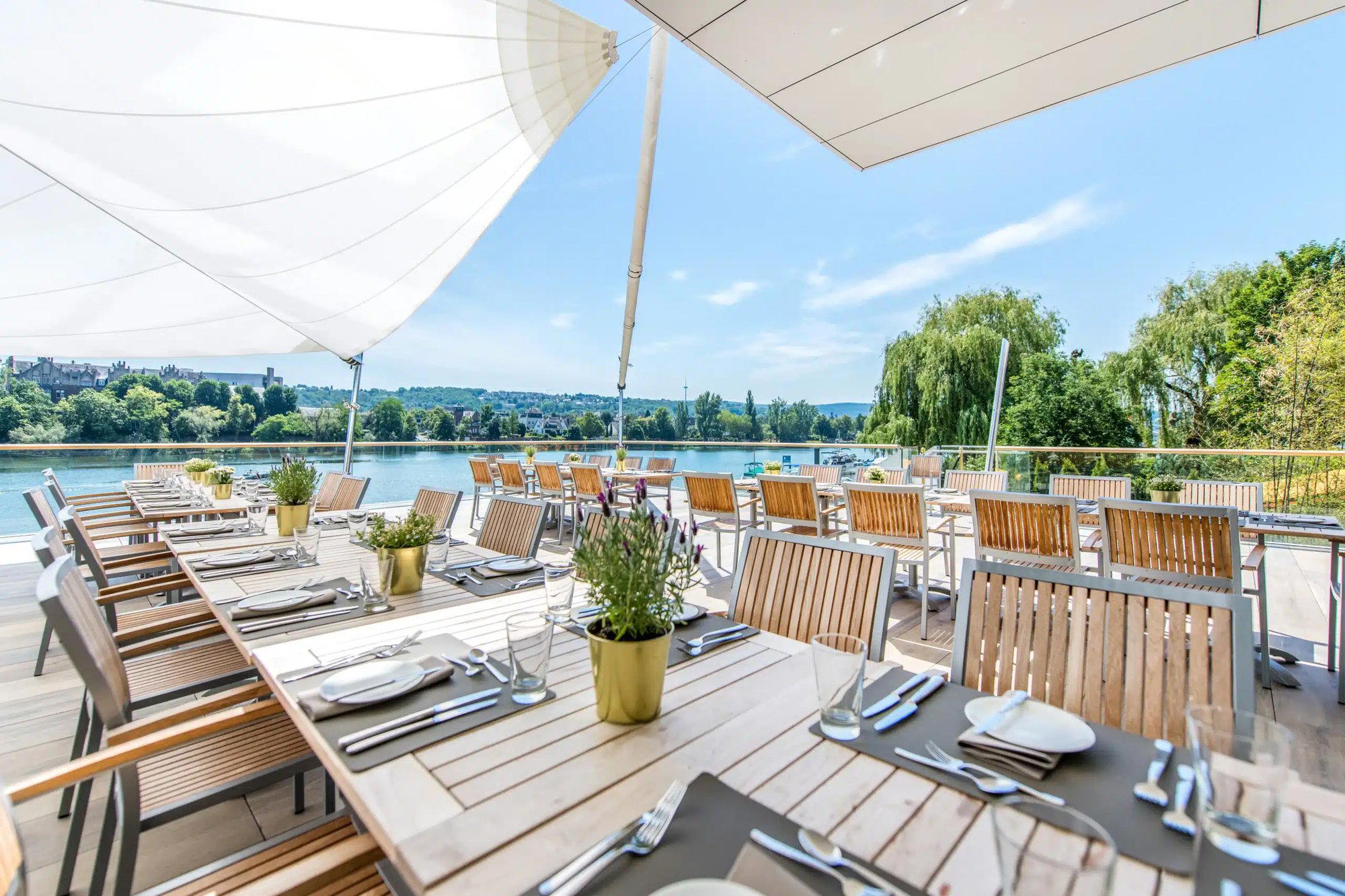
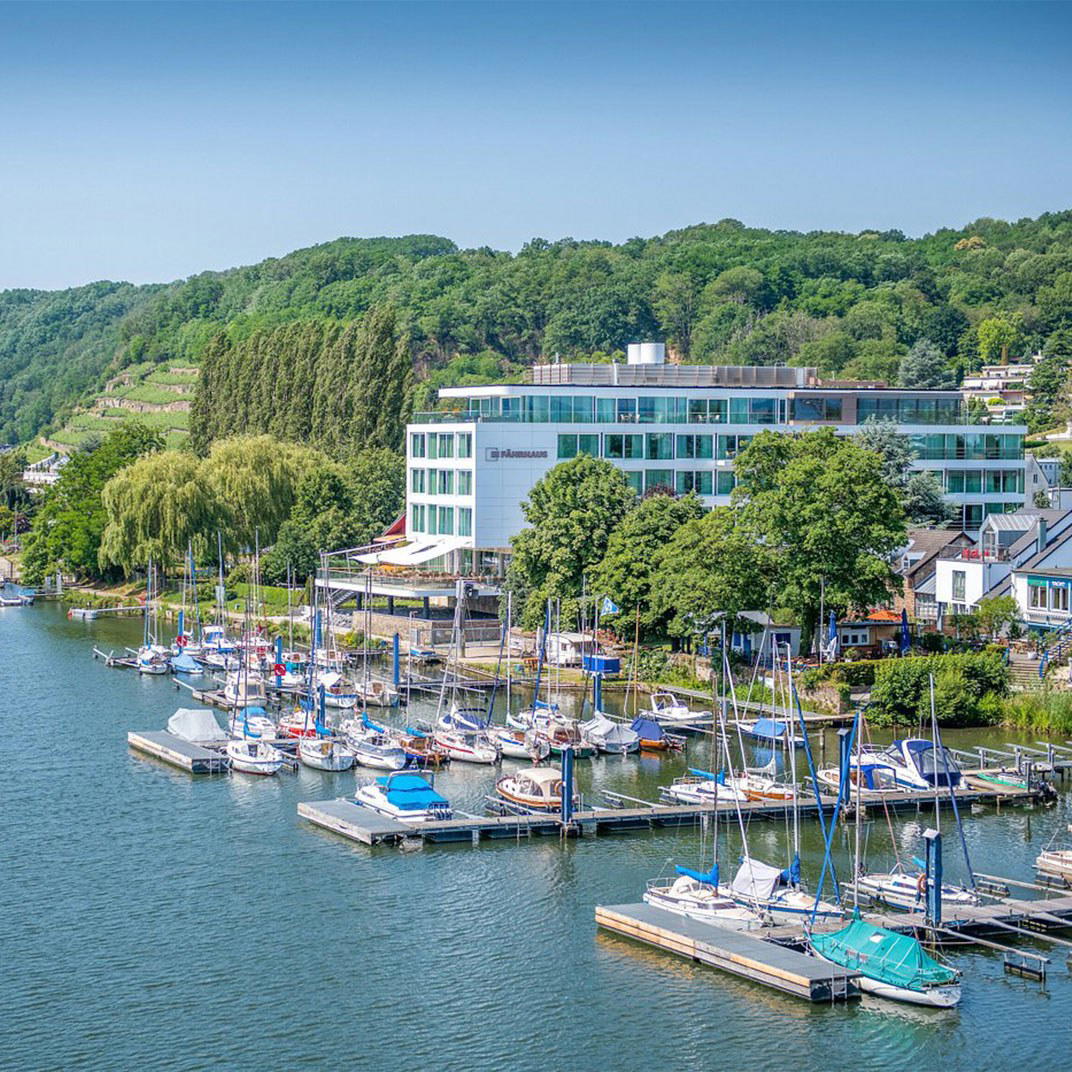
Positioned on the Rhine bank at An der Fähre 3, FÄHRHAUS Koblenz occupies a stretch of Koblenz where river geography has long shaped what ends up on the plate. The address alone signals proximity to a working waterway, and in a city where the Moselle meets the Rhine at the Deutsches Eck, that geography carries culinary weight. For visitors working through Koblenz's dining scene, this is a riverside reference point worth understanding in context.
 Discover on Pearl
Pearl is the En Primeur Club membership app — saves, bookings, and concierge access live there. Same editors, same standards.
- Address
- An d. Fähre 3, 56072 Koblenz, Germany
- Phone
- +4949261201710
- Website
- faehr.haus
Where the River Dictates the Kitchen
In river cities, the leading kitchens tend to sit closest to the water, not for the view, but for the supply chain. The Rhine and Moselle converge at Koblenz with a specificity that shapes the region's food culture in ways that landlocked German cities simply cannot replicate. Freshwater fish, market gardens on the loam-rich flats, vineyards climbing the Moselle's slate slopes: the ingredients that define this corner of the Rhineland arrive via the same waterways that have fed the city for centuries. FÄHRHAUS Koblenz is a restaurant in Koblenz serving avant-garde French-Mediterranean fine dining at a price tier of about $250 per person.
Approaching along the riverbank, the address situates the venue at a working edge of the city rather than a polished promenade. This is Koblenz as it functions, not as it performs. That distinction matters for understanding what river-adjacent dining in this part of Germany means at its most grounded level: proximity to source, seasonal availability determined by weather and water, and a kitchen logic built around what the region produces rather than what a global supply chain can deliver on demand.
The Rhineland Table: What This Region Puts on the Plate
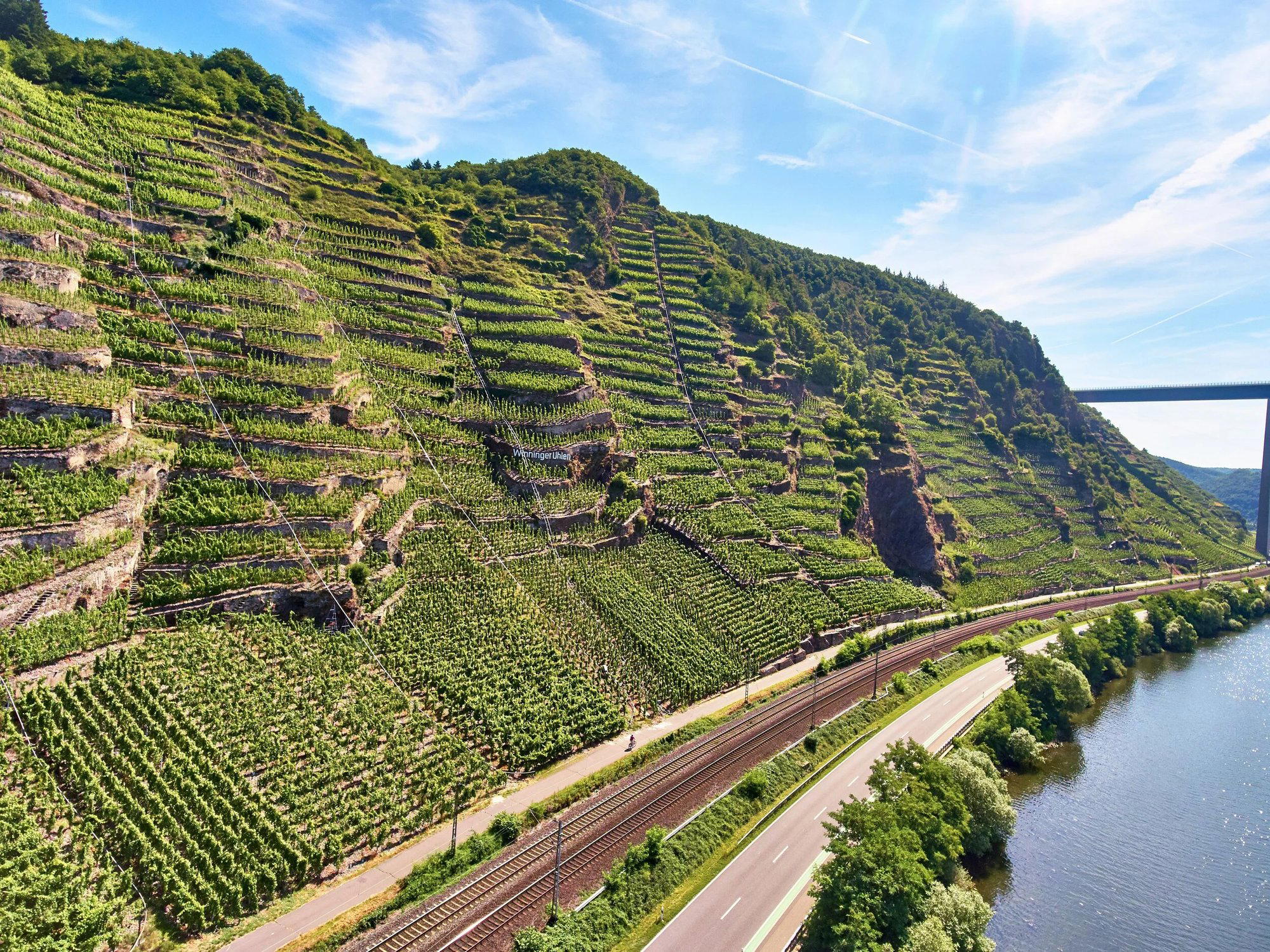
Germany's fine dining conversation includes a handful of notable addresses: Schwarzwaldstube in Baiersbronn, Aqua in Wolfsburg, Vendôme in Bergisch Gladbach. The Rhineland-Palatinate region, however, operates on a different register, one where wine-growing culture, river produce, and a historically French-influenced border cuisine produce something more quietly specific. The Moselle Valley's slate soils yield Rieslings of pronounced mineral character; the Rhine's broad valley floor gives way to asparagus beds, orchard fruit, and the kind of market-garden abundance that allows a kitchen to cook by season without compromise.
River fish, pike-perch, trout, eel, remain the backbone of traditional Rhineland cooking, and a venue positioned at a ferry crossing carries an implicit connection to that tradition. Freshwater fish in this part of Germany is not a nostalgic conceit; it is a category with genuine regional depth, sourced from the same river systems that define the geography of the plate. Wines from the Moselle, often poured by the glass at riverside establishments, tend toward lower alcohol and higher acidity than the Palatinate's warmer reds, making them natural partners for fish-driven menus and lighter preparations.
Koblenz's Dining Tier: Where FÄHRHAUS Sits
Koblenz's restaurant scene divides along reasonably clear lines. At the higher end, Gotthardt's by Yannick Noack and Schiller's Manufaktur operate at €€€€ price points with modern and classic cuisine formats respectively, the tier where tasting menus, wine pairings, and formal service define the proposition. Further along the spectrum, venues like Verbene, GERHARDS GENUSSGESELLSCHAFT, and im Süden occupy middle-market positions with varying degrees of culinary ambition. A riverside address like FÄHRHAUS, given its location and the character of the An der Fähre stretch, positions itself in a category where setting does meaningful work alongside the kitchen, where the river view is not incidental but structural to what the venue offers.
For visitors building a multi-day itinerary around the city's food and wine scene, the river tier operates differently from Koblenz's old-town restaurant cluster. Timing matters: lunch service on the Rhine bank, with the morning market trade still visible on the water, carries a different quality than an evening table in the Altstadt. Seasonal transitions are also more pronounced at river level, where spring flooding, summer heat, and autumn mist each shift what the surrounding region is producing. Our full Koblenz restaurants guide maps these distinctions across the city's full dining range.
The Broader Germany Table: Regional Context
German fine dining in 2024 operates across a remarkably wide geographic spread. The Black Forest concentration around Baiersbronn, Bavaria's ES:SENZ in Grassau and JAN in Munich, the Moselle's own Schanz in Piesport and Waldhotel Sonnora in Dreis, the Saar's Victor's Fine Dining by Christian Bau in Perl, each of these addresses a distinct regional ingredient story. Hamburg's Restaurant Haerlin and Berlin's CODA Dessert Dining represent the urban end of that spectrum, where supply chains are longer but technique and concept carry more weight.
The Koblenz-Moselle zone sits between these poles: close enough to major wine-producing regions to source with specificity, positioned on a river system with genuine culinary tradition, and operating in a city where tourism pressure (the Deutsches Eck draws substantial visitor numbers) creates demand for a range of dining formats from the highly formal to the casual riverside table. For international visitors accustomed to the density of, say, Le Bernardin in New York City or Lazy Bear in San Francisco, the Rhineland mid-tier offers something different in register: regional specificity at an accessible price, with wine lists that draw on one of Germany's most compelling river valleys.
Planning a Visit
An der Fähre 3 is reachable on foot from central Koblenz, with the Rhine promenade connecting the Deutsches Eck area to the venue's stretch of riverbank. Public transport from Koblenz Hauptbahnhof covers the distance in under fifteen minutes. As with most riverside venues in German cities, seasonal timing shapes the experience: summer brings extended terrace hours and the full run of the region's warm-weather produce; spring and autumn offer a quieter register with the river at its most characterful. Visitors combining a Koblenz stop with Moselle wine touring will find the timing aligns naturally with harvest season, when both the river towns and the valley estates are at their most active.
Side-by-Side Snapshot
Comparable venues nearby, for context on price, style, and recognition.
| Venue | Cuisine | Price | Awards | Notes |
|---|---|---|---|---|
| FÄHRHAUS KoblenzThis venue — the venue you are viewing | Avant-Garde French-Mediterranean Fine Dining | $$$$ | , | |
| GERHARDS GENUSSGESELLSCHAFT | Modern German & French Fine Dining | $$$ | , | Deutsches Eck |
| Schlicht. Esslokal | Modern Regional German Fine Dining | $$$ | , | Koblenz |
| im Süden | Modern Italian-Mediterranean | $$$ | , | Koblenz-Süd |
| Takumi | Japanese Ramen | $$ | , | Koblenz |
| Kraut&Rüben - Koblenz | Vegan/Vegetarian Bowls | $$ | , | Rauental |
At a Glance
- Elegant
- Sophisticated
- Scenic
- Special Occasion
- Business Dinner
- Waterfront
- Open Kitchen
- Hotel Restaurant
- Local Sourcing
- Waterfront
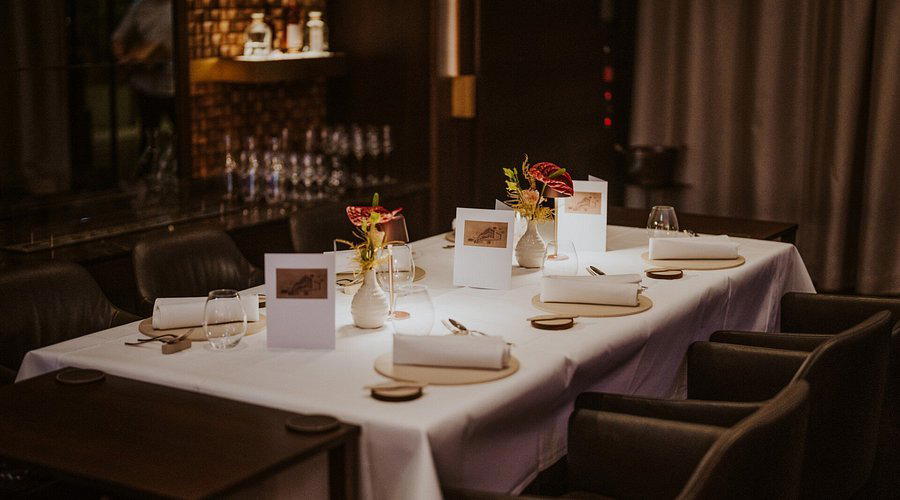
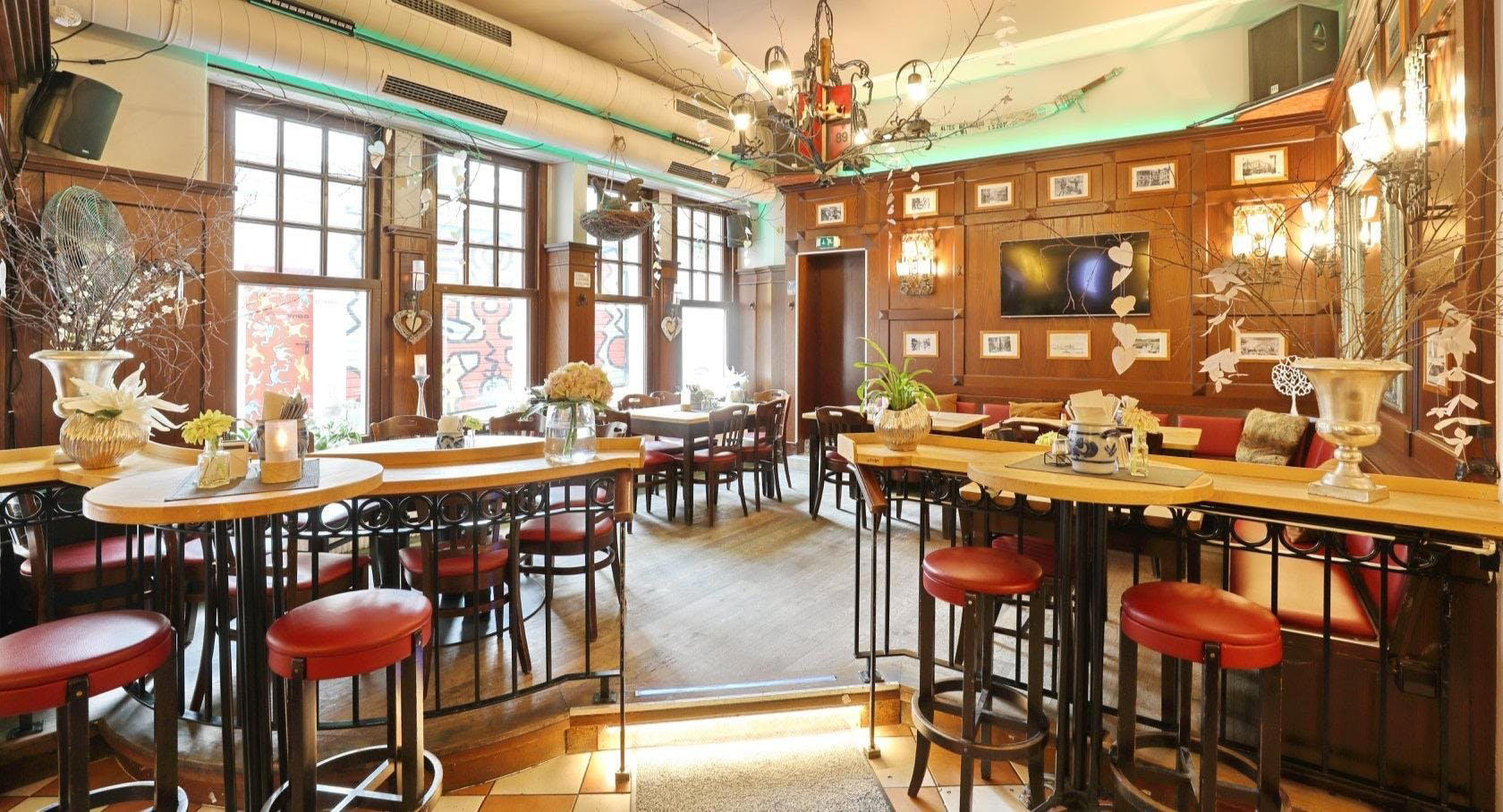
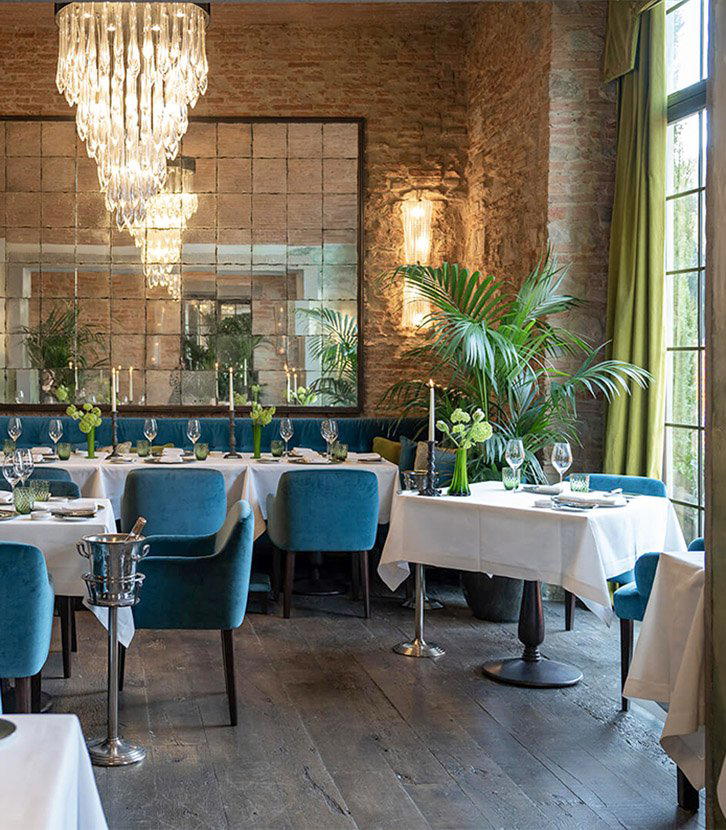
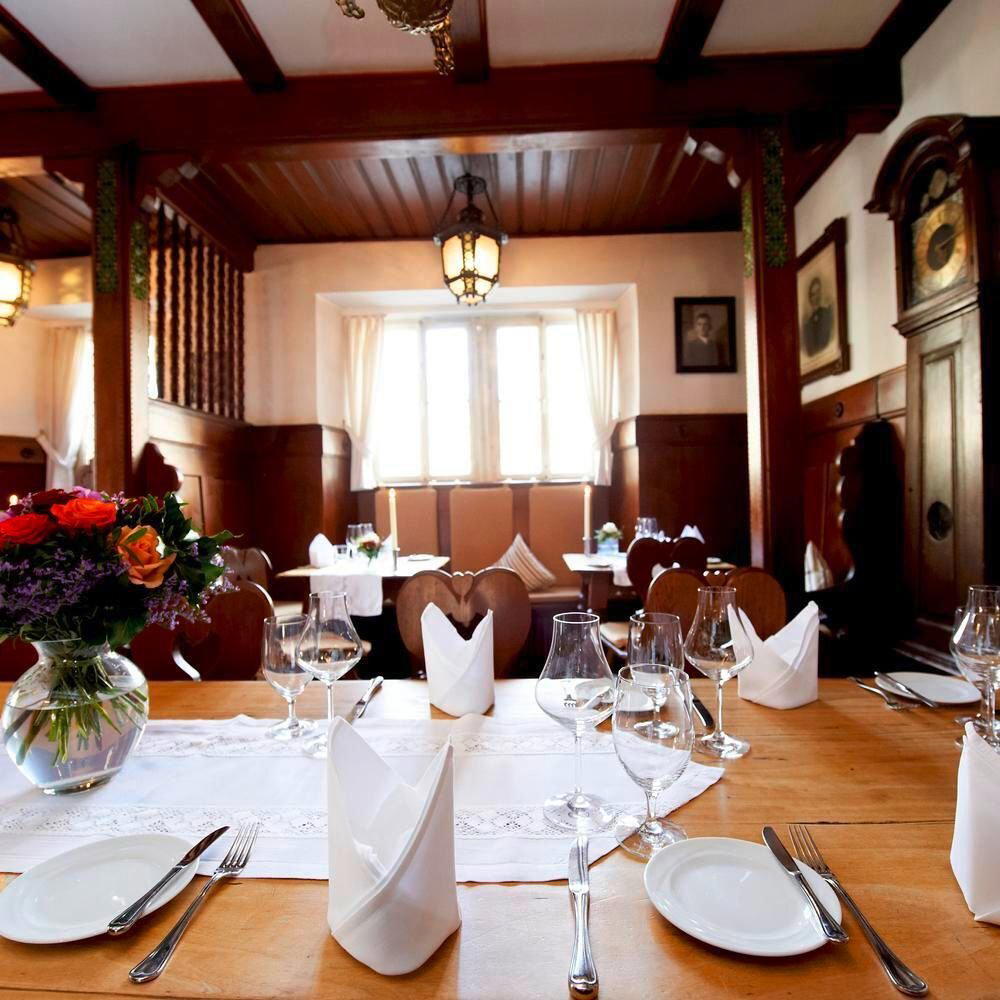
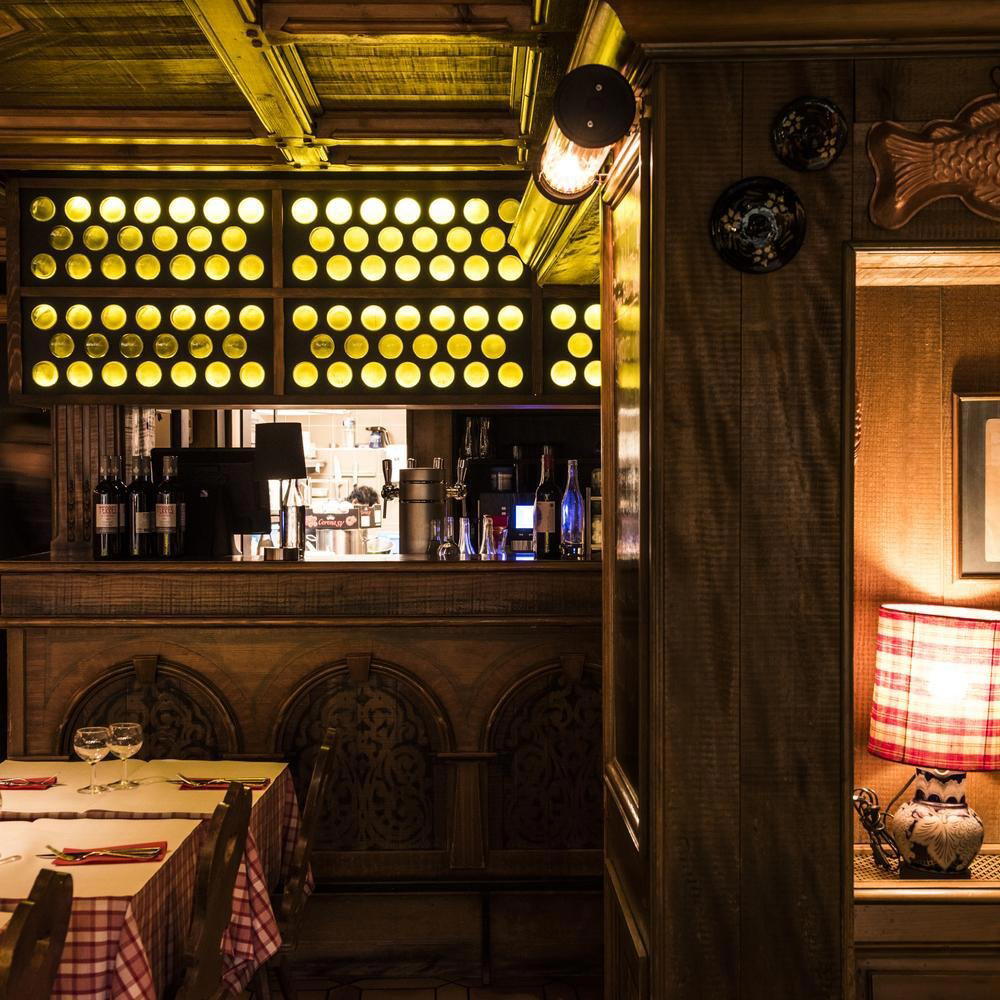
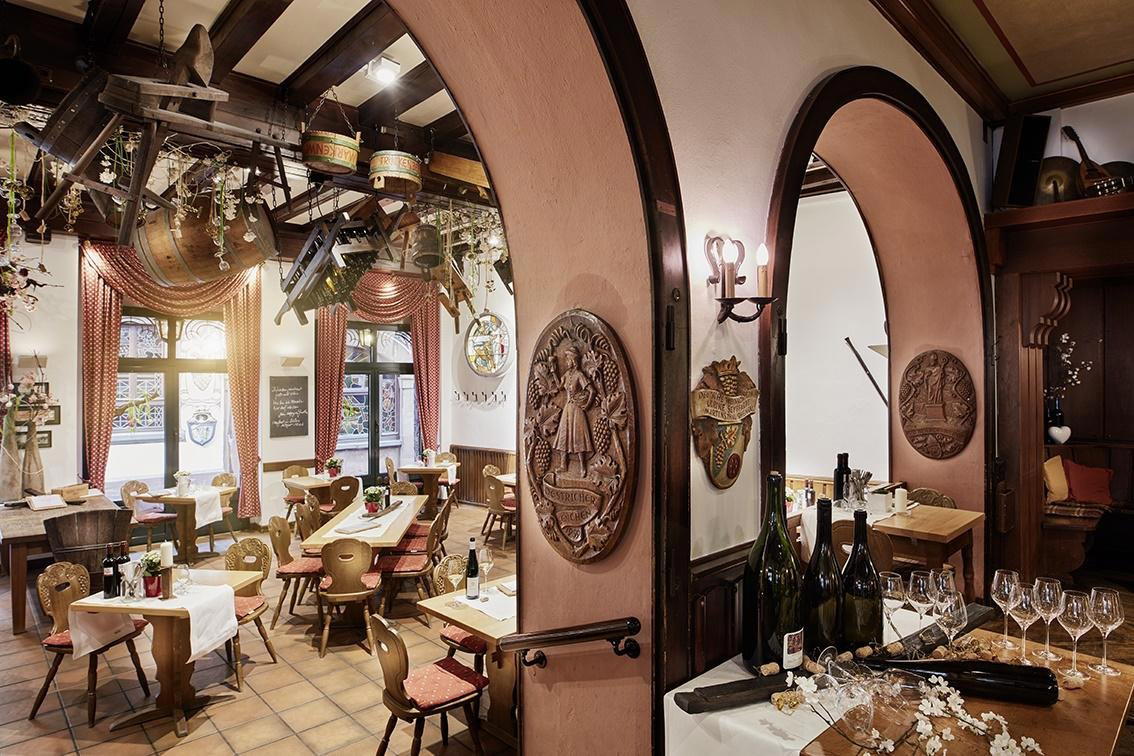
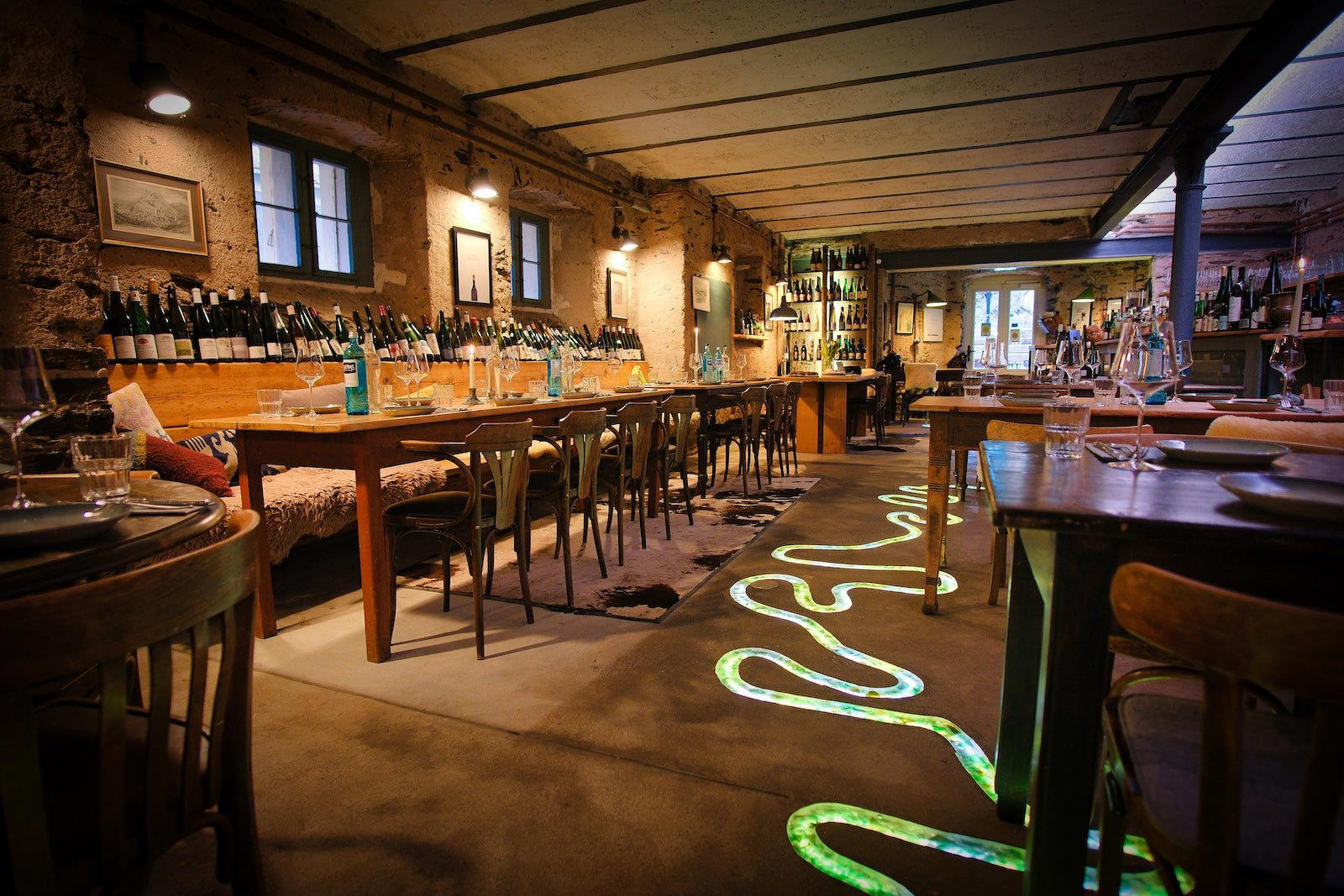
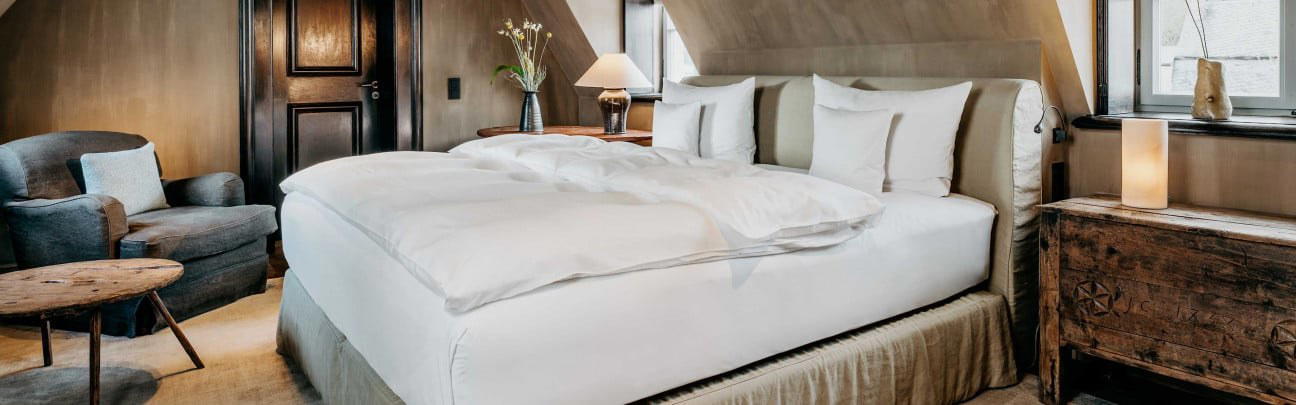
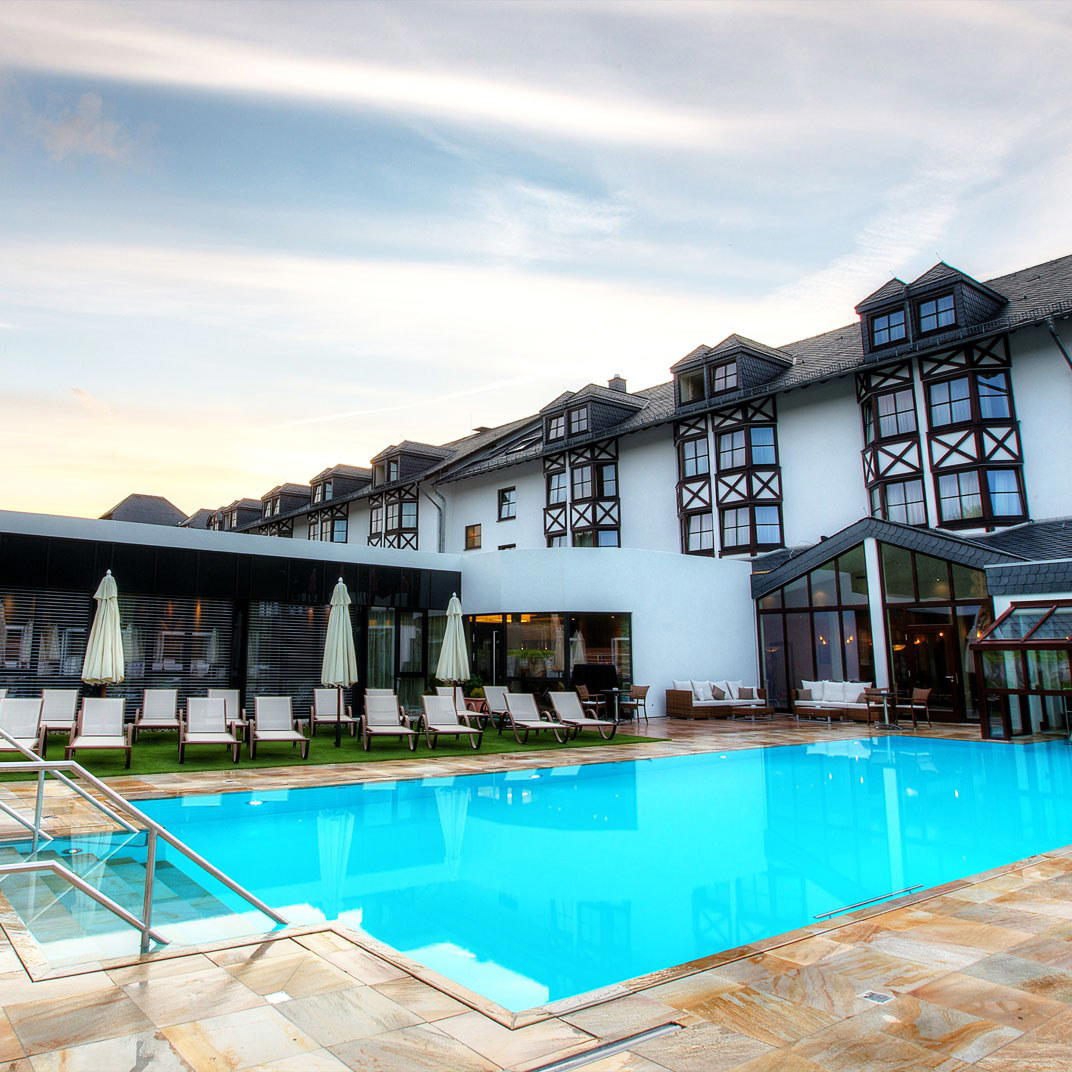
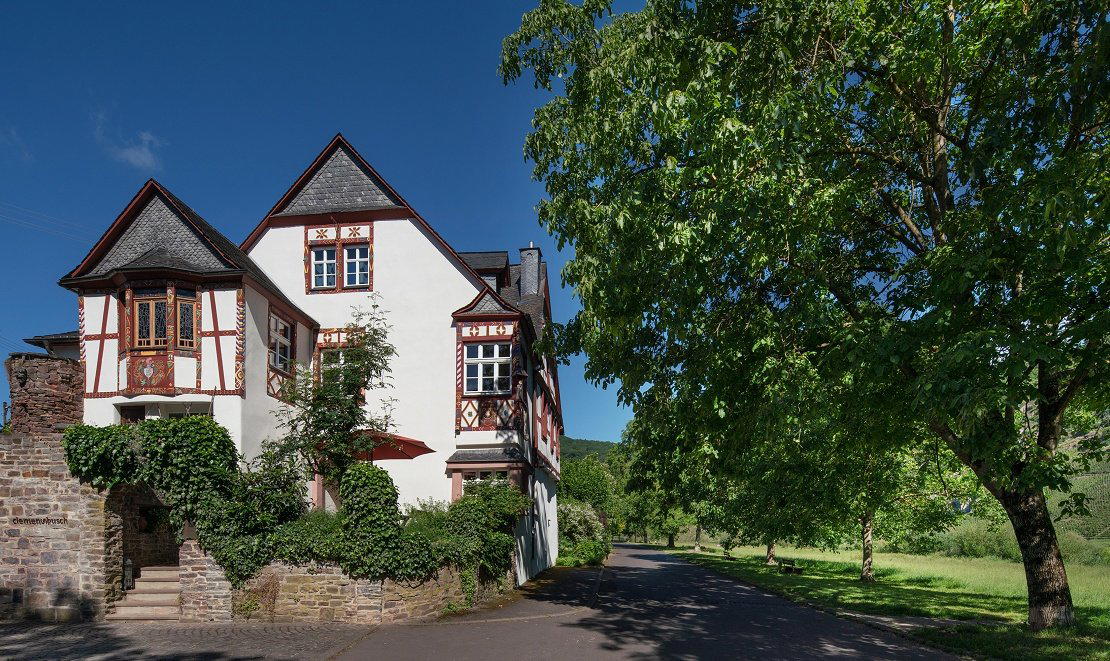
Stylish and elegant ambiance with modern gourmet experience, open kitchen design, and relaxed terrace overlooking the Mosel river.