Lieschen Mueller occupies a striking address at Panoramastraße 1A in central Berlin, steps from the Television Tower and the pulse of Mitte. The venue sits within a city that has spent two decades reshaping its fine dining identity, and its Alexanderplatz-adjacent position places it inside the debate about where Berlin's restaurant scene is heading next. For visitors oriented around the capital's evolving culinary character, it represents a useful reference point.
Pearl is the En Primeur Club membership app — saves, bookings, and concierge access live there. Same editors, same standards.
- Address
- Panoramastraße 1A, 10178 Berlin, Germany
- Phone
- +493054083422
- Website
- lieschen-mueller.com
- Directions
- Get directions
 Saves & bookings on Pearl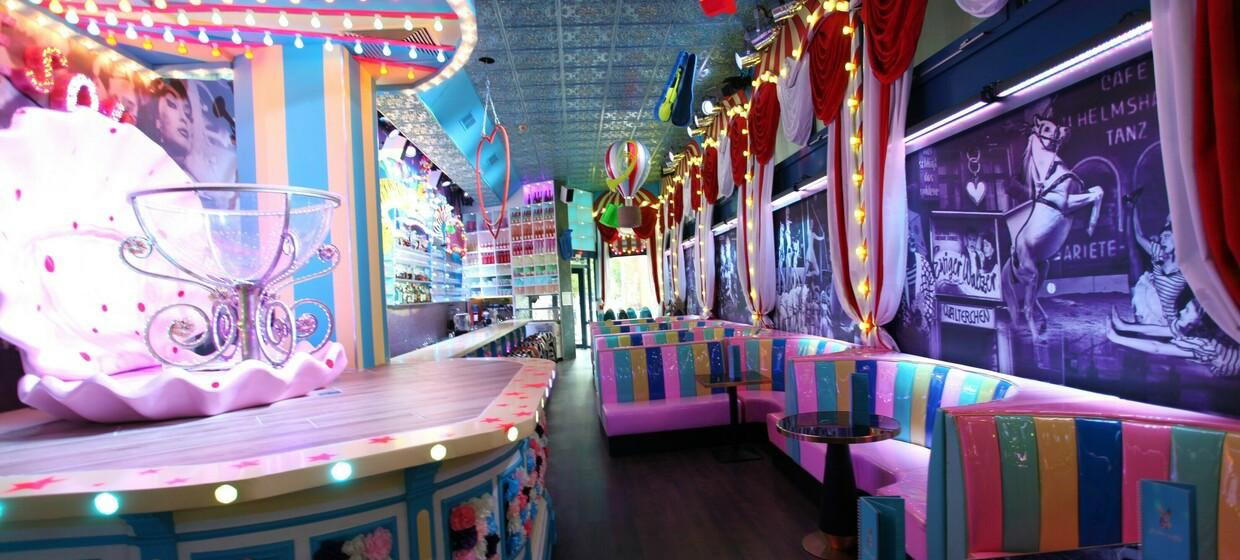
Berlin at Street Level: What the Address Tells You
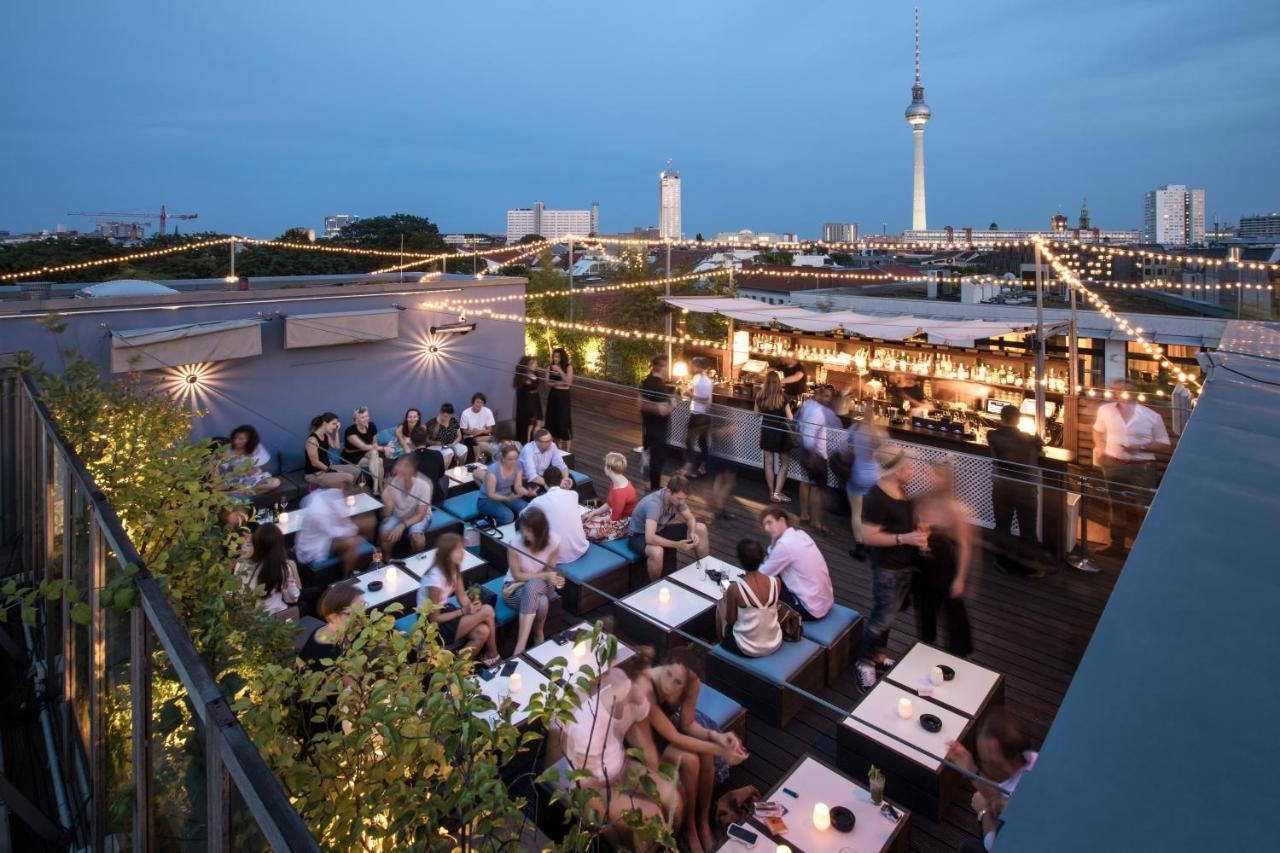
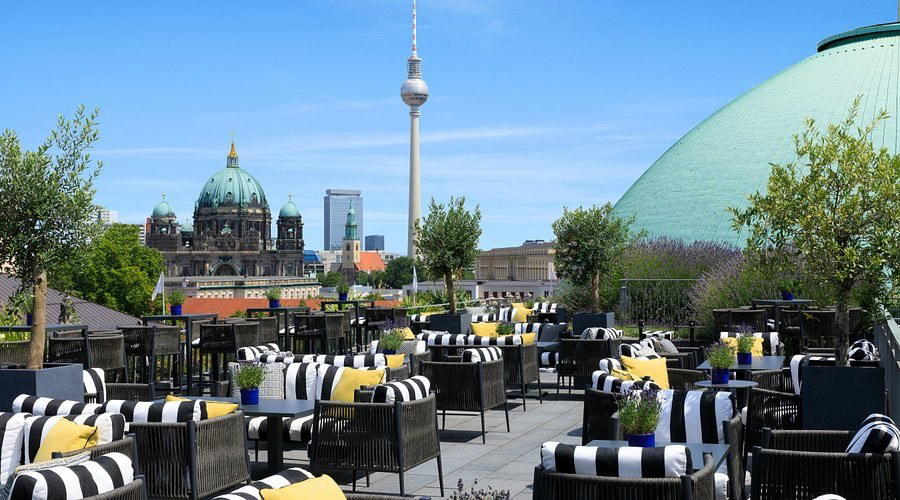
Panoramastraße 1A is not a quiet side street. It runs in the shadow of the Fernsehturm, Berlin's television tower, in a part of Mitte that functions as one of the city's most legible junctions between tourist infrastructure and local commercial life. Restaurants that choose this postcode are making a statement about audience and positioning. They are placing themselves where the city flows through, where the foot traffic is constant and international, and where the dining proposition has to hold up against a backdrop of high visibility.
That context matters for understanding Lieschen Mueller. The name positions the venue in contrast to the capital's more self-serious dining rooms.
How Berlin's Dining Scene Shaped the Space Around It
Berlin's restaurant scene has undergone significant structural change since the early 2000s. Rutz in Mitte holds two stars and a wine program that draws serious attention from across Europe. Nobelhart & Schmutzig on Friedrichstraße operates a rigid local-sourcing format that has made it a reference point for the hyper-regional movement in German cooking. FACIL delivers contemporary European cooking from inside the Mandala Hotel with consistent Michelin recognition. CODA Dessert Dining has carved out a category of its own, running a dessert-led tasting format that sits at two stars. And Restaurant Tim Raue brings an Asian-inflected idiom to two-star territory on Rudi-Dutschke-Straße.
But Berlin has always maintained a parallel conversation about what dining looks like when it is not chasing stars. The city's population and cultural identity still skew toward informality, and many of particularly talked-about openings in any given year sit below the tasting menu bracket. Lieschen Mueller's Mitte address places it near the geographic centre of that tension.
The Evolution Question: What Changes at an Address Like This
Restaurants at high-visibility Berlin addresses operate under different pressures than those in quieter residential neighbourhoods. The evolution a venue undergoes at Panoramastraße is shaped partly by tourism cycles, partly by the changing demographics of Mitte itself, and partly by the broader shifts in what Berlin diners expect from a mid-to-upper casual experience.
Across Germany more broadly, the fine dining conversation has been anchored by operations far from the capital. Aqua in Wolfsburg, Schwarzwaldstube in Baiersbronn, and Vendôme in Bergisch Gladbach have historically defined the upper tier of German culinary ambition. More recently, ES:SENZ in Grassau, Victor's Fine Dining by Christian Bau in Perl, Waldhotel Sonnora in Dreis, Schanz in Piesport, Bagatelle in Trier, and JAN in Munich have added to a national picture that remains geographically dispersed. Berlin's contribution to that map has grown, but the city still operates as much through energy and scale as through gastronomic precision. Lieschen Mueller's positioning reflects that reality.
For international visitors arriving from cities where the dining benchmark is set by operations like Le Bernardin in New York or Atomix, Berlin's mid-tier can feel deliberately unpretentious. Restaurant Haerlin in Hamburg offers a point of comparison within Germany: a formal room with a clear fine dining identity and consistent critical recognition. The restaurant operates at a different register, one that is less about precision credentials and more about holding a place in the city's accessible-to-all dining culture.
Planning Your Visit
The restaurant is located at Panoramastraße 1A, 10178 Berlin, directly accessible from Alexanderplatz, one of the city's best-connected public transport hubs, served by U-Bahn lines U2, U5, and U8, multiple S-Bahn lines, and tram connections across the eastern city. That accessibility makes it one of the easier addresses in Berlin to reach without pre-arranging transport. Reservations are recommended, and the venue is open Friday and Saturday from 6 PM to 1 AM.
Style and Standing
Comparable venues nearby, for context on price, style, and recognition.
| Venue | Cuisine | Price | Notes |
|---|---|---|---|
| Lieschen MuellerThis venue — the venue you are viewing | Traditional German and Berliner Cuisine | $$ | Not listed |
| Försters | Vegan German Home Cooking | $$ | Prenzlauer Berg |
| Flemming´s | German Steakhouse with Mediterranean Influences | $$ | Kreuzberg |
| Stulle mit Brot | Berliner Stullen & Soup Shop | $$ | Charlottenburg |
| Diener Tattersall | Traditional Berlin Hausmannskost | $$ | Charlottenburg |
| Chipperfield Kantine | Sustainable Vegetarian Canteen | $$ | Mitte |
At a Glance
- Lively
- Trendy
- Whimsical
- Energetic
- Casual Hangout
- Celebration
- Brunch
- Open Kitchen
- Terrace
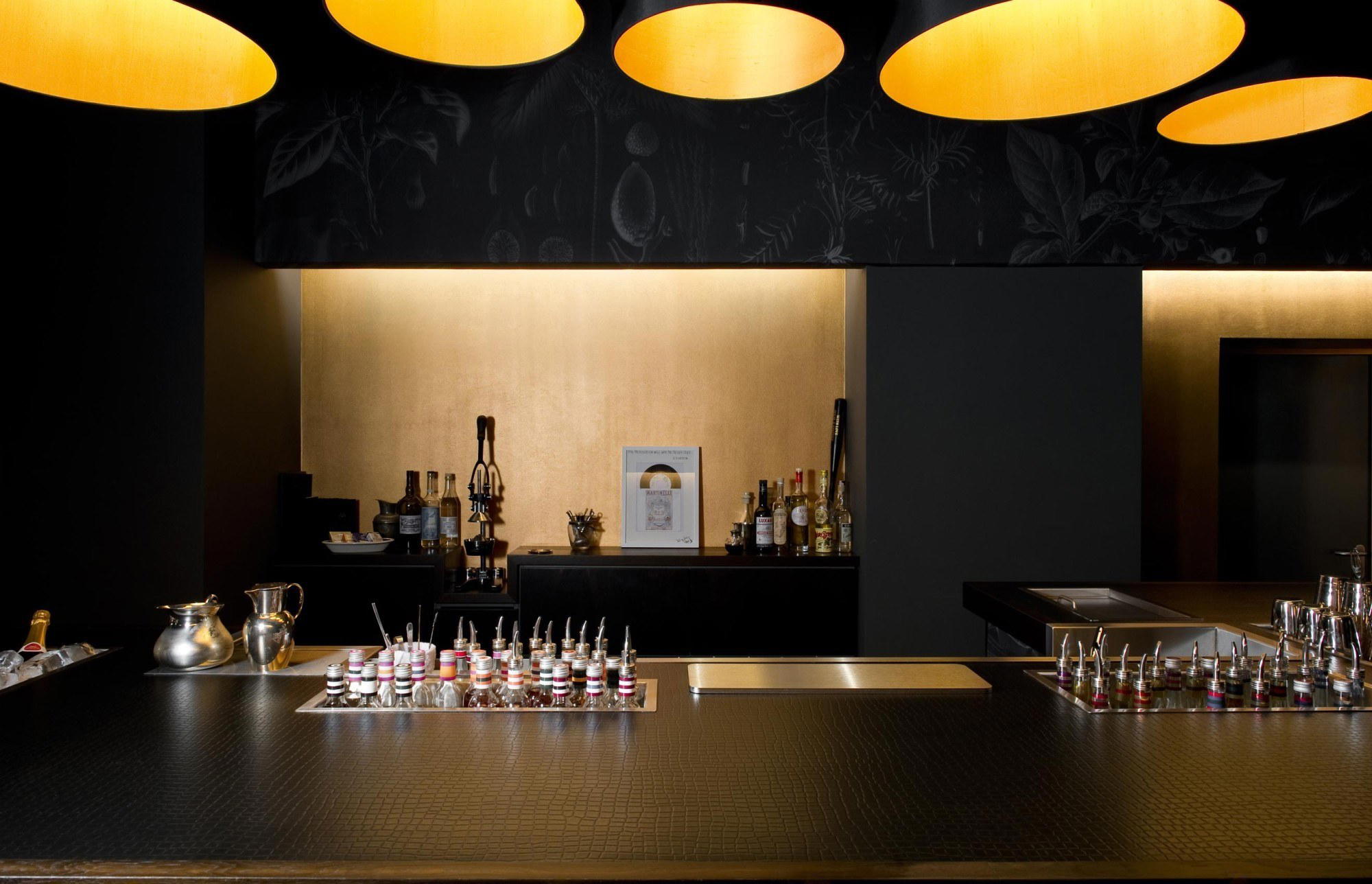
- Craft Cocktails
- Local Sourcing
- Street Scene
Current opening hours
- Monday
- Closed
- Tuesday
- Closed
- Wednesday
- Closed
- Thursday
- Closed
- Friday
- 6 PM–1 AM
- Saturday
- 6 PM–1 AM
- Sunday
- Closed
Hours can change for holidays and private events. Last verified .
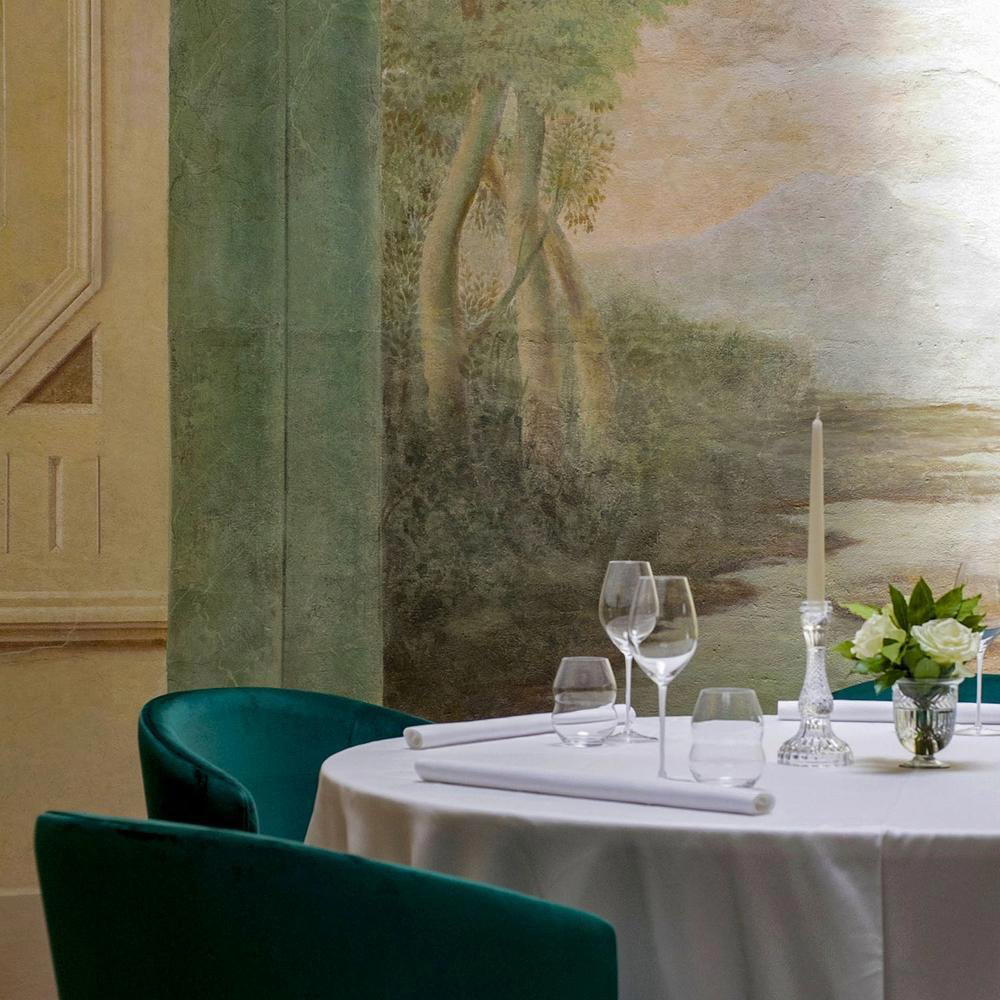
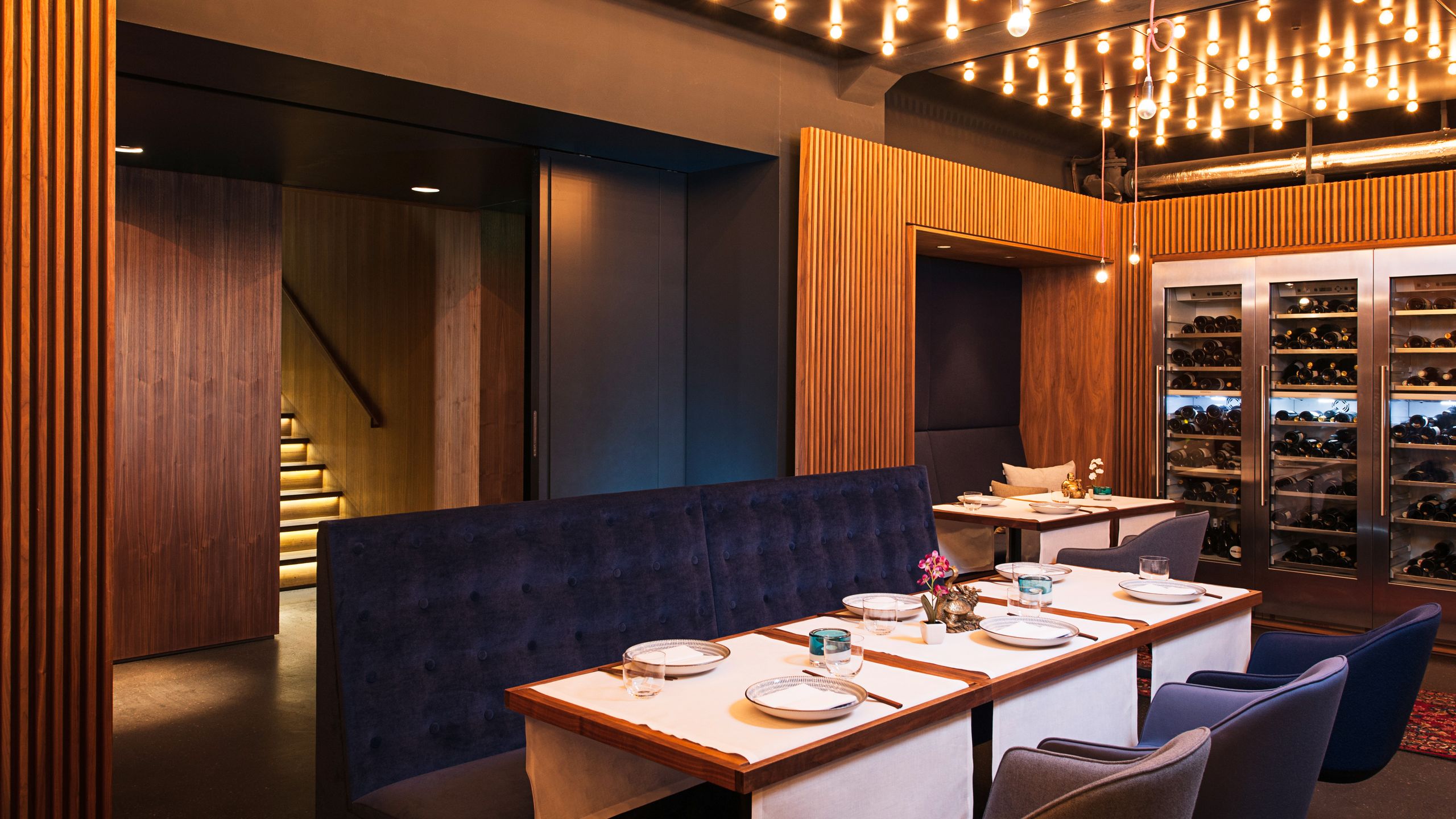
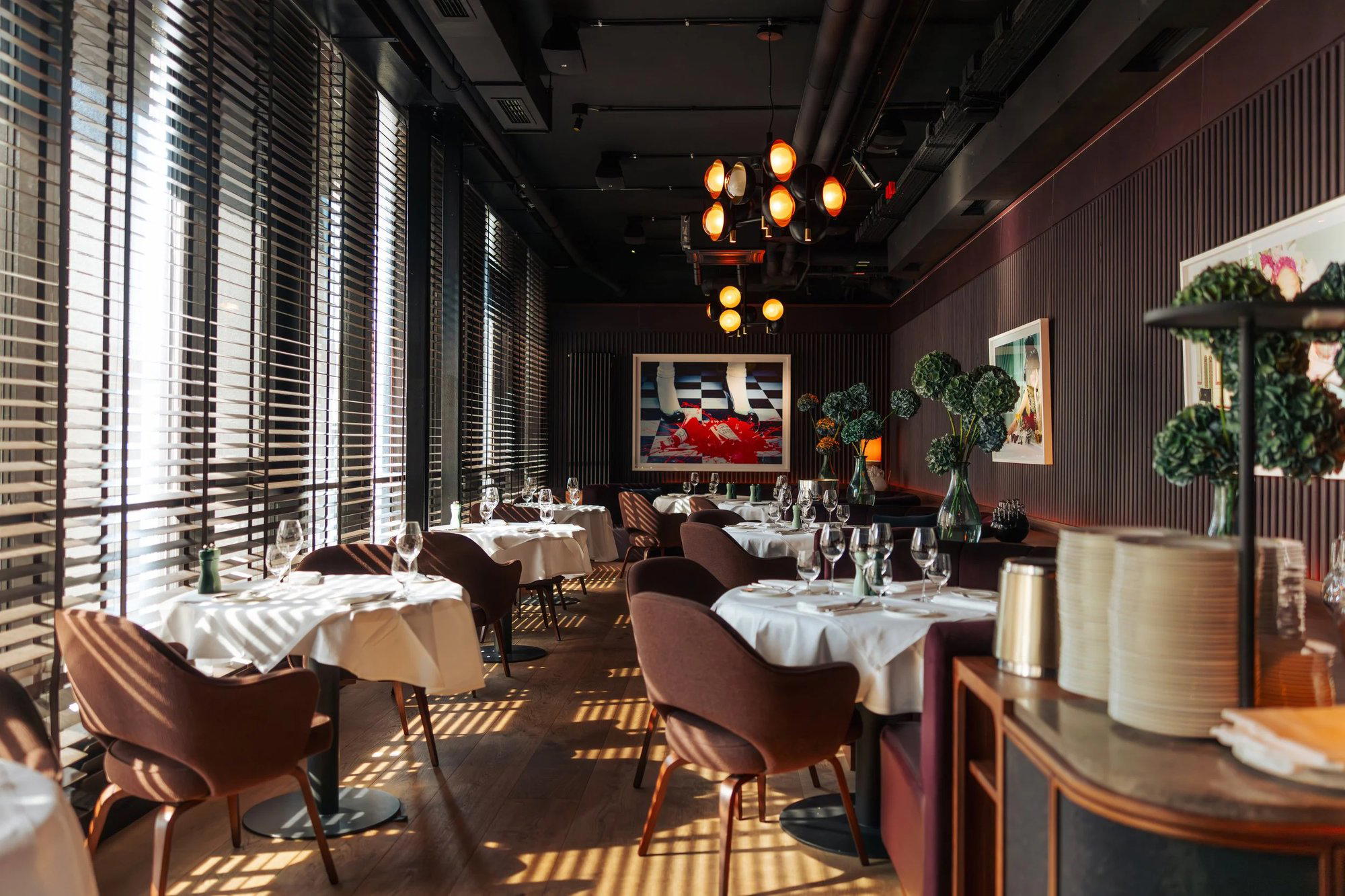
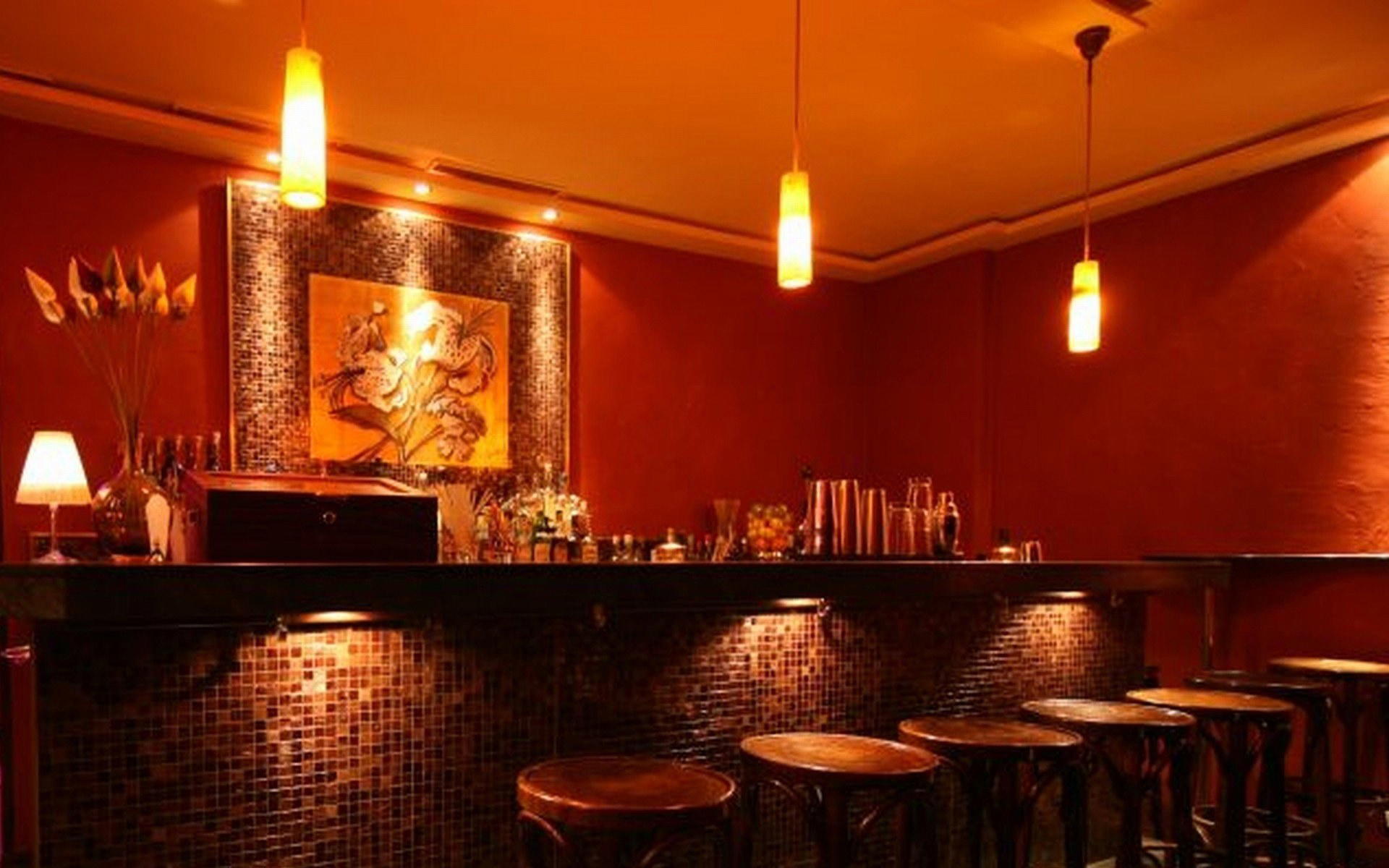
Colorful and glitzy circus-themed atmosphere with entertainment, lively lighting, and a magical, nostalgic vibe.