Försters sits on Dunckerstraße in Prenzlauer Berg, a neighbourhood whose dining scene has shifted steadily from post-reunification informality toward considered, technique-driven cooking. The address places it inside one of Berlin's most locally frequented residential quarters, where the expectation is substance over spectacle. Details on cuisine format and booking are best confirmed directly with the venue.
Pearl is the En Primeur Club membership app — saves, bookings, and concierge access live there. Same editors, same standards.
- Address
- Dunckerstraße 2a, 10437 Berlin, Germany
- Phone
- +493098418942
- Website
- das-foersters.de
- Directions
- Get directions
 Saves & bookings on Pearl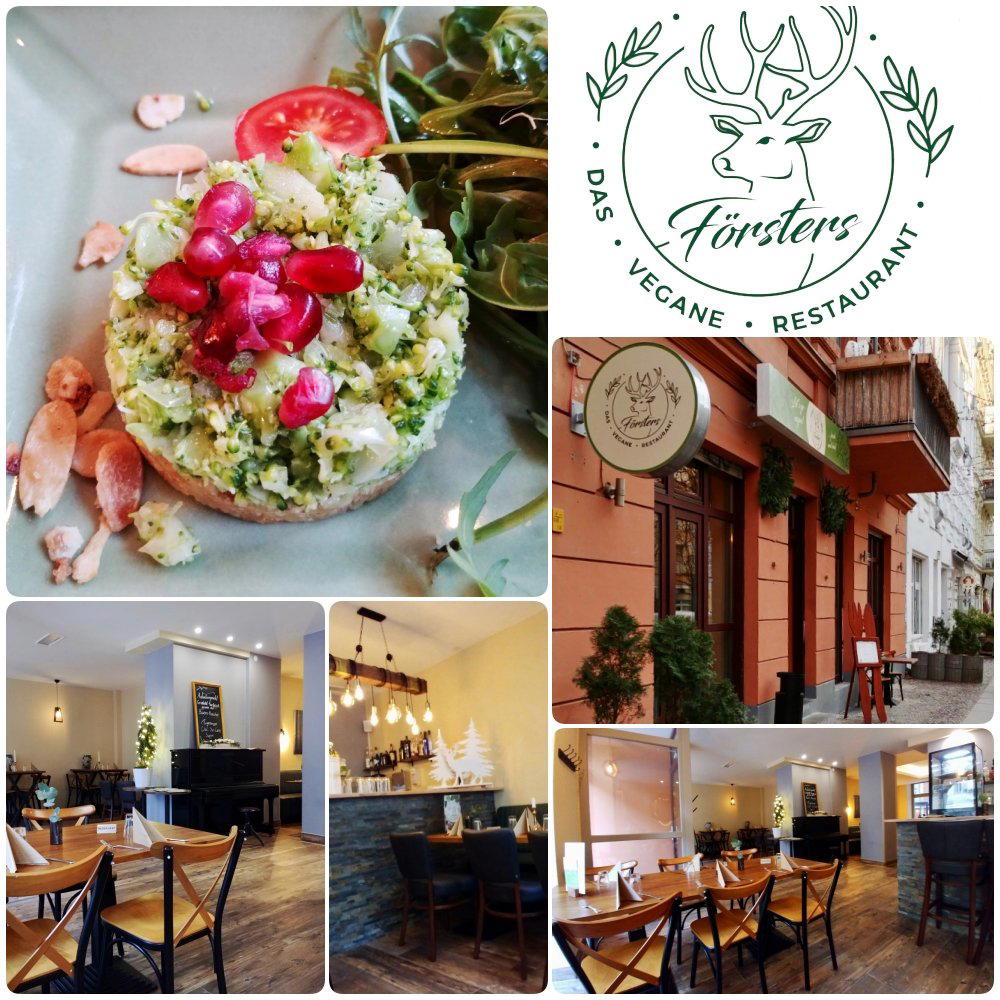
Prenzlauer Berg and the Restaurants That Grow Out of It
Dunckerstraße runs through the eastern edge of Prenzlauer Berg, a part of Berlin that resists easy categorisation. This is not the tourist-facing stretch of Mitte, nor the self-consciously alternative corridor of Neukölln. Prenzlauer Berg is, at its core, a residential neighbourhood, one that happens to have developed a dining culture defined by longevity over hype. Restaurants here tend to draw repeat locals rather than destination visitors, and the ones that last tend to do so because the cooking earns it, not because the interior generates social media traffic. Försters, at Dunckerstraße 2a, sits inside that dynamic.
Corner positions on residential side streets in this part of Berlin carry a particular weight: they serve the neighbourhood first and the wider city second. That ordering shapes everything from the atmosphere at the bar to the rhythm of service on a weekday evening. In cities where dining culture is as geographically distributed as Berlin's, where serious cooking happens in Charlottenburg, Mitte, Kreuzberg, and Prenzlauer Berg with roughly equal claim to attention, a restaurant's postcode is part of its identity. Försters' postcode says local, and that is not a limitation.Berlin's Residential Dining Tier
Germany's restaurant recognition tends to cluster outside its capital. Venues such as Schwarzwaldstube in Baiersbronn, Aqua in Wolfsburg, and Waldhotel Sonnora in Dreis represent a tradition of destination dining that operates partly outside city centres, drawing guests willing to travel specifically for the meal. Berlin operates differently. The city's dining culture is less about pilgrimages and more about density: a high concentration of serious restaurants spread across neighbourhoods, each with its own character and comparable set.
Within Berlin, the upper tier of that density includes venues recognised at the highest level. Rutz and Nobelhart & Schmutzig have shaped what modern German cooking looks like in the city, while FACIL and Restaurant Tim Raue represent the internationally oriented end of Berlin's fine-dining range. CODA Dessert Dining occupies a format niche that has attracted global attention for its dessert-first tasting structure. Each of these addresses a different version of what Berlin dining can be. Försters, in Prenzlauer Berg, addresses a version that is less about format innovation and more about the kind of consistency that makes a neighbourhood restaurant earn its place over time.
That distinction matters when reading the Berlin scene as a whole. The strongest dining cultures fill the gaps with places that operate at a high level without requiring a tasting-menu booking system or a Michelin pedigree to justify the visit.
What the Location Tells You Before You Arrive
Prenzlauer Berg's dining character has evolved substantially since the early 2000s, when the neighbourhood's post-reunification energy attracted a first wave of casual, low-cost operations. That wave has largely been replaced by a second generation: more considered, often independently run, with cooking that reflects genuine training rather than scene participation. The neighbourhood now sits between Mitte's polished restaurant corridor and the rougher-edged informality of parts of Neukölln and Friedrichshain, which gives it a particular register: serious without being formal, neighbourhood-focused without being parochial.
Dunckerstraße itself is a quieter artery within that context. The street does not carry the commercial weight of Kastanienallee or the foot traffic of Schönhauser Allee. A restaurant choosing this address is making a statement about who it wants to serve and how it wants to operate. The trade-off is lower walk-in volume in exchange for a guest base that arrives with intention.
For the visitor coming from outside Berlin, the practical implication is worth noting: Prenzlauer Berg is well connected by U-Bahn (the U2 line serves Eberswalder Straße, roughly ten minutes' walk from Dunckerstraße), and the neighbourhood rewards an evening rather than a quick stop. The density of good options within walking distance means that a dinner at Försters can anchor a broader evening in the area rather than requiring its own dedicated trip.
Placing Försters in Germany's Wider Restaurant Picture
Germany's restaurant culture has undergone a significant reorientation over the past decade. The generation of chefs trained at venues such as Vendôme in Bergisch Gladbach, Victor's Fine Dining by Christian Bau in Perl, or JAN in Munich has begun opening its own spaces, often in formats that reflect a different relationship with formality than the generation before. Restaurant Haerlin in Hamburg and Bagatelle in Trier represent different regional expressions of that shift, as does ES:SENZ in Grassau and Schanz in Piesport. Internationally, formats at Le Bernardin in New York City and Lazy Bear in San Francisco demonstrate how neighbourhood positioning and format discipline can coexist at the highest level of recognition.
Within that broader picture, the residential neighbourhood restaurant operating at a serious level represents one of the more durable formats in contemporary dining. It does not depend on novelty to draw attention, and it does not require the overheads of a flagship address to sustain itself. What it requires is consistency, and consistency is what Prenzlauer Berg's second generation of dining tends to value above other signals.
Planning Your Visit
Before visiting, direct contact with the venue is recommended. Current hours, booking method, and menu format are worth confirming. The address, Dunckerstraße 2a, 10437 Berlin, places the restaurant in the northern stretch of Prenzlauer Berg, accessible from Eberswalder Straße or Schönhauser Allee S/U-Bahn stations.
| Venue | Neighbourhood | Format | Price Tier |
|---|---|---|---|
| Försters | Prenzlauer Berg | To be confirmed | To be confirmed |
| Rutz | Mitte | Modern European tasting | €€€€ |
| Nobelhart & Schmutzig | Kreuzberg | Modern German, set menu | €€€€ |
| FACIL | Tiergarten | Contemporary European tasting | €€€€ |
| CODA Dessert Dining | Neukölln | Dessert-first tasting | €€€€ |
Cuisine Lens
Comparable venues nearby, for context on price, style, and recognition.
| Venue | Cuisine | Price | Notes |
|---|---|---|---|
| FörstersThis venue — the venue you are viewing | Vegan German Home Cooking | $$ | Not listed |
| The Dining Room' | Sophisticated German Cuisine | Not listed | Baumschulenweg |
| Hirsch & Eber | Wild Game Burgers | $$ | Prenzlauer Berg |
| Flemming´s | German Steakhouse with Mediterranean Influences | $$ | Kreuzberg |
| Neue Zukunft | German Beer Garden Pub | $$ | Friedrichshain |
| Lindenbräu am Potsdamer Platz | Bavarian & Berlin Brewery Classics | $$ | Tiergarten |
Continue exploring
More in Berlin
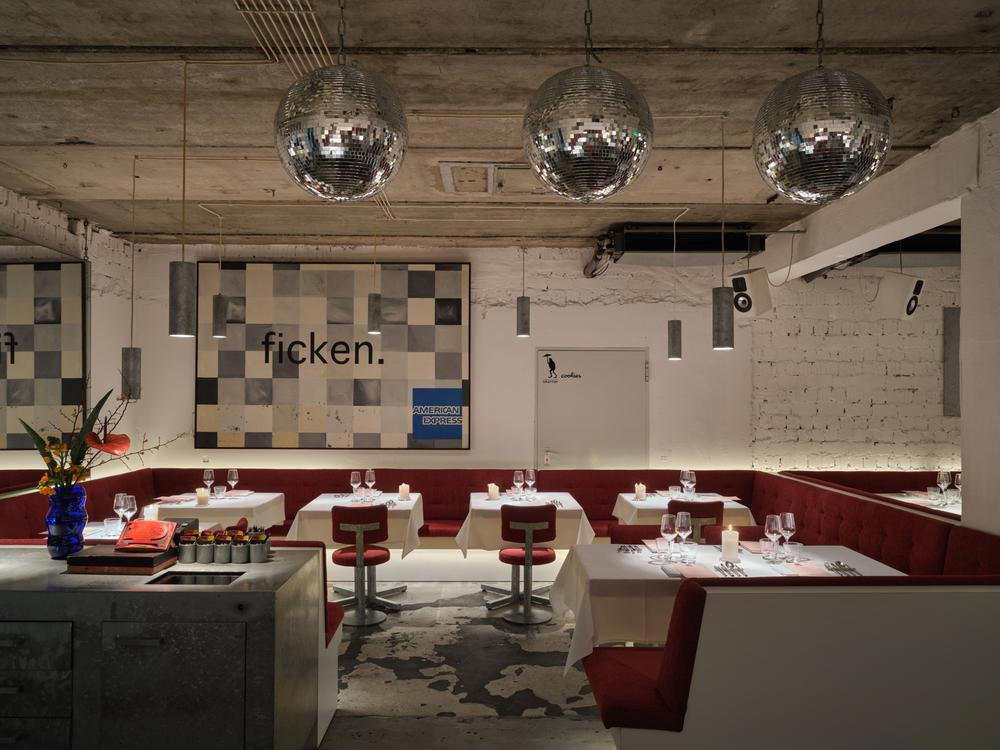
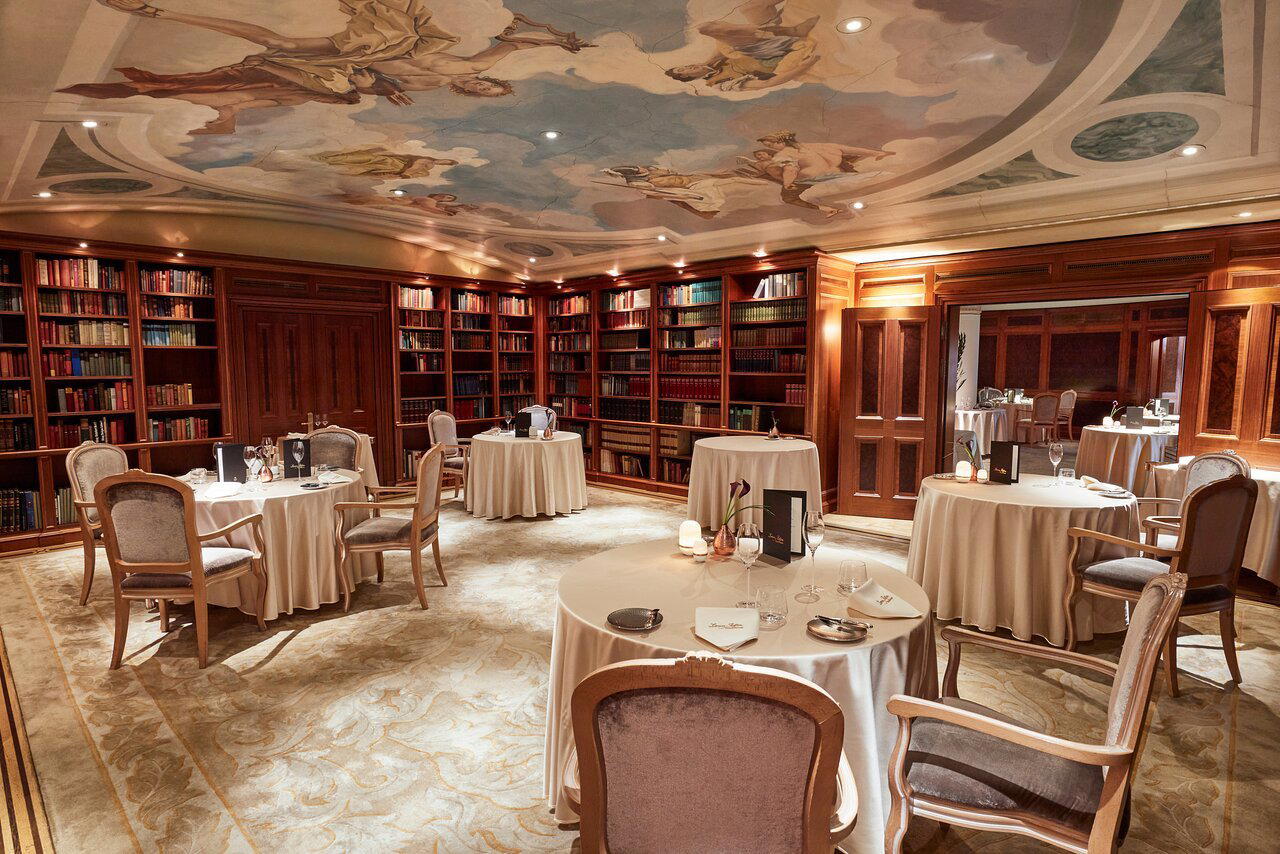
Restaurants in Berlin
Browse all →
Bars in Berlin
Browse all →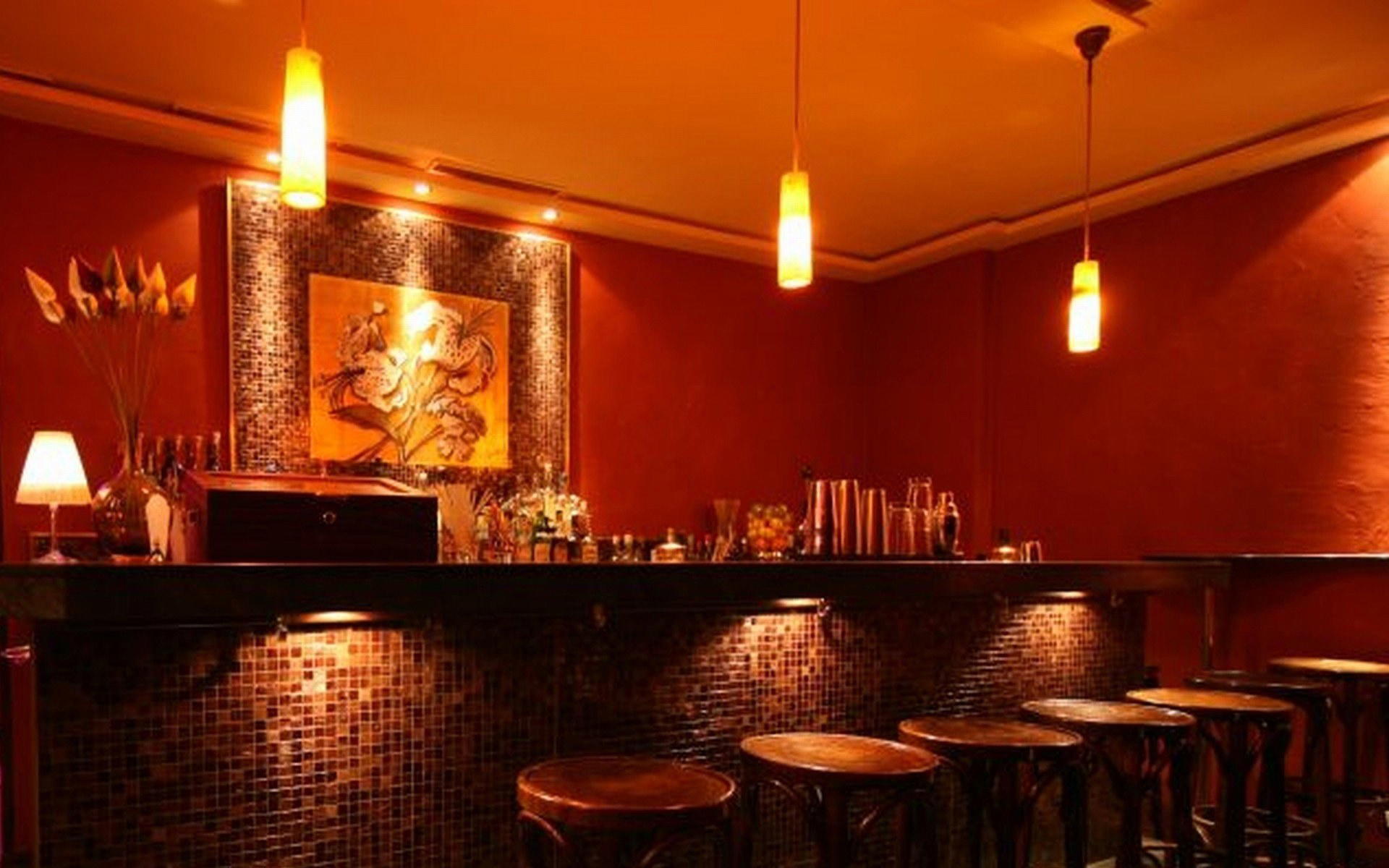
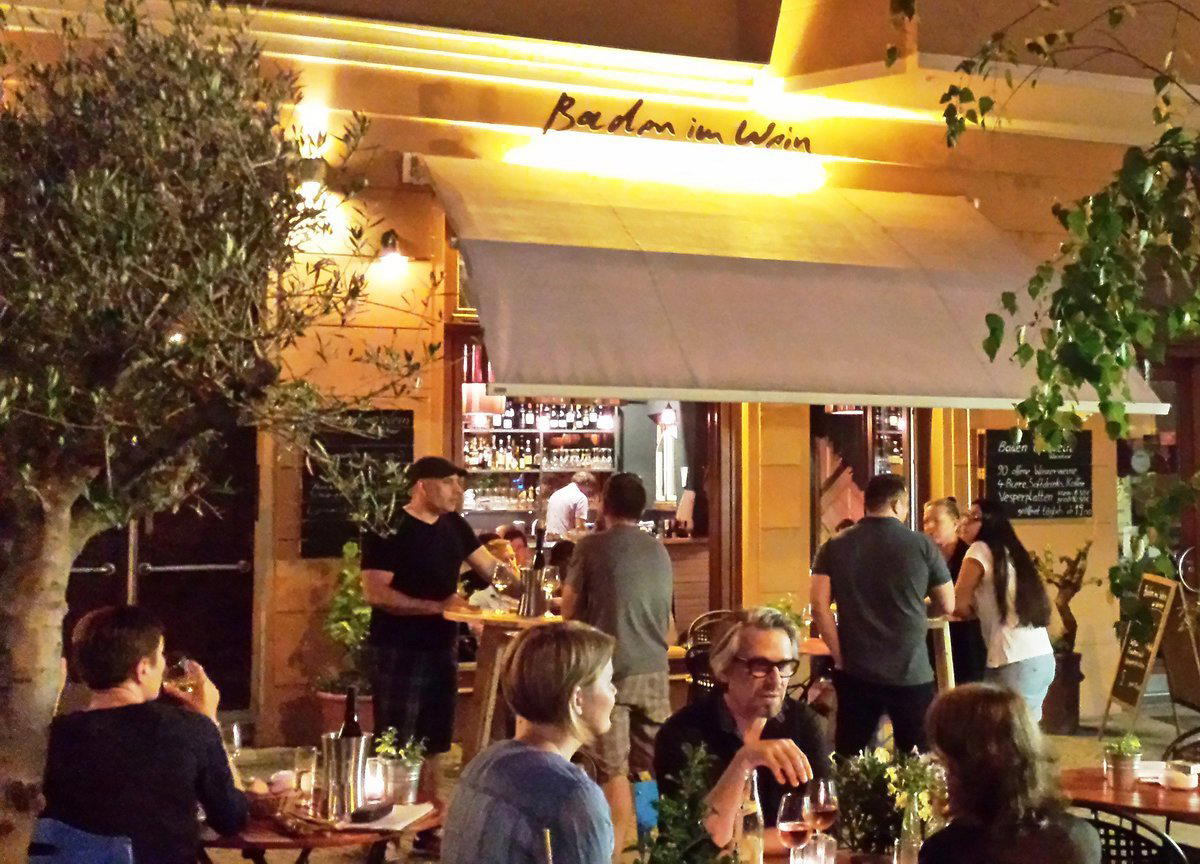
Hotels in Berlin
Browse all →
Wineries in Berlin
Browse all →
At a Glance
- Cozy
- Rustic
- Intimate
- Casual Hangout
- Date Night
- Organic
- Local Sourcing
Current opening hours
- Monday
- 4–11 PM
- Tuesday
- 4–11 PM
- Wednesday
- 4–11 PM
- Thursday
- 4–11 PM
- Friday
- 4–11 PM
- Saturday
- 4–11 PM
- Sunday
- 4–11 PM
Hours can change for holidays and private events. Last verified .
Cozy and rustic with a relaxed, feel-good atmosphere and friendly service.