Located on Rue Francis Davso in central Marseille, Libala operates in a city whose dining scene has shifted decisively toward collaborative, produce-driven formats over the past decade. With sparse public data available, the restaurant rewards direct research before visiting, placing it among Marseille addresses where the room, the team, and the cooking speak louder than any press release.
Pearl is the En Primeur Club membership app — saves, bookings, and concierge access live there. Same editors, same standards.
- Address
- 10 Rue Francis Davso, 13001 Marseille, France
- Phone
- +33491064402
- Website
- libalapretamanger.com
- Directions
- Get directions
 Saves & bookings on Pearl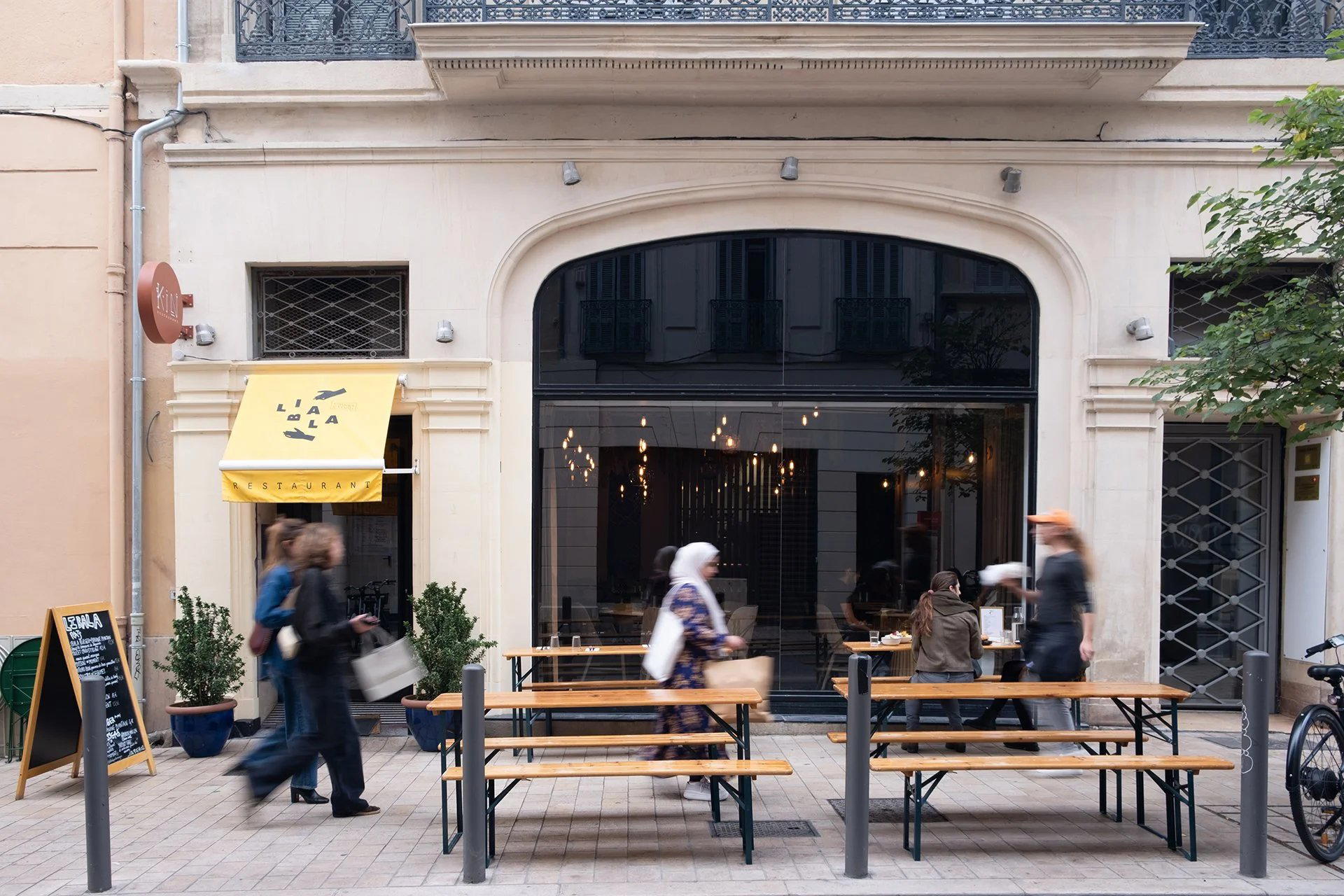
Where Rue Francis Davso Meets the Marseille Dining Shift
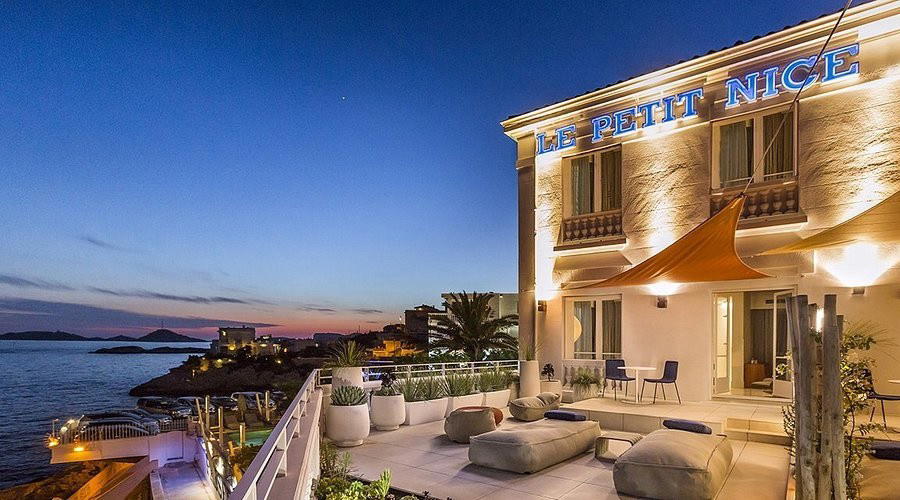
Marseille's restaurant culture has never been monolithic. Marseille's restaurant culture has long balanced port-market proximity with directness. Over the past decade, that baseline has been complicated by a wave of more ambitious dining formats: AM par Alexandre Mazzia pushing creative French cuisine toward three Michelin stars, Le Petit Nice anchoring the prestige seafood tier on the Corniche, and Une Table, au Sud holding Michelin recognition in the city centre. Into this context, Libala sits at 10 Rue Francis Davso in the 1st arrondissement, a central address that puts it within walking distance of the Vieux-Port and the commercial spine of the city, in a neighbourhood that sees both working Marseillais and tourists in roughly equal measure.
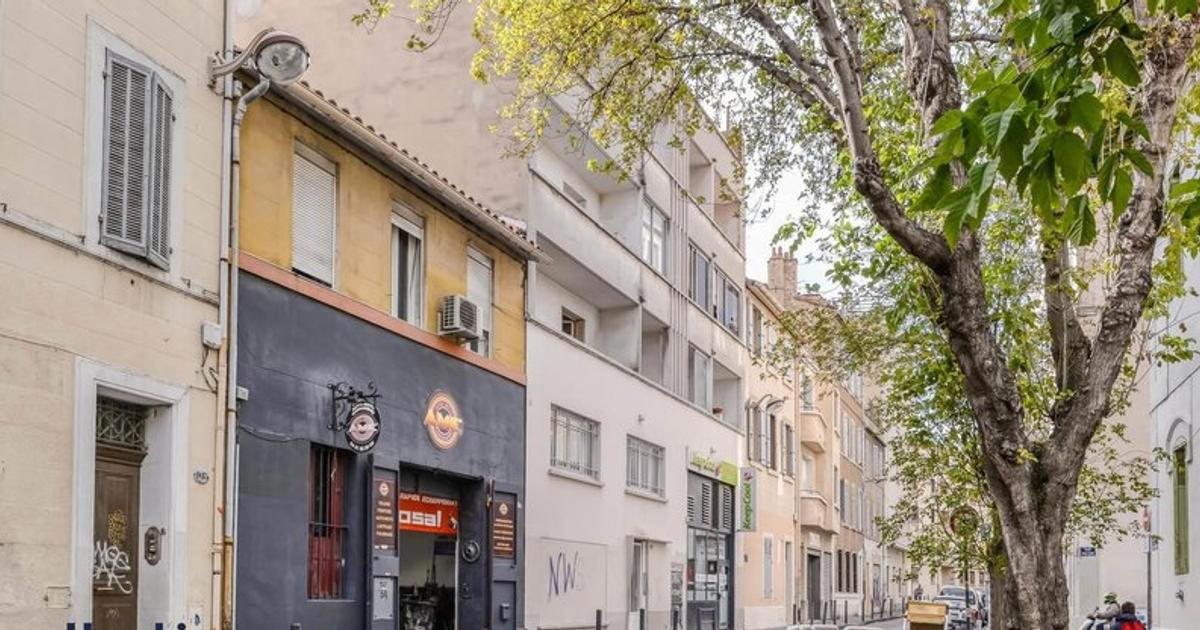
Rue Francis Davso is a short street that connects the pedestrian commerce of Rue de la République's orbit with the quieter residential blocks heading toward the Préfecture. It is not a destination street in the way that the Corniche or the Cours Julien are, which means that restaurants here tend to draw a local-knowledge crowd rather than foot traffic. That dynamic suits formats built around word-of-mouth consistency: the kind of address you return to because the room feels calibrated, the team knows what it is doing, and the cooking doesn't need a marketing budget.
The Collaborative Model in Marseille's Mid-to-Upper Tier
Across France's serious dining rooms, the gap between a technically accomplished kitchen and a genuinely memorable meal is often filled by how well the front-of-house and the kitchen communicate during service. The sommelier who reads a table and adjusts the wine pace, the server who knows which dishes reward explanation and which don't, the chef de rang who doesn't oversell, these are the signals that separate a polished team from a merely competent one.
Marseille has produced a number of addresses where this collaborative model has taken hold. The city's proximity to Provence's wine country, the Rhône Valley, and the Languedoc gives a knowledgeable sommelier real material to work with: grenache-dominant blends from Bandol, vermentino from Corsica, lesser-known appellations from the Var that pair with Mediterranean produce in ways a Paris-centric list would rarely explore. When a front-of-house team is built around that kind of regional literacy, the wine service becomes editorially interesting rather than merely functional. Libala sits within a dining culture where that ambition is increasingly common.
For comparison, the team dynamic has been central to what distinguishes France's most decorated rooms beyond Paris. Mirazur in Menton, ranked at the summit of the World's 50 Best, is as much about how the room is read as it is about the plates. Troisgros in Ouches and Auberge de l'Ill in Illhaeusern have sustained generational relevance partly because service has been treated as a craft with equal standing to the kitchen. Bras in Laguiole and Auberge du Vieux Puits in Fontjoncouse demonstrate that this model travels well beyond major cities. Closer to home, Assiette Champenoise in Reims and Au Crocodile in Strasbourg show how regional French rooms can sustain front-of-house standards that match the kitchen's ambition.
Reading the Marseille Price Tier
Marseille's serious dining addresses cluster into recognisable price bands. At the leading sit the Michelin-decorated rooms, AM par Alexandre Mazzia and Le Petit Nice operate at the €€€€ level, as does Une Table, au Sud. Below them, addresses like Alivetu and 1860 Le Palais represent the mid-to-upper tier where the cooking is serious but the format is less ceremonial. This is a competitive and growing segment in Marseille, driven partly by the city's ongoing reputational shift since its 2013 European Capital of Culture year, and partly by the arrival of a younger generation of cooks and front-of-house professionals who trained in Paris or abroad and returned to work in the south.
The address in the 1st arrondissement suggests a central, accessible position rather than a destination-outside-the-centre format, but Format and booking details are best confirmed directly. Libala is walk-in friendly, so planning ahead is direct.
Marseille as a Dining City, What the Context Implies
The broader French fine-dining conversation often frames Marseille as an outlier: a city with serious raw ingredients (the fish markets, the olive oils, the proximity to Provence's farms) but a historically uneven translation of those ingredients into ambitious restaurant formats. That framing has become harder to sustain. The decorated rooms now present in the city, alongside a larger group of serious but less-publicised addresses, suggest a dining culture that has professionalised without abandoning its Mediterranean directness.
Internationally, the model of a port city with serious produce access and an increasingly sophisticated restaurant scene has parallels. Le Bernardin in New York built its identity on the seafood tradition of coastal France applied to a different context; Atomix in New York demonstrates how a city's dining ambitions can be carried by a generation of chefs working beyond the obvious prestige addresses. In France, Flocons de Sel in Megève, Alléno Paris au Pavillon Ledoyen, and Paul Bocuse in Collonges-au-Mont-d'Or anchor a national conversation about what serious French cooking looks like across different registers. Marseille's contribution to that conversation is growing, and addresses in the 1st arrondissement are part of that.
For a fuller map of where Libala sits within the city's dining options, our full Marseille restaurants guide covers the city's key addresses across price tiers and cuisines.
Planning a Visit
Libala is located at 10 Rue Francis Davso, 13001 Marseille, in the city's 1st arrondissement. The address is centrally placed and accessible from the Vieux-Port area on foot. Libala is open Monday to Saturday for lunch and closed on Sunday, with a casual dress code.
Budget and Context
Comparable venues nearby, for context on price, style, and recognition.
| Venue | Cuisine | Price |
|---|---|---|
| LibalaThis venue — the venue you are viewing | Not listed | $$ |
| OAÏ | Opera, Provençal Mediterranean Bistro | $$ |
| Emile 1933 | Le Rouet, Classic French Brasserie | $$ |
| Sauver | Noailles, Classic Italian Pizzeria | $$ |
| Chicoulon | Opera, French Bistronomic | $$ |
| Lima Lemon | Castellane, Peruvian Cevicheria | $$ |
Continue exploring
More in Marseille
Restaurants in Marseille
Browse all →
Bars in Marseille
Browse all →
Hotels in Marseille
Browse all →
At a Glance
- Cozy
- Lively
- Trendy
- Casual Hangout
- Brunch
- Open Kitchen
- Local Sourcing
Current opening hours
- Monday
- 12–2:30 PM
- Tuesday
- 12–2:30 PM
- Wednesday
- 12–2:30 PM
- Thursday
- 12–2:30 PM
- Friday
- 12–2:45 PM
- Saturday
- 12–2:45 PM
- Sunday
- Closed
Hours can change for holidays and private events. Last verified .
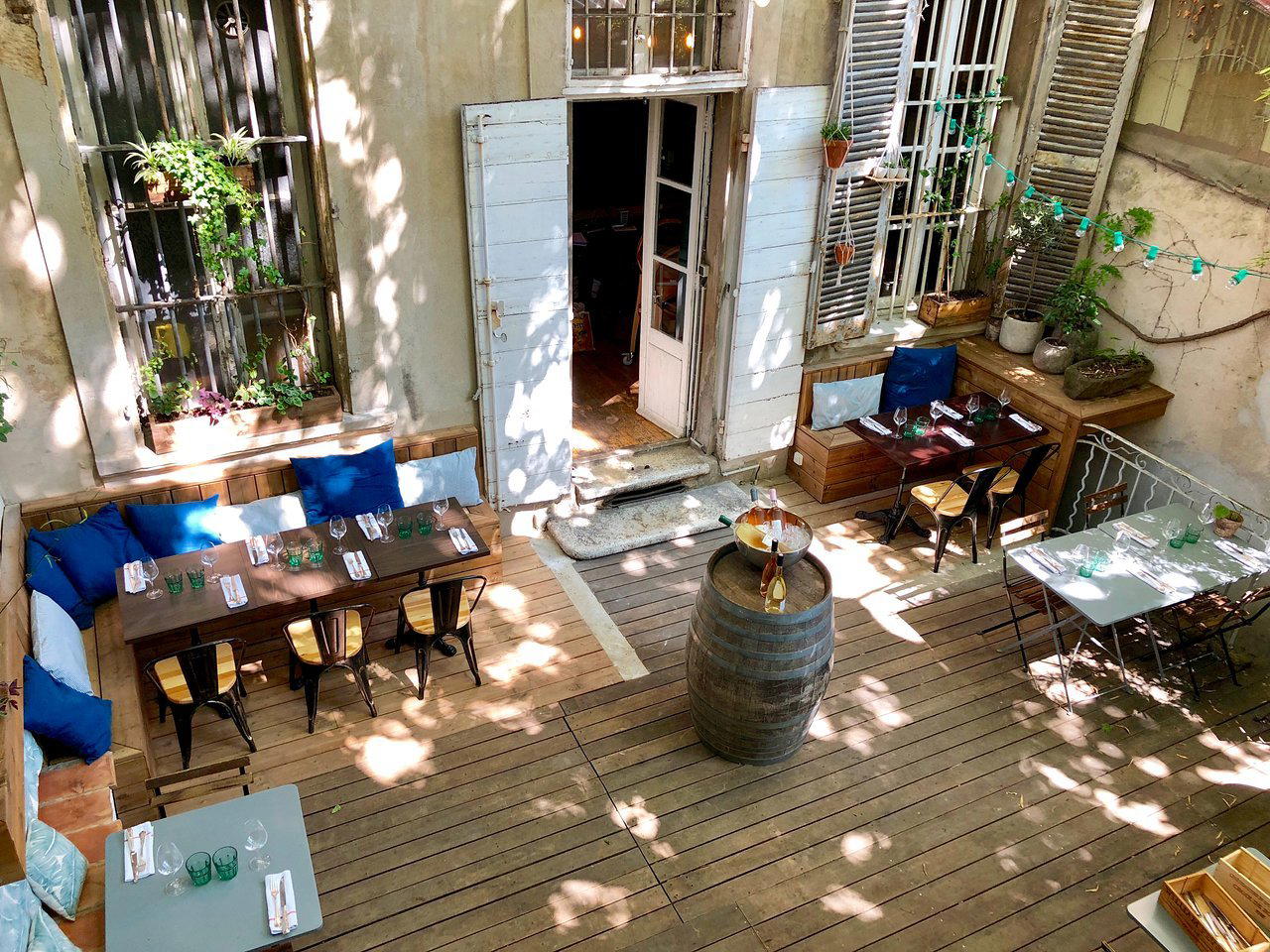
Warm and bubbly with twinkly lights and green plants creating a welcoming atmosphere.