On Rue d'Aubagne in central Marseille, Sauver occupies a street with deep roots in the city's North African and Provençal food culture. The address places it inside a neighbourhood that has been reshaping Marseille's restaurant conversation from the ground up, where the emphasis falls less on formal dining rooms and more on precision at close quarters. Sauver is worth tracking as that shift accelerates.
Pearl is the En Primeur Club membership app — saves, bookings, and concierge access live there. Same editors, same standards.
- Address
- 10 Rue d'Aubagne, 13001 Marseille, France
- Phone
- +33 4 91 54 33 96
- Website
- chezsauveurpizzeria.fr
- Directions
- Get directions
 Saves & bookings on Pearl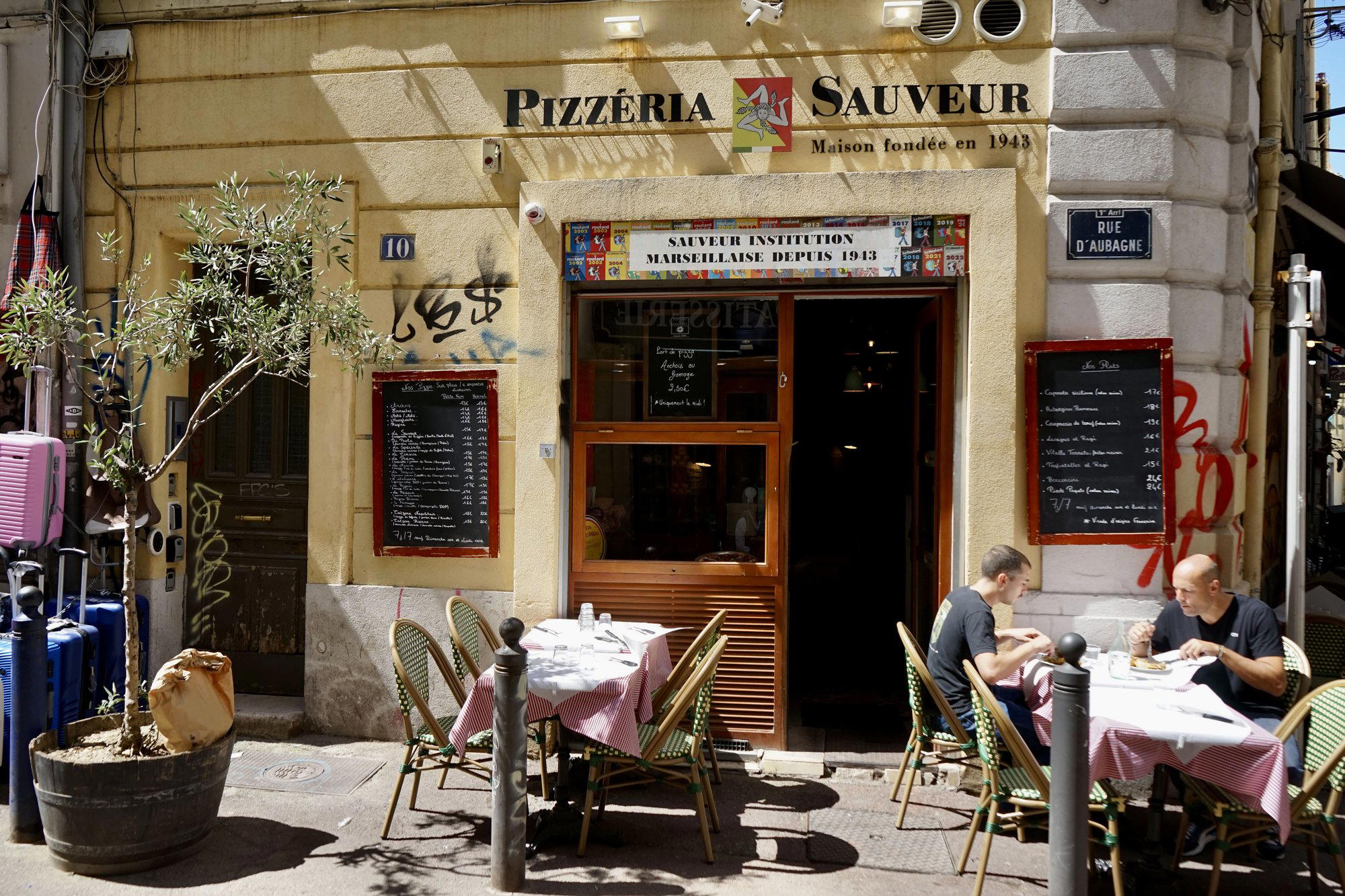
Rue d'Aubagne and the Dining Shift It Represents
Marseille's restaurant scene has long been defined by its extremes: the grand bouillabaisse institutions along the Vallon des Auffes and the Corniche, and the tight, informal tables of the Noailles and Belsunce quartiers where North African, Armenian, and Provençal cooking overlap at the edges. What has changed in the past several years is the emergence of a middle register, a set of addresses that operate with serious technical intent but without the ceremony and price architecture of the city's established fine-dining tier. Sauver, at 10 Rue d'Aubagne in the 1st arrondissement, sits inside that shift.
Rue d'Aubagne itself carries weight in Marseille's food geography. The street and its immediate surroundings form one of the city's most compressed eating corridors, where spice merchants, covered market stalls, and neighbourhood restaurants operate at high density and low pretension. That context matters for how a restaurant like Sauver is read by local diners: the address signals an intentional choice to engage with the city's working food culture rather than distance from it.
Where Sauver Sits in Marseille's Competitive Set
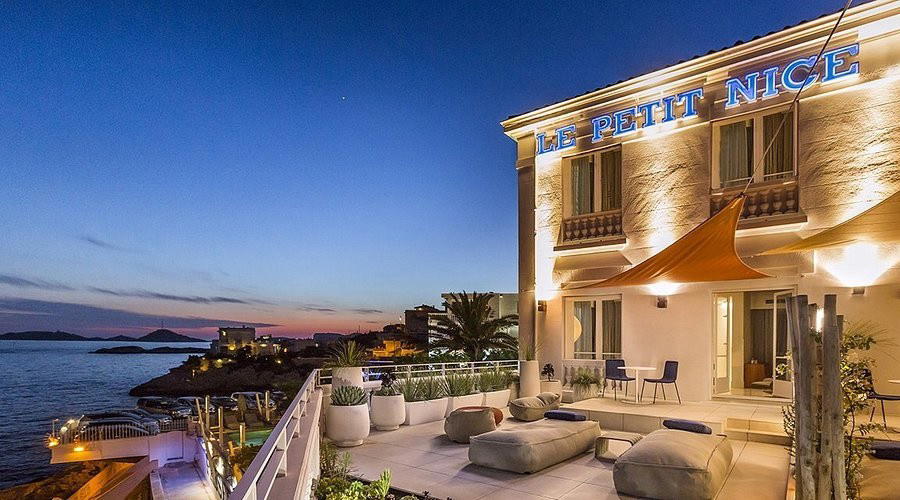
Marseille now carries a more varied portfolio of serious cooking than its reputation outside France typically suggests. At the summit of the price and recognition scale, AM par Alexandre Mazzia operates a three-Michelin-star creative format that has drawn international attention since the late 2010s, while Le Petit Nice holds its position as a seafood institution above the Malmousque cove. Both are €€€€ tier and function as destination restaurants in the classic sense, drawing visitors who plan their Marseille trip partly around a reservation.
Below that tier, Une Table, au Sud and Belle de Mars represent the modern-cuisine bracket that takes Provençal and Mediterranean ingredients seriously without the full apparatus of tasting-menu formality. Alivetu applies Mediterranean focus with a lighter structural hand. Sauver operates in proximity to this cohort rather than the starred tier, which positions it as a restaurant where the food is the primary argument and the surrounding signals, room size, table count, booking lead time, are secondary indicators of seriousness.
The Service Architecture Behind Collaborative Dining
Across France's mid-tier serious restaurants, one consistent differentiator between forgettable and memorable meals is rarely the kitchen alone. It is the degree to which the front-of-house team and the kitchen operate as a coordinated unit rather than two separate departments managing adjacent tasks. In smaller rooms, that integration is easier to achieve and harder to fake: the server who cannot describe the provenance of a dish or the logic of a wine pairing is immediately visible when the room seats thirty rather than three hundred.
This dynamic is particularly relevant on Rue d'Aubagne, where Sauver works within a neighbourhood that does not automatically generate the kind of diner who expects formal service instruction. Building a coherent service culture in that context requires active team alignment rather than the default codes of a traditional fine-dining room. The result, when it works, is a service style that reads as knowledgeable and direct rather than scripted and hierarchical, a register that suits Marseille's general preference for substance over formality.
The sommelier role in a restaurant of this type carries particular weight. Marseille sits at the geographic and cultural intersection of Provence, the Rhône Valley, Corsica, and the broader Mediterranean wine belt, which means a thoughtful wine list at this address has access to a genuinely distinctive regional offer rather than a generic French cellar. How that selection is communicated at the table matters as much as what is in the cellar.
Marseille as a Dining City: The Broader Context
France's highest-profile restaurant addresses cluster predictably: Paris dominates the international conversation, with houses like Alléno Paris au Pavillon Ledoyen setting the benchmark for classical ambition, while regional landmarks such as Mirazur in Menton, Flocons de Sel in Megève, Troisgros in Ouches, Bras in Laguiole, and the enduring institution of Paul Bocuse in Collonges-au-Mont-d'Or anchor their respective territories. Internationally, the collaborative tasting format has been pushed hard by restaurants like Atomix in New York, where the boundary between kitchen and dining room is deliberately porous, and the seafood precision of Le Bernardin continues to set a technical standard.
Marseille's contribution to that conversation has historically been about raw material quality and tradition rather than technique. The city's fish market, the Marché des Capucins, and the surrounding Noailles market give any serious cook access to produce that most European cities cannot source at equivalent freshness. The question for restaurants in Sauver's bracket is whether that material advantage is being translated into cooking that justifies a deliberate reservation rather than a passing visit.
Quick Comparison
Comparable venues nearby, for context on price, style, and recognition.
| Venue | Cuisine | Price | Notes |
|---|---|---|---|
| SauverThis venue — the venue you are viewing | Classic Italian Pizzeria | $$ | Not listed |
| LA BELLA PIZZA | Authentic Wood-Fired Neapolitan Pizza | $$ | Notre Dame Du Mont |
| Delici'Oz | Italian Pizza & Focaccia | $ | Chateau-Gombert |
| La Cantinetta | Italian Trattoria | $$ | Thiers |
| Panpanzerotti | Italian Street Food - Panzerotti | $ | Prefecture |
| Fioupelan | Provençal Brasserie | $$ | Hotel De Ville |
Continue exploring
More in Marseille
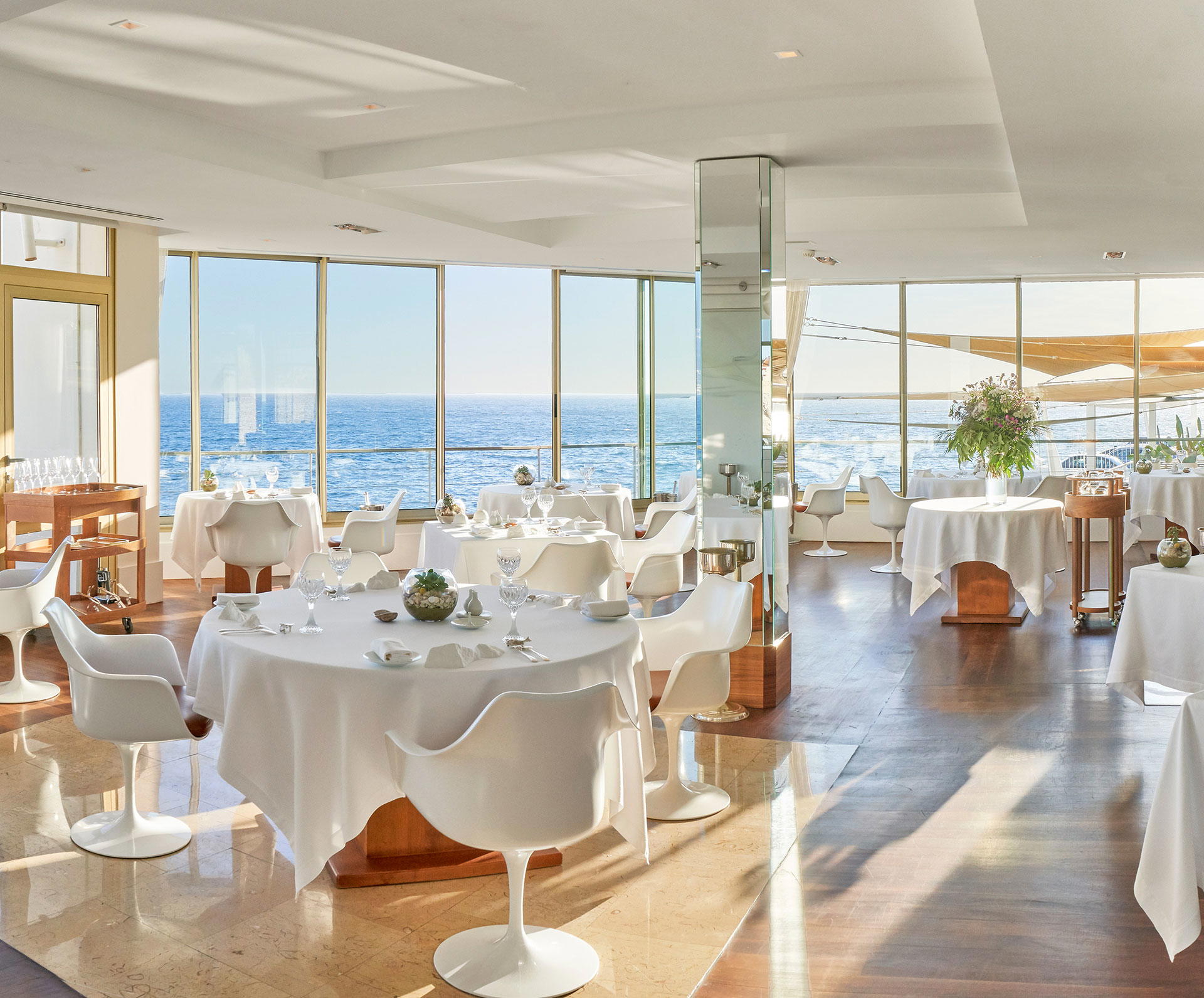
Restaurants in Marseille
Browse all →
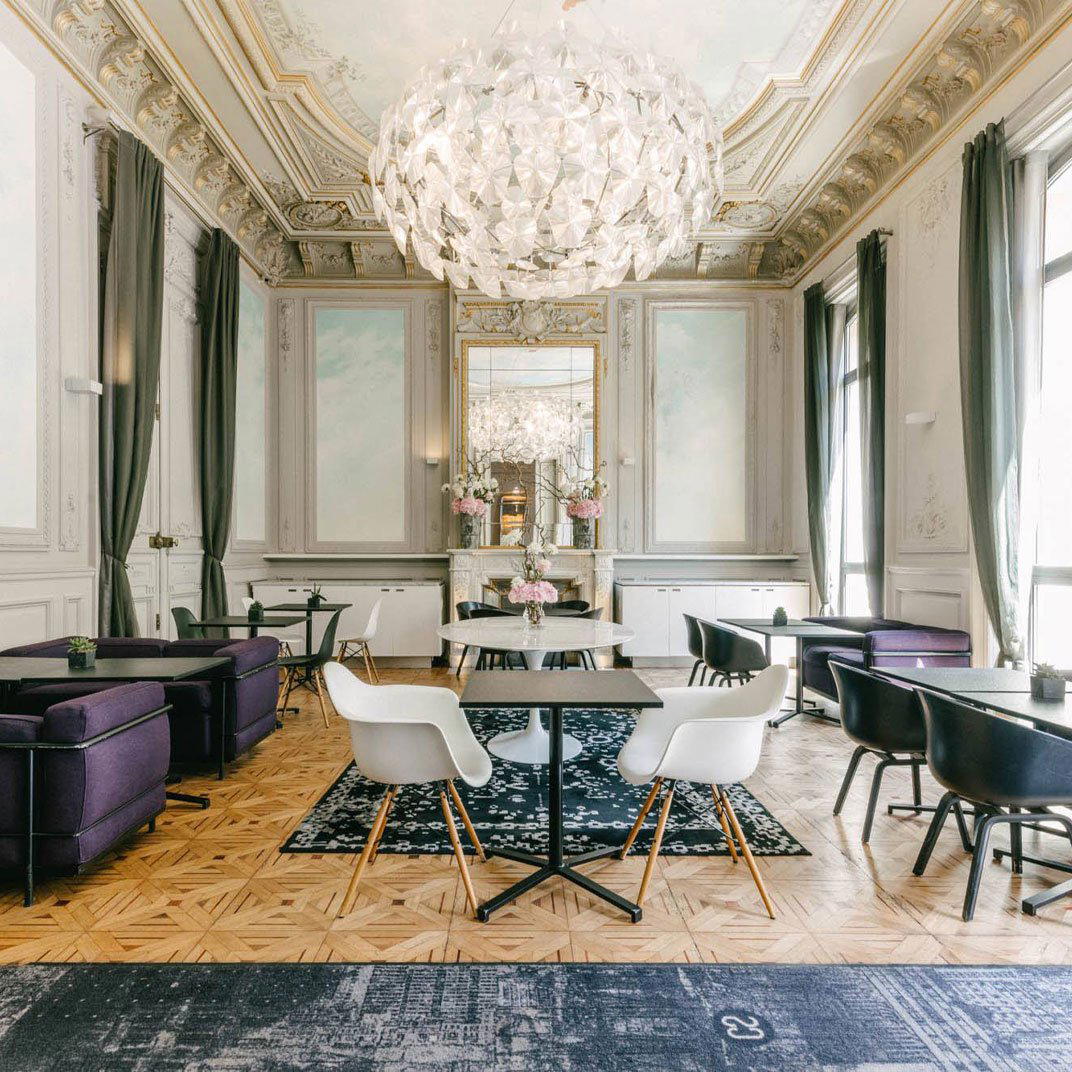
Bars in Marseille
Browse all →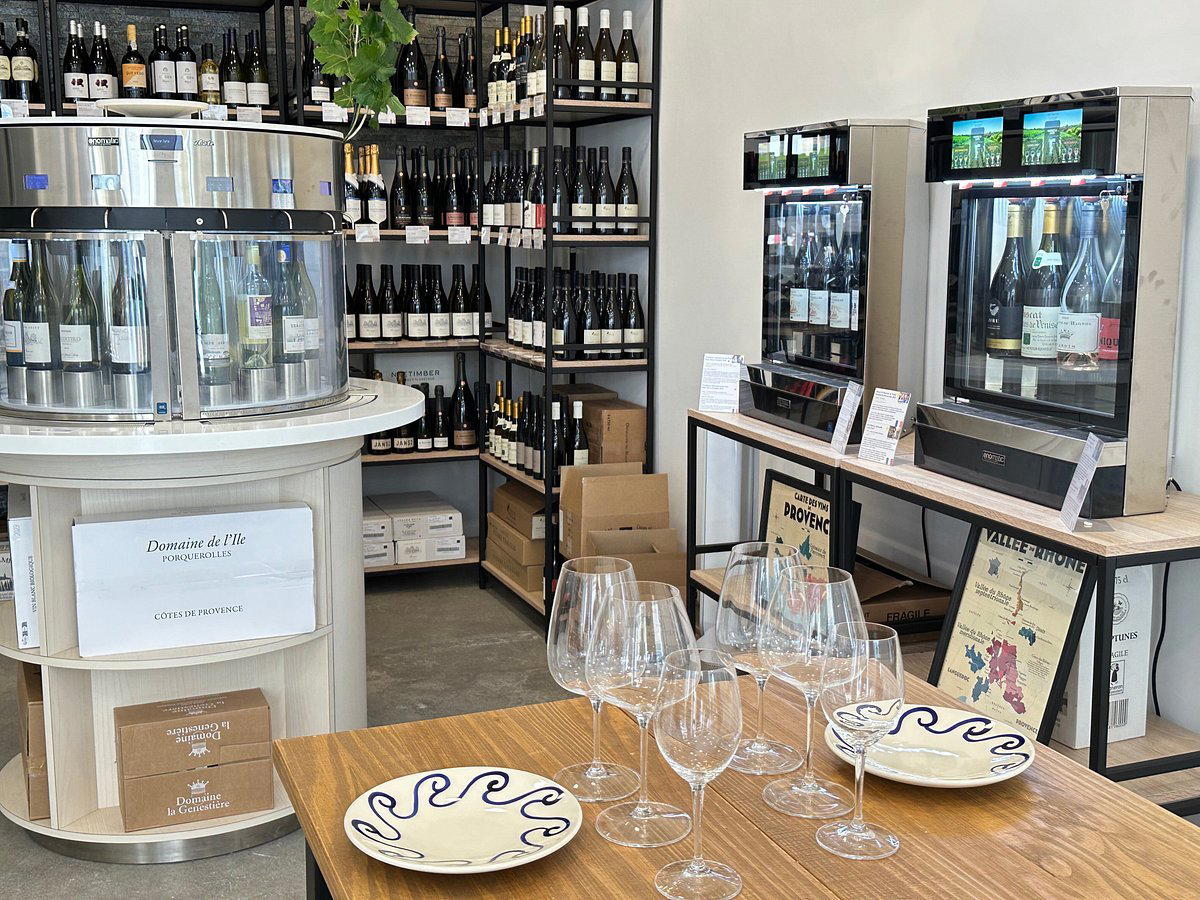
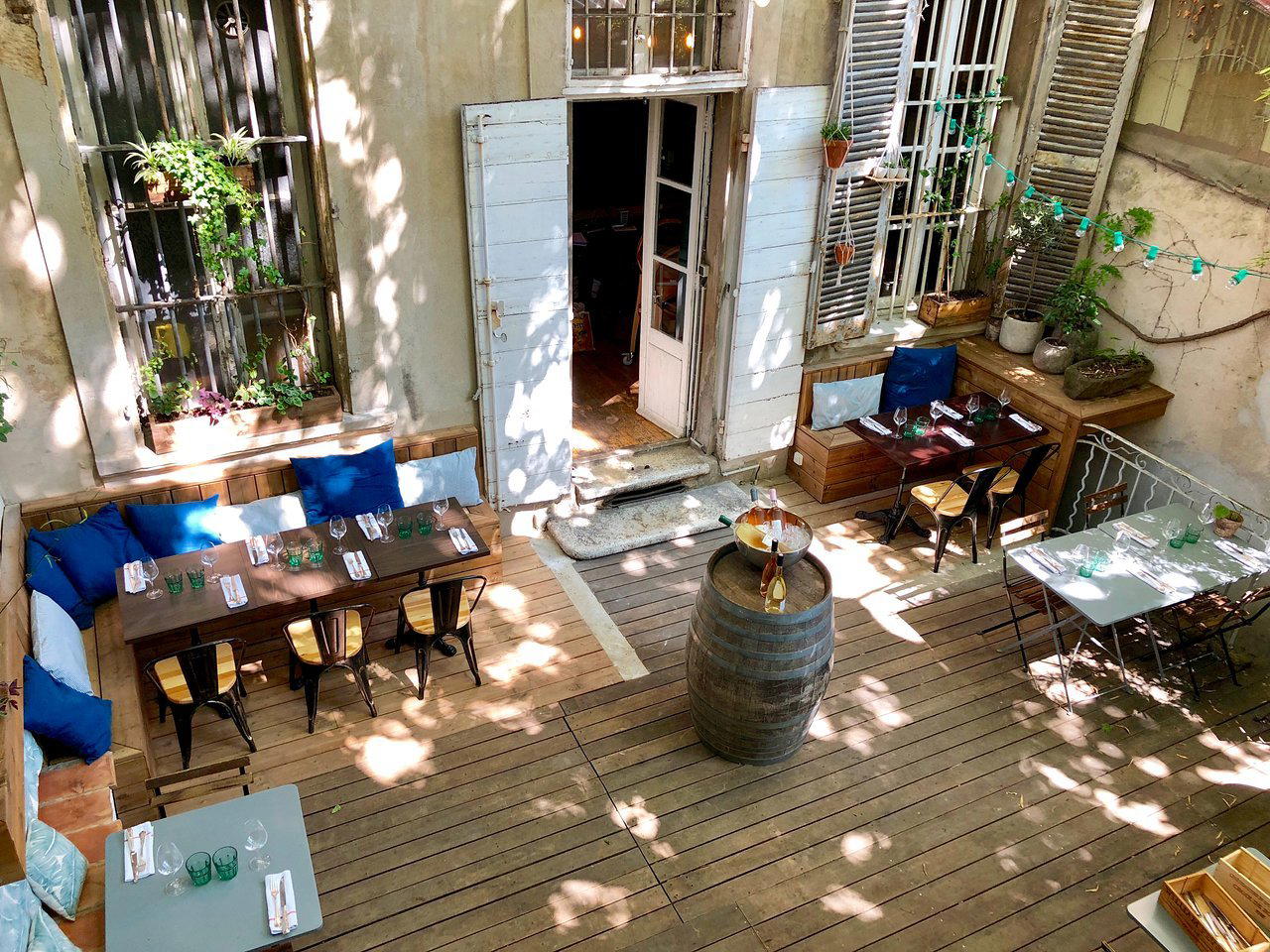
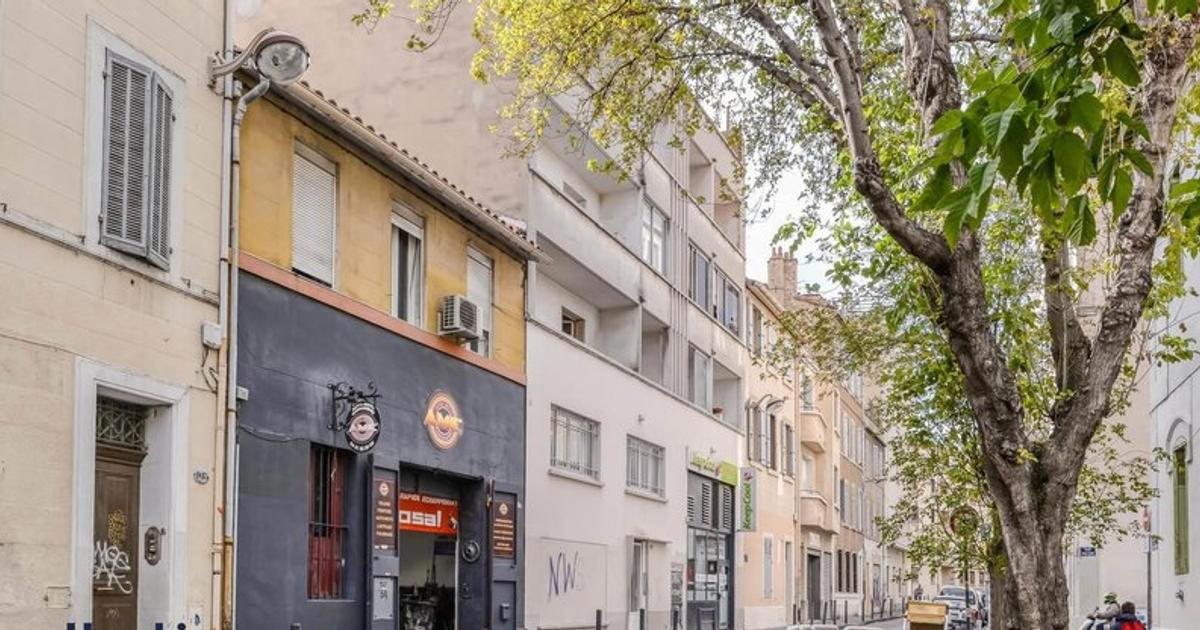
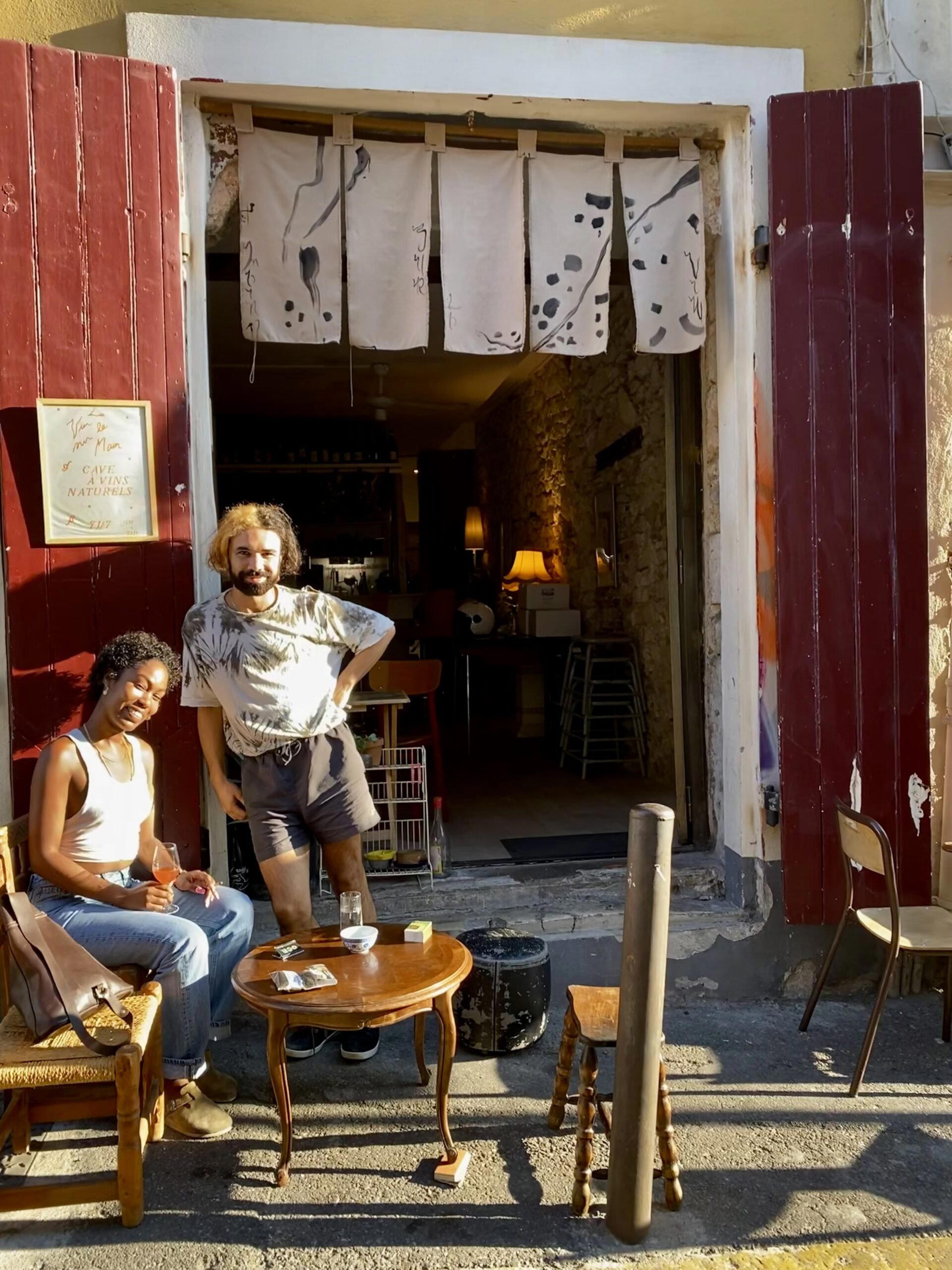
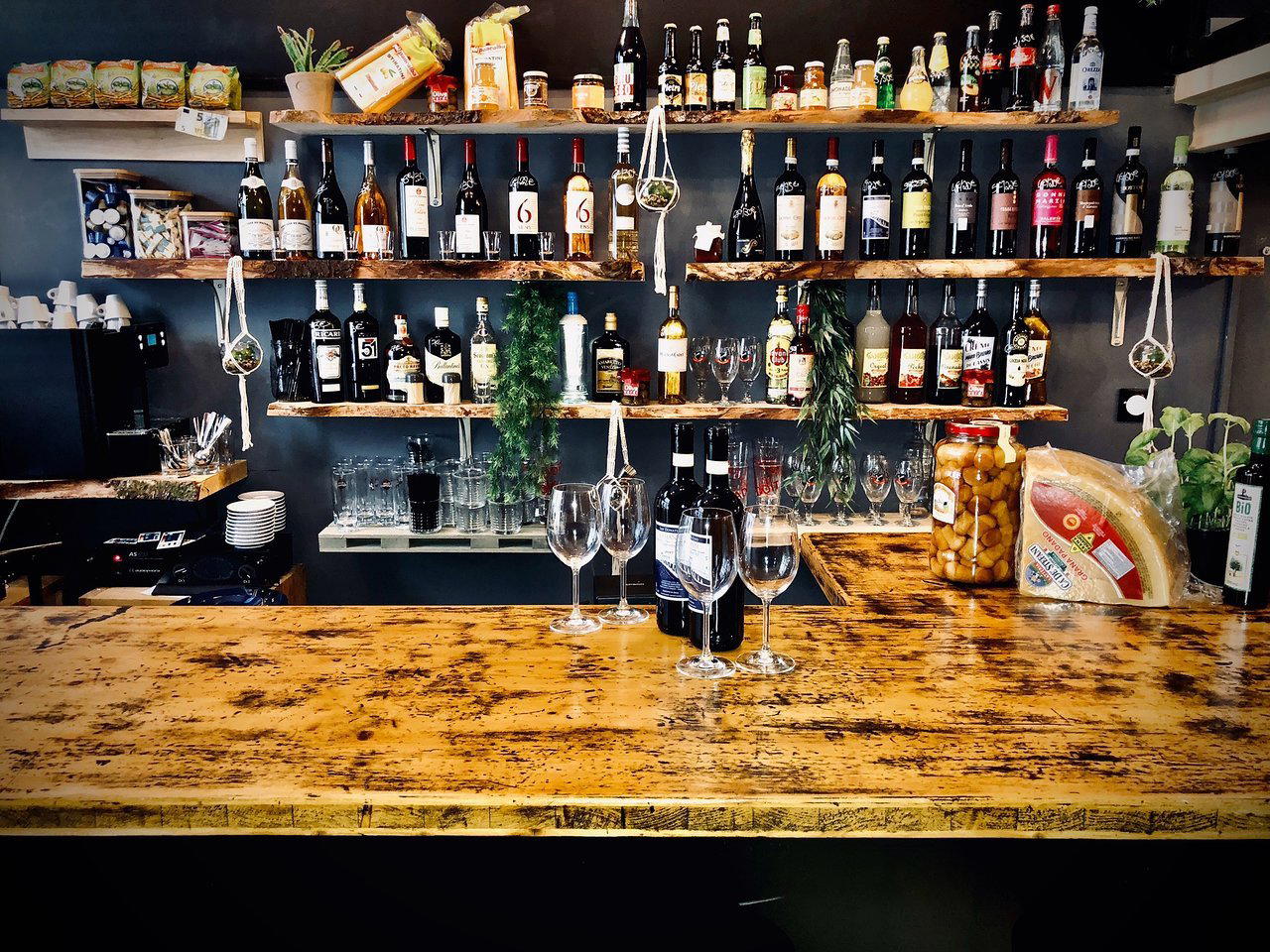
Hotels in Marseille
Browse all →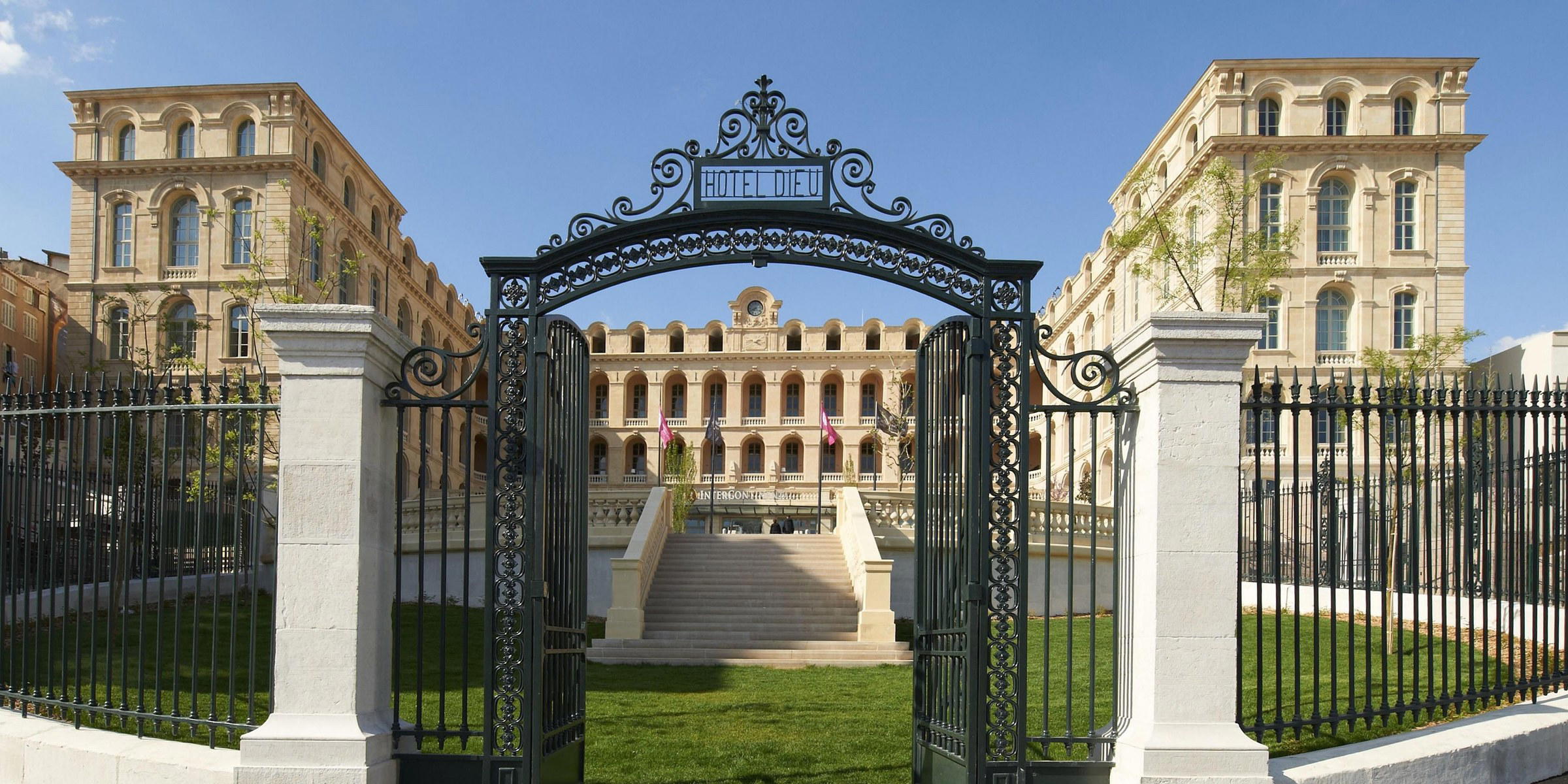
At a Glance
- Classic
- Well Known
- Casual Hangout
- Family
- Standalone
Current opening hours
- Monday
- Closed
- Tuesday
- 12–2 PM, 7–10 PM
- Wednesday
- 12–2 PM, 7–10 PM
- Thursday
- 9 AM–2 PM, 7–10 PM
- Friday
- 12–2 PM, 7–10 PM
- Saturday
- 12–2:30 PM, 7–10 PM
- Sunday
- Closed
Hours can change for holidays and private events. Last verified .
Casual and welcoming institution with a popular, lively atmosphere in a historic setting.