On the Avenue du Prado, Emile 1933 carries a date in its name that positions it firmly within Marseille's long tradition of market-driven southern cooking. The restaurant draws on Provence's supply chain, coastal catches, inland producers, and the rhythms of the Vieux-Port wholesale markets, to anchor a menu that reads as a document of the region rather than a showcase for individual technique.
Pearl is the En Primeur Club membership app — saves, bookings, and concierge access live there. Same editors, same standards.
- Address
- 279 Av. du Prado, 13008 Marseille, France
- Phone
- +33634599082
- Directions
- Get directions
 Saves & bookings on Pearl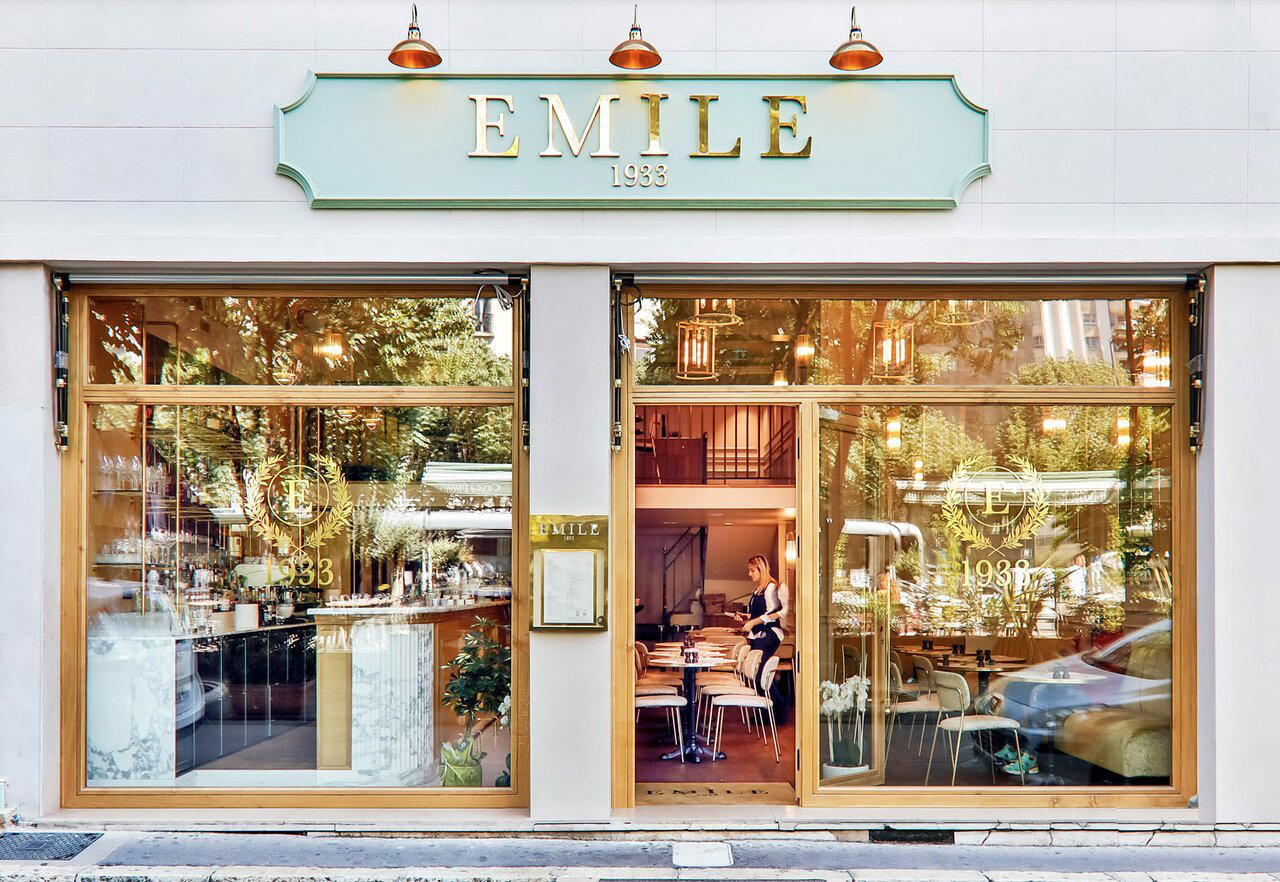
Avenue du Prado and the Weight of a Year
Marseille's 8th arrondissement sits at a remove from the theatrical chaos of the Vieux-Port, and the Avenue du Prado corridor carries a different register entirely. The boulevard is wide, lined with plane trees that filter the afternoon light in summer and strip back to bare architecture by November. Restaurants here tend to serve a local clientele rather than the tourist circuits concentrated around the ferry terminals. Emile 1933, at number 279, arrives in that context: a room shaped by neighbourhood rather than destination footfall, with a name that announces both a founding moment and a set of responsibilities that come with it.
The name points to a long local history in Marseille. A restaurant that invokes that date is staking a claim about continuity with a supply-chain tradition, not just a decorative nod to heritage.
Southern Provence's Supply Chain as a Menu Argument
The ingredient logic of Marseille's serious kitchens operates along two axes. The first is the sea: the Mediterranean off the Côte Bleue and around the Calanques produces rouget, loup de mer, daurade, and the assemblage of small rockfish that underpin bouillabaisse. The second is the land corridor running north through the Bouches-du-Rhône toward the Luberon and the Alpilles, where market gardeners, herb growers, and small livestock operations feed what Marseille's kitchens put on the plate.
Restaurants that commit to this geography produce menus that shift visibly with the season. Spring brings artichokes from Roussillon and asparagus from the Var; summer loads the kitchen with courgettes, aubergines, and tomatoes that require almost no intervention to be worth eating; autumn introduces wild mushrooms from the Sainte-Baume massif and the first coastal fish of the cooler season. A menu built on that sourcing logic looks different in February than it does in August, and that variance is the editorial point, not a problem to be managed.
Emile 1933's address on the Prado places it in easy reach of the Marché du Prado, one of the city's working produce markets, a logistical proximity that matters more than it might appear. Kitchens that source locally need the infrastructure to do so repeatedly and at scale. The 13008 postal district is not the 13001 tourist core, which means the restaurant operates closer to the supply than to the demand side of Marseille's food economy.
Where Emile 1933 Sits in Marseille's Dining Tier
Marseille's restaurant market has stratified sharply over the past decade. At the upper bracket, AM par Alexandre Mazzia and Le Petit Nice operate in the Michelin three-star tier, with pricing and formality to match. Une Table, au Sud holds a Michelin star and positions in the contemporary bistronomy register. Below that, a cluster of neighbourhood-anchored addresses, including Alivetu and 1860 Le Palais, serve local regulars with shorter, market-responsive menus and less ceremony.
The restaurant's identity, anchored to a founding date and a Prado address, places it in the tradition-forward segment of that middle tier: restaurants that earn credibility through longevity and sourcing discipline rather than through star accumulation or chef personality. That is a coherent competitive position in a city where provenance-focused cooking has deep roots and where a table's relationship with its suppliers carries genuine weight with local diners.
The broader French context reinforces this point. Institutions built on regional sourcing and long operational histories, from Auberge de l'Ill in Illhaeusern to Bras in Laguiole to Les Prés d'Eugénie - Michel Guérard in Eugénie-les-Bains, share the characteristic of operating as repositories of regional knowledge rather than as stages for individual creativity. The restaurant operates in that tradition at a more accessible register. Further afield, La Table du Castellet in Le Castellet demonstrates how Provence's Var department anchors similar sourcing logic to fine-dining format; Mirazur in Menton and Flocons de Sel in Megève show how French restaurants at the summit of their regional tier can sustain global relevance through place-specific sourcing.
The Bouillabaisse Question
No serious consideration of a Marseille restaurant operating since the 1930s can avoid the bouillabaisse question. The dish has a charter, the Charte de la Bouillabaisse Marseillaise, governing which fish species qualify (rascasse, grondin, saint-pierre, congre, and others), the order of service, and the rouille preparation. Restaurants that serve a version not compliant with the charter are making a different dish, whatever they call it. Restaurants that do comply are committing to a sourcing and preparation logic that is time-consuming and expensive.
The dish is a useful diagnostic for any traditional Marseille kitchen: it reveals how seriously a restaurant treats its relationship with local fishermen, how willing it is to absorb the cost of compliant species, and whether it views the historical recipe as a floor or a ceiling. That diagnostic applies to the restaurant as a founding-era restaurant in a city where the bouillabaisse tradition is both a point of civic pride and a genuine technical discipline.
Planning a Visit
The restaurant is located at 279 Avenue du Prado in the 13008 district. Reservations are recommended.
Comparable Spots
Comparable venues nearby, for context on price, style, and recognition.
| Venue | Cuisine | Price | Notes |
|---|---|---|---|
| Emile 1933This venue — the venue you are viewing | Classic French Brasserie | $$ | Not listed |
| Coquetel Club | French Cocktail Bar with Boards | $$ | Castellane |
| Caterine | Modern Mediterranean French Bistro | $$ | Notre Dame Du Mont |
| Café Vian | French Bistro | $$ | Thiers |
| Fioupelan | Provençal Brasserie | $$ | Hotel De Ville |
| Bagnat | Pan Bagnat Sandwiches | $ | Saint Victor |
Continue exploring
More in Marseille
Restaurants in Marseille
Browse all →
Bars in Marseille
Browse all →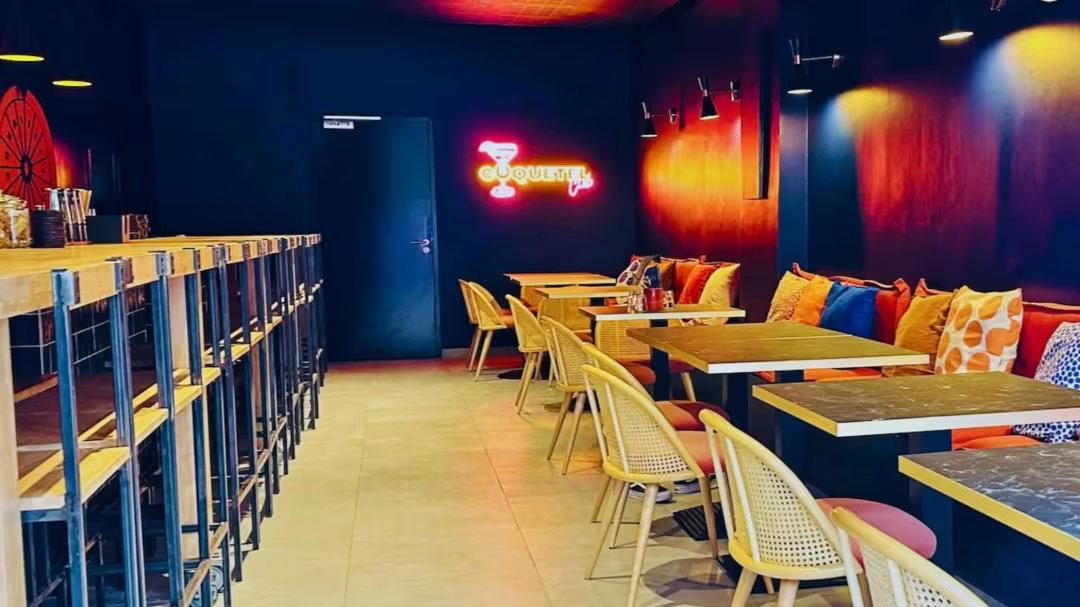
Hotels in Marseille
Browse all →
At a Glance
- Classic
- Elegant
- Cozy
- Lunch
- Dinner
- Live Music
- Extensive Wine List
Current opening hours
- Monday
- 7 AM–9 PM
- Tuesday
- 7 AM–9 PM
- Wednesday
- 7 AM–9 PM
- Thursday
- 7 AM–9 PM
- Friday
- 7 AM–9 PM
- Saturday
- 7 AM–9 PM
- Sunday
- Closed
Hours can change for holidays and private events. Last verified .
Elegant and refined with vintage wood-panelled interior evoking a classic Parisian bistro.