L'Express

L'Express at 249 Park Avenue South occupies a corner of Flatiron that New Yorkers have claimed as a reliable French brasserie address for years. The format is deliberate and familiar: a zinc-accented room, a menu calibrated to the rhythms of the neighbourhood, and a clientele that returns on instinct rather than occasion. For visitors, it offers a window into how Manhattan's more settled dining culture actually operates day to day.
Pearl is the En Primeur Club membership app — saves, bookings, and concierge access live there. Same editors, same standards.
- Address
- 249 Park Ave S, New York, NY 10003
- Phone
- +12122545858
- Website
- lexpressnyc.com
- Directions
- Get directions
 Saves & bookings on Pearl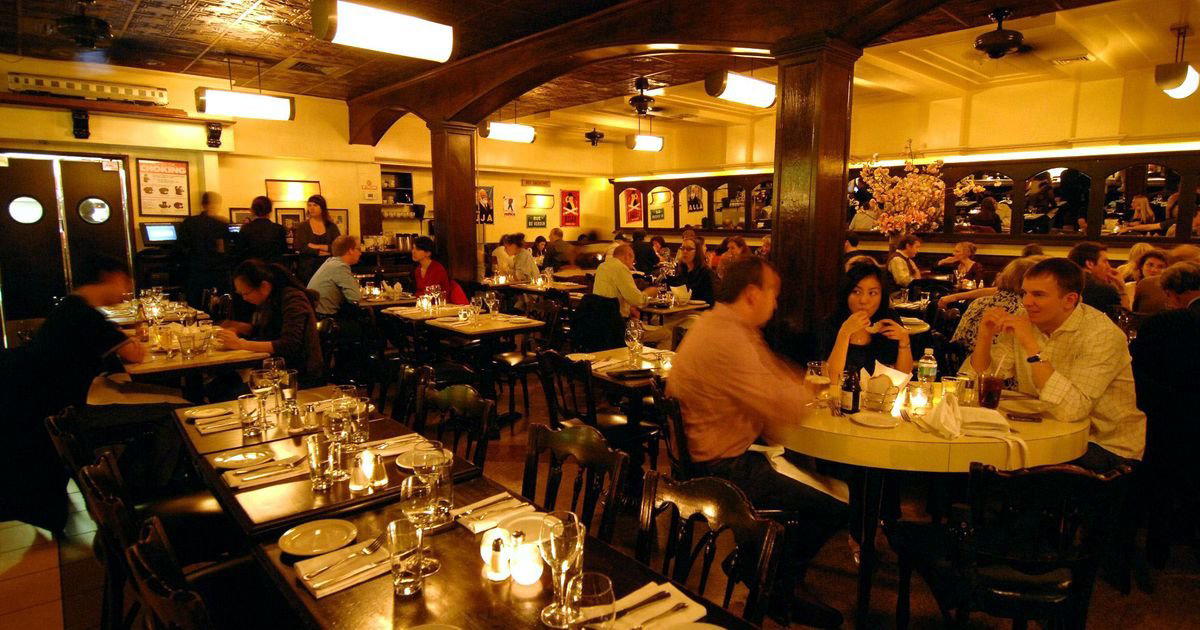
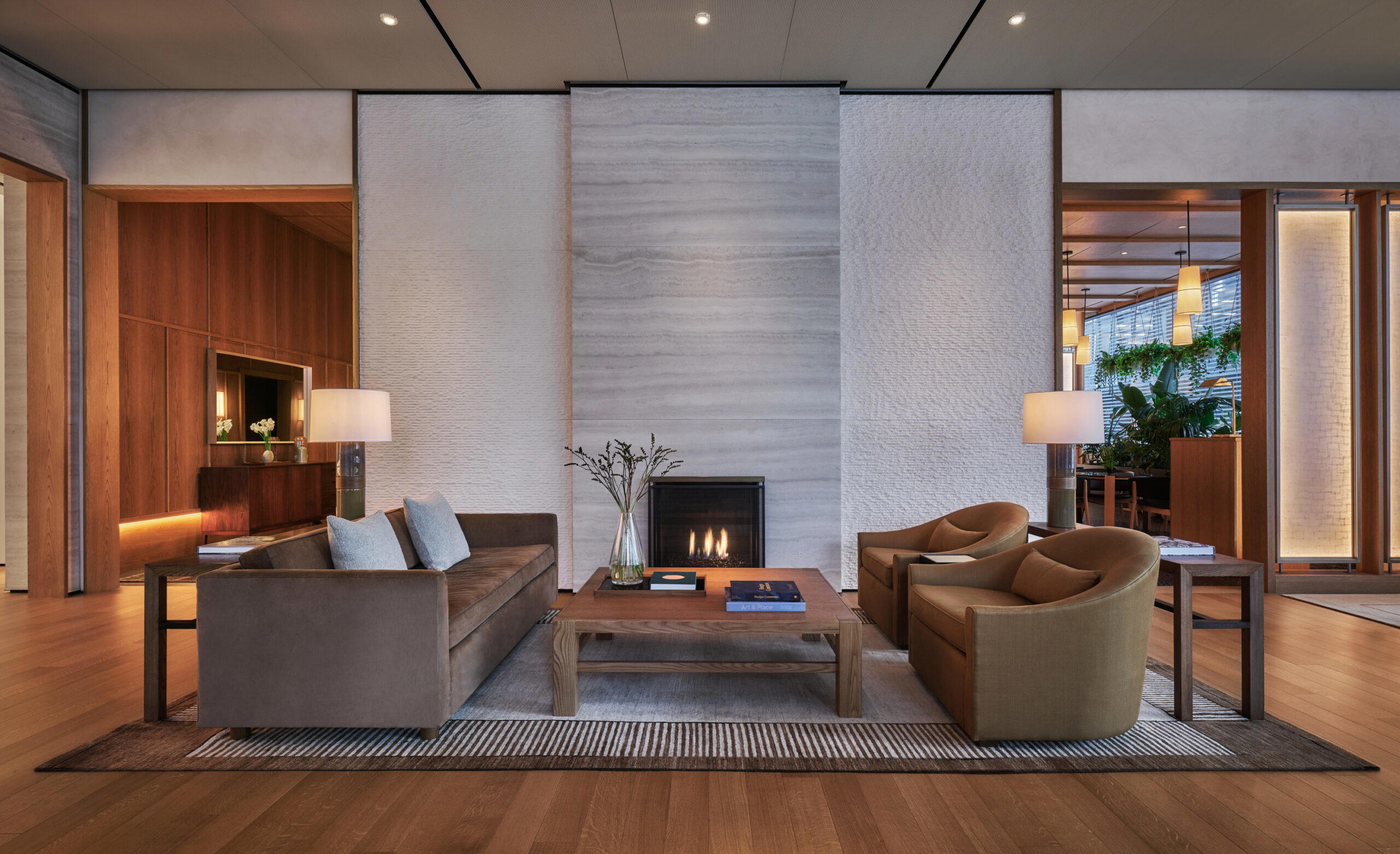
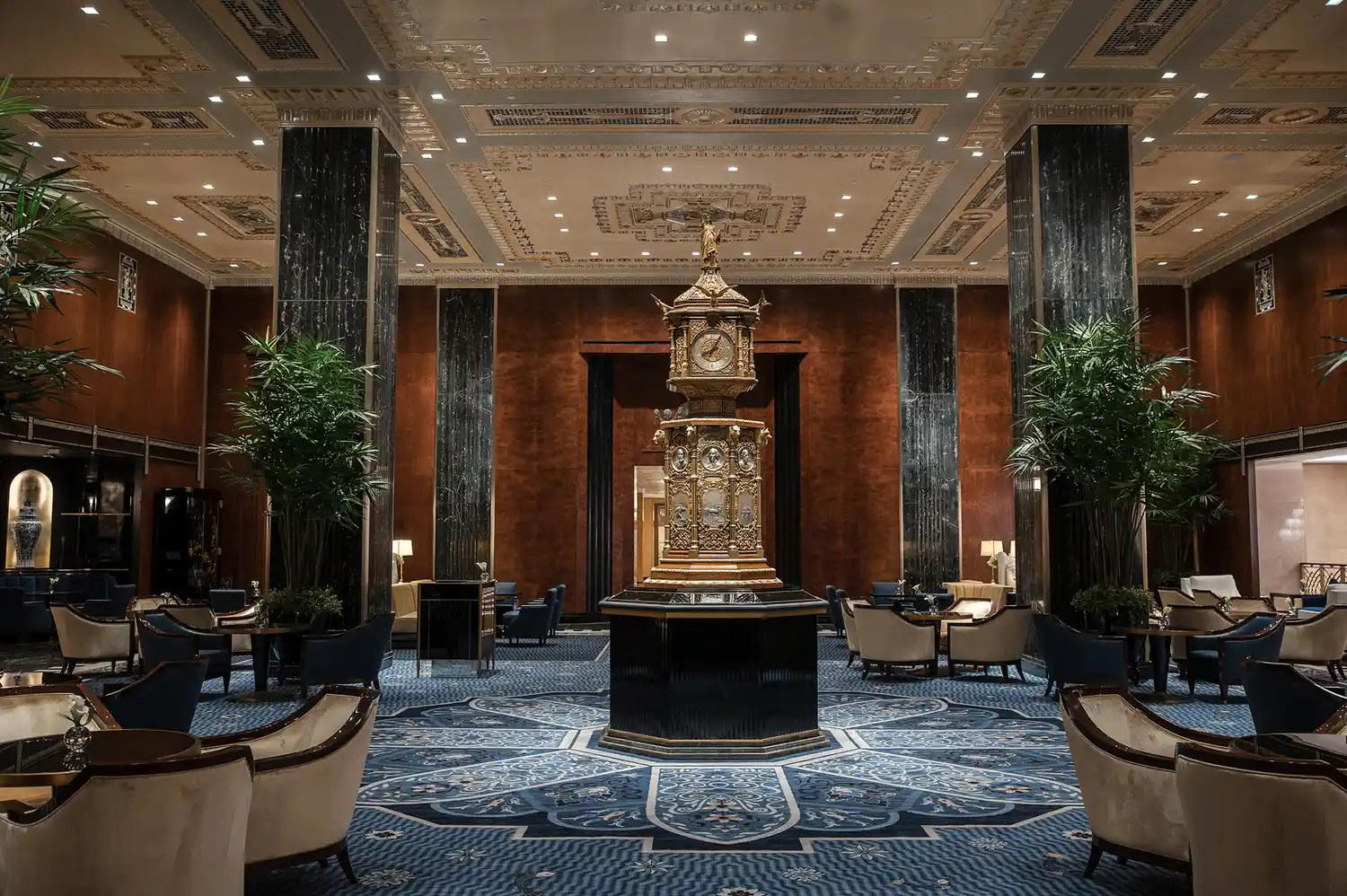
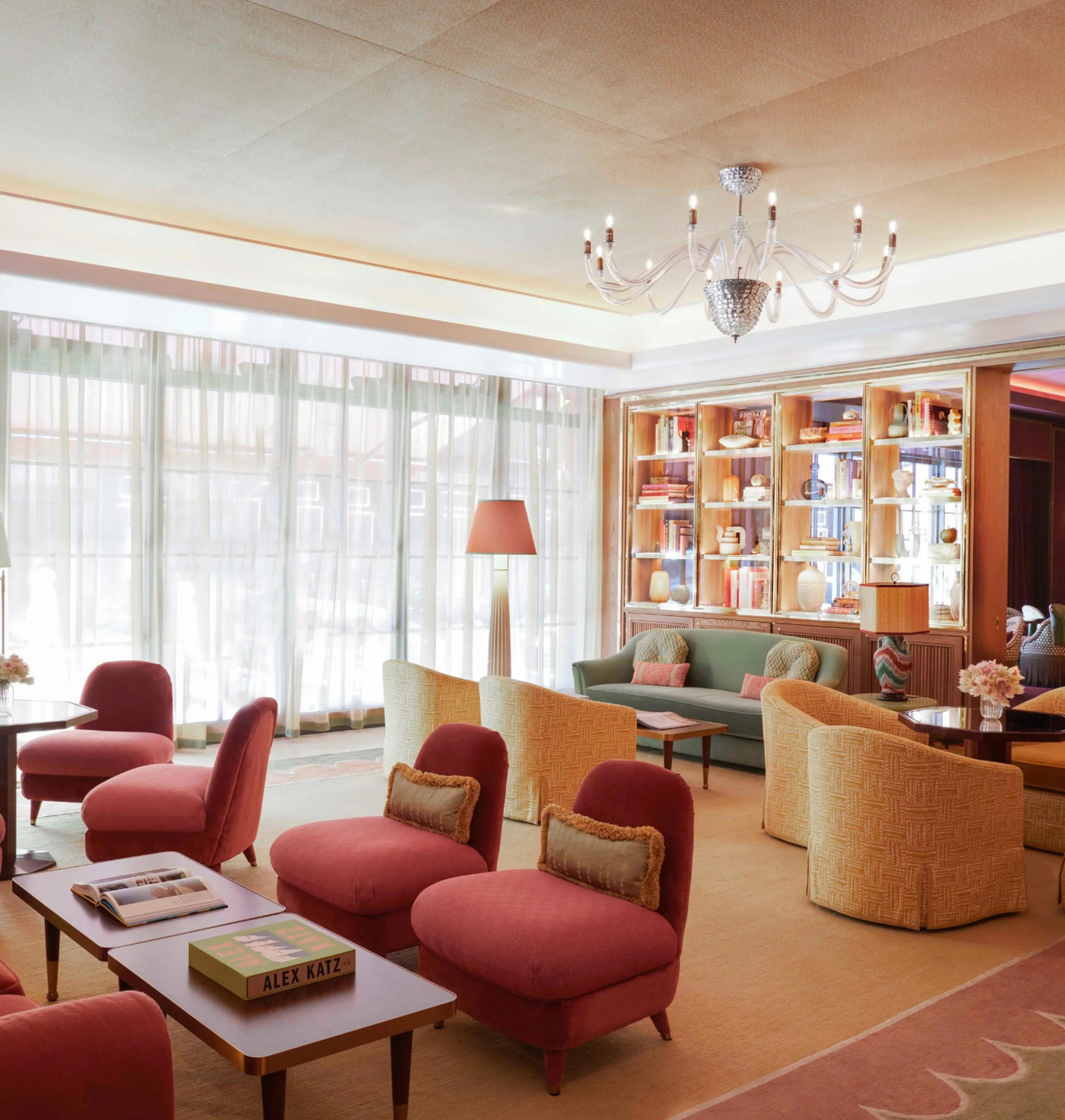
The room at L'Express, at 249 Park Ave S, has banquette seating, tight table spacing, and lighting that works for both a Tuesday dinner and a late-night glass of wine. The space reads less like a stage set than a fixture, and that distinction is exactly what has kept a consistent neighbourhood crowd returning for years.
The French Brasserie Format in a New York Context
The brasserie model occupies a specific niche in New York's dining order. It sits below the formal French dining tier, the $$$$ rooms like Le Bernardin and Per Se, where tasting menus and white-tablecloth precision define the evening, and above the casual bistro format that competes primarily on price. The brasserie earns its position through consistency and range: the menu is long enough that regulars can order differently across fifty visits, and the kitchen runs across a span of hours that most of those formal rooms cannot match. In a city where the late-night dining infrastructure has thinned considerably since the pandemic, any address that maintains broad hours earns a structural advantage.
L'Express has historically operated in this mode: a menu calibrated to neighbourhood need rather than trend, and hours that accommodate the full arc of a day. For the Flatiron resident or the office worker whose day runs long, that reliability carries real weight. It is the kind of place that ends up in a regular rotation not through any single transcendent meal but through the accumulation of reliable visits. The French bistro staples, steak frites, soupe à l'oignon, croque variations, moules depending on the season, form the core of what returns people. Across the American dining map, formats built on this model of disciplined repetition have shown staying power: Emeril's in New Orleans and Bacchanalia in Atlanta demonstrate how deeply embedded venue-neighbourhood relationships outlast trend cycles.
What Keeps Regulars Returning
The regulars' relationship with a brasserie like this operates on a different logic than the relationship diners form with destination restaurants. At a tasting-menu counter, say, Atomix or Jungsik New York on the Korean fine dining side, or Masa at the extreme end of the Japanese omakase tier, a visit is a discrete event, planned and anticipated. At a neighbourhood brasserie, the relationship is cumulative and largely unplanned. You know what you want before you sit down. You know roughly how long it will take. You know where you prefer to sit. These are not trivial satisfactions in a city as operationally demanding as New York.
The unwritten menu at a place like L'Express is assembled visit by visit: the dish that worked better than expected on a cold night, the section of the wine list that offers the return on price, the hour at which the room shifts from dinner pace to late-night ease. It accumulates in the knowledge of the regular, and it constitutes the real product the restaurant is selling. When places in this category close, what disappears is not just the food but that accumulated institutional knowledge held in the bodies of the people who used the room.
Flatiron's Dining Character
Neighbourhood itself rewards this kind of consistent operation. Flatiron runs hotter on lunch and after-work traffic than on destination dining evenings, which creates a different demand profile than, say, the West Village or the Upper East Side. Offices, agencies, and the residential blocks that have grown denser around Madison Square Park all feed into a lunchtime and early-dinner market that values speed and reliability alongside quality. The brasserie format, which can run from croissants and café au lait at one end to a proper three-course dinner at the other, maps well onto that demand. It is a format that has proven durable across cities and decades: Blue Hill at Stone Barns in Tarrytown and Single Thread Farm in Healdsburg represent the farm-anchored end of American dining ambition; the restaurant represents the urban end of the same durability principle, rooted in neighbourhood function rather than destination spectacle.
Across American fine dining, the venues that sustain long-term cultural weight tend to fall into one of two categories: those that push the format aggressively, Alinea in Chicago, Lazy Bear in San Francisco, The French Laundry in Napa, Providence in Los Angeles, Addison in San Diego, The Inn at Little Washington, and those that well-suited a dependable format and refuse to move. The restaurant belongs to the second category. The strategic logic is sound: in a city where novelty generates press but consistency generates income, a brasserie with an established clientele and a functional room is not at risk of being displaced by a new tasting menu two blocks away. The competitive sets are different.
How to Use This Restaurant
The restaurant reads leading as a neighbourhood anchor rather than an occasion restaurant. It suits the reader who wants a reliable French brasserie in Flatiron without the formality or price of the white-tablecloth tier. For visitors to New York City looking for a broader sense of where the city's dining sits, the city's restaurants span casual to formal, including Korean, Japanese, and French rooms that define its fine dining identity. For those calibrating expectations against the international field, the benchmark brasseries of Europe, from Alain Ducasse's Louis XV in Monte Carlo to 8½ Otto e Mezzo Bombana in Hong Kong, operate in a different formal tier entirely. The restaurant is not competing there. It is competing to be the place you walk into without a reservation on a Wednesday, sit without ceremony, eat without drama, and leave satisfied enough to return the following week.
Quick reference: the restaurant, 249 Park Ave S, New York, NY 10003.
Cuisine and Credentials
Comparable venues nearby, for context on price, style, and recognition.
| Venue | Cuisine | Price | Notes |
|---|---|---|---|
| L'ExpressThis venue — the venue you are viewing | Classic French Bistro | $$ | Not listed |
| Cafe Gitane | French-Moroccan Bistro | $$ | SoHo-Little Italy-Hudson Square |
| Chez Lucienne | French Bistro | $$ | Harlem (North) |
| Felix | Classic French Bistro | $$ | SoHo-Little Italy-Hudson Square |
| Paris Café | Classic French Brasserie | $$ | John F. Kennedy International Airport |
| From Lucie | French-Inspired Bakery | $$ | East Village |
Recognition history
Dated appearances from independent guides and award organizations, with the underlying list record or original source where available.
Wine Spectator Best of Award of Excellence
Wine Spectator
Continue exploring
More in New York City
Restaurants in New York City
Browse all →
Bars in New York City
Browse all →
Hotels in New York City
Browse all →






At a Glance
- Classic
- Well Known
- Lively
- Brunch
- Late Night
- Casual Hangout
- Standalone
- Extensive Wine List
- Local Sourcing
Current opening hours
- Monday
- 8 AM–12 AM
- Tuesday
- 8 AM–12 AM
- Wednesday
- 8 AM–1 AM
- Thursday
- 8 AM–1 AM
- Friday
- 8 AM–3 AM
- Saturday
- 9 AM–3 AM
- Sunday
- 9 AM–12 AM
Hours can change for holidays and private events. Last verified .