Felix
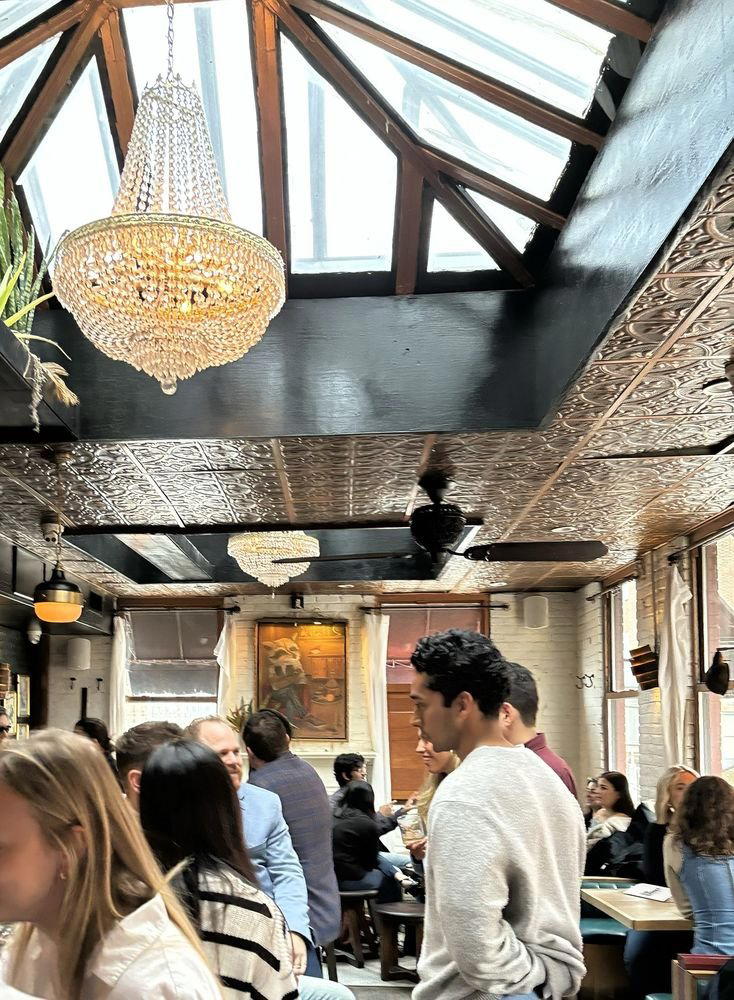
Felix occupies a corner of SoHo's Broadway that has long attracted a certain kind of regulars-over-tourists crowd. The menu architecture leans toward shared formats and accessible price points relative to the neighbourhood's more formal rooms, positioning it as a reliable neighbourhood anchor rather than a destination-dining exercise. For visitors working through New York City's mid-range European dining scene, it earns a place on the itinerary.
Pearl is the En Primeur Club membership app — saves, bookings, and concierge access live there. Same editors, same standards.
- Address
- 340 W Broadway, New York, NY 10013
- Phone
- +12124310021
- Website
- felixnyc.com
- Directions
- Get directions
 Saves & bookings on Pearl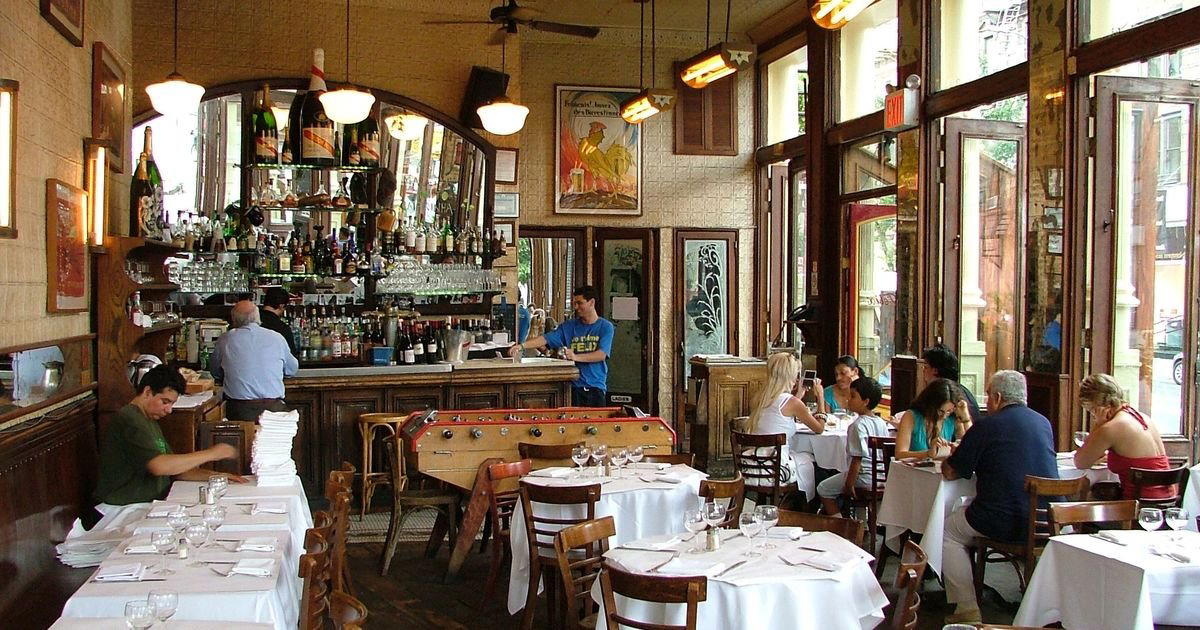
What SoHo's European Bistro Tier Looks Like in Practice
SoHo has always operated on two dining registers simultaneously: the high-visibility destination rooms drawing from across the five boroughs and beyond, and the neighbourhood anchors that keep the same tables filled on a Tuesday in February. Felix is a Classic French Bistro at 340 W Broadway, New York, NY 10013. That positioning is not a consolation prize. In a neighbourhood where the pressure to perform for out-of-towners is constant, a room that sustains a local repeat crowd is demonstrating something more durable than novelty.
The broader SoHo dining pattern rewards this kind of reading. The area's European-leaning bistros occupy a middle tier between the tasting-menu formality of rooms like Eleven Madison Park or Per Se and the fast-casual density of the surrounding streets. Felix fits into that mid-register with a French-inflected menu built around the kind of shareable, approachable formats that have defined SoHo's neighbourhood bistro identity for decades. The address alone, Broadway at the edge of SoHo proper, signals a certain accessibility: this is a room designed to be entered without a reservation-securing ritual, not a destination requiring months of advance planning.
How the Menu Architecture Frames the Experience
One revealing thing about any restaurant is not its headline dishes but the logic of its menu structure. At Felix, the architecture follows a well-established French bistro grammar: starters that function as both independent plates and as the front end of a longer shared meal, main courses anchored by classical preparation, and a wine list calibrated to move alongside food rather than to impress on its own terms. Le Bernardin or Masa, where the kitchen dictates the pace and the guest surrenders control of the sequence.
Instead, Felix operates on the older model: the guest assembles the meal, the kitchen delivers it with consistency, and the room provides a frame that makes the experience feel deliberate without being formal. This format has real advantages in SoHo. It accommodates business lunches, early dinners before a gallery opening, and late-night tables equally well, which is why rooms built on this architecture tend to outlast more concept-driven neighbours. The menu's flexibility is a durability mechanism.
For comparison, the tasting-menu format now common at the city's highest-profile rooms, including Atomix in Midtown, locks the kitchen into a single mode of service. Felix's à la carte structure keeps the kitchen responsive to table composition, appetite, and occasion. Neither format is inherently superior; they are simply optimised for different kinds of dining relationships.
SoHo as a Dining District: Reading the Neighbourhood
Understanding Felix requires understanding the block it occupies. West Broadway through SoHo has historically attracted the European café and bistro format more than any other Manhattan neighbourhood outside of the West Village, partly because the street-level architecture, wide pavements, cast-iron facades, gallery adjacency, supports a certain leisurely pace that other Manhattan corridors do not. The neighbourhood has gentrified several times over since the 1980s, but the bistro anchors have proven more durable than the destination rooms that occasionally appeared and closed.
That resilience has a practical explanation: SoHo residents, especially the longer-tenured ones, want reliable neighbourhood rooms more than they want the next name-chef project. The neighbourhood's dining character is therefore shaped more by occupancy patterns and repeat-customer depth. Felix's position on West Broadway is consistent with this reading.
Felix slots into the SoHo mid-register alongside other European-format bistros, positioned well below the price ceiling of rooms like Masa but operating with more formality and consistency than the neighbourhood's casual café tier.
Positioning Felix Against the Wider American Bistro Scene
The French bistro format Felix represents has a specific place in the American dining conversation. It is neither a fine-dining exercise nor a neighbourhood pub, but an intermediate space that cities handle differently depending on their dining culture. In San Francisco, rooms like Lazy Bear have pushed the casual-format room toward high technique. In New Orleans, Emeril's anchors a different version of the accessible institution. In Napa, The French Laundry represents the furthest extreme of the destination model, and closer to home Blue Hill at Stone Barns in Tarrytown operates on a farm-to-table version of the European format.
What these comparisons clarify is that Felix is not competing in the destination tier. It competes in the neighbourhood-institution tier, where longevity, consistency, and local repeat business are the relevant metrics. That is a narrower competitive set in Manhattan, where high rents make long-tenured neighbourhood rooms increasingly rare. In that context, Felix's continued presence on West Broadway is itself a data point about its operational model.
For visitors whose dining interests extend to other cities, the neighbourhood-institution format appears in different registers across the country: Smyth in Chicago, Frasca Food and Wine in Boulder, and Providence in Los Angeles each represent local versions of the room-with-staying-power model, though in different price tiers and with different culinary orientations. Internationally, the neighbourhood-anchor format extends to rooms like Dal Pescatore in Runate and Atelier Moessmer Norbert Niederkofler in Brunico, which demonstrate how deeply the format's durability runs across culinary cultures.
Comparable Spots, Quickly
Comparable venues nearby, for context on price, style, and recognition.
| Venue | Cuisine | Price | Notes |
|---|---|---|---|
| FelixThis venue — the venue you are viewing | Classic French Bistro | $$ | Not listed |
| Cafe Un Deux Trois | Classic French Brasserie | $$ | Midtown-Times Square |
| Deux Amis | Southern French Bistro | $$ | East Midtown-Turtle Bay |
| Little Prince | Classic French Bistro | $$ | SoHo-Little Italy-Hudson Square |
| L'Express | Classic French Bistro | $$ | Midtown South-Flatiron-Union Square |
| Yves | Modern French Bistro | $$$ | Tribeca-Civic Center |
Continue exploring
More in New York City
Restaurants in New York City
Browse all →
Bars in New York City
Browse all →
Hotels in New York City
Browse all →




At a Glance
- Lively
- Trendy
- Classic
- Brunch
- Date Night
- Casual Hangout
- Open Kitchen
- Craft Cocktails
- Street Scene
Current opening hours
- Monday
- Closed
- Tuesday
- 11 AM–11 PM
- Wednesday
- 11:30 AM–11 PM
- Thursday
- 11:30 AM–11 PM
- Friday
- 11:30 AM–11 PM
- Saturday
- 11 AM–11 PM
- Sunday
- 11 AM–10 PM
Hours can change for holidays and private events. Last verified .