From Lucie

From Lucie occupies a particular corner of New York City dining where sourcing discipline and editorial restraint shape the experience as much as technique. The restaurant sits in a city where producer relationships and ingredient provenance increasingly define the upper tier of serious cooking. For those tracking where New York's fine dining conversation is heading, From Lucie is a relevant data point.
Pearl is the En Primeur Club membership app — saves, bookings, and concierge access live there. Same editors, same standards.
- Address
- 263 E 10th St, New York, NY 10009
- Phone
- +19174090771
- Website
- fromlucie.com
- Directions
- Get directions
 Saves & bookings on Pearl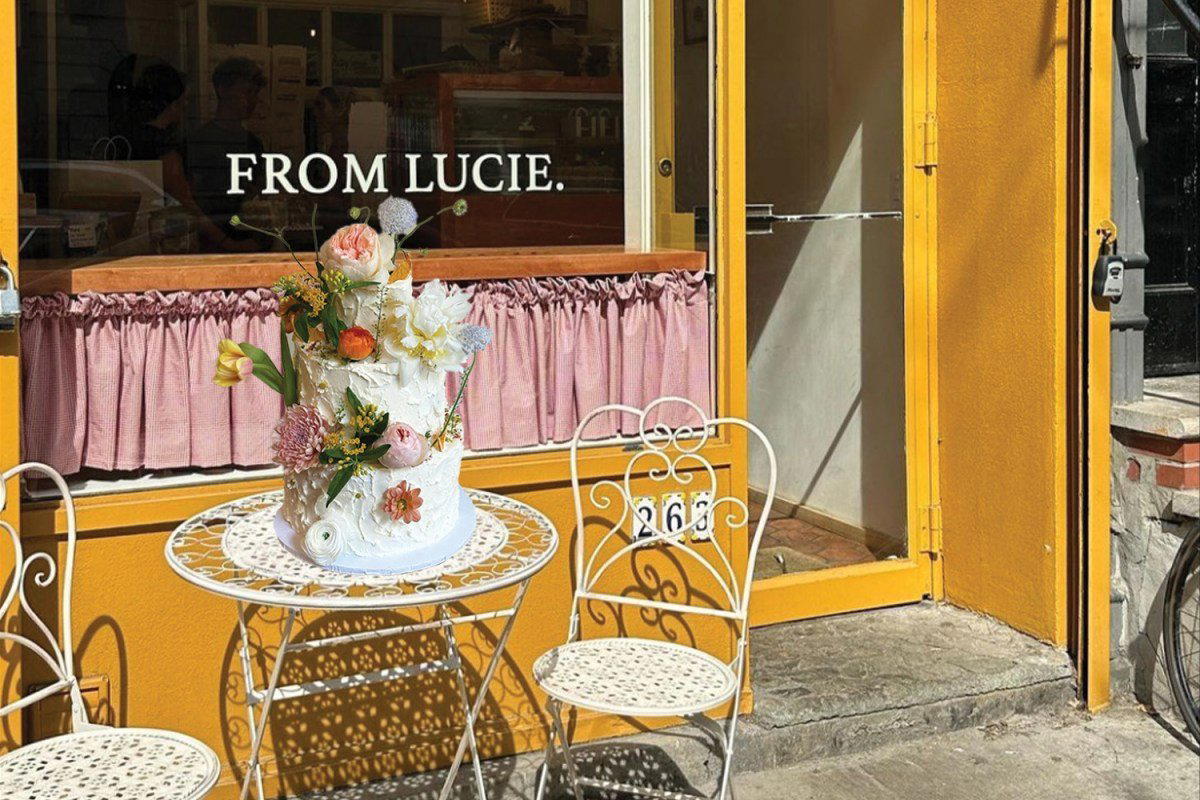
Where the Ingredient Is the Argument
New York's most consequential shift in fine dining over the past decade has not been a technique or a format. It has been a reorientation toward source. The city's upper dining tier, long defined by classical European execution, has gradually sorted itself into two camps: those who treat sourcing as marketing and those for whom it functions as the actual editorial spine of a menu. From Lucie is a French-Inspired Bakery in New York City. In a market where Le Bernardin has spent decades making the case that ingredient integrity is inseparable from technique, and where Per Se holds its position partly through supplier relationships refined over years, the standard for provenance-led cooking is genuinely high. From Lucie enters that conversation with its own terms.
The broader movement this fits into is not niche. Across American fine dining, from Blue Hill at Stone Barns in Tarrytown, where the farm-to-table framework was effectively institutionalized, to Single Thread Farm in Healdsburg, where a working farm sits behind the restaurant as infrastructure rather than decoration, particularly ambitious American kitchens have made ingredient origin into a structural commitment. What distinguishes these operations from venues that gesture toward locality is the degree to which sourcing decisions actually constrain the menu, forcing the kitchen to cook around what is available rather than sourcing what the menu requires.
The Physical Register
Approaching any serious New York dining room, there is a specific atmospheric grammar worth reading. The city has largely moved past the era of theatrical concealment, the hidden door, the unmarked facade performing exclusivity. What has replaced it is a quieter confidence: spaces that signal seriousness through restraint rather than drama. The dining rooms that have earned sustained critical attention in this city, from the Korean tasting counter format that Atomix has refined to something close to a local institution, to the Japanese precision of Masa's counter, tend to communicate authority through composition rather than spectacle. From Lucie operates within this contemporary register.
The physical environment of a sourcing-led restaurant tends to reflect its supply chain in ways that go beyond decor choices. Kitchens oriented around producer relationships often shape their spaces to surface those relationships: menus that name farms, servers who can explain geography, mise en place that shifts with the season. These are legible signals of where a kitchen's priorities actually sit, and they tell you more about a restaurant's character than any statement of philosophy.
New York's Sourcing Tier: What It Requires
The ingredient-focused end of New York dining operates under specific pressures that do not apply in the same way to cities with immediate agricultural adjacency. New York's proximity to the Hudson Valley, the farms of New Jersey, and the fishing ports of the Northeast coast gives motivated kitchens genuine access to serious produce, but accessing it at the level that justifies a fine dining price point requires sustained supplier relationships and the operational discipline to rebuild menus around availability. Blue Hill at Stone Barns solved this by integrating the farm into the hospitality operation itself. Most New York kitchens solve it through long-term commitment to specific producers.
Restaurants that have made this work at scale nationally offer useful reference points. Lazy Bear in San Francisco built a format around collaborative dining and seasonal California produce. Providence in Los Angeles has held two Michelin stars partly on the strength of its seafood sourcing discipline. Alinea in Chicago takes a different route, prioritizing technique over terroir, which clarifies by contrast what it means to place sourcing at the center. Addison in San Diego and The French Laundry in Napa each demonstrate that sourcing credibility functions as a precondition for entry into the American fine dining conversation at the highest level, not an optional add-on. The restaurant's position in New York places it in dialogue with all of these, operating in competitive urban dining environment in the country.
The Korean Influence on New York's Fine Dining Grammar
One structural shift in New York's upper dining tier worth contextualizing is the emergence of Korean-inflected fine dining as a serious competitive force. Jungsik New York and Atomix have both demonstrated that ingredient-led precision and formal rigor are not exclusively European propositions. This matters for understanding the full comparable set that any serious New York restaurant now operates within. The sourcing conversation in this city now runs across French, Japanese, Korean, and American contemporary idioms, each with distinct supply chain philosophies. A restaurant that enters this market on ingredient-sourcing terms needs to position itself relative to this full range, not just against the classical European reference points.
Planning a Visit
For diners approaching the restaurant, the standard practical intelligence for New York's upper dining tier applies. The restaurant is walk-in friendly and priced at about $12 per person. For broader orientation to what the city offers across formats and price points, the EP Club New York City restaurants guide covers the competitive set in full.
Comparable experiences at the sourcing-led end of American fine dining, for those building an itinerary or benchmarking across cities, include Emeril's in New Orleans, Bacchanalia in Atlanta, and The Inn at Little Washington in Washington, each of which has built its identity around the relationship between kitchen and supply chain. Internationally, 8 1/2 Otto e Mezzo Bombana in Hong Kong and Alain Ducasse at Louis XV in Monte Carlo demonstrate how ingredient provenance functions as a defining argument at the global level of fine dining, providing useful calibration for what sourcing discipline looks like when taken to its furthest expression.
How It Stacks Up
Comparable venues nearby, for context on price, style, and recognition.
| Venue | Cuisine | Price | Notes |
|---|---|---|---|
| From LucieThis venue — the venue you are viewing | French-Inspired Bakery | $$ | Not listed |
| La Ripaille | Modern French Bistro | $$ | West Village |
| Le Relais de Venise L’Entrecôte | French Steak Frites | $$ | East Midtown-Turtle Bay |
| Deux Amis | Southern French Bistro | $$ | East Midtown-Turtle Bay |
| Landmarc Tribeca Events | French-Italian Bistro & Steakhouse | $$$ | Tribeca-Civic Center |
| Bacchus | Authentic French Bistro | $$$ | Downtown Brooklyn-DUMBO-Boerum Hill |
Recognition history
Dated appearances from independent guides and award organizations, with the underlying list record or original source where available.
La Liste Pastry: Pastry Discovery Gem Award
La Liste
Continue exploring
More in New York City
Restaurants in New York City
Browse all →
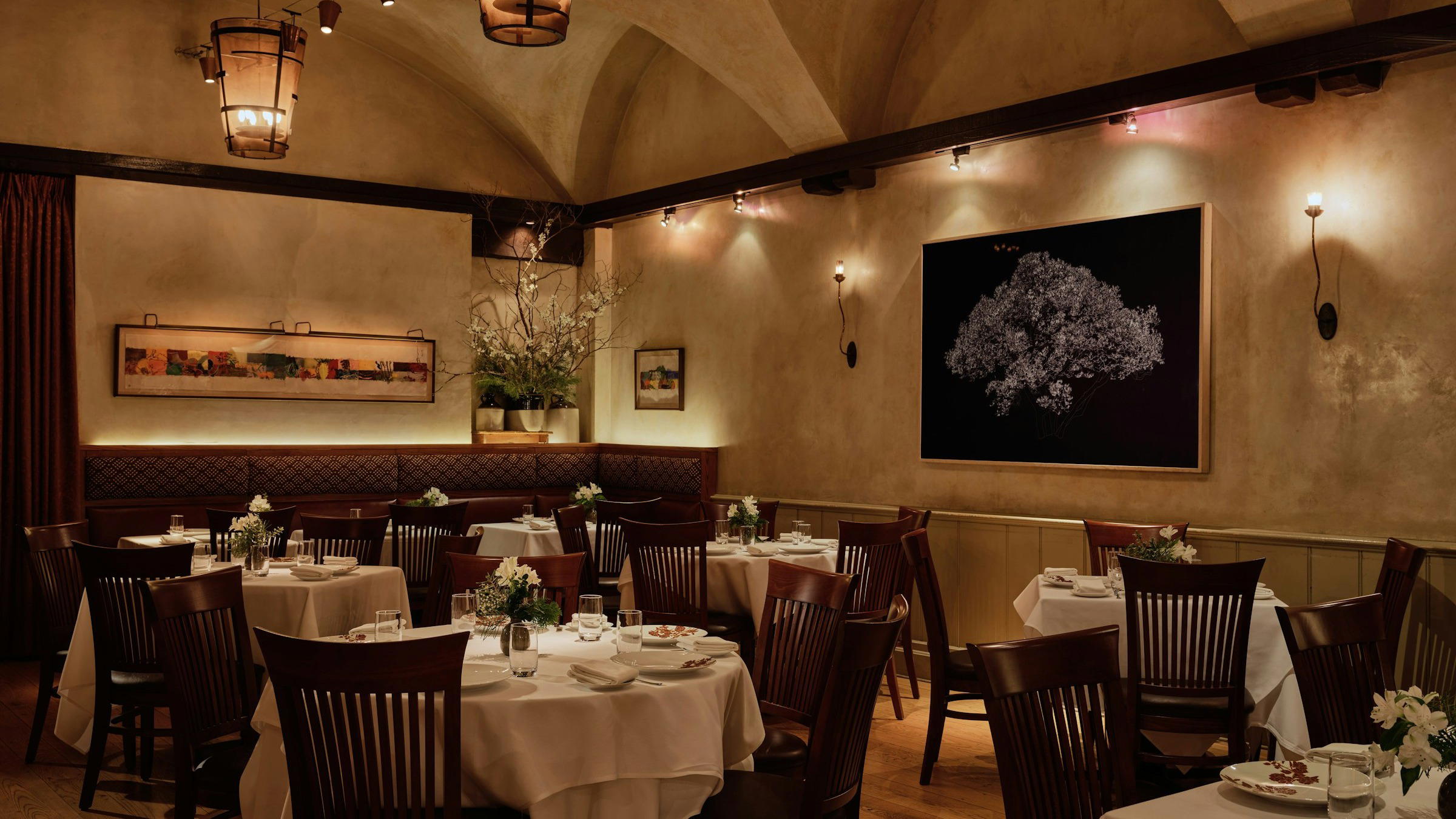
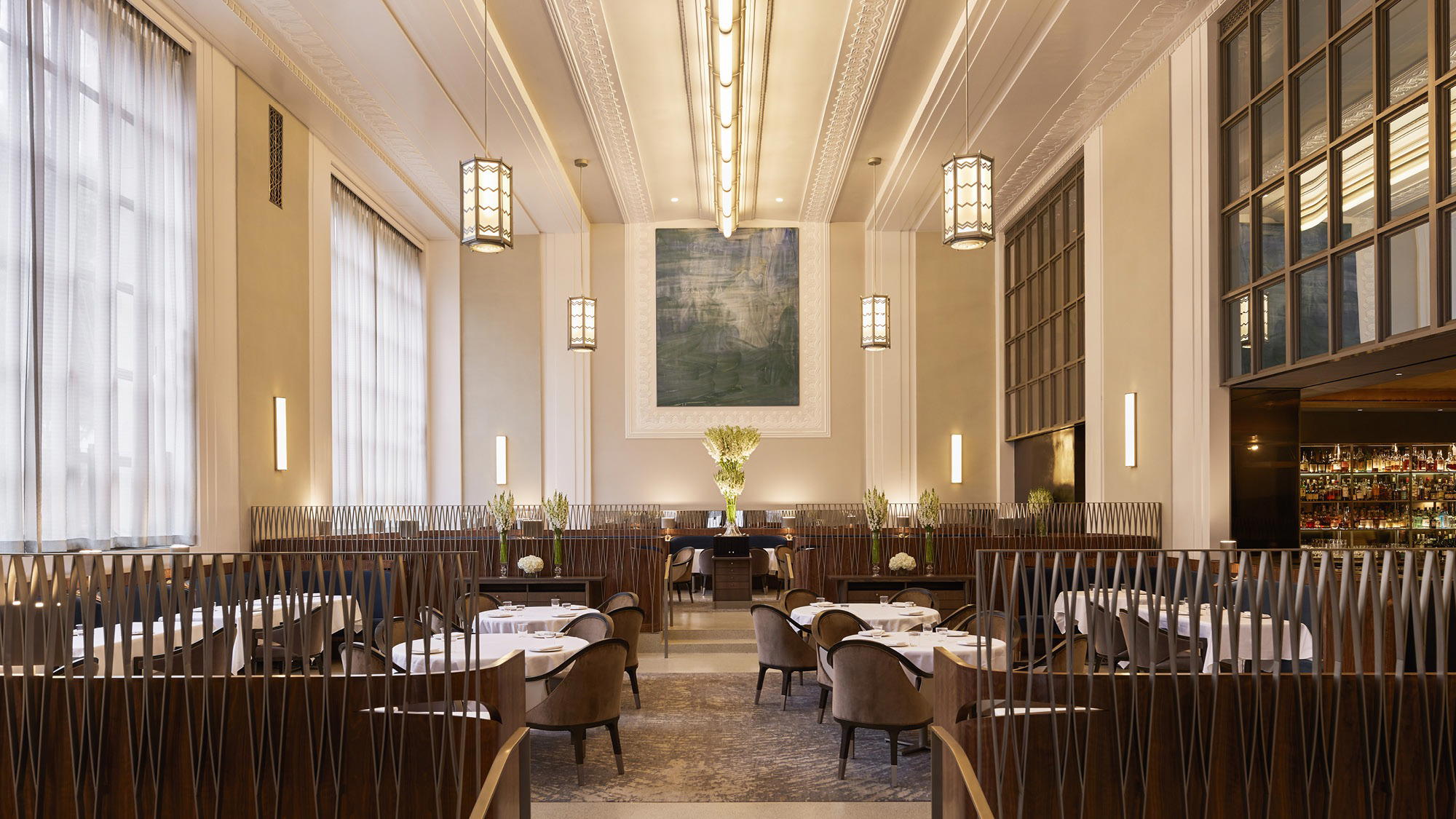
Bars in New York City
Browse all →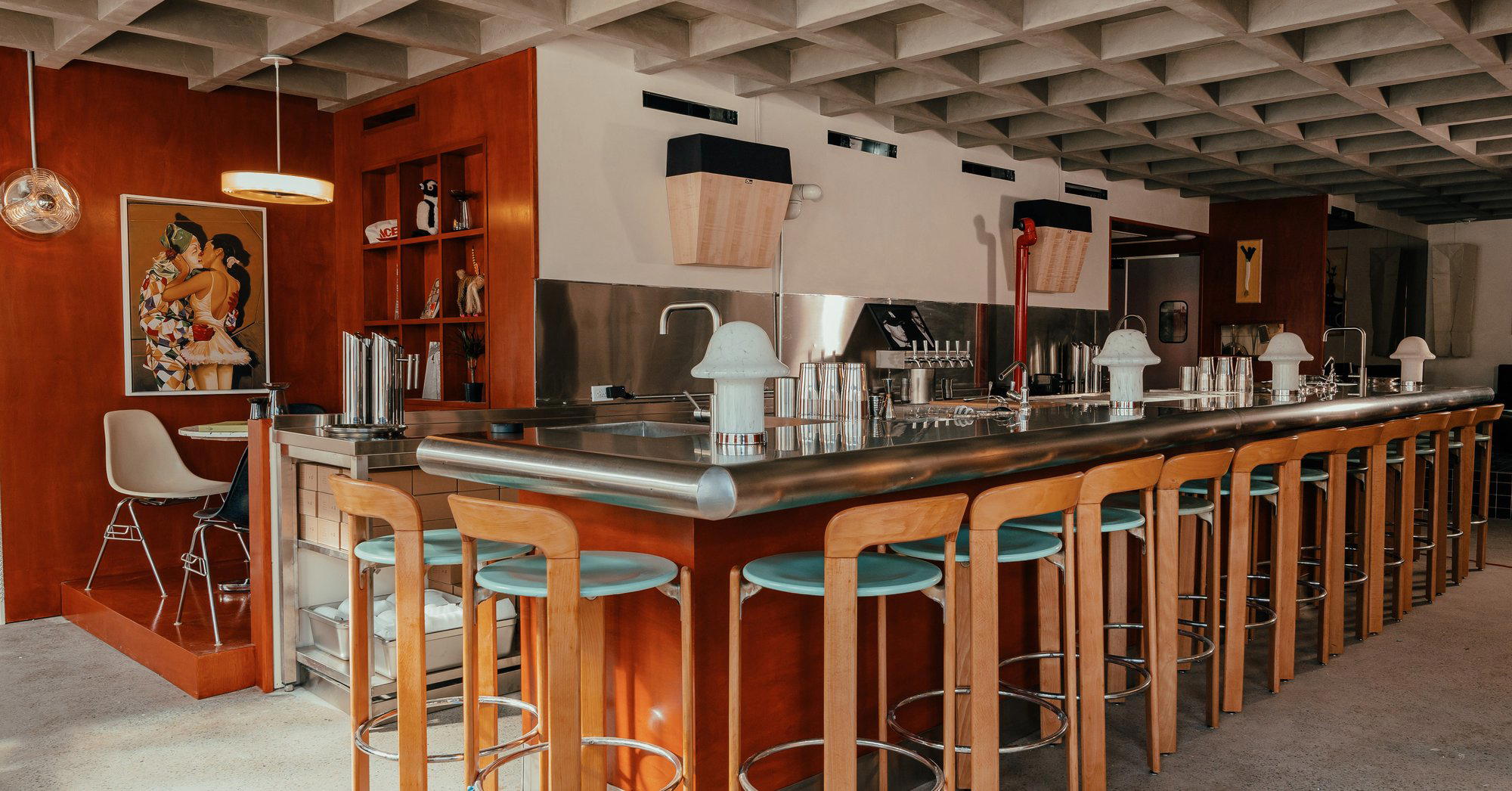
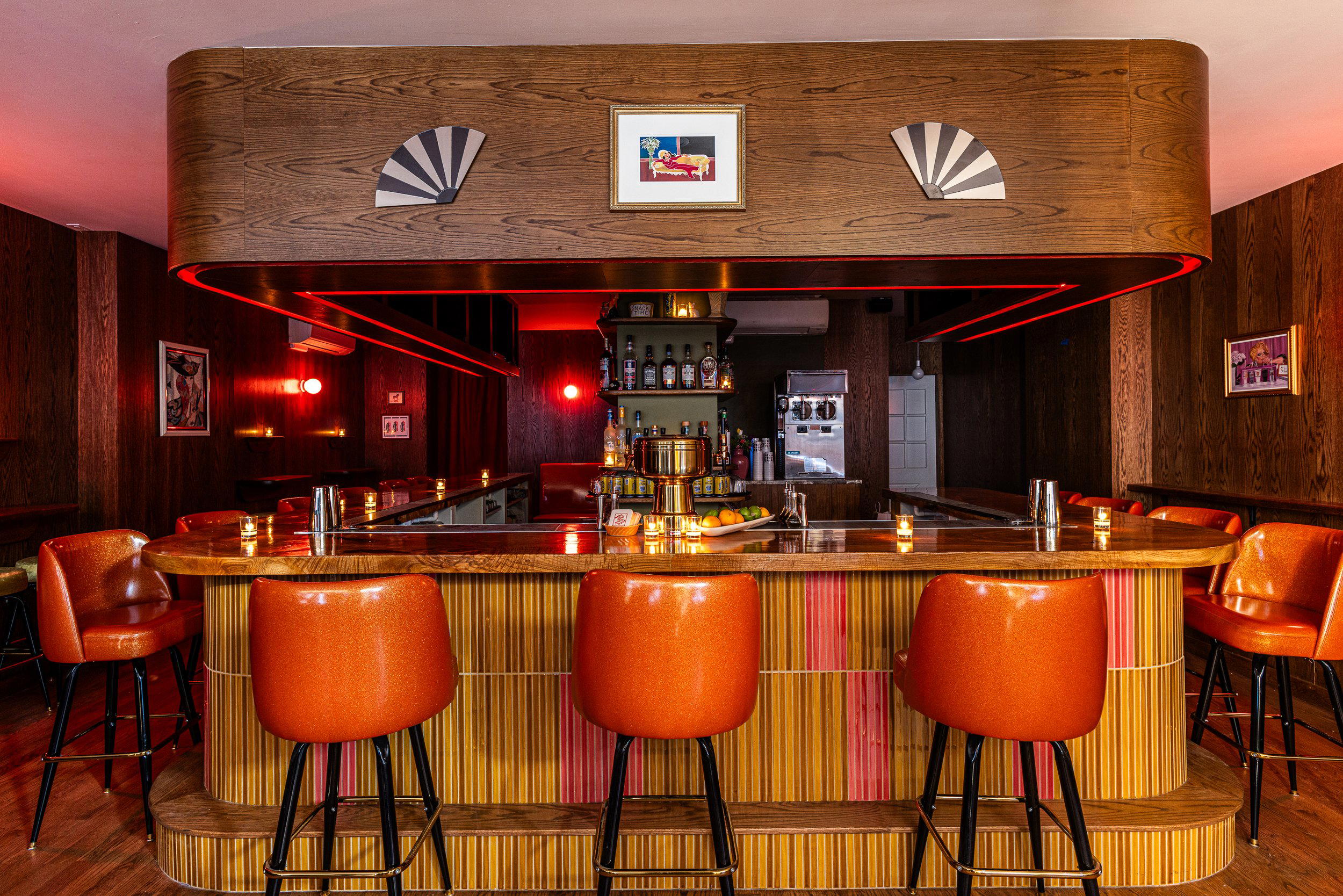
Hotels in New York City
Browse all →





At a Glance
- Cozy
- Whimsical
- Rustic
- Trendy
- Casual Hangout
- Design Destination
- Local Sourcing
Current opening hours
- Monday
- 10 AM–7 PM
- Tuesday
- 10 AM–7 PM
- Wednesday
- 10 AM–7 PM
- Thursday
- 10 AM–7 PM
- Friday
- 10 AM–7 PM
- Saturday
- 10 AM–7 PM
- Sunday
- 10 AM–7 PM
Hours can change for holidays and private events. Last verified .
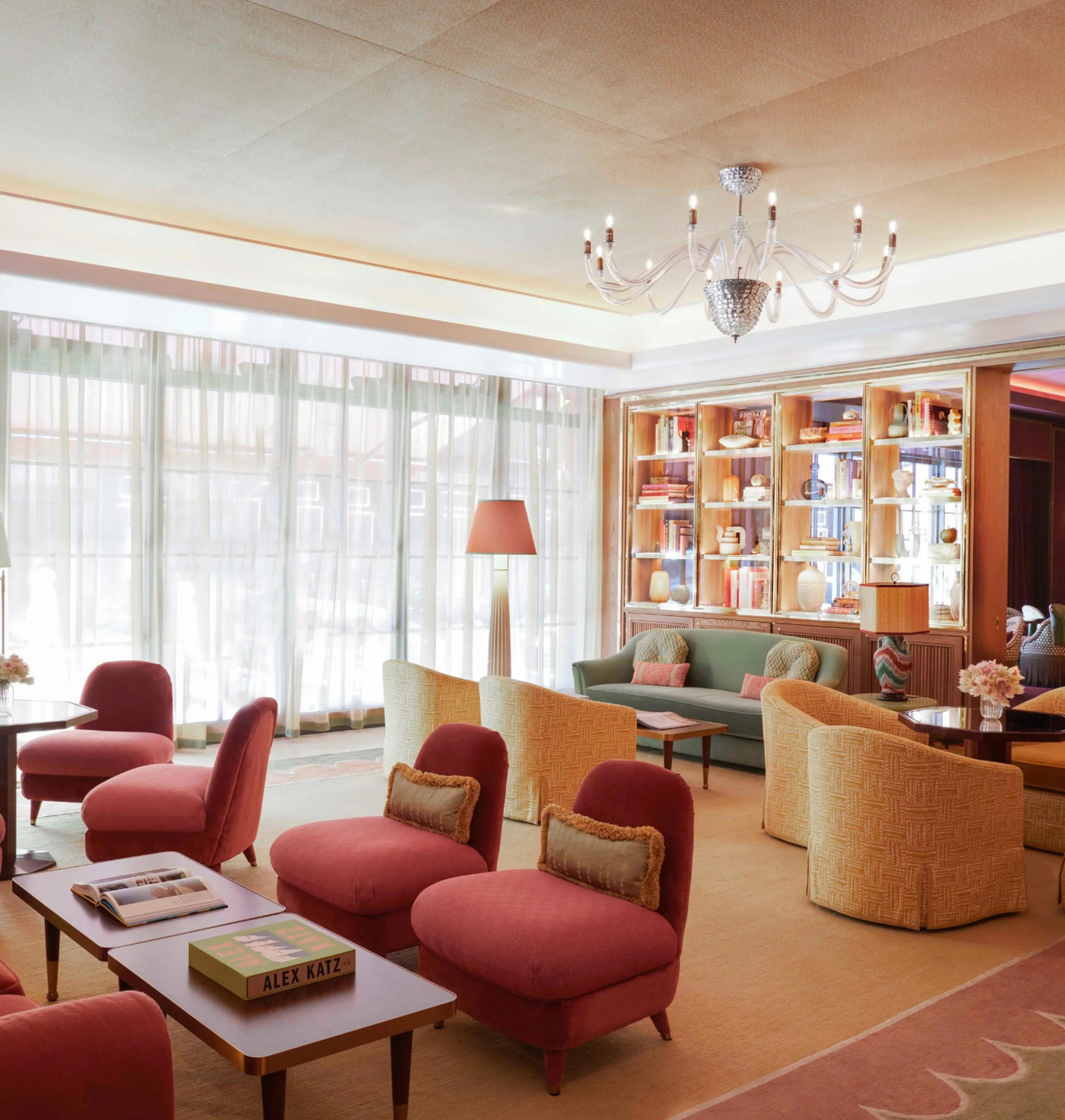
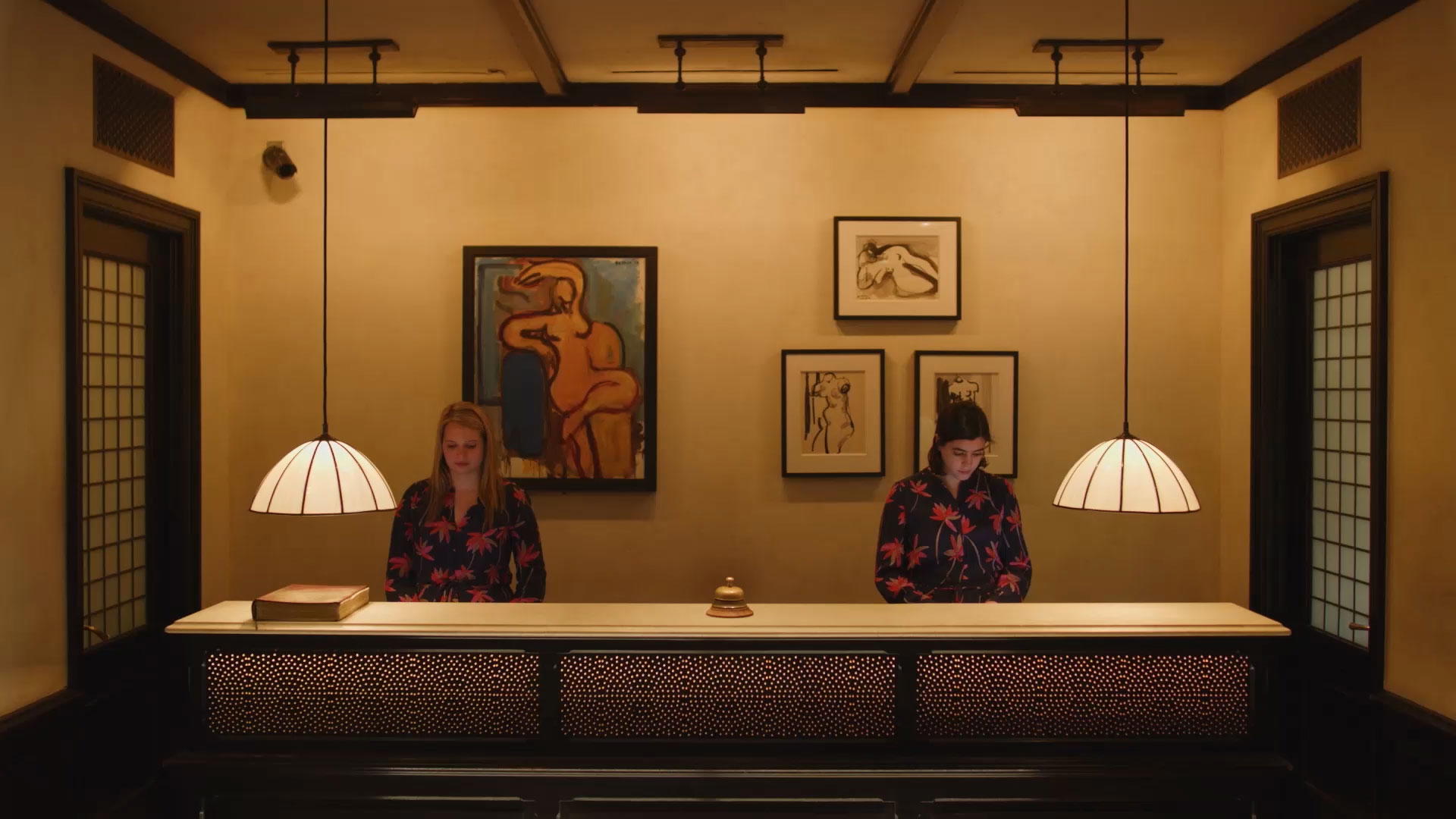
Cozy and charming with gingham curtains, country garden chairs, and a mustard yellow facade evoking the French countryside.