Chez Lucienne
Chez Lucienne sits on Lenox Avenue in Harlem, positioning itself within a neighbourhood whose dining identity has been shaped by French-Caribbean and West African culinary traditions. The address alone places it in conversation with Harlem's historically layered food culture, offering a counterpoint to the Midtown tasting-menu circuit without leaving Manhattan.
- Address
- 308 Lenox Ave, New York, NY 10027
- Phone
- +12122895550
- Website
- chezlucienne.com
- Directions
- Get directions
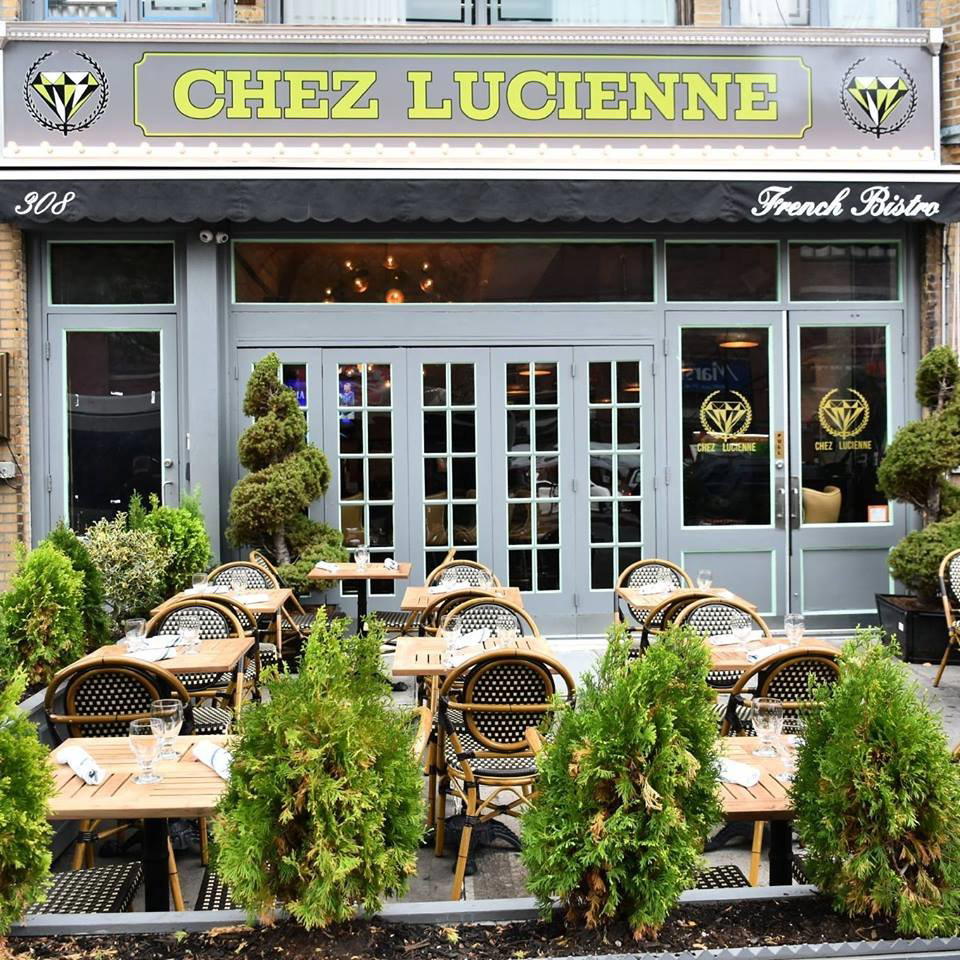
Lenox Avenue and the French-Caribbean Thread Running Through Harlem
Harlem's relationship with French-inflected cooking is longer and more structurally significant than most New York dining narratives acknowledge. The neighbourhood's mid-20th-century demographics drew heavily from Francophone Caribbean communities, particularly from Martinique, Guadeloupe, and Haiti, and that migration left a culinary imprint that persists in pockets along Lenox and Malcolm X Boulevard today. Chez Lucienne, at 308 Lenox Ave, occupies precisely that tradition: a French bistro format anchored in a neighbourhood where the word "French" carries cultural weight that goes well beyond the Midtown associations of places like Le Bernardin or Per Se.
That distinction matters when situating Chez Lucienne within New York's broader dining map. The restaurant does not compete in the tasting-menu tier occupied by Eleven Madison Park, Atomix, or Masa. Its frame of reference is the neighbourhood bistro as a cultural institution: a place where the cooking style carries a passport, and the address tells you something about who that passport belongs to.
The Bistro Format as Cultural Argument
The French bistro, in its original Parisian form, was never a fine-dining category. It was a working register: close-set tables, a blackboard menu that shifted with market availability, cooking that leaned on technique without requiring ceremony. That format traveled well precisely because it was adaptable. In Harlem, the bistro framework absorbed local preferences and Francophone Caribbean influences the same way it absorbed Algerian and Vietnamese inflections in Paris's outer arrondissements.
What Chez Lucienne represents, at the address level, is that same adaptability. A French bistro on Lenox Avenue is not a transplant or an anachronism. It is a continuation of a demographic and culinary history that New York food media has periodically rediscovered and just as quickly moved past.
Neighbourhood Position and What It Implies
Lenox Avenue between 110th and 145th Streets has gone through several commercial cycles since the 1990s. The block where the restaurant sits has seen the arrival of destination restaurants alongside longstanding community institutions, a pattern familiar in neighbourhoods like the Mission in San Francisco (where Lazy Bear operates in a different but analogous position) or the Central Business District in New Orleans (home to Emeril's, another address with significant neighbourhood-identity weight).
The significance here is contextual rather than competitive. The restaurant is not trying to position against the Napa Valley tasting-room model of The French Laundry or the farm-integration approach of Blue Hill at Stone Barns. Its competitive set is the neighbourhood bistro as a category, and within that category, location and cultural fluency matter more than formal credentials.
That said, Harlem's dining scene now draws visitors from across the city and beyond, meaning the restaurant operates in a dual market: local regulars who treat it as a neighbourhood fixture, and visitors who arrive specifically because Harlem has re-entered New York's food-tourism conversation. That dual audience is a structural feature of several addresses in the city's outer neighbourhoods, and managing it without losing the local register is one of the more demanding challenges any neighbourhood restaurant faces.
French Cooking in America: The Wider Pattern
French technique has been the dominant grammar of American fine dining for most of the past century, but its expression has fragmented considerably. At one end, multi-course tasting menus at restaurants like Smyth in Chicago or Addison in San Diego use classical training as a foundation for something that reads as contemporary American. At the other end, bistro-format restaurants have quietly maintained the original register: accessible price points, a la carte ordering, cooking that prioritises execution over concept.
Internationally, that bistro tradition has its own reference points. The multi-generational Italian farmhouse model at Dal Pescatore in Runate and the regional-produce focus of Atelier Moessmer Norbert Niederkofler in Brunico each show how a defined cultural context, rather than a specific technique, can anchor a restaurant's identity over decades. The French bistro in Harlem works from the same logic: the cultural context is the point.
Elsewhere in the American scene, Frasca Food and Wine in Boulder demonstrates how a specific regional European identity, in that case Friulian, can sustain a restaurant's distinctiveness over many years. Single Thread Farm in Healdsburg and Providence in Los Angeles each anchor their identities in something more specific than national cuisine, which points to where the bistro format has an inherent advantage: specificity of place rather than specificity of concept. The Inn at Little Washington shows how deep local rootedness can sustain a restaurant across decades, a lesson applicable to any neighbourhood address trying to outlast the hype cycle.
A Lean Comparison
Comparable venues nearby, for context on price, style, and recognition.
| Venue | Price | Notes |
|---|---|---|
| Chez LucienneThis venue — the venue you are viewing | $$ | Not listed |
| L'Express | $$ | Midtown South-Flatiron-Union Square, Classic French Bistro |
| Le District | $$ | Financial District-Battery Park City, Classic French Bistro |
| Felix | $$ | SoHo-Little Italy-Hudson Square, Classic French Bistro |
| Le Relais de Venise L’Entrecôte | $$ | East Midtown-Turtle Bay, French Steak Frites |
| Le Petit Cafe | $$ | Carroll Gardens-Cobble Hill-Gowanus-Red Hook, French Cafe Bistro |
Continue exploring
More in New York City
Restaurants in New York City
Browse all →
Bars in New York City
Browse all →
Hotels in New York City
Browse all →






At a Glance
- Classic
- Cozy
- Lively
- Date Night
- Group Dining
- Brunch
- Open Kitchen
- Live Music
- Craft Cocktails
Comfortable and stylish dining room evoking a Parisian bistro with globe lights and powder-blue banquettes.