Cafe Gitane
Our verdict
On a block where Nolita's slower, more residential character asserts itself, Cafe Gitane has held its position as the neighbourhood's most consistently referenced all-day cafe for decades. The menu leans toward North African and French-inflected small plates, and the room draws a crowd that spans downtown creatives and visiting Europeans who already know the name. It is the kind of place that doesn't need a press release to fill its tables.

Pearl is the En Primeur Club membership app, where members save venues, book tables and use the concierge.

The menu
What to order
- Avocado Toast
- Moroccan Couscous
- Smoked Trout Salad
- Grilled Eggplant with Tapenade and Goat Cheese
Mott Street and the Logic of Nolita's Cafe Culture
Nolita occupies a narrow band between SoHo's retail density and the Lower East Side's bar-driven late-night economy, and that in-between position has shaped what the neighbourhood rewards. Big-format restaurants with reservation systems and tasting menus don't fit the block. What has survived and accumulated meaning here are smaller, slower places where the transaction is time spent as much as food consumed. Cafe Gitane, at 242 Mott Street, is the clearest example of that logic playing out over a long run. It has been a fixed point in this part of downtown New York long enough that it now functions as a kind of calibration device: visitors use it to take the temperature of the neighbourhood, and locals use it to remind themselves why they live nearby.
That kind of durability is not accidental. Nolita rewards places that read as genuinely rooted rather than trend-chasing, and Cafe Gitane's French-Moroccan register hits that note. The combination of North African spice logic and Parisian cafe informality is a specific cultural reference that lands particularly well in a neighbourhood with a high proportion of European expats and downtown New Yorkers with a tolerance for ambiguity on the menu. It is a pairing that positions the cafe in a different competitive set than the tasting-menu rooms further uptown, Le Bernardin, Atomix, Per Se, Masa, Eleven Madison Park, and squarely in the category of places where you go because the hour and the mood align, not because you've planned three weeks out.
The Room and What It Communicates
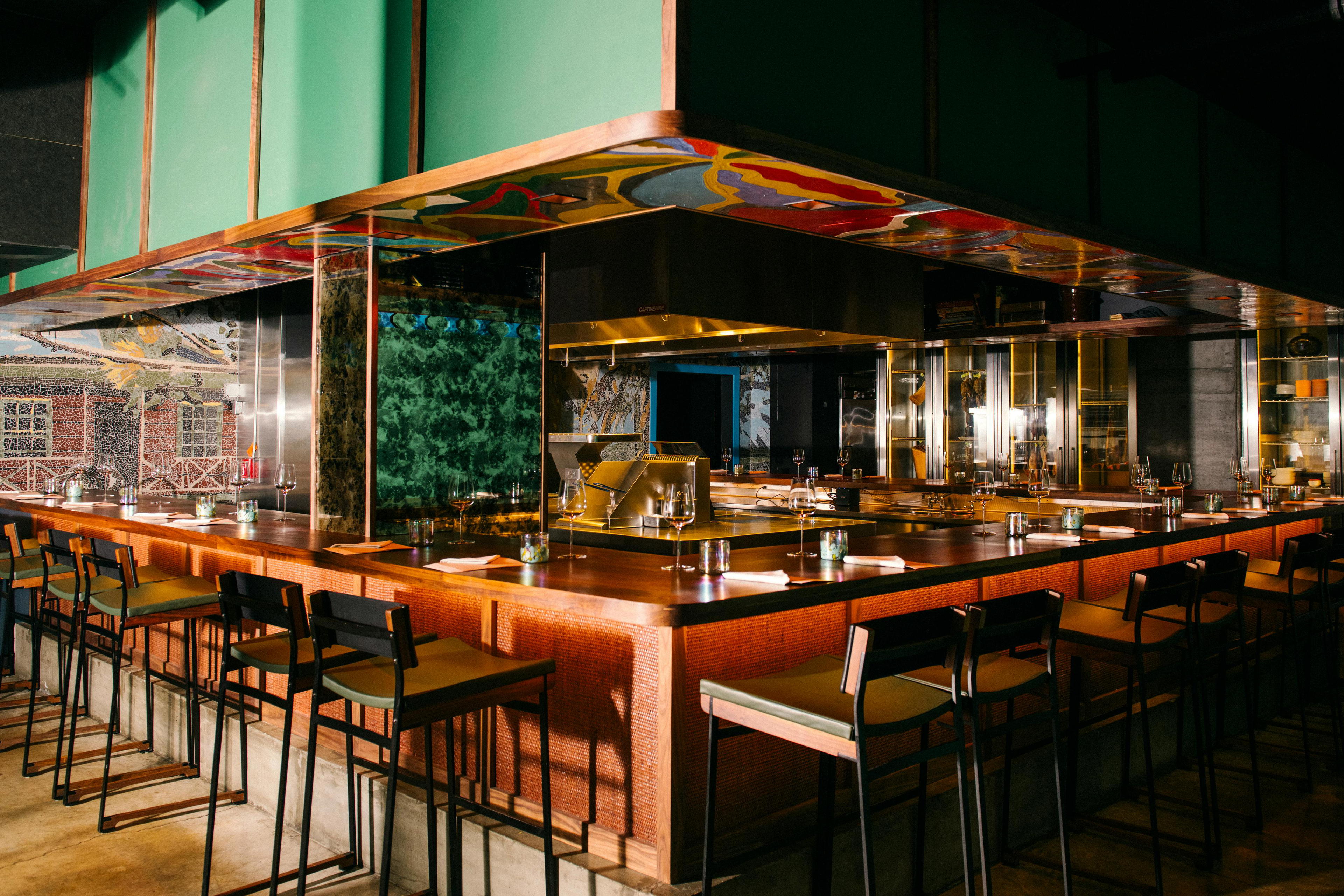
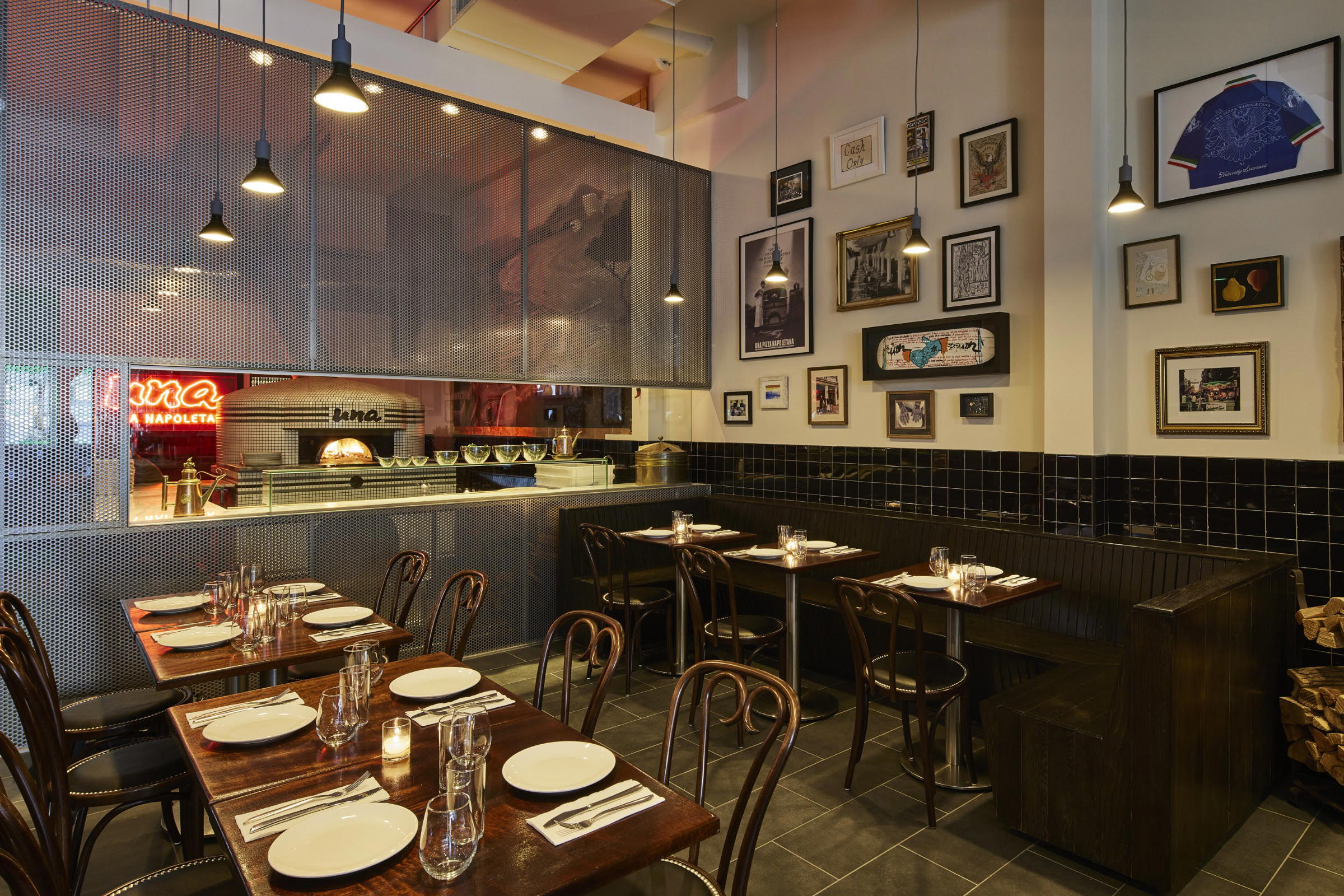
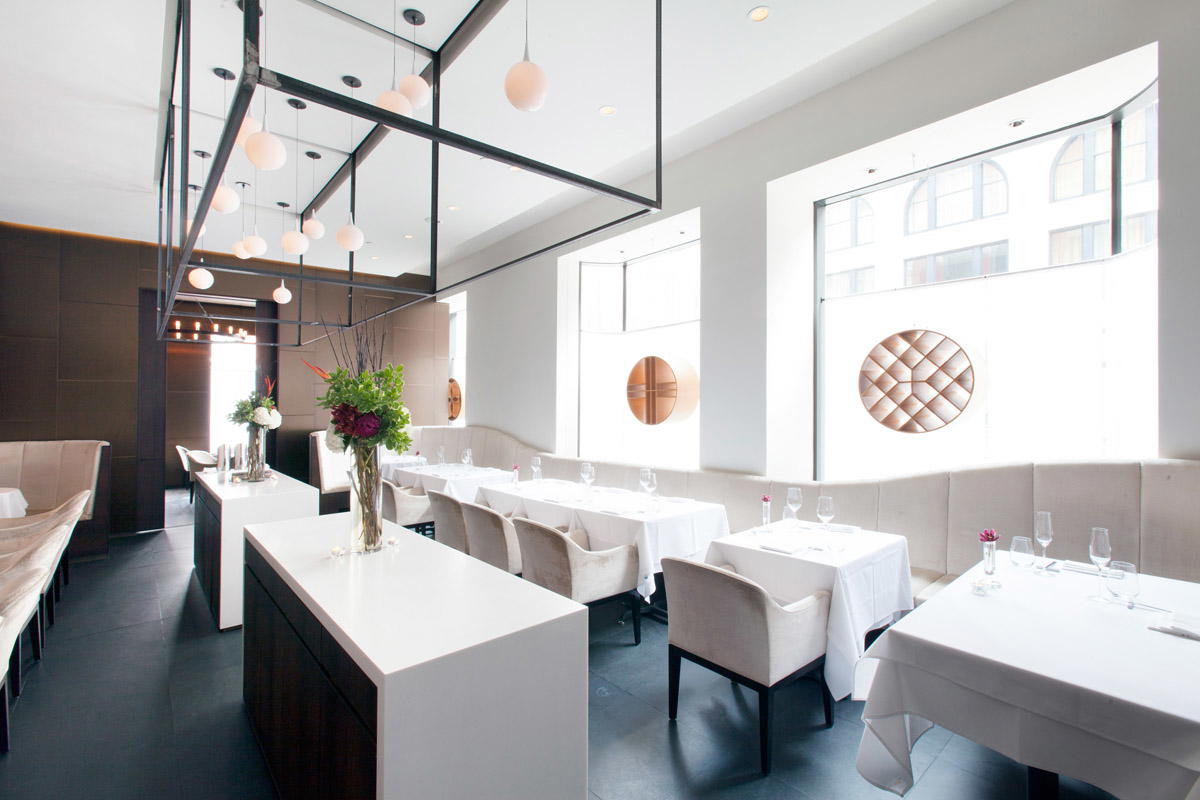
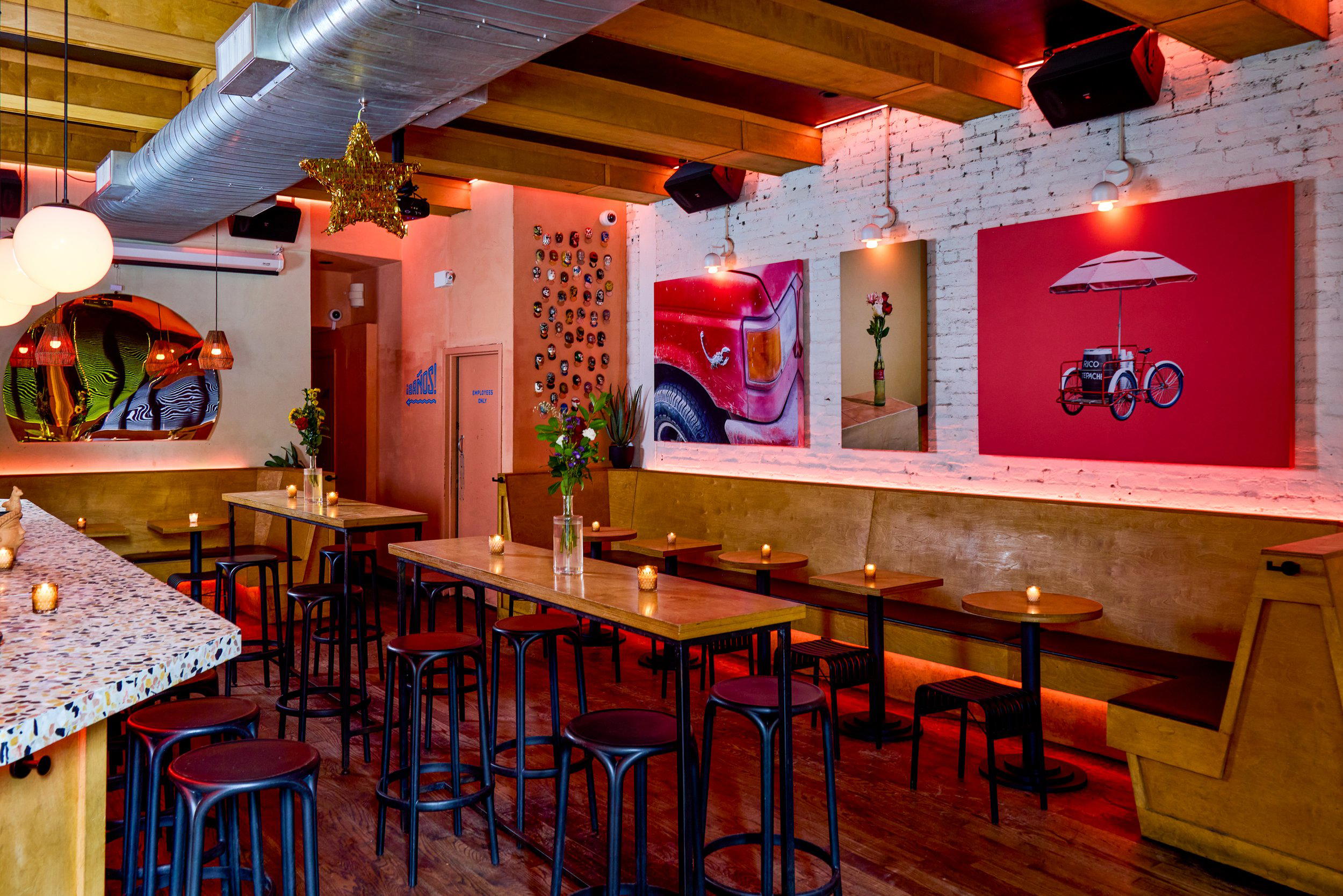
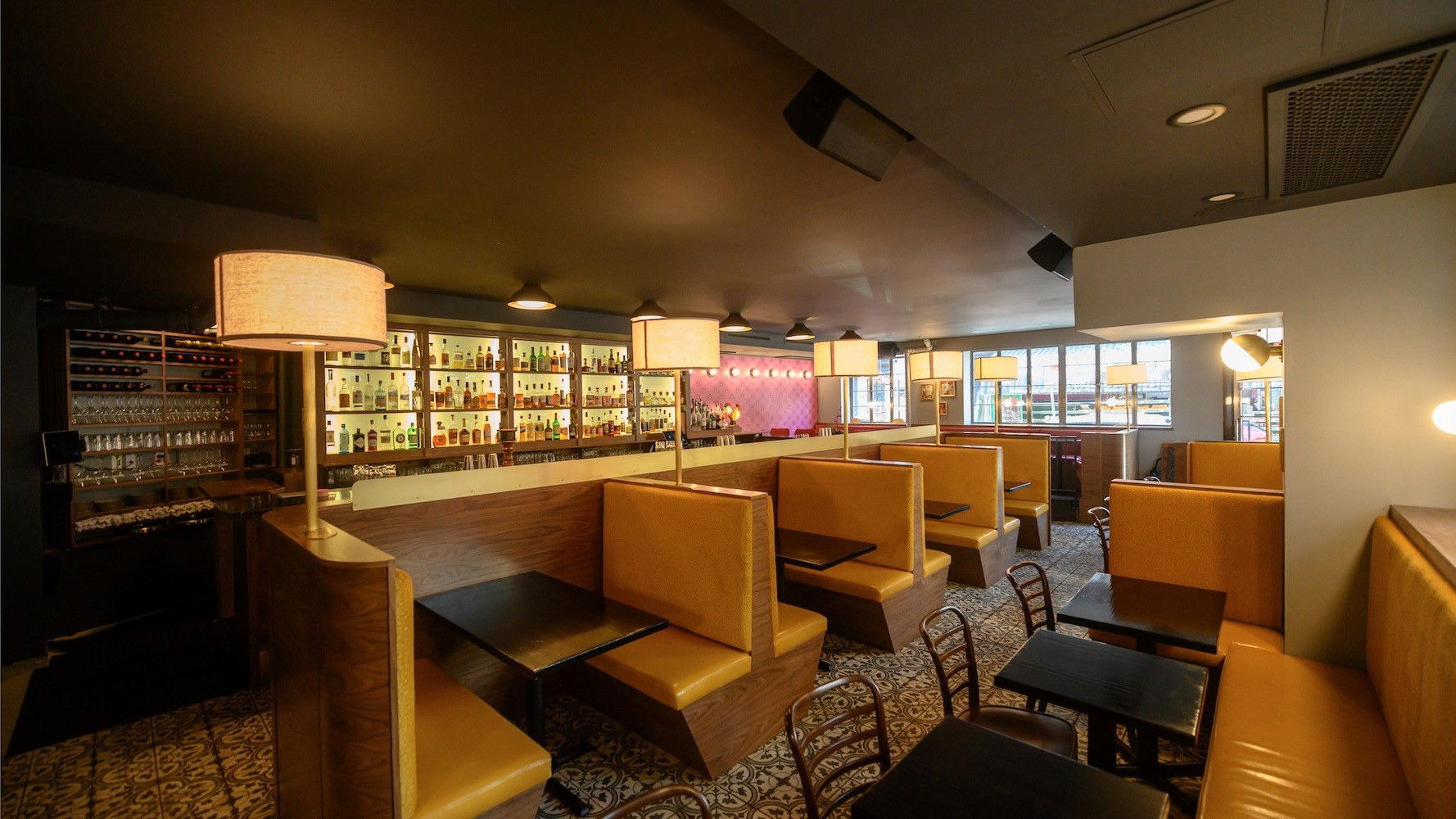
Downtown New York has developed a particular grammar for this type of space: compact footprint, natural light in the front, close-set tables that make solitude difficult but conversation easy, and a visual language borrowed loosely from European cafe precedent. Cafe Gitane fits within that grammar while maintaining enough specificity to feel like itself rather than a generic iteration of the type. The Mott Street location sits at street level, and the pedestrian pace outside the window is part of the experience in a way that more insulated dining rooms deliberately suppress. You are aware of the neighbourhood while you sit here, which is the point.
That quality, porous to place, is harder to manufacture than it looks. Restaurants at the formal end of New York's spectrum, places like Eleven Madison Park or Blue Hill at Stone Barns in Tarrytown, are architecturally sealed from their surroundings by design, because the experience is meant to be total and self-referential. An all-day cafe on Mott Street operates on the opposite premise: the street is part of the product. Gitane has maintained that relationship with its immediate context across a period when the surrounding blocks have seen significant commercial turnover, which is itself a form of editorial endorsement from the neighbourhood.
Menu Register and the French-Moroccan Frame
The culinary tradition that Cafe Gitane draws on is a specific strain of French cafe culture that absorbed North African influence through mid-century immigration and colonial-era exchange, and then got filtered further through the lens of downtown New York's appetite for things that feel cosmopolitan without being formal. The result is a menu language that includes couscous preparations, harissa-adjacent heat, and herb-forward small plates alongside the kind of egg dishes and tartines that signal French cafe precedent. It is a register that several New York operators have attempted with varying degrees of conviction; Gitane's longevity in the neighbourhood suggests a level of consistency that visitors can rely on.
All-day cafe formats require a different kind of discipline than dinner-only tasting menus. The kitchen has to perform across breakfast, brunch, lunch, and early dinner without the structural support of a fixed progression. Places like Smyth in Chicago or Single Thread Farm in Healdsburg can build a meal with a predetermined arc; an all-day cafe has to be convincing at 9am and 7pm for different guests with different expectations. The French-Moroccan frame gives Cafe Gitane a coherent identity across those hours in a way that a less defined cuisine approach would not.
Who Comes and When
The crowd at Cafe Gitane reflects Nolita's demographic mix more accurately than most venues on the block. Mornings skew toward neighbourhood residents and people who work in the adjacent creative industries, fashion, media, design, that have clustered in this part of downtown for two decades. Midday brings a broader mix that includes visitors who have done enough research to know Gitane by name, often alongside locals who are treating it as a functional lunch spot rather than a destination. Weekend brunch pushes capacity and wait times in a way that weekday mornings do not; if the timing is flexible, a Tuesday morning visit reads the room at closer to its natural pace.
The cafe's position in the New York all-day dining conversation places it in a category distinct from the high-commitment formats that define the city's upper tier. For the planning-oriented traveller who also wants to cover Providence in Los Angeles or The French Laundry in Napa on separate trips, Gitane represents the other end of the spectrum: the place that requires no advance infrastructure and delivers on neighbourhood character rather than choreographed progression.
Practical Notes for Planning
Cafe Gitane operates as a walk-in venue by disposition; the all-day format and cafe scale mean that arriving during off-peak hours, weekday mornings, early lunch before noon, is the most reliable way to get a table without waiting. The Mott Street address in Nolita places it within easy walking distance of SoHo shopping and the Lower East Side's bar cluster, making it a natural anchor for a broader downtown afternoon. For visitors mapping a New York food itinerary that also includes higher-commitment bookings, Gitane works as a morning or midday counterpoint to evening reservations at the city's more formal rooms. Our full New York City restaurants guide covers the range from venues like this through to Michelin-tier tasting menus, and can help frame how Gitane fits into a broader visit. Comparable neighbourhood-rooted formats in other cities worth cross-referencing include Frasca Food & Wine in Boulder, Emeril's in New Orleans, and Lazy Bear in San Francisco for a sense of how different cities handle the relationship between place identity and casual-end dining. For those also considering European reference points, Atelier Moessmer Norbert Niederkofler in Brunico and Dal Pescatore in Runate illustrate the higher-formality end of the European cafe-to-restaurant spectrum. Addison in San Diego, The Inn at Little Washington, and Smyth in Chicago are worth noting for those building a cross-country itinerary at different formality levels.
Frequently asked questions
Is Cafe Gitane good for families?
The compact footprint at 242 Mott St works better for adults or older children than for strollers or large groups. Tables sit close together, which suits the Nolita cafe format but limits the room to manoeuvre. Families with young children will find the all-day schedule flexible, though the tight space is worth considering before arriving with a full group.
How would you describe the vibe at Cafe Gitane?
Cafe Gitane reads as a neighbourhood fixture rather than a destination built around foot traffic. The room is low-key and close-set, with the kind of ambient noise that comes from a consistently occupied dining room rather than any deliberate design decision. It sits in Nolita, between SoHo's retail density and the Lower East Side's bar economy, and that in-between position shapes the atmosphere more than any single stylistic choice.
What makes Cafe Gitane different from other Nolita cafes?
The French-Moroccan culinary frame is a deliberate point of difference in a neighbourhood where most all-day cafes default to broadly American or Italian-influenced menus. Located at 242 Mott St, Cafe Gitane has held that cultural positioning long enough to become a reference point in Nolita's cafe scene. Where newer openings in the area tend toward seasonal produce-led menus, Gitane stays anchored to a specific Franco-North African tradition.
What should I order at Cafe Gitane?
The menu draws on a French-Moroccan frame, a specific strain of cafe cooking shaped by North African influence on mid-century Parisian cafe culture. That framing is the lens through which the food is best understood: expect dishes that sit closer to casual European cafe fare than to either full Moroccan or contemporary American brunch. Arriving for a weekday morning or mid-afternoon off-peak slot gives the most relaxed experience of the menu.
What's the address for Cafe Gitane?
Cafe Gitane is located at 242 Mott St, New York, NY 10012, New York City.
Do they take walk-ins at Cafe Gitane?
Yes. Cafe Gitane operates as a walk-in venue by disposition, with no reservations documented. The all-day format and cafe scale make it accessible without advance planning, though arriving during off-peak hours, weekday mornings or mid-afternoon, reduces wait time at the door on Mott Street.
What's the defining dish or idea at Cafe Gitane?
The defining idea is the French-Moroccan frame itself: a cafe tradition rooted in mid-century Paris absorbing North African culinary influence, applied to an all-day Nolita context. No single dish defines the venue so much as that register does, casual, specific in its cultural reference point, and consistent across the menu. It is a relatively precise culinary position for a neighbourhood cafe.
Cuisine Context
| Venue | Cuisine | Price | Awards | Notes |
|---|---|---|---|---|
| Cafe GitaneThis venue (the venue you are viewing) | French-Moroccan Bistro | $30–50 | Not listed | Not listed |
| Le Bernardin | French Seafood Fine Dining | $300–500 | 3 Michelin Stars · World's 50 Best #13 | French, Seafood |
| Atomix | Modern Korean Tasting Menu | $300–500 | 2 Michelin Stars · World's 50 Best #7 | Modern Korean, Korean |
| Per Se | French Fine Dining Tasting Menu | $300–500 | 3 Michelin Stars · World's 50 Best #40 | French, Contemporary |
| Masa | Traditional Japanese Omakase | $500+ | 2 Michelin Stars · World's 50 Best #27 | Sushi, Japanese |
| Eleven Madison Park | Contemporary Plant-Based Fine Dining | $300–500 | 3 Michelin Stars · World's 50 Best #4 | French, Vegan |