Skip to Main Content
← Collection
Kwun Tong, Hong Kong

Lei Garden

LocationKwun Tong, Hong Kong

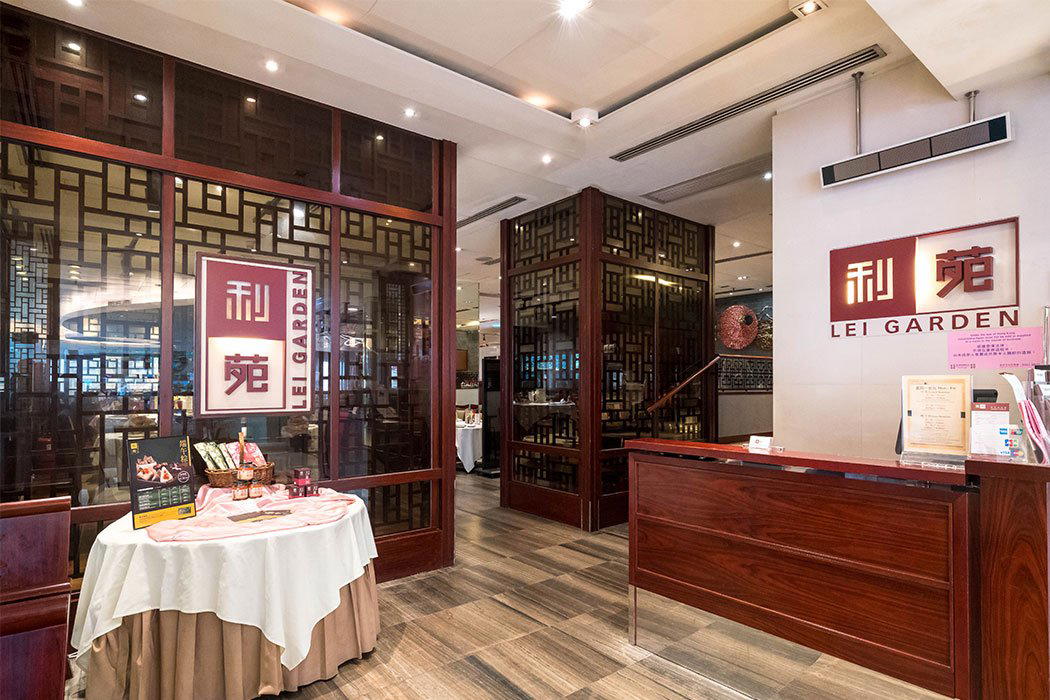
Lei Garden's APM mall location in Kwun Tong places one of Hong Kong's most recognised Cantonese dining groups inside an accessible Kowloon address. The restaurant operates within a broader chain known for roast meats, dim sum, and classic Hong Kong-style service rhythms. It sits in a mid-to-upper tier of the city's Cantonese dining scene, drawing both neighbourhood regulars and cross-district visitors.

Lei Garden restaurant in Kwun Tong, Hong Kong
About

A Mall Address That Doesn't Soften the Ritual

The fifth floor of APM in Kwun Tong is not where most diners expect to find a serious Cantonese meal. The shopping centre format, the escalators, the retail corridor leading to the entrance — none of it prepares you for what unfolds once you're seated. This is a pattern that defines much of Hong Kong's mid-to-upper Cantonese dining: the physical container is often pragmatic, even unremarkable, while the meal itself adheres to a set of rituals that predate the mall format by decades. Lei Garden's Sha Tin branch operates in similar conditions, and across the group's Hong Kong locations, that contrast between setting and seriousness is a consistent feature.

Lei Garden as a group occupies a specific position in the city's Cantonese dining hierarchy. It sits above the neighbourhood cha chaan teng tier and below the formal banquet houses that anchor hotel dining rooms, which puts it in the bracket that Hong Kong diners use most regularly for family gatherings, business lunches, and weekend dim sum. That middle ground is competitive, and Lei Garden has maintained relevance in it for long enough that regulars arrive with established expectations about pacing, dish sequencing, and the particular rhythm of a Cantonese meal done properly.

Members Only

The shortlist, unlocked.

Hard-to-book tables, cellar releases, and concierge-planned trips.

Get Exclusive Access →

The Structure of the Meal

Cantonese dining at this level follows a logic that visitors from outside the tradition sometimes find opaque but that regulars navigate by instinct. The meal doesn't begin with menus in the Western sense. Tea arrives first — always , and the choice of tea sets a quiet register for the table. In traditional practice, the tea also serves a functional purpose: ceramic cups are rinsed with the first pour, a hygiene custom that has become a ritual in its own right, performed without comment at tables across Hong Kong.

Dim sum service, where applicable, runs on a different cadence from dinner. The trolley format has largely given way to order-sheet systems at venues of this tier, which means dishes arrive in a sequence that requires some thought at the point of ordering rather than reactive selection as trolleys pass. The dim sum canon at a Lei Garden-level restaurant spans har gow, siu mai, cheung fun, turnip cake, and a rotation of seasonal specials. The quality signal to watch at this price point is the wrapper on the har gow: it should be thin enough to be translucent but resilient enough to hold the prawn filling without splitting. That balance is one of the clearest markers of kitchen discipline in Cantonese dim sum.

Dinner service at these restaurants operates on a longer timeline and with more formal sequencing. Cold dishes come first, then soups, then the main proteins , often roasted meats, steamed fish, and wok-tossed vegetables , before rice or noodles close the savoury portion of the meal. Dessert in the Cantonese tradition is typically light: chilled tofu, red bean soup, or a seasonal sweet soup rather than the layered confections of Western fine dining. The restraint is deliberate. The meal is designed to finish cleanly.

Where Kwun Tong Fits in the Hong Kong Dining Picture

Kwun Tong is an eastern Kowloon district with a commercial character shaped by its industrial past. The area has shifted significantly over the past two decades as office towers replaced factories, and APM's arrival brought a concentration of mid-range and accessible dining to a neighbourhood that previously required cross-district travel for anything above street food. For Cantonese dining specifically, the district sits in a different tier from the concentration of formal rooms in Central or the tourist-facing options around Tsim Sha Tsui. Lei Garden's presence here is part of a broader pattern in which established Cantonese groups extend into residential and commercial Kowloon to capture the regular family-meal market rather than the occasion-dining segment.

For visitors building a broader Hong Kong dining itinerary, the contrast between Lei Garden's format and the city's headline fine-dining addresses is instructive. 8½ Otto e Mezzo Bombana and comparable Central addresses operate in a different register entirely, with tasting menus and wine programs that position against international peers. Gaia in Central and Western similarly anchors a different tier. Lei Garden addresses neither of those audiences. It addresses the reader who wants to eat the way Hong Kong families actually eat, at a kitchen that has sustained its standards across multiple locations and decades. That is its own kind of credibility, and in a city with as much dining competition as Hong Kong, sustained multi-location consistency is harder to achieve than a single celebrated room. The Former Jumbo Floating Restaurant in Aberdeen illustrates how easily Hong Kong's dining institutions can fall away when the fundamentals aren't maintained , Lei Garden's continued operation across the city points in the opposite direction.

Within Kwun Tong itself, the dining options span a wide range of cuisines and price points. Habib's Indian and Middle Eastern Food and Kam Fai represent the district's more casual registers. For a broader map of the area, the full Kwun Tong restaurants guide covers the range. Across the wider New Territories and Kowloon, comparable family-dining anchors appear in different neighbourhood contexts: Hoi Tin Garden in Tuen Mun and Coconut Soup in Yau Tsim Mong each serve their local catchments in ways that parallel Lei Garden's role in Kwun Tong. Further afield, Sai Kung Sing Kee and One-ThirtyOne in Tai Po show how different parts of Hong Kong's outskirts have developed their own dining identities. Internationally, the structure of the meal at Lei Garden has some parallels with how tasting-format restaurants build narrative through sequencing , venues like Atomix in New York City and Lazy Bear in San Francisco approach sequencing with similar intentionality, albeit through entirely different traditions. Le Bernardin in New York City and Emeril's in New Orleans are further reference points for how kitchen discipline across multiple decades translates into institutional reputation.

Planning Your Visit

APM operates standard mall hours, and Lei Garden's dining room follows the centre's rhythm, which means weekend dim sum sees the heaviest demand in the late-morning to early-afternoon window. Booking ahead for weekend lunch is the practical call, particularly for larger groups where table configuration matters. Weekday lunch tends to run at lower occupancy and offers the most controlled environment for a first visit. The MTR's Kwun Tong station connects directly to the mall, making access from anywhere on the Kwun Tong Line direct. Dinner on weeknights is generally walk-in friendly, though that varies by season and local events. The venue sits within the broader eastern Kowloon dining corridor that connects Kwun Tong to Wong Tai Sin, and visitors combining multiple district stops will find the MTR the most efficient way to sequence them. For travellers arriving from further afield, Gangstas in the Islands district and I Love Istanbul in Tsuen Wan represent the outer edges of the transit network's reach for a single day's dining.

Members Only

The shortlist, unlocked.

Hard-to-book tables, cellar releases, and concierge-planned trips.

Get Exclusive Access →

Frequently Asked Questions

Cuisine and Recognition

A fast peer set for context, pulled from similar venues in our database.

Collector Access

Need a table?

Our members enjoy priority alerts and concierge-led booking support for the world's most difficult tables.

Get Exclusive Access
Members Only

The shortlist, unlocked.

Hard-to-book tables, cellar releases, and concierge-planned trips.

Get Exclusive Access →