
Ciccia gives Kobe’s Sannomiya area a compact Italian counterpoint to the city’s beef-led dining identity. Its Tabelog Italian WEST 100 selections in 2021, 2023 and 2025, small counter-heavy room, and wine focus place it in a serious neighbourhood tier rather than a casual pasta stop.
Pearl is the En Primeur Club membership app — saves, bookings, and concierge access live there. Same editors, same standards.
- Address
- Japan, 〒650-0001 Hyogo, Kobe, Chuo Ward, Kanocho, 3 Chome−11−2 奥田ビル 1F
- Phone
- +81 78-272-2662
- Website
- kca4700.gorp.jp
 Saves & bookings on Pearl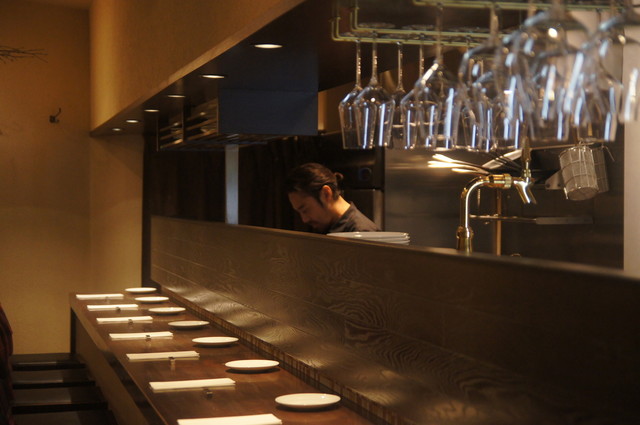
Sannomiya’s smaller dining rooms shift the register of Kobe eating. The city is often read through beef, port-town bakeries and old-school cafés, but the sharper story sits in compact rooms where imported formats meet local appetite and Japanese sourcing discipline. At Ciccia, Italian, bistro and French grammar is compressed into a 15-seat setting: counter-led, wine-aware, and made for diners who want a European frame within the Kansai rhythm of product, season and restraint.
Kobe’s European influence is not abstract. The port opened the city to foreign traders, bakeries, coffee culture and Western restaurants earlier than many Japanese cities, creating a dining scene less monolithic than the beef shorthand suggests. Italian cooking here is not a substitute for Tokyo ambition or Osaka volume. It works when it understands scale: smaller rooms, tighter menus, and the confidence to let vegetables, seafood, meat and wine carry the argument without turning dinner into theatre.
Italian cooking in Kobe works when sourcing leads the format
The useful way to read Ciccia is through sourcing rather than category labels. Italian, bistro and French appear together on the public listing, but the stronger signal is the room’s orientation toward wine and counter seating. In Japan, this tier of European restaurant often succeeds by treating Italian structure as a vessel for local produce: the sequence may nod to antipasti, pasta and main courses, while decisions are driven by what the kitchen can buy and serve at the right moment. That differs from formula Italian, where the menu is a fixed catalogue of regional references.
The 2025 Tabelog Italian WEST 100 selection supports that reading. The list covers western Japan, so inclusion places the restaurant in a competitive field beyond Kobe’s neighbourhood regulars. Earlier selections in 2021 and 2023 suggest more than a single-year spike. For diners comparing the city’s categories, that matters: Kobe has beef specialists such as Aburi Niku Kobo Wakkoku Shinkobe ten and Aburi Niku Kobo Wakkoqu Kitano Sakamoto Ten, coffee institutions such as Akaneya Coffee Ten, and narrower neighbourhood cooking rooms such as Akari. This address belongs to the European-influenced strand, where Kansai ingredients become legible through non-Japanese technique.
That distinction matters because Kobe punishes lazy categorisation. An Italian restaurant here is not automatically chasing Tokyo’s luxury tasting-menu economy, nor the casual, lunch-heavy pasta house. The public signals point to a dinner-focused, adult room with wine built into the meal’s architecture. In that bracket, a small number of seats changes the experience: plates move with the room, the counter shapes service, and the kitchen has less incentive to dilute sourcing into crowd-pleasing volume.
A counter-scale room, not a grand dining room
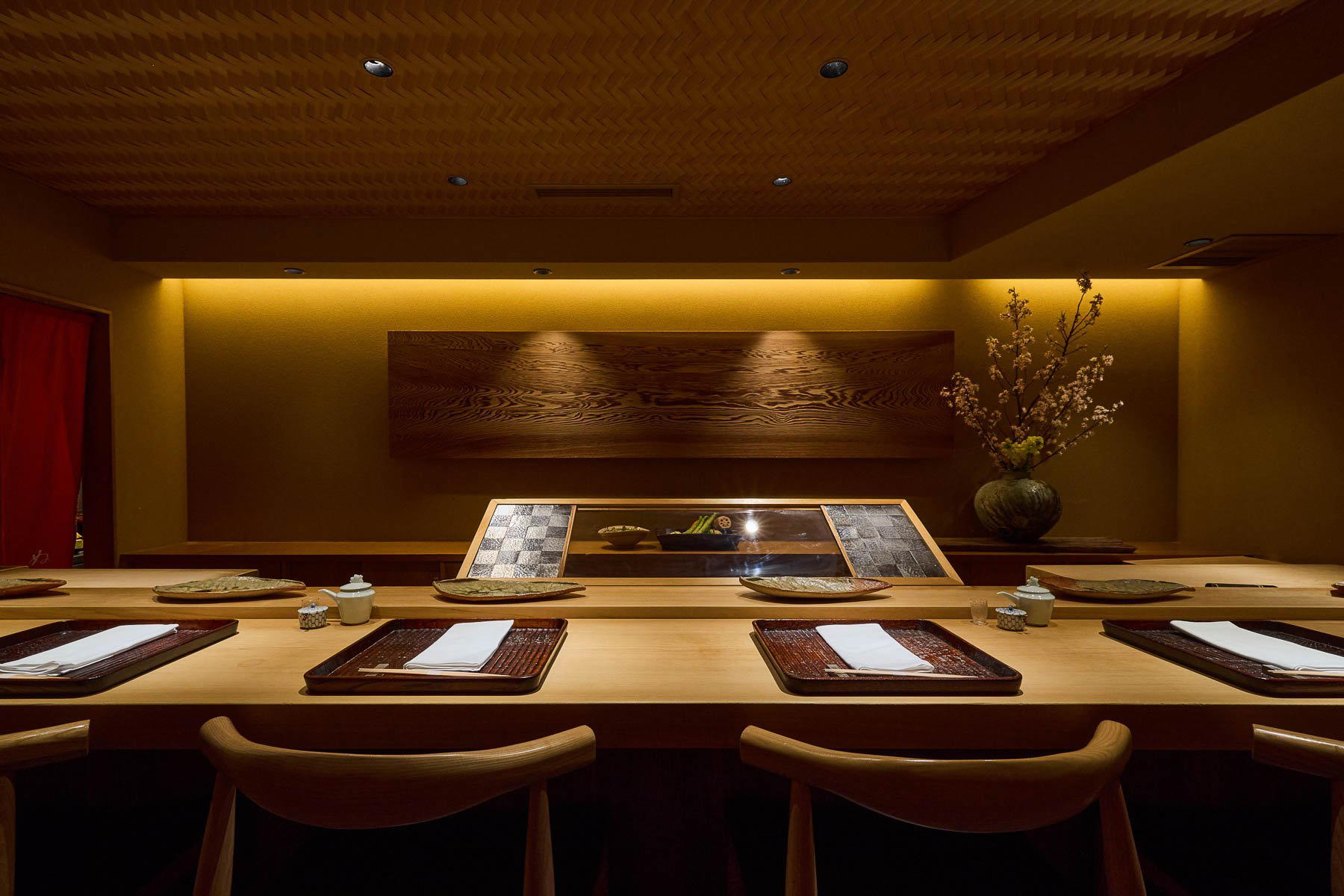
The room’s size is central to the editorial case. Fifteen seats, mostly at the counter, place Ciccia closer to Japan’s intimate kappo and omakase logic than to a broad European dining room. That does not make it Japanese cuisine; it explains why the format feels natural in Kobe. Kansai diners are used to serious meals at close range, where pacing, temperature and wine service matter more than spectacle. European technique becomes sharper in that setting because the kitchen cannot hide behind breadth.
Comparison helps. Yuzaburo occupies a higher spend bracket in Kobe, while Bar Ciccia sits lower and more drink-oriented; Ali's Halal Kitchen and Grill Suematsu operate in more accessible casual ranges. Ciccia sits between those poles: not a luxury trophy booking, not a quick neighbourhood fallback. For travellers building a Kobe itinerary, that middle position is useful. It can follow a beef lunch, replace a hotel dining room, or anchor a Sannomiya evening without the formality of Japan’s grander French or Italian rooms.
The city context matters beyond restaurants. Kobe rewards pairing dinner with neighbourhood time, not a single-purpose dash. The Sannomiya and Kitano orbit carries rail-hub energy, hillside foreign-residence history, cocktail bars, cafés and small rooms stacked into upper floors and side streets. Readers mapping a broader stay can use Our full Kobe restaurants guide for dining, then widen the plan through Our full Kobe hotels guide, Our full Kobe bars guide, Our full Kobe wineries guide and Our full Kobe experiences guide. The better Kobe evenings connect these pieces rather than treating dinner as an isolated transaction.
Who should put this on a Kobe itinerary
This is a strong fit for diners who understand that Japanese Italian cooking has its own logic. The pleasure is not in finding a replica of Piedmont or Tuscany in Hyogo, but in watching a European vocabulary respond to Japanese product standards, smaller rooms and the Kansai preference for meals that feel direct rather than inflated. The award history makes the reservation worth planning around; the room’s scale makes spontaneity less reliable.
It also suits travellers seeking relief from the steak narrative without abandoning Kobe’s seriousness about ingredients. A beef specialist may define one meal; a counter-scale Italian room shows another side of the same city. That contrast is the point. Kobe’s dining culture is strongest when multiple traditions sit close together: wagyu rooms, yoshoku counters, old cafés, wine-led European restaurants and immigrant kitchens within a few train stops.
For broader Japan planning, the same lens applies elsewhere: compare category, scale and sourcing before chasing names. In Kanagawa, -Grilled beef Sukiyaki- KAMAKURA TANUKIAN 鎌倉 たぬき庵 in Kamakura reads through beef tradition; in Tokyo. 鮪と炭火焼き うお炭 秋葉原店 in Tokyo points toward tuna and charcoal; in Osaka.cafe in Osaka sits in a different urban rhythm;.know in Kumamoto, (Shoku) Vietnam in Kawasaki and [Curry Senmon Ten] Maruyama Kyoju. in Sapporo show how regional context changes the meaning of a meal. Even outside Japan, Jōdo Saké Bar in Los Angeles and Onigiri Time in Pasadena prove the same point: format matters only when it clarifies what the kitchen is trying to serve.
A Quick Peer Check
Nearby venues at a similar price tier for orientation.
| Venue | Cuisine | Price | Notes |
|---|---|---|---|
| CicciaThis venue — the venue you are viewing | Intimate Italian wine restaurant with chef’s course in Kobe | $$$ | Not listed |
| Ristorante Hanatani | Seasonal Italian Chef’s Counter in Kobe | $$$ | Chūō |
| Kanetatsu | Traditional Yakitori | $$$ | Chūō |
| Yuzaburo | Japanese Yakiniku & Wagyu Steak | $$$ | Chūō |
| erre | Modern Italian Fine Dining | $$$$ | Chūō |
| éº¤ç® | Traditional Japanese Kaiseki | $$$ | Chūō |
Recognition history
Dated appearances from independent guides and award organizations, with the underlying list record or original source where available.
Tabelog 100 #29 · No. 29
Tabelog · Tabelog 100 - Italian - WEST - 2025
Continue exploring
More in Kobe
Restaurants in Kobe
Browse all →
Bars in Kobe
Browse all →




Hotels in Kobe
Browse all →



At a Glance
- Romantic
- Cozy
- Intimate
- Elegant
- Date Night
- Celebration
- Special Occasion
- Business Dinner
- Solo
- Wine Cellar
- Standalone
- Extensive Wine List
- Natural Wine
- Local Sourcing
- Organic
- Natural Wine
- Farm To Table
Current opening hours
- Monday
- Closed
- Tuesday
- 5:30–11 PM
- Wednesday
- 5:30–11 PM
- Thursday
- 5:30–11 PM
- Friday
- 5:30–11 PM
- Saturday
- 5:30–11 PM
- Sunday
- 5:30–11 PM
Hours can change for holidays and private events. Last verified .
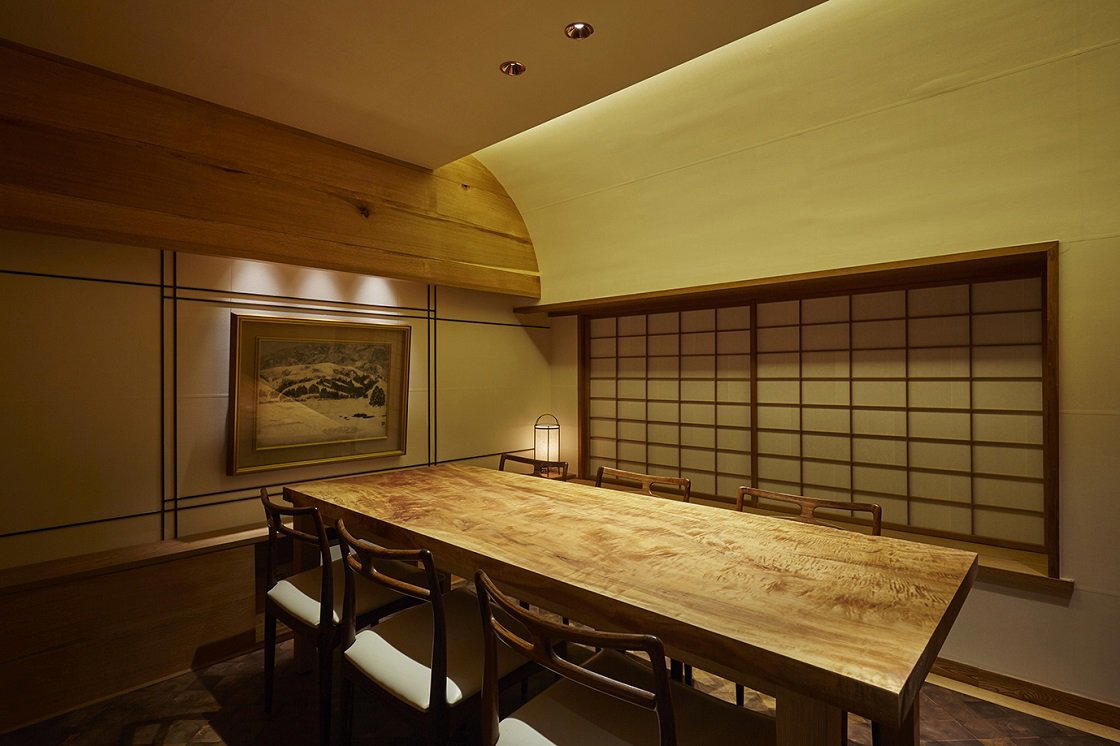
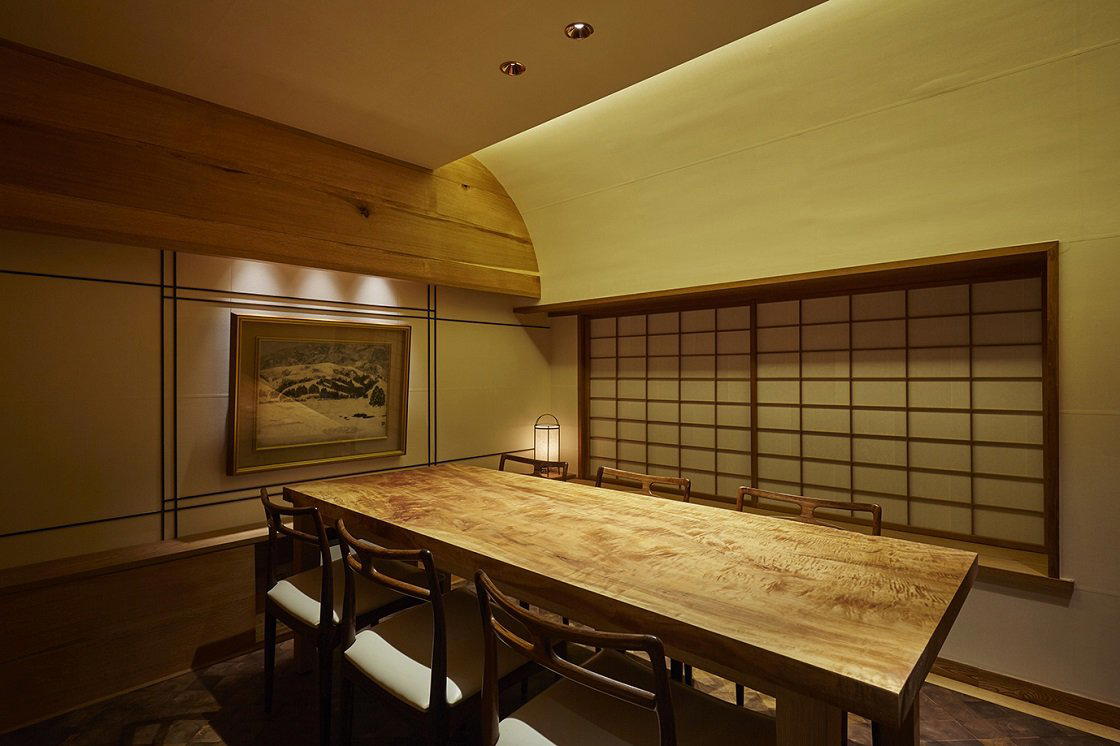
Small, quietly elegant room with only about 15 seats, giving an intimate, cozy feel suitable for dates and celebrations; atmosphere is relaxed yet polished, with a focus on enjoying a leisurely course meal and wine.