
A two-time Michelin-starred address on Macedonio Alcalá, Los Danzantes Oaxaca occupies the upper tier of the city's formal dining scene, where Oaxacan ingredients and cooking traditions are framed through a structured, kitchen-driven menu rather than the market-stall spontaneity found elsewhere in the Centro.
Pearl is the En Primeur Club membership app — saves, bookings, and concierge access live there. Same editors, same standards.
- Address
- C. Macedonio Alcalá 403-interior 4, RUTA INDEPENDENCIA, Centro, 68000 Oaxaca de Juárez, Oax., Mexico
- Phone
- +52 951 501 1184
- Website
- losdanzantesoaxaca.com.mx
- Directions
- Get directions
 Saves & bookings on Pearl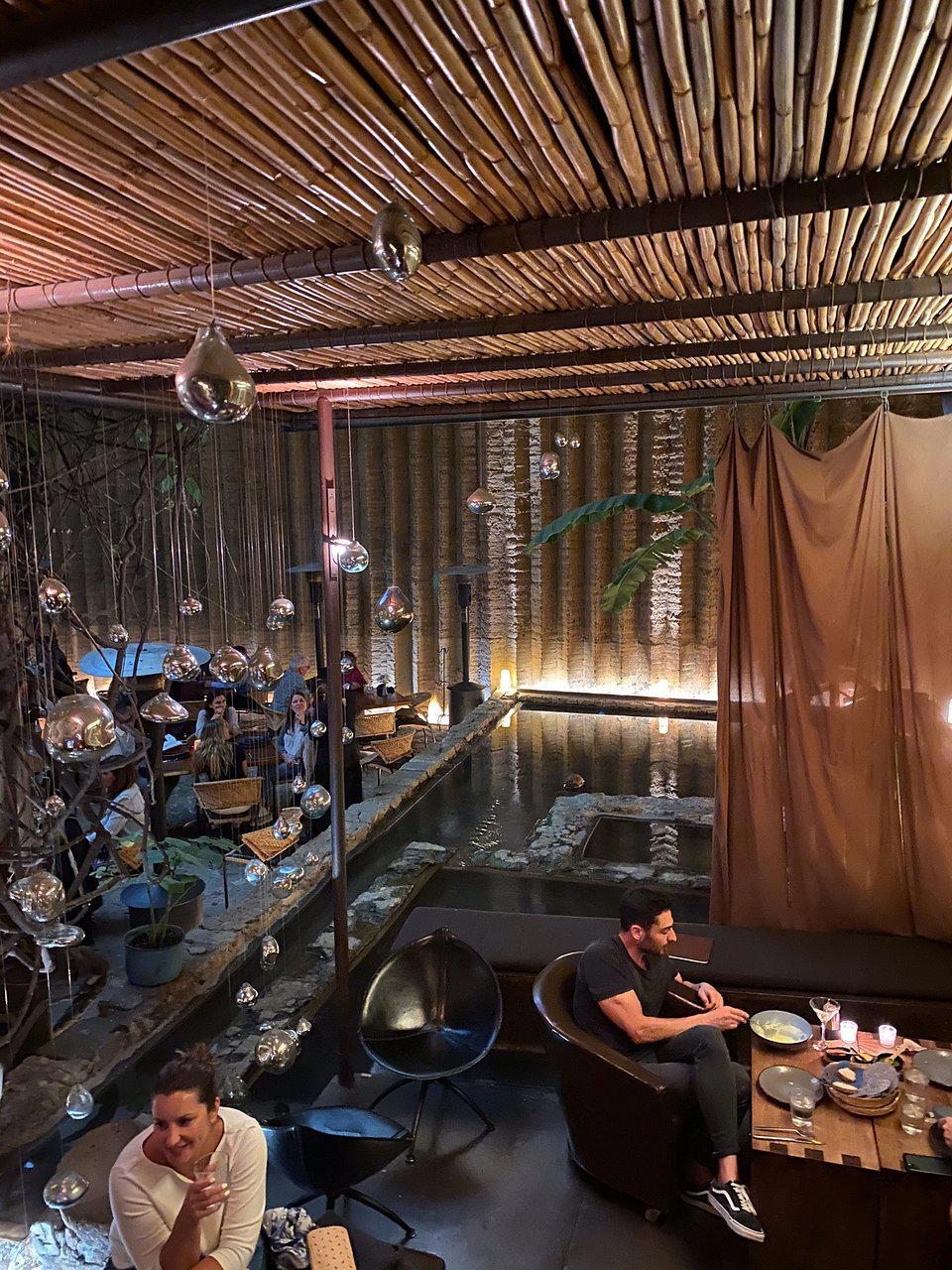
The Architecture of a Michelin-Starred Menu in Oaxaca's Centro
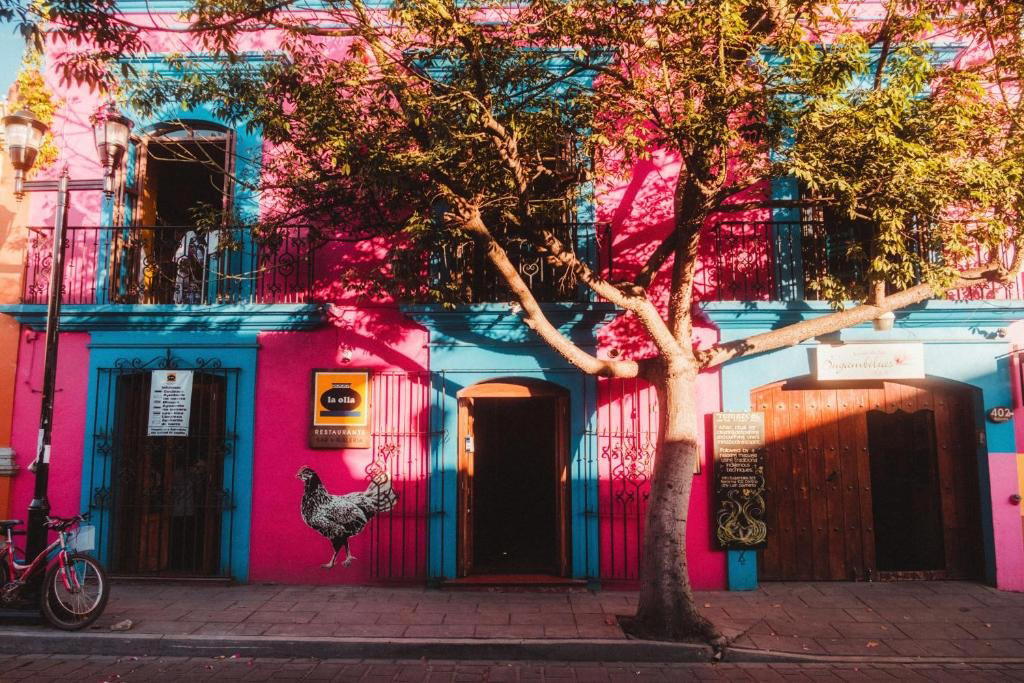
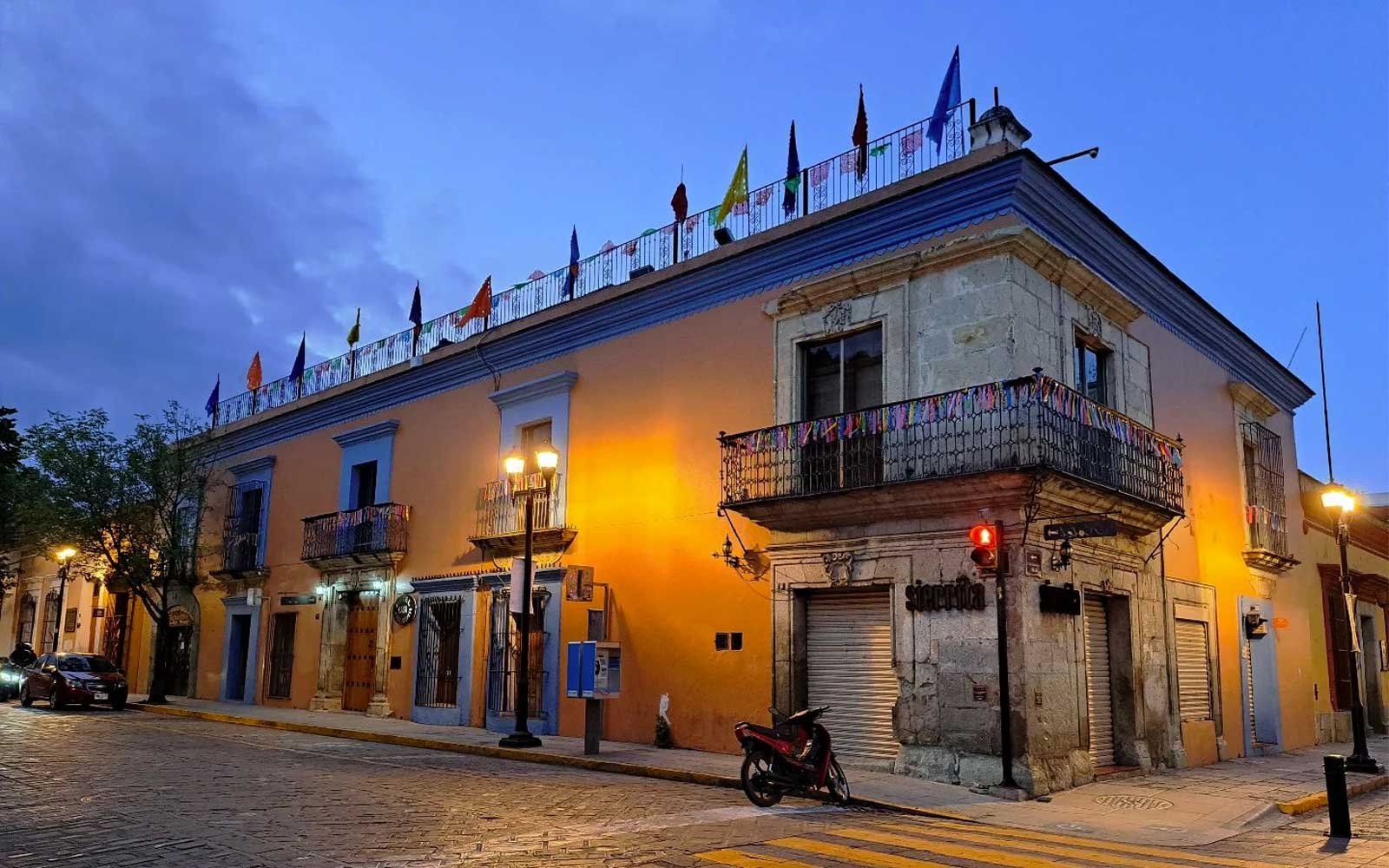
Macedonio Alcalá is Oaxaca's most walked street: a pedestrian corridor lined with colonial stonework, craft shops, and restaurants that range from market-simple to formally composed. At number 403, through an interior passage that steps away from the tourist foot traffic of the pedestrianised zone, Los Danzantes Oaxaca represents a specific kind of ambition that has become more legible since Michelin awarded the city its first stars in 2024. The approach here is deliberate and sequenced, the kind of menu architecture that treats Oaxacan ingredients not as colour or local texture but as the structural logic of the whole kitchen. That distinction, more than any single dish, explains the two consecutive Michelin stars the restaurant has held across 2024 and 2025.
Where Los Danzantes Sits in Oaxaca's Dining Tier
Oaxaca's restaurant scene spans an unusually wide range. At one end, markets like Mercado 20 de Noviembre serve tlayudas and tasajo over charcoal at peso prices. At the other, a cluster of formally structured kitchens has emerged that price and position against each other rather than against street food. At the $$$ tier, Los Danzantes shares a bracket with Casa Oaxaca, while Criollo operates one step above at $$$$. Further down, Levadura de Olla Restaurante and Alfonsina work at $$ with strong editorial recognition of their own. What separates Los Danzantes from both tiers below it is not price alone but the degree to which the kitchen controls the narrative of a meal: the sequence, the pacing, and the argument the menu makes about what Oaxacan cooking can be in a formal register.
That argument has attracted sustained attention. The Michelin recognition, awarded in both 2024 and 2025, places Los Danzantes in a small set of Oaxacan kitchens that have passed international critical scrutiny. For comparison, Almú and Ancestral Cocina Tradicional represent adjacent positions in the city's premium dining conversation, each with their own approach to Oaxacan tradition.
Menu Architecture: How the Kitchen Structures Its Argument
In cities where local cuisine is also a UNESCO-listed cultural heritage, as Oaxacan food has been recognised within the broader framework of Mexican traditional cooking, kitchens face a specific tension: how much to preserve, how much to reframe. The least interesting answer is to plate traditional dishes with higher-grade ingredients and call it fine dining. The more demanding approach is to use the grammar of Oaxacan cooking, its moles, its masa traditions, its use of chapulines, hierba santa, and chiles negros, as the underlying structure of a menu that can also sustain critical scrutiny on technique and composition.
Los Danzantes, by its Michelin standing, has been judged to operate in that second mode. The menu functions as a sequenced argument: each course positioned to develop a point about Oaxacan flavour logic, not simply to display a regional ingredient. This is the same structural ambition visible at the summit of the national conversation. Pujol in Mexico City has built an international reputation on exactly this approach to Mexican culinary heritage, and Oaxacan kitchens are increasingly making analogous cases for their own ingredient vocabulary. Elsewhere across Mexico, the same question is being asked in different regional contexts: at KOLI Cocina de Origen in Monterrey, at Le Chique in Puerto Morelos, and at Animalón in Valle de Guadalupe, where wine-country setting shapes a different inflection of the same national project.
What the two-star streak suggests at Los Danzantes is that the kitchen's answer to this tension has been consistent enough to satisfy a guide that revisits annually. Michelin does not award stars on sentiment. Retaining a star from one year to the next requires the same level of execution across a changed menu, a changed team, and changed seasonal conditions. Two consecutive years on the list is a signal that the kitchen's structure is sound, not dependent on a single season's produce or a single chef's moment of inspiration.
The Mezcal Connection
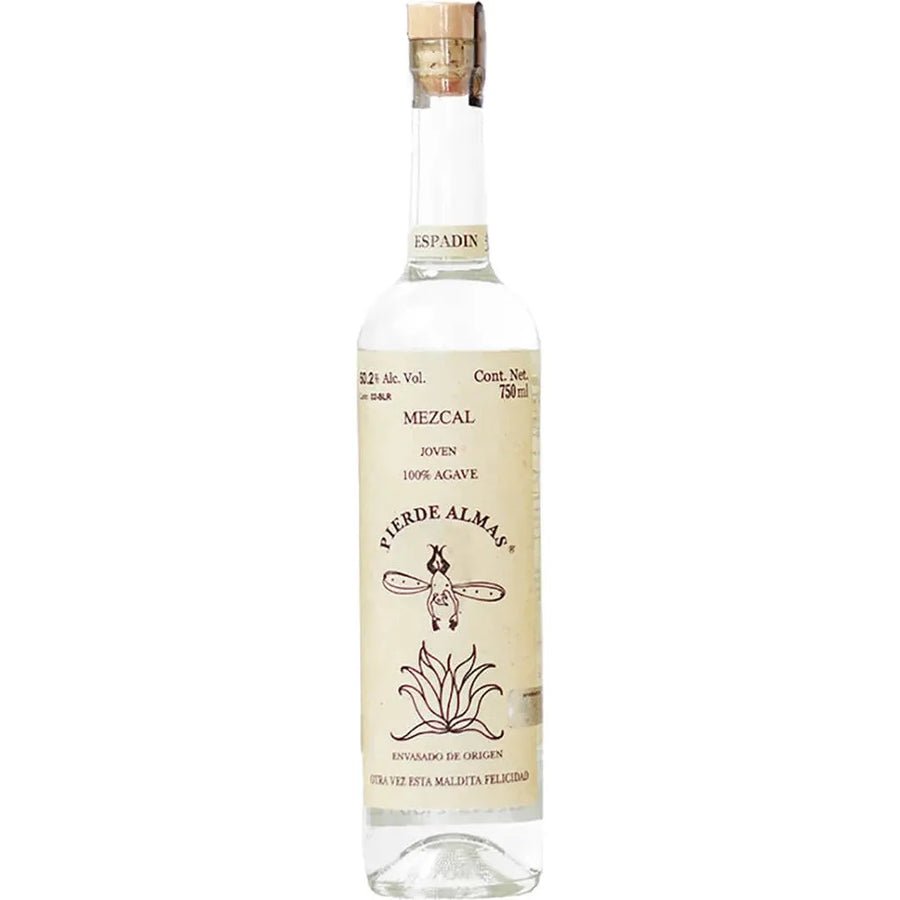
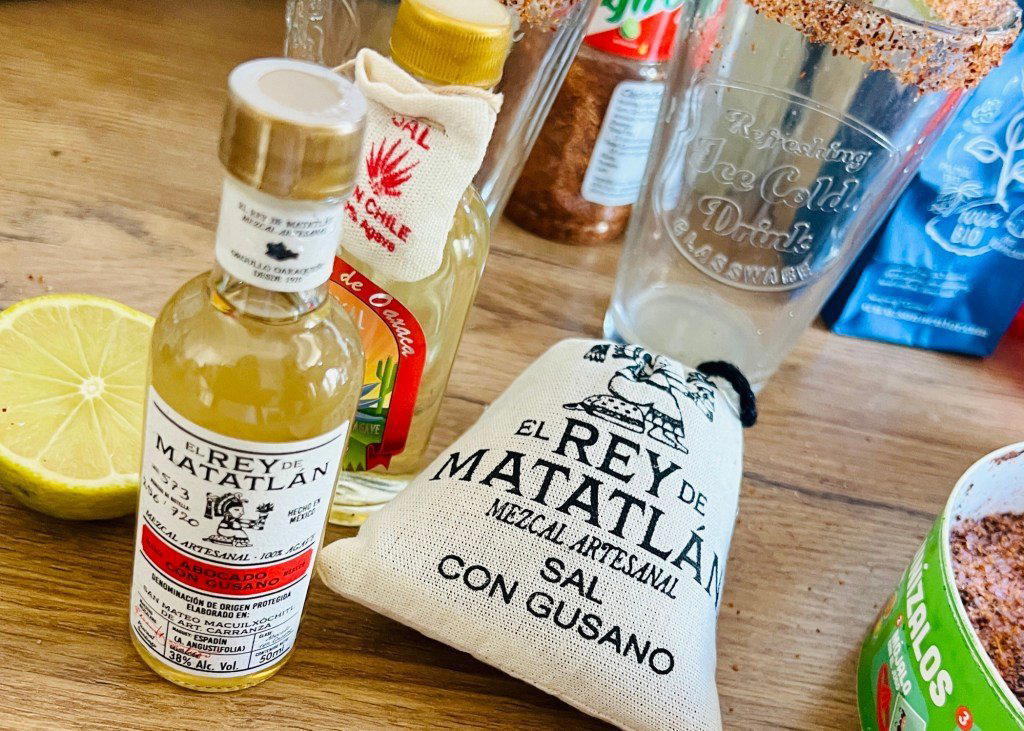
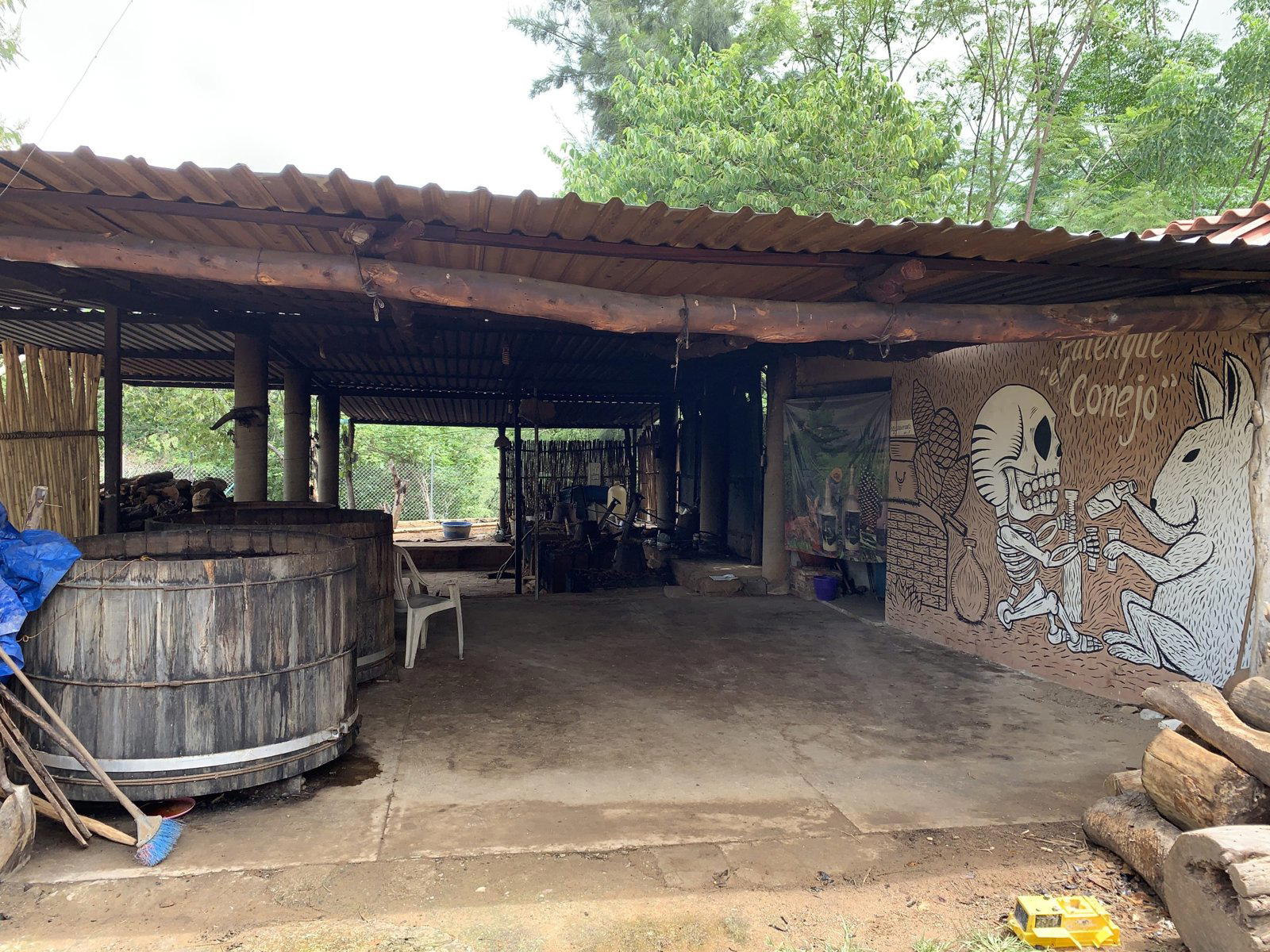
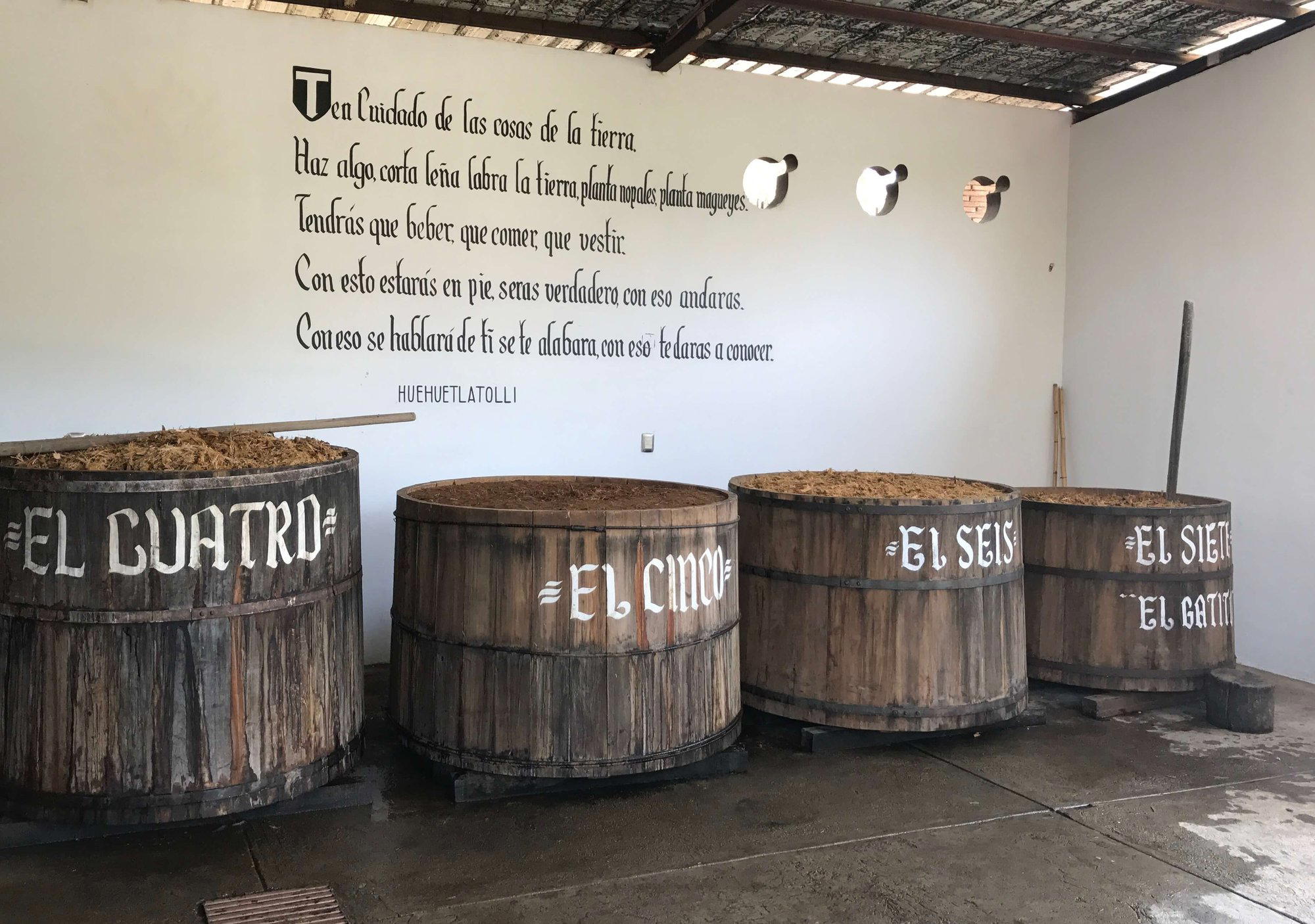
Los Danzantes is part of a broader brand with deep roots in Oaxacan mezcal production. The Danzantes mezcal label, which takes its name from the carved stone figures at the Monte Albán archaeological site, has been operating in the Valley of Oaxaca for decades. That provenance matters in the dining context because mezcal is not merely a spirit served alongside a meal here; it is part of the establishment's institutional identity. Oaxaca has seen significant growth in mezcal tourism and premium spirit culture over the past decade, and restaurants that are credibly connected to production rather than simply purchasing from distributors occupy a different position in the guest experience. For visitors building an itinerary around Oaxacan drink culture, the mezcal bar scene and distillery visits are an easy fit with a meal here.
Oaxacan Fine Dining in a National and International Frame
The emergence of a Michelin-recognised tier in Oaxaca changes the city's position in Mexican gastronomy meaningfully. Previously, the argument for Oaxaca as a culinary destination rested almost entirely on the depth and authenticity of its traditional food culture: the seven moles, the tlayudas, the grasshoppers sold at market stalls, the Zapotec cooking techniques that predate colonial contact. That argument was always strong, but it was a different kind of argument from the one made by Mexico City's fine-dining ecosystem. Michelin stars in Oaxaca suggest that both arguments can be true simultaneously: the city has a living traditional food culture and a formally ambitious restaurant tier that has been independently validated.
For international visitors who have already experienced Mexican fine dining in other contexts, Los Danzantes offers a specifically Oaxacan variation on the regional-ingredient, technique-led format. A meal here provides source-culture context for diners who know Mexican cuisine through other cities, while Asador Bacanora Oaxaca offers a wood-fire-focused counterpoint to the plated formality at Los Danzantes.
Planning a Visit
Los Danzantes Oaxaca is located at Calle Macedonio Alcalá 403, interior 4, in the Centro Histórico. The address puts it on the pedestrianised stretch of Alcalá within easy walking distance of the Zócalo and the Santo Domingo church complex, both of which anchor most Centro itineraries. At the $$$ price range, a full dinner will place it above the midpoint of Oaxaca dining costs; this is a meal to book rather than drop into, and given the Michelin profile and the 4,400-plus reviews suggesting high demand, advance reservations are the practical expectation rather than the exception. Exact booking method and hours are best confirmed directly with the restaurant. For those building a broader Oaxaca itinerary, Centro properties within short walking distance of Alcalá make the address especially convenient.
Where the Accolades Land
Comparable venues nearby, for context on price, style, and recognition.
| Venue | Cuisine | Price | Awards | Notes |
|---|---|---|---|---|
| Los Danzantes OaxacaThis venue — the venue you are viewing | Traditional Oaxacan with Modern Refinement | $$$ | Michelin 1 Star | Not listed |
| Casa Oaxaca | Modern Oaxacan | $$$ | Michelin Plate | 2006700010897 |
| Tierra del Sol | Creative Oaxacan Mixtec | $$$ | Bib Gourmand | 2006700010897 |
| Levadura de Olla Restaurante | Traditional Oaxacan | $$$ | Michelin 1 Star | 2006700010933 |
| Criollo | Modern Oaxacan Tasting Menu | $$$$ | Michelin Plate | 2006700010948 |
| Nois | Modern Oaxacan | $$$ | Michelin Plate | 2006700010933 |
Recognition history
Dated appearances from independent guides and award organizations, with the underlying list record or original source where available.
Michelin 1 Star
Michelin
Michelin 1 Star
Michelin
Michelin 1 Star
Michelin
Continue exploring
More in Oaxaca
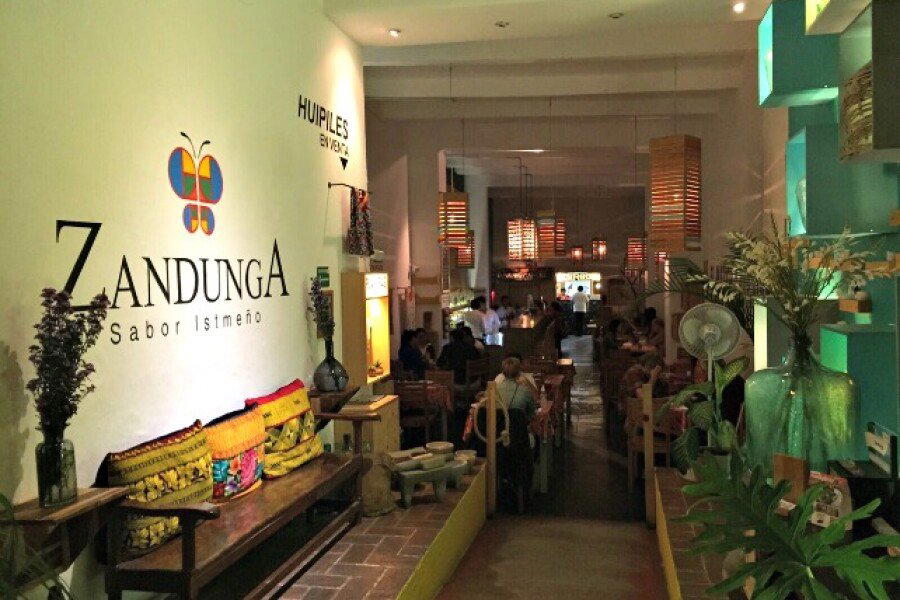
Restaurants in Oaxaca
Browse all →
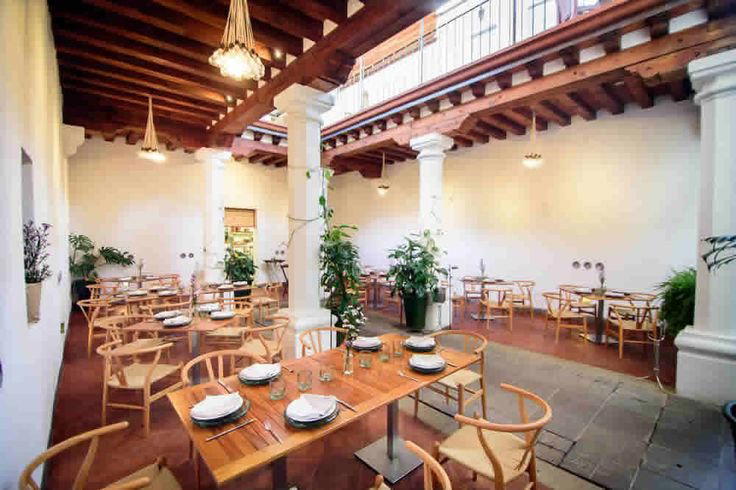
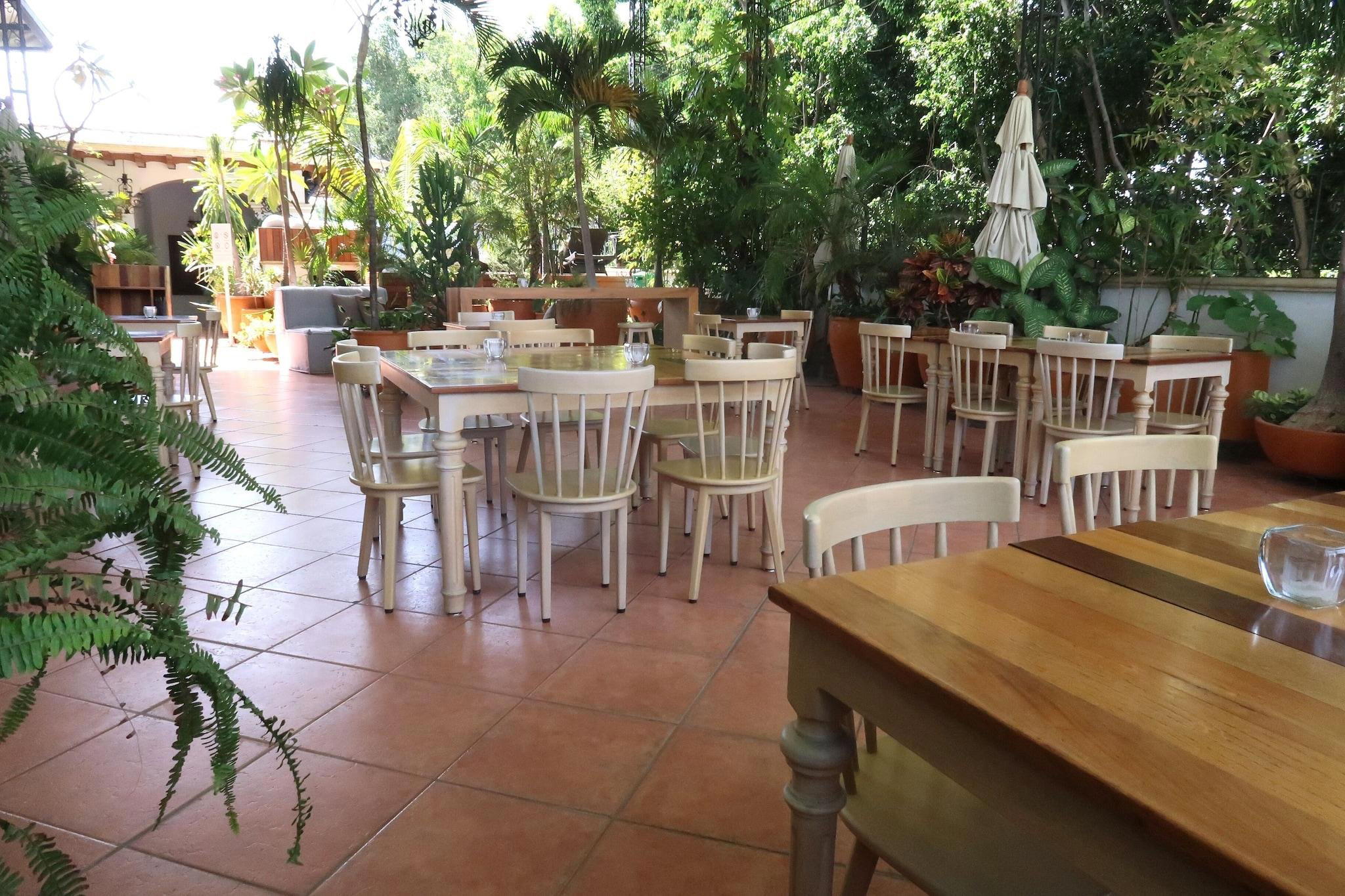
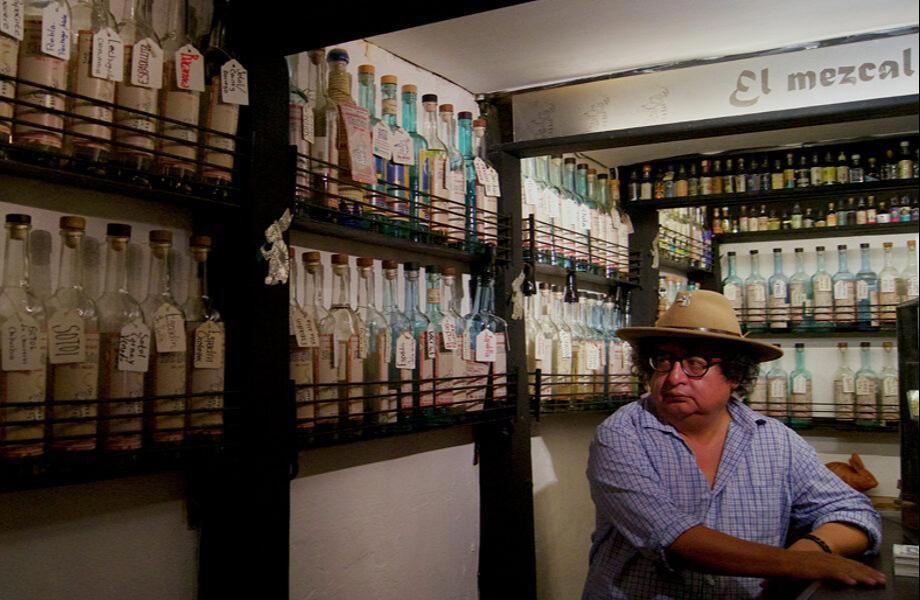
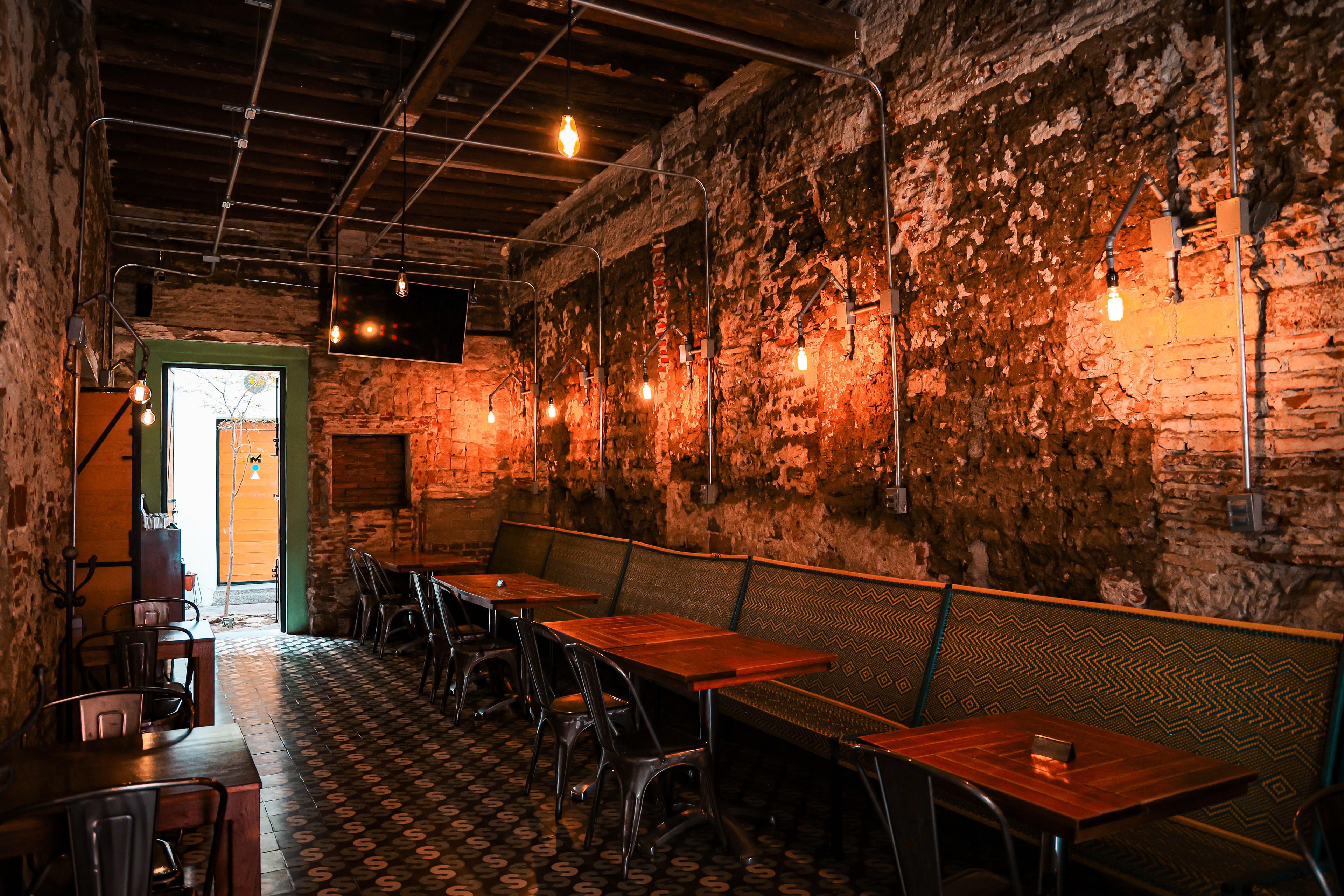
Bars in Oaxaca
Browse all →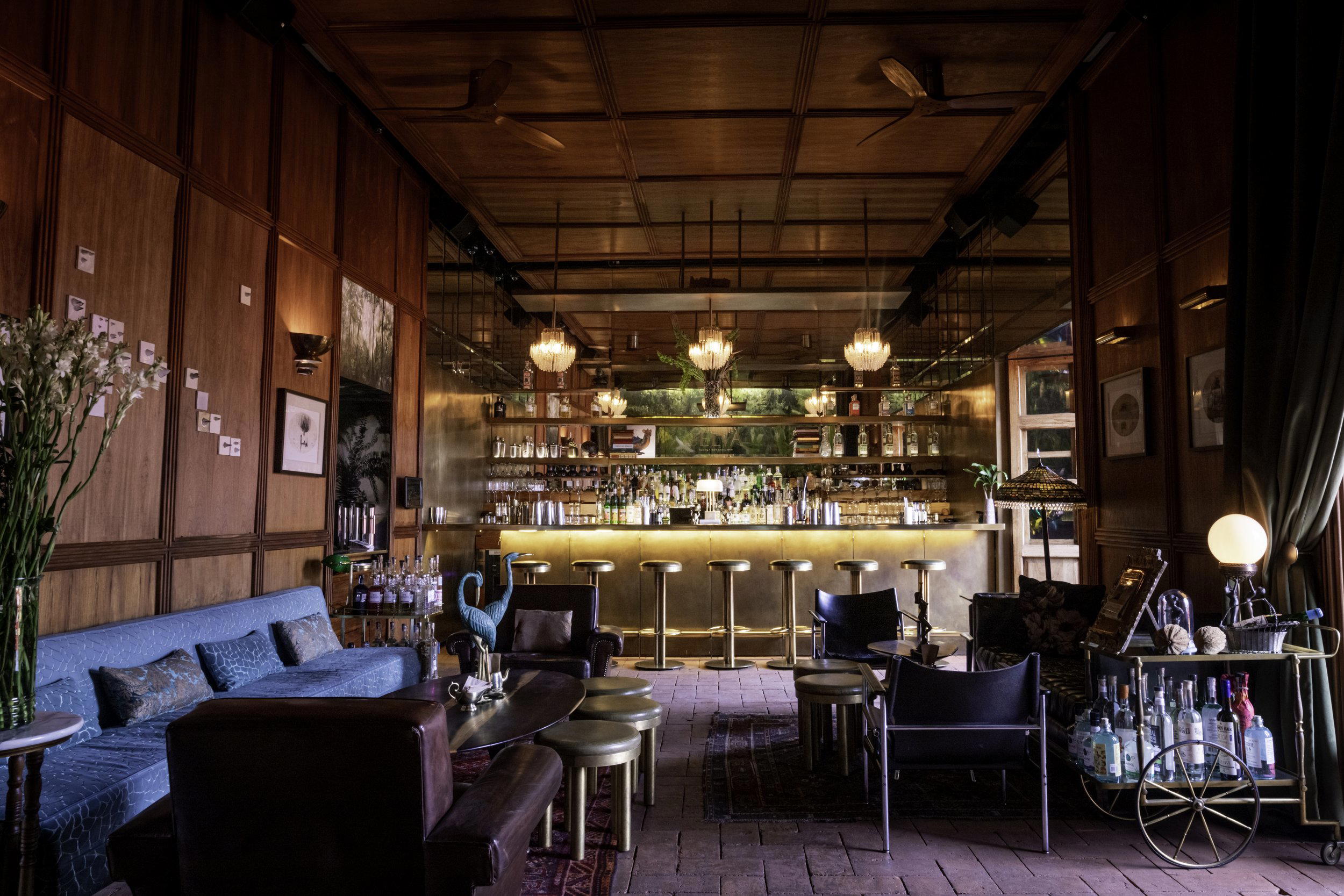
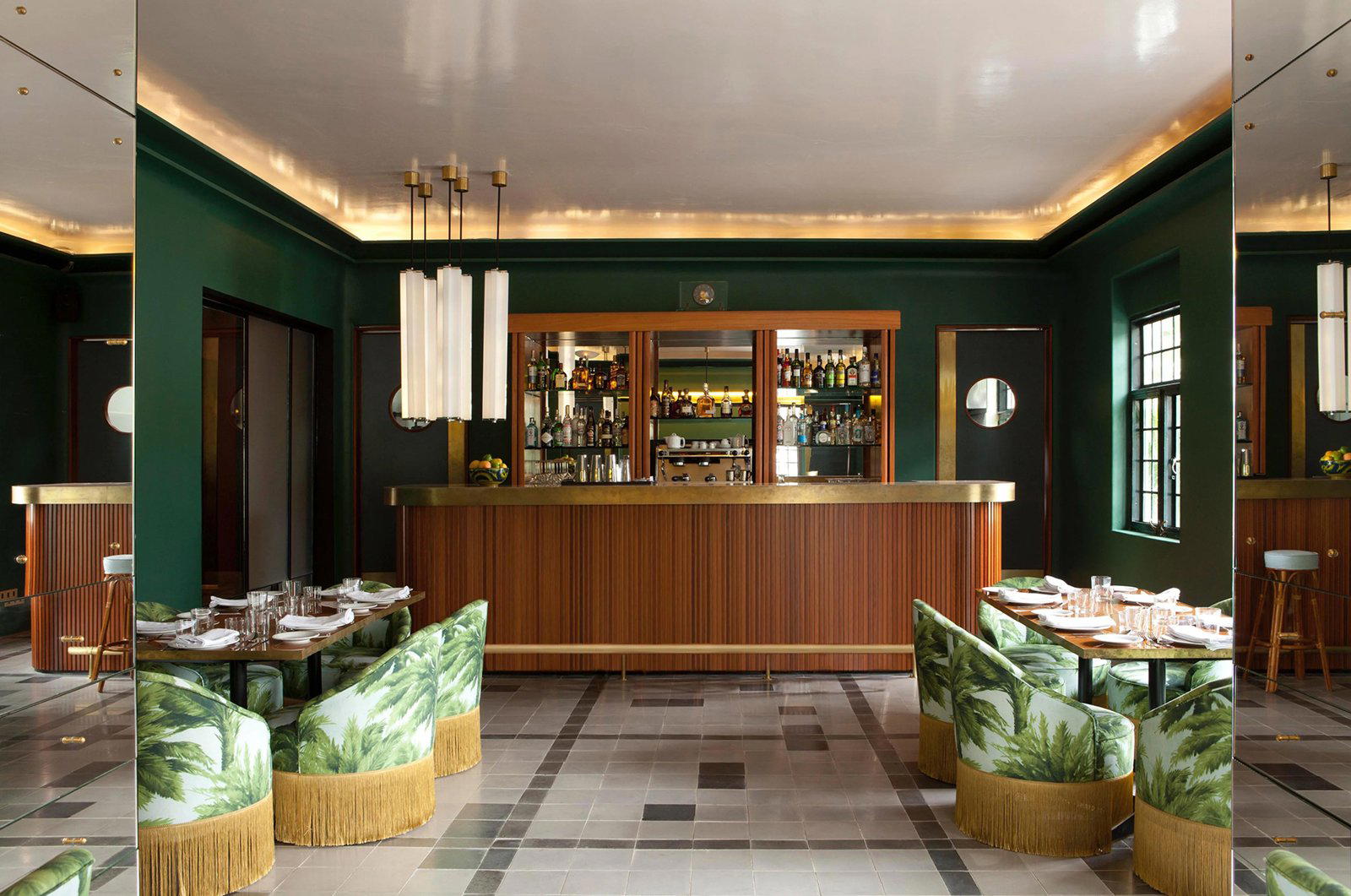
Hotels in Oaxaca
Browse all →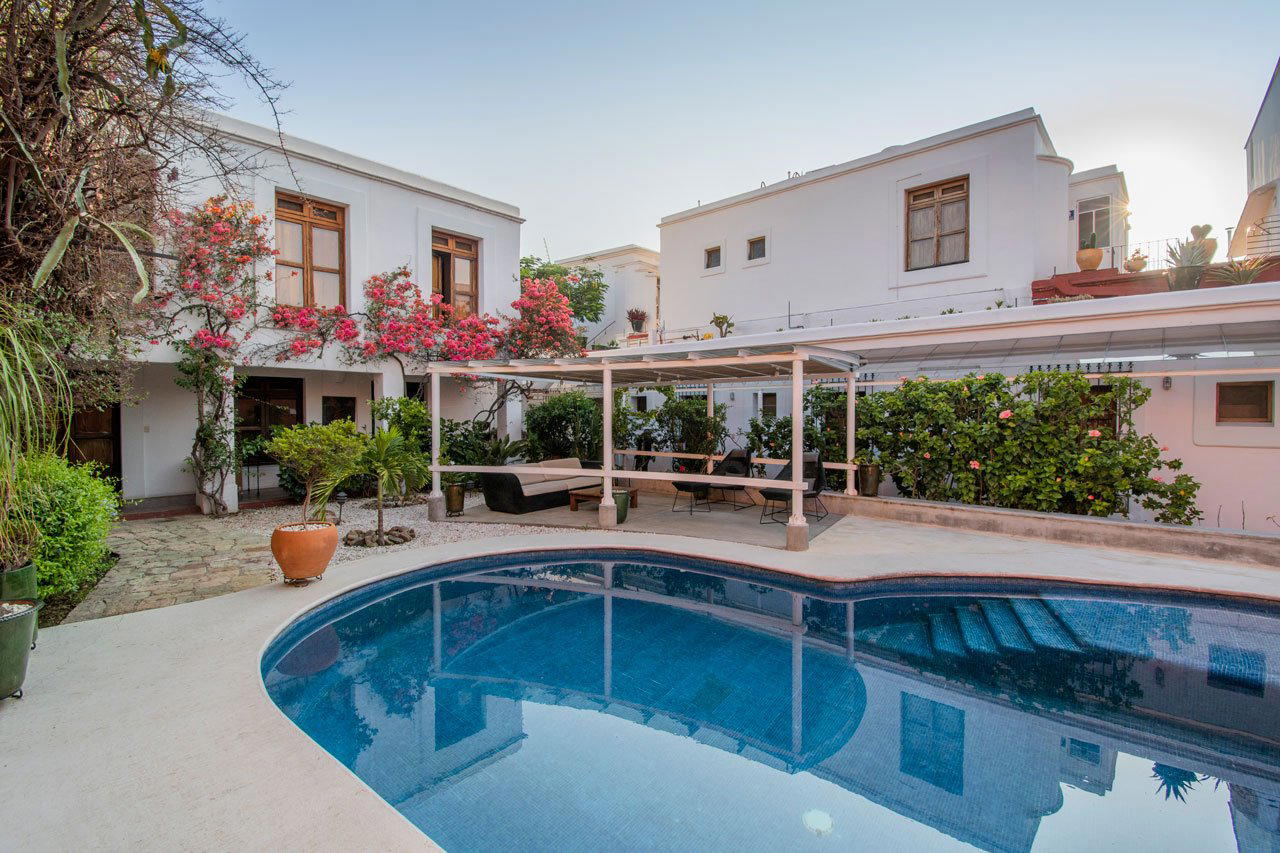

At a Glance
- Romantic
- Elegant
- Lively
- Scenic
- Date Night
- Celebration
- Special Occasion
- Group Dining
- Courtyard
- Garden
- Live Music
- Open Kitchen
- Design Destination
- Craft Cocktails
- Extensive Wine List
- Local Sourcing
- Garden
Current opening hours
- Monday
- 1–10:30 PM
- Tuesday
- 1–10:30 PM
- Wednesday
- 1–10:30 PM
- Thursday
- 1–10:30 PM
- Friday
- 1–10:30 PM
- Saturday
- 1–10:30 PM
- Sunday
- 1–10:30 PM
Hours can change for holidays and private events. Last verified .
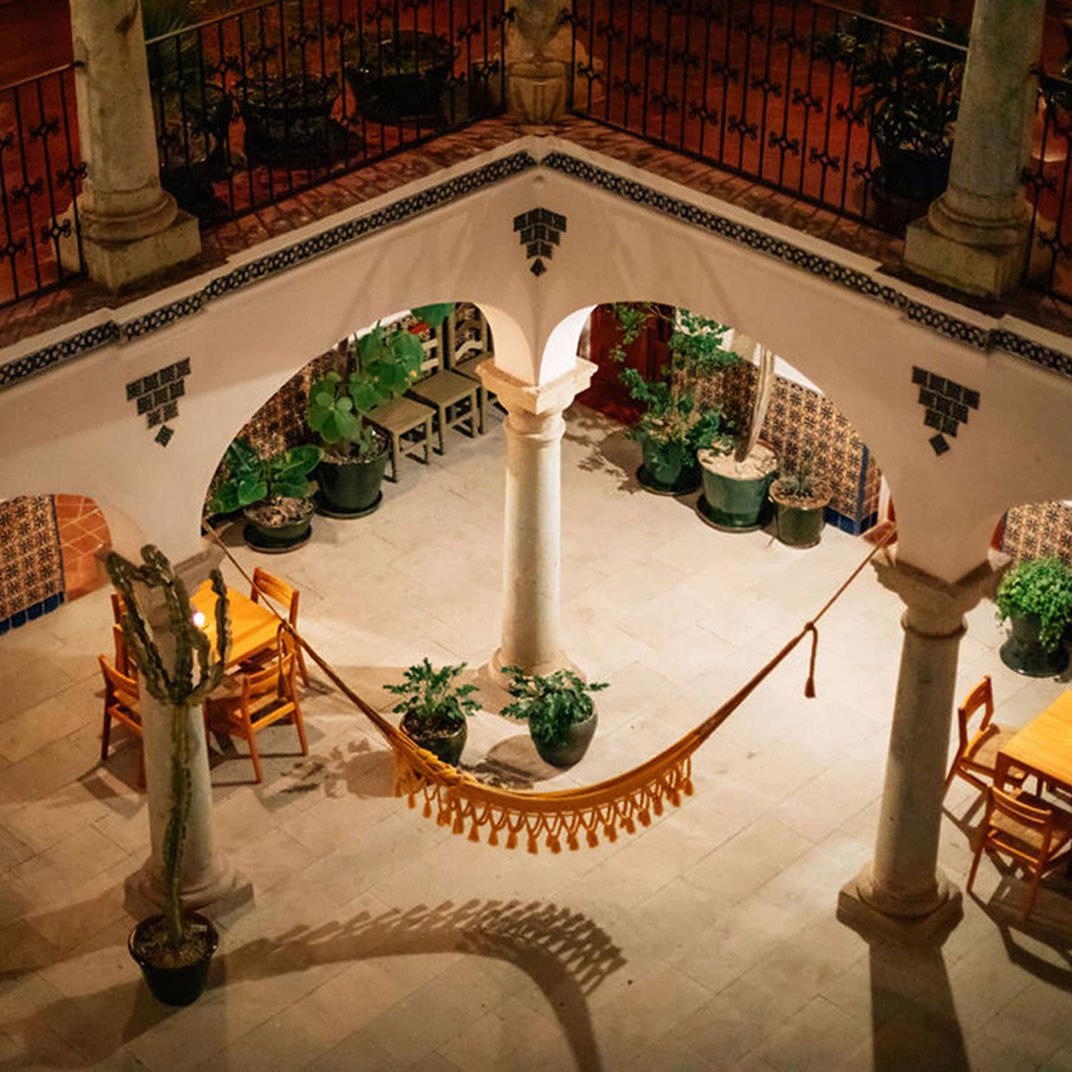
Warm, ambient lighting in a dazzling open-air courtyard with lush plants, shady trees, and a koi pond; busy with personable service and the sound of mezcal glasses clinking.