Le Pic Brasserie occupies a prominent address at Dr.-Karl-Lueger-Platz 3 in Vienna's first district, placing it within reach of the city's densest concentration of serious dining. The brasserie format in this part of the city sits between the grand Kaffeehaus tradition and the tighter tasting-menu tier, offering a middle register that Vienna's restaurant scene does well when it commits to sourcing.
Pearl is the En Primeur Club membership app — saves, bookings, and concierge access live there. Same editors, same standards.
- Address
- Dr.-Karl-Lueger-Platz 3, 1010 Wien, Austria
- Phone
- +434319137005
- Website
- lepic-restaurant.at
- Directions
- Get directions
 Saves & bookings on Pearl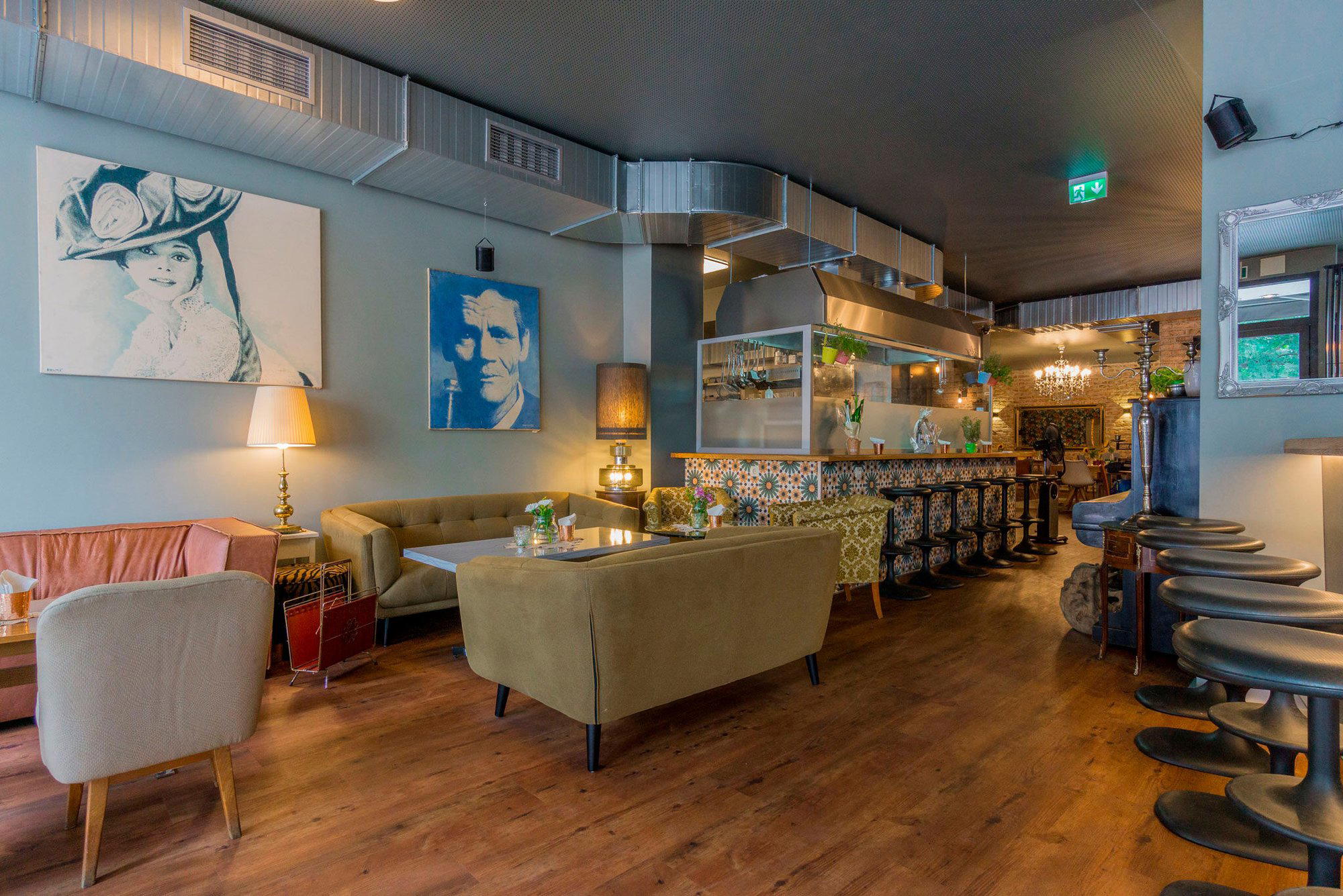
A Corner of the First District Worth Paying Attention To
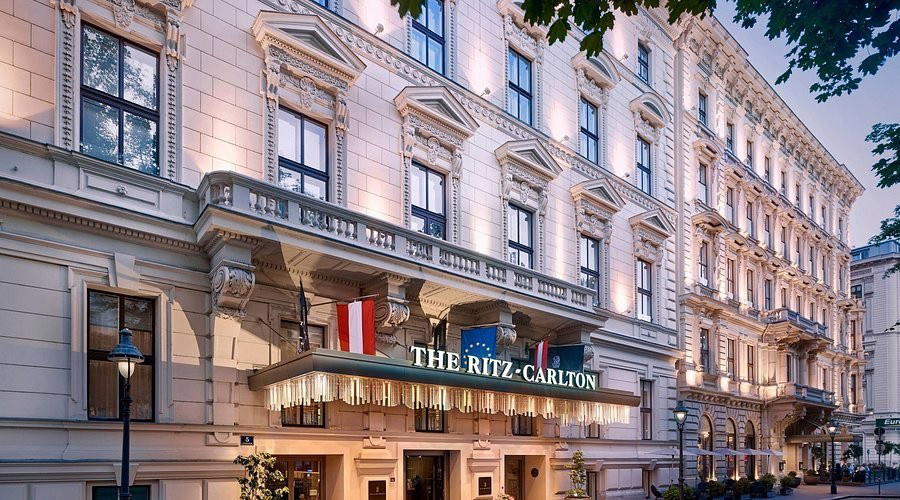
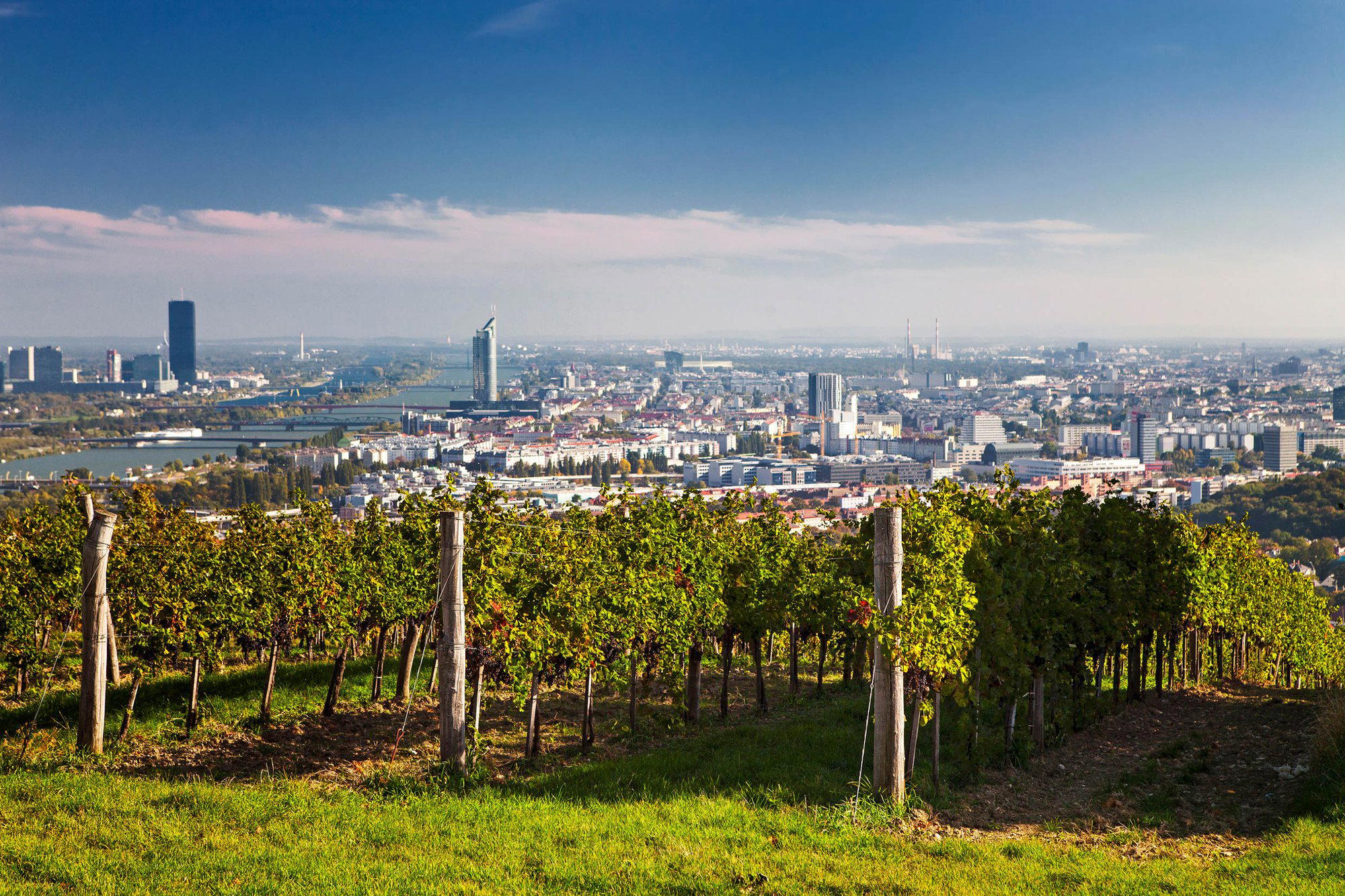
Dr.-Karl-Lueger-Platz sits at the eastern edge of Vienna's first district, where the Ringstrasse's institutional grandeur gives way to a slightly quieter civic scale. The square itself is framed by late-Habsburg architecture: heavy stone facades, tall windows, and the kind of proportions that make even a modest lunch feel like it belongs to a longer civic tradition. Arriving at Le Pic Brasserie, you are already inside one of the more historically layered corners of the city's dining geography. Vienna's first district does not operate like a neutral restaurant neighbourhood. It carries expectations of formality, of occasion, and of a particular relationship between room and plate.
The brasserie format occupies a specific register in that context. It sits below the tasting-menu tier, where restaurants like Steirereck im Stadtpark and Konstantin Filippou operate with multi-course precision, and above the casual Kaffeehaus, where the menu runs from Gulasch to Apfelstrudel with little variation for decades. The brasserie in this city is, at its most effective, a format that can carry serious ingredient work without demanding the full ceremony of a tasting evening.
Where the Food Comes From, and Why That Question Has Weight Here
Vienna's position within the Austrian food supply chain is worth understanding before evaluating any restaurant operating in the first district. The city is surrounded by some of Central Europe's most productive agricultural land: the Weinviertel to the north, the Marchfeld vegetable plains to the east, and the Wachau valley along the Danube to the west, which supplies both wine and stone fruit at a quality level that few European capitals can match from their immediate hinterland. Austrian chefs who commit to sourcing from these regions are working with ingredients that carry genuine provenance, Marchfeld asparagus in spring, Wachau apricots in summer, game from the Alpine foothills in autumn. Restaurants outside Vienna that have built reputations around this supply chain include Landhaus Bacher in Mautern an der Donau, positioned directly in the Wachau, and Obauer in Werfen, which draws on the Salzburg Alpine corridor. In Vienna itself, the sourcing question separates restaurants that are serious from those that are merely competent.
The brasserie tradition, when it applies rigour to this question, functions as a bridge between the market and the table in a way that tasting-menu formats sometimes obscure. Broader menus, à la carte structures, and the rhythm of a brasserie service allow sourcing decisions to be visible across multiple dishes rather than edited into a single linear sequence. That visibility, for a diner paying attention, is often more informative than the curated distance of a long tasting menu.
The First District's Middle Register
Vienna's creative tasting-menu tier is well-documented. Amador, Mraz and Sohn, and Doubek each occupy the upper-formal bracket of the city's contemporary scene. The more interesting question, from a practical dining perspective, is what occupies the space between that tier and the city's sprawling Kaffeehauskultur. The answer is uneven. Vienna has historically underinvested in the serious mid-market: places that take the kitchen as seriously as a destination restaurant but present it without the full apparatus of tasting-menu ceremony. The brasserie format, at its most committed, addresses that gap.
This matters for visitors who want the depth of Austrian ingredient culture, the specificity of regional produce, the weight of a wine list anchored in Grüner Veltliner and Blaufränkisch, the kitchen discipline that Austrian culinary training instils, without committing an entire evening to a fixed sequence. It also matters for the city's own professional class, who need restaurants that can serve a working lunch or a post-theatre dinner without defaulting to tourist-facing menus.
Comparable brasserie-register operations exist elsewhere in the Austrian system. Griggeler Stuba in Lech and Gourmetrestaurant Tannenhof in Sankt Anton am Arlberg serve alpine clientele at a similar register of seriousness, while Ikarus in Salzburg pushes further into the destination tier. Vienna's version of this middle register has its own character: more urban, more polyglot, and drawing on a wider supply geography than any single Alpine valley can provide.
Planning Your Visit
Le Pic Brasserie is located at Dr.-Karl-Lueger-Platz 3 in Vienna's first district (1010 Wien). The address is walkable from the Stubentor U3 station and sits within a short distance of the Stadtpark, which places it conveniently for visitors based in the central hotel corridor along the Ringstrasse. Given its first-district address and the general demand pattern for serious mid-market dining in Vienna, advance booking is advisable, particularly for weekend evenings. Vienna's restaurant peak runs from September through December, when the city's event calendar, opera season, and business traffic combine. If your schedule is flexible, the spring months bring the Marchfeld asparagus season.
For comparison points elsewhere in the Austrian restaurant system, Döllerer in Golling an der Salzach, Kräuterreich by Vitus Winkler in Sankt Veit im Pongau, Schwarzer Adler in Hall in Tirol, Ois in Neufelden, and Restaurant 141 by Joachim Jaud in Mieming each represent the regional tier of Austrian serious dining, and collectively illustrate how far Vienna's supply geography extends.
A Credentials Check
Comparable venues nearby, for context on price, style, and recognition.
| Venue | Cuisine | Price | Notes |
|---|---|---|---|
| Le Pic BrasserieThis venue — the venue you are viewing | Oriental-French Brasserie | $$$ | Not listed |
| Bouvier | Modern French-American Bistro | $$$ | Staatsoper |
| Momoya Fusion Restaurant | Asian Fusion Sushi & Street Food | $$$ | Staatsoper |
| fischerie | Austrian Freshwater Seafood | $$$ | Praterstern Wien Nord |
| Fischrestaurant Kaj | Croatian Seafood | $$$ | Praterstern Wien Nord |
| Praterbuffet | Modern Telavivian Rooftop Cuisine | $$$ | Riesenrad |
Continue exploring
More in Vienna
Restaurants in Vienna
Browse all →
Bars in Vienna
Browse all →
Hotels in Vienna
Browse all →
At a Glance
- Classic
- Elegant
- Brunch
- Business Dinner
- Date Night
- Waterfront
- Extensive Wine List
- Waterfront
Current opening hours
- Monday
- 8 AM–11:30 PM
- Tuesday
- 8 AM–11:30 PM
- Wednesday
- 8 AM–11:30 PM
- Thursday
- 8 AM–11:30 PM
- Friday
- 8 AM–11:30 PM
- Saturday
- 8 AM–11:30 PM
- Sunday
- 8 AM–5 PM
Hours can change for holidays and private events. Last verified .
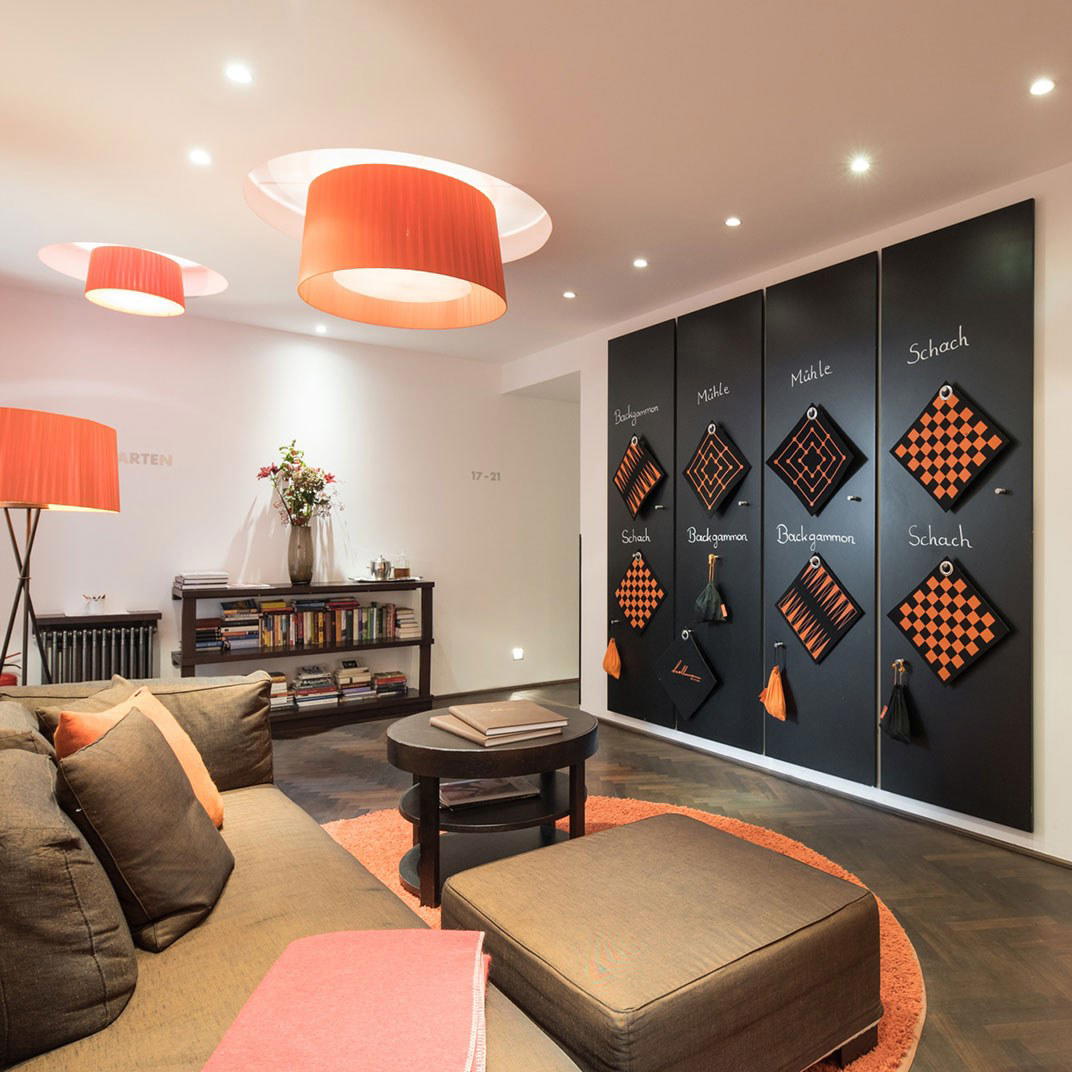
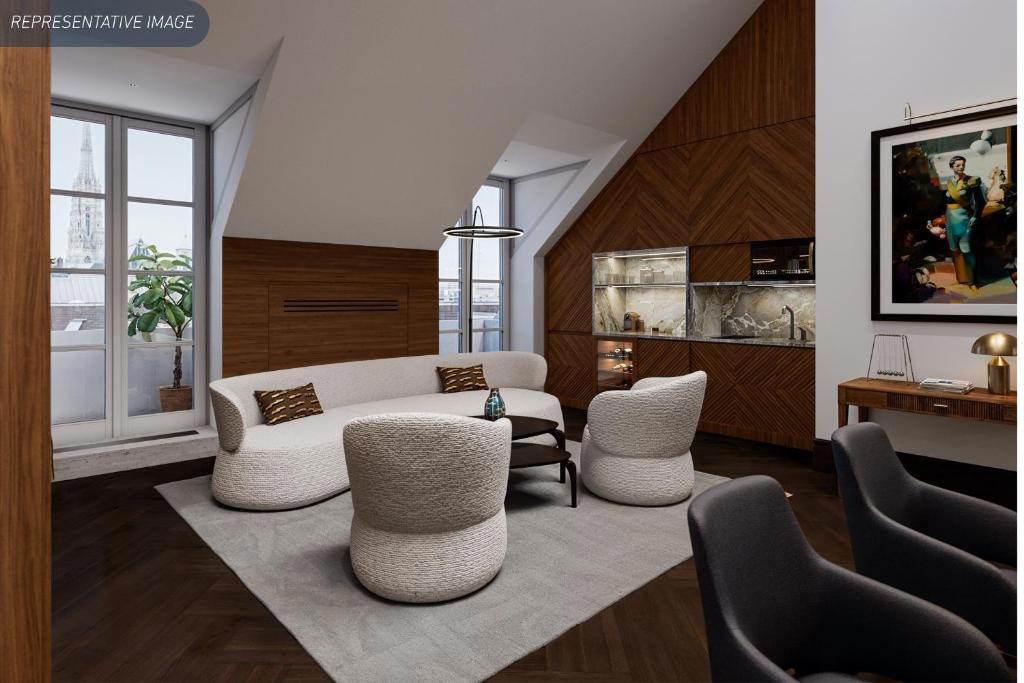
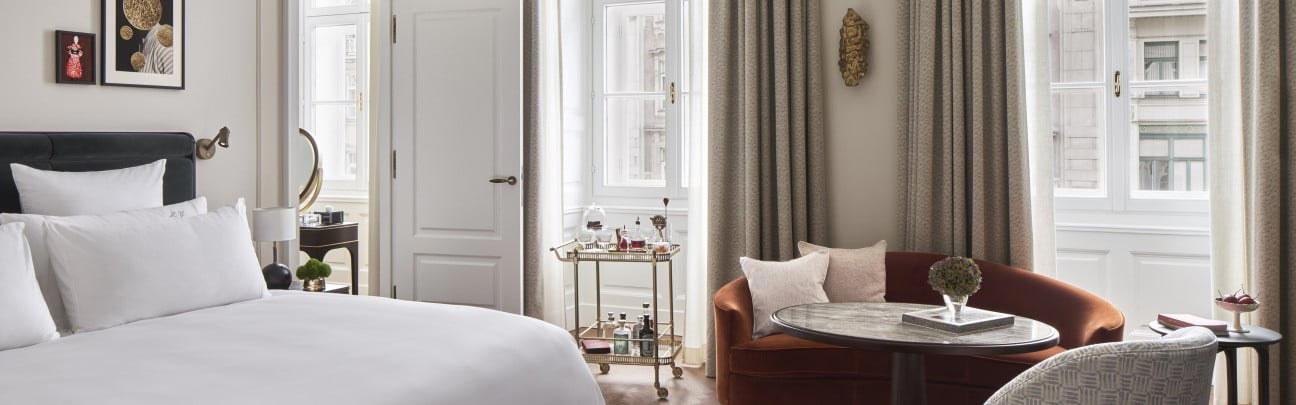
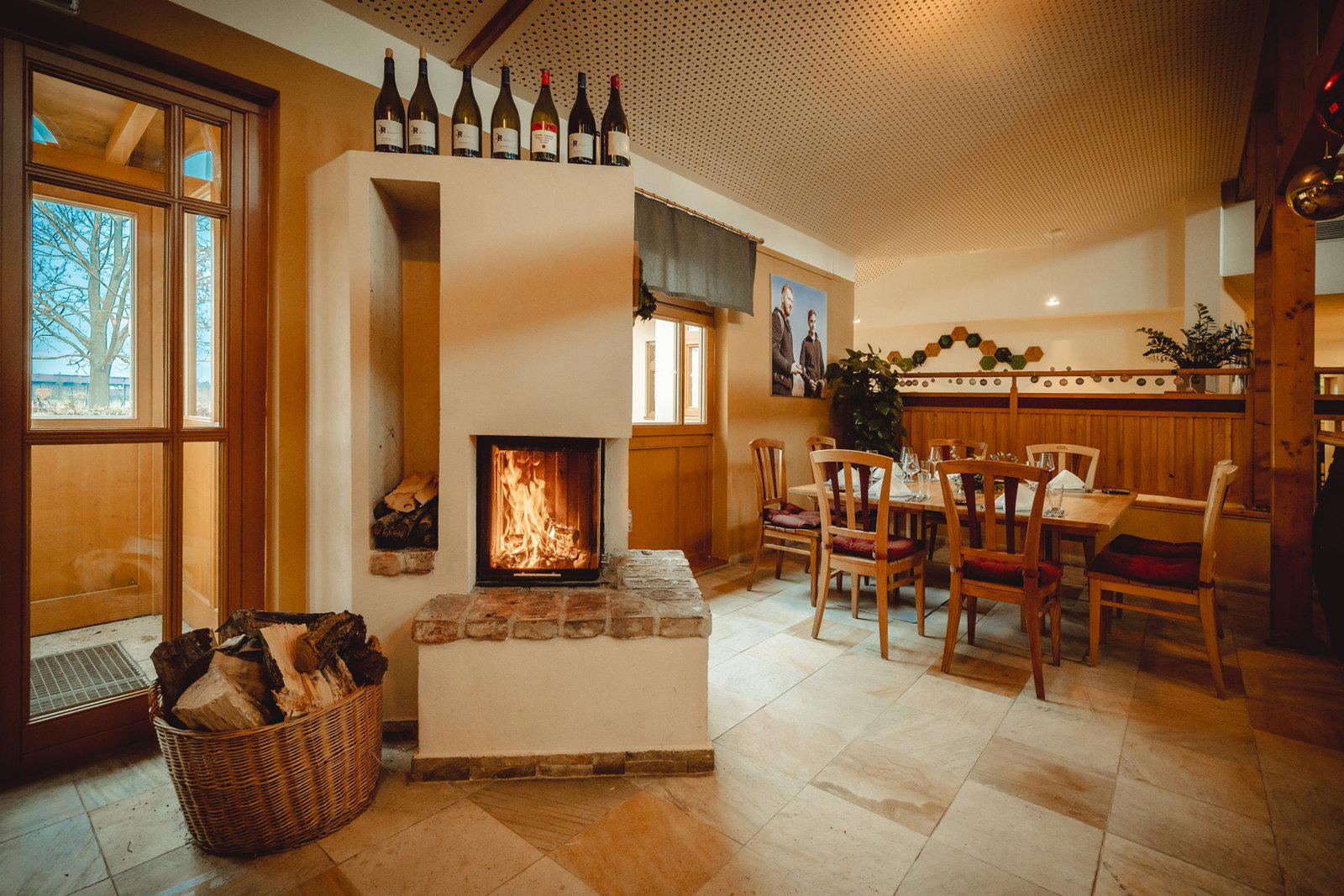
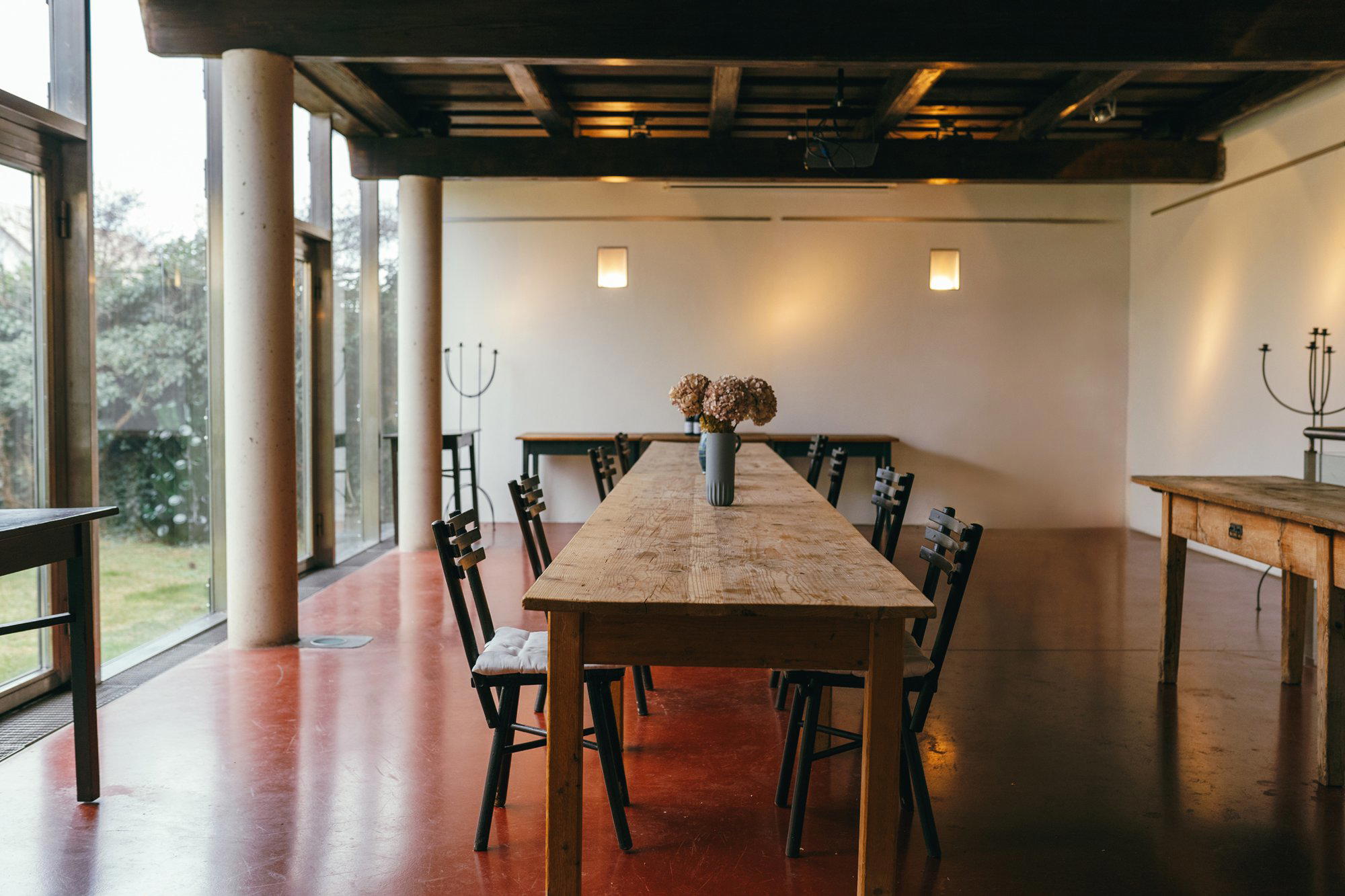
Welcoming and relaxed atmosphere reminiscent of France with comfortable brasserie lighting.