Momoya Fusion Restaurant occupies a first-district address on Seilerstätte 14, placing it inside Vienna's most concentrated zone of serious dining. The fusion format positions it in a category that sits apart from the city's dominant creative-Austrian and modern-European fine dining tier, offering a distinct point of difference for those already working through Vienna's established tasting-menu circuit.
Pearl is the En Primeur Club membership app — saves, bookings, and concierge access live there. Same editors, same standards.
- Address
- Seilerstätte 14, 1010 Wien, Austria
- Phone
- +434315129149
- Website
- momoyafusion.at
- Directions
- Get directions
 Saves & bookings on Pearl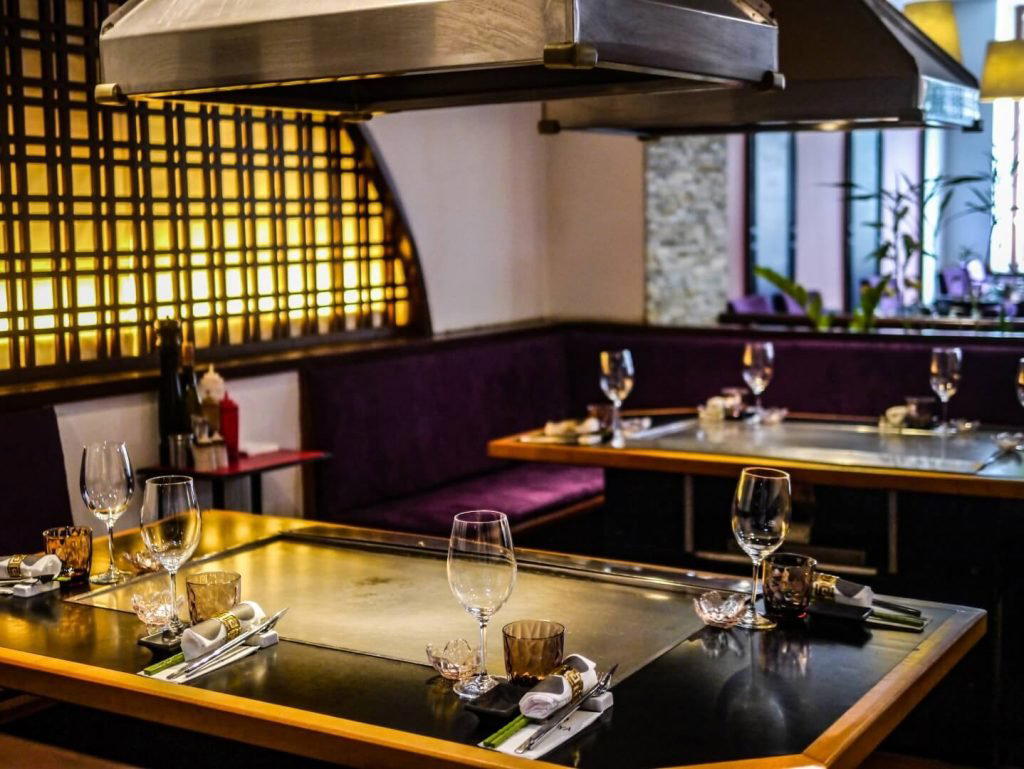
A First District Address and What It Signals
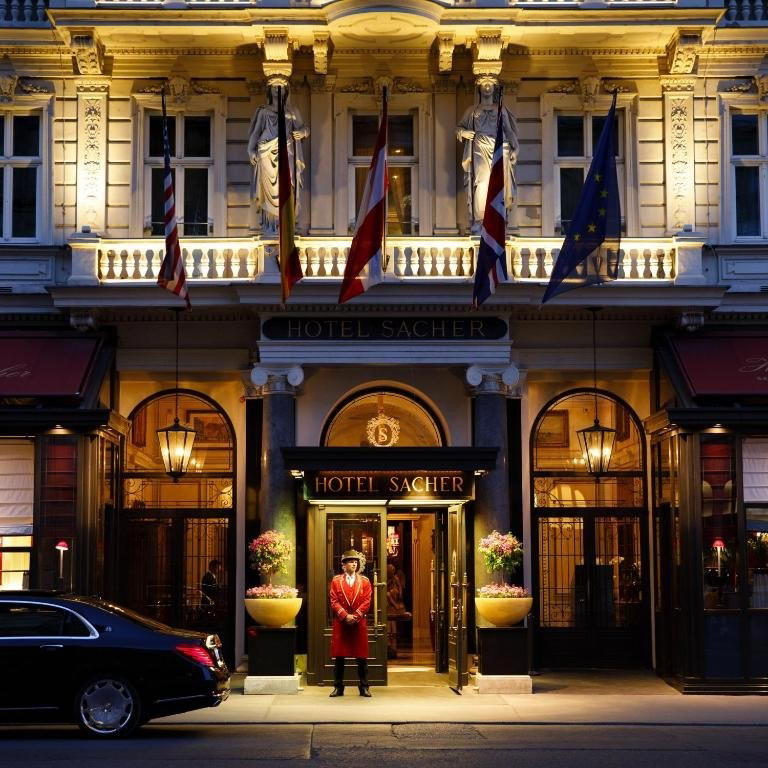
Seilerstätte is a short street in Vienna's first district that connects the Staatsoper orbit to the Stubenring, running through a neighbourhood where the built environment is almost uniformly late-nineteenth-century Ringstrasse-era stone. A restaurant address here sets clear expectations. The first district carries a specific gravitational pull for dining in Vienna: it concentrates the city's most formal transient audience, heavy with opera-goers, hotel guests from the adjacent luxury properties, and the kind of international traveller who books months ahead. Momoya Fusion Restaurant is at Seilerstätte 14, Vienna.
That address also places it in a competitive field. Vienna's first-district dining scene is anchored by the city's most decorated creative and modern-European programs. Konstantin Filippou operates its refined, technically precise modern-European tasting format nearby. Amador and Doubek represent the creative-Austrian and chef-driven end of the spectrum. Momoya's fusion positioning cuts across this comparable set at an angle: it is not competing for the same guest who is choosing between tasting menus built around alpine ingredients and Austrian wine lists. It is addressing a different appetite entirely.
The Physical Container: Reading the Room
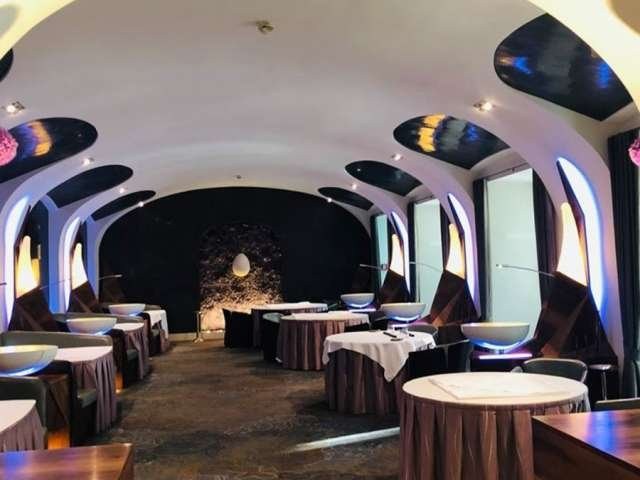
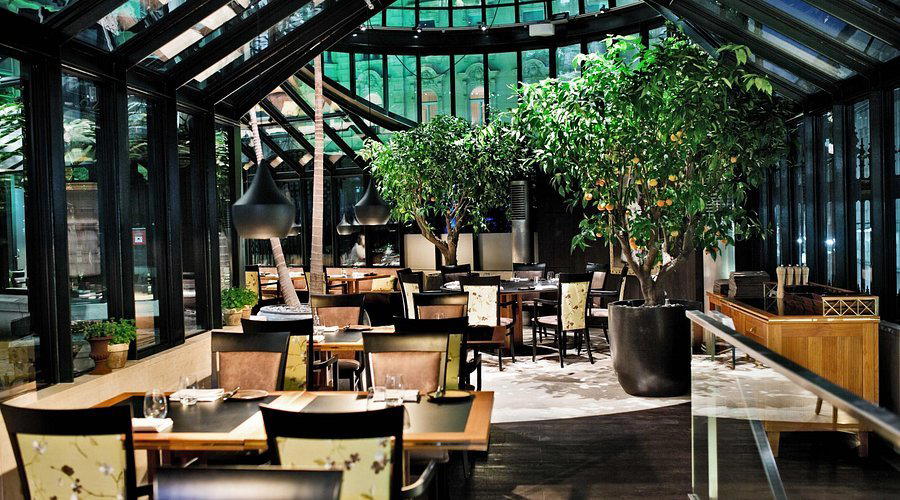
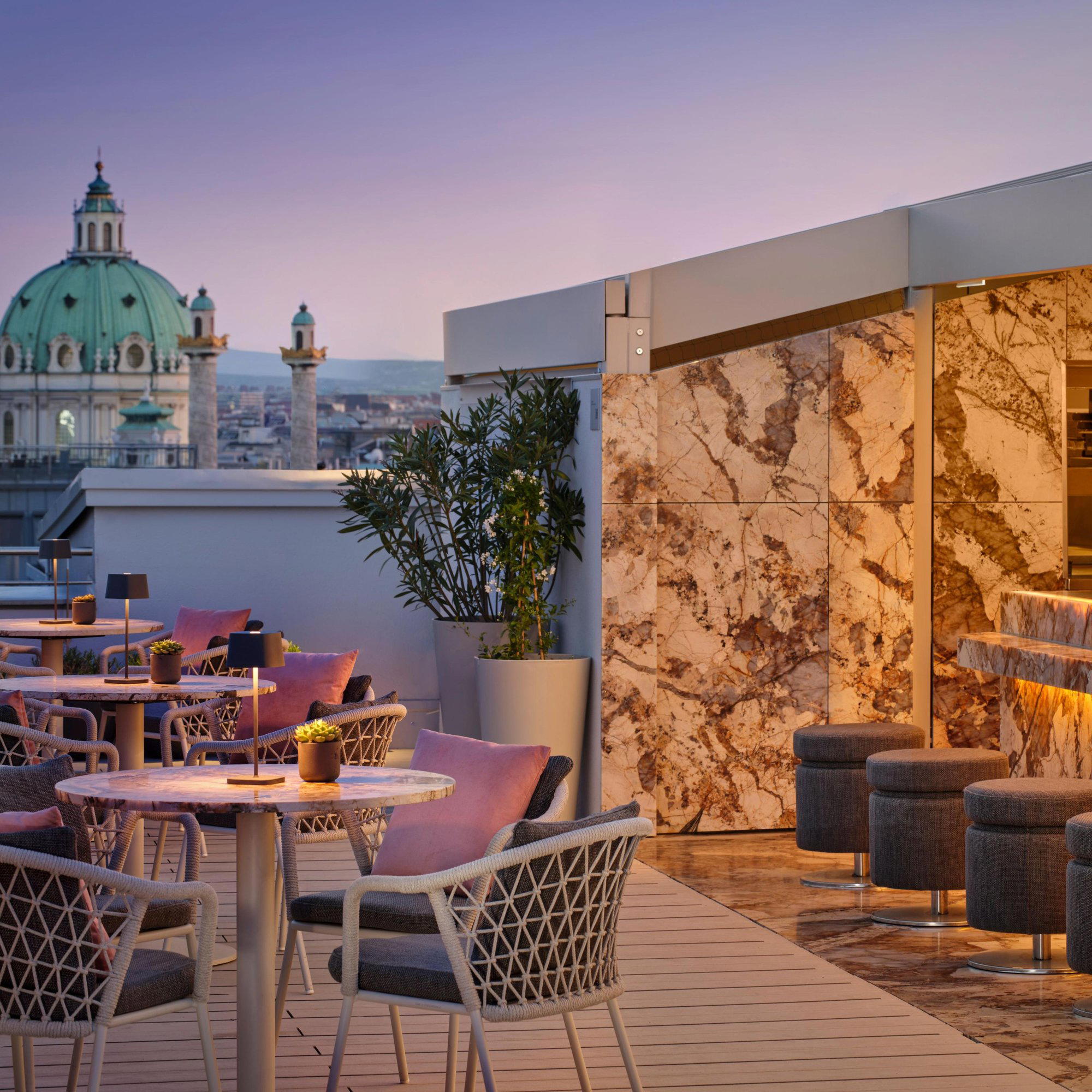
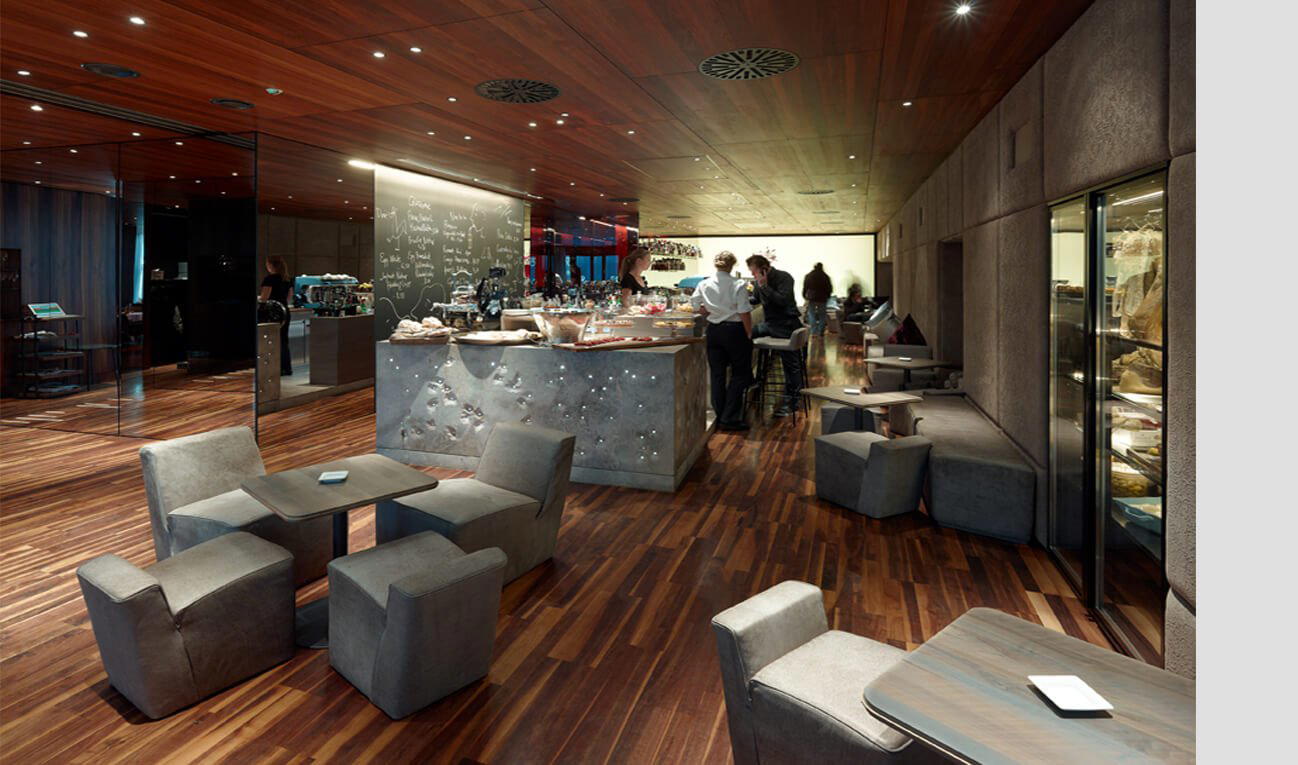
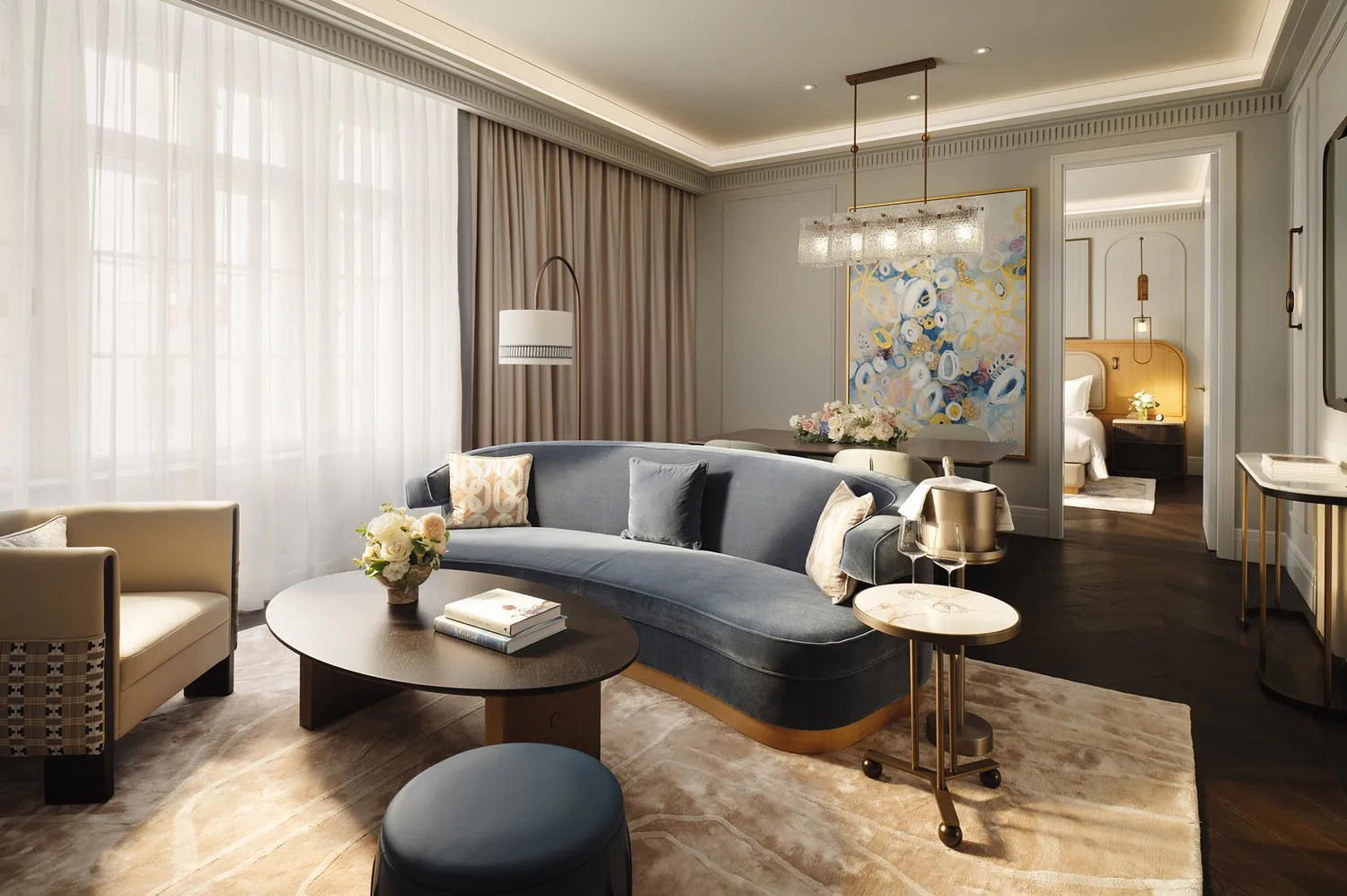
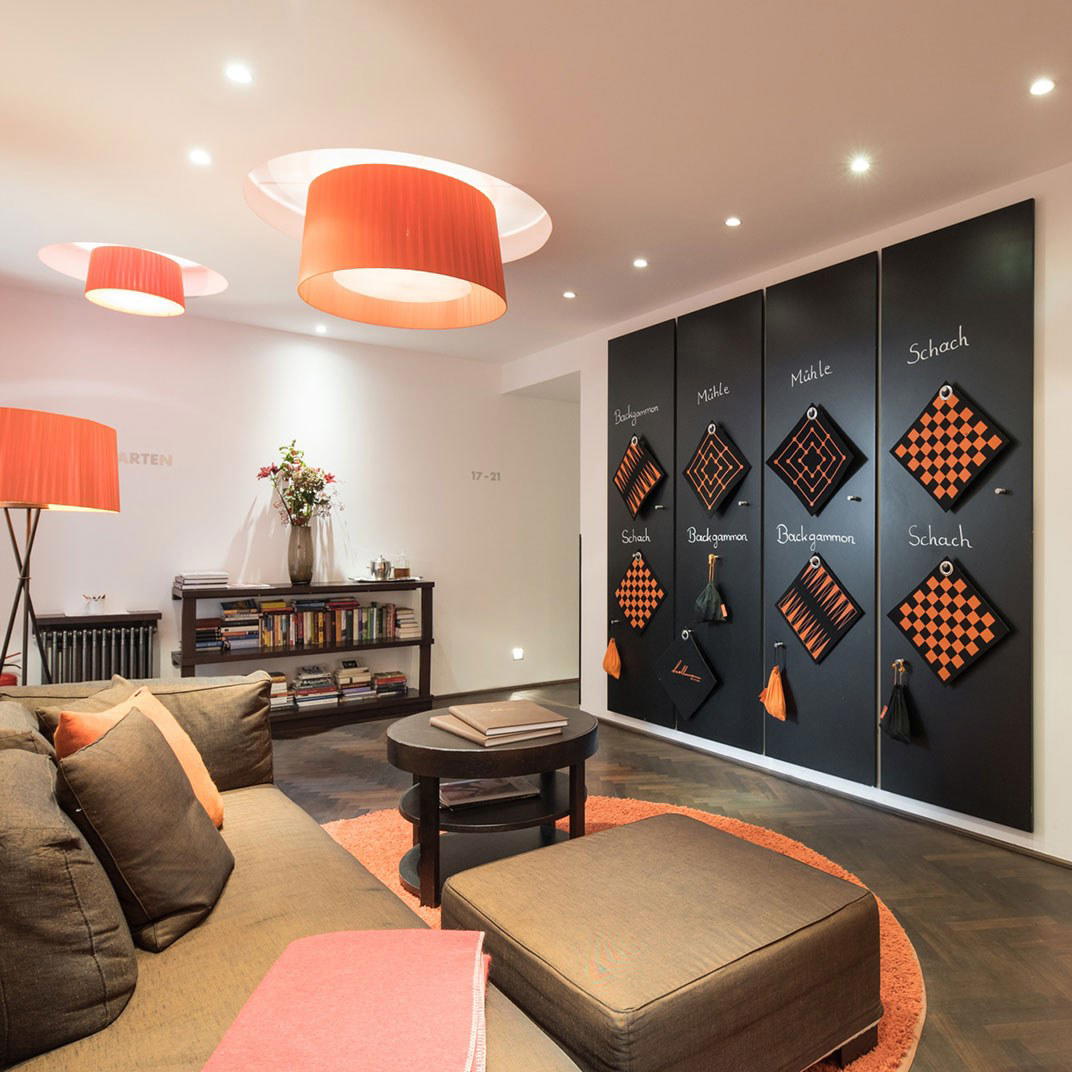
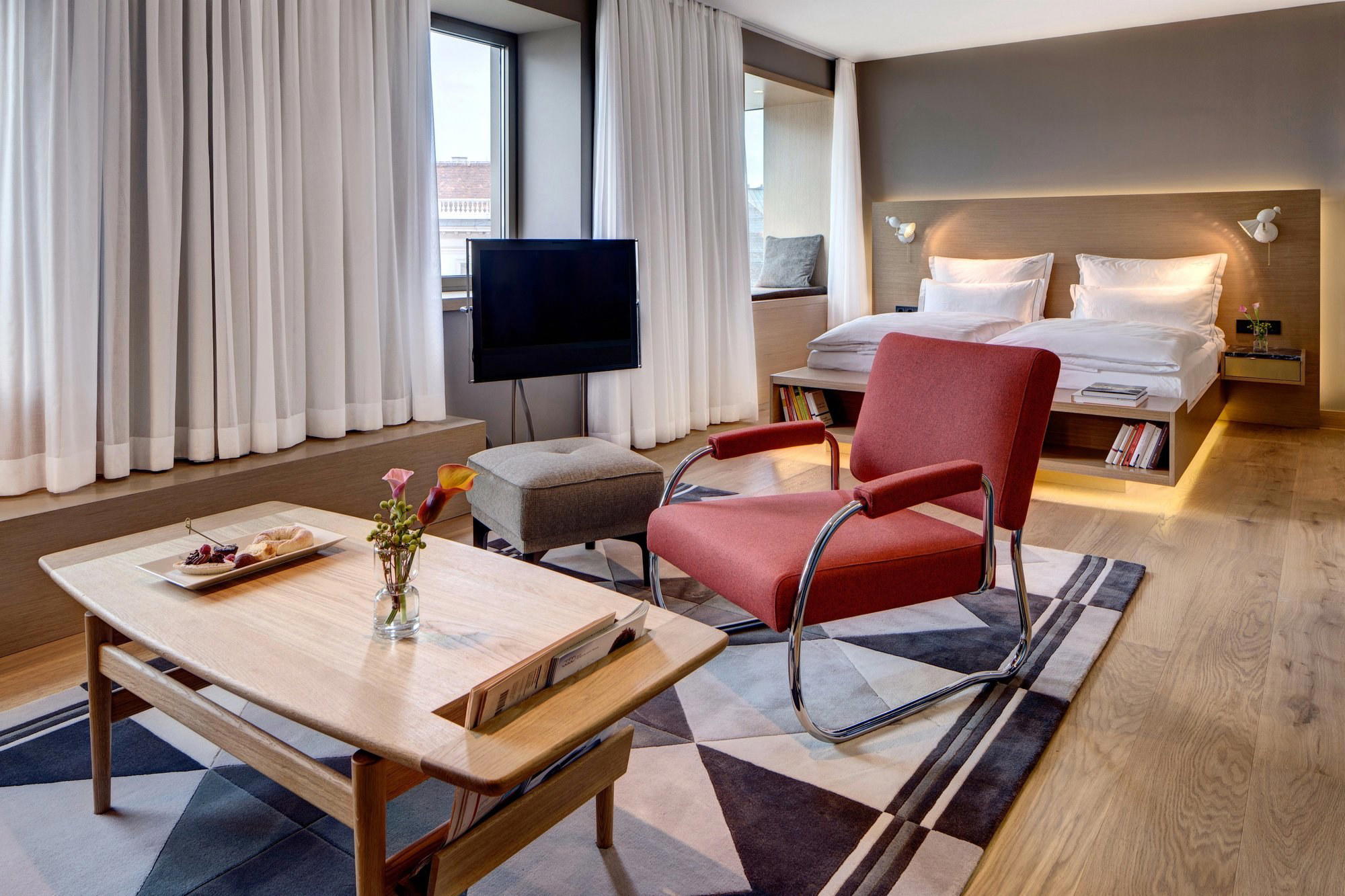
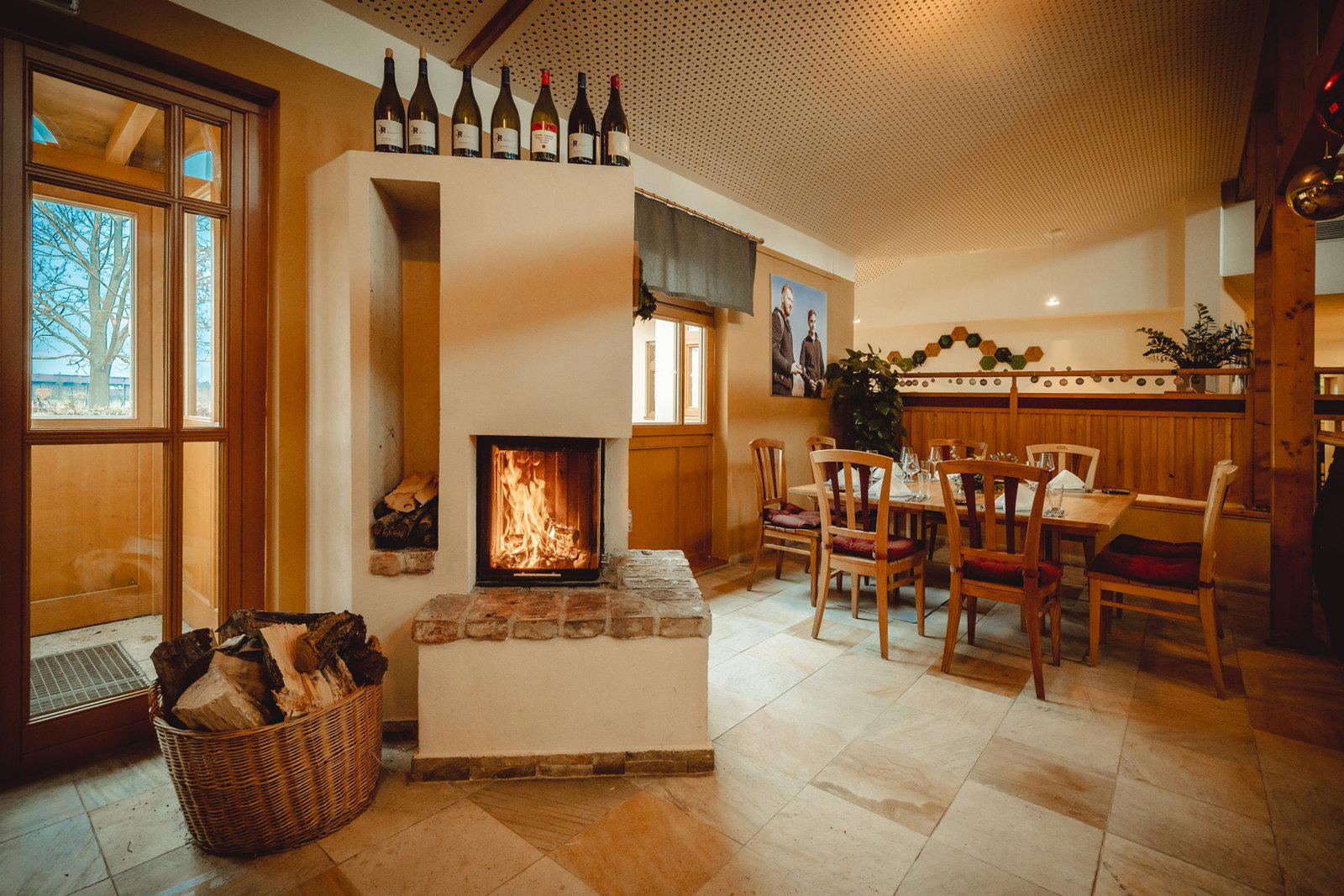
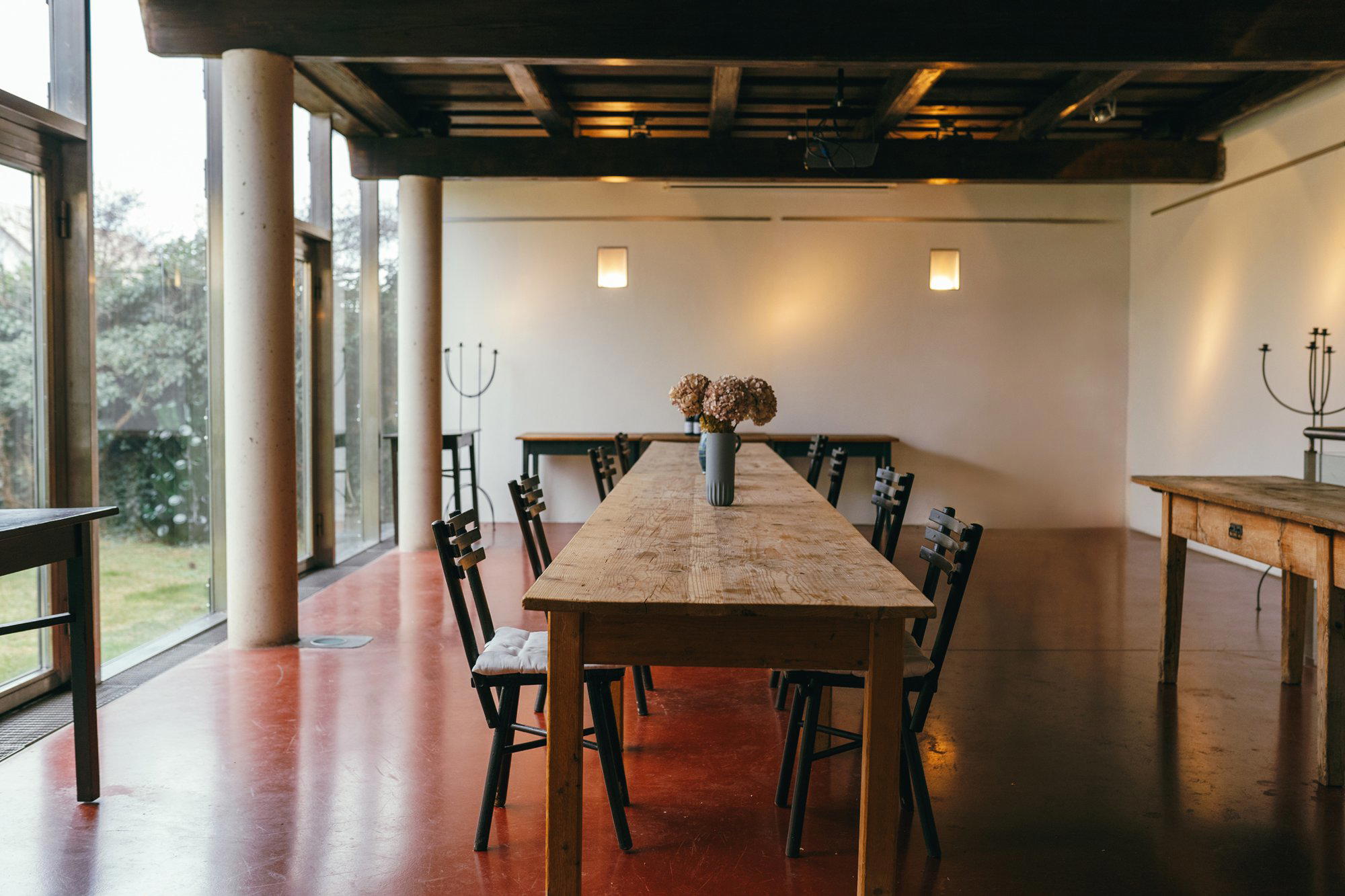
In a city as architecturally dense as Vienna, the interior of a first-district restaurant is often in conversation with the building that contains it. The tension between a historic Viennese shell and a contemporary or cross-cultural interior concept is a familiar one: it can resolve into elegant contrast or land as incongruity. Fusion dining spaces in European capital cities frequently attempt to signal their culinary hybridity through design, using material choices, lighting temperatures, and seating configurations to establish that the kitchen is operating in a different register from the neighbourhood's default.
The design approach matters disproportionately in fusion contexts because the format lacks the visual shorthand of a category with deep local roots. A Viennese Beisl reads through its fittings, its bentwood chairs, its tiled surfaces. A sushi counter reads through its hinoki wood and its linear arrangement. Fusion restaurants have to construct their own spatial language, and the first-district context raises the stakes: the room is serving guests who have likely just come from or are heading to a high-design hotel or a concert hall. The physical environment has to earn its position on the street.
Where Fusion Fits in Vienna's Dining Conversation
Vienna's serious dining scene has spent the past decade consolidating around a particular set of reference points: creative-Austrian cooking, modern-European tasting menus, and occasional forays into Japanese-influenced precision. Steirereck im Stadtpark remains the city's most discussed creative benchmark. Mraz & Sohn operates in the modern-Austrian creative tier. These programs share a common thread: they draw heavily on Austrian and Central European ingredient logic, even when the technique reaches further.
Fusion dining occupies a structurally different position. It operates without a regional ingredient mandate, which means it can move more freely across flavor traditions, but it also means it carries a higher burden of coherence. The leading fusion programs in European capitals, from London to Amsterdam to Berlin, have tended to succeed when the kitchen establishes a clear axis, typically two or three culinary traditions in genuine dialogue rather than a broad eclecticism. Globally, formats like Atomix in New York City, which draws Korean culinary logic through a fine-dining lens, demonstrate how focused cross-cultural cooking can generate critical traction. The question for any fusion restaurant operating in a first-district Vienna address is whether the kitchen has that kind of clarity of purpose.
For guests whose Vienna itinerary already includes a meal at Steirereck or Konstantin Filippou, Momoya represents a deliberate gear change, an evening outside the creative-Austrian tasting-menu format that dominates the city's upper tier. That contrast has genuine value in a multi-day Vienna dining program.
Austria's Wider Fine Dining Geography
Vienna is not the only axis for serious eating in Austria. The country's fine dining map extends into the Alpine regions, where Michelin-tracked programs have built strong reputations over decades. Döllerer in Golling an der Salzach has made a sustained case for Alpine cuisine as a serious category. Obauer in Werfen and Landhaus Bacher in Mautern an der Donau anchor different ends of the Austrian regional dining spectrum. In the mountain resort circuit, Griggeler Stuba in Lech, Gourmetrestaurant Tannenhof in Sankt Anton am Arlberg, and Schwarzer Adler in Hall in Tirol represent the Tyrolean end of the country's culinary geography. Ikarus in Salzburg operates a rotating guest-chef format that brings international reference points into an Austrian context. Smaller programs like Kräuterreich by Vitus Winkler in Sankt Veit im Pongau, Restaurant 141 by Joachim Jaud in Mieming, and Ois in Neufelden indicate how broadly the country's serious dining culture has spread beyond the capital. For a full map of Vienna's dining options specifically, see our full Vienna restaurants guide.
Planning a Visit
| Detail | Momoya Fusion Restaurant | Konstantin Filippou | Steirereck im Stadtpark |
|---|---|---|---|
| District | 1st (Innere Stadt) | 1st (Innere Stadt) | 3rd (Landstraße) |
| Format | Fusion | Modern European tasting | Creative Austrian tasting |
| Price tier | Not confirmed | €€€€ | €€€€ |
| Booking lead time | Confirm directly | Several weeks ahead | Months ahead typically |
For logistics, the Seilerstätte address sits within walking distance of Karlsplatz and Stubentor. It is recommended to reserve ahead, and it is open daily from 11 AM to 11 PM. Guests with specific dietary requirements should contact the venue in advance of arrival.
Cuisine Context
Comparable venues nearby, for context on price, style, and recognition.
| Venue | Cuisine | Price | Notes |
|---|---|---|---|
| Momoya Fusion RestaurantThis venue — the venue you are viewing | Asian Fusion Sushi & Street Food | $$$ | Not listed |
| Ziizuu | Japanese Fusion | $$$ | Inner City |
| KitchA Taco & Grill | Japanese-Latin Fusion Sushi & Grill | $$$ | Innere Stadt |
| Cucina Itameshi | Italian-Japanese Fusion | $$$ | Praterstern Wien Nord |
| Loca | Casual Fine Dining with Austrian-International Fusion | $$$ | Staatsoper |
| 1870 | ÖKKEI Fusion (Europe-Asia-South America) | $$$$ | Staatsoper |
Continue exploring
More in Vienna
Restaurants in Vienna
Browse all →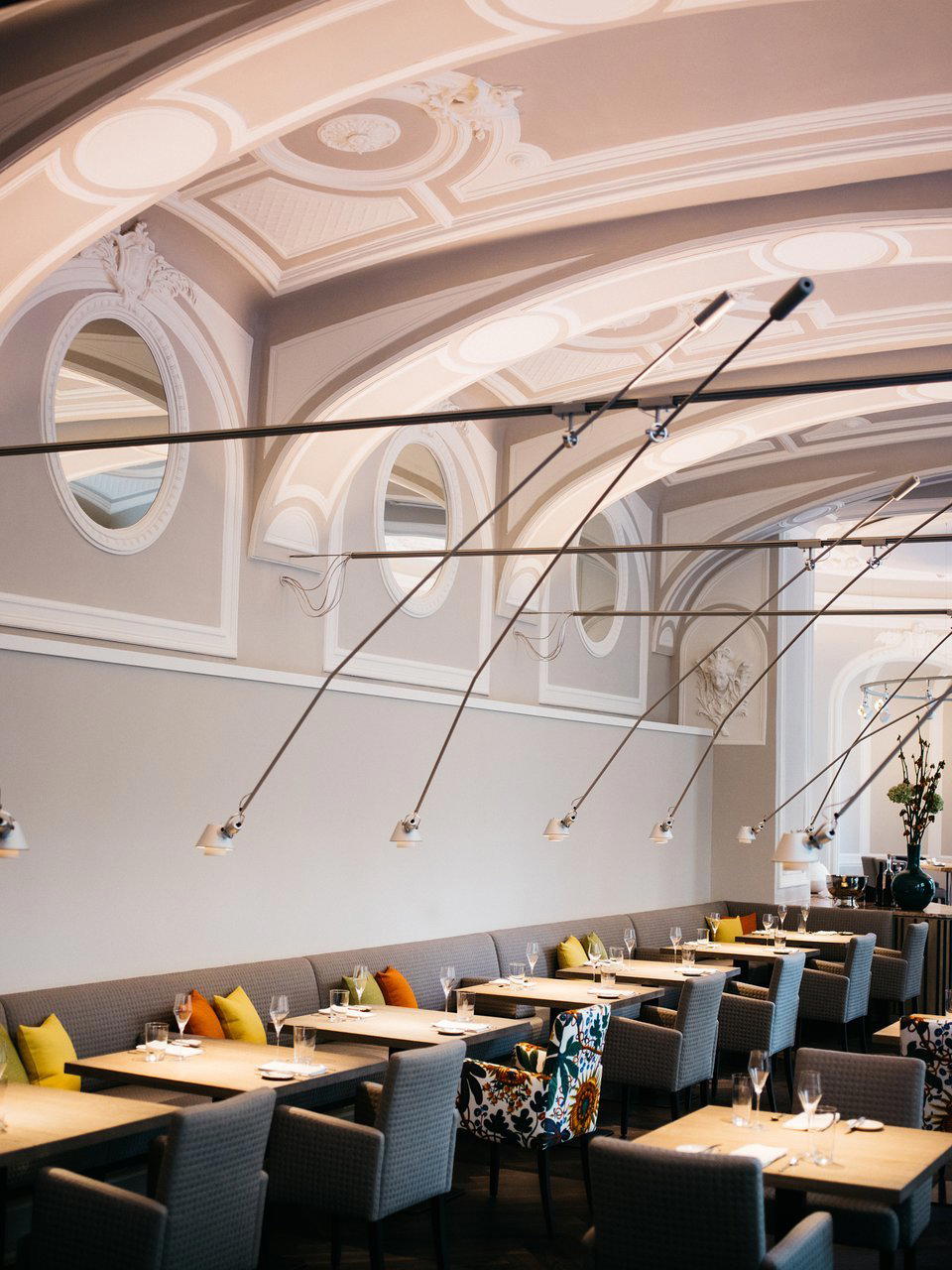
Bars in Vienna
Browse all →
Hotels in Vienna
Browse all →
At a Glance
- Modern
- Trendy
- Elegant
- Date Night
- Group Dining
- Casual Hangout
- Special Occasion
- Terrace
- Open Kitchen
- Craft Cocktails
- Beer Program
Current opening hours
- Monday
- 11 AM–11 PM
- Tuesday
- 11 AM–11 PM
- Wednesday
- 11 AM–11 PM
- Thursday
- 11 AM–11 PM
- Friday
- 11 AM–11 PM
- Saturday
- 11 AM–11 PM
- Sunday
- 11 AM–11 PM
Hours can change for holidays and private events. Last verified .
Modern, contemporary setting with a focus on culinary artistry and presentation; welcoming atmosphere suitable for both casual dining and special occasions.