A fish-focused address on Praterstraße in Vienna's second district, fischerie brings seafood sourcing to the foreground in a city better known for Wiener Schnitzel and alpine meat traditions. The restaurant sits in Leopoldstadt, a neighbourhood undergoing sustained culinary reinvention, and positions itself within a niche but growing tier of produce-driven dining that operates at a remove from Vienna's formal fine-dining circuit.
Pearl is the En Primeur Club membership app — saves, bookings, and concierge access live there. Same editors, same standards.
- Address
- Praterstraße 49, 1020 Wien, Austria
- Phone
- +436648470240
- Website
- fischerie.at
- Directions
- Get directions
 Saves & bookings on Pearl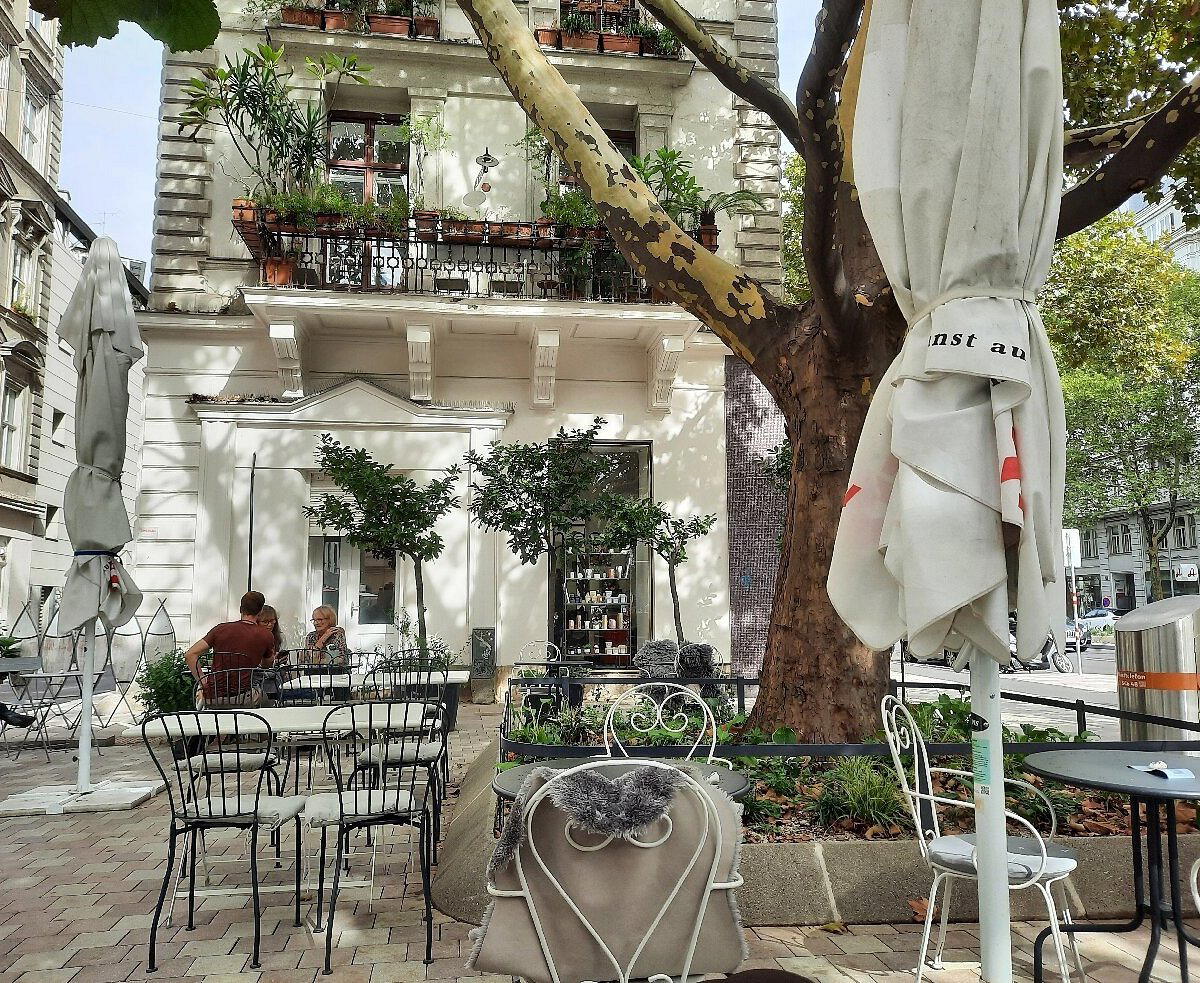
Seafood in a Landlocked City: The Sourcing Question
Vienna sits roughly 500 kilometres from the nearest coastline, which makes the city's relationship with seafood an exercise in logistics, trust, and conviction. For most of the twentieth century, that distance translated into a culinary culture that treated fish as peripheral, a Friday obligation or a smoked-salmon garnish at a Heuriger. The serious seafood conversation in Austria happened, if at all, at lakeside restaurants in Carinthia or Salzburg, or at addresses like Landhaus Bacher in Mautern an der Donau, where proximity to the Danube gave freshwater fish a geographic logic. In Vienna itself, the fish-forward restaurant has been a harder argument to make, and a harder kitchen to run credibly.
That context matters when assessing what fischerie, at Praterstraße 49 in Leopoldstadt, is attempting. A restaurant that puts fish at the centre of its identity in a landlocked capital is, by definition, making a sourcing argument first and a cooking argument second. The quality of what arrives on the plate depends almost entirely on the supply chain behind it: which waters, which boats, how often deliveries run, and how the kitchen handles product that cannot be as forgiving as a domestic saddle of veal. These are the questions that define whether a seafood-focused restaurant in a city like Vienna earns its position or merely gestures at one.
Leopoldstadt's Dining Shift
Fischerie occupies a stretch of Praterstraße that has tracked Leopoldstadt's broader reinvention over the past decade. The second district, historically associated with the Prater and a working-class residential character, has accumulated a quieter but denser layer of independent restaurants and wine bars, a pattern common to inner-city neighbourhoods in European capitals where rising rents in the first district push ambitious operators outward. Vienna's version of this shift has produced a handful of addresses worth tracking: the movement is less dramatic than Berlin's Neukölln or Paris's 10th arrondissement equivalents, but the direction is similar.
Within that context, a fish restaurant on Praterstraße is a specific kind of bet. The neighbourhood's dining identity leans casual and wine-driven rather than formal and tasting-menu-led, which separates fischerie's likely format from the city's more established fine-dining corridor around the first and third districts. Addresses like Steirereck im Stadtpark and Konstantin Filippou occupy a different register entirely, formal, tasting-menu-oriented, Michelin-decorated. Fischerie's Leopoldstadt address signals something more accessible in format, even if the sourcing ambition may run at the same level of seriousness.
Where the Produce Comes From
The editorial case for fish-forward restaurants in landlocked capitals rests on the supply infrastructure that has developed over the past two decades. Overnight freight from the Atlantic coast of France, overnight trucking from the Adriatic, direct relationships with Breton or Galician fisheries: these channels now make it possible to serve turbot, sea bass, or bivalves in Vienna at a quality level that would have been impractical thirty years ago. The comparison point is instructive, Le Bernardin in New York City, the reference address for fish-centric fine dining in the Western hemisphere, built its identity on sourcing discipline long before farm-to-table became a marketing refrain. The lesson transferred: a fish restaurant's credibility lives or dies in the supply chain, not primarily in the cooking technique.
Austria's own freshwater tradition offers a parallel track. Zander, carp, trout, and char from alpine lakes and river systems give a fish-focused kitchen in Vienna access to domestic product with genuine provenance. Restaurants across the country's western regions have built reputations on exactly this: Obauer in Werfen and Döllerer in Golling an der Salzach both treat alpine fish as primary material rather than supporting cast. A Vienna address that draws on both domestic freshwater sources and quality Atlantic supply creates a more interesting sourcing argument than either strand alone.
The Competitive Frame
Vienna's fine-dining tier is Michelin-heavy and focused on creative Austrian or European cuisine: Mraz and Sohn and Amador represent the kind of ambitious, technique-led cooking that the city's leading end is known for. Fish appears in those kitchens, but as one element within a broader seasonal or creative framework, not as the structural organising principle. Fischerie, if it holds to its name and concept, occupies a different position: specialist rather than generalist, produce-forward rather than technique-forward. The closest international comparison for that positioning is a restaurant like Lazy Bear in San Francisco, which built a distinct identity through format discipline rather than cuisine category. Specialist restaurants in European capitals tend to win their audiences through consistency of sourcing and execution rather than through Michelin accumulation.
The city does have precedents for this kind of specialist focus. Doubek represents the kind of focused, product-driven approach that has found an audience in Vienna's evolving restaurant culture. The appetite for restaurants organised around a single strong sourcing thesis is real, and the fish format is underserved enough in the city that the positioning, if executed with conviction, carries its own differentiation.
What to Expect and How to Plan
Praterstraße 49 in Leopoldstadt is accessible by U-Bahn, with the U1 line stopping at Nestroyplatz a short walk from the address. The neighbourhood character is informal by Vienna's inner-city standards, which suggests a room that prioritises the product over ceremony.
Reservations are recommended. Address: Praterstraße 49, 1020 Wien. Dress: smart-casual.
Price and Positioning
Comparable venues nearby, for context on price, style, and recognition.
| Venue | Cuisine | Price | Notes |
|---|---|---|---|
| fischerieThis venue — the venue you are viewing | Not listed | $$$ | Not listed |
| Blue Marlin | Hietzing, Premium Fresh Seafood | $$$ | Not listed |
| Kulinarium 7 | Hofburg, Modern Seafood & Croatian | $$$ | Not listed |
| Restaurant Ilija | Josefstadt, Dalmatian Seafood | $$$ | Not listed |
| Boxwood | Not listed | $$$ | Innere Stadt, The Art of Steak - International Fine Dining |
| Fisch am Markt | Riesenrad, Nordic-Istrian Seafood Grill | $$ | Not listed |
Continue exploring
More in Vienna
Restaurants in Vienna
Browse all →
Bars in Vienna
Browse all →
Hotels in Vienna
Browse all →
At a Glance
- Cozy
- Elegant
- Modern
- Date Night
- Casual Hangout
- Local Sourcing
Current opening hours
- Monday
- Closed
- Tuesday
- 12–2:30 PM, 6–10 PM
- Wednesday
- 12–2:30 PM, 6–10 PM
- Thursday
- 12–2:30 PM, 6–10 PM
- Friday
- 12–2:30 PM, 6–10 PM
- Saturday
- 6–10 PM
- Sunday
- Closed
Hours can change for holidays and private events. Last verified .
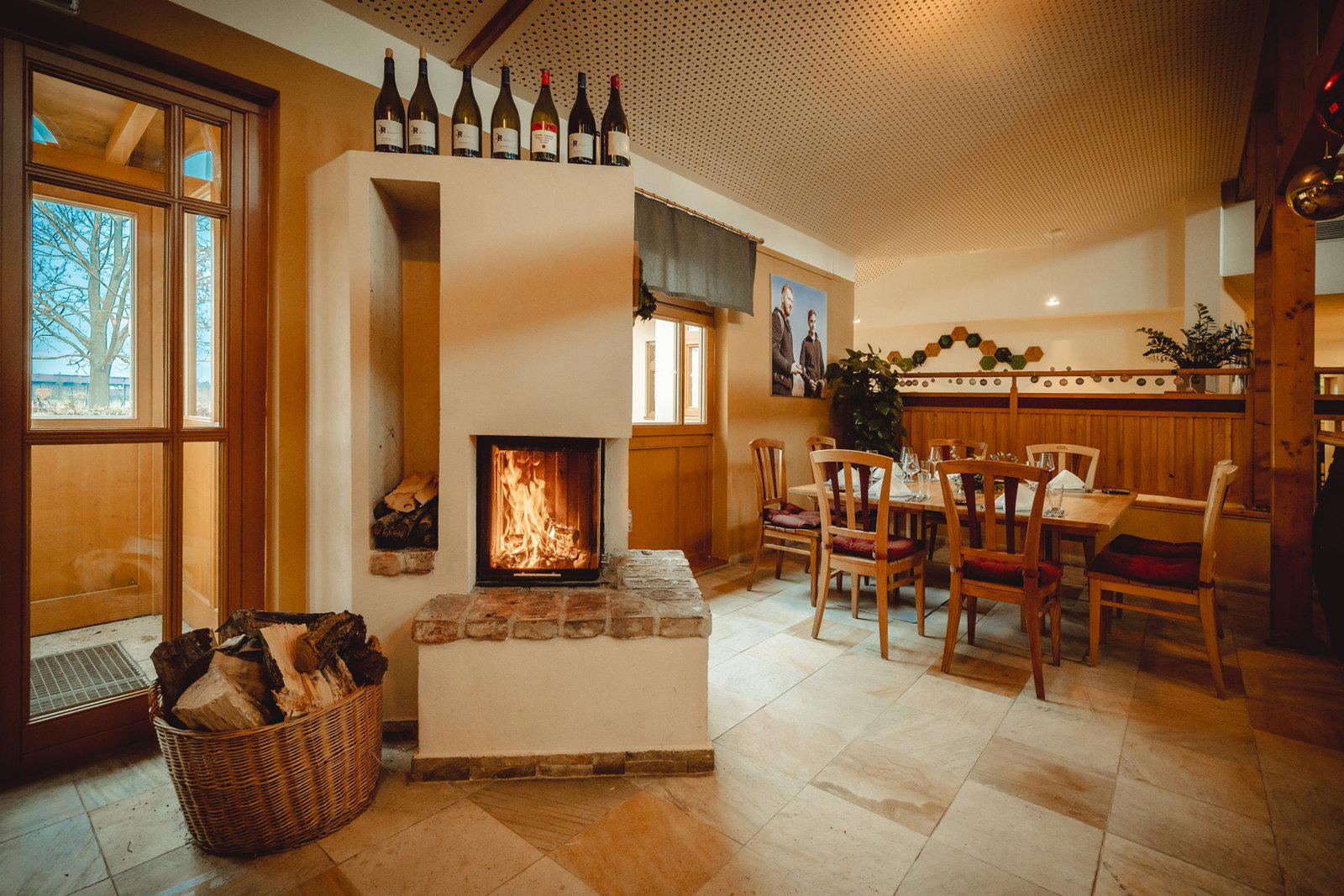
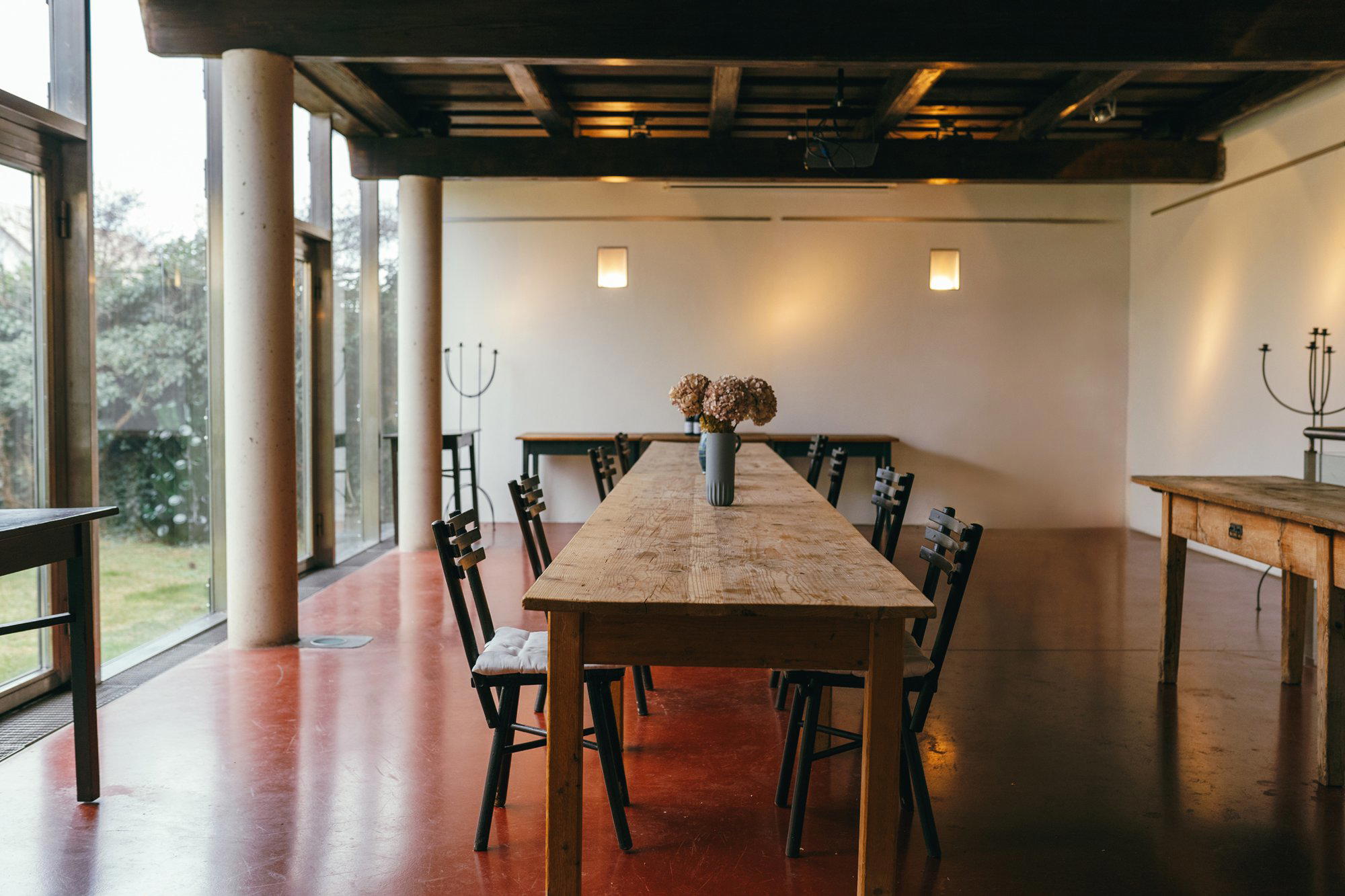
Relaxed and warm atmosphere with elegant, simple decor, cozy indoor seating, and pleasant shaded outdoor space.