Michelin Plate
Our verdict
A Michelin Plate-recognised French restaurant in Osaka's Higashitenma district, Le Logis h builds its menu around an unusually focused triptych: spices, herbs, and fruit. The kitchen's Périgord training shows in confident foie gras preparations, while desserts like millefeuille and tarte Tatin arrive with enough creative latitude to signal a kitchen at ease with its own identity. Priced in the mid-range for serious French dining in Osaka.

Pearl is the En Primeur Club membership app, where members save venues, book tables and use the concierge.
Where the Menu Does the Talking
Higashitenma occupies a quieter register than Osaka's more trafficked dining corridors. The neighbourhood sits north of the city centre in Kita Ward, closer to the administrative fabric of the city than to the tourist circuits of Namba or Shinsaibashi. Le Logis h is a mid-range French restaurant in a city with one of the densest concentrations of serious French cooking anywhere outside France itself.
Osaka's French dining scene runs from the ¥¥¥¥ ambition of places like La Cime and HAJIME down through a deep mid-tier where chefs with genuine classical training run tighter, less ceremonial rooms. Le Logis h sits in that mid-tier, carrying Michelin Plate recognition in both 2024 and 2025, a signal that the guide's inspectors found the cooking worth noting, even without the star apparatus. At ¥¥¥, it prices below the city's prestige French tier but above the bistro bracket, occupying the space where technique and identity matter more than spectacle.
A Menu Built Around Three Ingredients
The editorial angle that defines a restaurant's identity is rarely found in the protein or the plating style. At Le Logis h, the menu's architecture is built around a deliberate concentration on spices, herbs, and fruit, applied across every course from the opening appetisers through to the final dessert. This is an unusual structural commitment. Most French restaurants in Japan treat spicing as a secondary tool, subordinating it to classical sauce-making or Japanese ingredient sourcing. Here, the aromatic dimension is foregrounded, not as fusion exercise but as a coherent point of view running through the whole meal.
That approach becomes most readable in the foie gras preparations, where the kitchen's Périgord training provides both the technical foundation and the conceptual permission. The Dordogne region's foie gras tradition is one of the most codified in French cuisine, which makes any departure from convention a conscious choice rather than an accident. Using fruit and spice alongside foie gras draws on techniques that have historical precedent in southwest French cooking (the pairing of duck with figs or prunes is deeply regional), but the application here is described as creative rather than strictly traditional. The result, as Michelin's note frames it, is dishes that read as fun without sacrificing the underlying craft.
Dessert follows the same logic. Millefeuille and tarte Tatin are two of French pastry's most structurally specific forms, both relying on caramelisation, lamination, and temperature discipline. Approaching them with what Michelin describes as a playful spirit suggests a kitchen that has internalised the classical forms well enough to extend them, rather than one still performing them for validation. For a restaurant at this price point, that confidence in the dessert course is worth noting.
The Périgord Reference Point
French cooking in Japan arrives through many lineages. The dominant thread has historically been classical brigade training, often via stages in Lyonnais or Parisian kitchens. Périgord is a different formation, provincial, product-led, tied to duck confit, walnut oil, black truffle in season, and the foie gras culture that defines the region more than any other single ingredient. A chef who apprenticed there carries a specific vocabulary: one that treats fat as a flavour carrier, that uses fruit acids as counterweights, and that trusts spice to do structural work rather than merely decorative.
That culinary lineage places Le Logis h in a distinct position relative to its Osaka peers. La Bécasse and LE PONT DE CIEL represent different currents of Osaka's French cooking, the former rooted in classical Parisian traditions, the latter with a more contemporary French sensibility. Différence and nent push further into the innovative register. Le Logis h's southwest French grounding gives it a character that sits outside all of these, less architecturally modernist than the innovative tier, less ceremony-driven than the classical tier, more flavour-forward than either.
For those tracking French cooking across Japan more broadly, the comparison set extends outward. Sézanne in Tokyo represents what a fully-resourced French kitchen in Japan can achieve at the top of the market. Hotel de Ville Crissier in Switzerland provides a reference point for how classical French training translates into a non-French context at the highest level. Le Logis h operates in a far less rarefied bracket, but the Périgord training it draws on connects it to a specific and traceable strand of French culinary practice.
Who Books This, and When
A restaurant of this scale and price point in Higashitenma is not chasing the same audience as the city's prestige tables. That ratio of quality to visibility is common in Osaka's mid-tier French scene, where serious cooking frequently operates below the threshold of international food media.
Seasonal timing matters for a kitchen oriented around fruit and spice. Spring and autumn both bring distinct fruit profiles to the market, strawberries and citrus giving way to stone fruit in summer, then to figs, quinces, and pears in autumn. A menu architecture built around fruit as a structural element will read differently depending on when you visit, which makes the shoulder seasons worth considering over peak summer for those wanting the full range of what the kitchen can do with its core vocabulary.
For visitors building a broader Osaka itinerary, our full Osaka restaurants guide covers the city's range across price tiers and cuisine types. Those planning further afield can reference Harutaka in Tokyo, Gion Sasaki in Kyoto, akordu in Nara, Goh in Fukuoka, 1000 in Yokohama, and 6 in Okinawa for a wider picture of Japan's serious dining rooms. Osaka's broader hospitality infrastructure is covered in our hotels guide, bars guide, wineries guide, and experiences guide.
Know Before You Go
- Address: 1 Chome-2-3 Higashitenma, Kita Ward, Osaka 530-0044 (Kanaya Building, 1F)
- Cuisine: French (Périgord-influenced)
- Price range: ¥¥¥
- Recognition: Michelin Plate 2024, Michelin Plate 2025
- Booking: Contact details not publicly listed, check current aggregator platforms for reservations
- Hours:, verify before visiting
- Leading timing: Autumn and spring for peak seasonal fruit range
Frequently asked questions
Is Le Logis h child-friendly?
At ¥¥¥ pricing in a quiet French dining room in Higashitenma, this is a considered adult venue. The format, small-scale, spice-driven French cooking with foie gras as a centrepiece, is oriented toward guests who want to focus on the menu, not a setting designed for families with young children.
What is the atmosphere like at Le Logis h?
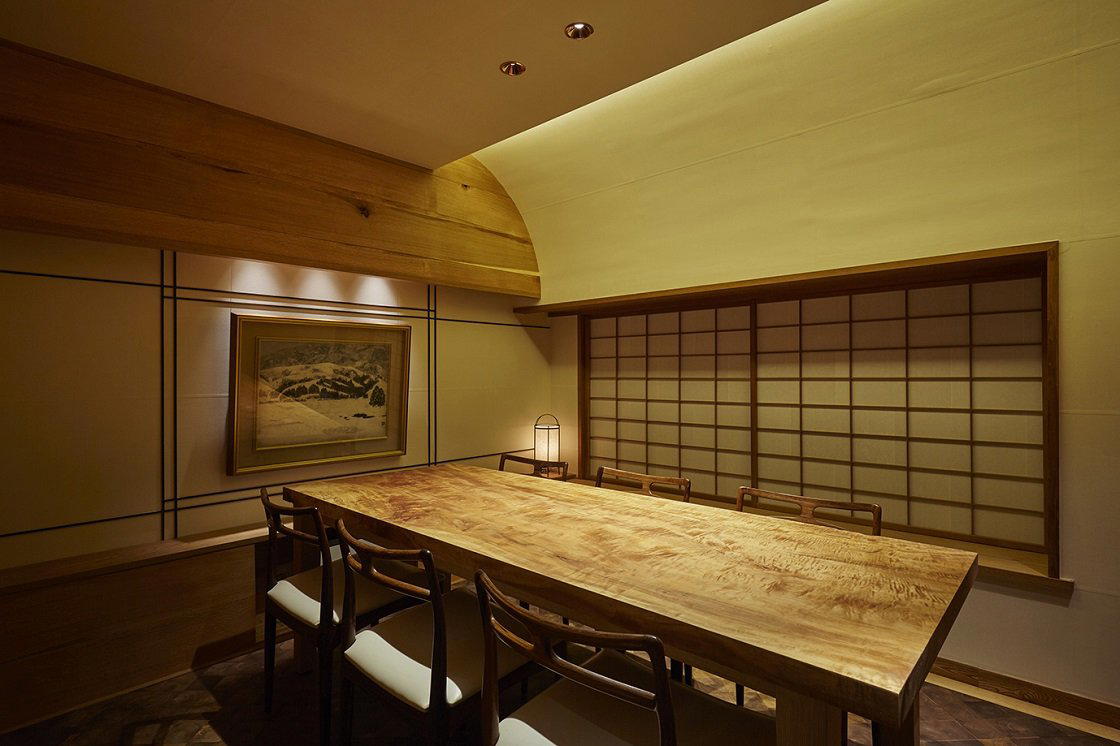
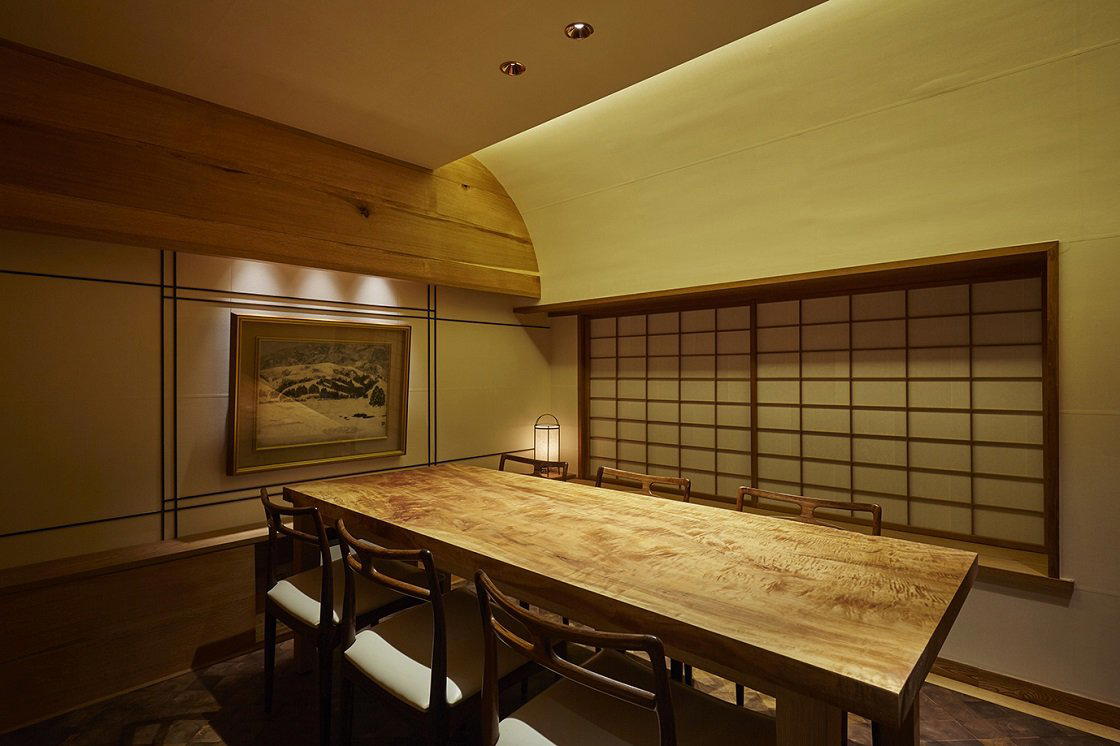
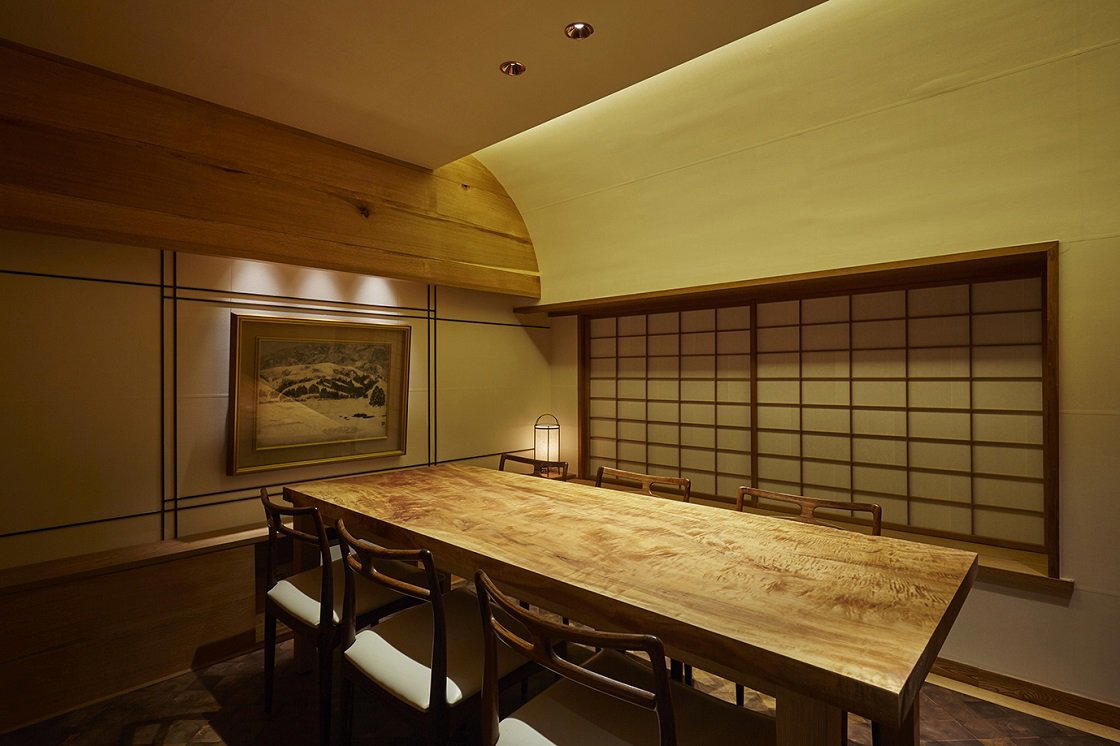
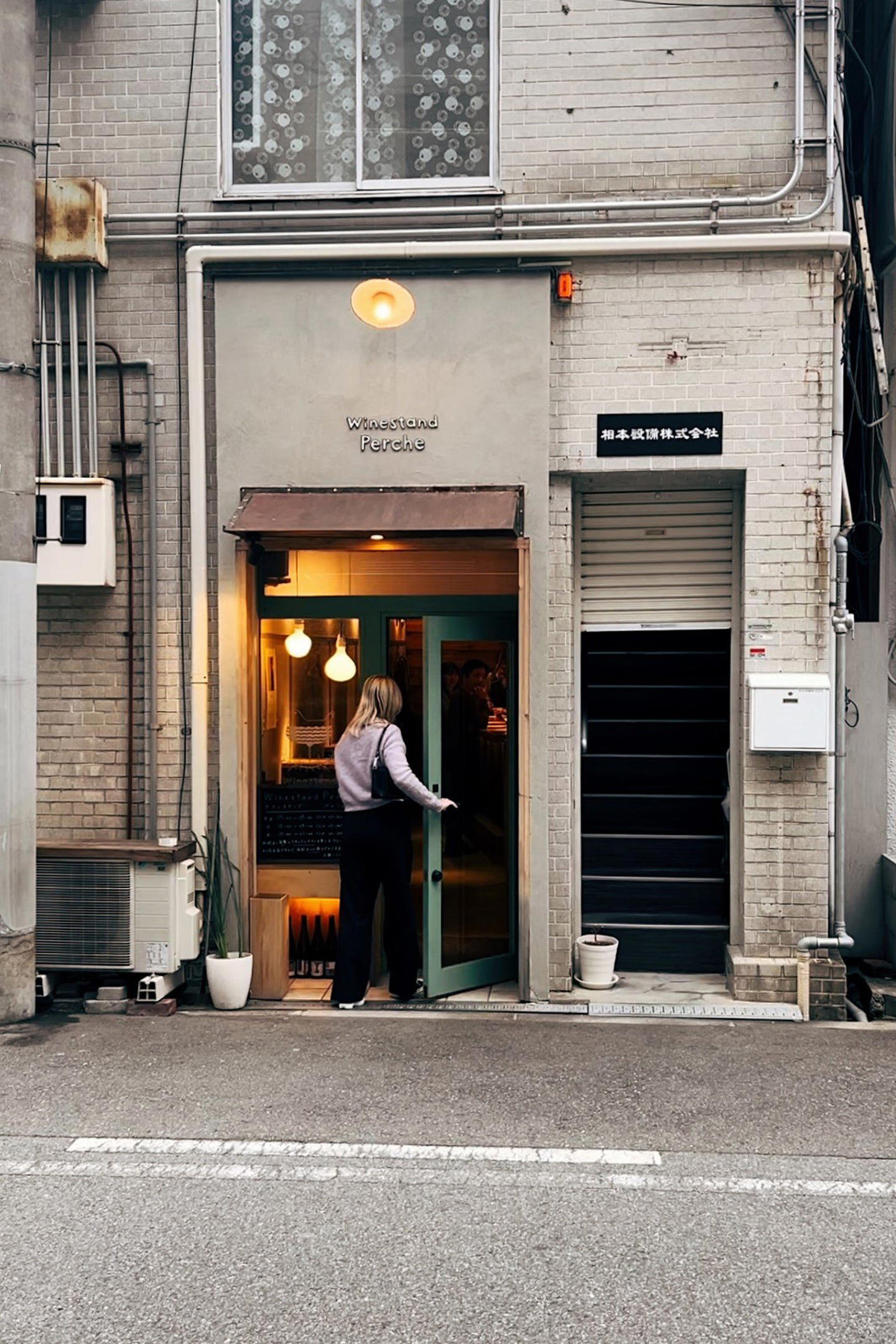
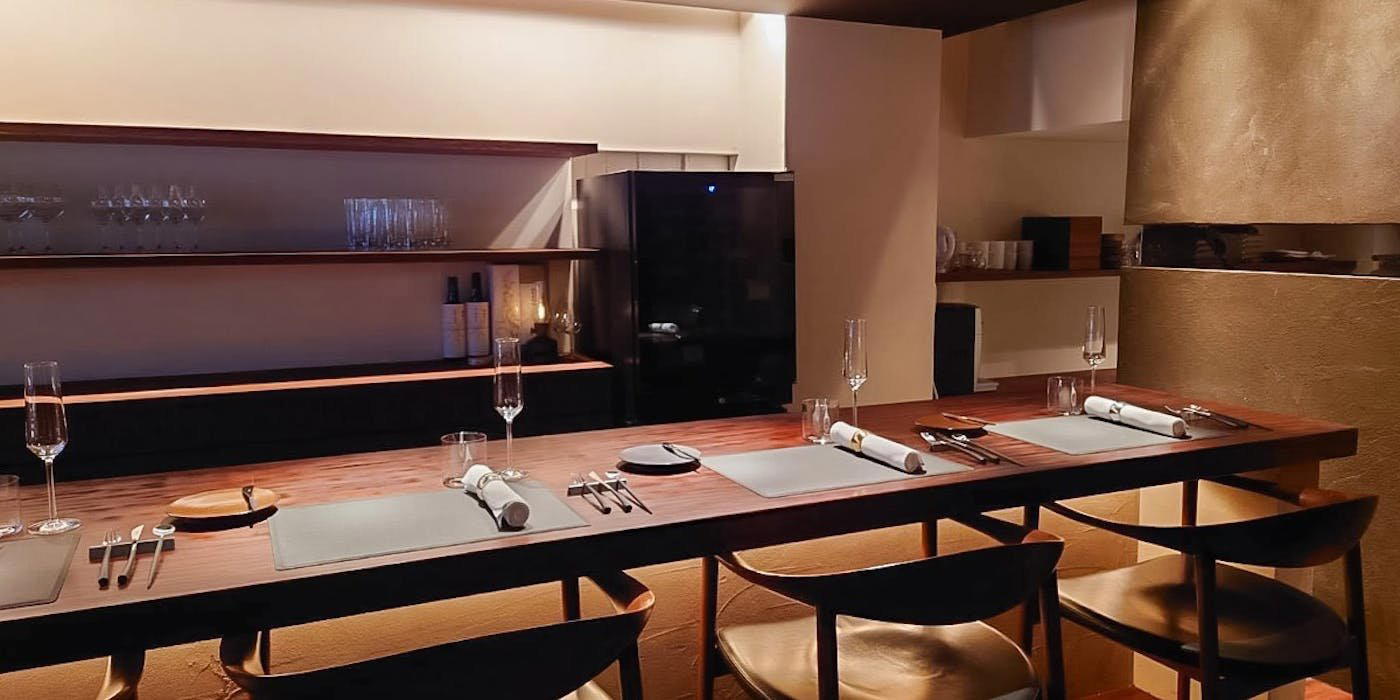
Le Logis h sits in a low-key building in Higashitenma, Kita Ward, a neighbourhood that operates well outside Osaka's prestige dining corridors. The ¥¥¥ price point and Michelin Plate recognition suggest a serious kitchen, but without the rigid formality of the city's top-tier French rooms. Expect a quieter, more intimate register.
What kind of recognition has Le Logis h received?
Le Logis h has received recognition including: The chef’s attention focuses on spices, herbs and fruit. These are used freely in everything from appetisers to dessert. Foie gras offerings drive home the concept with creative use of fruits and spices. Millefeuille and tarte Tatin are pre….
What dish is Le Logis h famous for?
Michelin's 2024 and 2025 assessments both single out the foie gras preparations as the kitchen's clearest statement, specifically the creative pairing of foie gras with fruit and spices, a signature the guide traces to the chef's training in Périgord, France's primary foie gras region. Millefeuille and tarte Tatin round out the dessert identity.
Is Le Logis h focused on a specific cuisine style?
City Peers
| Venue | Cuisine | Price | Awards | Notes |
|---|---|---|---|---|
| Le Logis hThis venue (the venue you are viewing) | Modern French with Spices and Foie Gras | $100–150 | Michelin Plate | Not listed |
| HAJIME | Avant-Garde Japanese Fine Dining | $300–500 | 3 Michelin Stars · World's 50 Best #83 | French, Innovative |
| La Cime | Modern French with Japanese Ingredients | $150–200 | 2 Michelin Stars · World's 50 Best #13 | French |
| Kashiwaya Osaka Senriyama | Seasonal Kaiseki Omakase | $200–300 | 3 Michelin Stars · La Liste Top Restaurants | Japanese |
| Taian | Traditional Japanese Kaiseki Omakase | $150–200 | 3 Michelin Stars · La Liste Top Restaurants | Kaiseki, Japanese |
| Fujiya 1935 | Modern Japanese with European influences | $100–150 | 2 Michelin Stars · La Liste Top Restaurants | Innovative |
Recognition history
Dated appearances from independent guides and award organizations, with the underlying list record or original source where available.
Michelin Plate
Michelin
Full recognition history (3 entries)
Michelin Plate
Michelin
Michelin Plate
Michelin