Le Jardin
Our verdict
Le Jardin serves Traditional French Market Cuisine in a garden setting with terrace seating, local sourcing, and an extensive wine list for leisurely lunch or dinner.

Pearl is the En Primeur Club membership app, where members save venues, book tables and use the concierge.
A Village Table in the Aisne Valley
The road into Neufchâtel-sur-Aisne offers little in the way of fanfare. The village sits quietly in the agricultural corridor north of Reims, where the Champagne vineyards give way to open fields and small communes clustered around church spires. It is the kind of place where a restaurant address on the Rue Principale carries real weight, because in a settlement this size, the main street is genuinely the centre of civic life. Le Jardin occupies that address at number 22, and the approach sets expectations accordingly: you are not arriving at a destination dining room designed to impress before you cross the threshold, but at something closer to the original French auberge model, where the building announces itself modestly and the cooking is left to make the argument.
This matters as context because the Aisne department sits between two gastronomic poles. To the south, Reims anchors serious fine dining, with Assiette Champenoise in Reims representing the region's Michelin-starred tier. To the west and further afield, the broader French canon runs from Alléno Paris au Pavillon Ledoyen in Paris to the countryside anchor of Troisgros - Le Bois sans Feuilles in Ouches. Le Jardin operates in a different register entirely, one that defines much of rural northern France's dining character: rooted, local, and built around what the surrounding territory actually produces rather than what a metropolitan audience expects to find on a plate.
What the Land Around Neufchâtel-sur-Aisne Puts on the Table
The Aisne valley is farming country in the most literal sense. The Picardy and Champagne-Ardenne border zone that surrounds Neufchâtel-sur-Aisne produces vegetables, dairy, freshwater fish from the Aisne river itself, and game from the forest corridors that break up the arable land. Rural restaurants across this part of northern France have historically drawn on exactly this supply, not as a marketing choice but as a function of geography: the infrastructure for long-haul ingredient sourcing that a Paris restaurant takes for granted simply does not exist at village scale, and it never did.
That constraint, when treated seriously rather than apologised for, produces cooking with a different kind of coherence. The leading rural French tables in this tradition, from Auberge de l'Ill in Illhaeusern in Alsace to Bras in Laguiole in the Aubrac, have made proximity to source the foundation of their culinary identity. At the everyday village level, the principle is the same even if the execution is less celebrated. A restaurant in a commune of this size is, almost by necessity, buying locally and seasonally, because the alternatives require a logistics chain the economics do not support.
For a diner approaching Le Jardin, the practical implication is that the menu will reflect what the Aisne territory currently offers rather than a fixed roster of dishes. This is not a restaurant where you research the signature plate weeks in advance and arrive expecting to find it. It is a restaurant where the season is the organising principle, and where the sourcing geography is, effectively, a twenty-kilometre radius.
Rural Northern France and the Auberge Tradition
The auberge format, which Le Jardin's village-main-street address places it within, is one of the most durable structures in French food culture. It predates the restaurant as a category and survives in areas where the population density cannot support the overheads of a formal dining room but the appetite for a serious table persists. The format assumes a certain self-sufficiency on the part of the kitchen and a certain patience on the part of the diner. Menus are shorter, service is less theatrical, and the relationship between what is cooked and what is available locally is direct and visible.
This contrasts sharply with the creative tasting-menu model that defines much of France's internationally recognised fine dining, from Mirazur in Menton to AM par Alexandre Mazzia in Marseille. Those restaurants are built around a chef's interpretive vision applied to sourced ingredients. The rural auberge model works in the opposite direction: the ingredients present themselves, and the kitchen's job is to honour them without overcomplicating the transaction. What the address and setting do establish is the tradition it is working within.
Comparable expressions of this model elsewhere in France include Auberge du Vieux Puits in Fontjoncouse, which evolved from a village auberge into a starred destination, and Georges Blanc in Vonnas, a multi-generation family table that anchors its Bresse identity in precise local sourcing. Le Jardin operates without their profile, but within the same structural logic.
Positioning Within the Neufchâtel-sur-Aisne Dining Scene
For visitors coming from outside the immediate area, the most relevant frame of reference is the drive from Reims, approximately 25 kilometres to the south on the N44, which makes Le Jardin accessible as a day trip from the Champagne capital or as a stop on a longer itinerary through the Aisne valley. The village has no hotel infrastructure to speak of, so this is overwhelmingly a lunch or early dinner destination rather than a base. Timing matters in this context: rural French restaurants in communes this size typically observe stricter service windows than urban equivalents, and arriving outside those windows is a practical risk worth accounting for in advance.
At the scale and location of Neufchâtel-sur-Aisne, a restaurant like Le Jardin occupies a different competitive category than the starred rooms that define France's international dining reputation, including Paul Bocuse - L'Auberge du Pont de Collonges in Collonges-au-Mont-d'Or or Flocons de Sel in Megève. Within that frame, a well-run village restaurant on the main street of a small Aisne commune represents something genuinely useful: a place to eat that is connected to its territory and not attempting to be anything it is not.
For international diners whose frame of reference runs to Le Bernardin in New York City or Christopher Coutanceau in La Rochelle, Le Jardin will require a reset of expectations. That is not a criticism. Some of the most instructive meals in France happen at this scale, precisely because the gap between the ingredient and the plate is so short. See La Marine in Noirmoutier-en-l'île and L'Oustau de Baumanière in Les Baux for what that proximity can produce at the higher end of the spectrum. Le Jardin does not operate at that tier, but the underlying logic of local sourcing as the organising principle connects them. You can also explore Au Crocodile in Strasbourg and Atomix in New York City for contrasting approaches to how a kitchen can define itself through its sourcing philosophy.
Planning Your Visit
Le Jardin is located at 22 Rue Principale, 02190 Neufchâtel-sur-Aisne. The village is reachable by car from Reims in under thirty minutes; public transport connections to a settlement this size are limited. For broader context on eating in this part of the Aisne, our full Neufchâtel-sur-Aisne restaurants guide covers the local scene in detail.
Frequently asked questions
Is Le Jardin good for families?
The address on Rue Principale in Neufchâtel-sur-Aisne places Le Jardin squarely in the village auberge tradition, a format that in rural northern France tends to be unpretentious and accommodating across age groups. The pace is unhurried and the setting is low-key.
What kind of setting is Le Jardin?
Le Jardin occupies a village main-street address at 22 Rue Principale in Neufchâtel-sur-Aisne, a small commune in the agricultural corridor north of Reims. The format aligns with the French auberge tradition: a ground-level, community-facing room rather than a destination dining room. Expect a setting shaped by the rhythms of a working rural village, not a polished urban bistro.
Is Le Jardin a good base for exploring the Aisne valley from Reims?
Neufchâtel-sur-Aisne sits roughly 25 kilometres north of Reims, making Le Jardin a practical stopping point for anyone moving through the Aisne corridor by road. The surrounding area covers the Picardy and Champagne-Ardenne border zone, with agricultural terrain and small communes that reward slow travel.
What dish is Le Jardin famous for?
At this scale and in this part of the Aisne, menus at village restaurants typically follow the season and the produce available from the surrounding Picardy and Champagne-Ardenne farming zone, which includes beet sugar, cereals, and dairy. The safest approach is to ask when you arrive or check the venue's official channels for current offerings.
Where exactly is Le Jardin?
Le Jardin is located at 22 Rue Principale, 02190 Neufchâtel-sur-Aisne, France, Neufchatel Sur Aisne.
How hard is it to get a table at Le Jardin?
At village-scale auberges in communes the size of Neufchâtel-sur-Aisne, walk-ins are often possible midweek, though weekend lunch services in rural northern France can fill quickly with local regulars. Booking a day or two ahead is prudent if you are travelling from Reims specifically.
A Quick Peer Check
Comparable venues nearby, for context on price, style, and recognition.
| Venue | Cuisine | Price | Notes |
|---|---|---|---|
| Le JardinThis venue (the venue you are viewing) | Traditional French Market Cuisine | $50–100 | Not listed |
| Saturne | Modern French with Nordic Influences | Not listed | 2nd Arrondissement |
| Auberge de la Brune | Regional French Thiérache Cuisine | $30–50 | Burelles |
| Restaurant ATTIS | Modern French Bistro | $50–100 | Chenay |
| Hostellerie du Mont Aimé | Traditional French Champagne Bistro | $50–100 | Bergères-les-Vertus |
| Alain Ducasse Baccarat | Avant-garde French fine dining in a crystal-clad Maison Baccarat setting | $150–200 | 16th arrondissement |
Le Jardin
Featured Guides
Continue exploring
More in Neufchatel Sur Aisne
Restaurants in Neufchatel Sur Aisne
All restaurants in Neufchatel Sur Aisne →

Bars in Neufchatel Sur Aisne
Browse all →
Details
- Cozy
- Elegant
- Classic
- Intimate
- Date Night
- Family
- Special Occasion
- Garden
- Terrace
- Extensive Wine List
- Local Sourcing
- Garden
- A La Carte
Current opening hours
- Monday
- Closed
- Tuesday
- Closed
- Wednesday
- 12–1:30 PM
- Thursday
- 12–1:30 PM
- Friday
- 12–1:30 PM, 7:30–8:30 PM
- Saturday
- 12–1:30 PM, 7:30–8:30 PM
- Sunday
- 12–1:30 PM
Hours can change for holidays and private events. Hours as of .
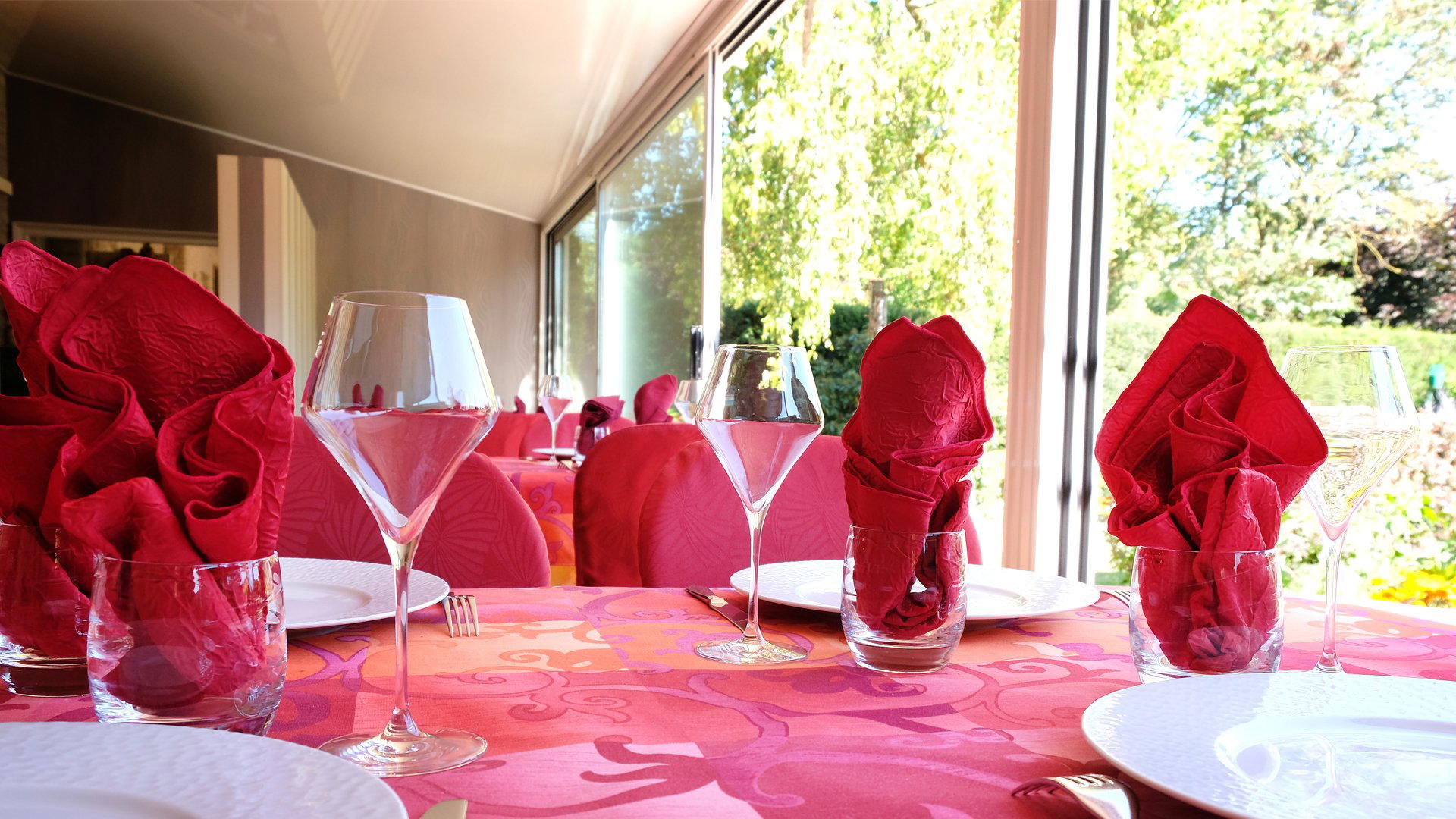
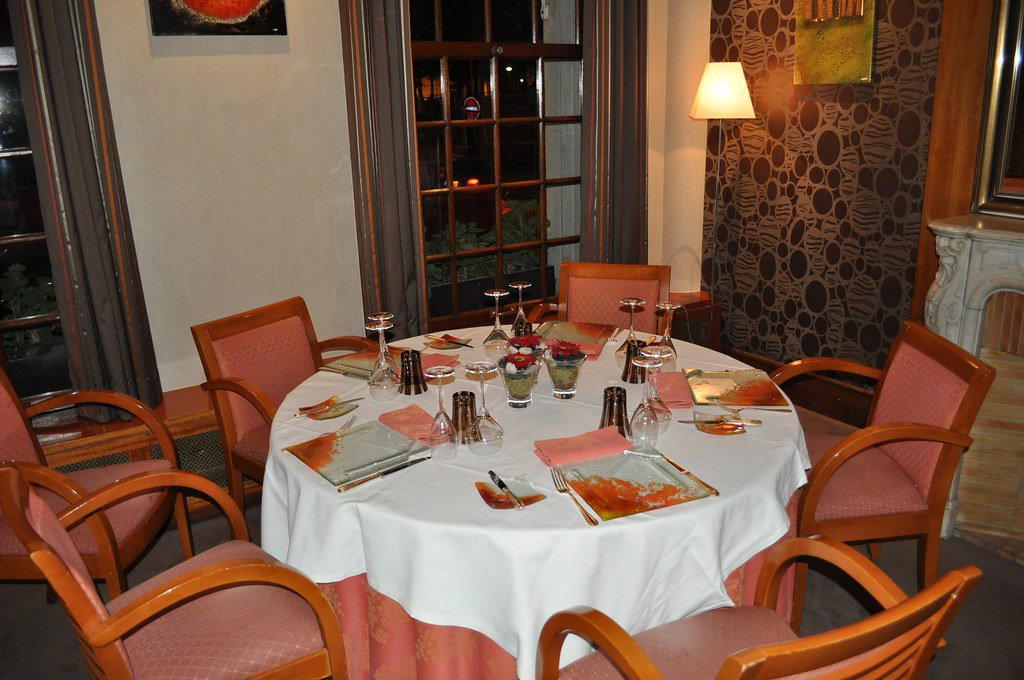
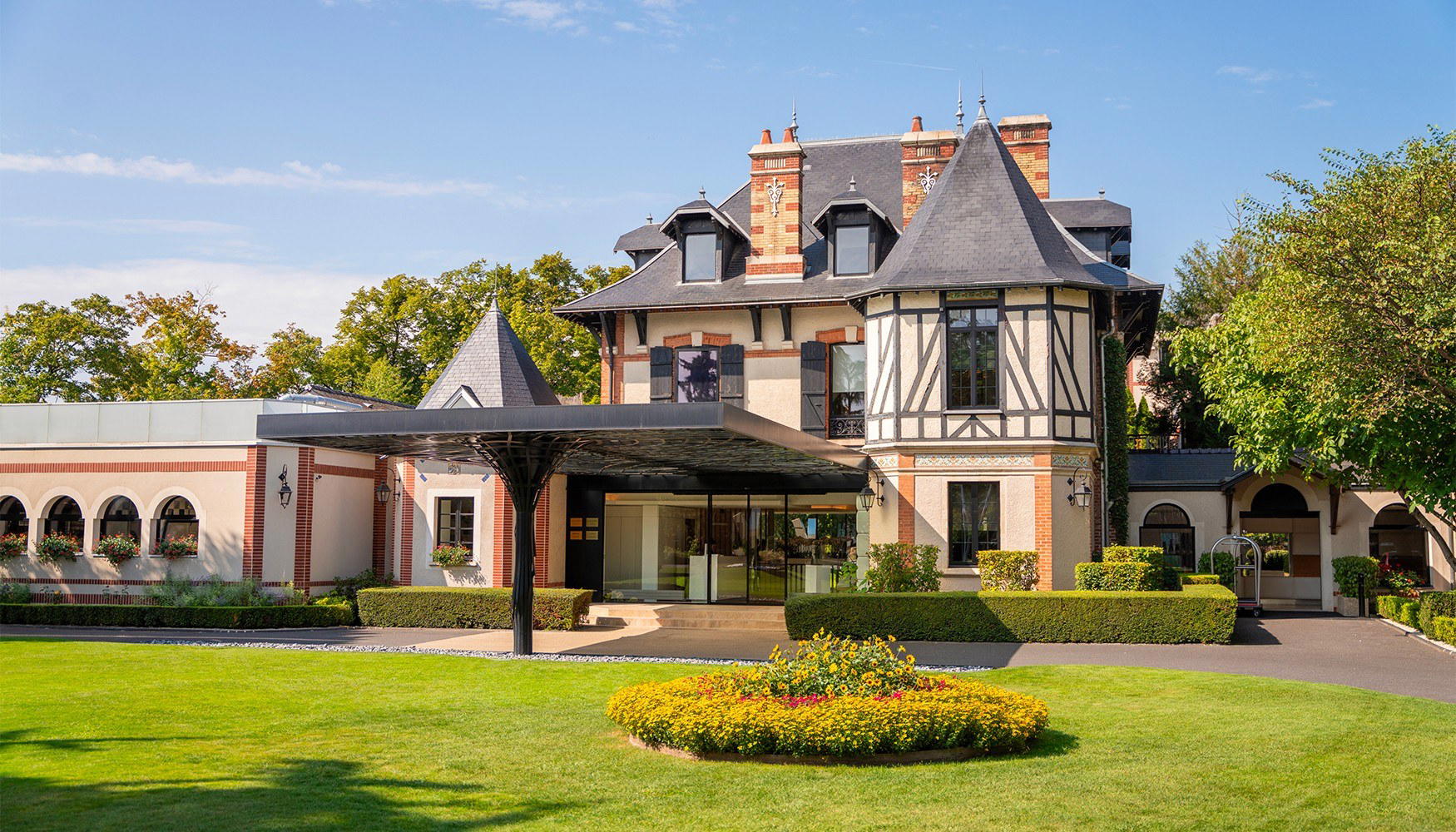
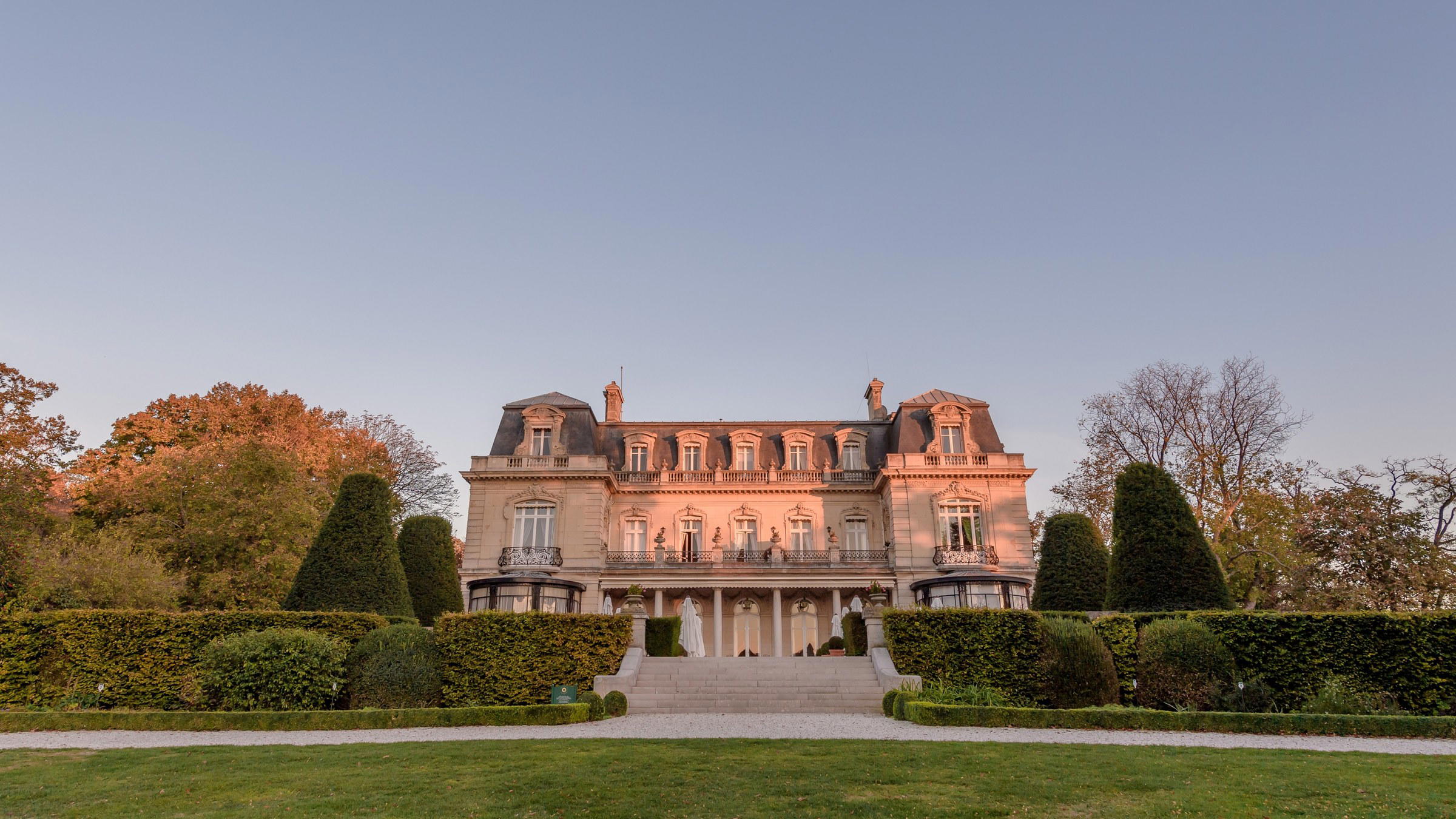
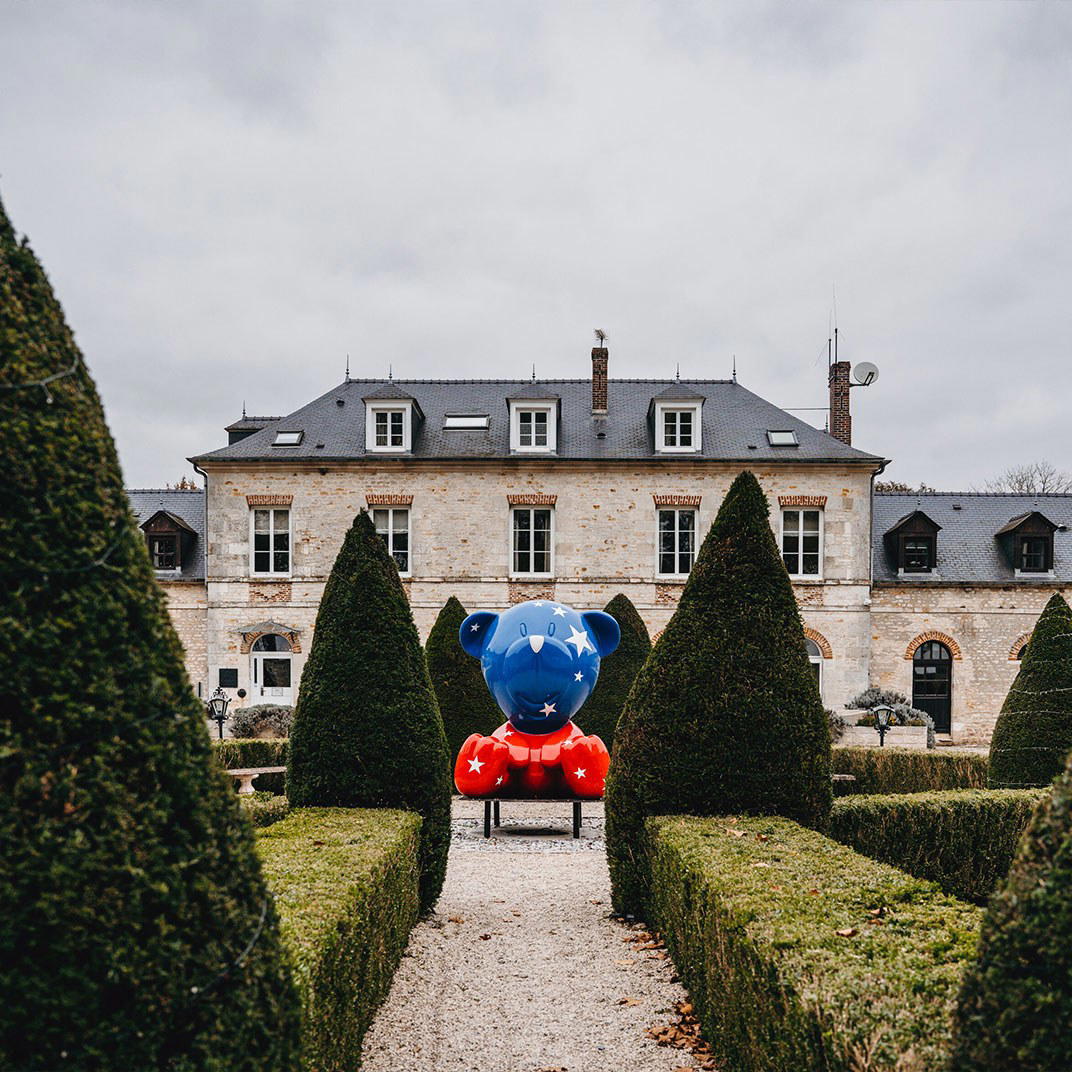
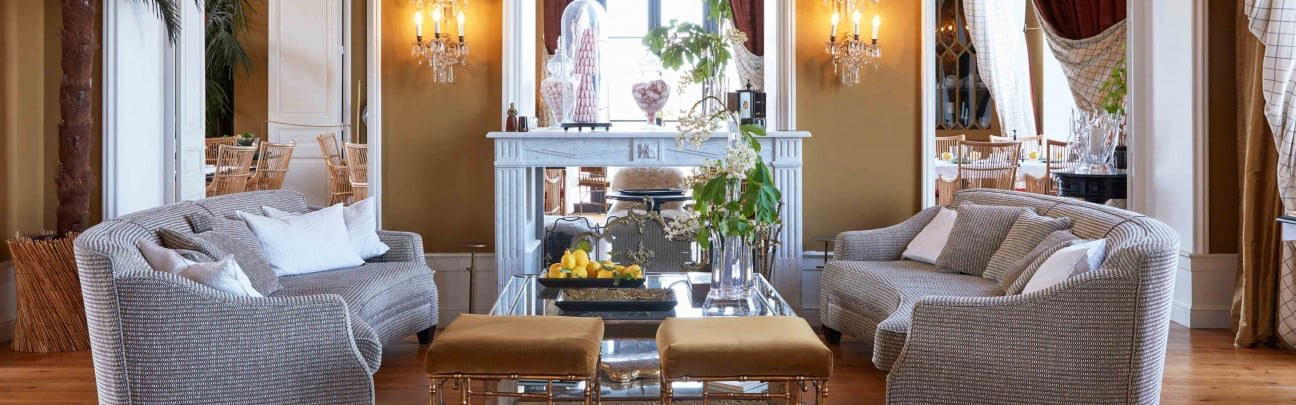
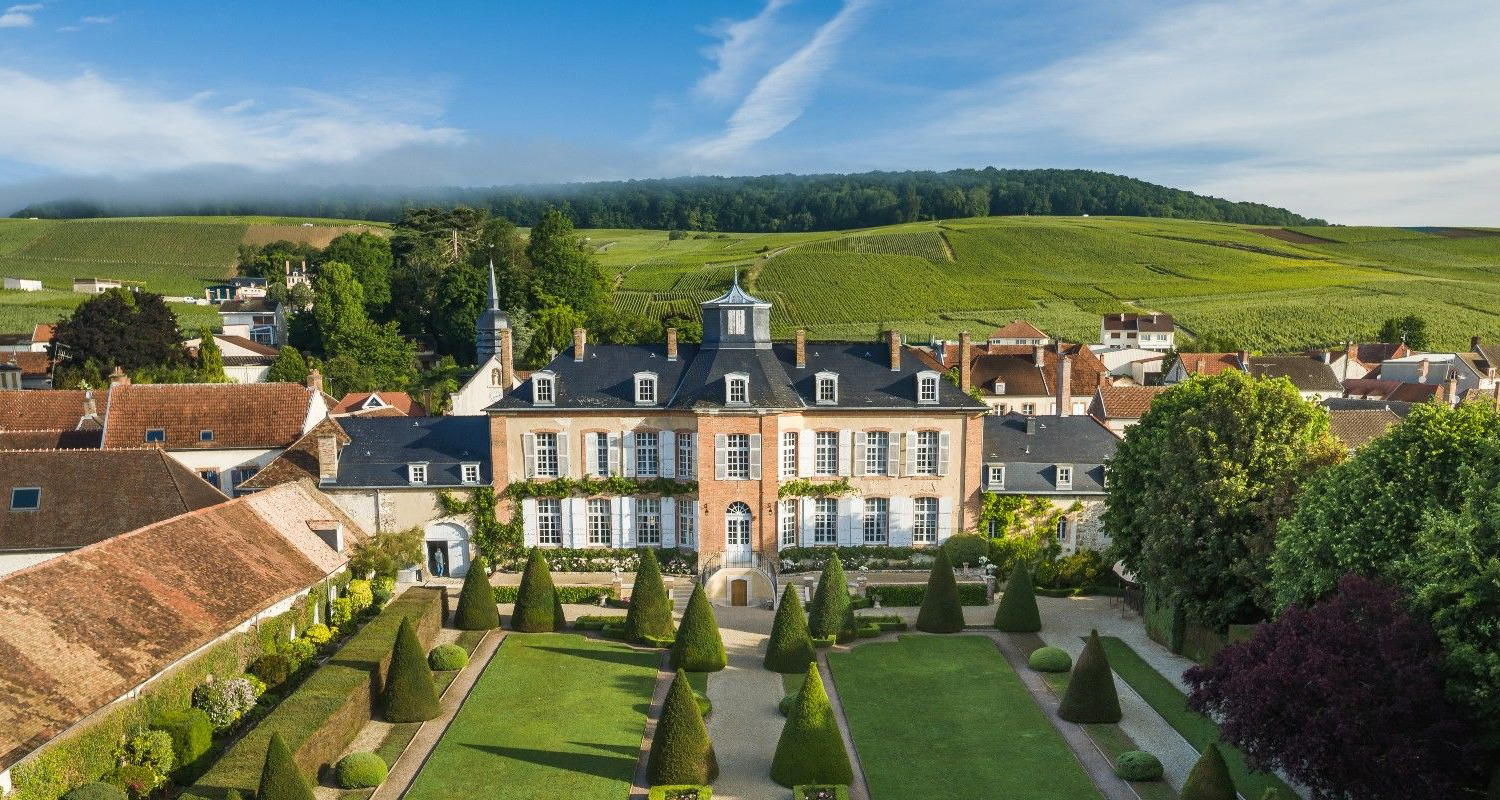
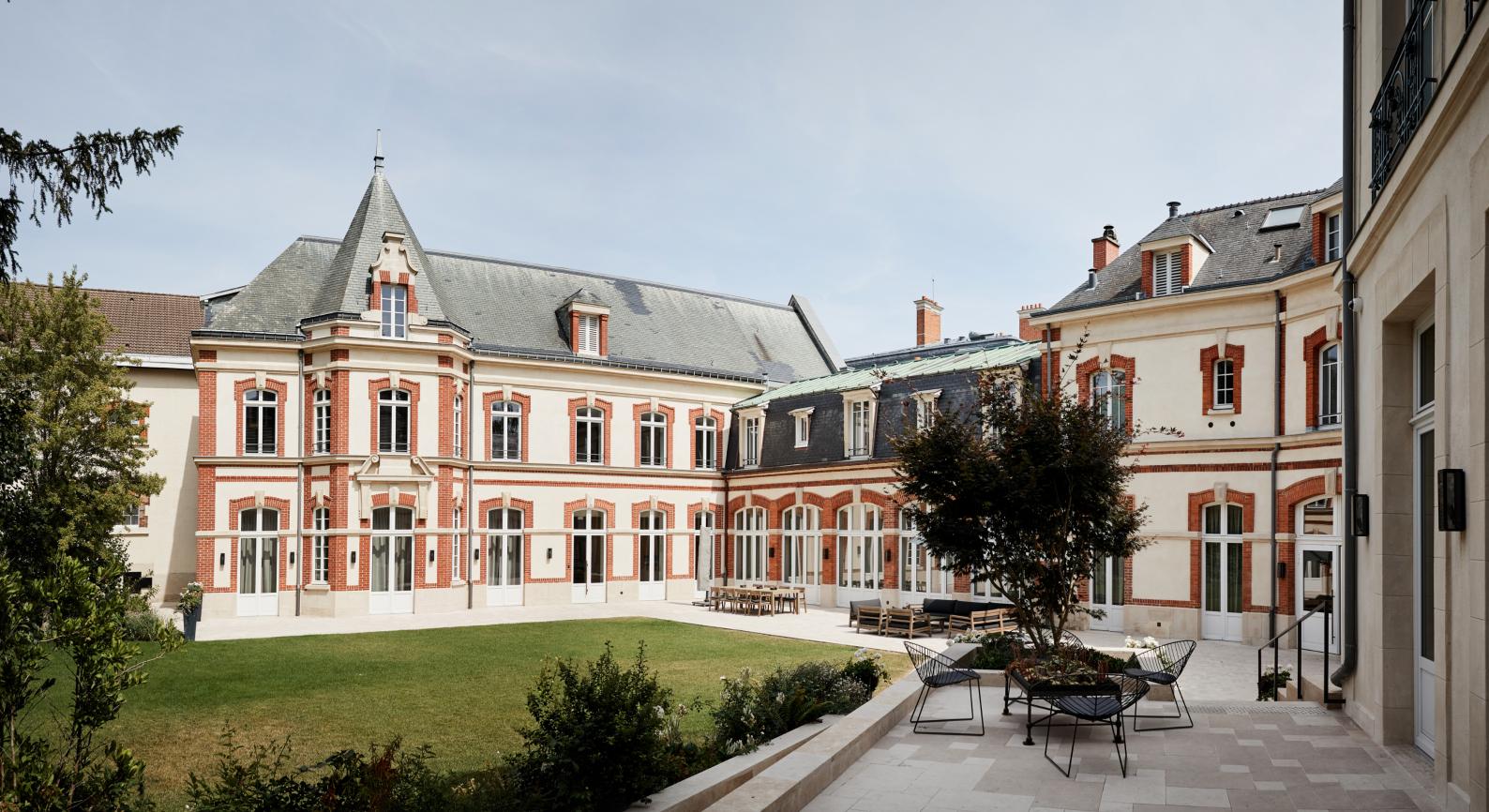
Cozy and warm interior with colorful notes, veranda opening to a beautiful garden, pleasant room overlooking trees and flowers, family-friendly authentic atmosphere.