Our verdict
Restaurant ATTIS occupies a quiet address on Place Boisseau in Chenay, a village in the Marne department of Champagne country. The restaurant sits within a region defined by its agricultural identity — chalky soils, cereal farming, and some of France's most consequential vineyards on its doorstep. For those passing through or staying in the area, ATTIS represents a local dining option in a part of France better known for its caves and cellars than its restaurant tables.

Pearl is the En Primeur Club membership app — saves, bookings, and concierge access live there. Same editors, same standards.
Dining in Champagne's Agricultural Interior
The Marne department earns its international profile almost entirely through wine. Reims and Épernay absorb the bulk of the region's gastronomic attention, with addresses like Assiette Champenoise in Reims representing the apex of what fine dining looks like against a backdrop of grand cru vineyards and luxury maison hospitality. The villages between those two poles — Chenay among them — sit in a different register: quieter, more agricultural, less oriented toward the international visitor trade. It is in this context that Restaurant ATTIS on Place Boisseau, Chenay, operates.
This part of Champagne is defined less by the vine than by the field. The chalky subsoils that give Champagne its famous minerality also support cereal crops and market garden production across the broader plateau. For a restaurant working in this environment, the surrounding terroir offers a different kind of sourcing story than the celebrated cellar narrative most visitors arrive with. French cooking in small rural communes has historically drawn from what is geographically close, a tradition that ranges from the farm-rooted cuisine of Bras in Laguiole at one extreme to the simpler tables of village auberges at the other.
A Region of Ingredient Stories
The ingredient-sourcing argument for cooking in rural Champagne is not merely romantic. The Marne sits within a broader northeast French agricultural corridor that supplies Paris kitchens with poultry from Bresse-adjacent farms, root vegetables from the Île-de-France border, freshwater fish from river systems feeding into the Seine basin, and of course, still wines and spirits from estates that rarely appear on export lists. For a local restaurant, proximity to those supply chains without the price pressure of a metropolitan address can represent a genuine advantage, the same produce that costs a Paris kitchen a premium for delivery arrives, in theory, at a fraction of the logistical overhead.
This is the economic and culinary logic that has sustained French rural dining for generations. The question for any specific address is whether the kitchen capitalises on that access with enough skill and intention to make the sourcing visible in the plate. Some of France's most argued-over fine dining addresses, Mirazur in Menton with its kitchen garden on the Riviera, or Auberge du Vieux Puits in Fontjoncouse tucked into the Corbières hills, have made geographic remoteness part of their culinary argument, turning limited proximity to metropolitan supply chains into a philosophical position about locality. Rural restaurants that succeed at that level treat sourcing not as a cost-management tool but as the editorial core of the menu.
Chenay and the Village Restaurant Format
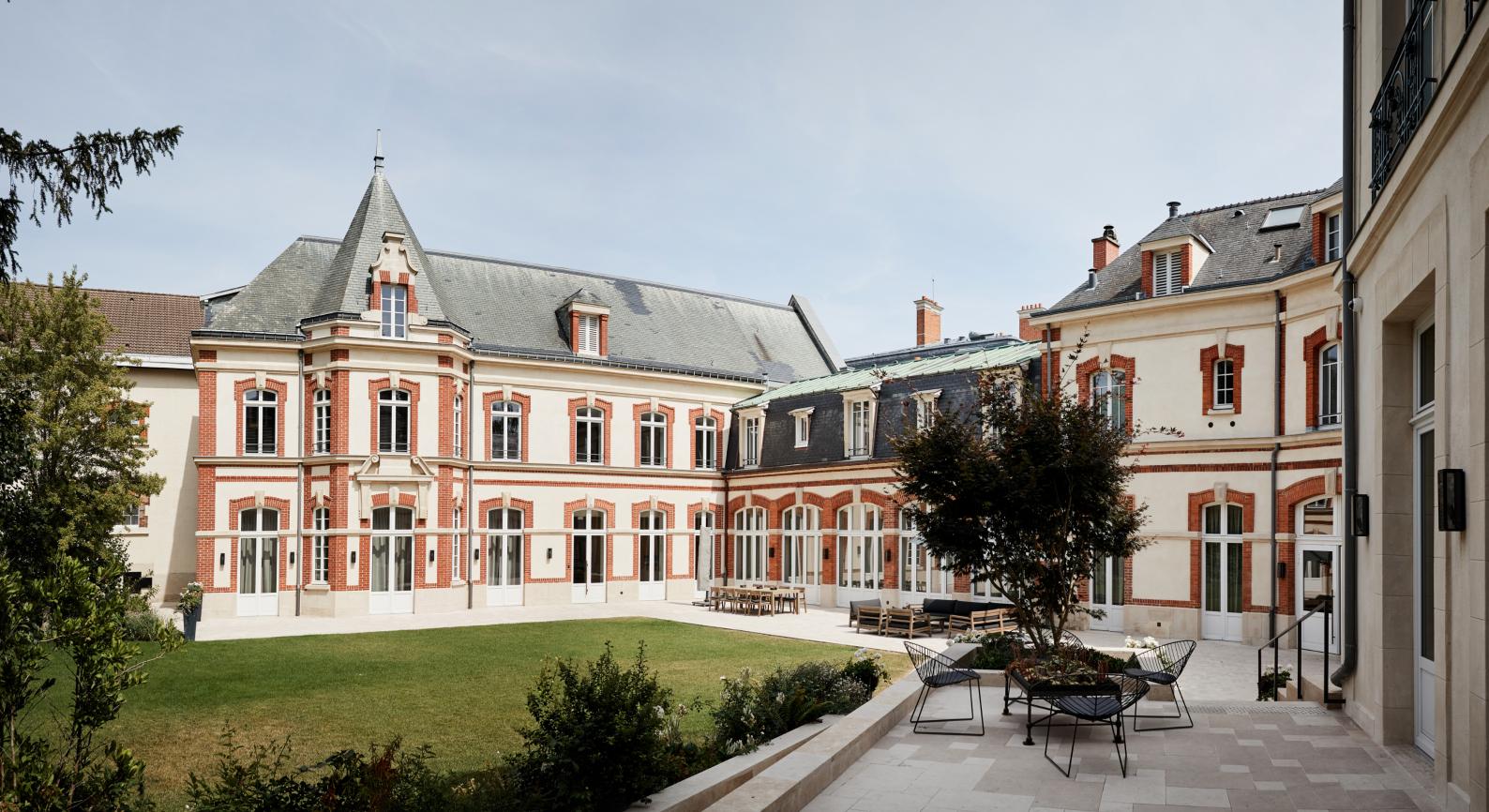
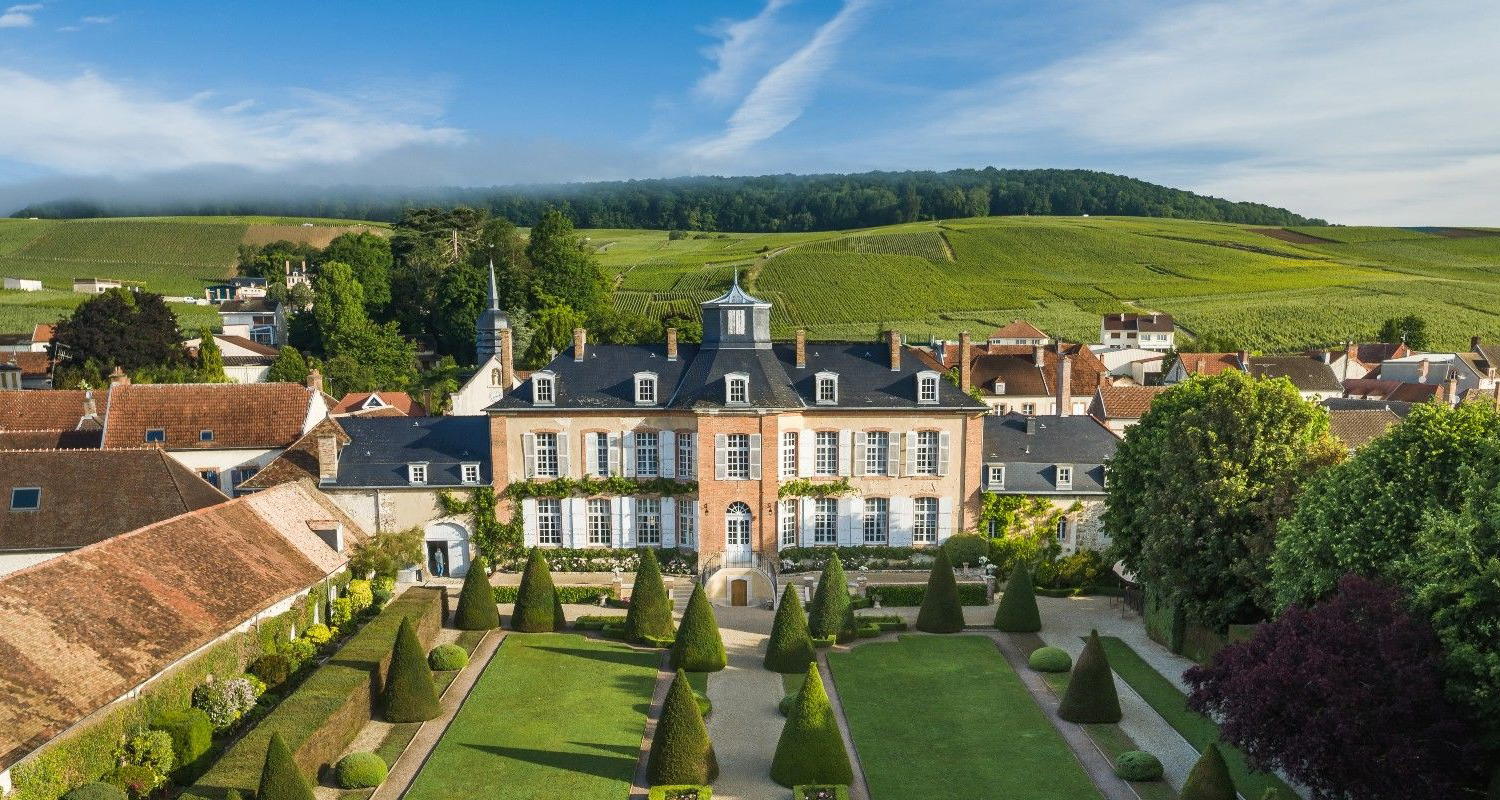
Chenay is a commune of a few hundred residents, roughly fifteen kilometres north of Reims. The village sits in a corridor that sees moderate traffic from those travelling between the Champagne cellars to the south and the broader Ardennes region to the northeast. Place Boisseau, where ATTIS is addressed, is a central square typical of Marne village architecture, the kind of setting where the boundary between a neighbourhood restaurant and a local institution becomes blurred after a few years of operation.
The village restaurant in French provincial culture occupies a specific social and culinary role that larger city addresses cannot replicate. These are spaces where the weekly market, the agricultural calendar, and the cooking menu intersect in ways that are legible to local diners but less immediately obvious to visitors arriving from outside. Seasonality is not a marketing claim in these contexts; it is a practical constraint. When the asparagus from the Marne valley farms is in, it is on the menu. When it is not, it is not. The same logic applies to game in autumn, lamb in spring, and the various foraged and cultivated ingredients that move through the regional supply over a twelve-month cycle. Compared to the controlled environments of Paris kitchens, where Alléno Paris au Pavillon Ledoyen operates at a different scale of resource and sourcing reach, a Marne village table like this one is working with a tighter, more contingent ingredient palette, which in the right hands produces cooking that reads as more direct.
Planning a Visit to ATTIS
Chenay is most practically reached by road from Reims, which is served by high-speed TGV connections from Paris Gare de l'Est in approximately forty-five minutes. From Reims, the drive north to Chenay takes around twenty minutes, making ATTIS viable as a lunch destination before or after a visit to the cathedral district or one of the major Champagne houses. The restaurant's position on Place Boisseau in the village centre means arrival is direct, with no navigational ambiguity about the address.
For a restaurant in a commune of this size, availability at short notice may be more feasible than at destination addresses further south, though that cannot be assumed without verification. The Champagne region more broadly rewards visits in late spring and autumn: harvest season brings the greatest density of winery activity, while May through June offers the freshest window for the plateau's market garden produce, both considerations worth aligning a visit around, regardless of which restaurant is on the itinerary. For a broader view of what the region offers at table, our full Chenay restaurants guide maps the local options in more detail.
Those building a longer northeast France dining itinerary around ATTIS might also consider the Alsatian tradition at Au Crocodile in Strasbourg or the long-standing heritage of Auberge de l'Ill in Illhaeusern, both within a two-hour drive east and representing a different but complementary slice of French regional cooking. For those travelling with an eye on the Atlantic coast as well, Christopher Coutanceau in La Rochelle offers a counterpoint study in coastal sourcing done at a high level. Closer in spirit to the rural-French format, Georges Blanc in Vonnas and L'Oustau de Baumanière in Les Baux both show what village-anchored French cooking looks like when institutional weight accumulates over decades. For those looking beyond France entirely, Le Bernardin in New York City and Atomix in New York City demonstrate how French-rooted and Korean fine dining traditions have translated into a different culinary economy, providing useful comparison points for understanding what European terroir-driven cooking offers that high-investment metropolitan formats do not. The Alpine counterpart to Champagne's plateau restraint can be found at Flocons de Sel in Megève, where mountain sourcing operates at a decorated level, and at Troisgros - Le Bois sans Feuilles in Ouches, one of the reference points for understanding how French grande cuisine has evolved over generations. Finally, AM par Alexandre Mazzia in Marseille, La Marine in Noirmoutier-en-l'île, and Paul Bocuse - L'Auberge du Pont de Collonges in Collonges-au-Mont-d'Or round out the geography of French regional cooking for those building a considered national itinerary.
Frequently asked questions
Is Restaurant ATTIS a family-friendly restaurant?
Village restaurants in Chenay's format typically serve a cross-section of the local community, from working families to regional visitors passing through the Reims corridor. No formal children's policy is documented for ATTIS, so contacting the restaurant directly before visiting with young children is advisable.
Is Restaurant ATTIS worth visiting as a day trip from Reims?
Chenay is approximately fifteen kilometres north of Reims, making ATTIS at 3 Place Boisseau an accessible lunch stop from a city served by TGV connections from Paris Gare de l'Est in around forty-five minutes. For travellers already in Reims exploring the Marne's wine country or cathedral city, the short drive into the agricultural interior adds a different register to the trip.
What's the signature dish at Restaurant ATTIS?
Given the restaurant's position in the agricultural interior of the Marne, the surrounding region supplies quality produce from northeast French farming country, which often shapes what kitchens in this corridor put forward.
What part of town is Restaurant ATTIS in?
Restaurant ATTIS is located at 3 Pl. Boisseau, 51140 Chenay, France, Chenay.
Should I book Restaurant ATTIS in advance?
Chenay draws visitors travelling the road corridor between Reims and the wider Marne, and small village restaurants in this area can fill quickly, particularly at weekends. No online booking platform or phone number is publicly documented for ATTIS, so reaching out through local directories or arriving early during service is the most practical approach.
Comparable Spots, Quickly
Comparable venues nearby, for context on price, style, and recognition.
| Venue | Cuisine | Price | Notes |
|---|---|---|---|
| Restaurant ATTISThis venue — the venue you are viewing | Modern French Bistro | $50–100 | Not listed |
| Comptoir De Vie | Modern French Tasting Counter-Bar | $100–150 | 2nd Arrondissement |
| La Gare | Seasonal French Bistro | $30–50 | Le Mesnil-sur-Oger |
| Version Originale | French Bistro with Fusion Influences | $30–50 | heart of Reims |
| Menu Palais | Classic French Brasserie | $30–50 | La Vallée Village |
| CACTUS by La Finca | Seasonal French Bistro | $30–50 | 11th Arrondissement |
Continue exploring
More in Chenay
Restaurants in Chenay
All restaurants in Chenay →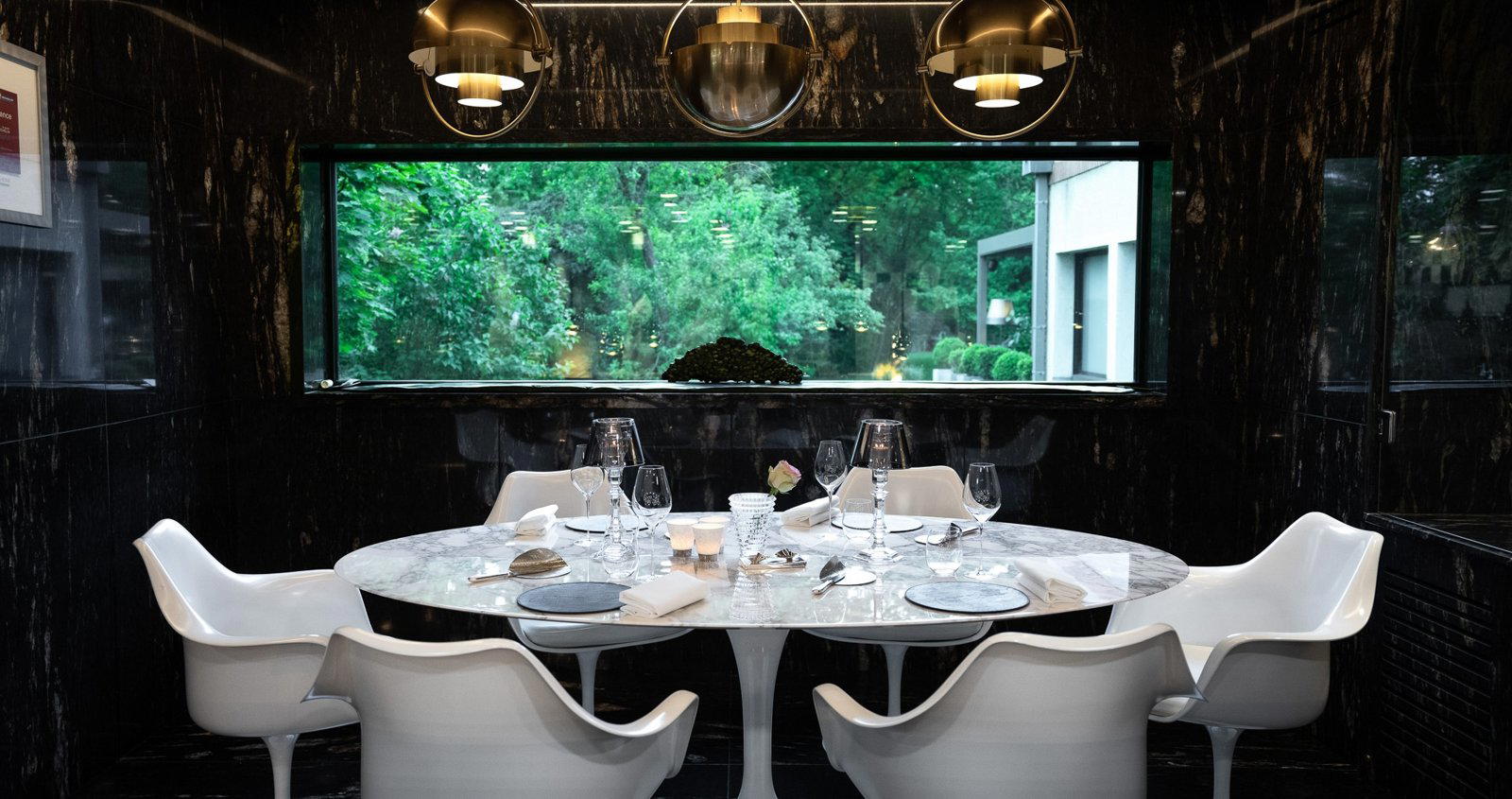
Bars in Chenay
Browse all →
Details
- Elegant
- Intimate
- Rustic
- Scenic
- Sophisticated
- Date Night
- Special Occasion
- Standalone
- Local Sourcing
- Vineyard
- Prix Fixe
- Vegetarian Friendly
Current opening hours
- Monday
- Closed
- Tuesday
- 7:30–9 PM
- Wednesday
- 7:30–9 PM
- Thursday
- 7:30–9 PM
- Friday
- 12:15–1 PM, 7:30–9 PM
- Saturday
- 12:15–1 PM, 7:30–9 PM
- Sunday
- Closed
Hours can change for holidays and private events. Last verified .
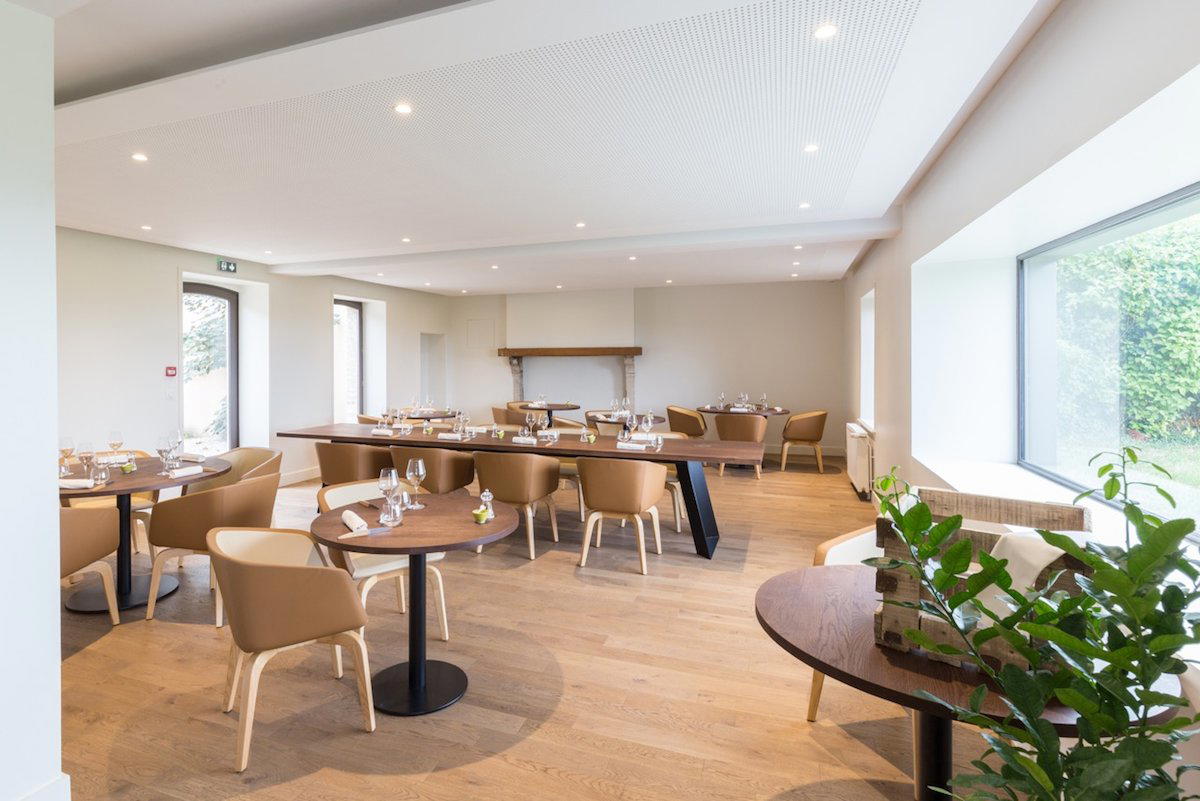
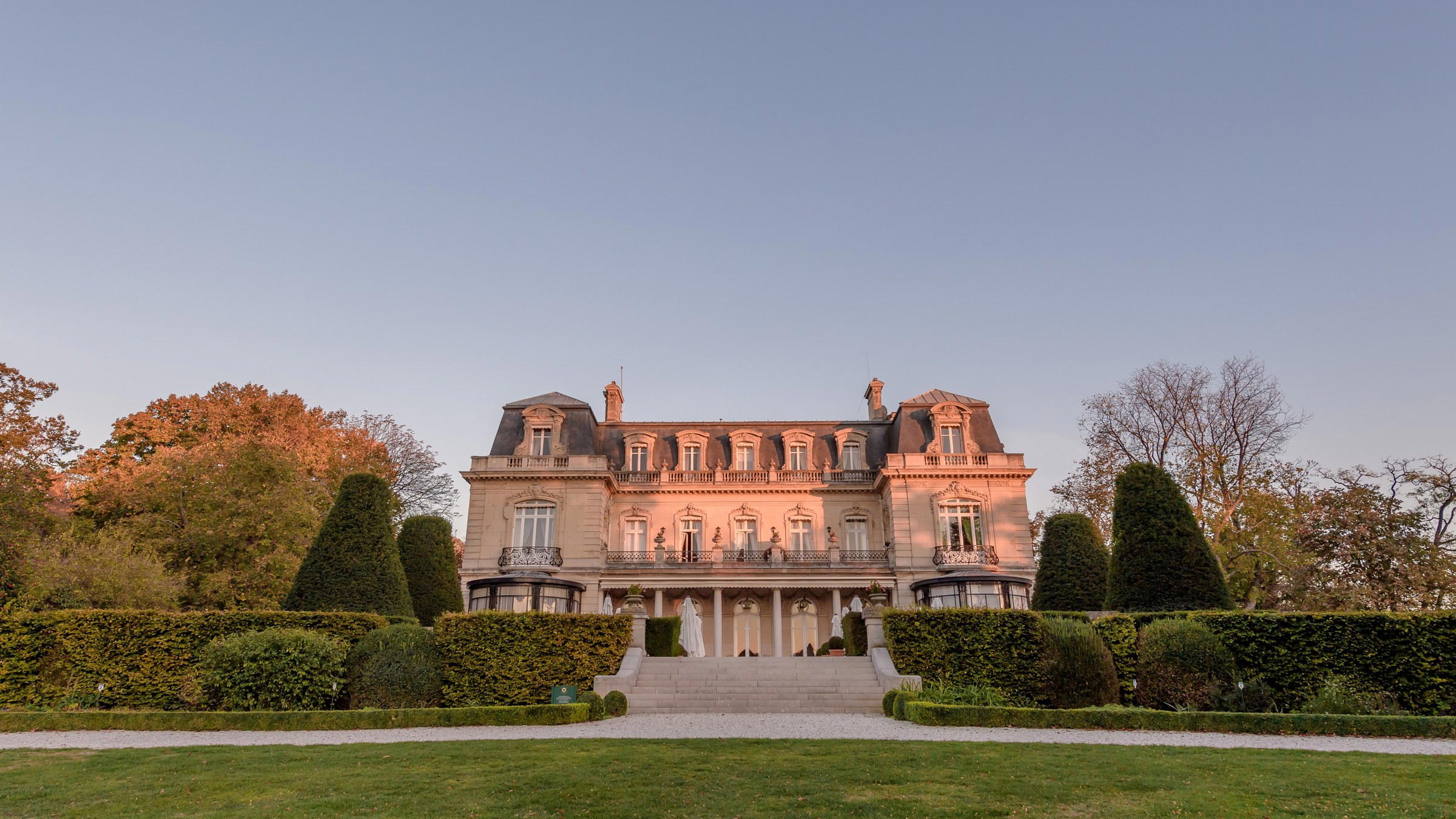
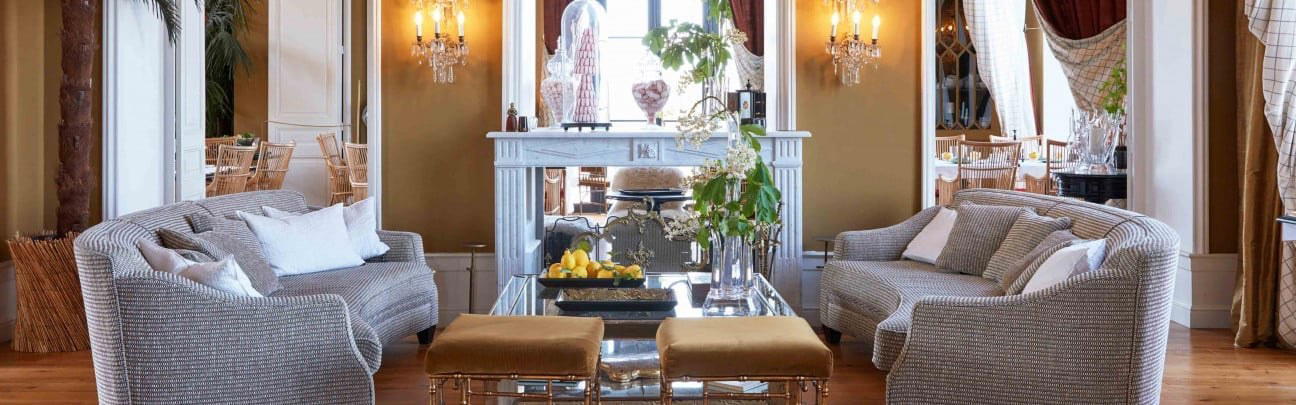
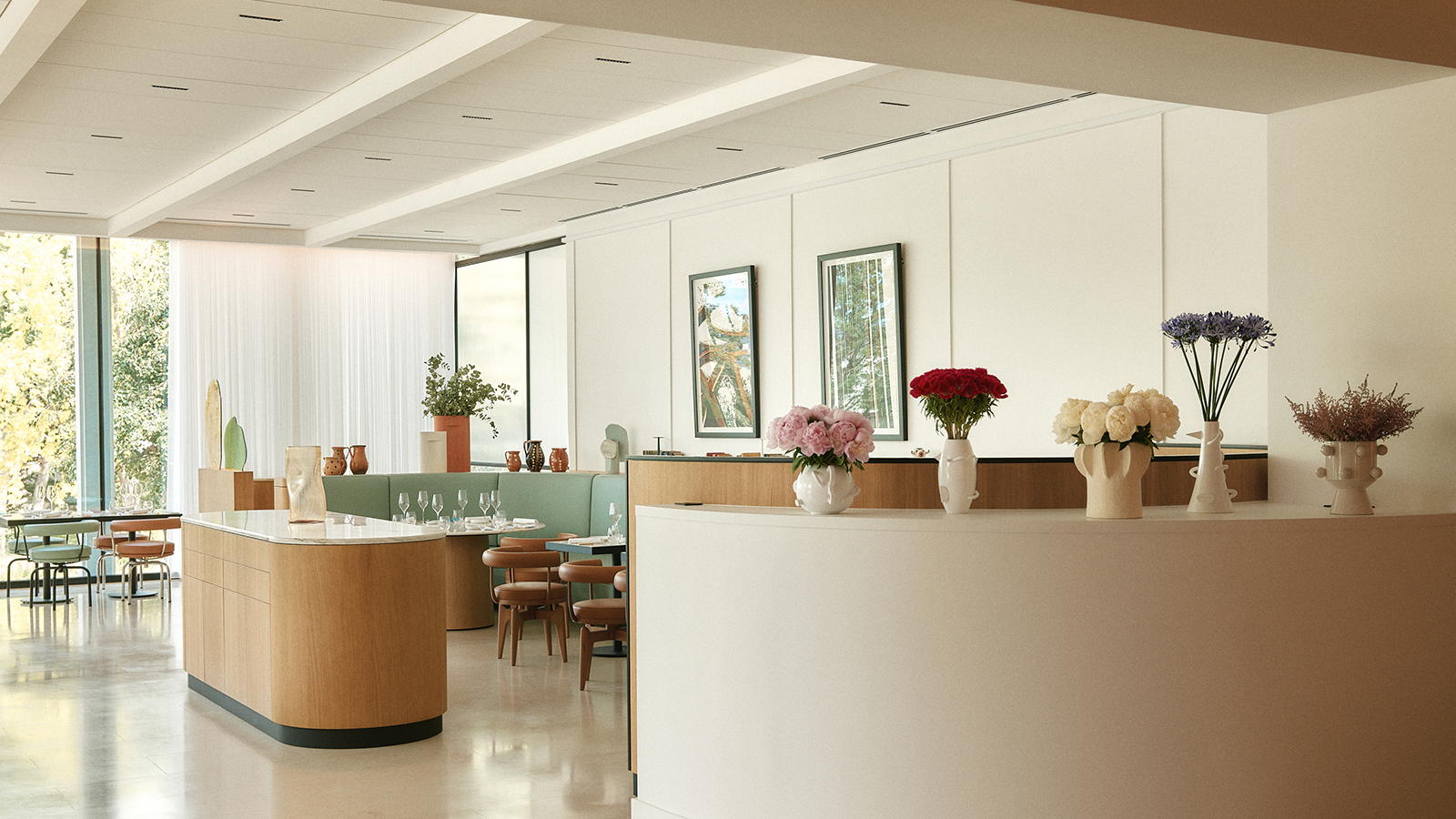
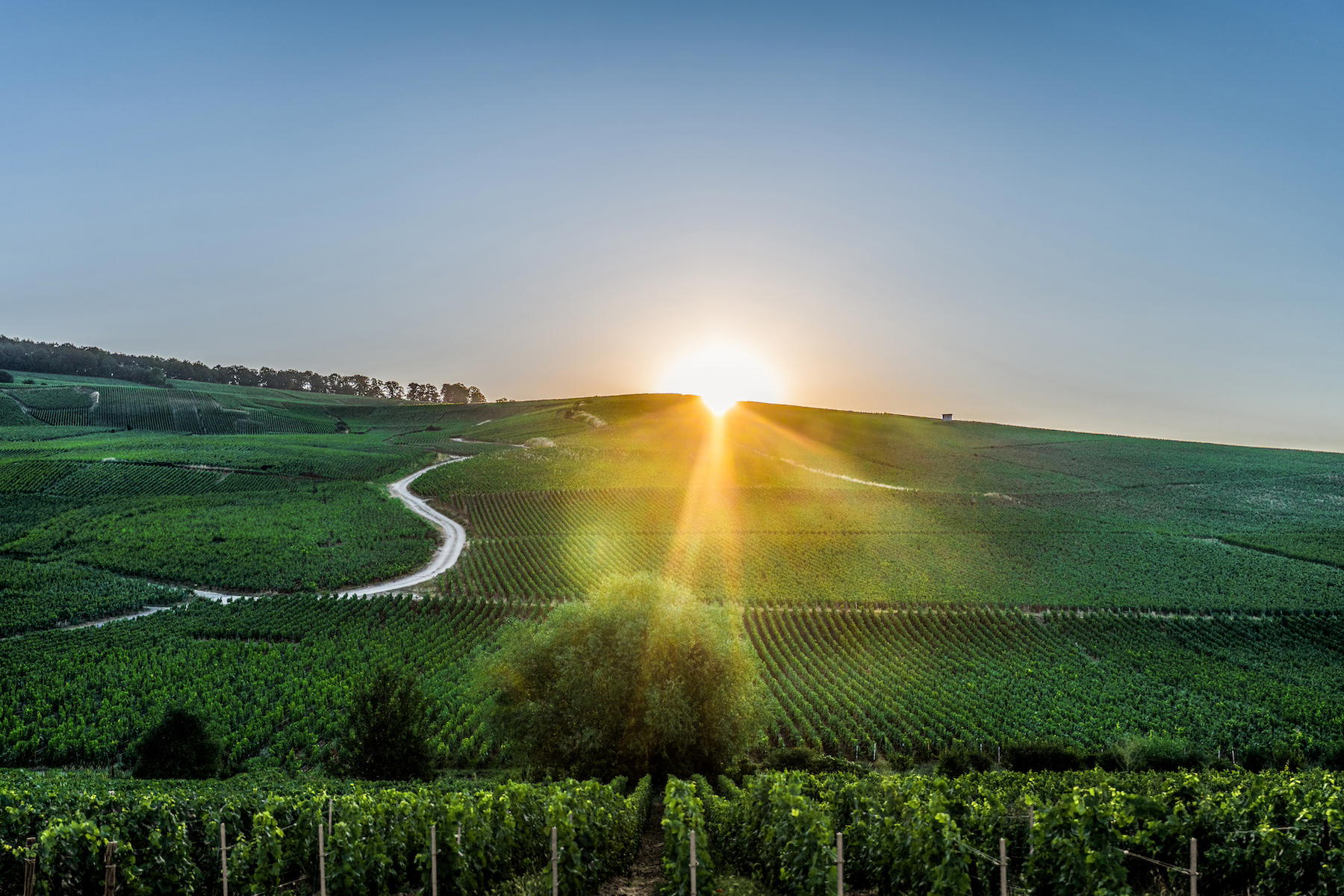
Sober, elegant, zen decoration with wood and stone elements, soft lighting, and large bay windows offering far-reaching vineyard views.