Alain Ducasse Baccarat sits in Paris’s gastronomic French bracket, where provenance, table ritual, and the city’s long relationship with luxury dining matter as much as technique.
Pearl is the En Primeur Club membership app — saves, bookings, and concierge access live there. Same editors, same standards.
- Address
- Paris, France
- Website
- ducasse-baccarat-paris.com
- Directions
- Get directions
 Saves & bookings on Pearl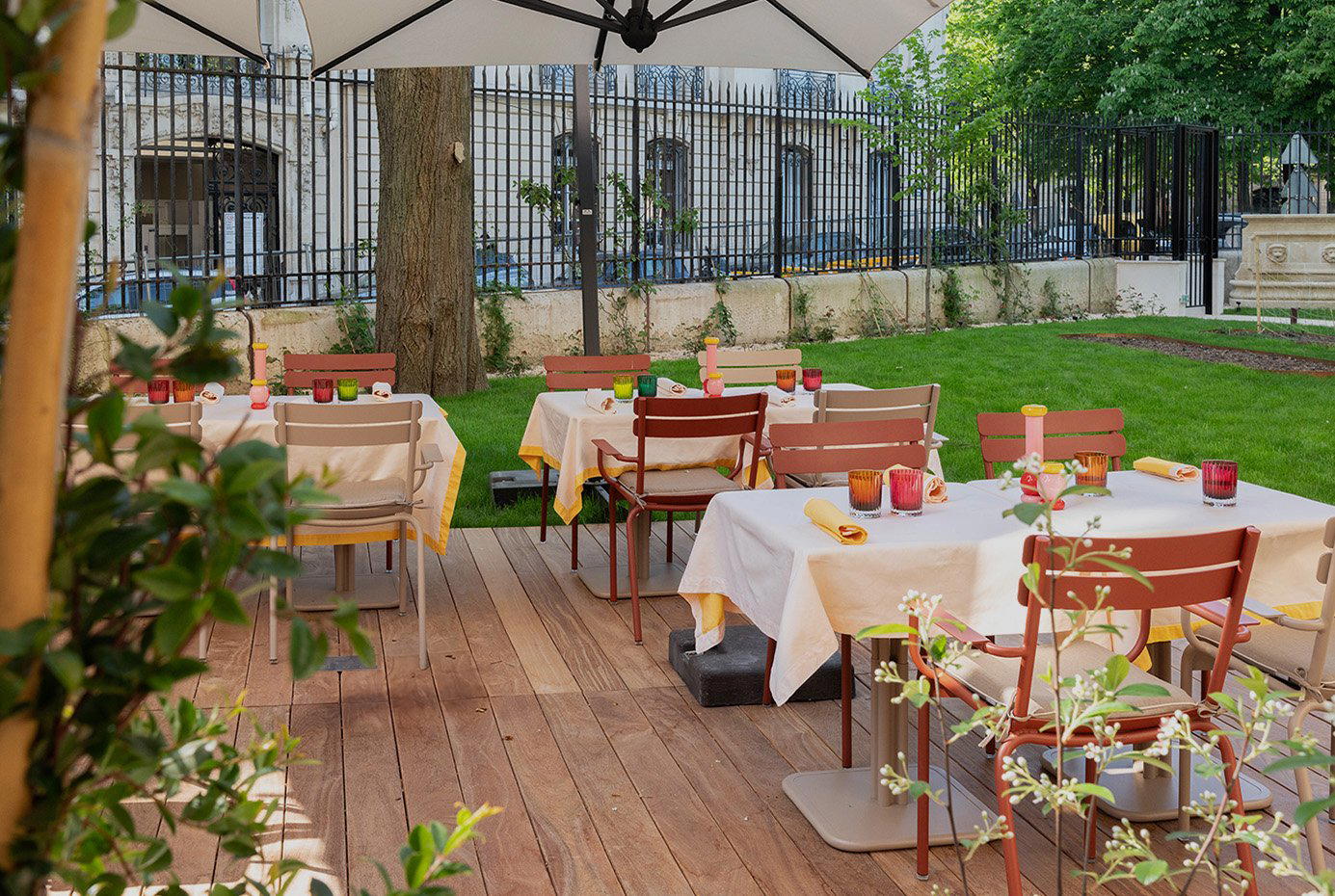
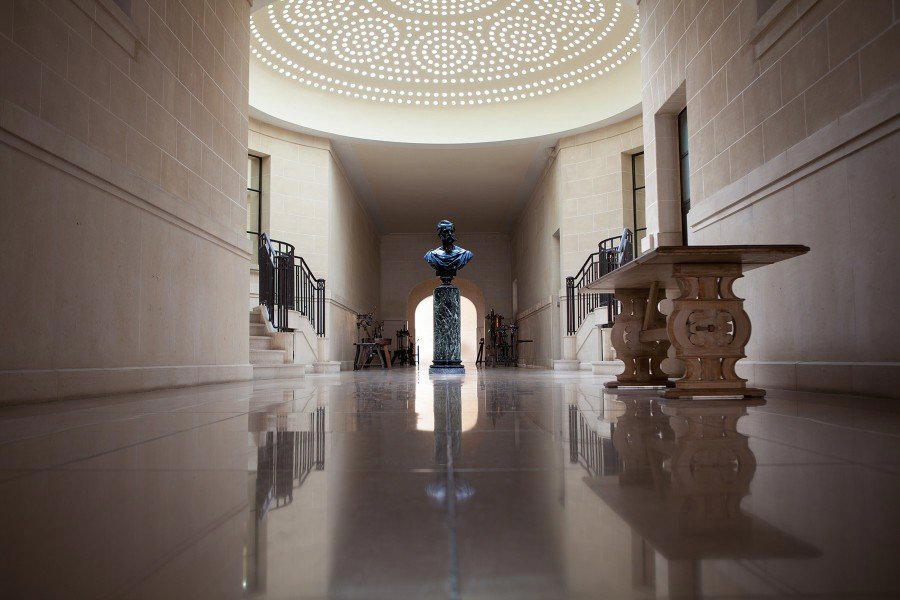
Glass changes the mood of a dining room before a menu says a word. In Paris, where grand restaurants often trade on gilt, linen, and ceremony, the Baccarat name brings a different signal: refracted light, cut crystal, and a house style tied to French decorative arts rather than restaurant theater alone. Alain Ducasse Baccarat belongs to the city’s gastronomic French category, a field where the room, the sourcing logic, and the sequence of service all carry cultural weight. The useful question is not whether it feels luxurious in the abstract, but how this format fits into a Paris dining scene increasingly split between palace dining rooms, chef-led tasting counters, and heritage French tables that make provenance part of the performance.
Parisian gastronomy through the lens of material culture
Paris has always treated restaurants as social rooms, not only kitchens. The city’s serious French dining tradition was shaped by the relationship between craft and hierarchy: silver service, cellar depth, regional produce, sauces that translate labor into polish, and dining rooms designed to slow the pace of conversation. Baccarat adds another layer to that pattern because crystal is not neutral decoration. It frames the meal as an encounter with French manufacture, luxury trade, and the ritual side of hospitality. In that context, a gastronomic French restaurant attached to the Baccarat world reads less like a standard dining address and more like a Parisian study in how table culture is staged.
That distinction matters because Paris now has several high-end restaurant languages competing for attention. The city can offer the highly technical modernity of Kei, the grand creative dining grammar of Alléno Paris au Pavillon Ledoyen, the vegetable-centered intellectualism associated with Arpège, and the classical aristocratic register of L'Ambroisie. Against those reference points, this address is better understood through ambience and provenance than through a published chef narrative or a single dish. The editorial case rests on category, city context, and the Baccarat association, not on unverified claims.
Terroir in Paris is a national argument, not a rural postcard
Terroir is often discussed as if it belongs only to vineyards, alpine pastures, or coastal markets. In Paris, it becomes a curatorial act. The capital does not grow the produce that defines its serious dining rooms; it gathers, edits, and codifies regional France. Gastronomic French cooking in the city is therefore a national conversation conducted on a plate: butter and cream from the north and west, shellfish from Atlantic and Channel routes, game traditions from forested regions, vegetables from market gardens, cheeses with protected identities, and wines that turn geography into a service structure.
For a restaurant in this category, provenance should be read broadly. It is about whether the format belongs to a French system where ingredients carry origin, season, and hierarchy. Parisian gastronomic dining has long transformed regional abundance into urban ceremony. That is why the comparison set extends beyond the capital. Flocons de Sel in Megève speaks from the Alps, Troisgros - Le Bois sans Feuilles in Ouches from a family history in the Loire-adjacent heart of French restaurant modernity, Mirazur in Menton from the Mediterranean edge, and Bras in Laguiole from Aubrac. Paris absorbs those regional arguments and places them under chandeliers, crystal, and city service.
Where the Ducasse name sits in the Paris hierarchy
The Alain Ducasse name carries a clear trust signal in French gastronomy: it is associated with one of the country’s defining modern restaurant groups and a long public record in haute cuisine. For this specific venue, awards, a current chef, and pricing are not listed, so those details should not be inferred. What can be said with confidence is that the name positions the restaurant inside a premium French dining conversation rather than the bistronomy movement or the casual neo-brasserie wave.
That distinction is useful for travelers choosing between Paris formats. Independent gastronomic rooms often emphasize chef authorship or a sharper culinary thesis. Baccarat’s context suggests a third register: dining as table art, where the French luxury object and the French meal occupy the same frame. This is not a reason to replace a reservation at a heavily awarded peer; it is a reason to understand why the address belongs to a different kind of Paris itinerary.
Atmosphere before authorship
Many contemporary restaurant pages begin with the chef. That approach is less useful here because the public record supplied for this venue does not include a chef name or biography. The stronger editorial reading starts with atmosphere: crystal, formality, and the expectations created by a house whose identity is tied to the French art de vivre. In Paris, those signals matter. Dining rooms communicate rank and intention quickly, and this one sits in a sphere where guests are likely to expect a composed room rather than the kinetic informality of a small-plate wine bar.
The risk with this category is over-polish. Paris has enough grand rooms where the setting can outshine the plate. The counterargument is that gastronomic French cooking has always depended on the whole table system: glassware, linen, pacing, temperature, wine service, and the controlled choreography of courses. When that system works, the decor is not an accessory. It becomes part of the grammar of the meal.
How it compares with other Paris dining decisions
A useful Paris dining plan separates meals by function. One night may belong to a highly awarded palace or creative table. Another may be for classic French continuity. A third may be for a room that says something about Parisian luxury culture beyond cuisine alone. Alain Ducasse Baccarat fits the third role. It is less useful as a substitute for a produce-driven pilgrimage and more convincing as part of a broader reading of how Paris stages luxury around the table.
For travelers building a restaurant itinerary, the city rewards contrast. Pair a formal gastronomic French dinner with a sharper contemporary meal, a market-led lunch, and at least one low-intervention wine bar or old-guard bistro. EP Club’s broader Paris coverage helps separate those decisions by category: Our full Paris restaurants guide maps dining options, while Our full Paris bars guide is better for aperitif and late-evening planning. Travelers making a hotel-led dining trip should also compare room geography through Our full Paris hotels guide, since Paris traffic and late-night returns can make neighborhood choice more consequential than a map suggests.
The provenance question: what can be known, and what should not be invented
High-end French restaurants often communicate through supplier names, seasonal references, and cellar architecture. That matters. A credible recommendation should not invent a farmer, a signature preparation, a wine pairing, or a dish just because the category invites it. The known facts are spare: the restaurant is in Paris, France, its cuisine type is gastronomic French, and its public record here does not provide awards, chef, price, hours, address, or booking details.
Even with limited data, provenance remains the correct editorial lens because French gastronomy is built on origin. The phrase means more than rural sourcing. It includes the cultural provenance of service objects, the institutional provenance of a name, and the regional provenance that Parisian kitchens translate into formal dining. That is where Baccarat’s relevance becomes clearer. The table is not merely a place where food arrives; it is a display system for French craft. The restaurant sits at the intersection of edible and material heritage, and that is a narrower, more specific proposition than another expensive dinner in the capital.
French gastronomy beyond Paris: why regional references matter
Paris visitors often treat the capital as the whole story of French dining. It is not. The city concentrates power, critics, luxury hotels, and international demand, but many of the country’s defining restaurant traditions were sharpened outside it. The regional canon matters because it explains what Paris restaurants are borrowing, refining, or reframing. Paul Bocuse - LAuberge du Pont de Collonges in Collonges-au-Mont-dOr anchors the Lyonnais and nouvelle cuisine conversation; Auberge de l'Ill in Illhaeusern points toward Alsatian continuity and cross-border richness. These are not interchangeable with Paris rooms, and that is the point.
Seen from that national map, a Paris gastronomic French restaurant must justify itself through editorship. It selects what regional France means in the capital. It decides which ingredients, gestures, and service rituals belong in a luxury urban setting. That is why terroir in Paris can feel intellectual rather than pastoral. The land is present through curation, not proximity. The Baccarat context intensifies that distance: nature is translated through craft, then served inside a highly designed room.
Planning the meal without overclaiming the logistics
Current details to confirm include address, hours, phone number, website, price range, dress code, booking method, and seat count. For a restaurant in Paris’s gastronomic French category, travelers should treat logistics as a planning task to confirm directly through current official channels before arranging the evening. In practical terms, this is not the kind of dining decision to leave to a casual walk-in assumption. Formal rooms in Paris can carry limited seat inventory, private-event interruptions, holiday closures, and service calendars that shift around August, Christmas week, and fashion or art-market periods.
Timing also changes the experience. A long gastronomic dinner can dominate the evening, particularly if wine service is part of the plan. Lunch, when offered by comparable French rooms, can be a different proposition: brighter room, tighter pacing, and often a less theatrical social charge. Because this specific record does not confirm service periods, the responsible advice is to verify current opening days and meal periods before pairing the restaurant with museum tickets, a hotel transfer, or a late bar reservation. For wider itinerary planning, Our full Paris experiences guide and Our full Paris wineries guide can help structure the day around culture and wine rather than treating dinner as an isolated event.
Who should choose this address
This is a better fit for travelers interested in Paris as a capital of ceremony than for diners chasing a documented list of awards or named signature dishes. Choose it when the appeal lies in gastronomic French cooking within a Baccarat-linked setting, and when the room’s material culture is part of the reason for going. Choose a different Paris address if the priority is a known chef biography, a public award trail, or a heavily documented tasting-menu progression.
International comparisons help clarify the point. Benu in San Francisco and Le Bernardin in New York City operate in dining cultures where high-end restaurants often foreground precision, cuisine identity, and critical ranking systems for a global audience. Paris can do that too, but it also has a deeper tradition of restaurants as rooms of social code. This venue belongs to that latter reading. Its appeal sits in the meeting of French gastronomy and French decorative craft, with provenance understood as both land and table.
How It Compares
Comparable venues nearby, for context on price, style, and recognition.
| Venue | Cuisine | Price | Notes |
|---|---|---|---|
| Alain Ducasse BaccaratThis venue — the venue you are viewing | Avant-garde French fine dining in a crystal-clad Maison Baccarat setting | $$$$ | Not listed |
| Jules | Modern French Fine Dining | $$$$ | Champ de Mars / Eiffel Tower |
| Camélia | Modern French Bistro with Asian Accents | $$$$ | Place Vendôme |
| Cravan | Modern French Cocktail Bar | $$$$ | Saint-Germain-des-Prés |
| Ledoyen | Modern French Fine Dining | $$$$ | Champs-Élysées |
| Aux Dés Calés 18 - Moreau | French Bistronomic Bistro | $$$ | Butte-Montmartre |
Continue exploring
More in Paris
Restaurants in Paris
Browse all →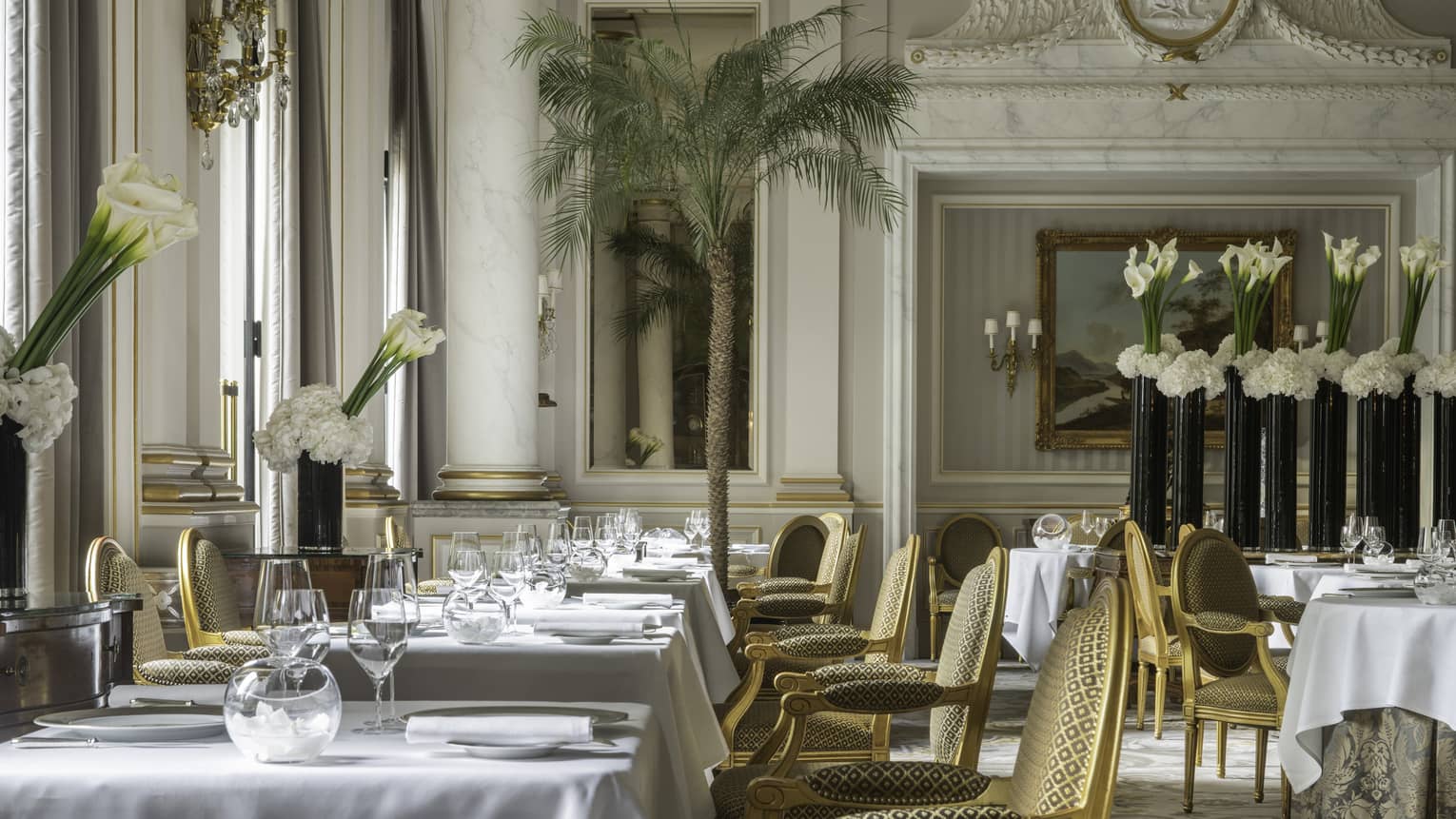

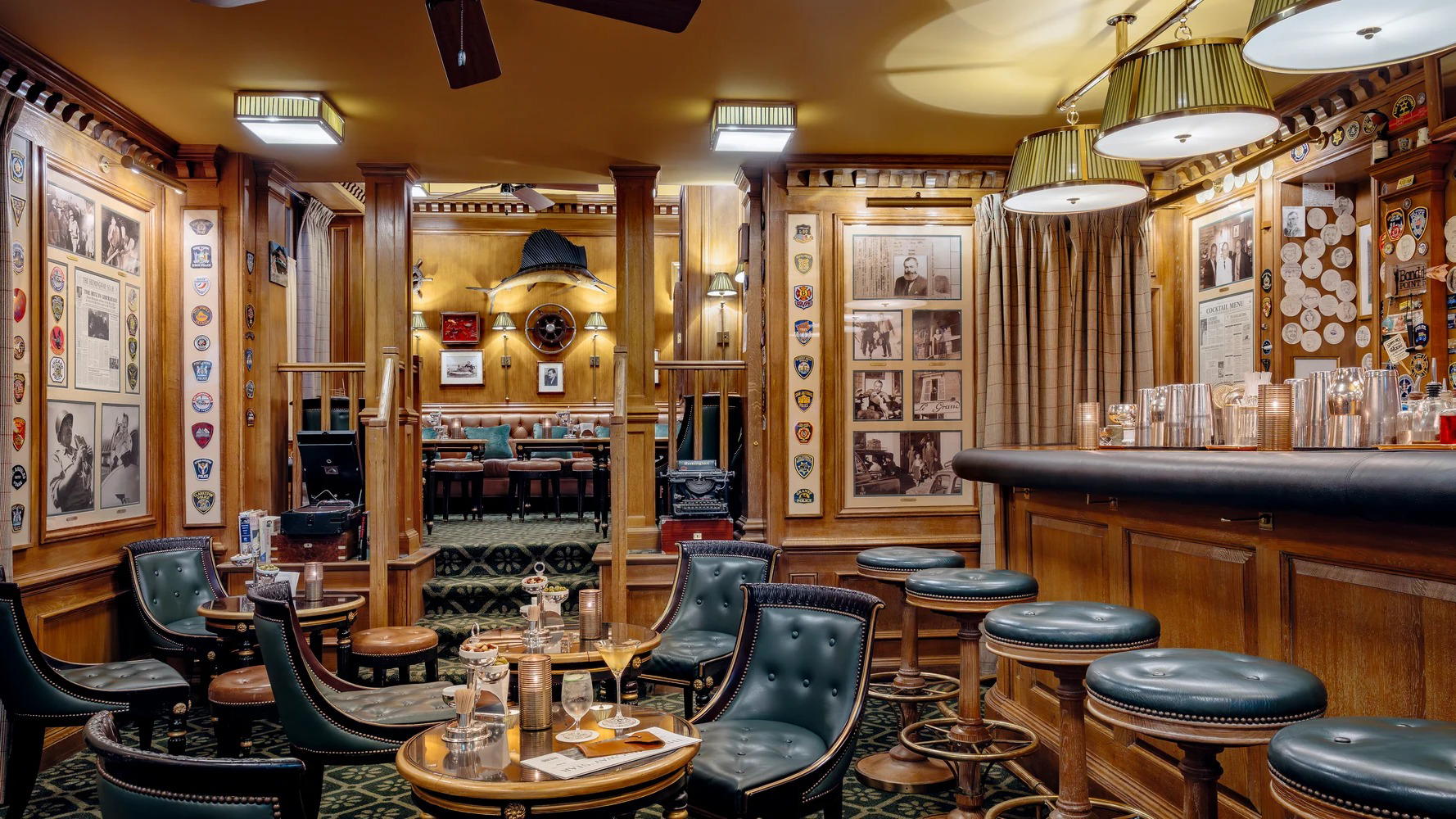
Bars in Paris
Browse all →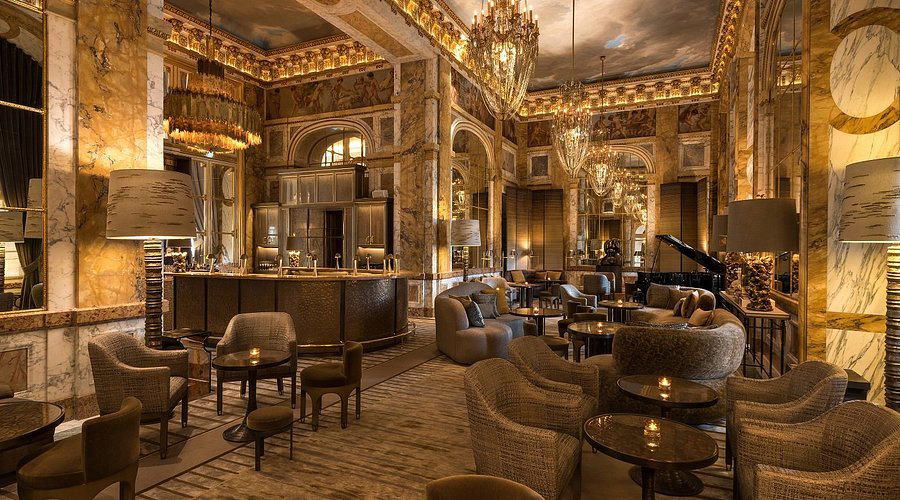
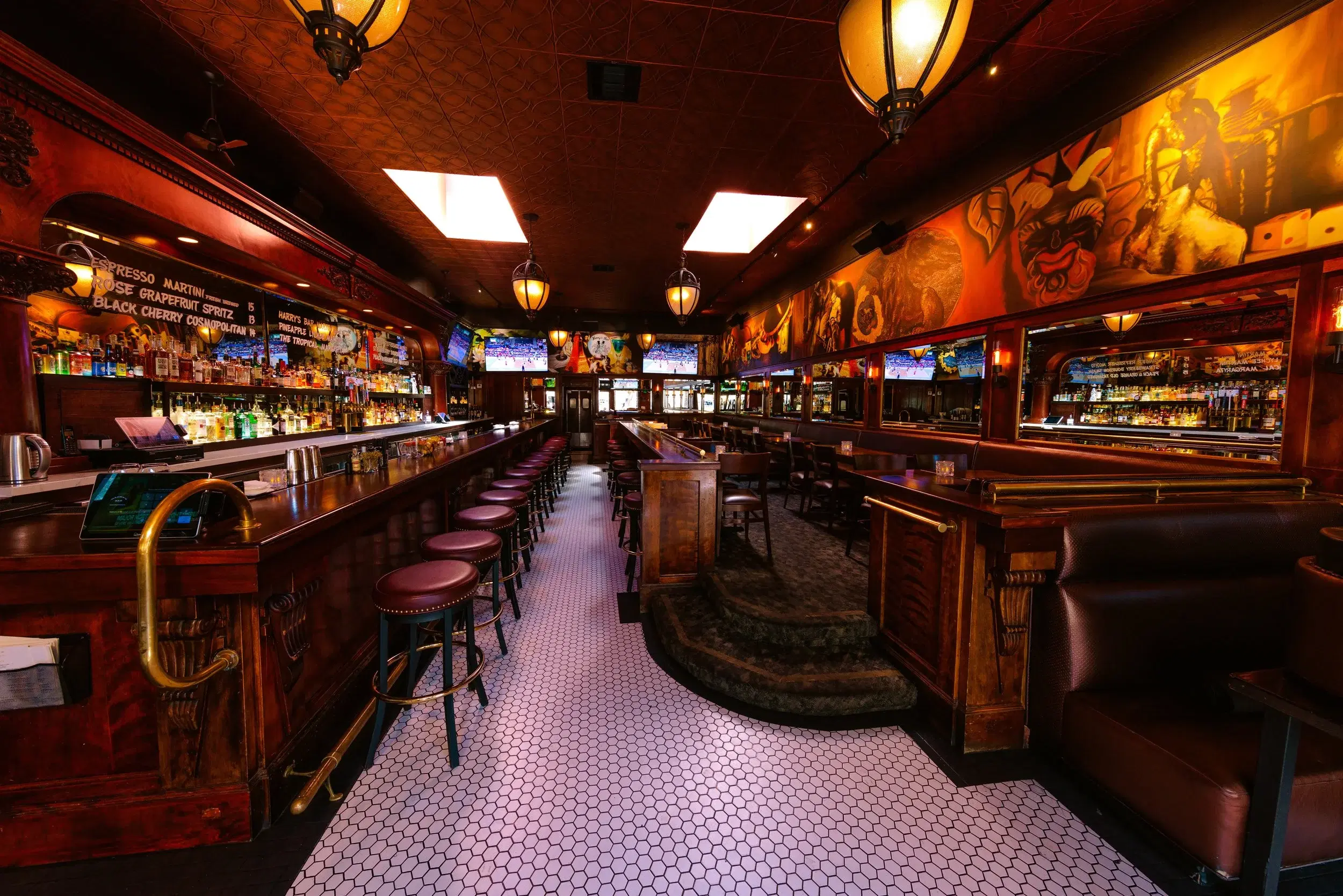
Hotels in Paris
Browse all →

At a Glance
- Elegant
- Ornate
- Sophisticated
- Romantic
- Well Known
- Intimate
- Date Night
- Business Dinner
- Celebration
- Special Occasion
- Brunch
- Private Event
- Design Destination
- Historic Building
- Private Dining
- Terrace
- Standalone
- Craft Cocktails
- Extensive Wine List
- Sommelier Led
- Local Sourcing
- Sustainable Seafood
- Farm To Table
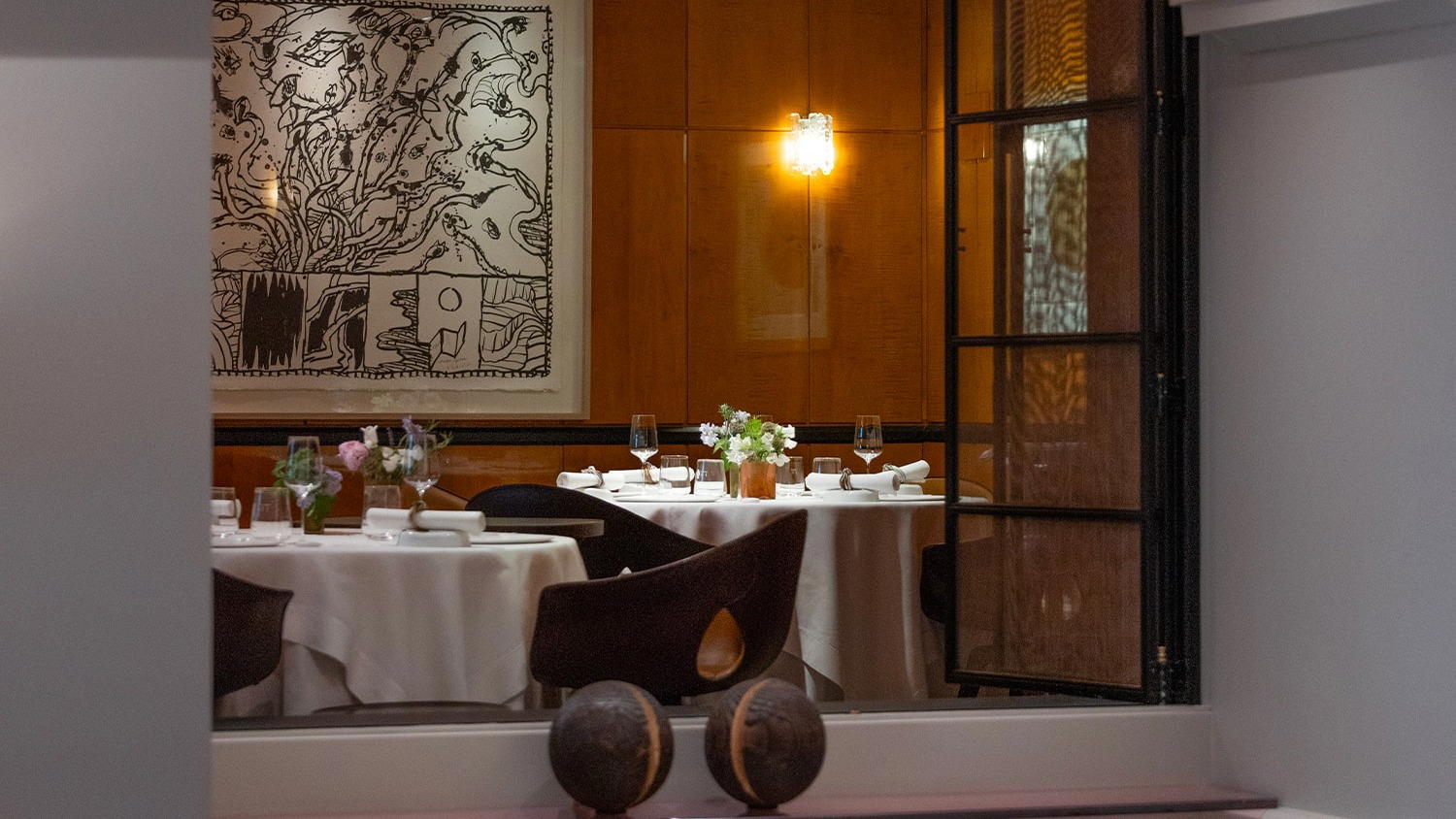
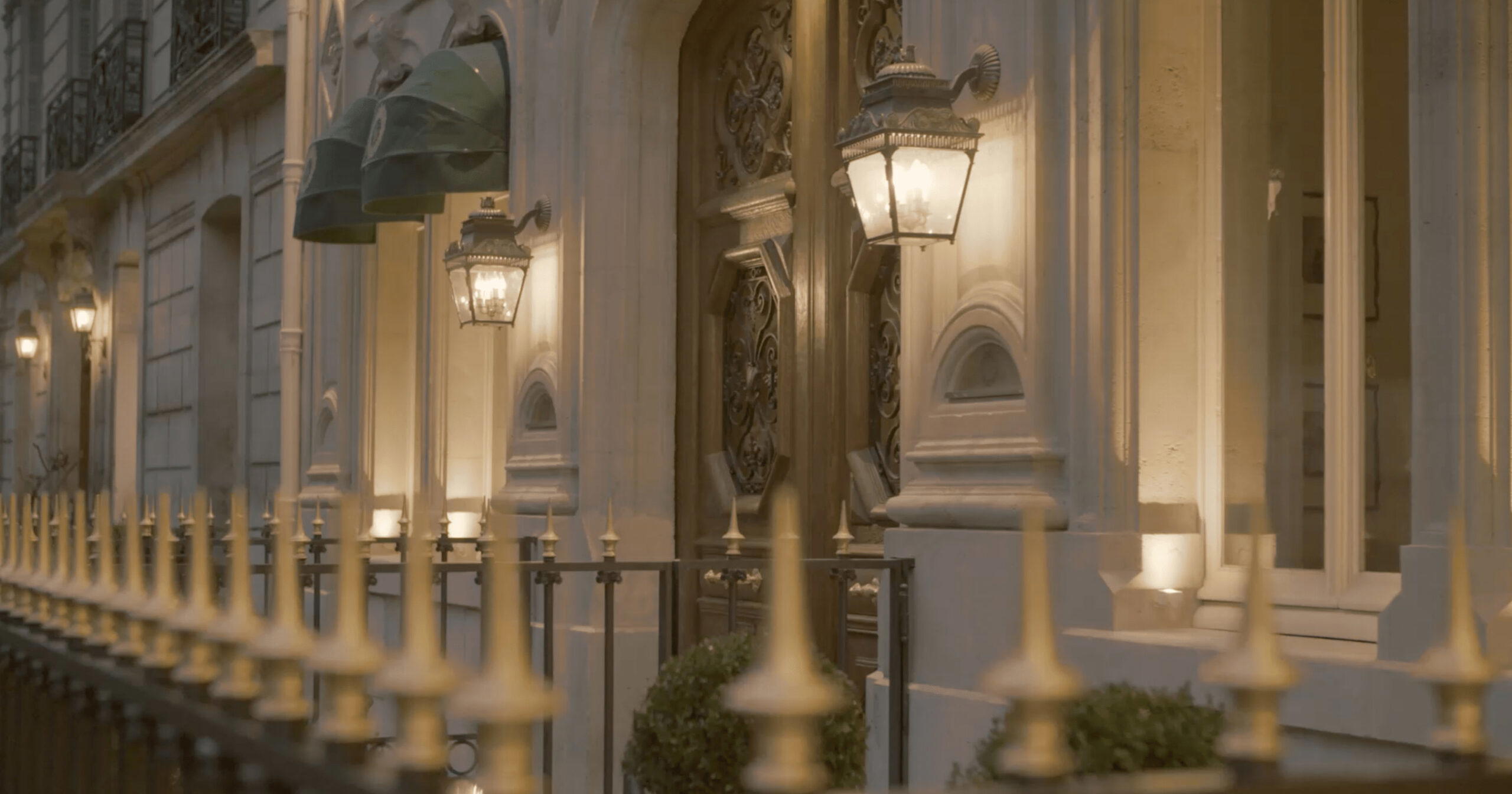
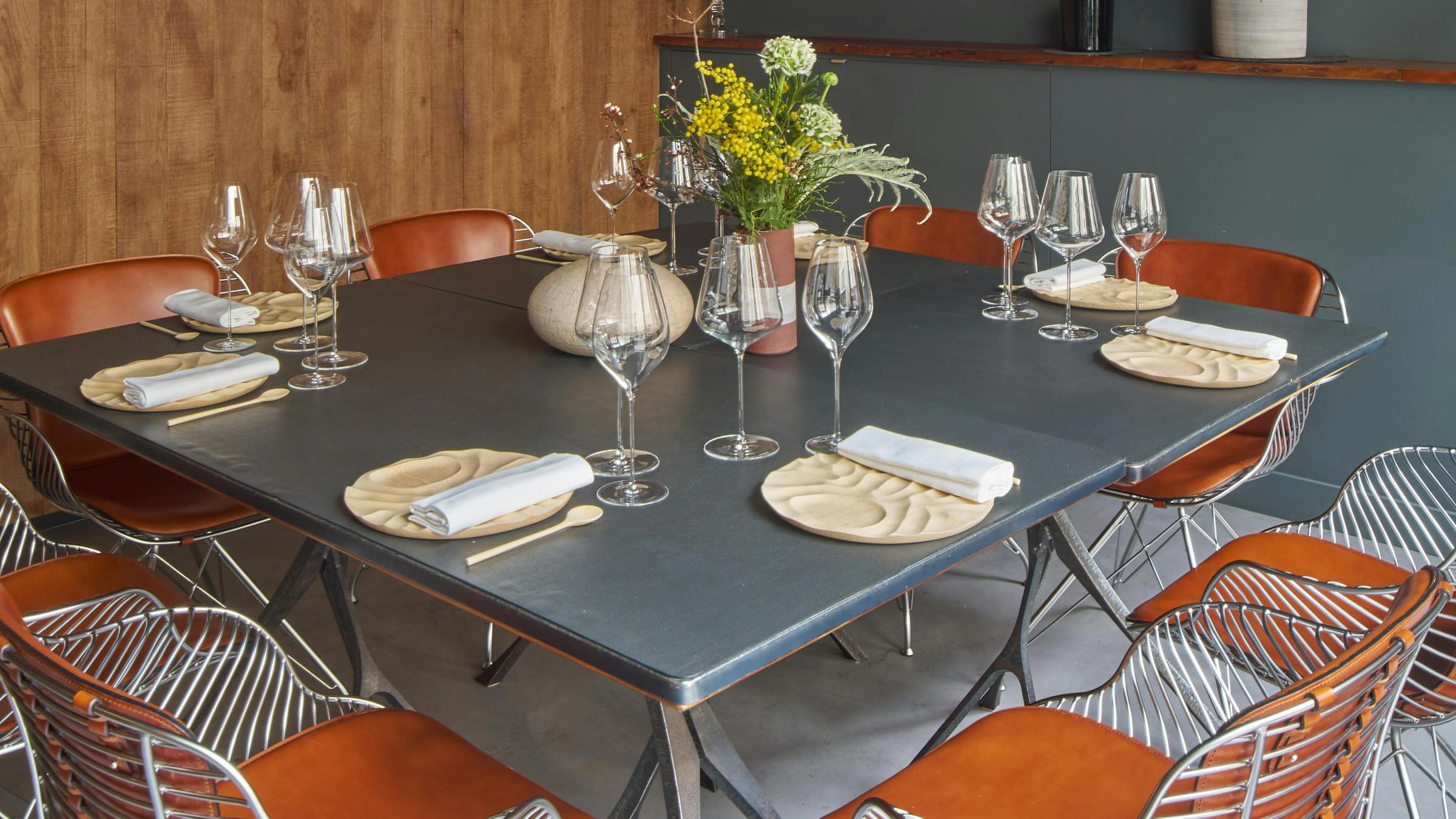
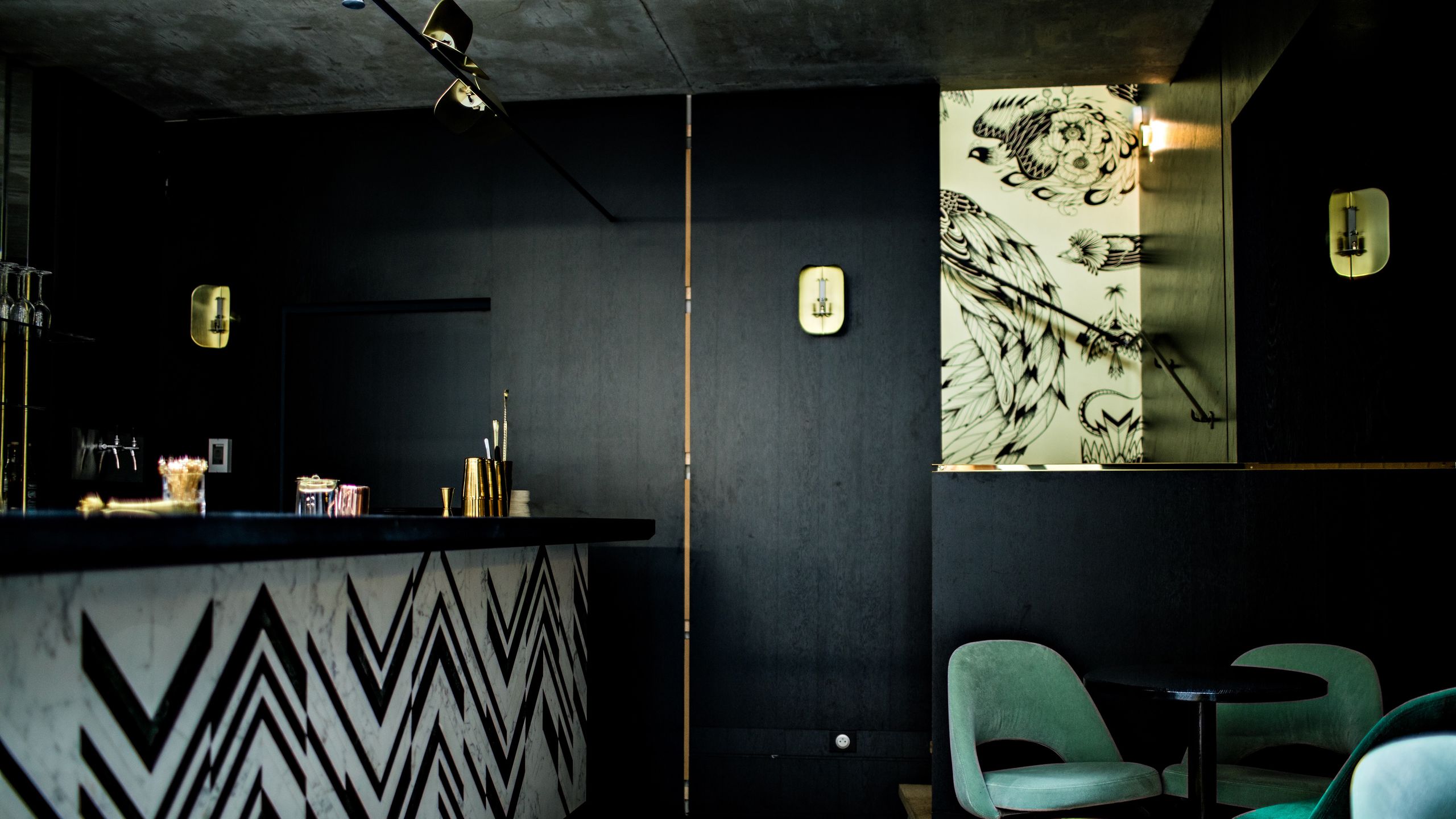
A precious, contemporary dining room in a historic hôtel particulier, flooded with light and dominated by blown Baccarat crystal drops and raw oak screens, creating a theatrical yet intimate cabinet-of-curiosities atmosphere where reflections and shadows animate the table.