Ô CORSO serves French bistro cooking with tapas and seafood, pairs it with an extensive wine list, and offers terrace seating for lunch or dinner in Firminy.
Pearl is the En Primeur Club membership app — saves, bookings, and concierge access live there. Same editors, same standards.
- Address
- 38 Bd Fayol, 42700 Firminy, France
- Phone
- +33487660456
- Website
- ocorso-restaurant.com
- Directions
- Get directions
 Saves & bookings on Pearl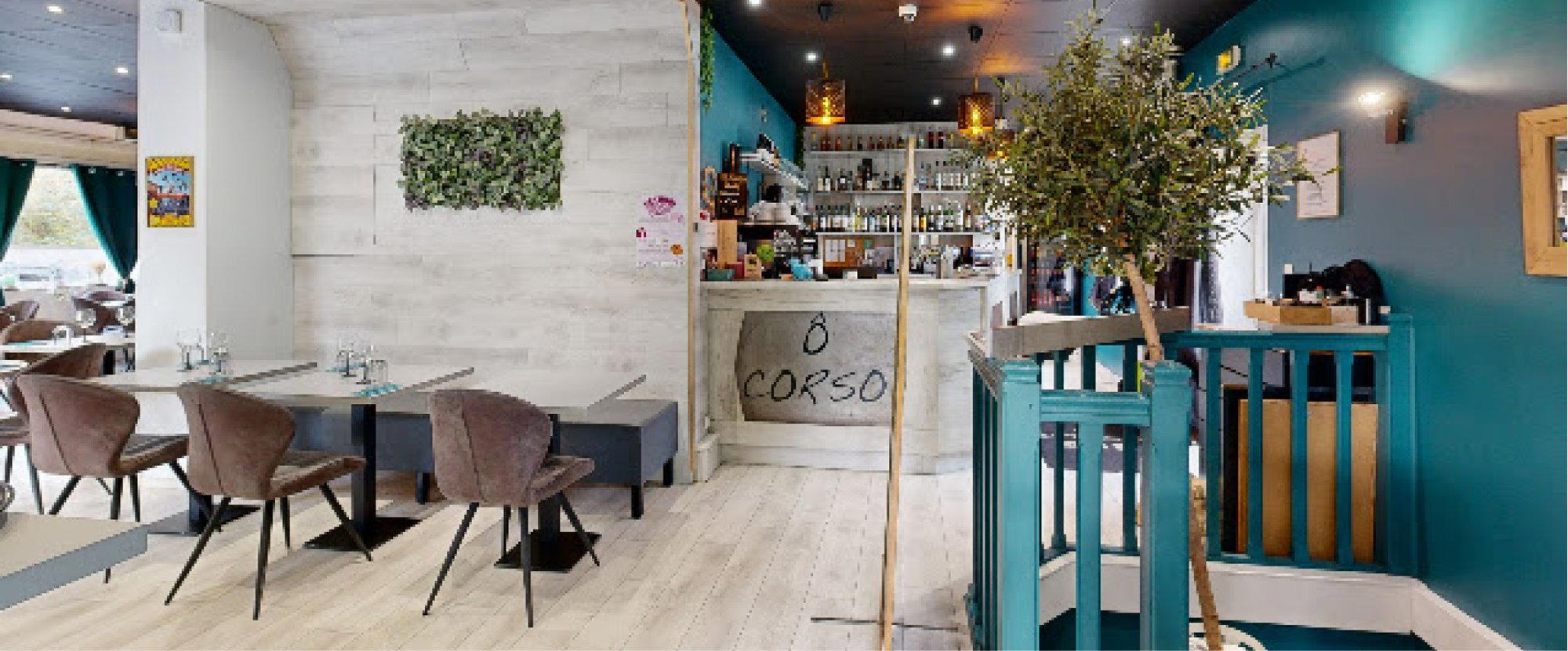
A Corner of the Loire Gorges That Cooks on Its Own Terms
Firminy sits in the industrial fringe of the Loire basin, a town better known for its Le Corbusier heritage than its restaurant scene. Boulevard Fayol runs through the kind of neighbourhood where you expect a boulangerie and a tabac, not a kitchen with genuine culinary intent. Ô Corso, at number 38, occupies that modest address without fanfare, which places it in a category of French provincial dining that rewards the traveller who reads the city before reading the menu.
What Local Sourcing Means at This Latitude
The Loire-Haute-Loire corridor has long supplied Lyon's kitchens: Limousin beef, Auvergne lentils from Le Puy, charcuterie from the Forez highlands, cheeses from small-scale producers clustered between Ambert and Brioude. This is the supply geography that shapes how serious kitchens in the region cook, regardless of scale or star count. Dishes built from this larder carry a specificity that imported product can't replicate: the grassy depth of Auvergnat cheese, the mineral lift of Le Puy lentils, the texture of Forez highland pork that has walked rather than been confined.
France's most-cited destination kitchens make sourcing a front-of-house argument: Bras in Laguiole has built a multi-decade identity around the Aubrac plateau's wild plants and pastoral produce. Mirazur in Menton runs its own garden as a narrative centrepiece. La Marine in Noirmoutier-en-l'île has made the Atlantic coast's tidal produce its entire editorial position. At a regional neighbourhood level, the same instinct tends to operate more quietly: sourcing is infrastructure, not marketing. That quieter model is the one that defines much of what makes French provincial dining worth tracking.
Where Ô Corso Sits in the Regional Picture
The Loire-Haute-Loire dining scene operates across a wide spread. At one end, institutions like Troisgros - Le Bois sans Feuilles in Ouches have redefined what a French gastronomic house can be across multiple generations. At the other, neighbourhood addresses do the quieter work of feeding a local population with regional produce and direct cooking. Ô Corso belongs to the latter tier: a street-level address on a boulevard that doesn't announce itself, in a city that doesn't draw culinary tourism the way Saint-Étienne or Lyon do.
That positioning is not a weakness. Some of France's most consistent cooking happens at exactly this level, in rooms where regulars know the kitchen and the kitchen knows what grows nearby. The absence of awards data and the scarcity of international press coverage for the restaurant is consistent with a venue that serves its city rather than its reputation. For readers accustomed to the credentialled tier, the reference point isn't Alléno Paris au Pavillon Ledoyen or Assiette Champenoise in Reims, both of which operate at a different scale of investment and expectation. The restaurant is a neighbourhood proposition in a working industrial town, and the editorial question is whether it does that well.
The French Provincial Format and What It Asks of the Diner
Provincial French dining at this level tends to follow patterns that the grandes maisons have largely moved away from: prix-fixe or short-carte formats, produce-led menus that shift with what the market offered that week, and rooms where the dining pace is set by the kitchen rather than by a front-of-house operation trained in managing guest flow. This is closer to the auberge tradition than to the contemporary tasting-menu format. Auberge de l'Ill in Illhaeusern and Auberge du Vieux Puits in Fontjoncouse sit at the refined end of that tradition; the restaurant operates without those credentials, but within the same general logic: cook what the region produces, cook it directly, serve it to people who live nearby.
There is an argument that this format is more honest about ingredient quality than elaborate plating allows. At kitchens like Paul Bocuse - L'Auberge du Pont de Collonges, the product and the technique are equally foregrounded. At street-level addresses, technique is usually in service of the product rather than in dialogue with it. Whether the restaurant applies that logic well is a question that can only be answered in the room.
Planning a Visit: Practical Notes
Firminy is accessible by road from Saint-Étienne in under twenty minutes, and sits on the regional train network connecting to Lyon via Saint-Étienne. Boulevard Fayol is a main arterial road, so the address at number 38 is direct to locate. One reliable approach is to visit in person during service hours. Timing a visit to midweek lunch tends to give the clearest sense of how a kitchen like this operates day-to-day, outside the weekend rhythm that can compress service quality at small operations.
Readers whose frame of reference for French cooking runs through places like Georges Blanc in Vonnas, Flocons de Sel in Megève, or L'Oustau de Baumanière in Les Baux should calibrate expectations accordingly. Those are destination addresses with international profiles and price points to match. The restaurant is a neighbourhood kitchen in a post-industrial town. Internationally, the contrast would be something like the gap between Le Bernardin in New York City and a serious neighbourhood bistro in the same city; or between Atomix and a quietly excellent Korean neighbourhood spot in Queens. The category is different; the value of cooking with good regional produce is not.
For readers interested in how French cooking at the ambitious provincial tier translates across disciplines and geographies, AM par Alexandre Mazzia in Marseille, Christopher Coutanceau in La Rochelle, and Au Crocodile in Strasbourg each represent different inflections of the same broad tradition.
Side-by-Side Snapshot
Comparable venues nearby, for context on price, style, and recognition.
| Venue | Cuisine | Price | Notes |
|---|---|---|---|
| Ô CORSOThis venue — the venue you are viewing | French Bistro with Tapas and Seafood | $$ | Not listed |
| Le Signal 2108 | Bistronomic French with Regional Specialties | $$ | Signal Mountain |
| L'Ecole | Traditional French Bistro | $$ | Saint-Martin-Lestra |
| BELLIE | Modern French Neo-Bistro with Italian Influences | $$ | Quartier Bas des Pentes Presqu'île |
| L’aventure | French Mountain Grill | $$ | Oz en Oisans |
| Chez Les Gones | Traditional Lyonnais Bouchon | $$ | Quartier Saxe Roosevelt |

At a Glance
- Cozy
- Lively
- Group Dining
- Casual Hangout
- Family
- Terrace
- Extensive Wine List
- Local Sourcing
Current opening hours
- Monday
- Closed
- Tuesday
- 10 AM–3 PM, 6–11:30 PM
- Wednesday
- 9 AM–3 PM
- Thursday
- 10 AM–3 PM, 6–11:30 PM
- Friday
- 10 AM–3 PM, 6 PM–12 AM
- Saturday
- 10 AM–3 PM, 6 PM–12 AM
- Sunday
- 10 AM–5 PM
Hours can change for holidays and private events. Last verified .
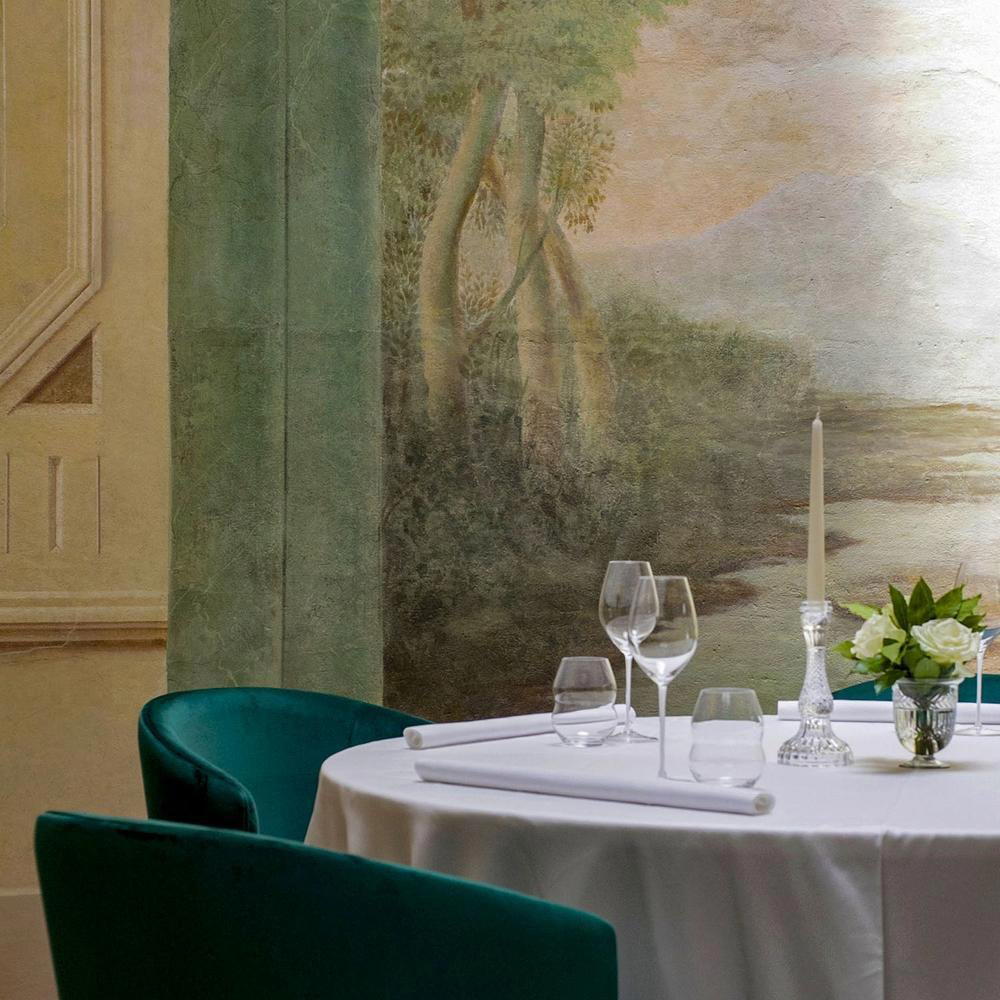
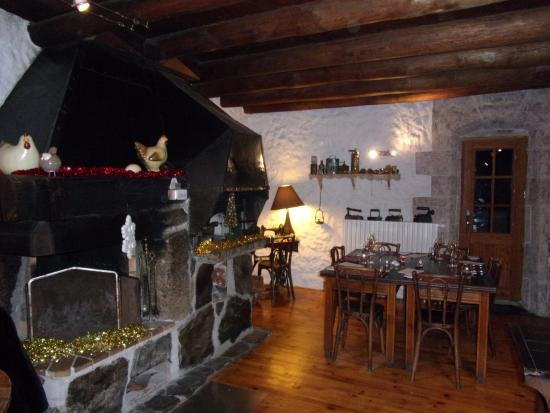
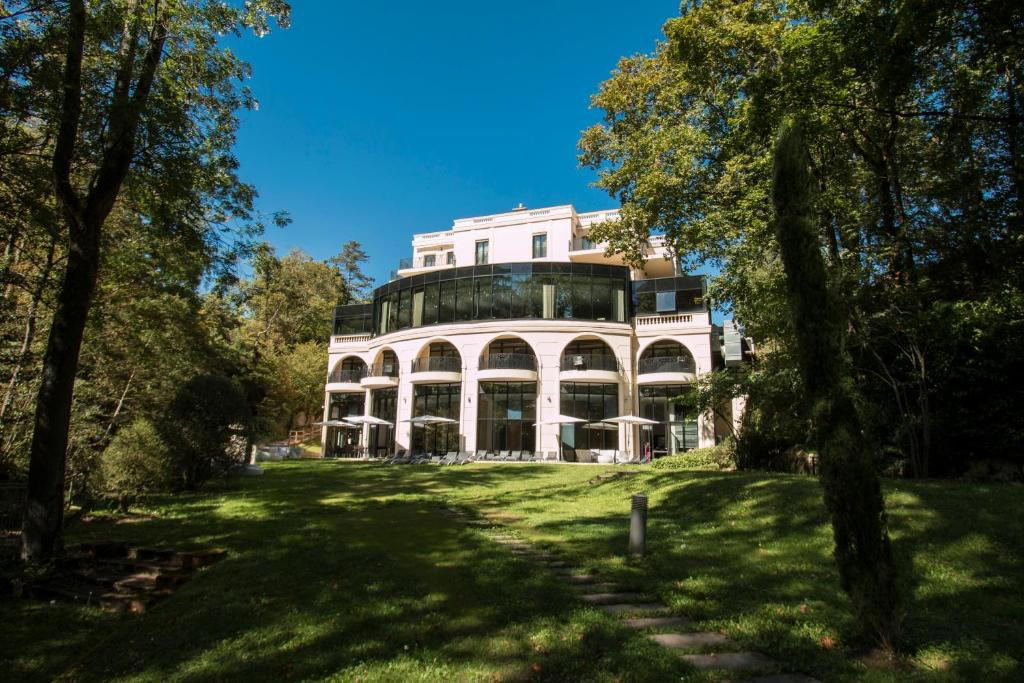
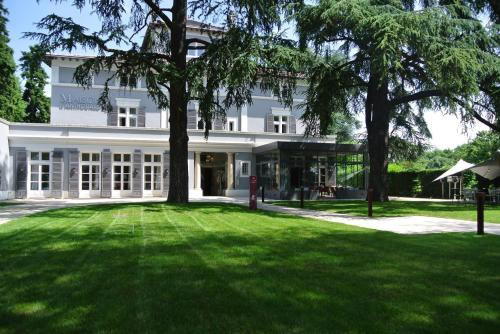
Warm and welcoming interior with terrace under trees, convivial atmosphere praised by guests.