La Belle Vie

1 Michelin Star
Our verdict
In a limestone village within reach of the Pont-du-Gard, La Belle Vie delivers cooking rooted in Occitan terroir, lamb from Les Baux, Mediterranean seabass, and produce that defines the Gard's agricultural character. Chef Denis Martin, formerly of The Marcel, runs the kitchen with his wife Joana in a setting that combines a terrace, bright dining room, and overnight guestrooms. The weekday lunch menu represents sound value in a region that rewards lingering.

Pearl is the En Primeur Club membership app, where members save venues, book tables and use the concierge.
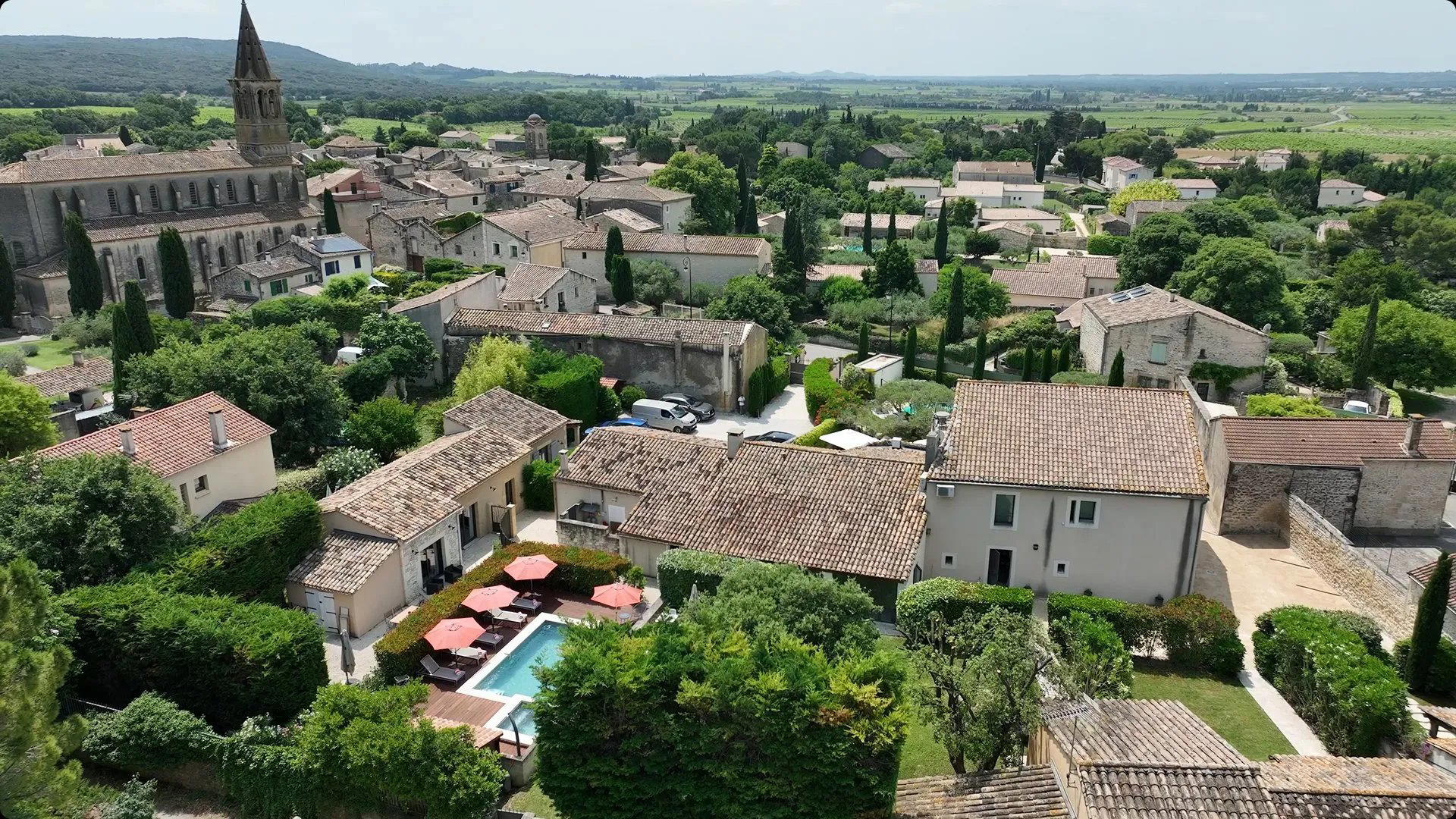
Limestone, Terrace, and the Produce of the Gard
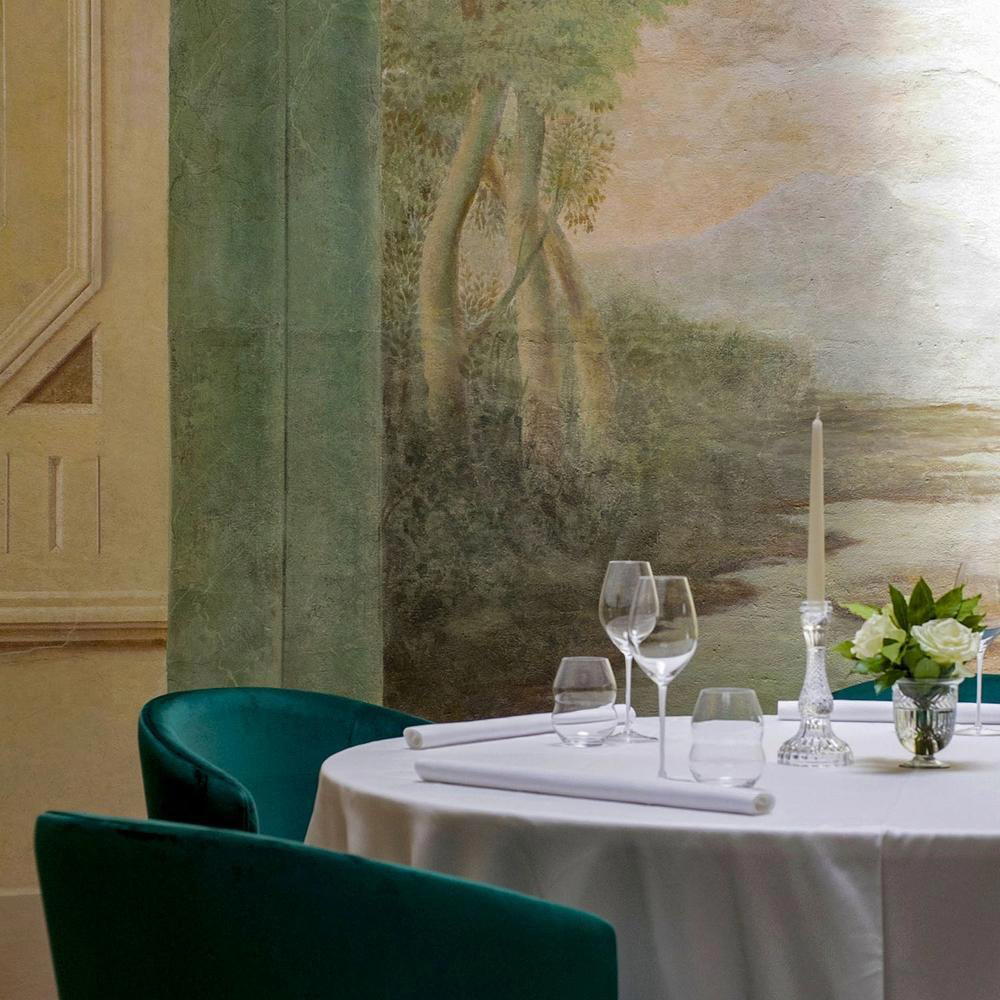
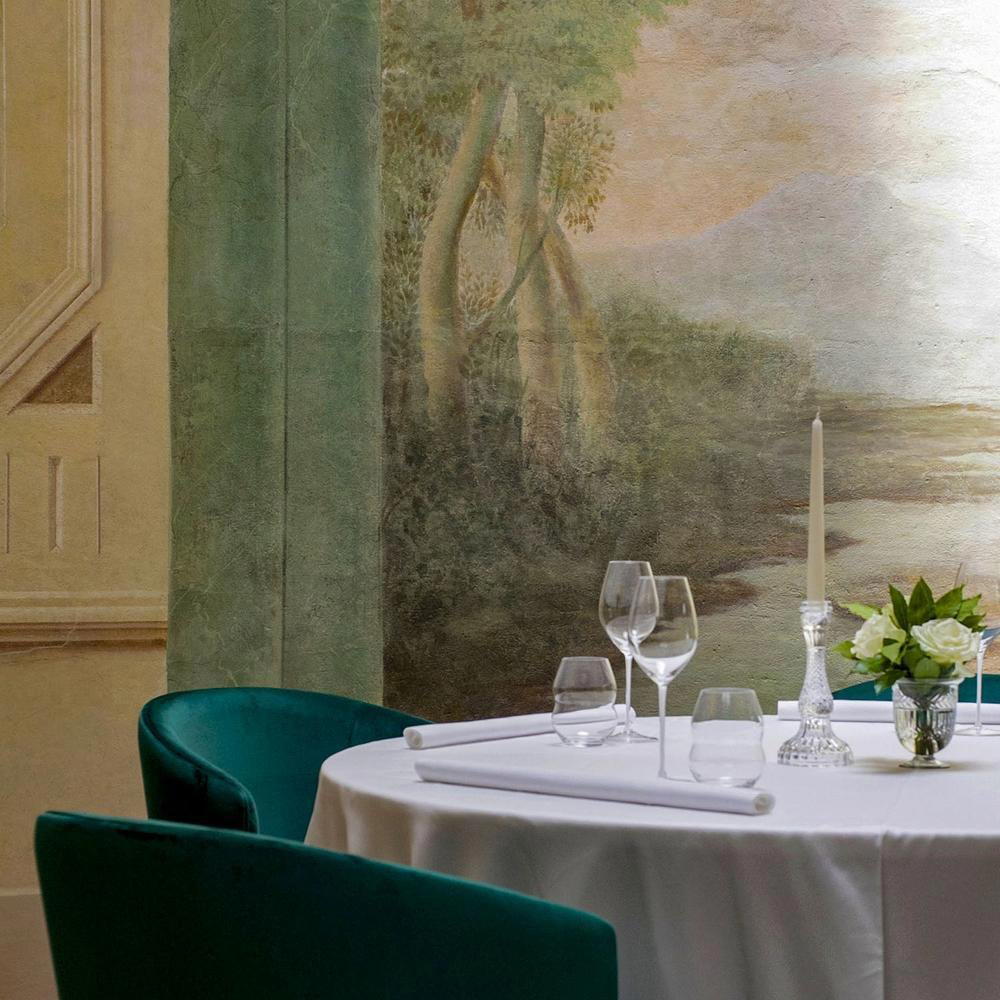
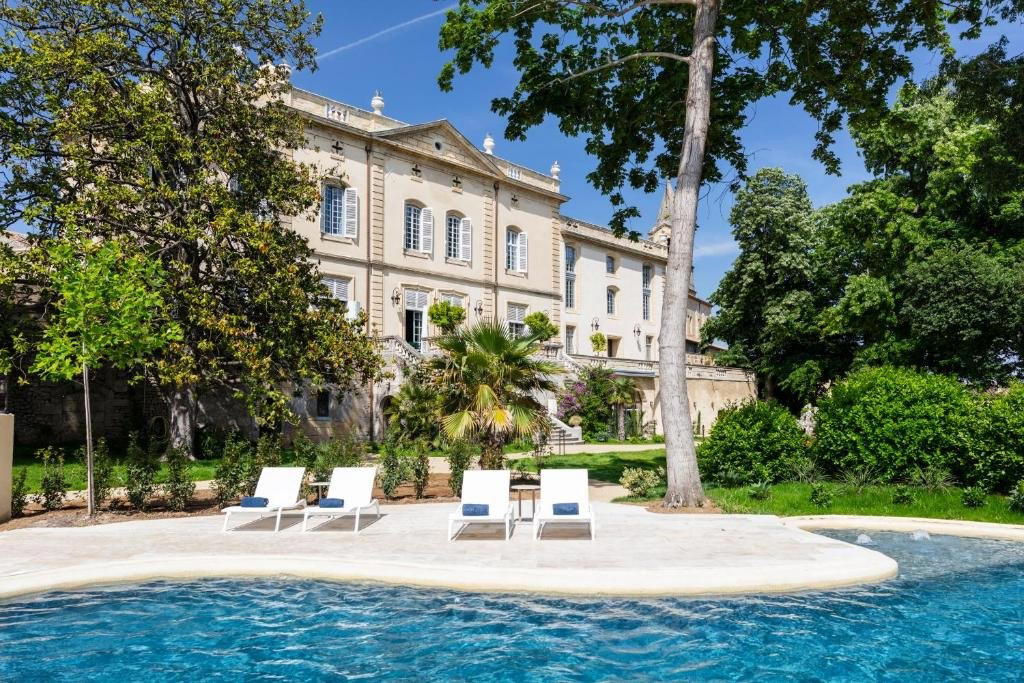
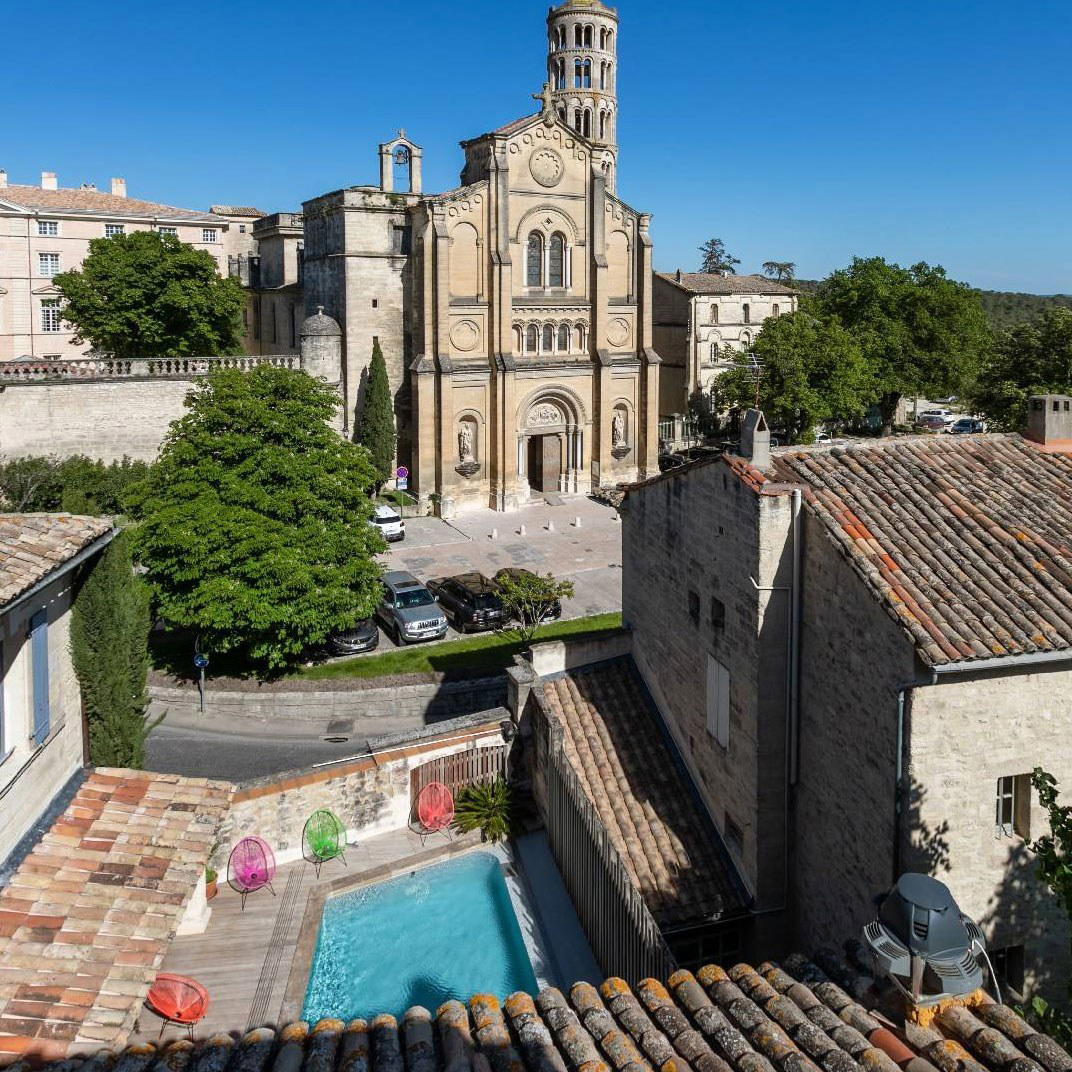
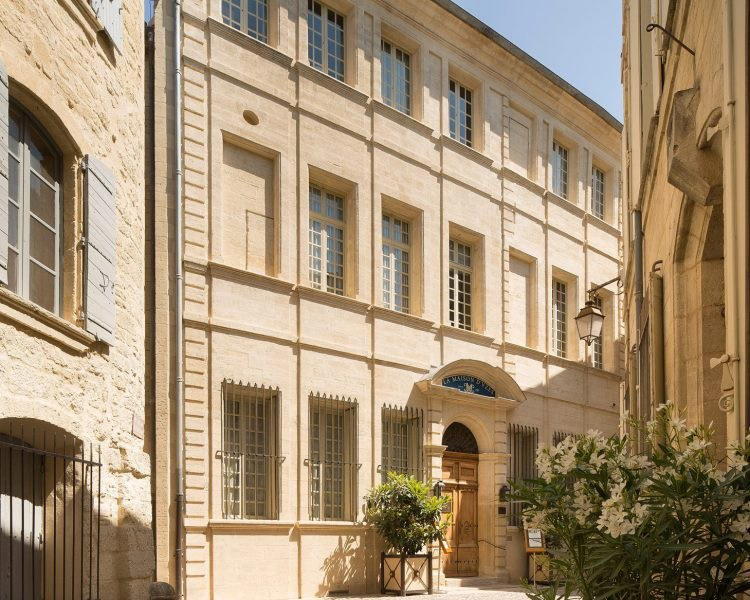
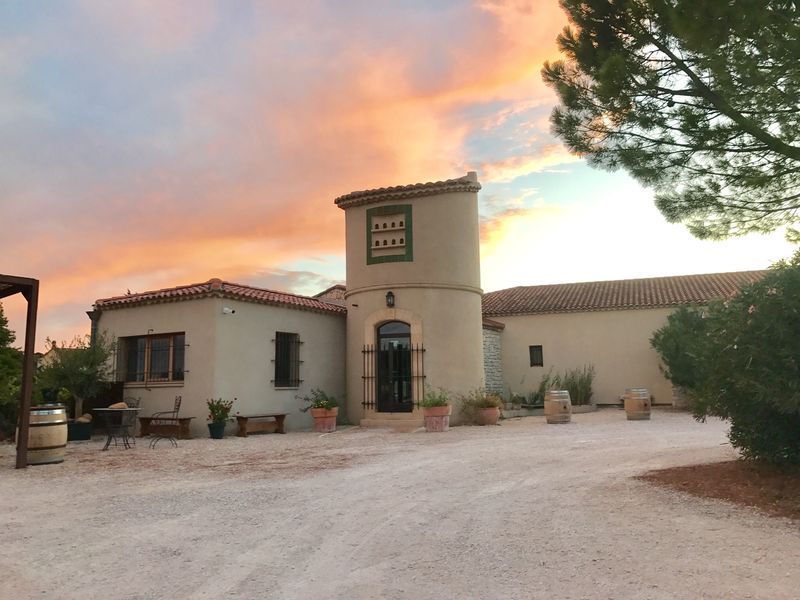
Approach Saint-Hilaire-d'Ozilhan on a warm afternoon and the village reads as a study in southern French restraint: pale stone, shuttered windows, the faint smell of scrubland and heat. La Belle Vie occupies a handsome limestone building on the avenue Paul-Blisson, and before you have crossed the threshold you have already understood something about what the cooking will be. The terrace opens to that same quiet village scene; the interior is bright rather than formal, the kind of room where natural light is the primary design decision. This is not the austere grandeur you encounter at destination restaurants like Bras in Laguiole or the institutional weight of Paul Bocuse in Collonges-au-Mont-d'Or. The register here is quieter and more domestic, which turns out to suit the food precisely.
Occitan Terroir as the Kitchen's Argument
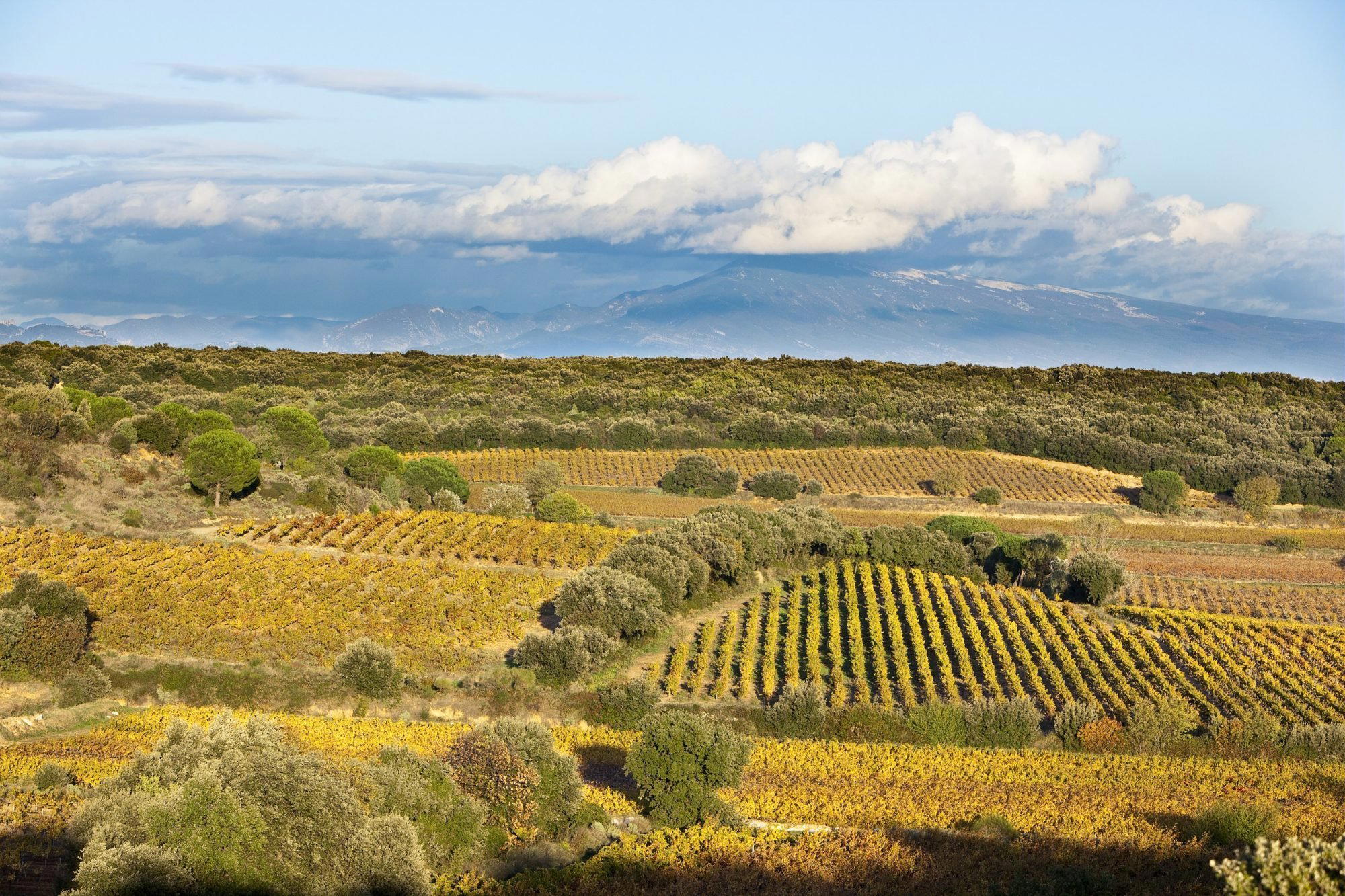
The sourcing logic at La Belle Vie reflects a wider shift in southern French cooking, where the most coherent kitchens treat the surrounding region as a constraint that generates ideas rather than a limitation to work around. The Languedoc-Roussillon and Occitanie territories, running from the Rhône delta west toward the Cévennes and south toward the coast, hold one of France's most varied agricultural and pastoral larders. Lamb from Les Baux-de-Provence is among the most traceable in France, raised on the limestone plateaux of the Alpilles where the flora gives the meat a specific mineral and herbal character that no feed-lot equivalent replicates. Mediterranean seabass, when sourced properly, brings the salinity and firm texture that the warm coastal waters of the Gulf of Lion produce differently from Atlantic equivalents. These are not decorative provenance claims. They are ingredients that carry information about a place, and a kitchen that lets them speak clearly is making a particular argument about what southern French cooking can be in a small village setting.
Chef Denis Martin, who worked previously at The Marcel, has built his menu around that argument. The Occitan terroir functions as the anchor, rich, sun-heavy, and specific to this corridor of southern France between the Rhône and the Gardon. Kitchens that take this approach occupy a different competitive set from the creative modernist programs you find at AM par Alexandre Mazzia in Marseille or the technically driven menus at Mirazur in Menton. The point is not transformation for its own sake but expression, dishes described as spot-on and well-balanced, where the produce is the subject and the technique exists to make that legible.
The Case for the Weekday Lunch
Value in rural French dining is a structural feature of the weekday lunchtime menu, a format that has survived every economic cycle because it serves both the local working population and the travelling visitor. At La Belle Vie, the weekday lunch is specifically noted as excellent value, which places it in a category of meals that reward scheduling. In a region where the proximity of the Pont-du-Gard draws steady visitor traffic, it is easy to default to the predictable options near the monument itself. The more considered move is to continue into the village and sit down properly. That calculation applies equally to travellers passing through on the route between Auberge du Vieux Puits in Fontjoncouse country to the west and the Rhône Valley to the east.
France's provincial restaurant culture has always organised itself around the midday meal, and Occitanie remains one of the regions where that tradition holds. A terrace lunch here, with the Gard's light at its most direct and the village quiet enough to hear the food, is a different proposition from the same menu eaten under artificial light at dinner. The room works at both moments, but the terrace at lunch is the more direct way to understand what La Belle Vie is doing and why it matters in its local context. For more options in the area, see our full Saint-Hilaire-d'Ozilhan restaurants guide.
Staying On: The Guestrooms and the Pool
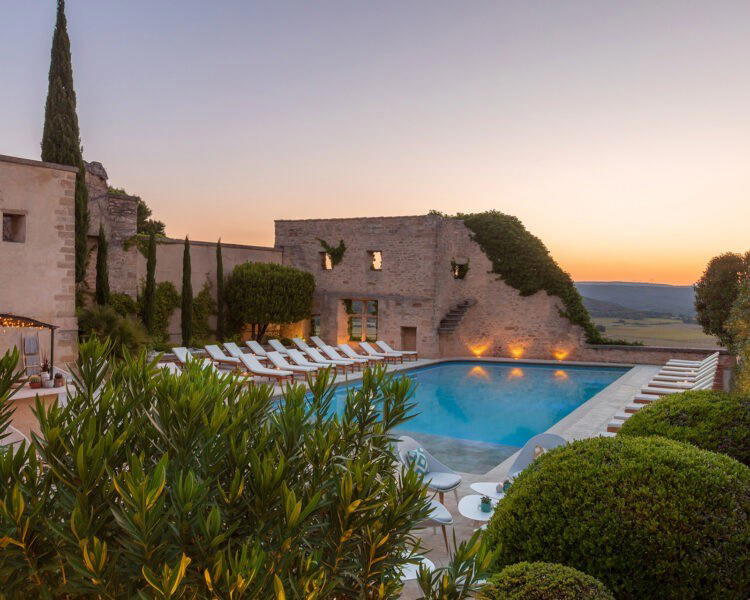
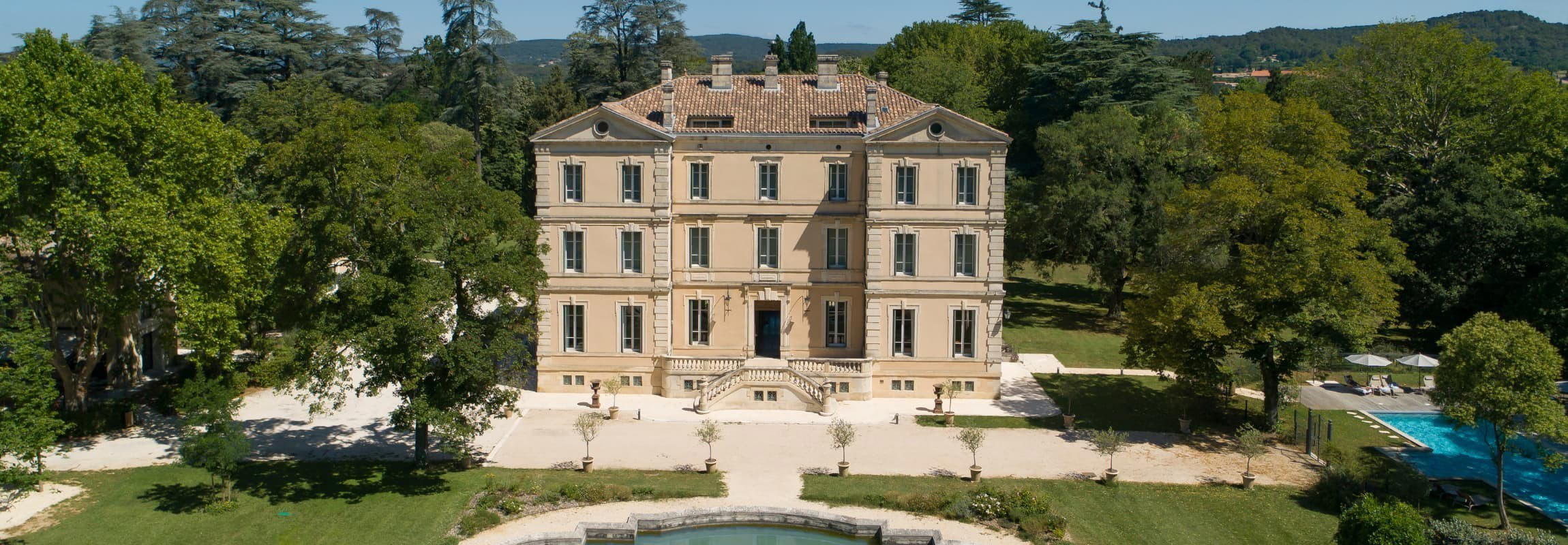
The maison d'hôtes format, restaurant with rooms, occupies a specific niche in French provincial hospitality. It differs from the grand hotel-restaurant (the model you find at Flocons de Sel in Megève or Assiette Champenoise in Reims) in scale and in atmosphere. The rooms at La Belle Vie are described as attractive, and the property includes a swimming pool, practical features that change the logic of a visit. Rather than arriving, eating, and leaving, the stay becomes a reason to be in Saint-Hilaire-d'Ozilhan rather than simply passing through it. That is a meaningful distinction in a village that could otherwise function only as a detour.
The Pont-du-Gard is under thirty kilometres by road, which makes the area a credible base for exploring the Gard département more deliberately. Overnight visitors who eat well, sleep on-site, and spend the following morning at the Roman aqueduct before a late breakfast have constructed a more coherent southern French experience than the typical day-tripper itinerary allows. For accommodation alternatives across the area, see our full Saint-Hilaire-d'Ozilhan hotels guide. The bars guide, wineries guide, and experiences guide for the village are also available for further planning.
Where La Belle Vie Sits in the Regional Picture
Southern France's restaurant spectrum runs from three-star destination dining at addresses like Alléno Paris au Pavillon Ledoyen level ambition down through a dense middle tier of technically accomplished village restaurants that rarely attract international press but define how people in the region actually eat. La Belle Vie belongs to that middle tier, and its value lies in executing within it with clarity. The cooking is expressive rather than experimental, the setting is local rather than designed-for-visitors, and the sourcing is specific enough to justify the journey from outside the Gard. For comparison, consider how Auberge de l'Ill in Illhaeusern and Troisgros in Ouches anchor their respective regions as generational institutions, La Belle Vie operates at a different scale but with a comparable commitment to place. Nor is this kind of village cooking unique to France: the same ingredient-first philosophy drives kitchens from Le Bernardin in New York City to Emeril's in New Orleans, though the register and price points differ substantially.
Denis Martin and Joana have built something in Saint-Hilaire-d'Ozilhan that is harder to achieve than it looks: a restaurant that reads as genuinely of its place, that sources in a way that adds meaning rather than marketing, and that operates at a scale where the cooking and the hospitality remain coherent with each other. That is the good life the name gestures at, and in this village, at this table, it is an accurate description of what happens.
Frequently asked questions
Can I bring kids to La Belle Vie?
The terrace setting and village atmosphere make La Belle Vie a reasonable family choice. The weekday lunchtime menu is noted specifically for its value, which lowers the financial stakes for a table with younger guests. The maison d'hôtes format, with a swimming pool on site, adds a practical draw for families considering an overnight stay.
Is La Belle Vie formal or casual?
The setting reads casual: a limestone village building, a terrace, and a location a short drive from the Pont-du-Gard. The cooking, however, is precise and produce-led, with Denis Martin (formerly of The Marcel) building dishes around named regional sources like lamb from Les Baux and Mediterranean seabass. Treat it as a serious kitchen in an informal frame.
What kind of recognition has La Belle Vie received?
La Belle Vie has received recognition including: In a picturesque village not far from the Pont-du-Gard, Denis Martin (ex The Marcel) and his wife Joana have set up shop in a handsome limestone building. The chef crafts spot-on, expressive dishes, in which lamb from Les Baux, Mediterranea….
What's the signature dish at La Belle Vie?
No single fixed dish is confirmed, but the kitchen's argument is consistent: lamb from Les Baux and Mediterranean seabass are the named anchors, framed by the broader Occitan terroir of the Gard and surrounding region. Denis Martin's cooking is described as expressive and well-balanced, with regional produce driving the menu rather than any one showpiece plate.
How It Stacks Up
Comparable venues nearby, for context on price, style, and recognition.
| Venue | Cuisine | Price | Awards | Notes |
|---|---|---|---|---|
| La Belle VieThis venue (the venue you are viewing) | Modern French Fine Dining | Not listed | 1 Michelin Star | Not listed |
| La Cabro d'Or | Refined Provençal Fine Dining | $100–150 | Michelin Plate · Relais Chateaux Award | Les Baux-de-Provence |
| Le Mas Les Eydins - Christophe Bacquié | Modern Provençal Fine Dining | $200–300 | La Liste Top Restaurants · Les Grandes Tables du Monde Member | Bonnieux |
| Céna | Modern French Gastronomic | $50–100 | Michelin Plate · Gault & Millau Remarkable Restaurant | Comédie |
| Le Poème de Grignan | Provençal French Gastronomic | $50–100 | Michelin Plate | Grignan |
| Benvengudo | Modern Provençal French | Not listed | Not listed | Les Baux-de-Provence |
Recognition history
Dated appearances from independent guides and award organizations, with the underlying list record or original source where available.
Michelin 1 Star
Michelin
Continue exploring
More in Saint-Hilaire-d'Ozilhan
Restaurants in Saint-Hilaire-d'Ozilhan
All restaurants in Saint-Hilaire-d'Ozilhan →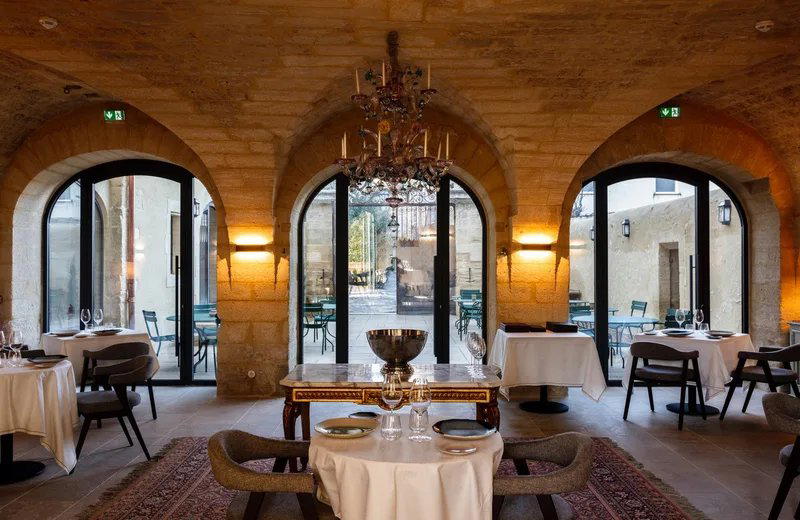
Bars in Saint-Hilaire-d'Ozilhan
Browse all →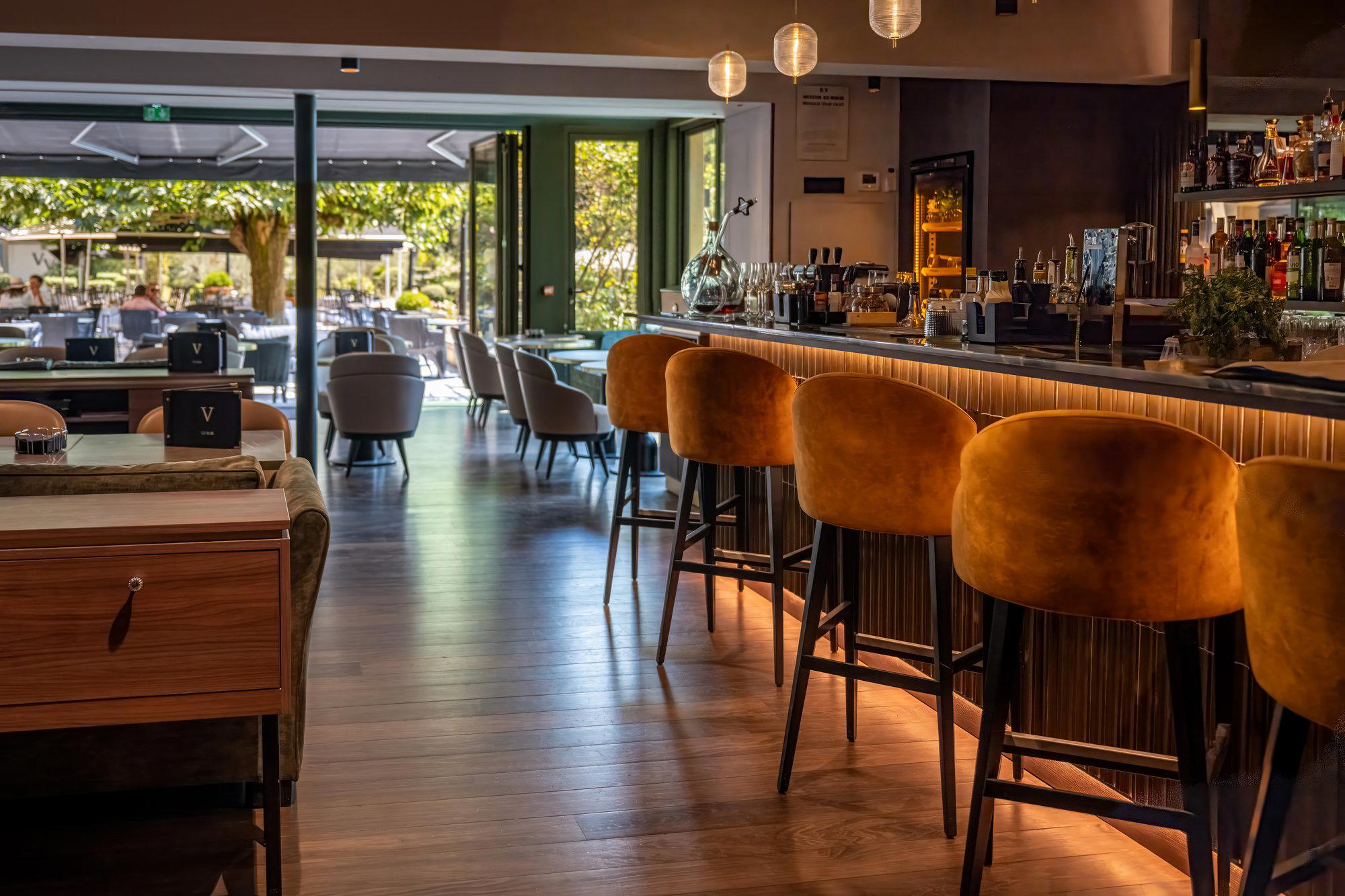

La Belle Vie
The wine
- Extensive wine list
- Sommelier-led
Details
- Elegant
- Intimate
- Romantic
- Cozy
- Sophisticated
- Date Night
- Special Occasion
- Celebration
- Terrace
- Garden
- Open Kitchen
- Extensive Wine List
- Sommelier Led
- Farm To Table
- Local Sourcing
- Garden
- A La Carte
- Tasting Menu
- Vegetarian Friendly
Current opening hours
- Monday
- 12–1:30 PM, 7–9:30 PM
- Tuesday
- Closed
- Wednesday
- Closed
- Thursday
- 12–1:30 PM, 7–9:30 PM
- Friday
- 12–1:30 PM, 7–9:30 PM
- Saturday
- 12–1:30 PM, 7–9:30 PM
- Sunday
- 12–1:30 PM, 7–9:30 PM
Hours can change for holidays and private events. Hours as of .
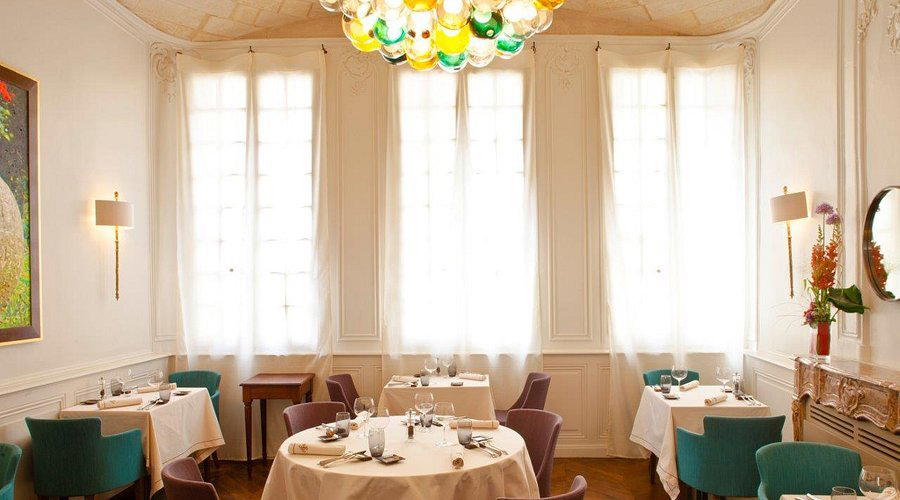
Bright interior and terrace with garden views, quiet and intimate atmosphere praised for its relaxing, warm, and professional service.