
Falstaff Winery - Listed
One of the Southern Rhône's most serious rosé producers, Domaine de la Mordorée has been working Tavel's garrigue-covered limestone and clay since 1986.
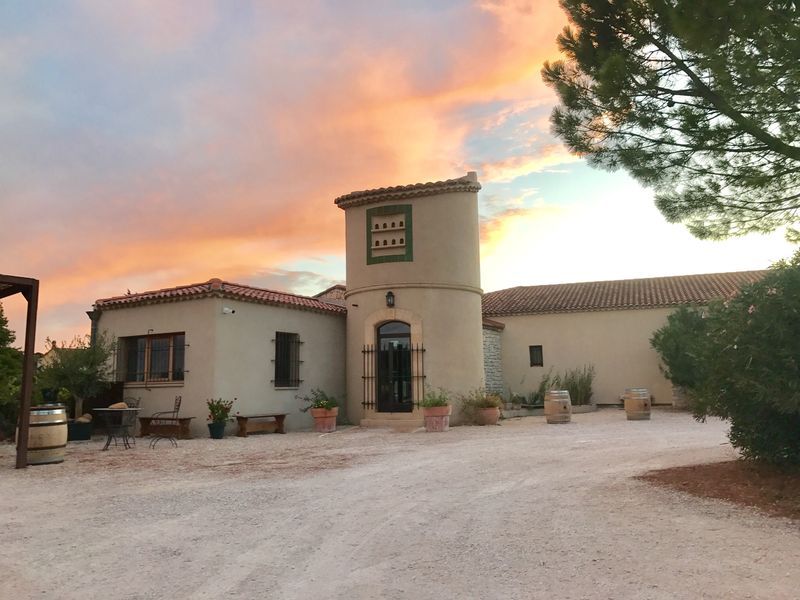
Where Tavel's Terroir Sets the Terms
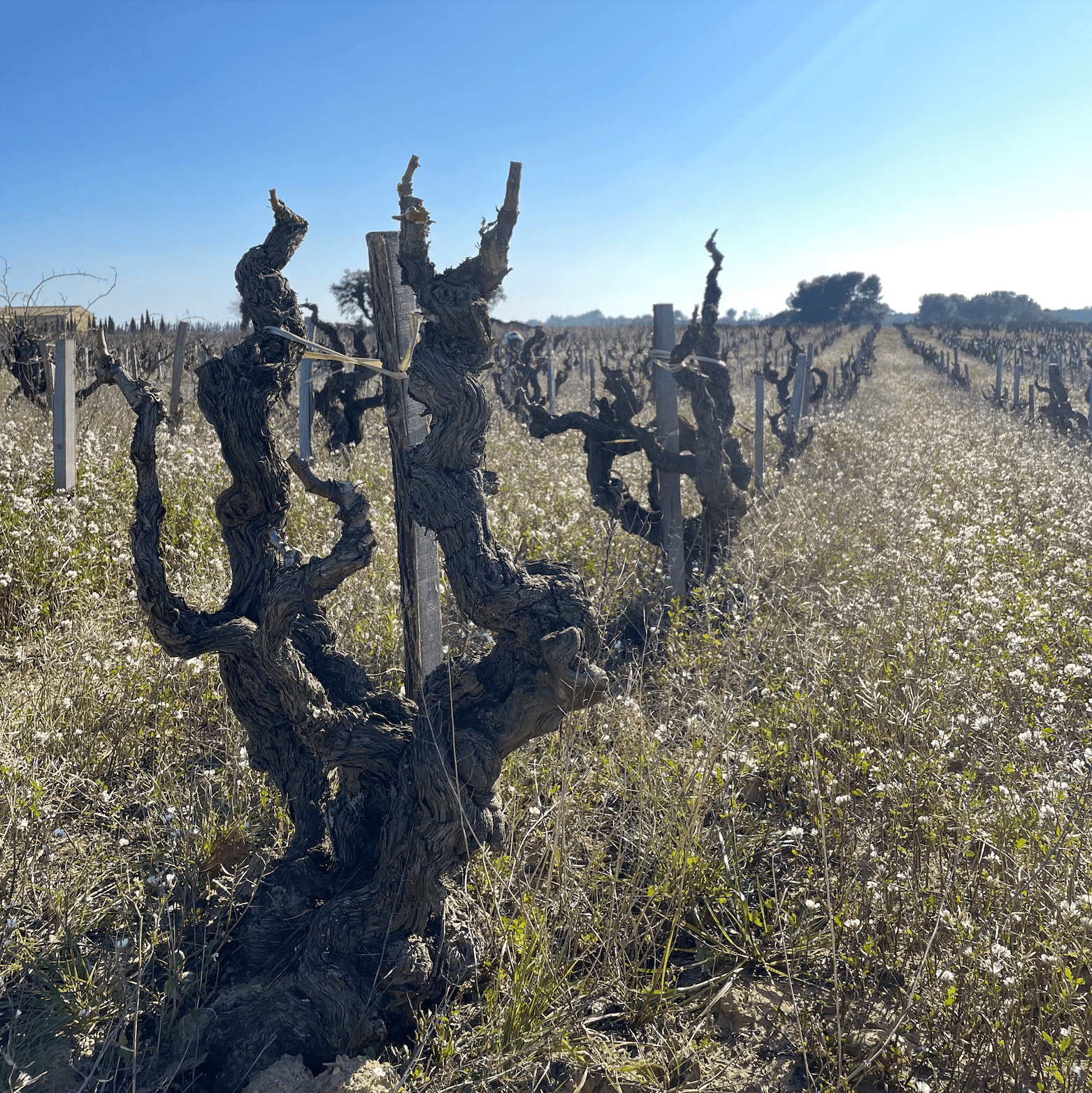
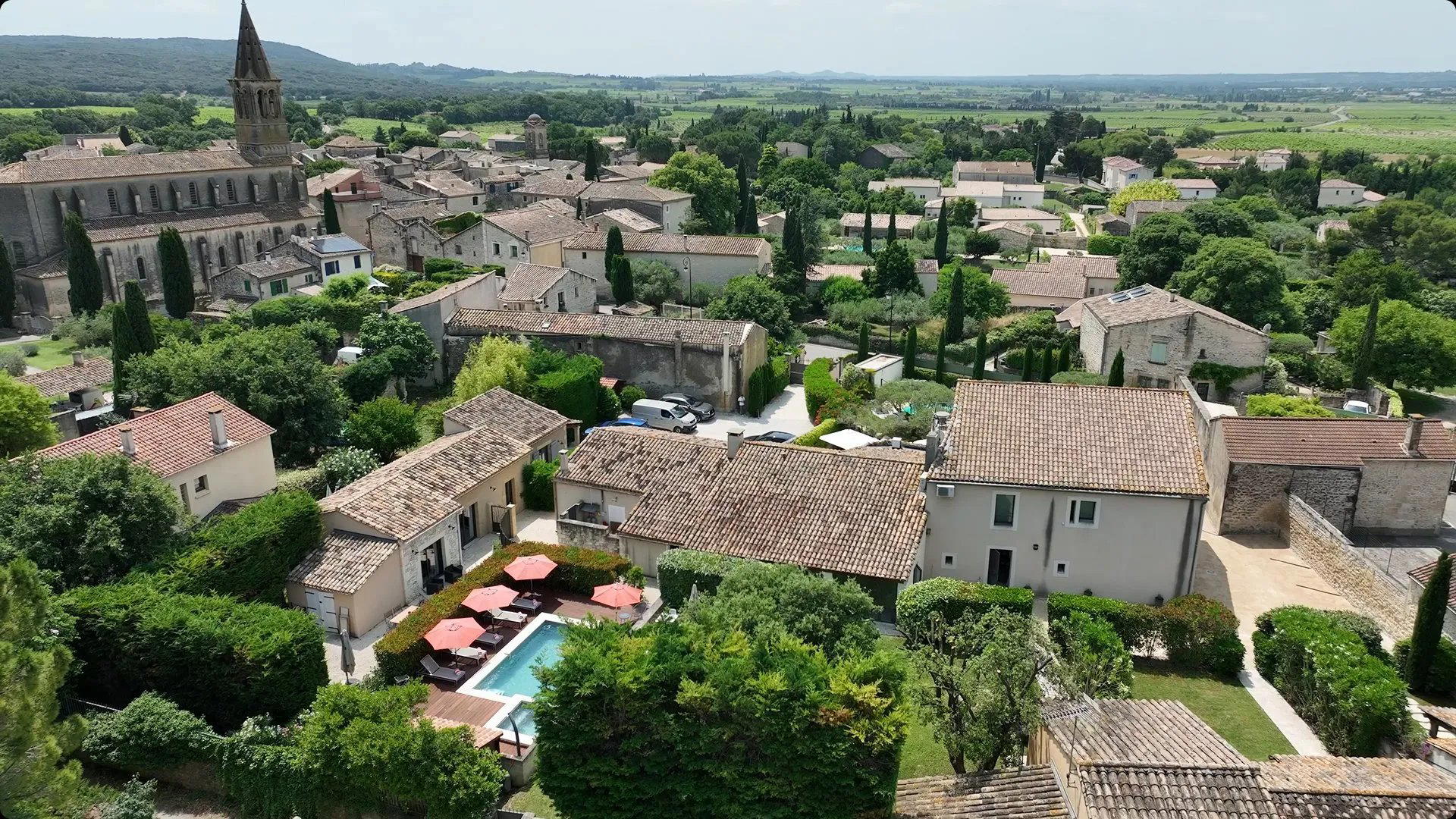
Approach Tavel from the Rhône's right bank and the landscape shifts noticeably: the wide river flats give way to a harder, more mineral country of limestone garrigue, scrub oak, and olive groves. This is not the lush Burgundian countryside of popular wine imagination. It is a terrain that demands concentration from its vines, rewarding drought-tolerant varieties that have learned, across centuries, to yield less fruit with more intensity. Tavel is the only appellation in France producing exclusively rosé at AOC level, a designation that forces producers to stake their entire reputation on a category that much of the wine world still treats as an afterthought. Domaine de la Mordorée, at 250 Chemin des Oliviers, has been making that argument since 1986, and now does so under the stewardship of winemakers Ambre Delorme and Madeleine Delorme.
That shift is now well underway across the south of France, and Tavel's all-rosé appellation has always been structurally positioned to lead it.
The Geology Beneath the Glass
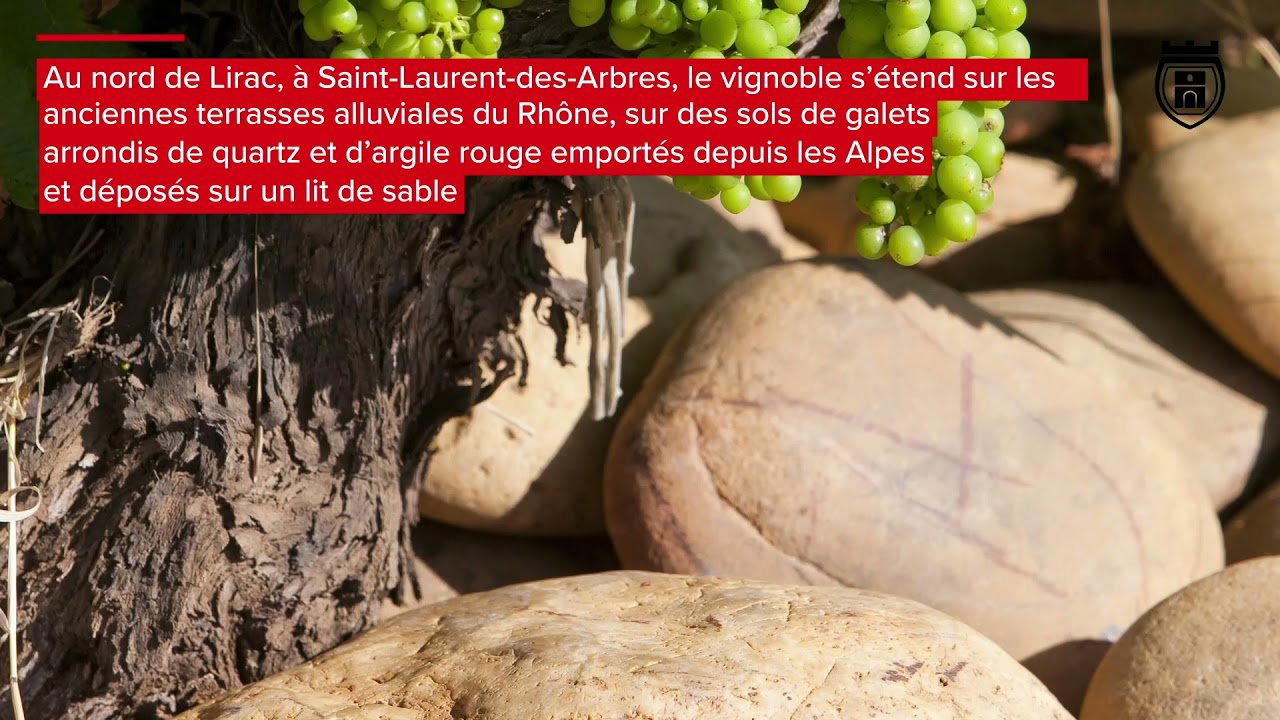
Tavel sits at the confluence of several distinct soil types, which is part of why serious producers here can achieve genuine complexity rather than the simple, fruit-forward freshness associated with lighter Provençal styles. The appellation's vineyards span sandy soils near the village, clayey limestone on the plateau, and the rocky galets roulés that echo the famous stones of Châteauneuf-du-Pape just across the river. Each of these zones behaves differently through the growing season. Sandy soils drain fast, stressing the vines earlier and pushing concentration. Clay holds water longer, moderating ripeness. The galets radiate heat long after sunset, extending the day's thermal effect on the grapes.
Grenache is the dominant variety across the appellation, typically supported by Cinsault, Clairette, Mourvèdre, and others. In Tavel, these are blended not to produce the pale, mineral-driven style now fashionable in Provence, but to produce something with genuine structure: wines that can run to 13 or 14 percent alcohol, develop in bottle over several years, and sit comfortably alongside meat, aged cheese, or the hearty Gardoise cuisine of the surrounding region. The Delorme family's approach since 1986 has been to work across these soil types rather than averaging them out, using the appellation's geological variety as a compositional tool rather than a logistical complication.
Rosé as a Serious Wine Category
The critical rehabilitation of Tavel as a reference point for structured rosé mirrors what has happened at the top end of Provence's Bandol appellation, where Mourvèdre-heavy rosés from producers like Domaine Tempier have spent decades earning recognition for genuine ageing potential. Tavel's case is different in that the appellation's history is older and its regulatory framework more restrictive, but the underlying argument is the same: rosé made from the right varieties, on the right soils, with careful winemaking can reward patience in the cellar rather than demanding to be opened within six months of release.
For comparative reference, the broader Southern Rhône wine economy operates at several different tiers. Entry-level Côtes du Rhône rosé competes on price and freshness. Lirac, the neighbouring appellation, produces rosé alongside red and white. Tavel sits above both in perceived seriousness, partly because the AOC's single-category focus concentrates producer effort and partly because the soils consistently produce wines with more phenolic grip than their Provençal neighbours.
Producers in comparable standing across the broader French wine canon, from Albert Boxler in Niedermorschwihr in Alsace to Château Bélair-Monange in Saint-Emilion in Bordeaux, demonstrate that prestige-level recognition in France correlates with a specific set of signals: longstanding estate ownership, terroir-led winemaking philosophy, and a production model that prioritises quality over volume. Mordorée checks those boxes within its own appellation context. For further comparison with formally rated Bordeaux estates, Château Branaire Ducru in St-Julien, Château Batailley in Pauillac, and Château Cantemerle in Haut-Médoc all operate within similarly structured recognition frameworks, reinforcing that multi-generational estate focus and consistent critical attention are the common denominators across appellations.
The Delorme Winemakers and Generational Continuity
In French fine wine, generational continuity at a domaine carries specific meaning. It implies accumulated knowledge of specific parcels, an understanding of how individual vineyard blocks respond to particular vintages, and the kind of institutional memory that cannot be replicated by a new owner buying land and equipment. When Ambre Delorme and Madeleine Delorme took over the winemaking at Mordorée, they inherited an estate that had been shaping its relationship with Tavel's soils since 1986, a span long enough to include the learning curves of the 1990s, the hotter vintages of the 2000s, and the increasing vintage variability that has become the defining challenge of winemaking in the southern Rhône over the past fifteen years.
That continuity is visible in how the estate positions itself: not as a new project with a rebranding narrative, but as a mature domaine with settled convictions about how Tavel's terroir should express itself in the glass. In a category often dominated by estates that refresh their image with every harvest, that kind of institutional groundedness carries its own authority.
Planning a Visit to Tavel
Tavel is a small village appellation, and the experience of visiting it differs substantially from touring the larger, more tourist-oriented appellations of Bordeaux or Champagne. The village itself sits roughly 12 kilometres northwest of Avignon, making it a practical half-day excursion from a base in either Avignon or Nîmes. The surrounding area offers broader Southern Rhône itineraries: Châteauneuf-du-Pape is 15 minutes northeast, Lirac is adjacent, and the Roman city of Nîmes with its first-century amphitheatre is 25 minutes west.
Domaine de la Mordorée's address at 250 Chemin des Oliviers places it on the olive-grove road characteristic of the appellation's agricultural margins. Visits to estate wineries in this part of France typically operate on an appointment basis rather than open-door tasting rooms, and given the estate's formal recognition and production scale, contacting the domaine directly before arrival is the practical approach. For broader travel planning in the area, our full Tavel wineries guide maps the appellation's producers in comparative context, while our full Tavel restaurants guide covers where to eat in and around the village. Accommodation options, including those suited to wine-focused stays in the Gard and Vaucluse, are detailed in our full Tavel hotels guide. For evening wine-bar visits in the region, our full Tavel bars guide and our full Tavel experiences guide round out the practical picture.
The leading window for visiting is spring through early autumn, when the garrigue is in full scent and the vineyards are actively growing. Summer visits to the Gard require preparation for heat, but the dry Mistral conditions that make the region challenging in July also help explain why Tavel's vines produce the concentrated fruit that distinguishes the appellation's wines from lusher, cooler-climate rosés.
Frequently asked questions
What's the atmosphere like at Domaine de la Mordorée?
Domaine de la Mordorée sits along the Chemin des Oliviers in Tavel, a small village appellation where visits feel closer to a working estate than a tasting room circuit. The tone is shaped by two generations of the Delorme family, Ambre and Madeleine, whose involvement gives the domaine a focused, production-first character rather than a hospitality-led one. Tavel receives far fewer passing visitors than the Luberon or the Dentelles de Montmirail, so conversations here tend to go deeper into soil and parcel specifics.
Where exactly is Domaine de la Mordorée?
Domaine de la Mordorée is located at 250 Chem. des Oliviers, 30126 Tavel, Tavel.
What's the signature bottle at Domaine de la Mordorée?
The domaine's reputation is built on Tavel rosé, the appellation's sole permitted output, made from a palette of Grenache-led varieties grown across the appellation's mixed limestone and clay soils. For a reference point on the domaine's range, the estate's direct address is 250 Chemin des Oliviers, Tavel.
Comparable Venues
Comparable venues nearby, for context on price, style, and recognition.
| Venue | Cuisine | Price | Awards |
|---|---|---|---|
| Domaine de la MordoréeThis venue (the venue you are viewing) | Tavel, Grenache, Syrah | Not listed | Falstaff Winery - Listed |
| Domaine Saint Préfert | Châteauneuf-du-Pape, Grenache, Mourvèdre | Not listed | Not listed |
| Domaine de la Solitude | Châteauneuf-du-Pape, Grenache, Syrah | Not listed | Not listed |
| Domaine de la Vieille Julienne | Orange, Grenache, Syrah | Not listed | Not listed |
| Domaine de la Janasse | Courthézon, Grenache, Syrah | $20–30 | Not listed |
| Delas Freres | Tain-l'Hermitage, Syrah, Marsanne | Not listed | Falstaff Winery - Listed |
Recognition history
Dated appearances from independent guides and award organizations, with the underlying list record or original source where available.
Falstaff Winery - Listed
Falstaff
Enquire about visiting Domaine de la Mordorée or buying its wine
Visits to Domaine de la Mordorée are usually kept for the estate's regular buyers and the wine trade. Tell us when you would like to go and a little about how you buy, and we put the request to the estate and reply to you by email. For buying, we source directly from the producer or from a licensed seller we know and vouch for, and tell you the route before you pay.
Continue exploring
More in Tavel
Wineries in Tavel
All wineries in Tavel →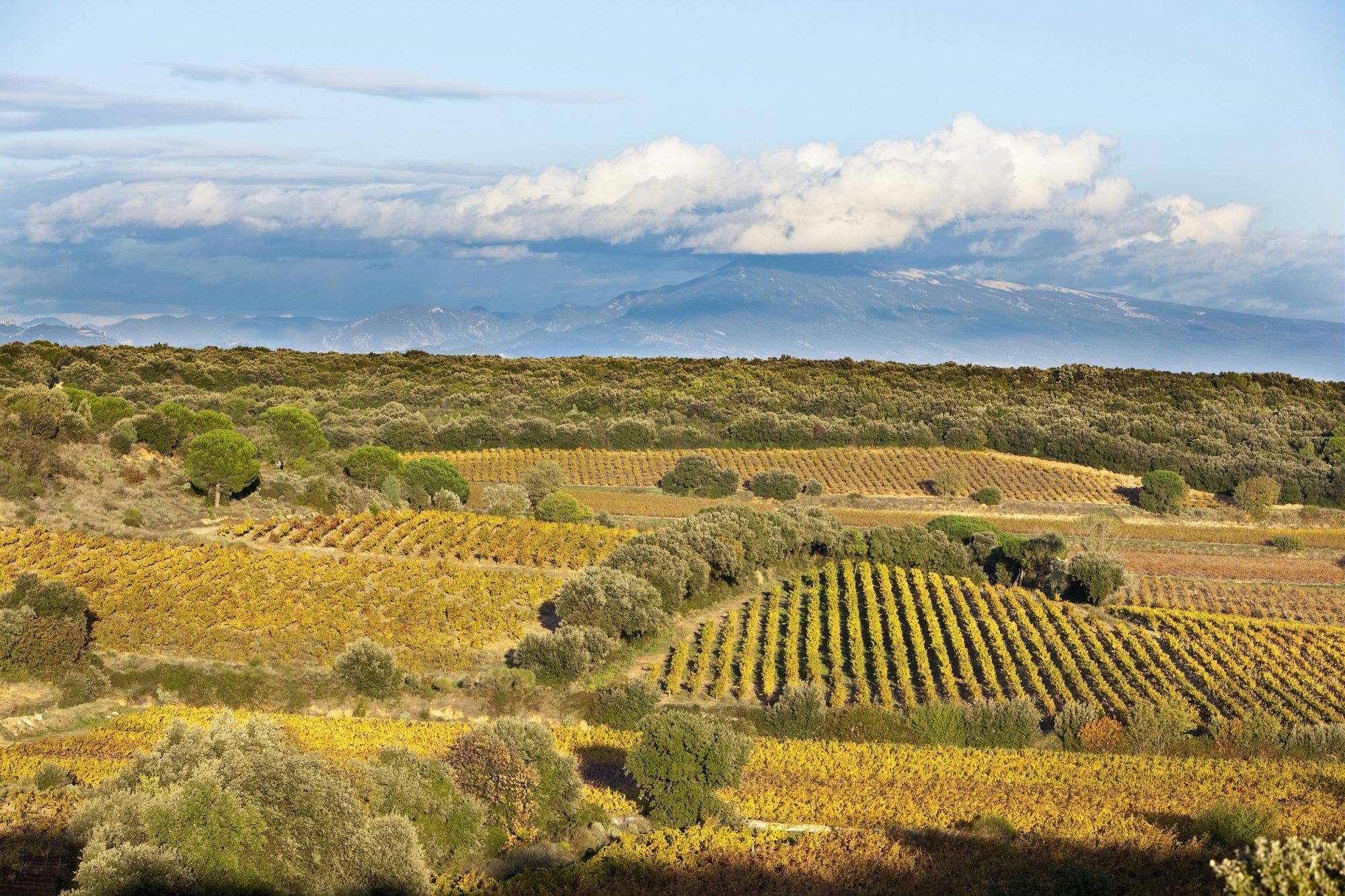

Bars in Tavel
Browse all →
Details
- Rustic
- Elegant
- Scenic
- Classic
- Wine Education
- Solo Exploration
- Special Occasion
- Vineyard Tour
- Cave Tasting
- Estate Grounds
- Organic
- Biodynamic
- Vineyard
- Grenache
- Syrah
- Mourvèdre
- Cinsault
- Viognier
- Roussanne
- Still Red
- Still White
- Still Rosé
- Cave Tasting
- Barrel Room
- French
- English
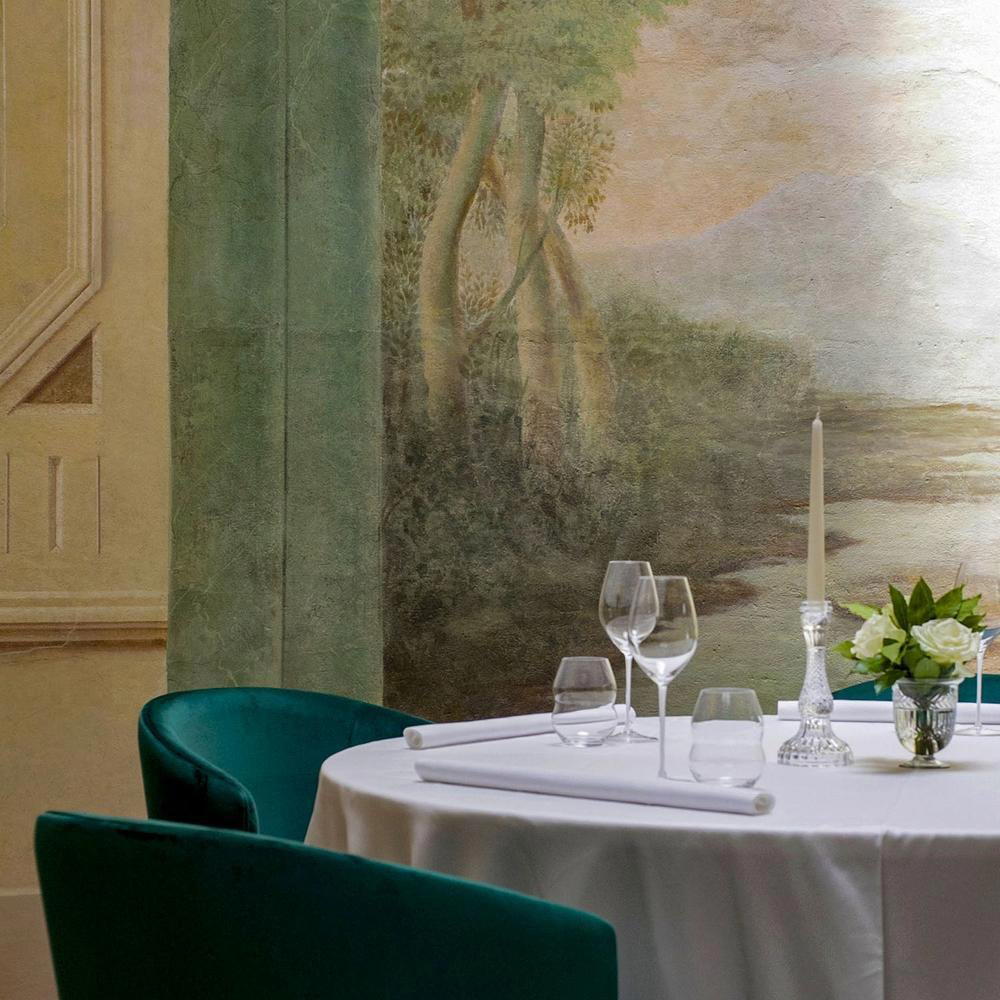
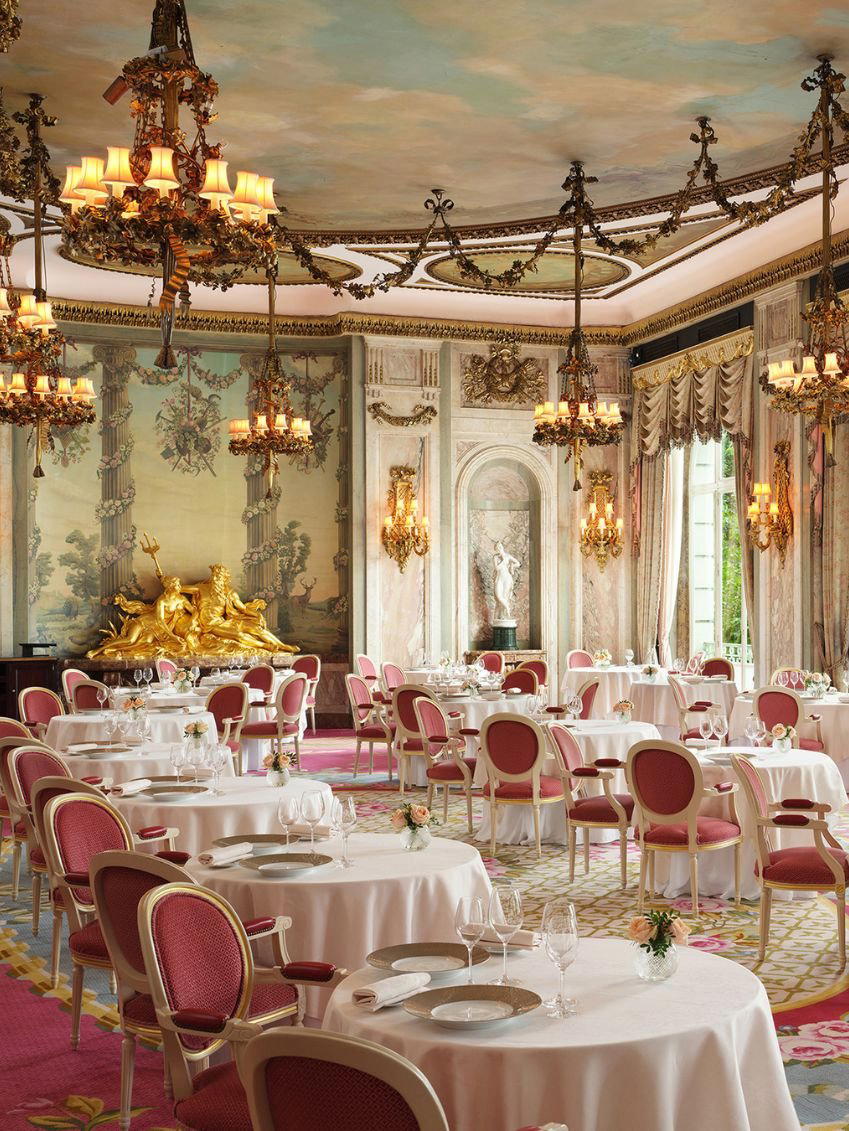
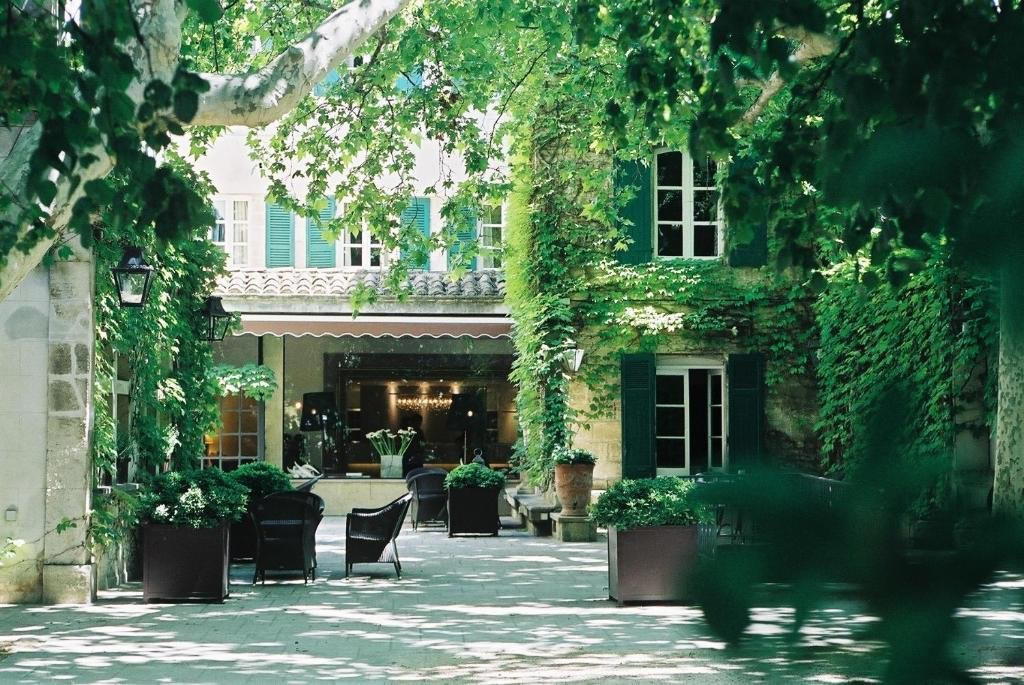
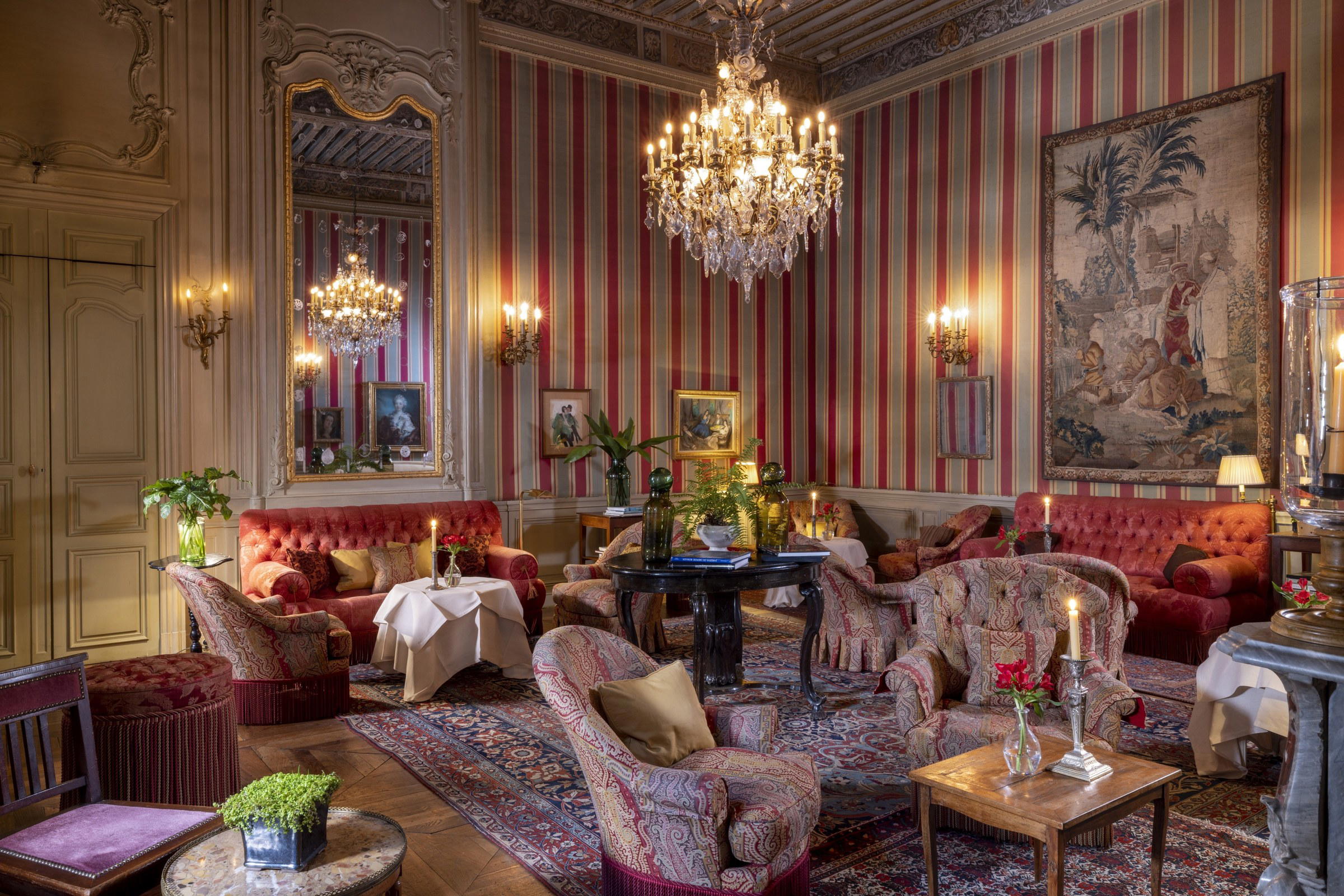
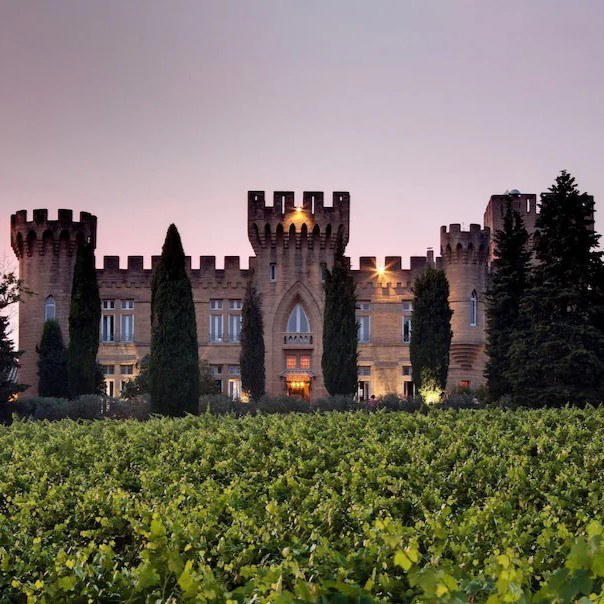
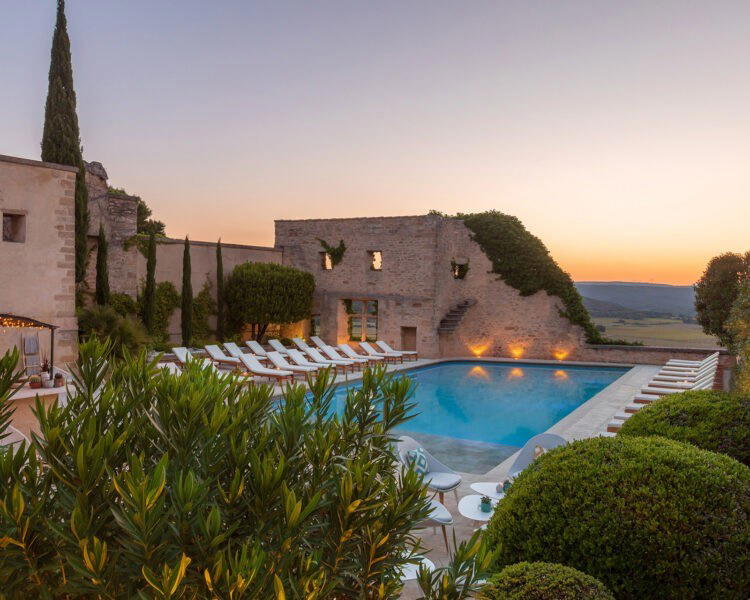
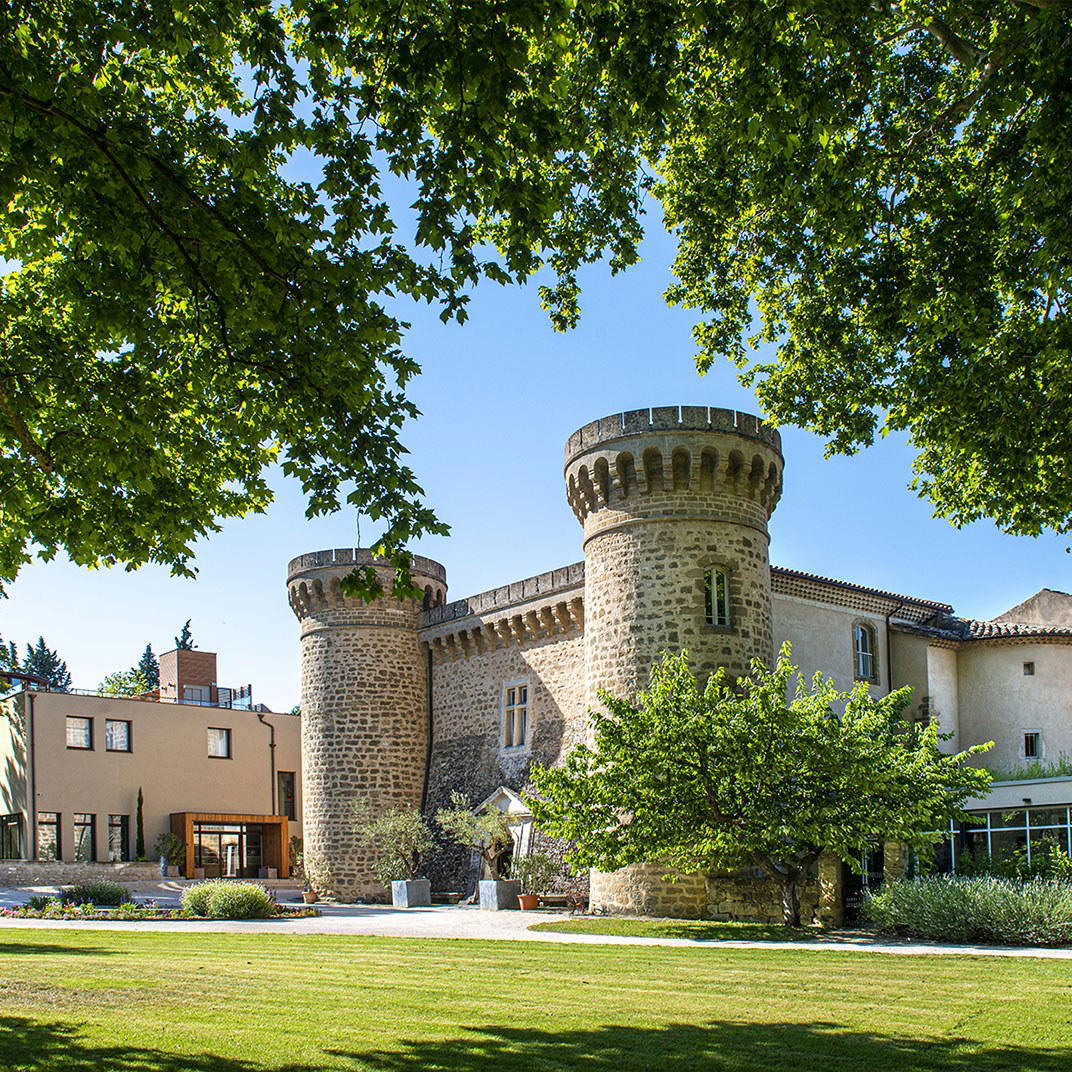
Rustic elegance in historic Southern Rhône setting with serene vineyard views and focused, intimate tasting atmosphere.