Langano sits on Kohlfurter Strasse in Kreuzberg, a neighbourhood where the city's appetite for non-European cooking runs deeper than in most European capitals. The address places it squarely in a district where restaurants are judged by regulars, not tourists, making it a reliable marker of what Berlin's more curious dining public is actually eating.
Pearl is the En Primeur Club membership app — saves, bookings, and concierge access live there. Same editors, same standards.
- Address
- Kohlfurter Str. 44, 10999 Berlin, Germany
- Phone
- +493061507103
- Website
- langano-berlin.de
- Directions
- Get directions
 Saves & bookings on Pearl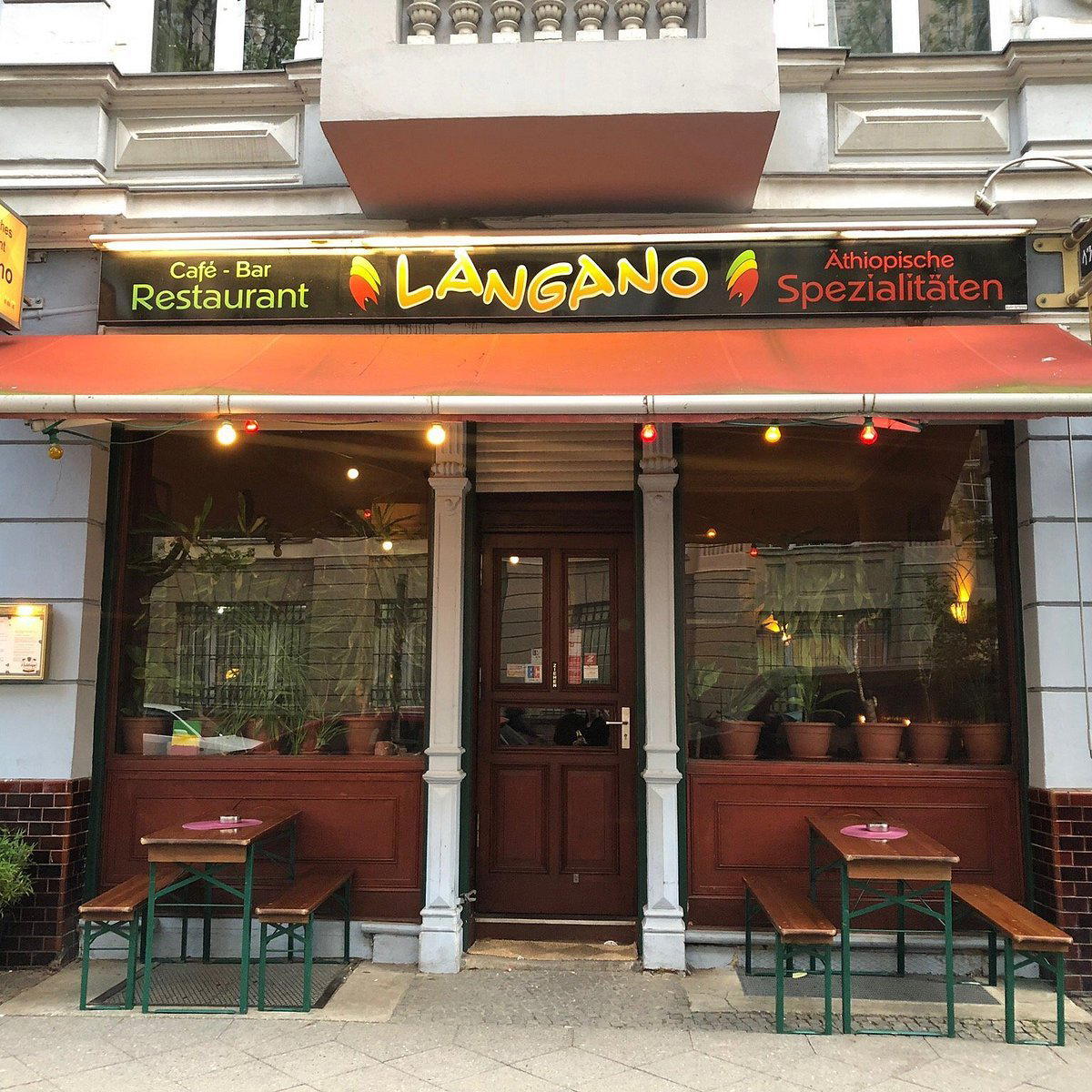
Kreuzberg and the Case for Ethiopian Dining in Berlin
Kohlfurter Strasse sits in the western pocket of Kreuzberg SO36, a stretch that has resisted the area's more visible gentrification pressures and retained the kind of neighbourhood density, corner grocers, community associations, restaurants without Instagram presences, that makes it interesting for anyone eating seriously. In a city where the premium dining conversation tends to orbit Michelin-tracked addresses like Rutz, Nobelhart & Schmutzig, and FACIL, or the more experimental formats at CODA Dessert Dining, there is a parallel dining culture at street level that many Berlin diners rely on just as much. Langano at number 44 is part of that second current.
Ethiopian restaurants in Berlin occupy a specific and well-established niche. The city's East African community, concentrated historically in districts like Kreuzberg and Neukölln, generated a restaurant culture that predates the current wave of interest in African cuisines elsewhere in Europe. That history matters because it means the cooking at addresses like Langano is not calibrated for curious newcomers looking for an introduction, it is calibrated for regulars who know what they want, which tends to produce more honest food.
The Architecture of an Ethiopian Meal
Understanding what you are ordering at an Ethiopian restaurant requires understanding the structure of the meal itself, because it operates on different logic than a European menu. The injera, a sourdough flatbread made from teff, fermented over two or more days, is not a side component. It is the plate, the utensil, and an active flavour contributor. Its mild acidity interacts with the stews and spiced preparations placed on top of it, softening heat, absorbing fat, and providing textural contrast that no substitute can replicate. This structural role means the quality of the injera is a more reliable indicator of kitchen seriousness than any single topping.
Ethiopian meals typically progress through a logic of accumulation rather than sequencing. A spread of wot (stewed preparations), tibs (pan-fried or sautéed proteins), and vegetable dishes arrives together, and the order in which you eat them is largely personal. That said, experienced diners tend to move from milder preparations toward more heavily spiced ones, allowing the berbere-inflected dishes to read clearly against a palate that hasn't been overwhelmed early. The communal platter format, one large injera with multiple preparations arranged across it, eaten without cutlery, is both practical and socially specific. Sharing from a single surface is deliberate, carrying a cultural weight that distinguishes Ethiopian hospitality from restaurant conventions elsewhere.
For diners more accustomed to the tasting-menu cadence of addresses like Restaurant Tim Raue or the course-by-course discipline at Germany's destination kitchens, Aqua in Wolfsburg, Vendôme in Bergisch Gladbach, or Victor's Fine Dining in Perl, the Ethiopian format asks for a different kind of attention. The narrative arc is horizontal rather than linear. Complexity is spatial rather than temporal.
Vegetarian Depth as a Feature, Not a Concession
One of the more consequential things about Ethiopian cuisine in a contemporary European context is that its vegetarian range is not an adaptation for modern dietary preferences, it is structurally embedded in the tradition. The fasting calendar of the Ethiopian Orthodox Church has, over centuries, produced a sophisticated roster of plant-based preparations: misir wot (red lentils spiced with berbere and niter kibbeh), gomen (collard greens with garlic and ginger), tikil gomen (cabbage and carrot), and shiro (ground chickpea powder cooked into a thick, spiced paste). These are not simplified dishes. Shiro in particular requires technique and proportion to execute well; too thin and it reads as grainy, too reduced and it becomes dense and monotonous.
The result is that vegetarian diners eating at a kitchen that handles these preparations seriously are encountering particularly technically demanding items on the spread. This is a reversal of the logic that applies at most European restaurants, including the creative European tier that Schwarzwaldstube in Baiersbronn, Schanz in Piesport, and Restaurant Haerlin in Hamburg represent, where vegetarian menus tend to be secondary constructions.
Kreuzberg as a Dining Reference Point
Kreuzberg SO36 functions as one of Berlin's more reliable areas for finding restaurants whose quality is determined by neighbourhood loyalty rather than critical attention. Addresses here are reviewed informally, by word of mouth and by the simple measure of whether the room is full on a Tuesday. That same public sustains a number of excellent addresses across cuisines that receive no coverage in the publications that track places like JAN in Munich or Bagatelle in Trier.
For visitors building a broader picture of what Berlin's restaurants cover, our full Berlin restaurants guide maps both the Michelin-tracked tier and the neighbourhood addresses that define how the city actually eats day to day. The two categories are not in competition, they answer different questions.
Planning a Visit
Langano is located at Kohlfurter Str. 44, 10999 Berlin, in the SO36 section of Kreuzberg. It is accessible from U-Bahn station Kottbusser Tor (U1, U3, U8) in under ten minutes on foot. Reservations are recommended, and the restaurant is open daily from 4 PM to 12 AM.
Category Peers
Comparable venues nearby, for context on price, style, and recognition.
| Venue | Cuisine | Price | Notes |
|---|---|---|---|
| LanganoThis venue — the venue you are viewing | Authentic Ethiopian | $$ | Not listed |
| Lebenswelten im Humboldt Forum | Sustainable German Bistro with Vegetarian Focus | $$ | Mitte |
| Jemenitisches Restaurant | Authentic Yemeni | $$ | Neukolln |
| Lokal | Modern German | $$ | Mitte |
| Coccodrillo | Authentic Italian Trattoria with Neapolitan Pizza | $$ | Scheunenviertel |
| SHINJU Restaurant | Modern Japanese with Izakaya-Style Small Plates | $$ | Mitte |
Continue exploring
More in Berlin
Restaurants in Berlin
Browse all →
Bars in Berlin
Browse all →
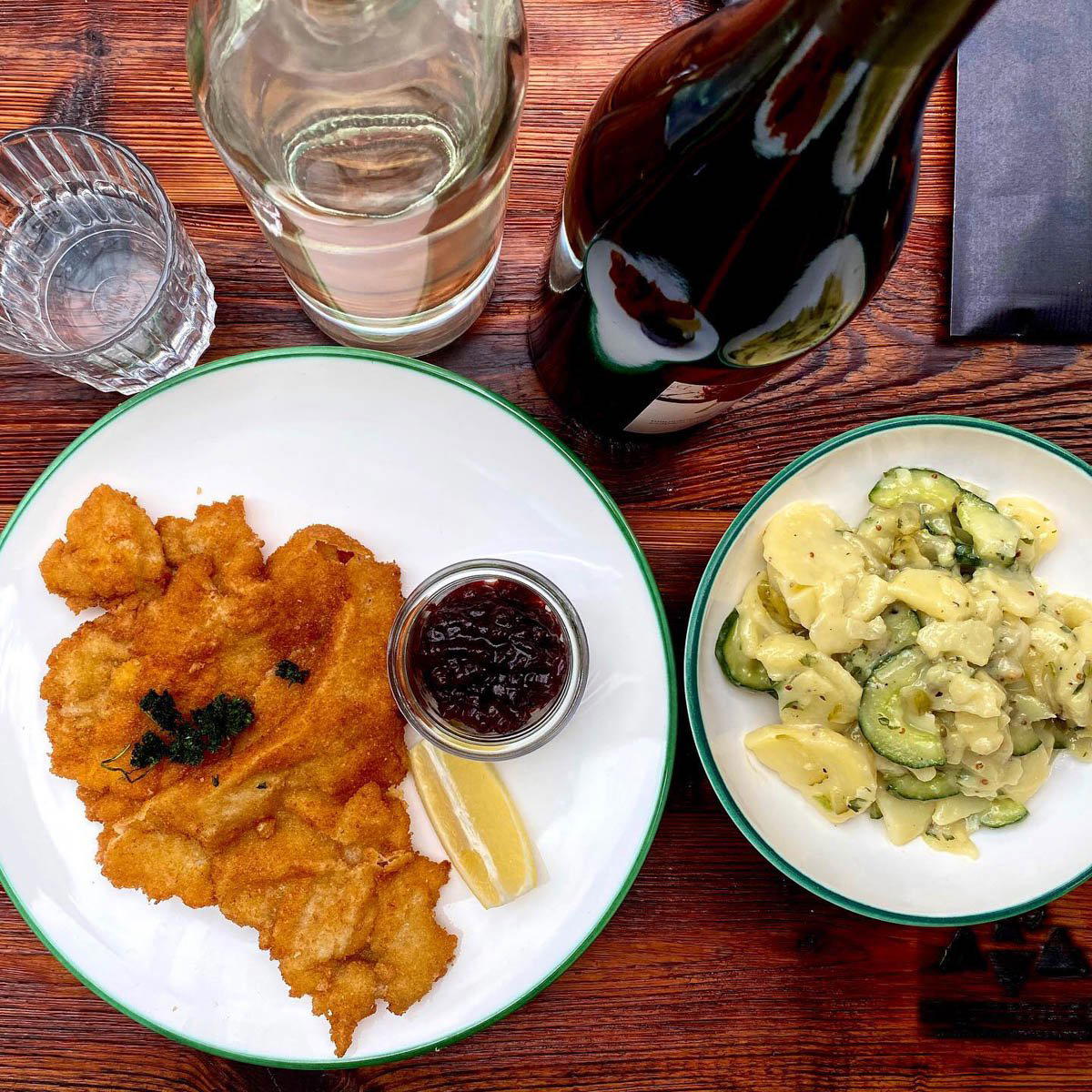
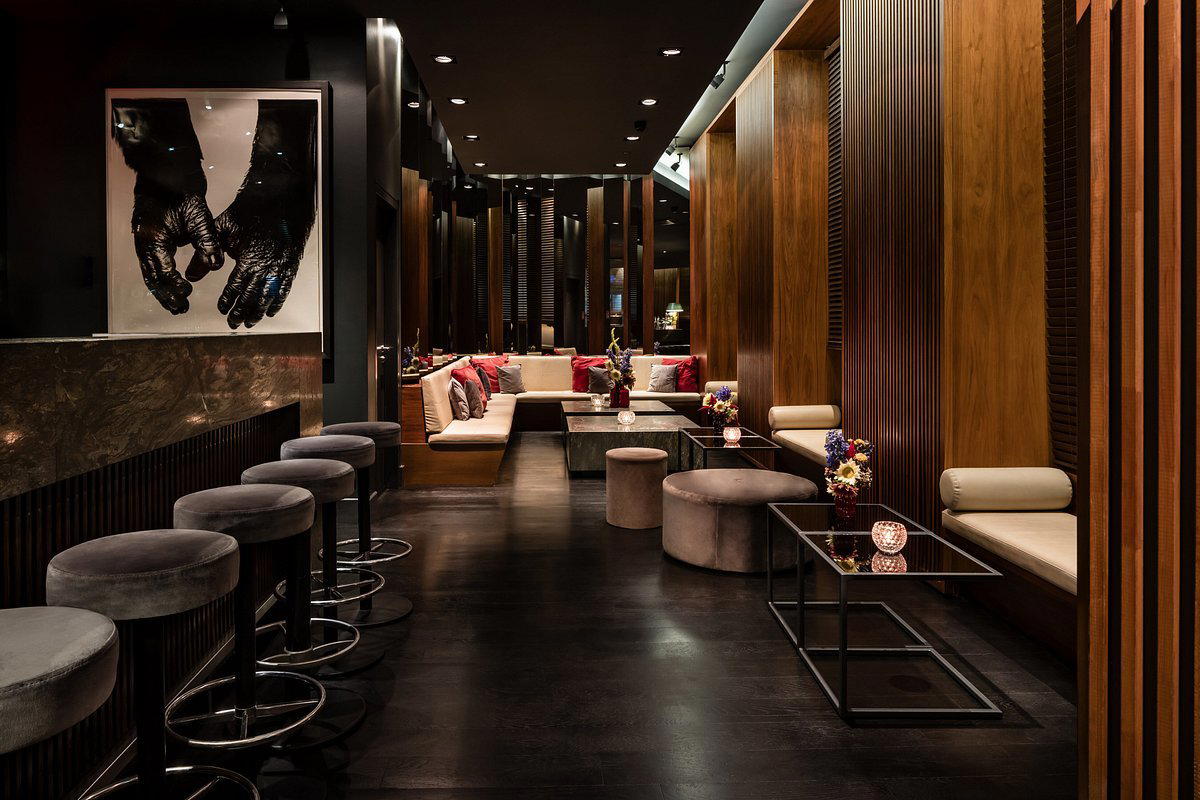
Hotels in Berlin
Browse all →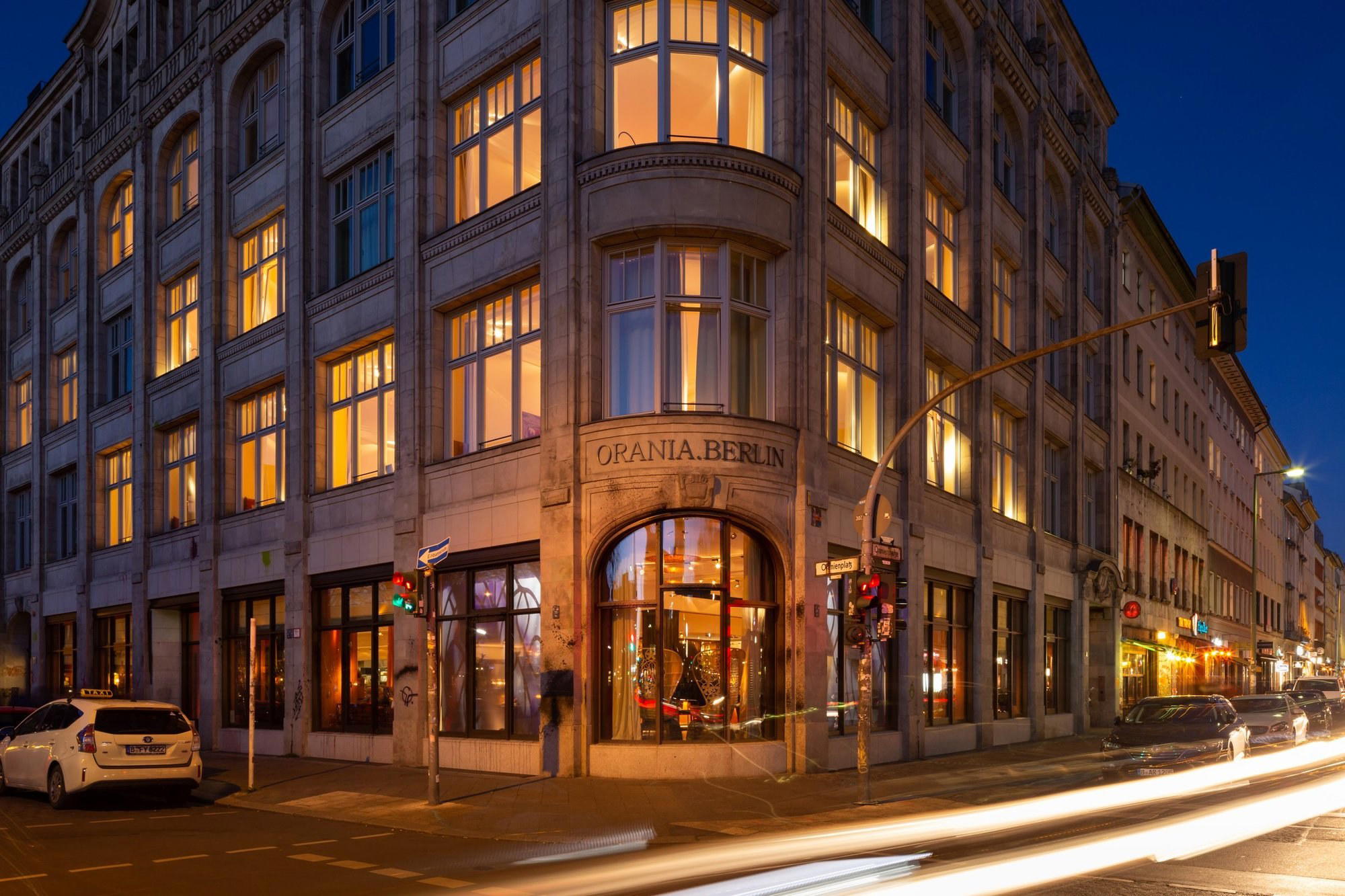
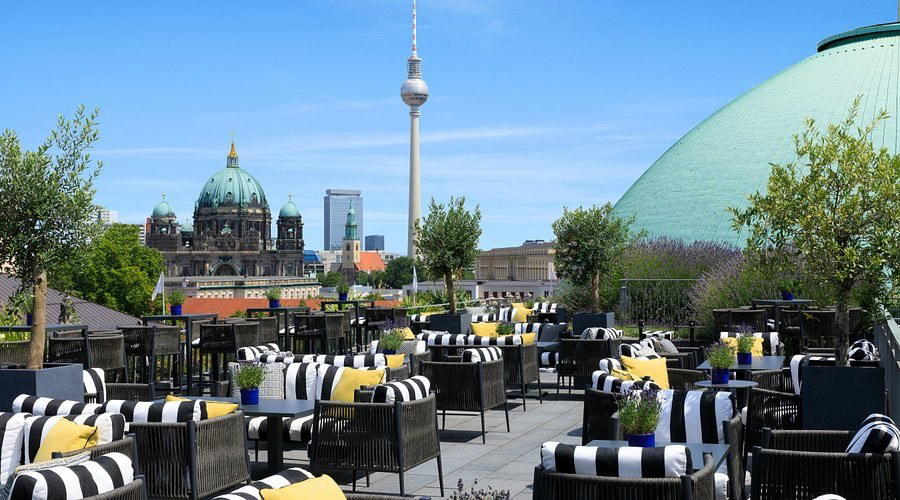
Wineries in Berlin
Browse all →
At a Glance
- Cozy
- Casual
- Bohemian
- Group Dining
- Casual Hangout
- Family
- Standalone
- Beer Program
Current opening hours
- Monday
- 4 PM–12 AM
- Tuesday
- 4 PM–12 AM
- Wednesday
- 4 PM–12 AM
- Thursday
- 4 PM–12 AM
- Friday
- 4 PM–12 AM
- Saturday
- 4 PM–12 AM
- Sunday
- 4 PM–12 AM
Hours can change for holidays and private events. Last verified .
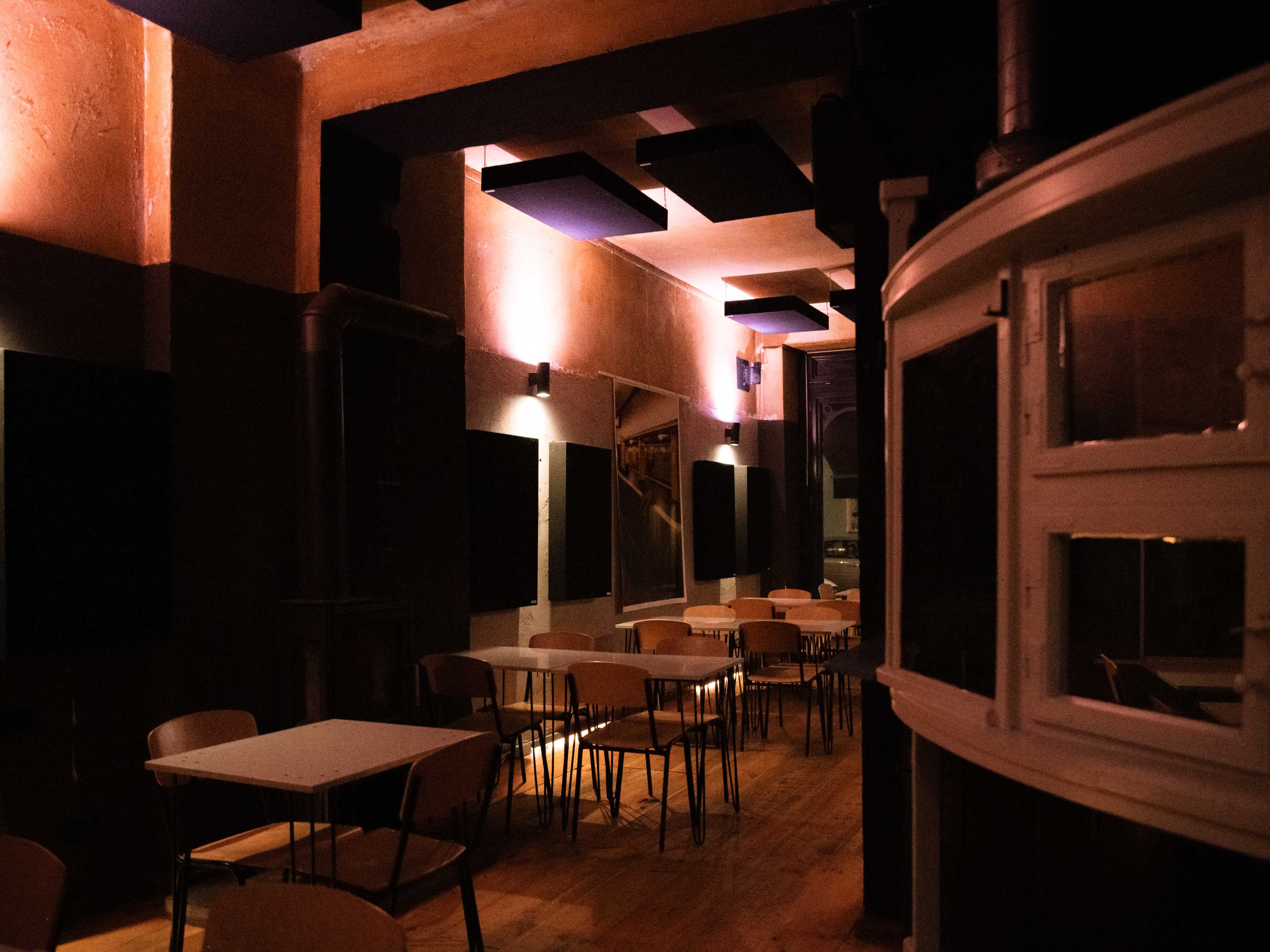
Warm and inviting with traditional Ethiopian decor, calming and cozy atmosphere that feels casual and welcoming to groups.