On Karl-Marx-Straße in Neukölln, Jemenitisches Restaurant occupies a stretch of Berlin where Middle Eastern and North African dining runs deep. Yemeni cuisine remains one of the least represented traditions in the German capital, making this address a reference point for a cuisine that rarely surfaces outside diaspora communities. For anyone tracking the city's more overlooked culinary corridors, this is a meaningful stop.
Pearl is the En Primeur Club membership app — saves, bookings, and concierge access live there. Same editors, same standards.
- Address
- Karl-Marx-Straße 172, 12043 Berlin, Germany
- Phone
- +493098393579
- Website
- jemenrestaurant.de
- Directions
- Get directions
 Saves & bookings on Pearl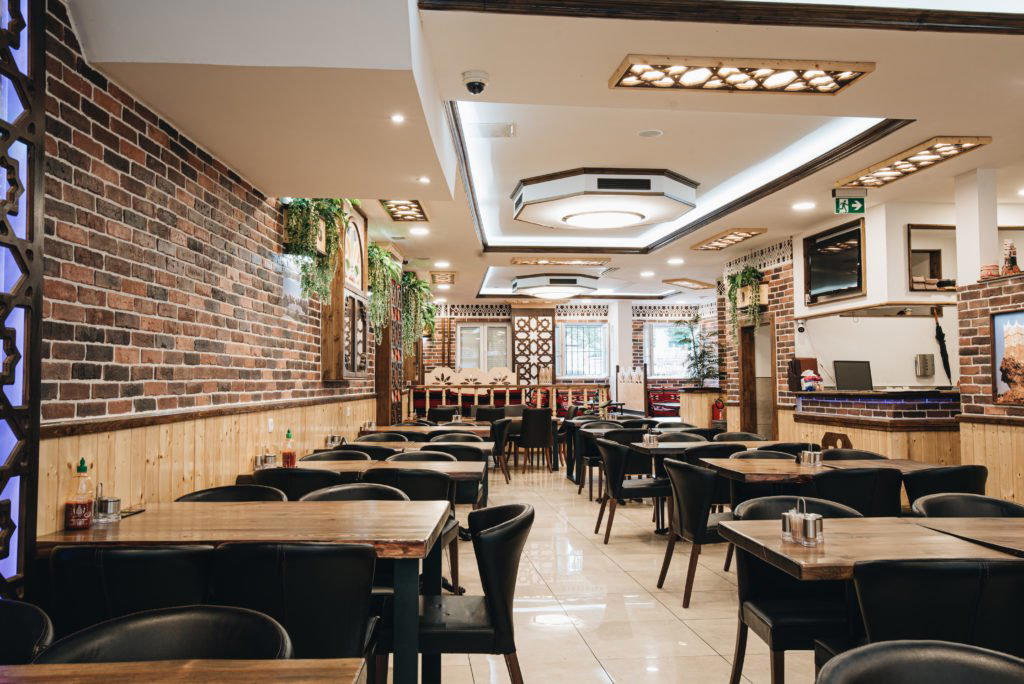
Karl-Marx-Straße and the Logic of Neukölln's Dining Corridor
Berlin's most internationally diverse dining tends not to cluster in Mitte or Prenzlauer Berg. It runs along the commercial arteries of Neukölln and Wedding, where rent structures and community anchors have allowed diaspora cuisines to persist without the pressure to adapt toward German or tourist expectations. Karl-Marx-Straße, where Jemenitisches Restaurant sits at number 172, is one of those corridors. Arabic bakeries, Turkish grocers, and Lebanese snack counters occupy the same stretch, creating a density of Middle Eastern food culture that the city's better-publicised restaurant districts rarely match. Yemeni cuisine, though, is a relative rarity even within that context, which gives this address an editorial weight that its unassuming exterior does little to signal.
Yemeni Food in a German City: What the Cuisine Actually Is
Yemeni cooking is among the more distinct in the Arab world, and understanding that distinction is useful before you arrive. The cuisine leans heavily on slow-cooked meats, clarified butter, fenugreek, and the fermented honey-spiked bread known as lahoh. Saltah, a stew finished with a fenugreek froth called hulba, functions as a national dish. Bint al-sahn, a layered pastry drenched in honey and black seed oil, sits at the sweeter end. These are not the preparations that have achieved mainstream visibility in Europe the way Lebanese meze or Turkish kebab have. In Berlin, where the Syrian and Palestinian restaurant presence is substantial and growing, Yemeni food operates in a smaller, more specific niche. Jemenitisches Restaurant is, in practical terms, one of few addresses in the city where this tradition is the main event rather than an occasional menu footnote.
For context, Berlin's Michelin-recognised tier, which includes Rutz, Nobelhart & Schmutzig, FACIL, and the inventive dessert-led format at CODA Dessert Dining, operates at a different price point and with a different set of ambitions. That tier is well-documented. What is less documented is the layer beneath it: the neighbourhood restaurants that sustain a specific cultural tradition for a specific community, and which occasionally reward curious visitors with food they will not find catalogued in the standard critical sources. Jemenitisches Restaurant belongs to that layer.
What to Expect When You Arrive
The atmosphere on Karl-Marx-Straße in this section of Neukölln is functional rather than curated. There is no design language pitched at the food media, no ambient playlist engineered for a particular demographic. What the corridor offers instead is a kind of transactional authenticity: restaurants that exist because a community eats there, not because a concept was developed for it. Arriving at the restaurant, you are entering a space oriented primarily toward the local Yemeni and broader Arab community in the neighbourhood. The physical environment reflects that priority. Visitors who approach it expecting the production values of Restaurant Tim Raue or the precision of a high-concept tasting menu will be looking at the wrong signals. The relevant comparison is to diaspora canteens in Paris's 18th arrondissement or the Yemeni lunch spots along Atlantic Avenue in Brooklyn, places where the food is the argument and the room is incidental.
Planning Your Visit: What the Booking Experience Looks Like
Restaurants at this tier and in this part of Berlin rarely operate through the reservation infrastructure that governs the city's fine-dining corridor. Phone bookings, if available at all, are typically handled informally, and many comparable addresses on Karl-Marx-Straße operate on a walk-in basis during service hours. Since specific hours and booking methods for the restaurant are not publicly documented in a reliable centralised source, the practical approach is to arrive with flexibility and to treat the visit as contingent rather than scheduled. Midweek lunchtimes tend to be more accessible than Friday or Saturday evenings at neighbourhood restaurants of this type, when community traffic is highest.
If your Berlin itinerary is already anchored by reservations at destinations like Aqua in Wolfsburg, JAN in Munich, or Schwarzwaldstube in Baiersbronn, the contrast a place like this provides is part of the point. Germany's high-end dining circuit, including Vendôme in Bergisch Gladbach, Victor's Fine Dining by Christian Bau in Perl, and Waldhotel Sonnora in Dreis, rewards advance planning measured in months. The restaurant rewards a different kind of planning: knowing the neighbourhood, understanding what you are likely to find, and keeping the afternoon open.
Where This Address Sits in Berlin's Broader Dining Picture
The city has a recognised fine-dining tier, Restaurant Haerlin in Hamburg, for comparison, operates within a more consolidated luxury hospitality frame that Berlin's diffuse geography resists. What Berlin has instead is a series of parallel dining cultures that coexist without much cross-referencing. The tasting-menu crowd at ES:SENZ in Grassau or Schanz in Piesport occupies a different world from the Karl-Marx-Straße lunch crowd, and both exist simultaneously in the same city without much overlap. The restaurant is evidence of the latter world, which is substantial, consistent, and largely ignored by the platforms that track the former.
In New York, the gap between a tasting-counter like Atomix and a neighbourhood diaspora restaurant on Atlantic Avenue is vast in price and format but often narrow in terms of the quality of experience that actually matters. Le Bernardin and a Yemeni lunch spot in Brooklyn exist in the same food city without competing for the same reader. The same logic applies in Berlin. And in both cities, the diaspora tier is the one more likely to disappear without notice, which gives it a different kind of urgency for the visitor tracking it.
For Germany's broader wine-country dining circuit, addresses like Bagatelle in Trier offer a different register entirely, regional, terroir-anchored, and formatted for a different type of occasion. The restaurant is not competing in that space. It is doing something structurally different: sustaining a specific culinary tradition in a city that has the appetite for it, for an audience that is mostly not the one reading restaurant guides.
Same-City Peers
Comparable venues nearby, for context on price, style, and recognition.
| Venue | Cuisine | Price | Notes |
|---|---|---|---|
| Jemenitisches RestaurantThis venue — the venue you are viewing | Authentic Yemeni | $$ | Not listed |
| NENI Berlin | Middle Eastern Fusion with Mediterranean & Austrian Influences | $$ | Tiergarten |
| forn simsim | Levantine Manakish | $$ | Prenzlauer Berg |
| Al Rabuah | Authentic Middle Eastern Grill | $$ | Gesundbrunnen |
| Le Mont Liban | Lebanese | $$ | Charlottenburg |
| Layla | Modern Middle Eastern Mediterranean Fusion | $$$ | Kreuzberg |
Continue exploring
More in Berlin
Restaurants in Berlin
Browse all →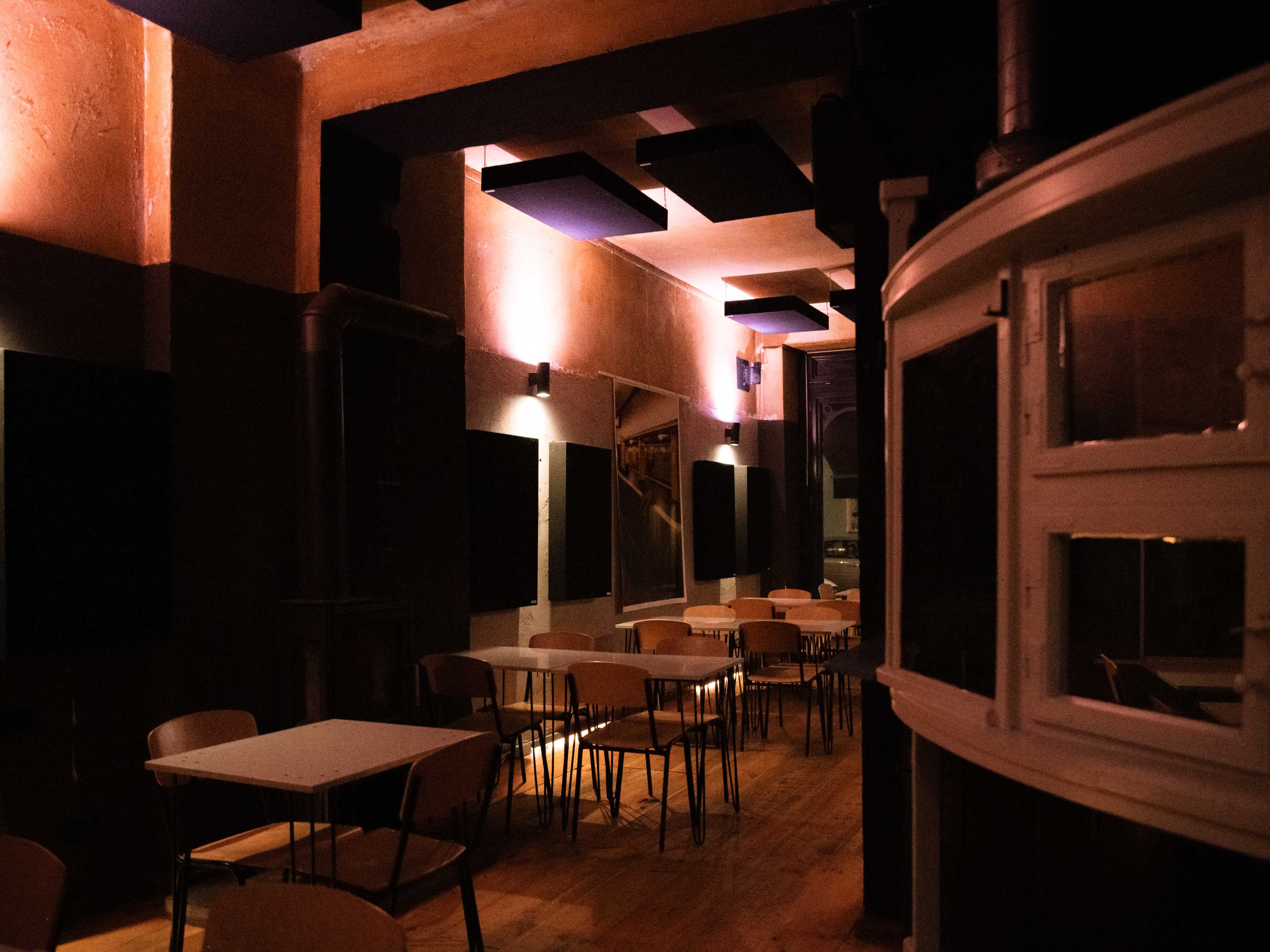
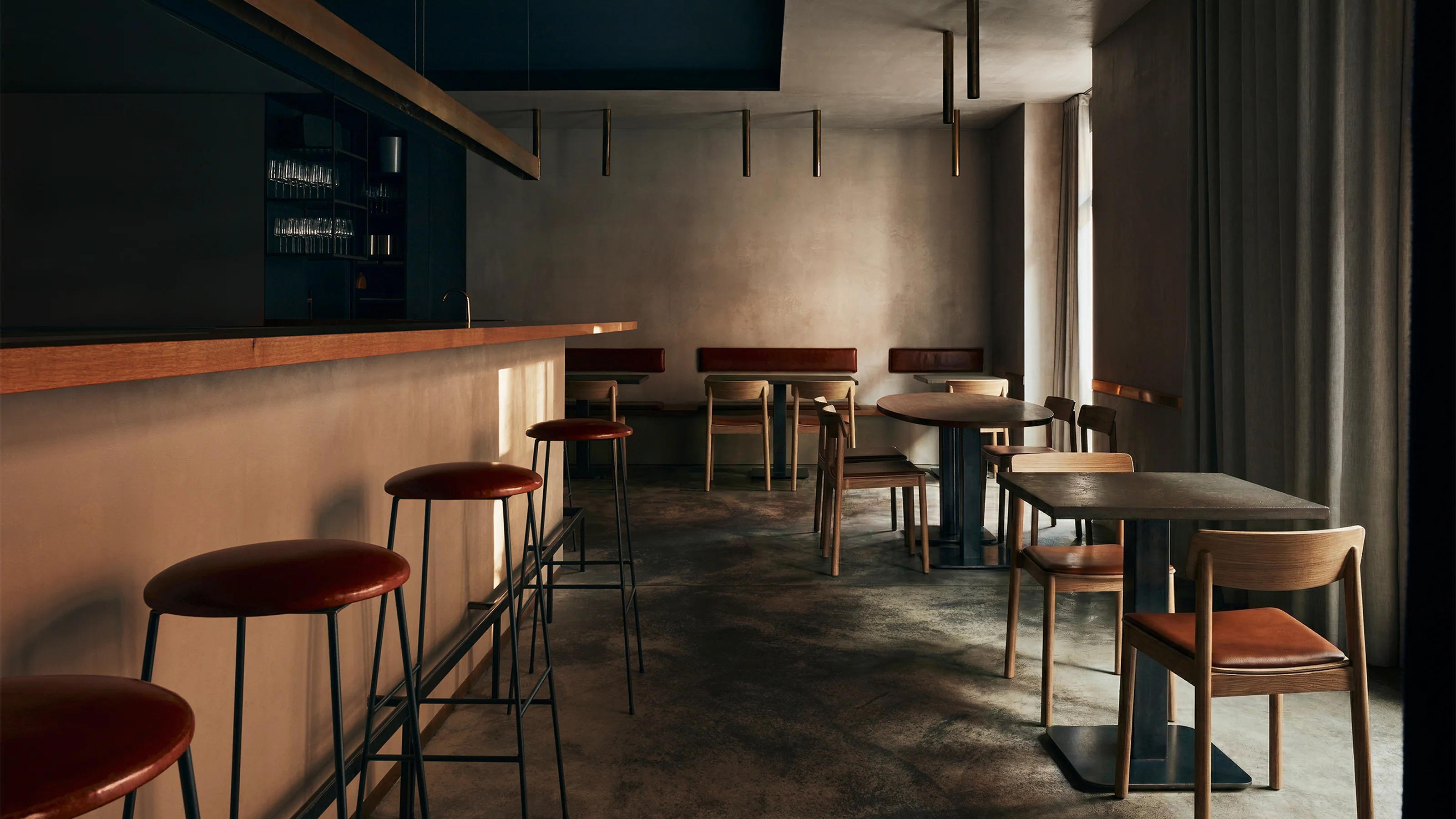
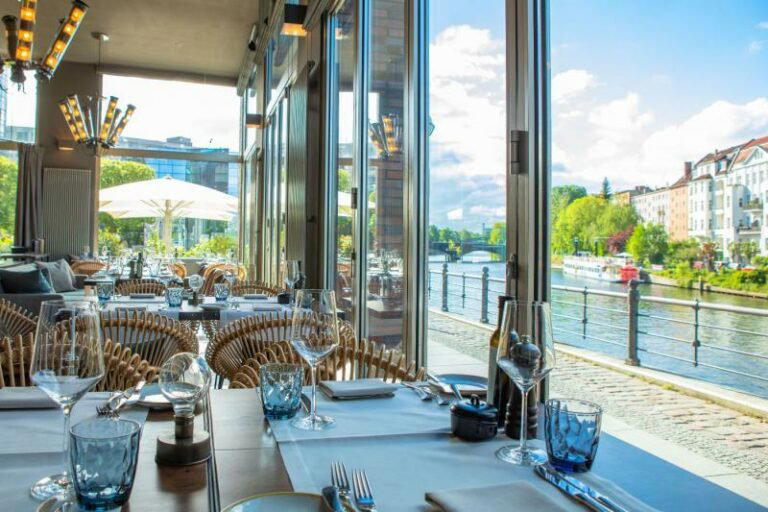
Bars in Berlin
Browse all →
Hotels in Berlin
Browse all →
Wineries in Berlin
Browse all →
At a Glance
- Lively
- Cozy
- Rustic
- Group Dining
- Family
- Casual Hangout
- Standalone
Current opening hours
- Monday
- 12–11 PM
- Tuesday
- 12–11 PM
- Wednesday
- 12–11 PM
- Thursday
- 12–11 PM
- Friday
- 12–11 PM
- Saturday
- 12–11 PM
- Sunday
- 12–11 PM
Hours can change for holidays and private events. Last verified .
Casual and bustling atmosphere with closely spaced tables, cozy seating areas, families sharing meals, and a lively neighborhood vibe.