La Zahurda occupies a Chamberí address on Calle de Miguel Ángel, placing it inside one of Madrid's most competitive dining corridors. The restaurant operates in a city where local-ingredient discipline and imported technique increasingly define the serious end of the market. Visitors planning Madrid's creative dining circuit will want to account for it alongside the capital's established names.
Pearl is the En Primeur Club membership app — saves, bookings, and concierge access live there. Same editors, same standards.
- Address
- C. de Miguel Ángel, 24, Chamberí, 28010 Madrid, Spain
- Phone
- +34639535266
- Website
- lazahurda.es
 Saves & bookings on Pearl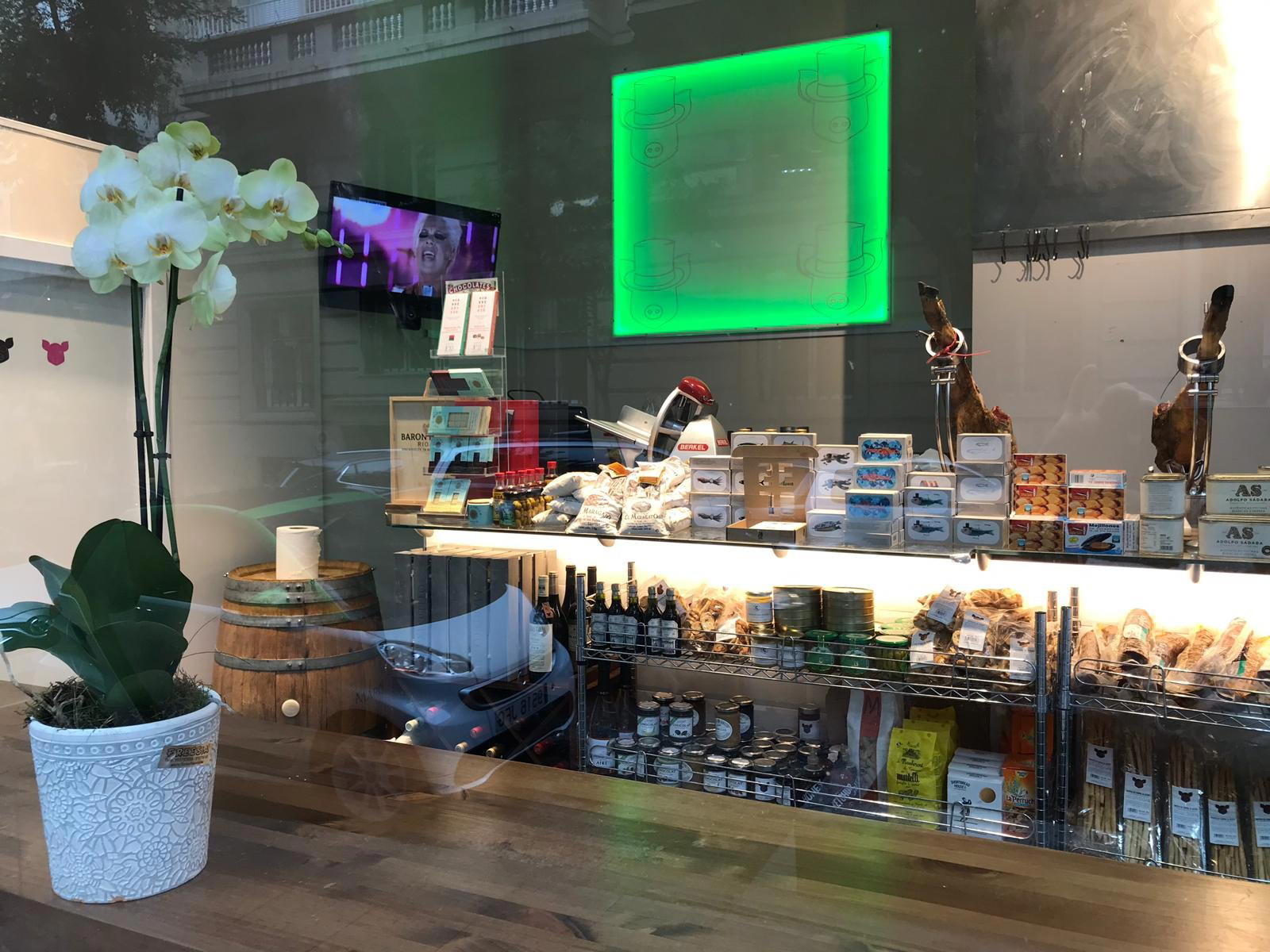
Chamberí and the Corridor It Sits In
Calle de Miguel Ángel cuts through Chamberí in a way that concentrates dining more densely than many equivalent stretches in Madrid. The neighbourhood is residential in character, which keeps the atmosphere grounded. At number 24, the building reads quietly against its surroundings.
That restraint mirrors a broader pattern in Madrid's dining tier. As the city's kitchen culture has matured through the 2010s and into the current decade, the most interesting addresses have tended to shed the production-heavy theatre associated with Spain's earlier avant-garde wave and move toward something more ingredient-led. The conversation in those rooms is now as likely to be about sourcing provenance as it is about technique, though technique remains the underlying grammar.
Where Local Ingredients Meet Imported Method
Spain's fine dining scene has spent the last two decades working through a productive tension: indigenous products of extraordinary quality sitting alongside a generation of cooks trained partly or entirely outside Spain. The results at the leading end have been decisive. Operations like Aponiente in El Puerto de Santa María have pushed marine ingredients into territory that required new technique to unlock. Azurmendi in Larrabetzu has built a vocabulary around Basque product through methods that borrow freely from outside the peninsula. El Celler de Can Roca in Girona remains the clearest example of French classical training reinterpreted through Catalan product and sensibility.
Madrid's position in this conversation is specific. The capital does not have a terroir-defined product the way coastal Galicia or the Basque Country does, but it has access to everything: Castilian lamb, Extremaduran pork, Navarrese vegetables, fish arriving overnight from every Spanish coast. The city's leading kitchens function as aggregators and interpreters rather than regional champions. That makes Madrid a useful place to watch the local-ingredients, global-technique intersection across multiple restaurants and price tiers.
La Zahurda's Chamberí address places it in a neighbourhood that has become a node for this kind of cooking. Nearby, Paco Roncero represents one of the longest-running Spanish creative programs in the city. DSTAgE, further into the city, has built a format that explicitly acknowledges global travel as an ingredient. Deessa brings Quique Dacosta's Mediterranean-product discipline to a hotel room in central Madrid. Each of these operations answers the local-global question differently, which is what makes the current Madrid dining tier worth reading carefully rather than treating as a monolith.
Madrid's Creative Tier and Where La Zahurda Fits
The upper bracket of Madrid dining is anchored by a handful of operations that have structured their menus and booking models around a tasting-menu format. DiverXO operates at the most theatrical extreme, with a format that has no real peer in Spain in terms of ambition or price. Coque has built one of the most architecturally distinctive dining rooms in the city and runs a long, immersive format to match. Both sit at the €€€€ tier and price accordingly against the leading European tasting-menu market rather than the local average.
Below that ceiling, Madrid has a more varied middle ground: kitchens that bring genuine technique and product conviction to formats that do not require a full evening's commitment or a three-month advance booking. Chamberí, in particular, has developed a concentration of addresses in this space. That is the competitive context that makes La Zahurda on Calle de Miguel Ángel worth situating carefully.
For a comparative read on what Spain's creative dining conversation looks like outside Madrid, Arzak in San Sebastián and Martin Berasategui in Lasarte-Oria represent the Basque baseline that most of the country's serious kitchens still measure against. Mugaritz in Errenteria remains the reference point for conceptual risk. Quique Dacosta in Dénia and Ricard Camarena in València anchor the Mediterranean product conversation. Cocina Hermanos Torres in Barcelona and Atrio in Cáceres extend the map into the interior. La Zahurda belongs to a Madrid scene that feeds off and responds to all of these, operating in a capital that can draw from every Spanish tradition without being defined by any single one.
Internationally, the model of local-product discipline applied through globally trained technique has parallels beyond Spain. Le Bernardin in New York City represents the case where a single-product focus, in that instance fish, refined through classical French method, produces a distinctive and durable identity. Atomix in New York City is the clearest current example of Korean ingredients and reference points processed through a tasting-menu architecture borrowed from European fine dining. These examples clarify what the local-global tension can produce when it resolves into a specific and disciplined point of view.
Planning Your Visit
Know Before You Go
- Address: C. de Miguel Ángel, 24, Chamberí, 28010 Madrid, Spain
- Neighbourhood: Chamberí, upper Madrid, residential in character, well-connected by metro
- Booking: Contact the venue directly; advance booking is advisable for any serious Madrid dining address
- Price range: not confirmed, verify current pricing before reserving
- Hours: not confirmed, contact the venue for current service times
- Phone / Website: Not listed in current data, search directly or use a Madrid concierge service
Pricing, Compared
Comparable venues nearby, for context on price, style, and recognition.
| Venue | Cuisine | Price | Awards | Notes |
|---|---|---|---|---|
| LA ZAHURDAThis venue — the venue you are viewing | Almagro, Traditional Spanish Tapas | $$ | , | |
| Fismuler | $$ | , | Almagro, Modern Spanish with Nordic influences | |
| Restaurante Taiga Madrid | El Viso, Traditional Spanish | $$ | , | |
| Lola 09 | Chueca, Modern Spanish Tapas | $$ | , | |
| Semilla Tomate | $$ | , | Arapiles, Traditional Spanish & Mediterranean | |
| El Patio de Atocha | $$ | , | Barrio de las Letras, Modern Spanish Fusion |
Continue exploring
More in Madrid
Restaurants in Madrid
Browse all →
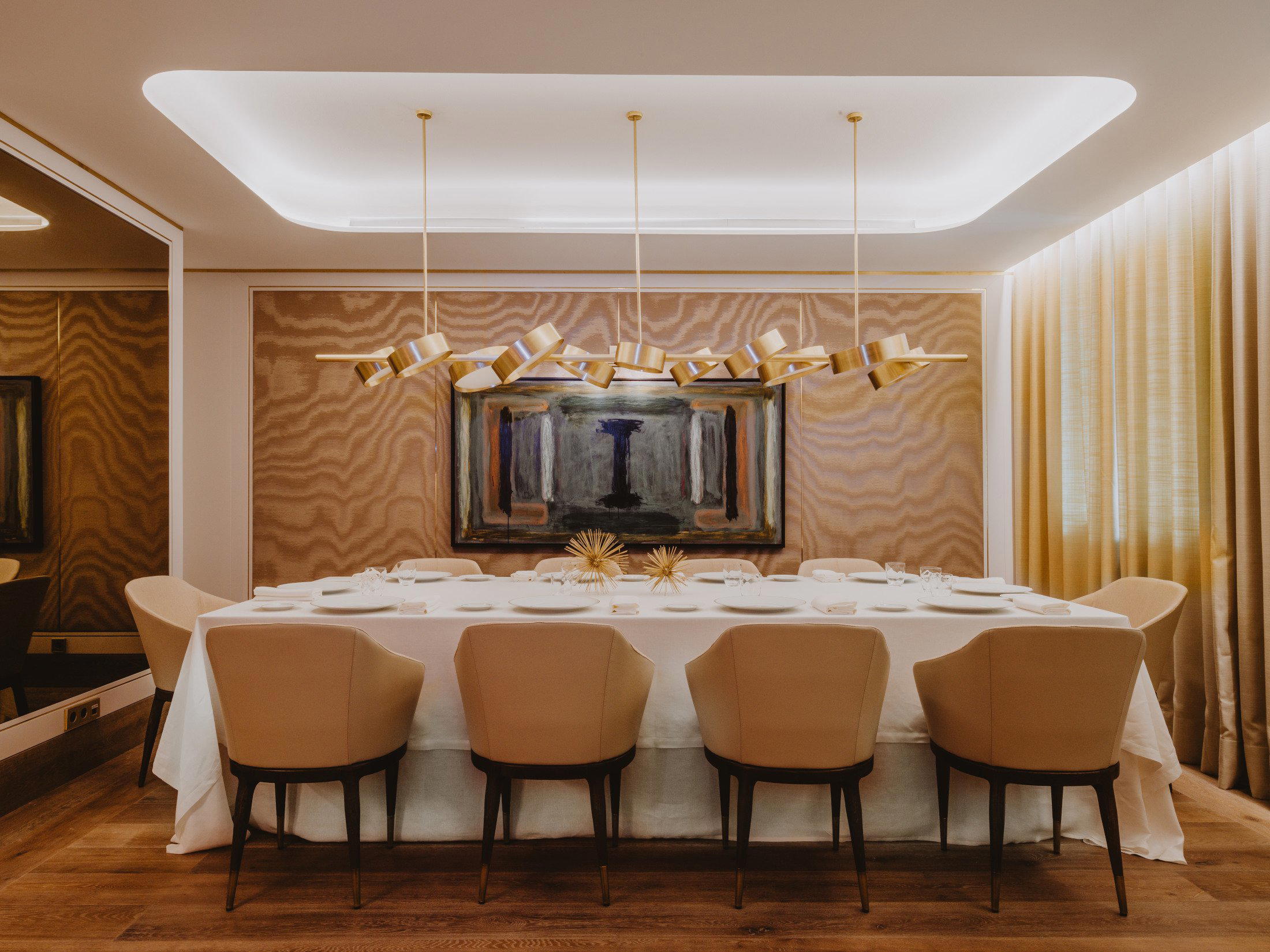
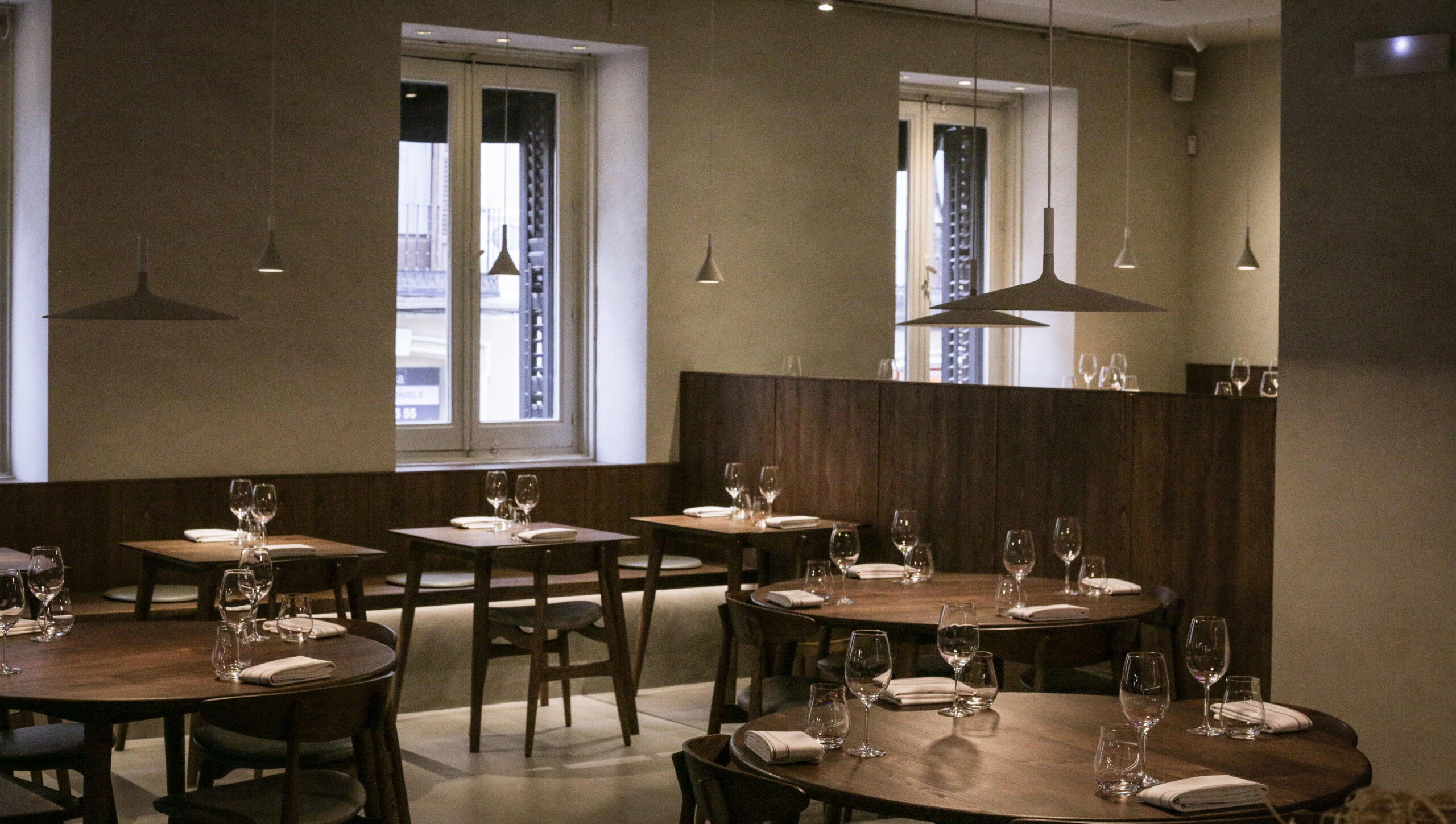
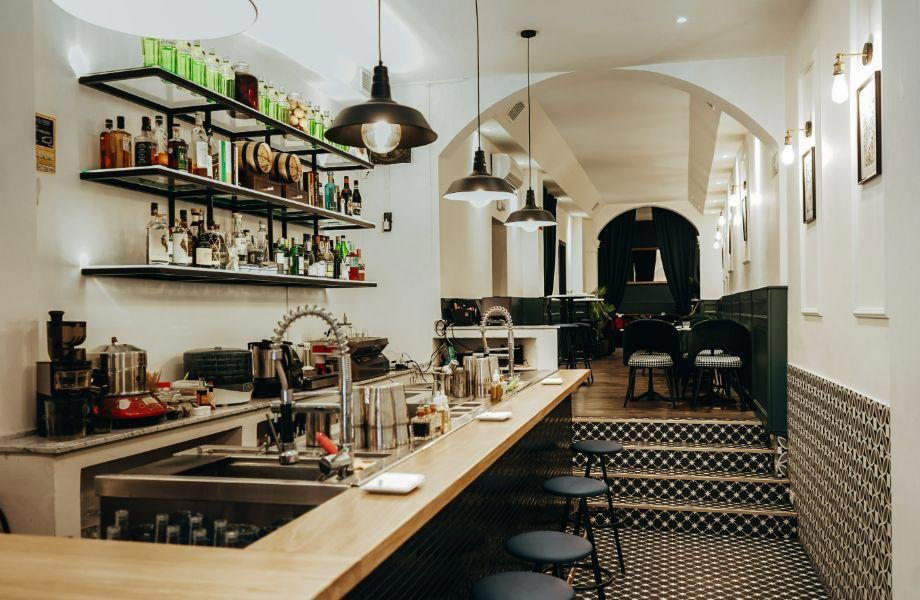
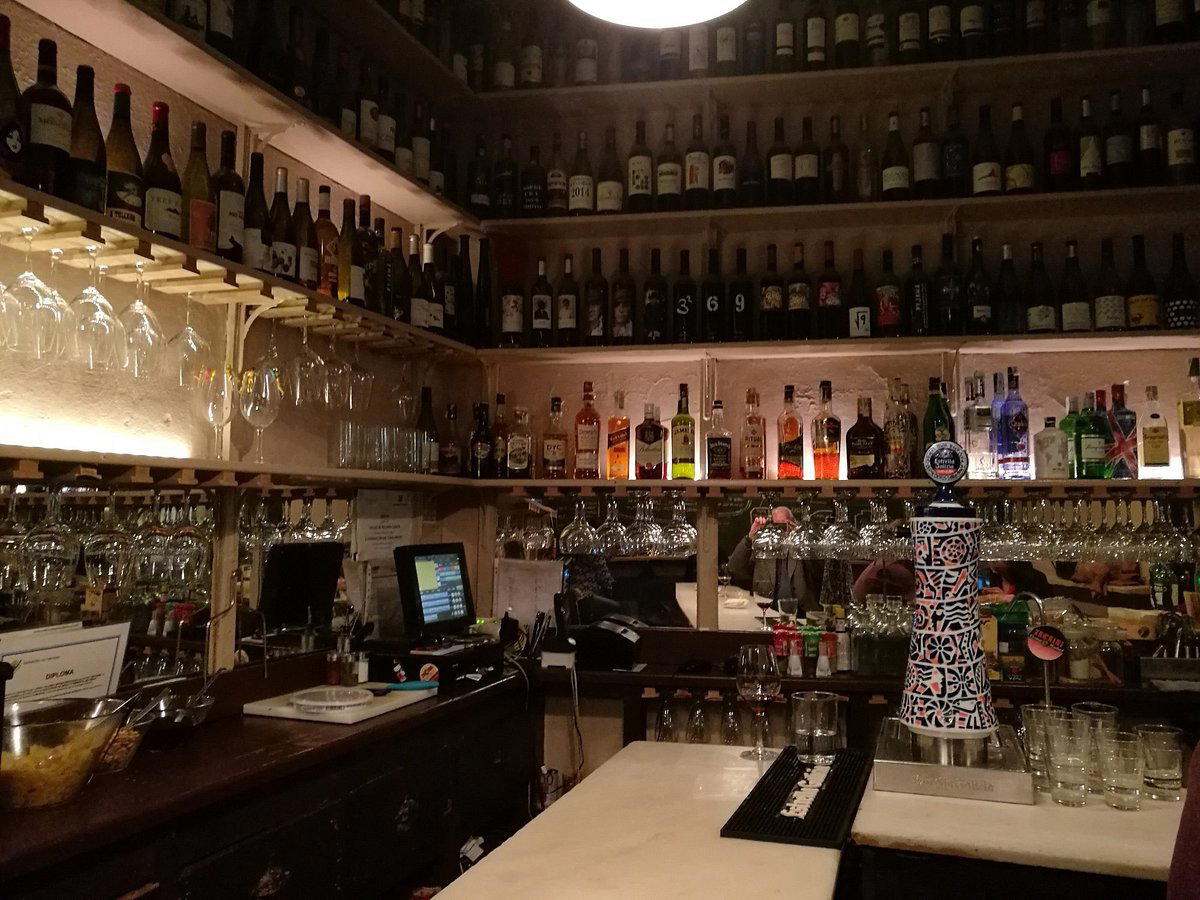

At a Glance
- Cozy
- Rustic
- Classic
- Casual Hangout
- Family
- Standalone
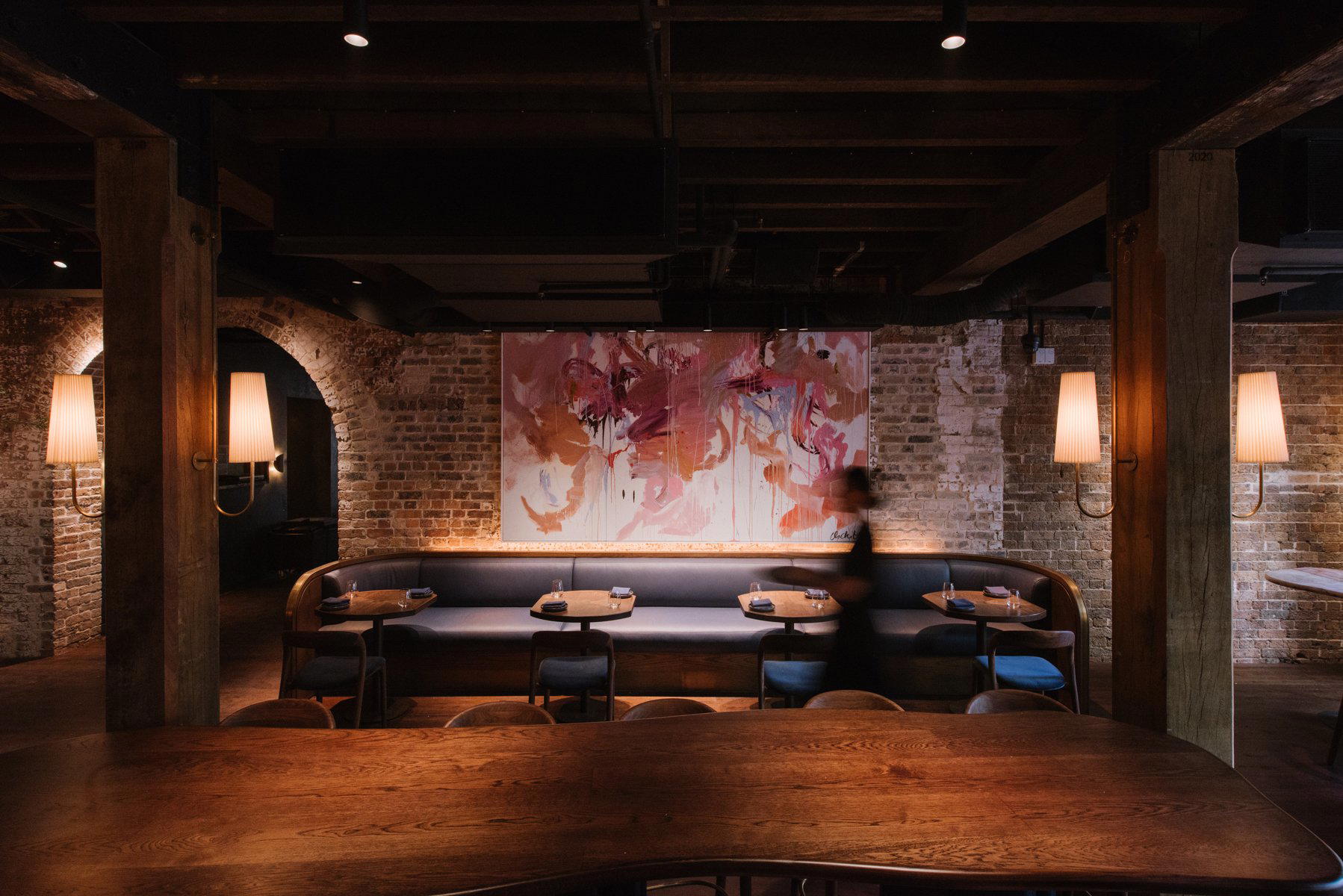
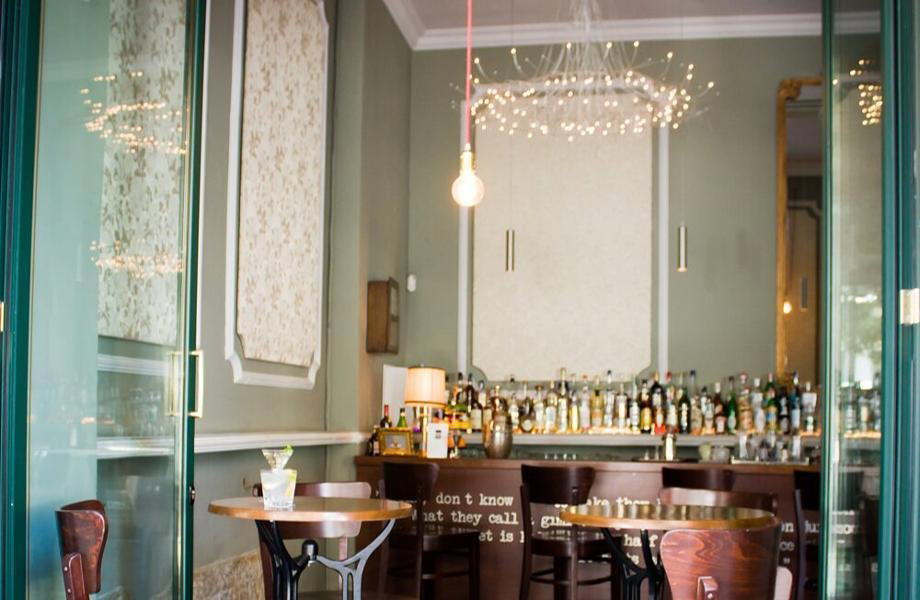
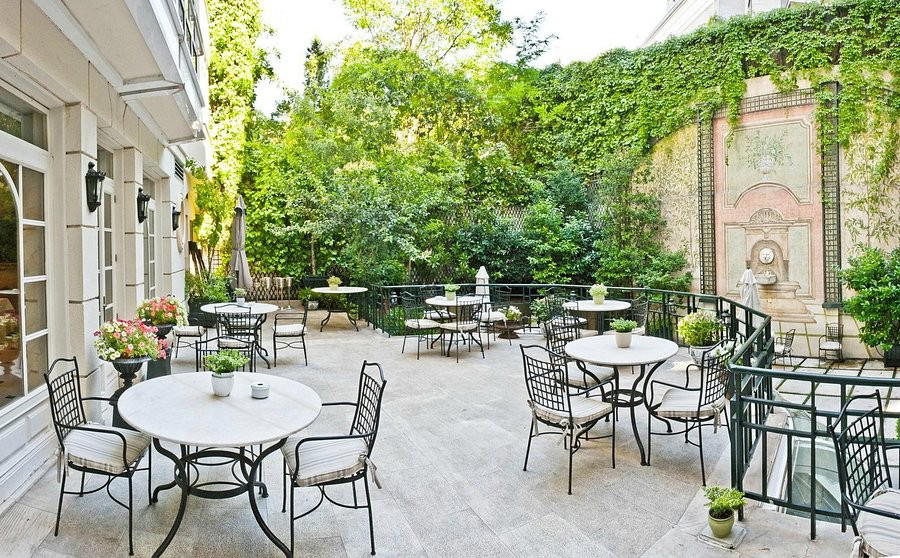
Cozy and traditional with a welcoming tavern atmosphere.