La Petite Verrière

Michelin Bib Gourmand
Our verdict
In a village where château restaurants set the local benchmark at €€€€, La Petite Verrière operates at a different register entirely. Chef Matéo Ravel and a partner who are both industry professionals bring genuine kitchen discipline to dishes such as roast duck with spices, figs and seasonal mushrooms.

Pearl is the En Primeur Club membership app, where members save venues, book tables and use the concierge.
The menu
What to order
- Agneau de la Roque d'Antheron
- Velouté glacé de courgettes
Green Frames, Clear Light, and the Provençal Market Tradition
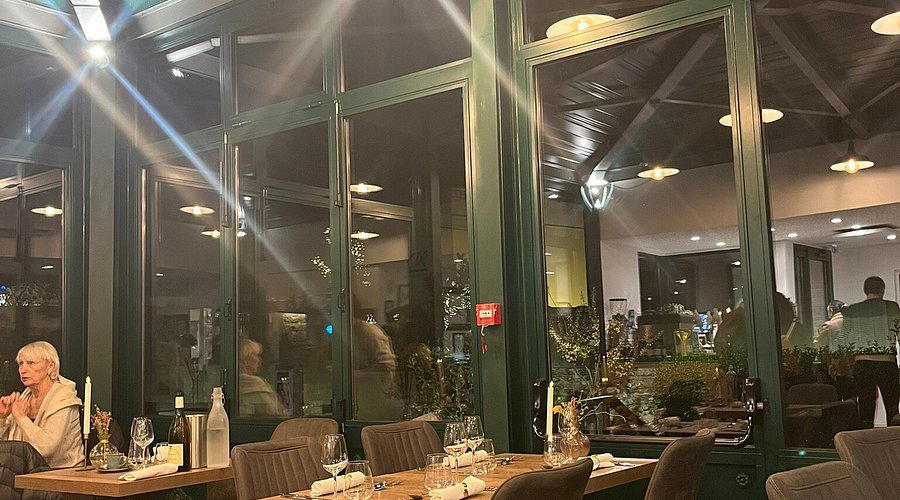
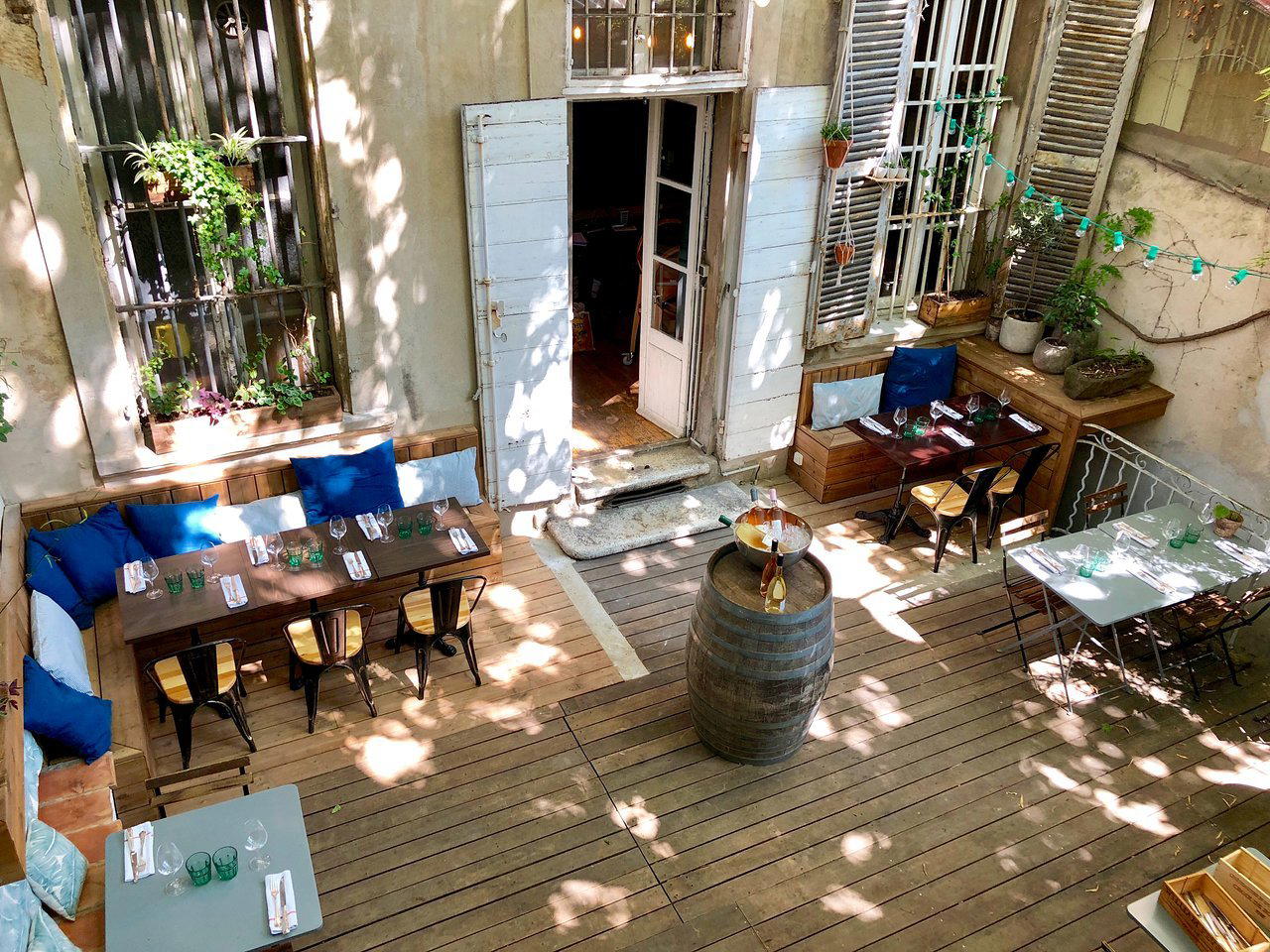
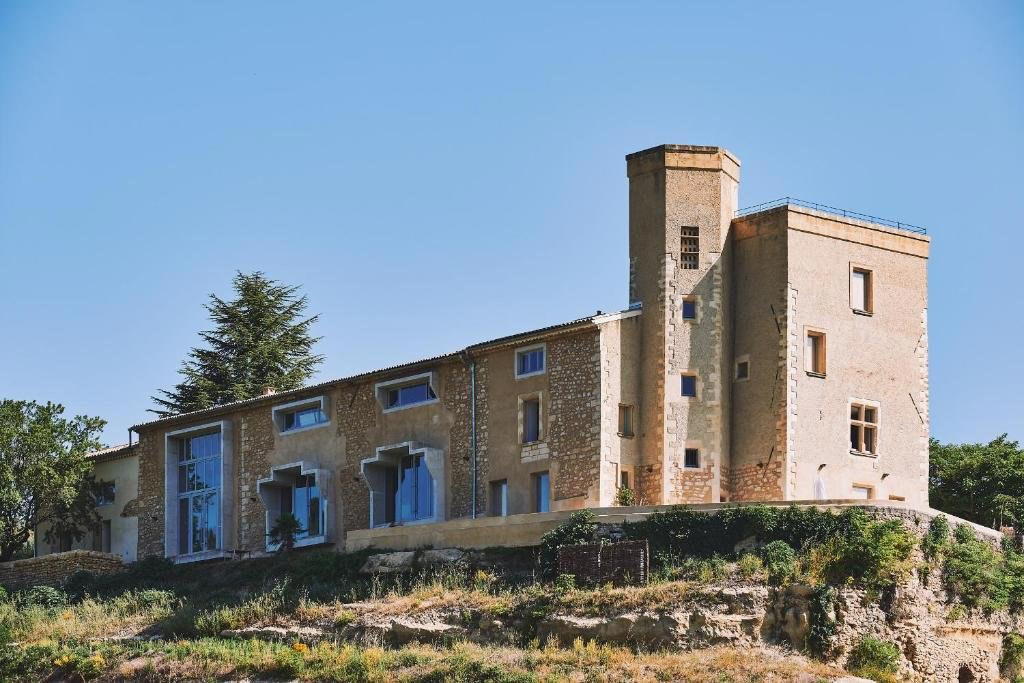
The large windows set in green metal frames at La Petite Verrière do two things simultaneously: they flood the dining room with the particular flat light of the Aix-en-Provence hinterland, and they frame the surrounding village of Le Puy-Sainte-Réparade as the backdrop to the meal. It is an architectural choice that speaks to a broader tradition in southern French cooking, the idea that the region outside the window is not incidental to what arrives on the plate, but is its direct source. Around 30 diners can be seated here at one time, giving the room a density that feels communal rather than cramped, the kind of scale where conversations carry and the kitchen's rhythm becomes part of the atmosphere.
The name suggests something smaller and more precious than the reality. La Petite Verrière is not a fussy, miniature operation. The cuisine is described, accurately, as generous, portions and flavour profiles that reflect the Provençal instinct for abundance rather than reduction. That generosity is rooted in a French regional cooking tradition that predates the era of architectural plating: the idea that a good meal is, first of all, satisfying, and that satisfaction comes from quality of ingredient and confidence of execution rather than theatrical restraint.
Where This Restaurant Sits in Le Puy-Sainte-Réparade's Dining Hierarchy
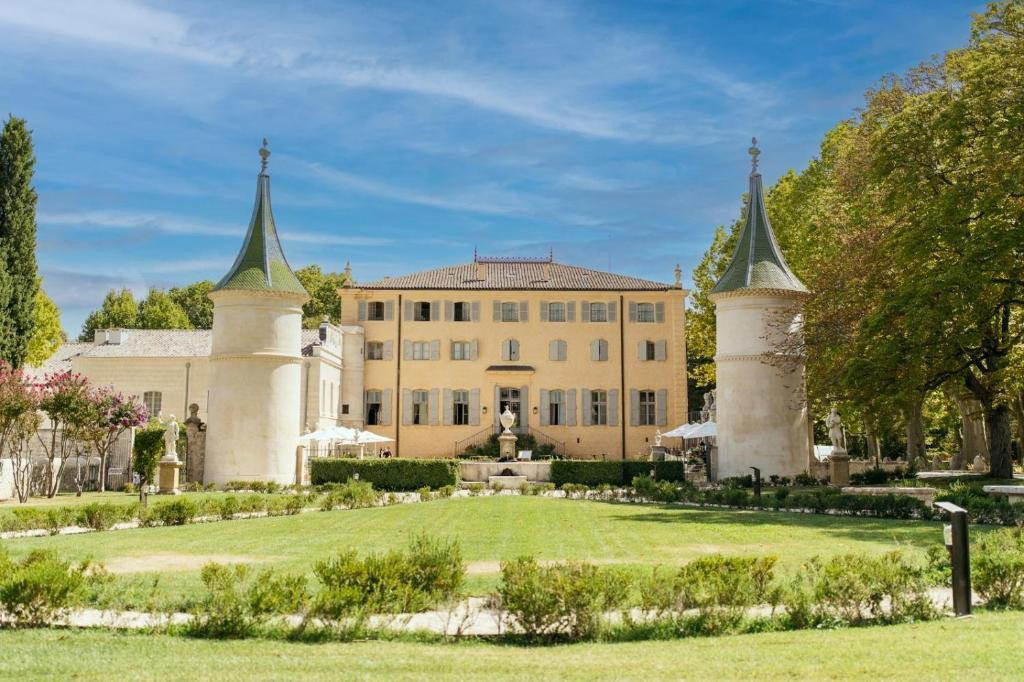
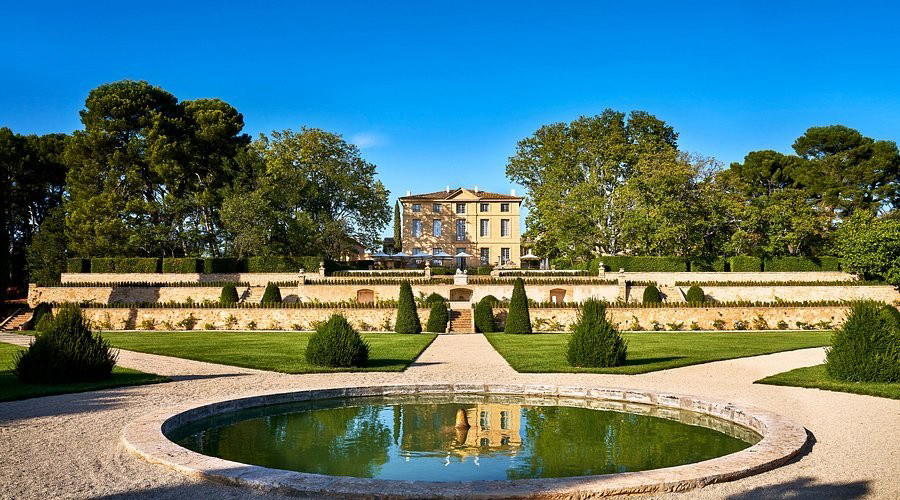
Le Puy-Sainte-Réparade is an unusual village for a food traveller to consider. Its dining profile is dominated by château-linked restaurants operating at the higher end of the price spectrum. Hélène Darroze à Villa La Coste holds a Michelin star and prices at €€€€. La Table de l'Orangerie at Château de Fonscolombe is also Michelin-starred at the same price tier. Le Temps Suspendu at Château de Fonscolombe sits one tier below, and Francis Mallmann au Château La Coste occupies the €€€€ bracket with a fire-forward meat and grills format.
That positioning is not a concession. It reflects a different approach to what a restaurant in a Provençal village is for. Where the château restaurants are destination dining, drawing visitors to a property, a landscape, a name, La Petite Verrière functions closer to the French ideal of the neighbourhood table: a place where the cooking is serious, the sourcing is local, and the pricing does not require a special occasion to justify.
The Weekly Menu and the Market Logic Behind It
French regional cooking has always had a pragmatic relationship with seasonality, one that predates the contemporary trend for seasonal menus as a marketing concept. The traditional bistrot and auberge model was built on market availability: you cooked what was fresh, what was abundant, and what your supplier brought that morning. La Petite Verrière operates within that logic. The menu changes every week, built around market-sourced ingredients, with bread sourced from the village baker rather than produced in-house, a detail that signals integration with the local supply network rather than a kitchen operating in isolation from its community.
The dishes on record illustrate the register well. Arborio risotto with squash reads as a kitchen comfortable moving between Italian and French idioms, as is common in Provence, where the proximity to Italy has historically influenced technique and ingredient choices. Roast duck with spices, figs and seasonal mushrooms is Provençal in its combination of game, fruit and fungi, a combination that appears in regional cooking going back centuries. Apple and banana tarte Tatin suggests a kitchen willing to play with the canonical, applying a classic French technique to a non-traditional fruit pairing. None of these dishes are experimental for the sake of it. They are calibrated, market-driven cooking by professionals who understand their tradition.
Chef Matéo Ravel and a partner, both described as industry professionals, bring kitchen credentials to what might otherwise read as a village restaurant. For a broader sense of what serious French cooking looks like at higher price points and with longer track records, the country's most recognised restaurants, from Mirazur in Menton and Bras in Laguiole to Troisgros in Ouches, Auberge de l'Ill in Illhaeusern, and Paul Bocuse in Collonges-au-Mont-d'Or, offer useful calibration for how deeply rooted the French regional tradition runs. La Petite Verrière operates several tiers below those in price and scale, but within the same philosophical lineage. At the international end of modern cuisine, Alléno Paris au Pavillon Ledoyen, Flocons de Sel in Megève, Frantzén in Stockholm, and FZN by Björn Frantzén in Dubai define the global tier against which all contemporary modern cuisine is measured.
Planning Your Visit
La Petite Verrière is located at 16 Avenue de la Bourgade in Le Puy-Sainte-Réparade, a village in the Bouches-du-Rhône department roughly 20 kilometres north of Aix-en-Provence. The €€ price point and the availability of a good-value lunch deal make this a practical choice for a midday meal when visiting the area's châteaux and wine estates, it prices well below the château-linked restaurants in the same village and offers a grounded counterpoint to more formal surroundings. Given the 30-cover capacity and a reputation that generates consistent five-star reviews, advance booking is advisable, particularly at weekends and during the summer months when the Aix corridor sees significant visitor traffic.
For a fuller picture of what the village and surrounding area offers across different meal formats, see our full Le Puy-Sainte-Réparade restaurants guide, our hotels guide, our bars guide, our wineries guide, and our experiences guide.
Frequently asked questions
What dish is La Petite Verrière known for?
Is La Petite Verrière better for a quiet evening or a livelier atmosphere?
Would La Petite Verrière be comfortable with children?
Category Peers
| Venue | Cuisine | Price | Awards | Notes |
|---|---|---|---|---|
| La Petite VerrièreThis venue (the venue you are viewing) | Seasonal Provençal Bistro | $30–50 | Michelin Bib Gourmand | Not listed |
| Hélène Darroze à Villa La Coste | Modern Provençal Fine Dining | $150–200 | 1 Michelin Star | Modern Cuisine |
| La Table de l'Orangerie - Château de Fonscolombe | Michelin-Starred Provençal Fine Dining | $200–300 | 1 Michelin Star · Relais Chateaux Award | Provencal French |
| Francis Mallmann au Château La Coste | Argentine Fire Cooking | $100–150 | Michelin Plate | Meats and Grills |
| Le Temps Suspendu - Château de Fonscolombe | Bistronomic Provençal French | $50–100 | Michelin Plate · Relais Chateaux Award | Modern Cuisine |
Recognition history
Dated appearances from independent guides and award organizations, with the underlying list record or original source where available.
Michelin Bib Gourmand
Michelin
Full recognition history (3 entries)
Michelin Bib Gourmand
Michelin
Michelin Bib Gourmand
Michelin
Continue exploring
More in Le Puy-Sainte-Réparade
Restaurants in Le Puy-Sainte-Réparade
All restaurants in Le Puy-Sainte-Réparade →
Bars in Le Puy-Sainte-Réparade
Browse all →
Hotels in Le Puy-Sainte-Réparade
All hotels in Le Puy-Sainte-Réparade →

Details
- Romantic
- Elegant
- Intimate
- Cozy
- Date Night
- Special Occasion
- Terrace
- Extensive Wine List
- Local Sourcing
- Set Menu
Current opening hours
- Monday
- 12:15–1:30 PM, 7:30–9:30 PM
- Tuesday
- 12:15–1:30 PM, 7:30–9:30 PM
- Wednesday
- Closed
- Thursday
- Closed
- Friday
- 12:15–1:30 PM, 7:30–9:30 PM
- Saturday
- 12:15–1:30 PM, 7:30–9:30 PM
- Sunday
- 12:15–1:30 PM
Hours can change for holidays and private events. Hours as of .
Soft, inspiring light filtering through a magnificent verrière creating a winter garden atmosphere.