

A Michelin-starred farmhouse restaurant in the Provençal village of Cabriès, La Bastide Bourrelly anchors its cooking in the 1897 Reboul cookbook tradition, translating seasonal local ingredients into precise, sauce-driven dishes. Guestrooms allow overnight stays in the village centre. Rated Notable by the Michelin Guide (2024), it sits at the serious end of Provence's regional dining scene.
Pearl is the En Primeur Club membership app — saves, bookings, and concierge access live there. Same editors, same standards.
- Address
- Place Albert Florens, 13480 Cabriès, France
- Phone
- +33 4 42 69 13 13
- Website
- labastidebourrelly.com
- Directions
- Get directions
 Saves & bookings on Pearl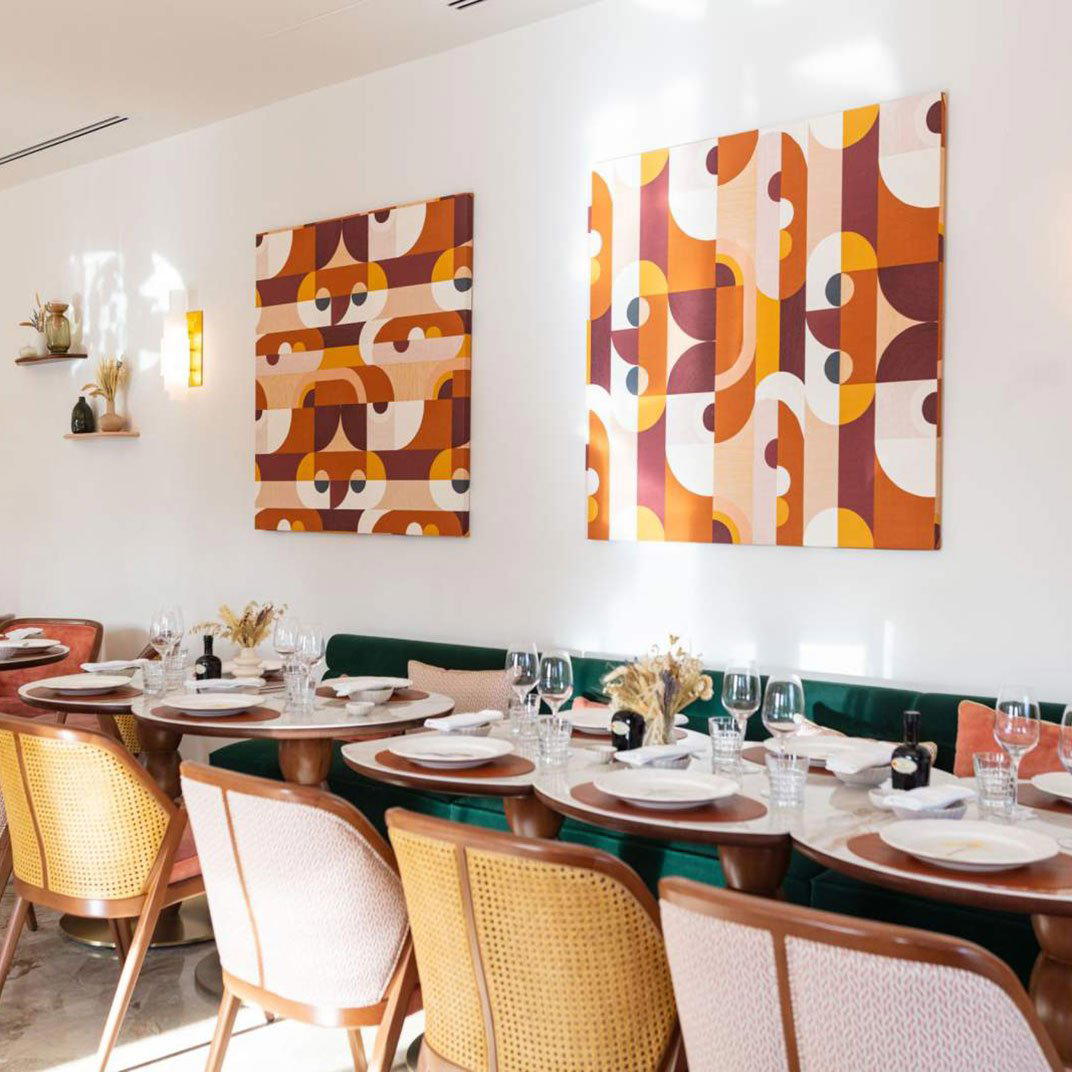
A Farmhouse in the Village, a Kitchen Rooted in the Land
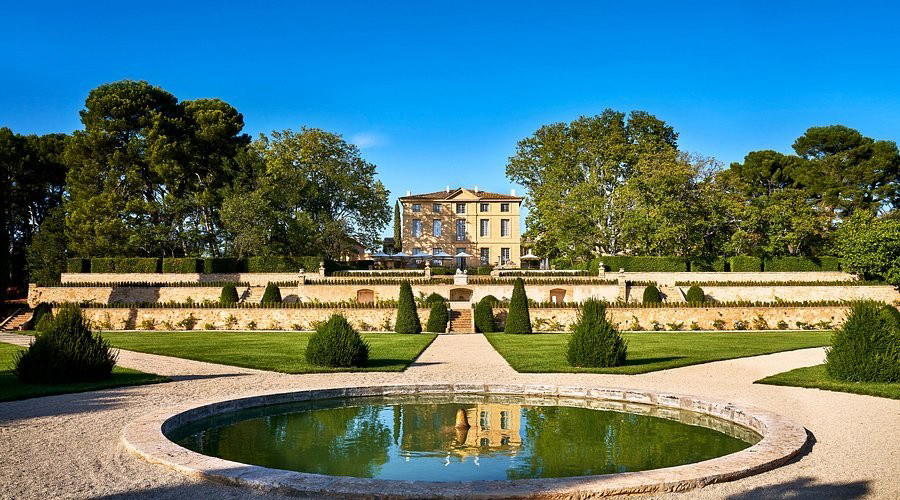
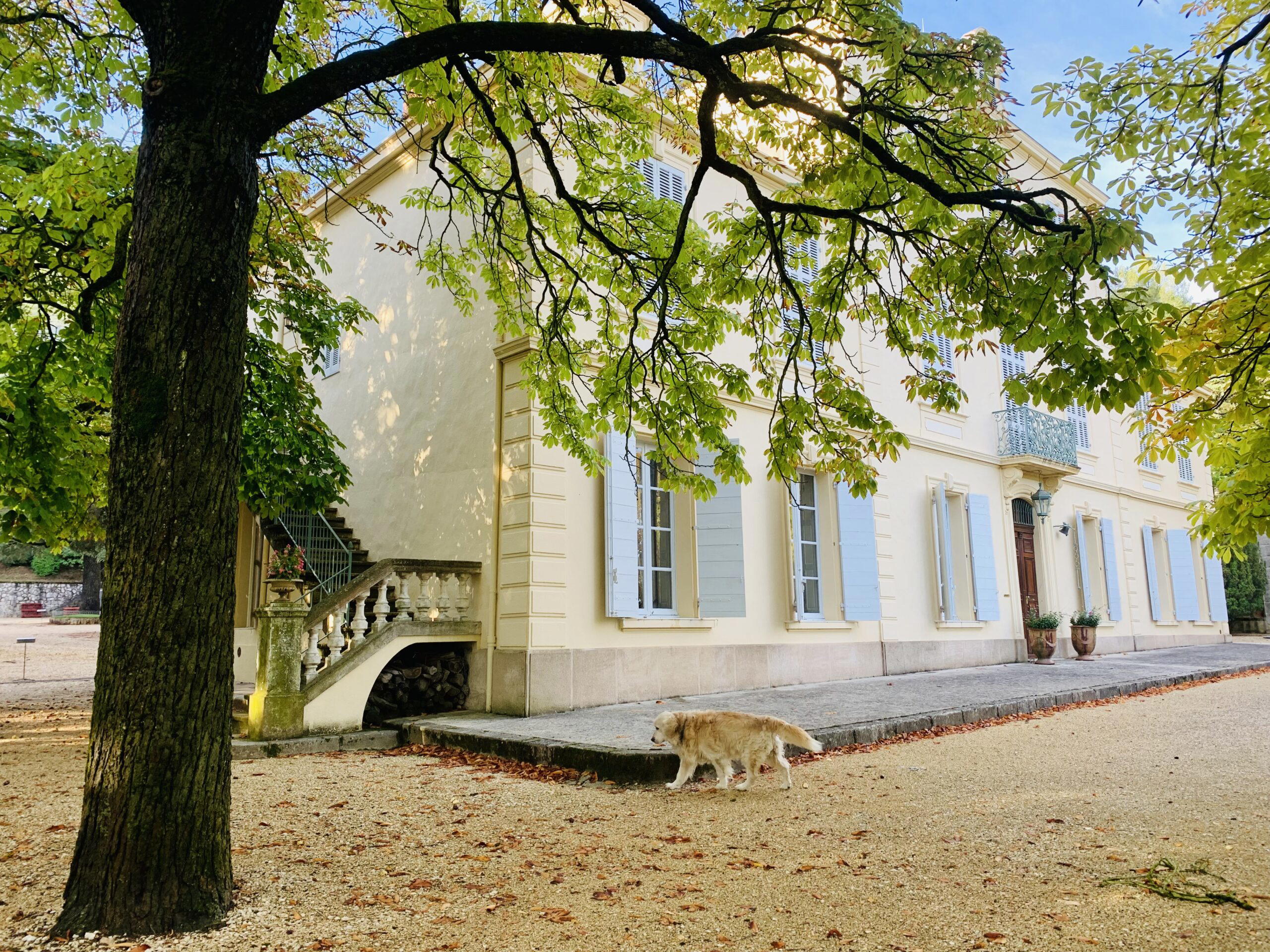
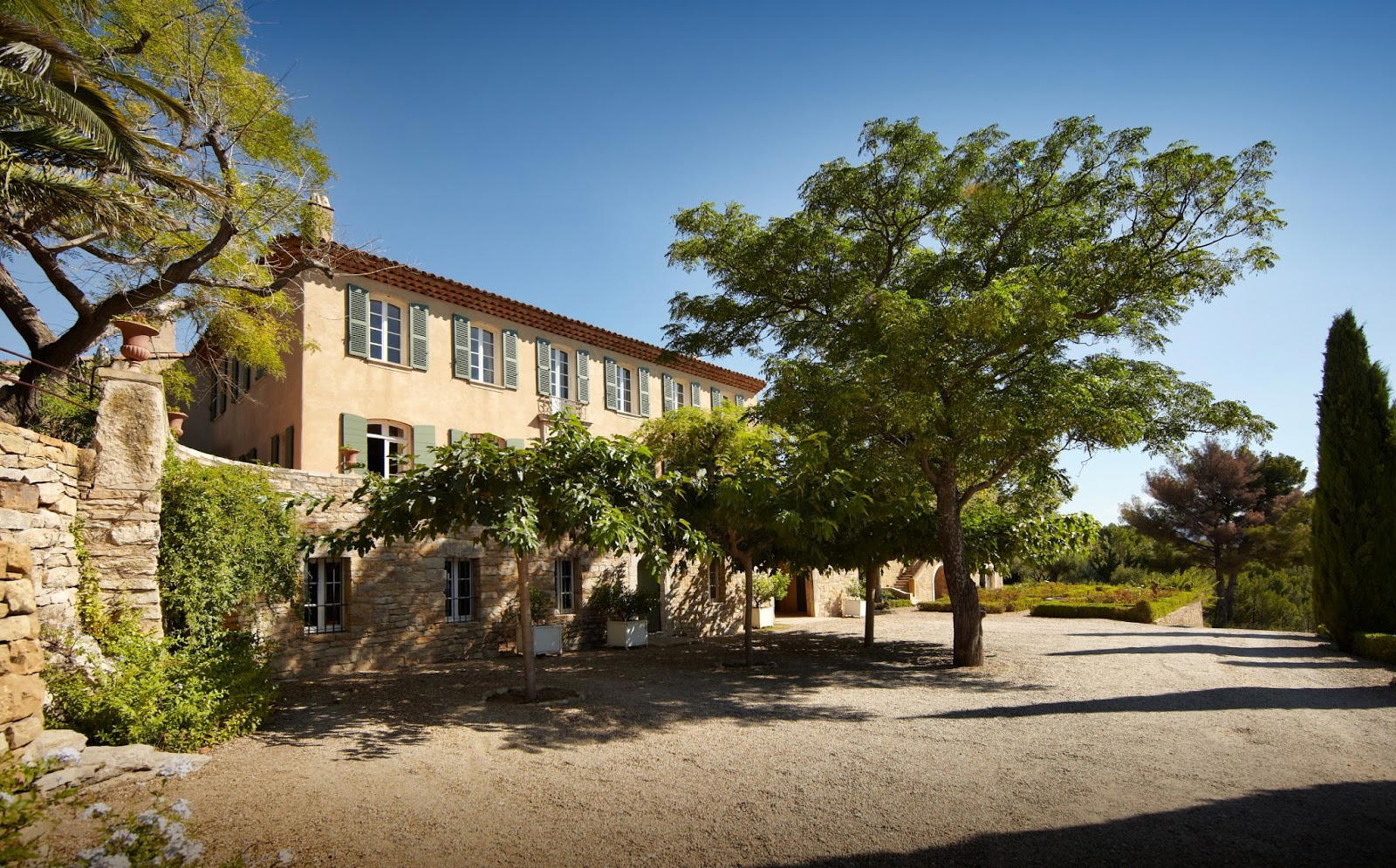
La Bastide Bourrelly - Mathias Dandine is a one-Michelin-star restaurant in Cabriès, France, at Place Albert Florens, 13480 Cabriès. Approach Cabriès from the south and the old village rises above the Provençal plain like something from a painted postcard: stone walls, tiled roofs, the kind of compact village centre that still organises itself around a square. La Bastide Bourrelly occupies exactly that kind of space, a traditional bastide on Place Albert Florens whose plane trees shade a terrace through the long warm season. The dining room inside reads as contemporary Mediterranean, restrained rather than ornate, a space designed to pull attention toward the plate rather than the décor. For travellers already exploring the region's dining scene, this is the natural complement to the brasher energy of Marseille, some twenty kilometres to the south, where AM par Alexandre Mazzia takes a more confrontational, experimental approach to southern French ingredients.
The Reboul Tradition and What It Still Means on the Plate
Provençal cooking has a written canon, and it centres on one book: La Cuisinière Provençale, compiled by Jean-Baptiste Reboul and first published in 1897. The book catalogued the region's techniques and produce with the methodical rigour of a working professional, and it remains a reference point for any serious Provençal kitchen. At La Bastide Bourrelly, the cooking is explicitly framed through that lineage, not as nostalgia but as a set of guiding commitments: seasonal local ingredients, precise seasoning, sauces built from the region's pantry, olive oil as a structural element rather than a finishing flourish.
This places the restaurant in a distinct position within French fine dining more broadly. The country's highest-profile three-star rooms, from Alléno Paris au Pavillon Ledoyen to Mirazur in Menton, tend to foreground personal creative vision over regional tradition. La Bastide Bourrelly sits in a different current, one that runs through houses like Auberge du Vieux Puits in Fontjoncouse and Bras in Laguiole, where territory functions as both constraint and creative engine. The question those kitchens answer, dish by dish, is what a specific piece of France tastes like when treated with complete technical seriousness.
Reading the Menu as a Map of Provence
The Michelin guide's citation describes what arrives on the table with unusual precision: grilled yellowtail, fried artichoke with preserved lemon, artichoke agnolotti, and a barigoule jus finished with olive oil. The artichoke appears twice in the same plate, in contrasting textures and with different acidic registers, which is exactly the kind of ingredient-focused thinking the Reboul tradition demands. Barigoule, the classic Provençal preparation of artichoke braised with aromatics and white wine, reduced here to a jus, signals that classical technique is being applied to modern plating formats without abandoning its logic.
The yellowtail grilled rather than raw, the artichoke fried rather than simmered, the preserved lemon as a counterweight to the richness of olive oil: the cooking reads as confident and deliberate. Sauces carry flavour across these elements rather than sitting decoratively beneath them. That sauce-and-seasoning precision is what the Michelin citation specifically flags, and it aligns the kitchen with a French fine dining tradition that stretches from Paul Bocuse's Auberge du Pont de Collonges to contemporaries like Flocons de Sel in Megève, where classical sauce-making remains the technical standard even as the direction of the cooking modernises.
Two Chefs, One Kitchen Project
The project is led in the kitchen by Aurélien Bellocq. The current kitchen operates under chef Aurélien Bellocq, a structure that is less unusual in serious French kitchens than it might appear. What matters at this level is whether the cooking expresses consistent direction, and the Michelin assessors awarded the restaurant one star, suggesting the answer is yes.
French regional cooking has always depended on this kind of institutional knowledge transfer, from the tight kitchen hierarchies of Troisgros to the more collaborative structures at Auberge de l'Ill. Dandine's role as the project's founding force, Lemelle's as the chef delivering the menu daily, represents a model that keeps creative identity visible without tying the kitchen's continuity to a single person's physical presence.
Terroir at the Table: Ingredients as Identity
Provence's claim to serious culinary status rests partly on its produce. The region grows artichokes along the coast and inland terraces, olives across most of the département, and fish from the Mediterranean ports lands within an hour of this village. The kitchen's reliance on those inputs is not a marketing position; it is the condition Reboul described in 1897 and the same condition that defines what Provençal cooking means when it operates at this price point.
At €€€€ pricing, the expectation is that sourcing is both local and seasonal without compromise. Preserved lemon suggests the kitchen's relationship with time as well as place: an ingredient prepared in advance, concentrated in flavour, used to extend summer acidity into other parts of the year. That kind of larder thinking, where preservation is part of the cooking vocabulary, belongs to the region's long tradition of taking full advantage of what the land produces when it produces it. The Reboul cookbook devotes significant attention to those techniques, and a kitchen that pays attention to Reboul pays attention to them too.
Those with an interest in the wider Provençal fine dining context will find useful comparison points in Alain Llorca in La Colle-sur-Loup and La Bastide de Moustiers in Moustiers-Sainte-Marie, both of which frame regional identity through similarly serious kitchens.
Staying the Night and Planning the Visit
La Bastide Bourrelly offers guestrooms on the property, which shifts the visit from a dinner reservation into a short stay. That combination of table and room positions it in a category that suits the slower pace of Provençal travel: arrive in the village in the late afternoon, eat at the terrace as the plane trees hold the day's heat, and stay rather than drive. The village of Cabriès sits roughly twenty kilometres northwest of Marseille and fifteen kilometres from Aix-en-Provence, both of which are accessible by car. The price band sits at €€€€, placing it at the premium end of regional dining, consistent with its Michelin star standing. Booking in advance is advisable; kitchens operating at this level and at this scale in a small village fill their covers well ahead, particularly in the warmer months when terrace service is in full operation.
At-a-Glance Comparison
Comparable venues nearby, for context on price, style, and recognition.
| Venue | Cuisine | Price | Awards | Notes |
|---|---|---|---|---|
| La Bastide Bourrelly - Mathias DandineThis venue — the venue you are viewing | Provençal Fine Dining | $$$$ | Michelin 1 Star | Not listed |
| La Magdeleine - Mathias Dandine | Provençal Fine Dining | $$$$ | Michelin 1 Star | Gémenos |
| Le Clair de la Plume | Provençal Fine Dining | $$$$ | Michelin 1 Star | Grignan |
| L'Or Bleu | Modern French Gastronomic | $$$$ | Michelin 1 Star | Théoule-sur-Mer |
| Restaurant Pierre Grein | Modern Provençal Fine Dining | $$$$ | Michelin 1 Star | Business Park/Commercial Zone |
| La Bastide de Moustiers | Provençal Fine Dining | $$$$ | Michelin 1 Star | Moustiers-Sainte-Marie |
Recognition history
Dated appearances from independent guides and award organizations, with the underlying list record or original source where available.
Gault & Millau Remarkable Restaurant
Gault & Millau
Michelin 1 Star
Michelin
Michelin 1 Star
Michelin
Continue exploring
More in Cabriès
Restaurants in Cabriès
Browse all →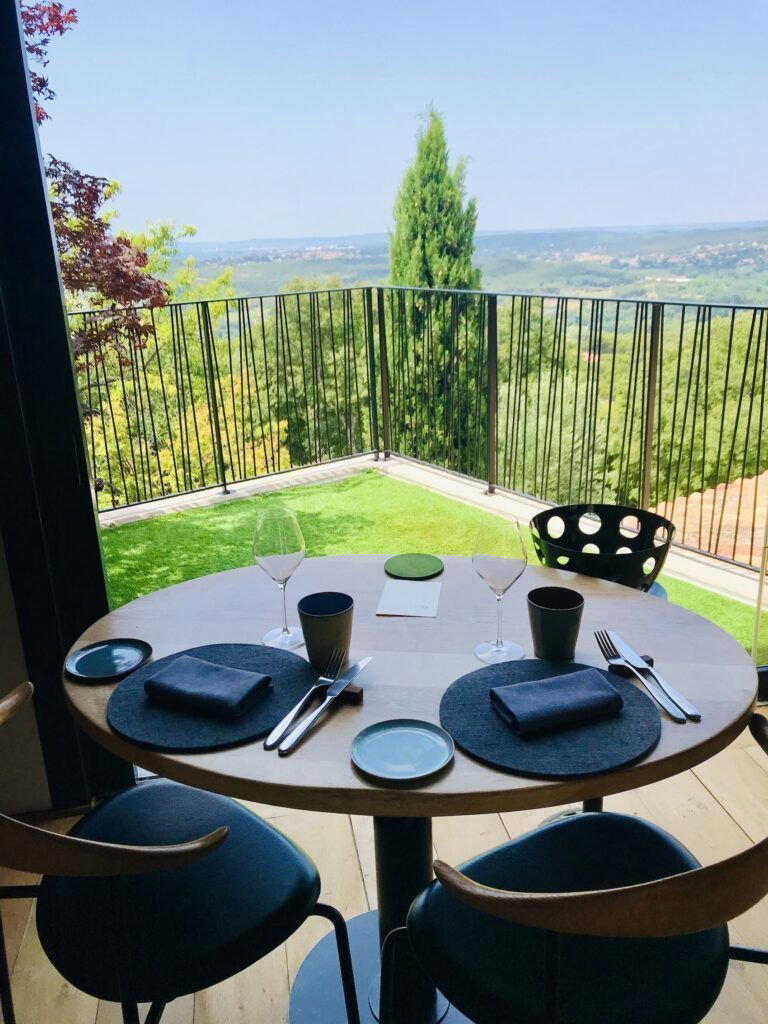
Bars in Cabriès
Browse all →
Hotels in Cabriès
Browse all →
At a Glance
- Elegant
- Rustic
- Cozy
- Sophisticated
- Romantic
- Date Night
- Special Occasion
- Celebration
- Terrace
- Historic Building
- Local Sourcing
Chaleureux et élégant avec décoration contemporaine respectant le charme provençal, sous de majestueux platanes centenaires.