Francis Mallmann au Château La Coste

Fire is the medium and the message at Francis Mallmann au Château La Coste, where the Argentine grill master's open-flame techniques meet the limestone terraces of a Provençal art estate. Priced at the summit tier of the Aix-en-Provence dining circuit and recognised with a Michelin Plate in both 2024 and 2025, this is one of the region's most distinctive meat-focused addresses, a counterpoint to the refined tasting-menu format that dominates nearby estate dining.
Pearl is the En Primeur Club membership app — saves, bookings, and concierge access live there. Same editors, same standards.
- Address
- 2750 route de la cride, 13610 Le Puy-Sainte-Réparade, France
- Phone
- +33 4 42 91 37 37
- Website
- chateau-la-coste.com
- Directions
- Get directions
 Saves & bookings on Pearl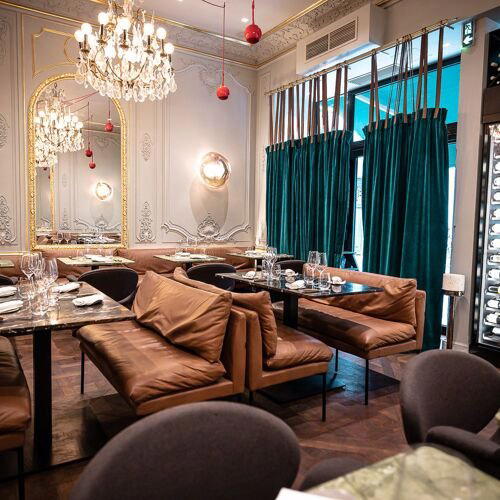
Fire on the Limestone: Open-Flame Cooking in the Provençal Countryside
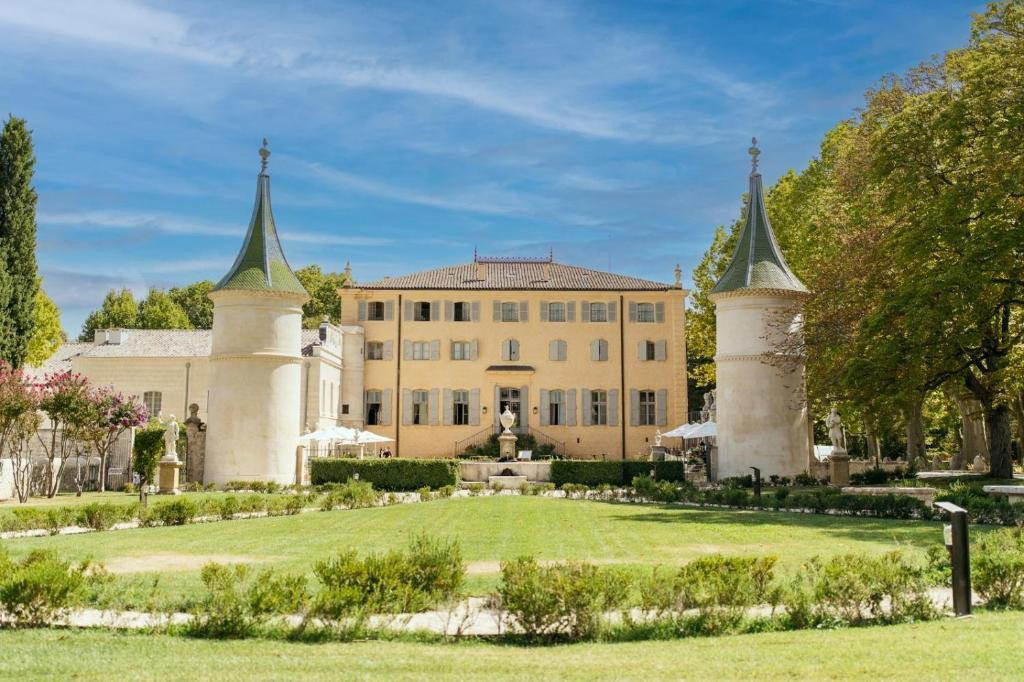
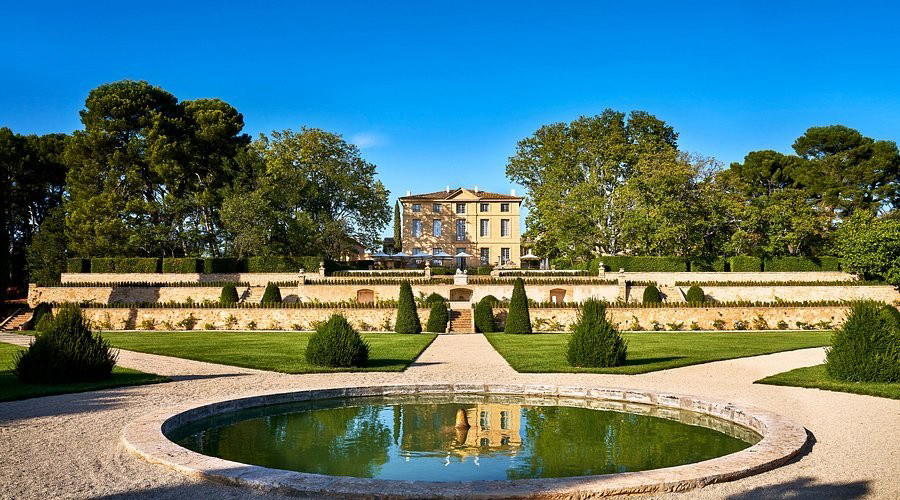
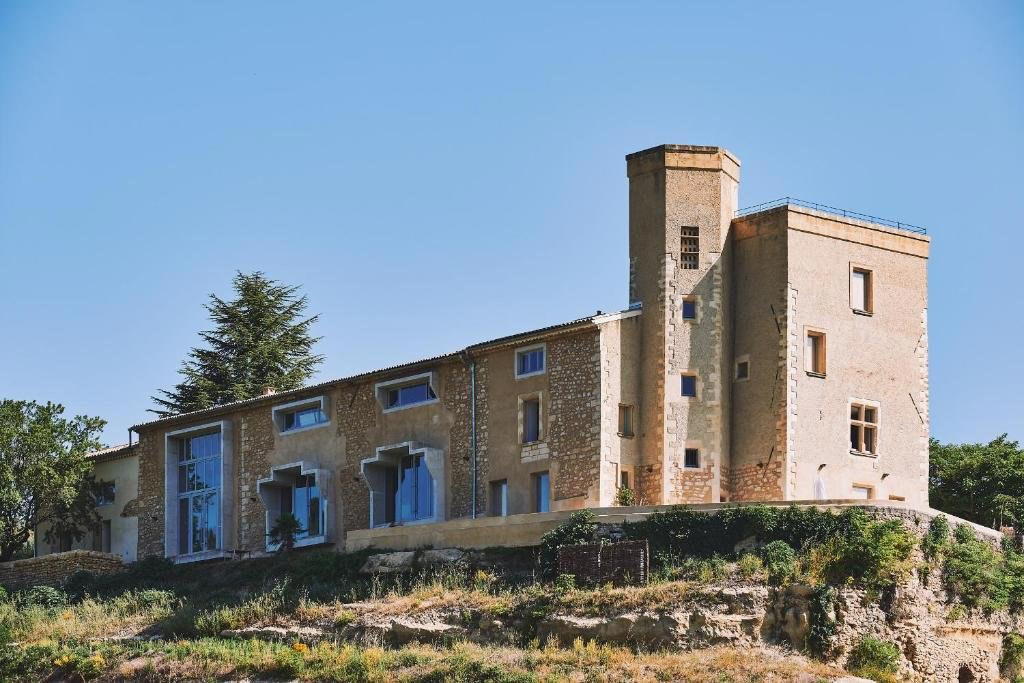
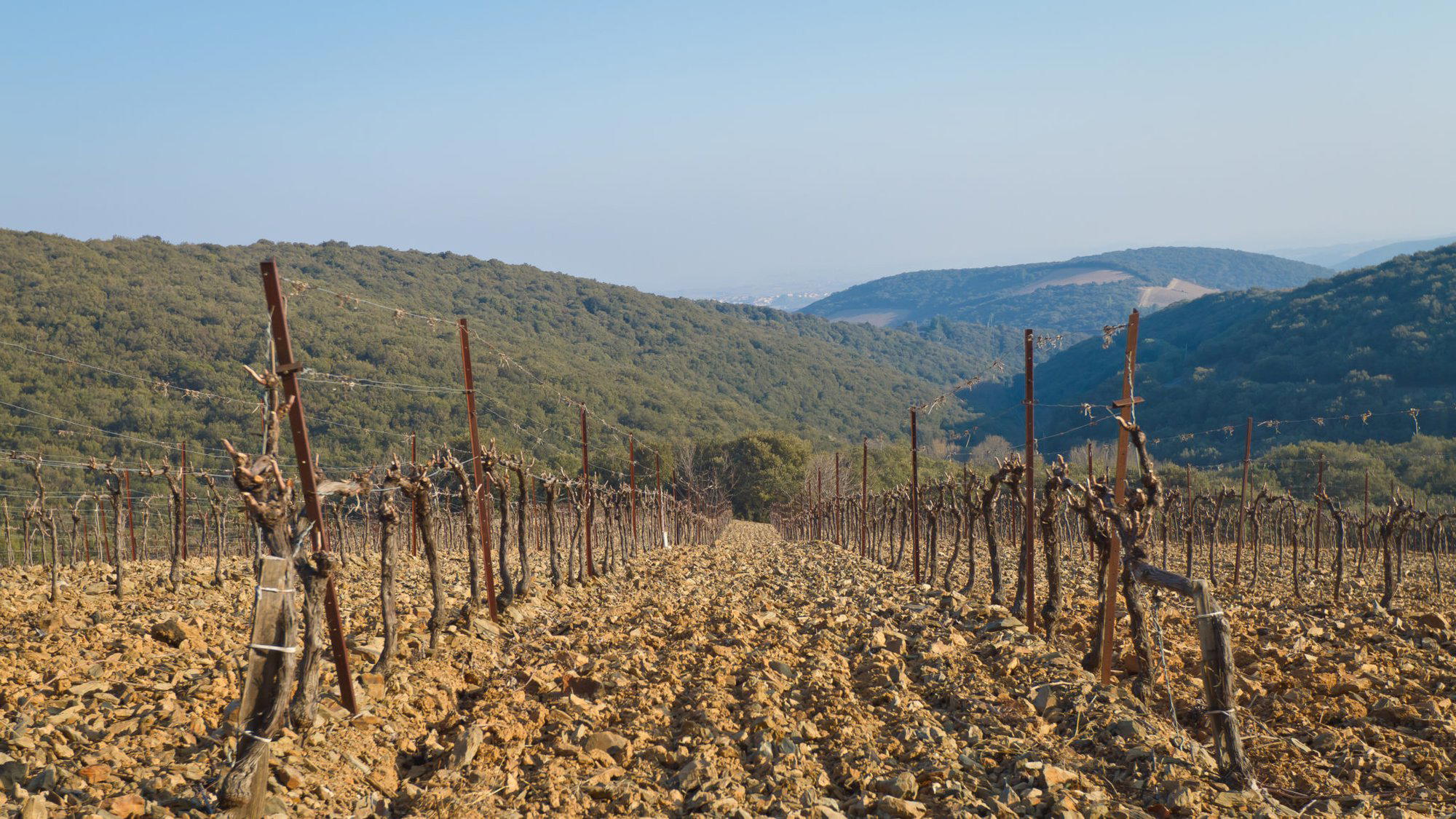
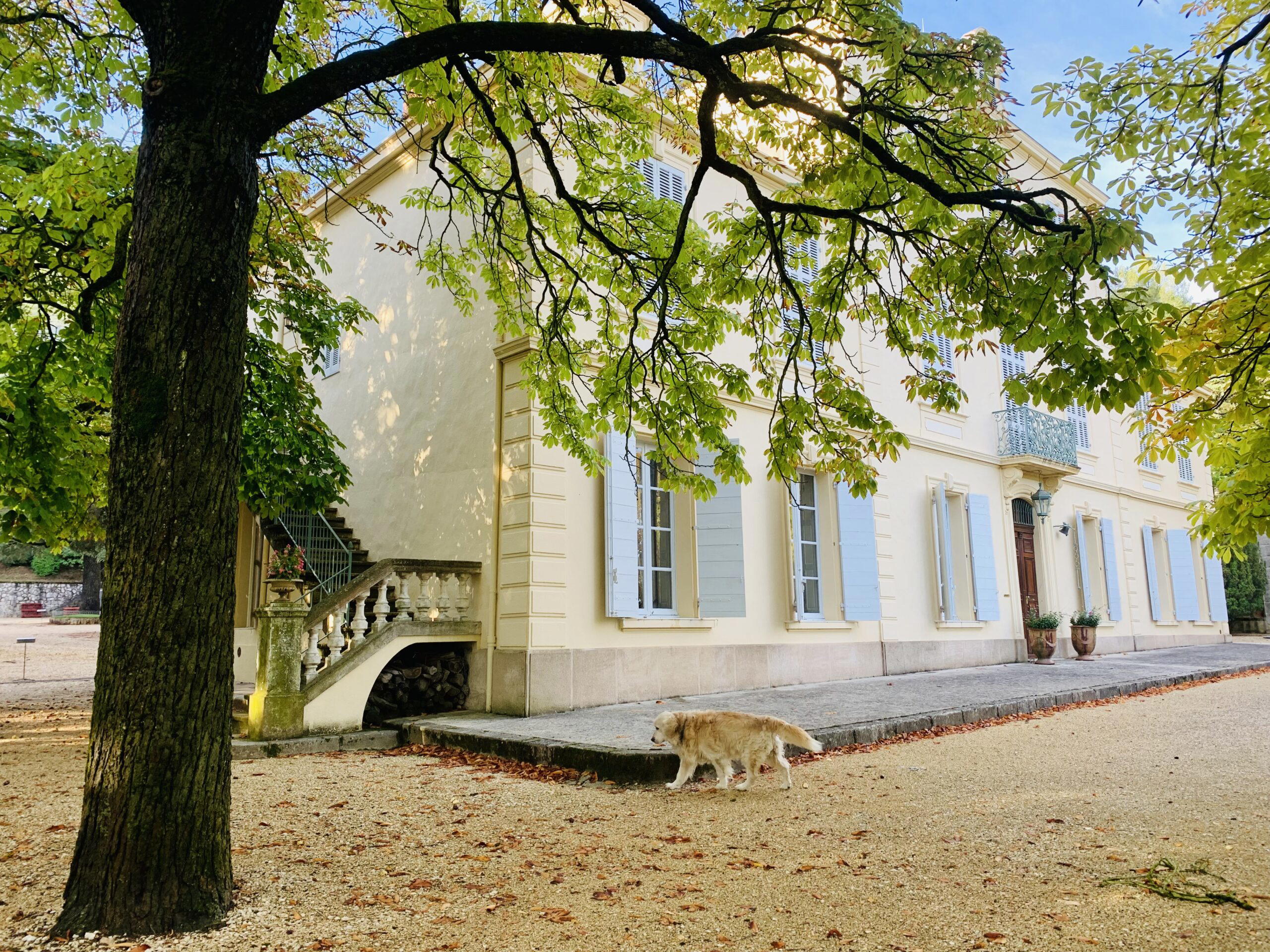
The approach to Château La Coste prepares you for something different. The estate's 500-acre spread of vineyards and olive groves outside Le Puy-Sainte-Réparade is studded with site-specific installations by Tadao Ando, Richard Serra, and Louise Bourgeois, art as landscape, architecture as argument. The restaurant that Francis Mallmann has set here operates in that same register: it is rooted in a specific tradition of cooking that treats fire not as technique but as the central idea. Where most of the premium dining on this circuit defaults to the precise, technique-driven idiom of contemporary French gastronomy, this kitchen makes an argument for reduction, fewer components, higher temperatures, the cut doing most of the work.
Mallmann's cooking has a clear European provenance: the Argentine tradition of fire-based grilling draws on Spanish and Italian immigrant cultures as much as indigenous gaucho practice, and the results translate to Provence in ways that more fashionable formats might not. The Luberon hills in the near distance, the estate's own wine production, the sun-baked stone of the terrace, all of it contextualises what arrives on the plate as something more coherent than a concept imported from the Southern Hemisphere.
The Cut as Argument
In a region where the dominant €€€€ dining format is the multi-course tasting menu, as at Hélène Darroze à Villa La Coste, a Michelin-starred address also on the La Coste estate, Mallmann's kitchen makes a different kind of case. The argument here is built around the cut itself: what the animal offers, how heat interacts with fat and connective tissue, where char becomes flavour rather than damage. That editorial angle is the useful one for understanding why the menu reads as it does.
The tomahawk occupies its own category in the fire-cooking canon. With its long rib bone and thick cap of fat, it demands prolonged exposure to high, indirect heat before any finishing over open flame, a process that rewards patience and punishes shortcuts. The ribeye, by contrast, is more forgiving: the intramuscular fat distributes heat absorption more evenly, which is why it performs well across different fire structures, from the Argentine parrilla to the French brasero. The strip (faux-filet in French butchery) is leaner and more defined in flavour, best served rare, where the lack of marbling is an asset rather than a deficit. The filet is the outlier in a fire-focused kitchen, its tenderness is a textural argument, not a flavour one, and it asks for restraint in cooking time where other cuts demand the opposite. Each of these cuts requires a specific relationship with fire, and that specificity is what distinguishes serious grilling from theatre.
For European visitors more accustomed to French or Italian steak traditions, the Mallmann approach can reorient expectations. The crust that open flame produces is structurally different from what a cast-iron pan achieves: less uniform, more complex, carrying the actual flavour of combustion. Hardwood selection matters in ways that gas-fired kitchens cannot replicate. This is the context in which the kitchen's Michelin Plate recognition in 2024 and 2025 makes most sense: it signals consistent culinary execution rather than fine-dining formality, which is appropriate to what the format actually is.
The Estate Context and Where This Sits Regionally
The Bouches-du-Rhône has a concentrated cluster of serious dining addresses, but the estate-restaurant model is a specific sub-category within that. At La Table de l'Orangerie at Château de Fonscolombe, and at the same estate's Le Temps Suspendu, the model leans toward classical Provençal and modern French formats, Michelin-recognised, architecturally handsome, formally structured. The Mallmann restaurant occupies a different register: still at the leading price point (€€€€, consistent with both Hélène Darroze and La Table de l'Orangerie), but with a format that privileges informality of spirit over sequence of courses.
For comparison at the European level, serious fire-focused meat restaurants have developed a recognisable comparable set over the past decade. Carcasse in Sint-Idesbald and Damini Macelleria & Affini in Arzignano represent the specialist butcher-restaurant format that has emerged across northern Europe and northern Italy. What Mallmann brings to that conversation is a specifically South American grammar of fire: the use of multiple cooking structures simultaneously, the emphasis on cross-cultural cuts, the treatment of the open flame as visual and sensory environment rather than background infrastructure.
The broader French fine-dining circuit runs toward formalist extremes, from the three-starred rooms of Alléno Paris au Pavillon Ledoyen and Troisgros in Ouches to the institution of Paul Bocuse in Collonges-au-Mont-d'Or and the mountain rigour of Flocons de Sel in Megève. Even particularly landscape-driven rooms, like Bras in Laguiole and Mirazur in Menton, work within the language of contemporary European fine dining. The Mallmann operation sits outside that lineage by design, and that position is the point.
Planning Your Visit
Château La Coste sits at 2750 route de la Cride, 13610 Le Puy-Sainte-Réparade, approximately 25 kilometres north of Aix-en-Provence, accessible by car via the D14. The estate is the address for both the art park and several dining and hotel facilities, so arrival orientation matters: the Mallmann restaurant is distinct from the Hélène Darroze room. Given the estate's dual draw as art destination and dining address, and the relatively modest seat count that fire-focused formats typically impose, booking in advance is advisable, summer months, when terrace dining in Provence operates at full capacity, compress availability across the area's leading tables. The price tier (€€€€) aligns with the region's other estate restaurants, though the format is more focused and less extended than a full tasting-menu evening.9 from 323 reviews) suggests a spread of expectations.
For other restaurants in the area across different formats and price points, see La Petite Verrière, which operates at the €€ level with a modern cuisine approach. The Auberge de l'Ill in Illhaeusern represents the opposite pole of French regional dining tradition for those mapping the contrast.
Comparable Venues
Comparable venues nearby, for context on price, style, and recognition.
| Venue | Cuisine | Price | Awards | Notes |
|---|---|---|---|---|
| Francis Mallmann au Château La Coste | Argentine Fire Cooking | $$$$ | Michelin Plate | Le Puy-Sainte-Réparade |
| Le Temps Suspendu - Château de Fonscolombe | Bistronomic Provençal French | $$$$ | Michelin Plate | Le Puy-Sainte-Réparade |
| La Petite Verrière | Seasonal Provençal Bistro | $$$ | Bib Gourmand | Le Puy-Sainte-Réparade |
| Hélène Darroze à Villa La Coste | Modern Provençal Fine Dining | $$$$ | Michelin 1 Star | Le Puy-Sainte-Réparade |
| La Table de l'Orangerie - Château de Fonscolombe | Michelin-Starred Provençal Fine Dining | $$$$ | Michelin 1 Star | Le Puy-Sainte-Réparade |
| La Table de l'Hôtel Sainte-Victoire | Provençal-Brazilian Fusion Fine Dining | $$$$ | Michelin Plate | Vauvenargues |
Recognition history
Dated appearances from independent guides and award organizations, with the underlying list record or original source where available.
Michelin Plate
Michelin
Michelin Plate
Michelin
Michelin Plate
Michelin
Continue exploring
More in Le Puy-Sainte-Réparade
Restaurants in Le Puy-Sainte-Réparade
Browse all →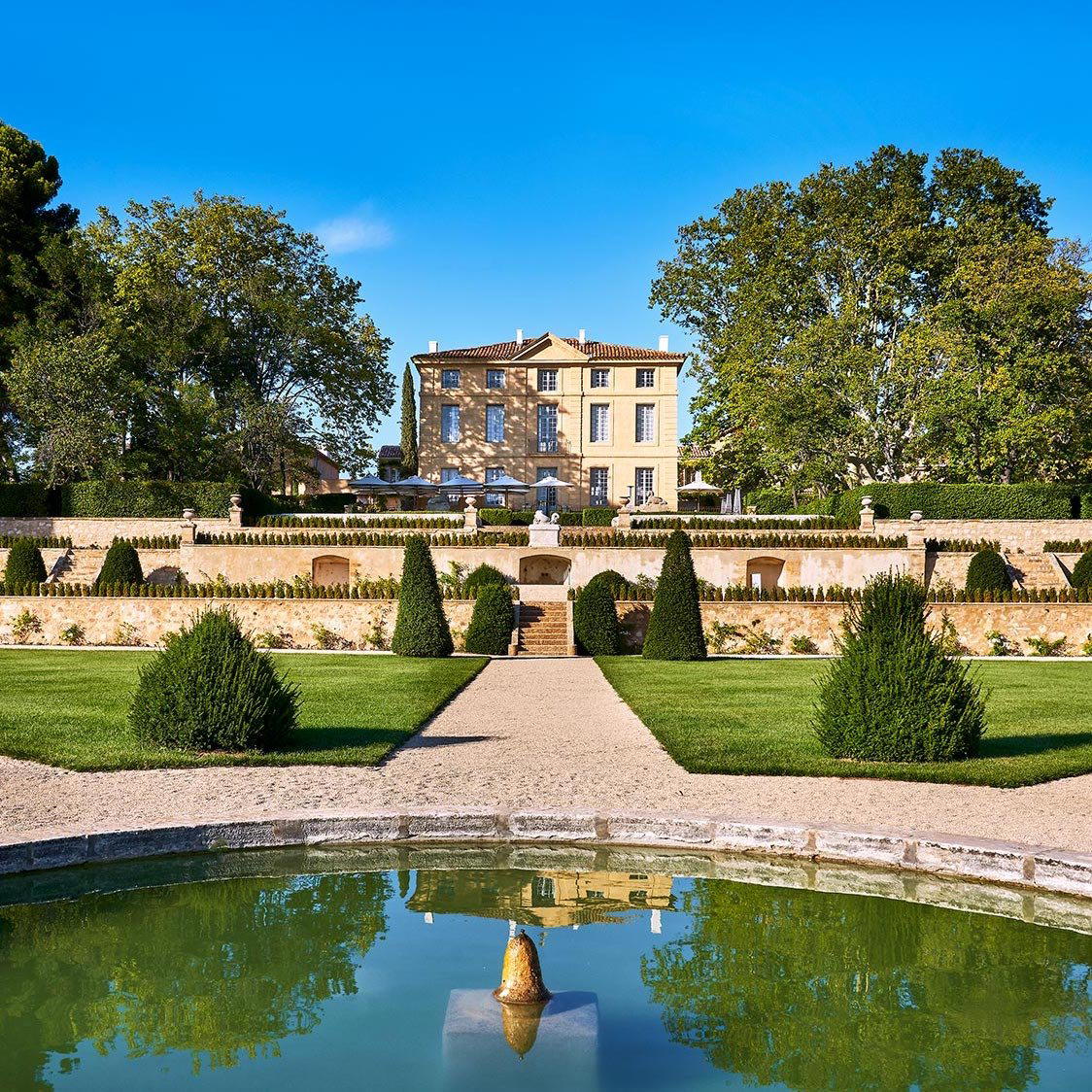
Bars in Le Puy-Sainte-Réparade
Browse all →
Hotels in Le Puy-Sainte-Réparade
Browse all →

At a Glance
- Elegant
- Rustic
- Intimate
- Scenic
- Date Night
- Special Occasion
- Celebration
- Open Kitchen
- Terrace
- Extensive Wine List
- Sommelier Led
- Local Sourcing
- Vineyard
- Garden
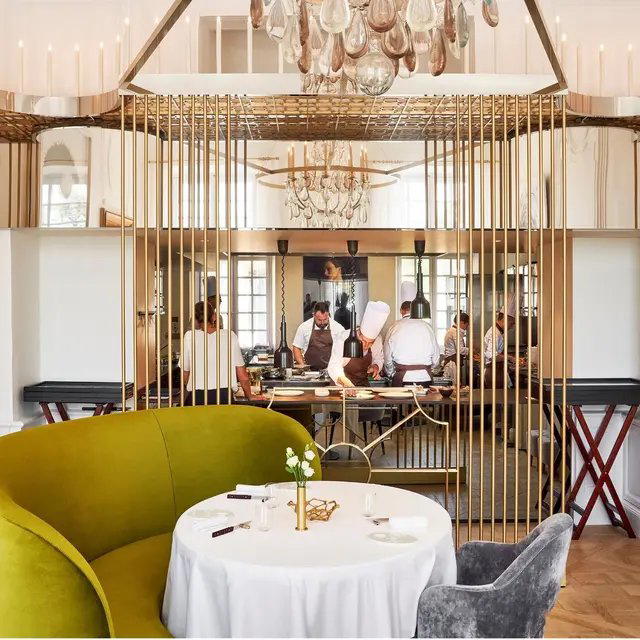
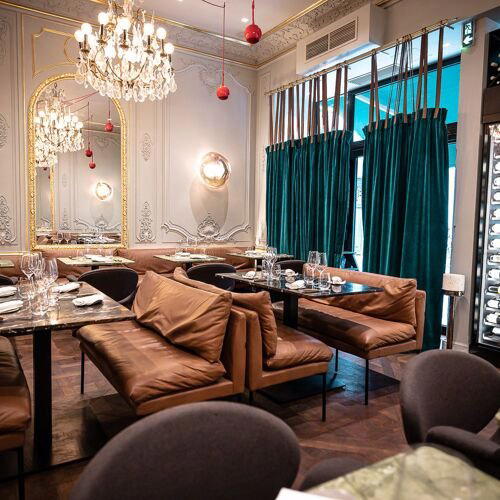
Cozy dining room with wood ceilings and beams, open kitchen with wood-burning oven, and a terrace opening to scenic views, evoking a chic hacienda atmosphere.