Francesco Grinzing occupies a quietly considered address in Vienna's 19th district, where the Heurigen tradition meets a more deliberate approach to Austrian ingredients. Sitting at the edge of the Grinzing wine village, the restaurant operates within a culinary register that takes local produce seriously without abandoning the conviviality that defines this corner of the city. For visitors arriving from the centre, it offers a distinct counterpoint to the tasting-menu formalism of Vienna's inner districts.
Pearl is the En Primeur Club membership app — saves, bookings, and concierge access live there. Same editors, same standards.
- Address
- Grinzinger Str. 50, 1190 Wien, Austria
- Phone
- +434313682311
- Website
- francesco.at
- Directions
- Get directions
 Saves & bookings on Pearl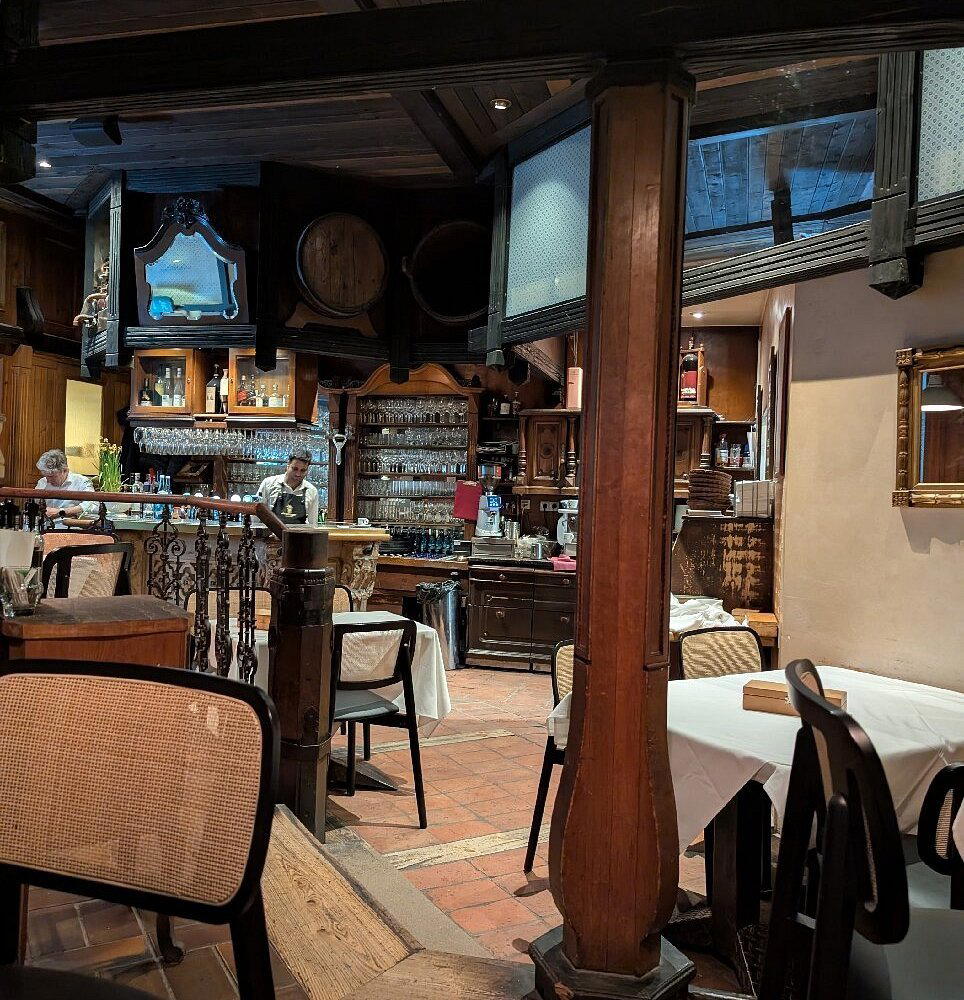
Grinzing and the Other Vienna
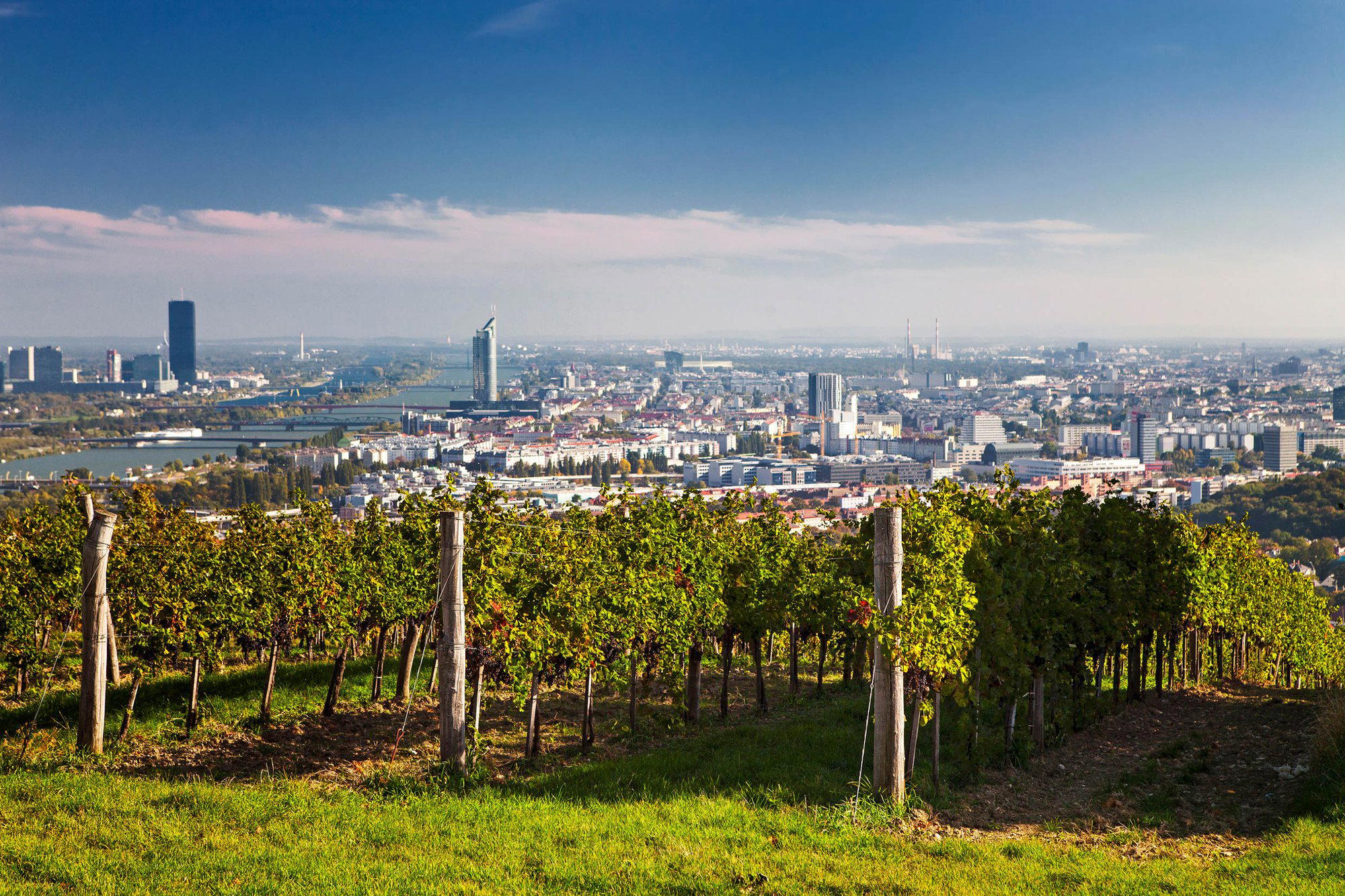
Vienna's restaurant conversation rarely begins in the 19th district. The starred rooms at Steirereck im Stadtpark and the technically precise menus at Konstantin Filippou anchor most serious dining itineraries in the inner city, and the creative Austrian work at Mraz & Sohn and Amador draws food-focused visitors to the second and ninth districts respectively. But the 19th district, ascending into the Wienerwald foothills through Döbling and into Grinzing, operates on a different register entirely. The Heurigen belt here, running along Grinzinger Strasse and its side streets, represents one of Vienna's most enduring dining traditions: seasonal wine-tavern hospitality rooted in local viticulture, cold-buffet culture, and a specific relationship between landscape and table that the inner city can approximate but not replicate.
Francesco Grinzing, addressed at Grinzinger Str. 50, sits within this geography. That address alone positions it within the cultural logic of the district, where the interplay between Austrian culinary identity and outside influence has been a defining tension for decades. What changes at a venue like this, relative to a pure Heurigen, is the degree to which technique enters the frame. The broader Austrian dining scene has spent the last two decades negotiating exactly that question.
Where Austrian Ingredients Meet Imported Technique
One interesting development in Austrian regional cooking over the past generation has not been a single chef or a particular style, but rather the sustained conversation between indigenous products and methods absorbed from elsewhere. This pattern shows up across the country: at Döllerer in Golling an der Salzach, where Alpine ingredients are treated with a precision that owes something to French classical training; at Obauer in Werfen, where the kitchen has held its position in the Austrian fine-dining canon for decades by staying loyal to regional produce; and at Kräuterreich by Vitus Winkler in Sankt Veit im Pongau, where herb-forward cooking is treated as a serious technical discipline rather than a wellness gesture.
Vienna itself has its own version of this dynamic. The city's position at the intersection of Central European culinary traditions, with Hungarian, Czech, and Balkan influences folded into a fundamentally Germanic base, means that the idea of a purely Austrian kitchen has always been contested territory. Restaurants in the outer districts, closer to the wine villages and the market gardens that historically supplied the city, often hold this balance differently from the inner-city rooms. There is less pressure to perform internationalism when the surrounding neighbourhood already frames the meal in a specific local context.
For venues on Grinzinger Strasse, that local context is the Viennese wine culture that made the district legible to generations of visitors. The Gemischter Satz tradition, Vienna's field-blend white wine style, originates in vineyards visible from these streets. A kitchen operating in this environment has access to an ingredient narrative that most urban restaurants have to construct artificially. Whether that narrative is used with restraint or ambition is what separates the more considered addresses from the tourist-facing Heurigen further down the slope.
The 19th District in Context
Grinzing is not where Vienna's dining press concentrates its attention, and that relative quietness is part of what defines eating here. The venues that have built reputations in this belt tend to do so through local loyalty and word of mouth rather than through the award cycles that animate conversation about Doubek or the inner-city creative rooms. Comparison venues in the €€€€ bracket, including Silvio Nickol and APRON, occupy a different competitive plane: they are destination restaurants designed for guests who have specifically sought them out on the basis of chef credentials or Michelin recognition.
A restaurant in Grinzing competes differently. Its comparable set is more likely to include the better Heurigen, the bürgerliche küche rooms of the outer districts, and the wine-forward addresses that treat the glass and the plate as roughly equal priorities. That is a different kind of competition, and it rewards different strengths. The ability to source well from nearby market gardens and vineyards matters more than the ability to reference Noma or present a ten-course tasting menu. This is not a lower standard; it is a different one, and often a harder one to meet consistently.
Comparable Austrian regional addresses outside Vienna, including Landhaus Bacher in Mautern an der Donau and Taubenkobel in Schützen am Gebirge, illustrate what committed regional cooking looks like when a kitchen takes its landscape seriously over decades. Both have built identities that are inseparable from their geographical positions, and both have influenced how Vienna's outer-district restaurants understand their own potential. For diners who have eaten at those addresses, Francesco Grinzing sits within a recognisable tradition.
For those coming from further afield, the 19th district requires a short recalibration. The neighbourhood shifts register quickly, from urban density to something that feels genuinely semi-rural by Vienna standards. The payoff is a meal framed by that environment, with the Wienerwald visible from the upper streets and the wine-village architecture providing a consistency of atmosphere that the inner city cannot manufacture.
Internationally, the intersection of local ingredients and imported technique that defines the better Austrian regional tables finds parallels in what restaurants like Lazy Bear in San Francisco and Le Bernardin in New York City have demonstrated in their respective contexts: that rigorous sourcing and disciplined technique are not opposites but complements, and that particularly durable restaurant identities tend to emerge from a specific relationship to place. In the Austrian alpine context, that principle is also visible at Schwarzer Adler in Hall in Tirol, Restaurant 141 by Joachim Jaud in Mieming, Gourmetrestaurant Tannenhof in Sankt Anton am Arlberg, Stüva in Ischgl, and Ois in Neufelden, each of which has found a way to make geography into a menu argument.
Planning Your Visit
Francesco Grinzing is located at Grinzinger Str. 50, 1190 Wien, in Vienna's 19th district. The address places it within the Grinzing wine-village belt, accessible from the centre by tram D to Nussdorf and onward connection, or directly by taxi. Given the relative distance from the inner-city dining circuit, an evening visit pairs logically with a walk through the Grinzing village and a glass from one of the neighbouring Heurigen before or after the meal. Reservations are recommended. Dress: Casual.
Comparison Snapshot
Comparable venues nearby, for context on price, style, and recognition.
| Venue | Cuisine | Price | Notes |
|---|---|---|---|
| Francesco GrinzingThis venue — the venue you are viewing | Italian Pizza and Pasta | $$ | Not listed |
| Spaghetteria Il Mercato | Authentic Italian Pasta | $$ | Neujedlersdorf |
| Rossini | Traditional Italian Trattoria | $$ | Innere Stadt |
| Pinsatore | Roman Pinsa | $$ | Wieden |
| Sette Artisan Craft Pizza | Roman Artisan Pizza | $$ | Neubau |
| Pappa e Ciccia | Authentic Italian Trattoria | $$ | Wien-Mitte |
Continue exploring
More in Vienna
Restaurants in Vienna
Browse all →
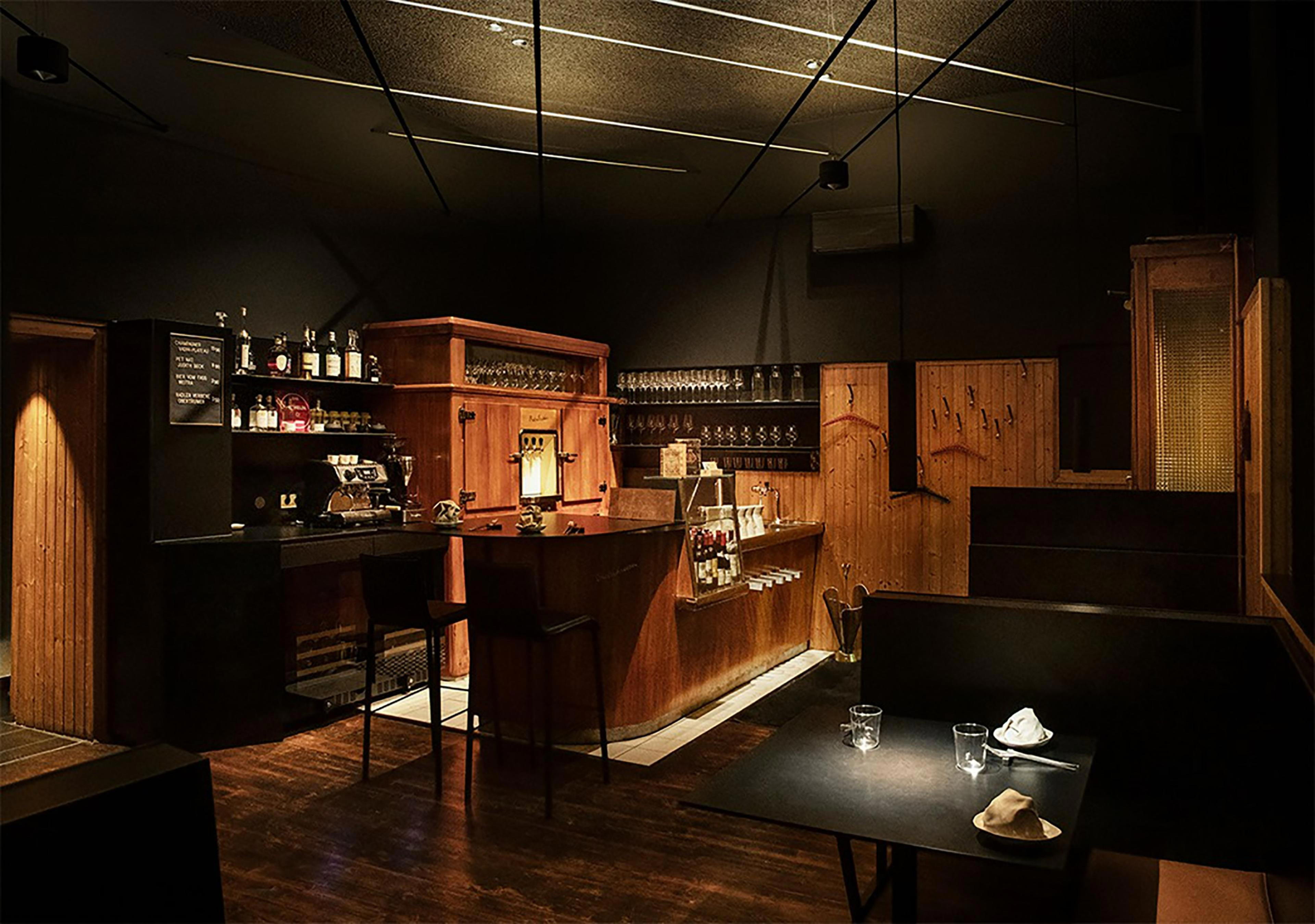
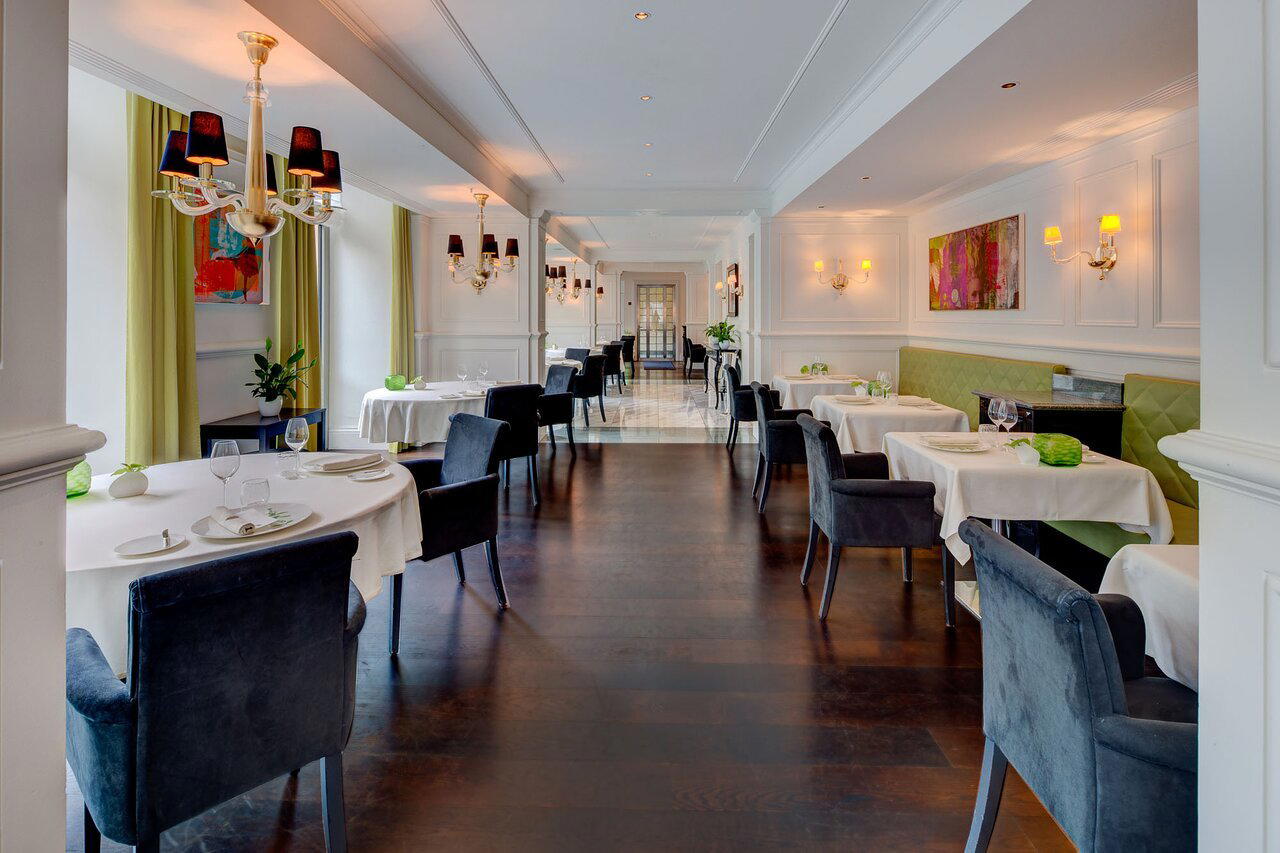
Bars in Vienna
Browse all →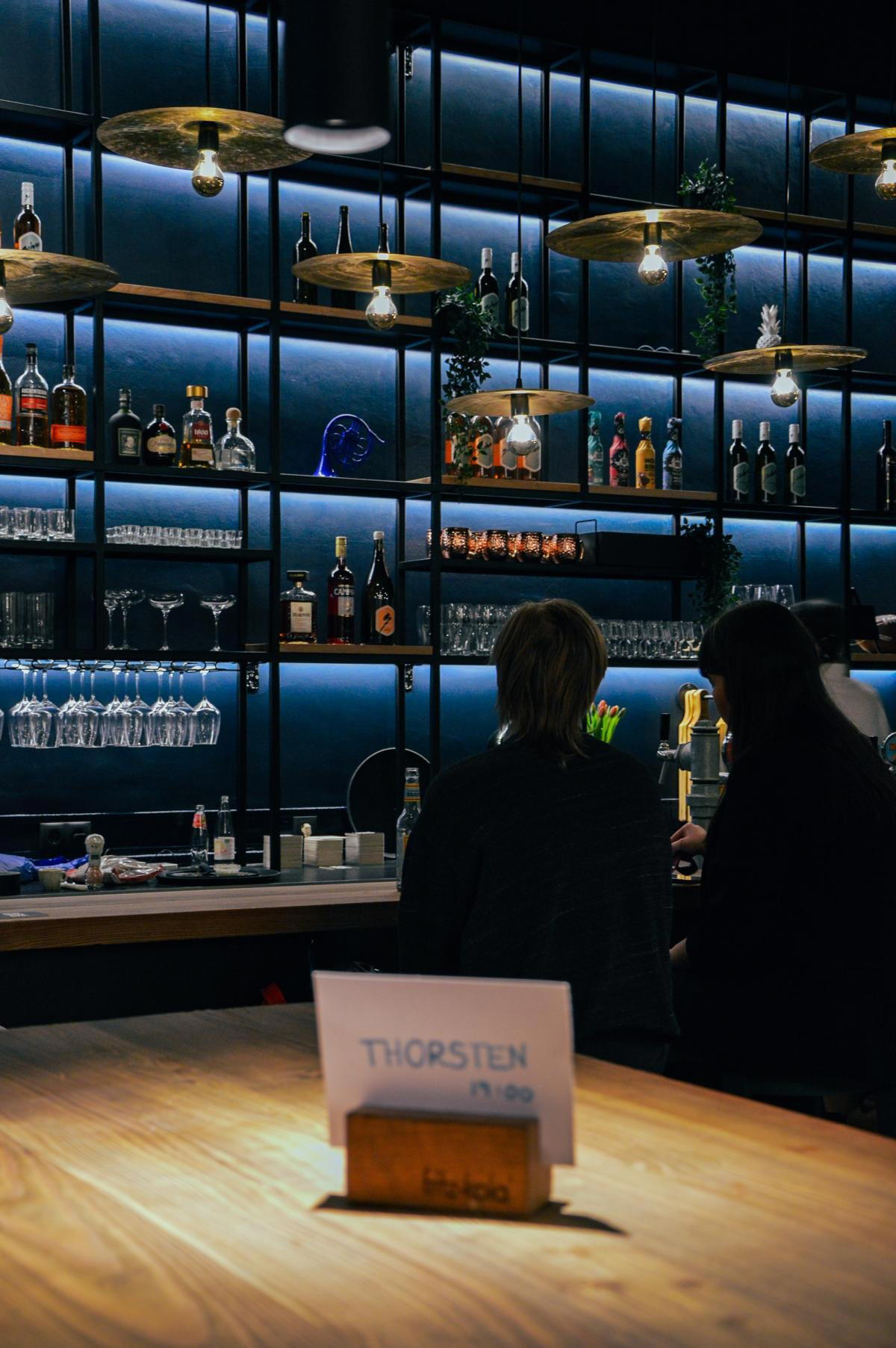
Hotels in Vienna
Browse all →
At a Glance
- Cozy
- Family
- Group Dining
- Casual Hangout
- Terrace
- Garden
Current opening hours
- Monday
- 11:30 AM–10 PM
- Tuesday
- 11:30 AM–10 PM
- Wednesday
- 11:30 AM–10 PM
- Thursday
- 11:30 AM–10 PM
- Friday
- 11:30 AM–10:30 PM
- Saturday
- 11:30 AM–10:30 PM
- Sunday
- 11:30 AM–10 PM
Hours can change for holidays and private events. Last verified .
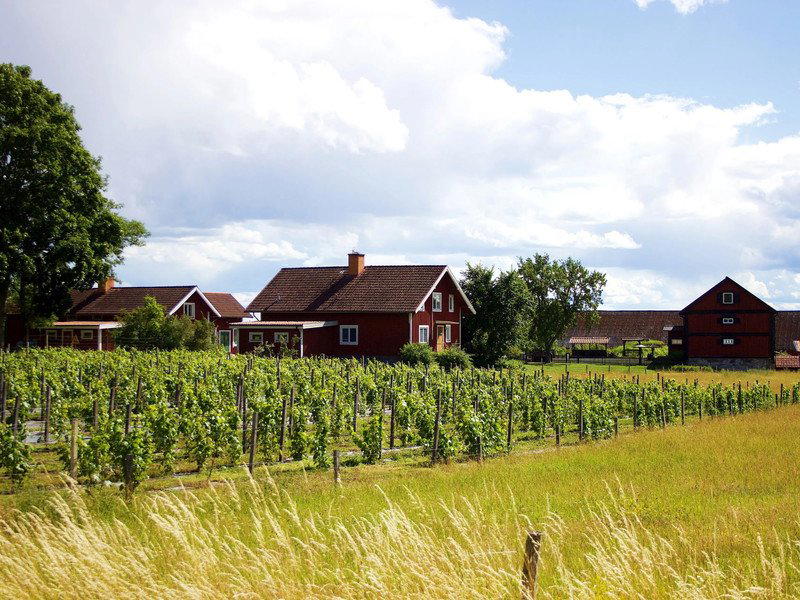
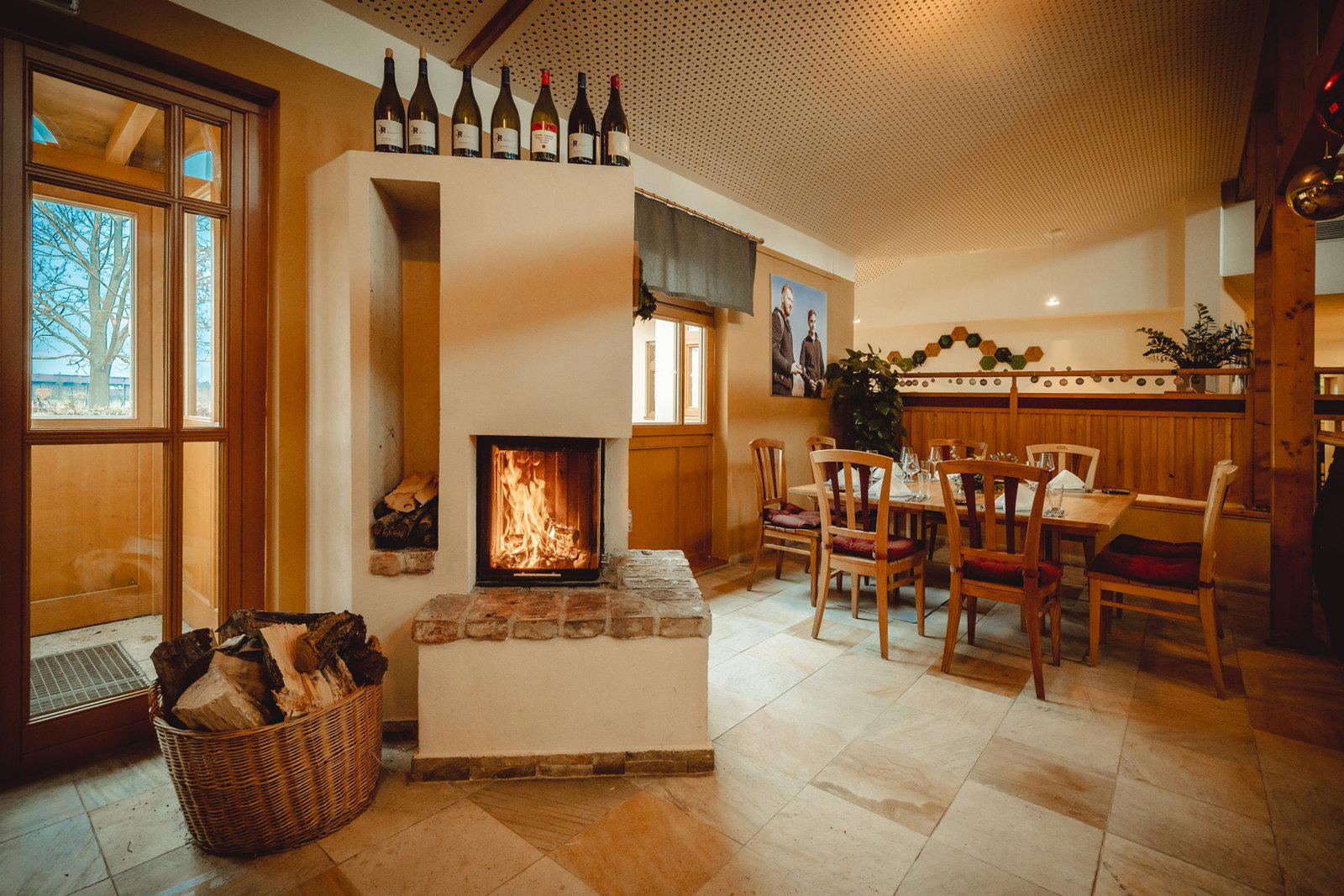
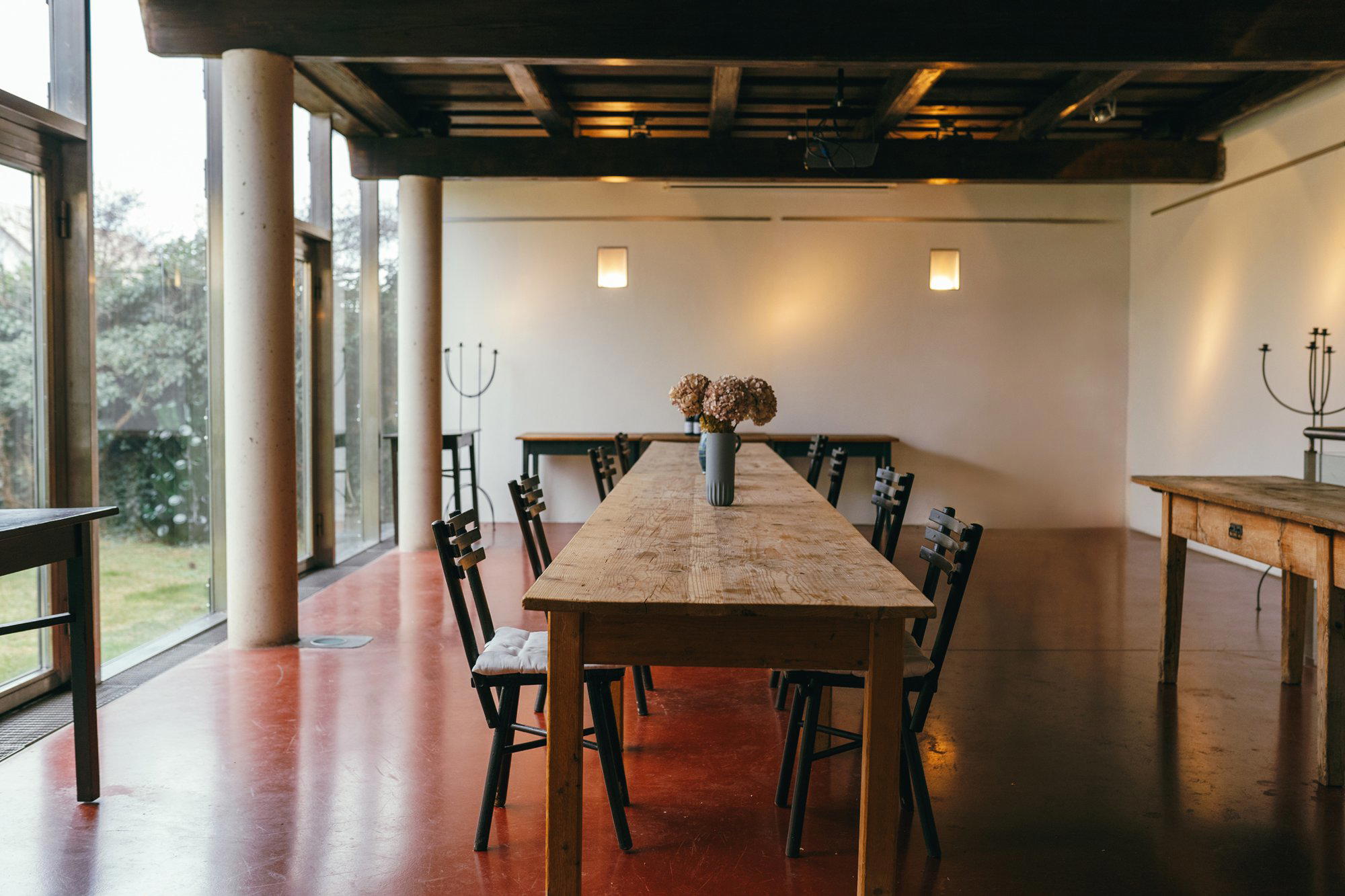
Cozy candle-lit interior in winter and sunny garden in summer, with a warm, friendly neighborhood atmosphere.