La Sepia occupies a compact address on Marburger Strasse in Berlin's Charlottenburg district, where the city's appetite for ingredient-led cooking meets a format more common in southern Europe than northern Germany. The restaurant sits in a tier of Berlin dining that prizes technique and sourcing over spectacle, placing it alongside a comparable set that includes several Michelin-recognised addresses in the same price bracket.
Pearl is the En Primeur Club membership app — saves, bookings, and concierge access live there. Same editors, same standards.
- Address
- Marburger Str. 2, 10789 Berlin, Germany
- Phone
- +4949302135585
- Website
- lasepia-berlin.de
- Directions
- Get directions
 Saves & bookings on Pearl
Where Charlottenburg's Dining Character Shows Up
Marburger Strasse sits a short walk from the Kurfürstendamm in Charlottenburg, a neighbourhood that has never fully shed its West Berlin establishment identity. The dining culture here runs quieter and more considered than the louder, press-driven scene in Mitte or Kreuzberg. Restaurants on these blocks tend to serve guests who have eaten well elsewhere and know what they want: focused menus, sourcing you can interrogate, technique that justifies the price. La Sepia operates inside that expectation as a Spanish & Portuguese Seafood restaurant, at an address where the approach to cooking matters as much as the room.
That address, Marburger Str. 2, places the restaurant at the western edge of Berlin's inner city, close enough to Wittenbergplatz to draw a mixed crowd of neighbourhood regulars and visitors staying in the surrounding hotels. The physical approach is understated in the way that Charlottenburg often is: the theatre is inside, not on the pavement.
Local Ingredients, Applied Through a Wider Lens
The editorial angle that makes Berlin's more considered restaurants interesting right now is the tension between what Germany produces and what its kitchens have learned from outside. The strongest addresses in the city are not simply cooking German food or European food: they are working with Brandenburg root vegetables, North Sea fish, and foraged material through frameworks borrowed from Japanese precision, Iberian fire, or Nordic minimalism. That collision is where contemporary Berlin cooking earns its credibility.
La Sepia's name signals a Spanish or Mediterranean register, sepia, the cuttlefish, is far more central to Basque and Catalan cooking than to any German tradition. Whether the kitchen here applies that framing literally or uses it as a tonal marker for an approach that crosses regions, the implication is a kitchen thinking across borders. In Berlin's current restaurant generation, that is not unusual, but the execution of it separates the addresses worth booking from those operating it as aesthetic cover. Comparable venues in the city, Nobelhart & Schmutzig with its strict Prussian sourcing discipline, or Rutz with its wine-forward European approach, each stake out a clear position on that local-versus-imported axis. The question La Sepia invites is where it lands on the same spectrum.
For context on how this approach functions at the highest tier elsewhere in Germany, Victor's Fine Dining by Christian Bau in Perl has spent years fusing French classical structure with Japanese product thinking, demonstrating that imported technique applied to European ingredients can hold multiple Michelin stars. Aqua in Wolfsburg operates in the same register of technical ambition. The benchmark exists at both the regional and national level.
The Berlin Fine Dining comparable set in 2024
Berlin's upper-tier restaurant scene is smaller than its reputation suggests. The city has fewer three-star addresses than Munich or Hamburg's near-equivalents, but its two- and one-star tier is dense with technically serious kitchens. FACIL, housed in the Mandala Hotel and holding two Michelin stars, represents the city's contemporary European strand at its most polished. Restaurant Tim Raue runs a two-star Asian-inflected program that has defined Berlin's international fine dining identity for over a decade. CODA Dessert Dining holds two stars for a format built entirely around a dessert-first philosophy, which has no direct peer anywhere in Germany.
The restaurant occupies a different position in that map: closer to the neighbourhood restaurant tier that punches above its category, the kind of address that does not necessarily chase institutional recognition but earns consistent local loyalty. In cities like Berlin, where the cost of operating a large, award-chasing tasting menu room is high and the return is uncertain, particularly technically accomplished cooking happens in smaller rooms working shorter menus at prices that allow for more frequent visits. That format has parallels in the one-star Charlottenburg and Schöneberg tier more broadly.
Outside Berlin, the German fine dining circuit offers additional context for where technique-led restaurants sit nationally. Schwarzwaldstube in Baiersbronn and Waldhotel Sonnora in Dreis represent the classical end of the spectrum; JAN in Munich, ES:SENZ in Grassau, and Schanz in Piesport indicate how the more progressive tier operates across different German cities. Restaurant Haerlin in Hamburg and Vendôme in Bergisch Gladbach complete the upper bracket. The restaurant, as a Berlin address, competes first within the city, but sits inside a national conversation about what ambitious cooking looks like when it is not organised around chasing the same classical markers.
For international comparison, the local-ingredient-plus-global-technique model has been executed with particular rigour at Atomix in New York City, where Korean culinary frameworks are applied to North American produce with a formality that earned two Michelin stars. Le Bernardin represents the other end of the same axis: French classical technique applied to American waters, held to a standard that has remained consistent across decades. The restaurant name suggests a kitchen with a similarly cross-cultural orientation, operating at a more accessible scale. See our full Berlin restaurants guide for the broader context of where the restaurant sits within the city's dining map, and how other addresses including Bagatelle in Trier demonstrate how German-adjacent cooking traditions continue to shift.
Planning a Visit
| Venue | Price Tier | Format | Award Status |
|---|---|---|---|
| The restaurant (Charlottenburg) | €€ | Not confirmed | Not confirmed |
| FACIL | €€€€ | Contemporary European tasting menu | 2 Michelin stars |
| Nobelhart & Schmutzig | €€€€ | Counter, modern German | 1 Michelin star |
| Rutz | €€€€ | Modern European, wine focus | 2 Michelin stars |
| CODA Dessert Dining | €€€€ | Dessert-led tasting menu | 2 Michelin stars |
A Tight Comparison
Comparable venues nearby, for context on price, style, and recognition.
| Venue | Cuisine | Price | Notes |
|---|---|---|---|
| La SepiaThis venue — the venue you are viewing | Not listed | $$ | Not listed |
| Mariona | Kreuzberg, Modern Catalan Tapas | $$ | Not listed |
| 963 | Charlottenburg, Modern Levantine | $$ | Not listed |
| Diener Tattersall | Not listed | $$ | Charlottenburg, Traditional Berlin Hausmannskost |
| Restaurant Pastis | Wilmersdorf, Classic French Bistro | $$ | Not listed |
| Maide Manti | Wedding, Turkish Manti Dumplings | $$ | Not listed |
Continue exploring
More in Berlin
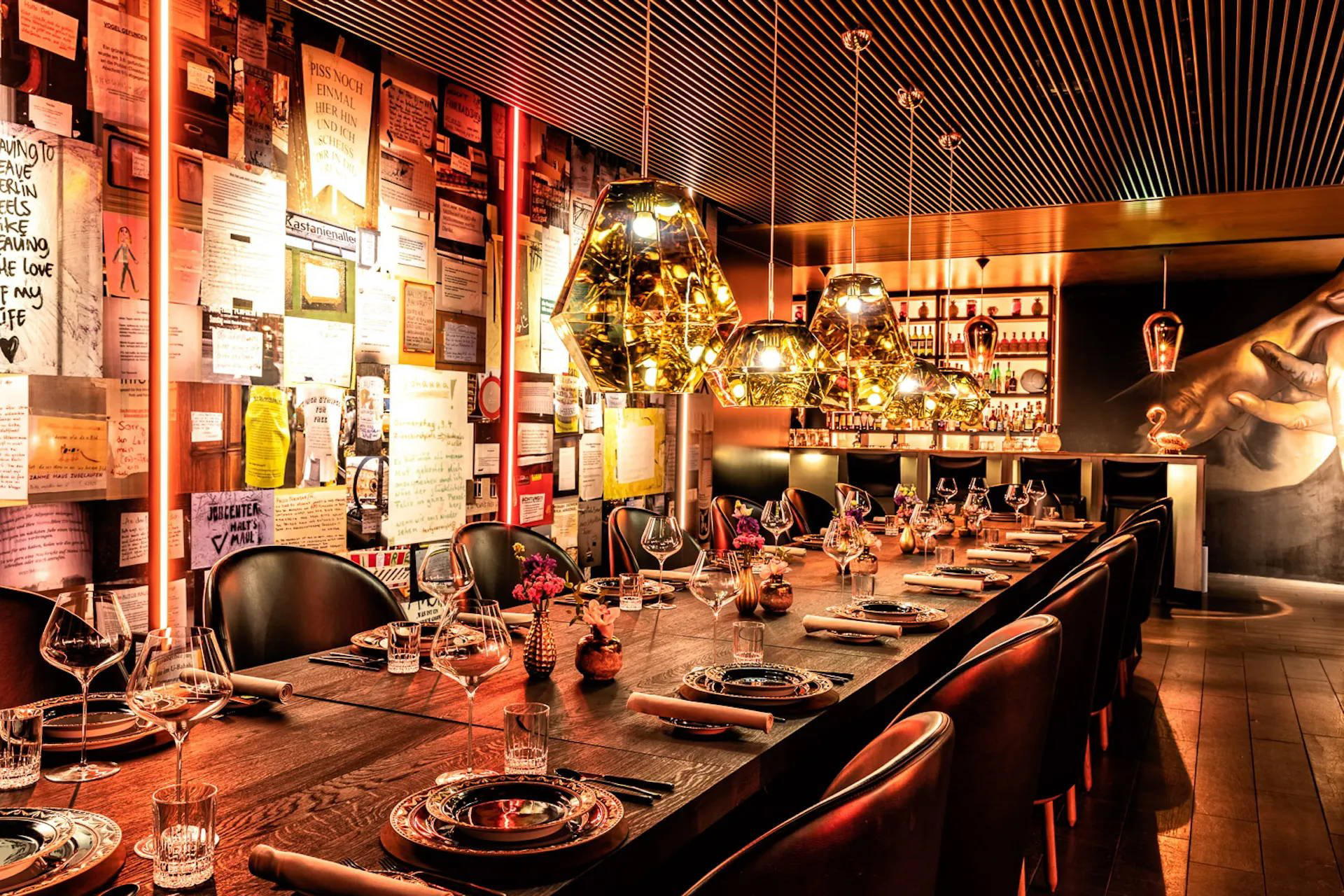
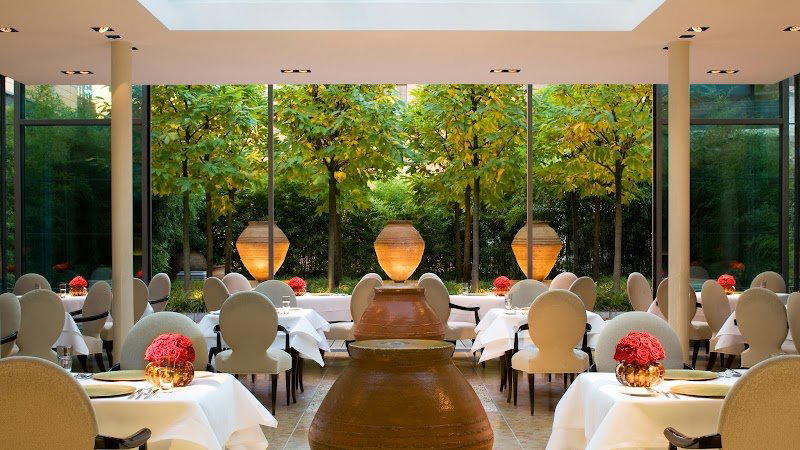
Restaurants in Berlin
Browse all →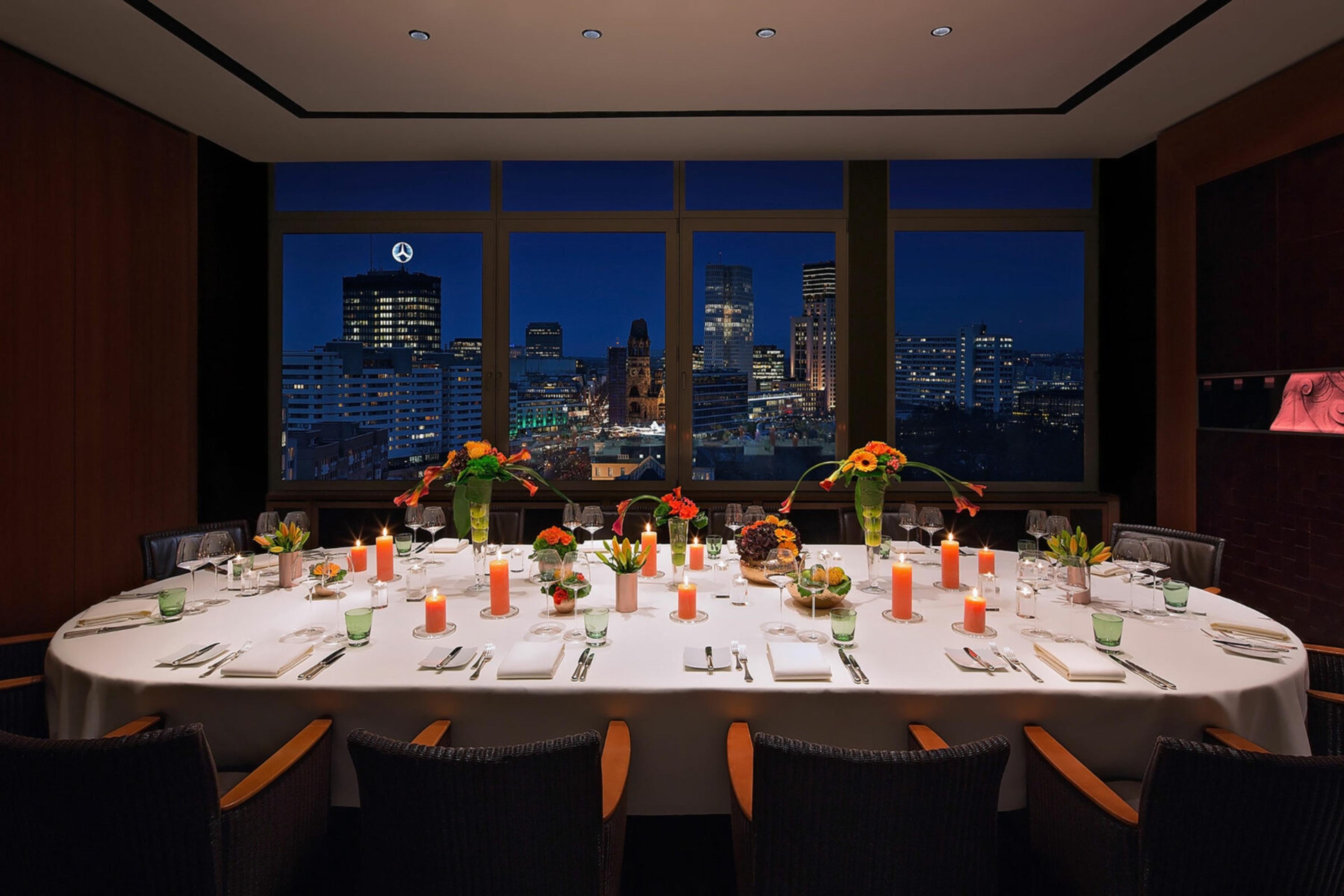
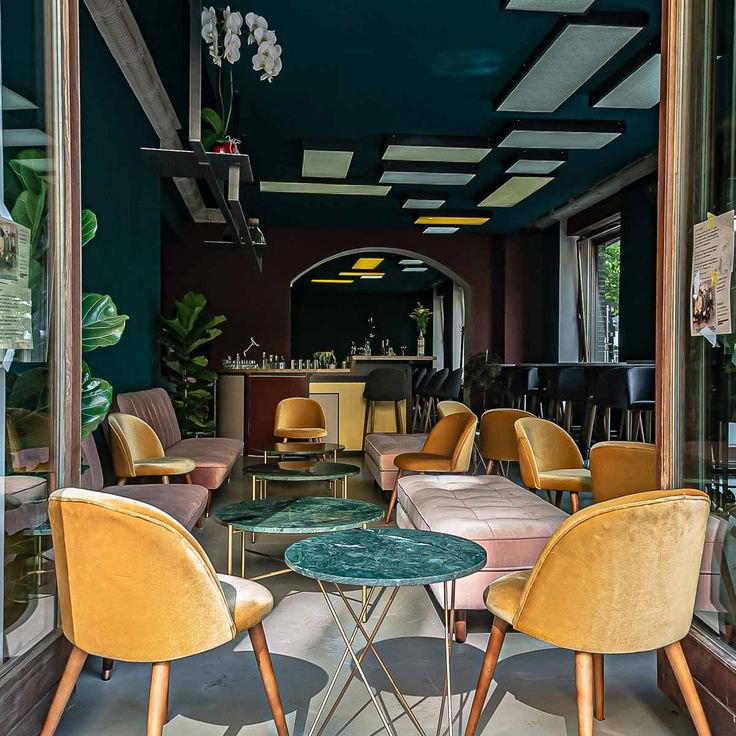
Bars in Berlin
Browse all →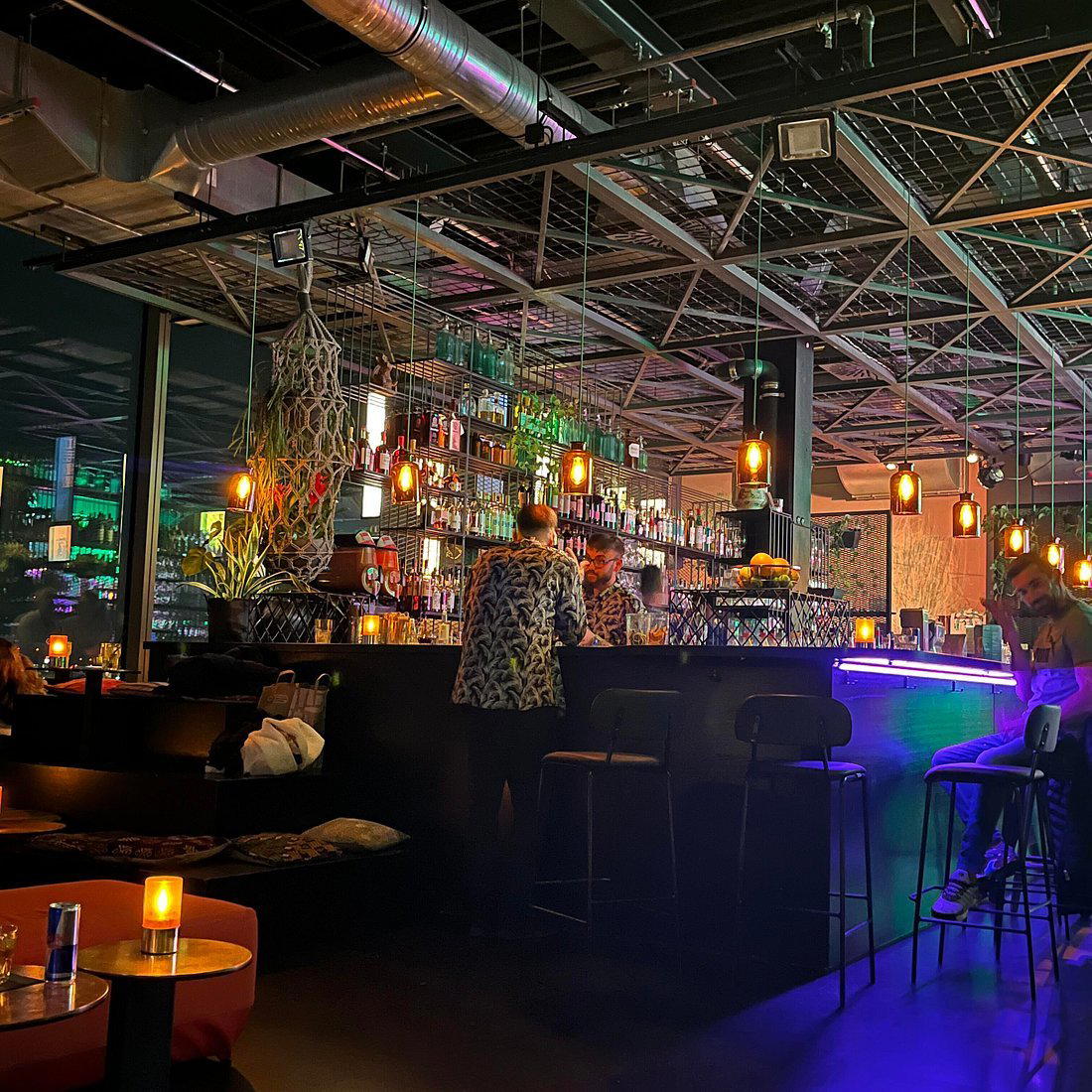
Hotels in Berlin
Browse all →

At a Glance
- Cozy
- Classic
- Lively
- Casual Hangout
- Group Dining
- Open Kitchen
- Terrace
- Beer Program
- Sustainable Seafood
- Local Sourcing
Current opening hours
- Monday
- 12 PM–12 AM
- Tuesday
- 12 PM–12 AM
- Wednesday
- 12 PM–12 AM
- Thursday
- 12 PM–12 AM
- Friday
- 12 PM–12 AM
- Saturday
- 12 PM–12 AM
- Sunday
- Closed
Hours can change for holidays and private events. Last verified .
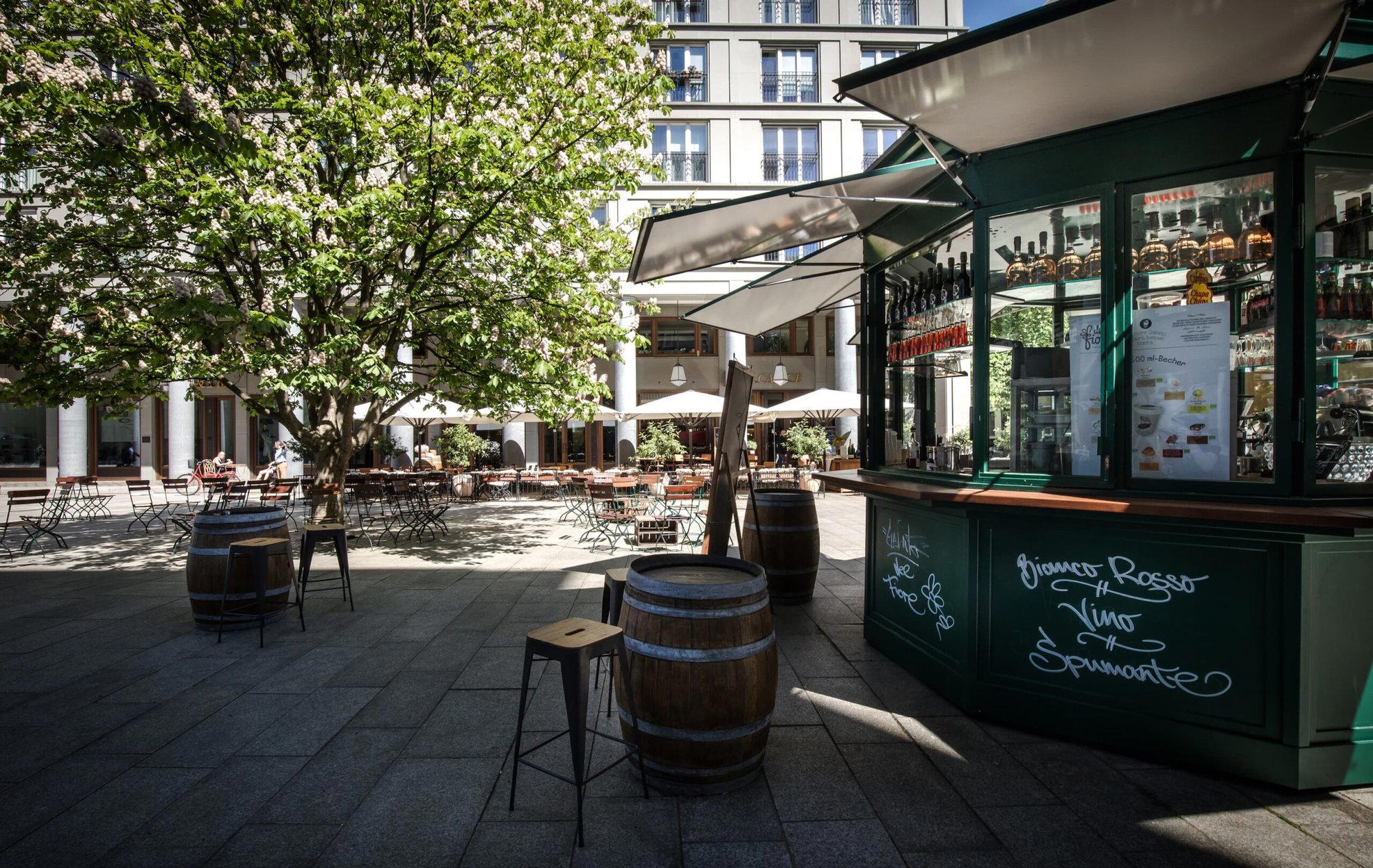
Cozy Mediterranean atmosphere with an open kitchen showcasing fresh fish and seafood preparation, creating a warm and inviting dining experience with Mediterranean joie de vivre.