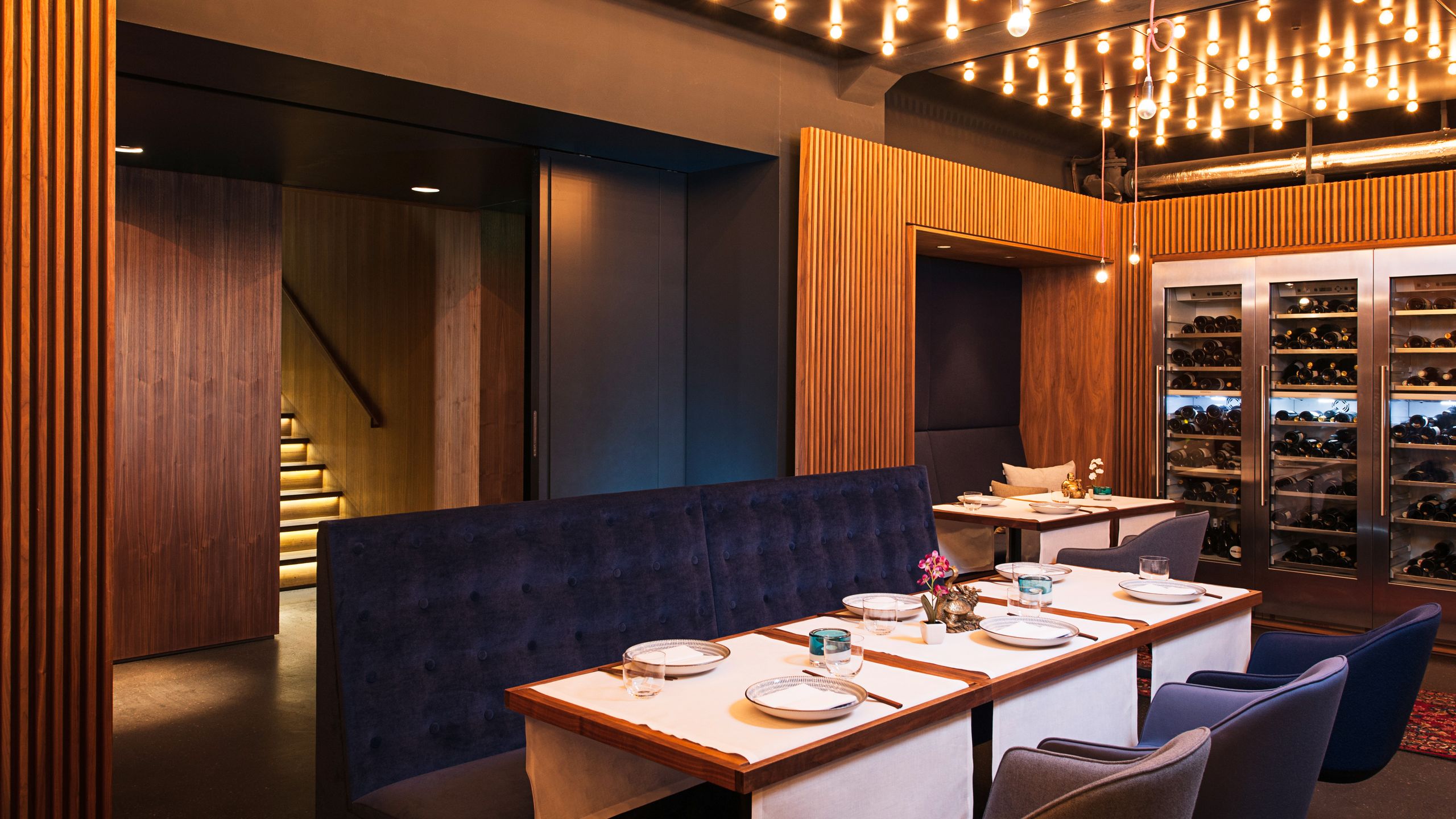
Mariona occupies a corner of Kreuzberg's Skalitzer Strasse where the neighbourhood's industrial-residential character still holds. The space itself becomes the primary argument for a visit: design-led, spare, and positioned in a Berlin dining scene that has moved firmly toward intimate, architecture-conscious formats over mass-scale hospitality.
Pearl is the En Primeur Club membership app — saves, bookings, and concierge access live there. Same editors, same standards.
- Address
- Skalitzer Str. 94B, 10997 Berlin, Germany
- Phone
- +493061671214
- Website
- mariona-berlin.de
- Directions
- Get directions
 Saves & bookings on Pearl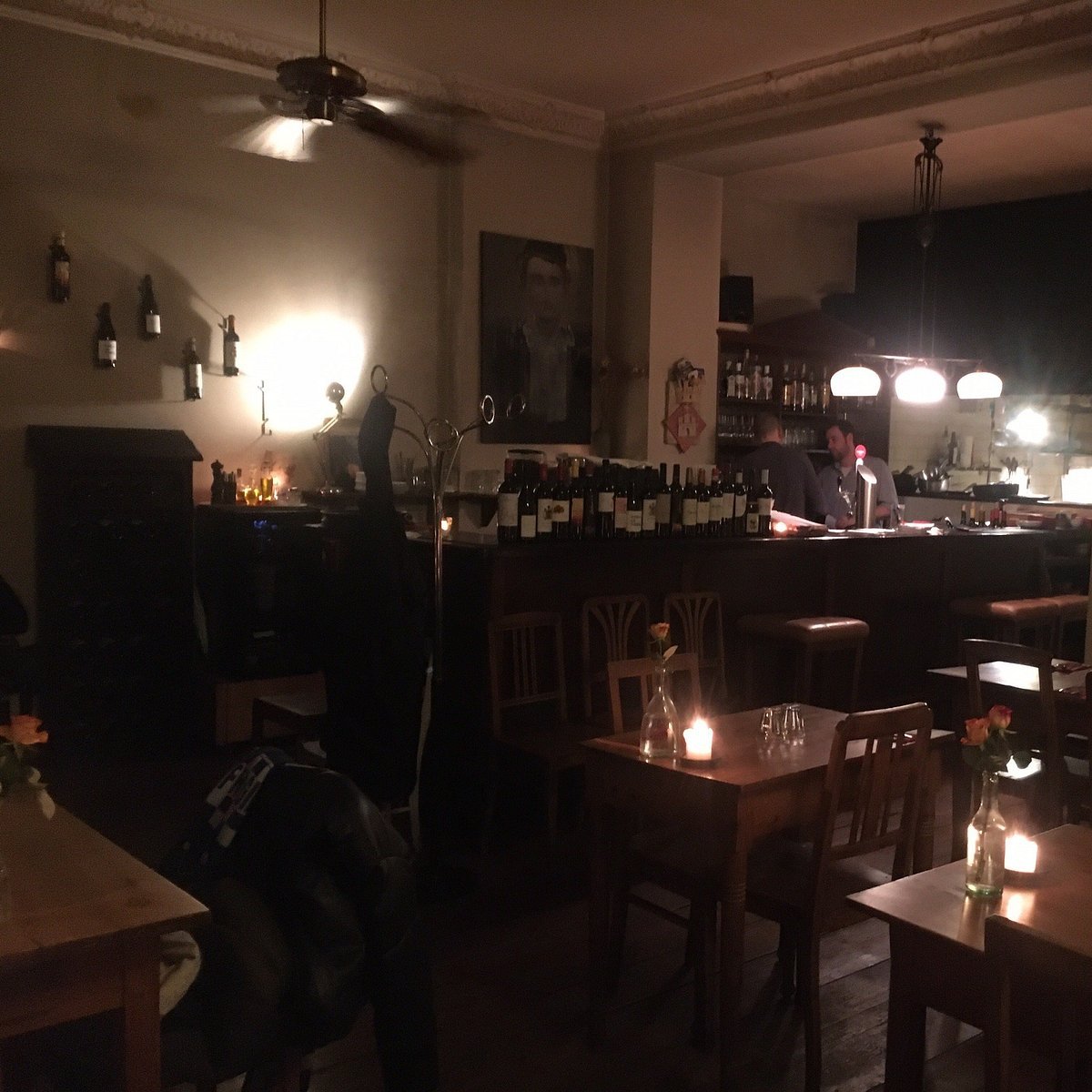
Kreuzberg's Spatial Logic and Where Mariona Fits
Berlin's dining scene has fractured into two fairly distinct modes over the past decade. On one side sit the Michelin-decorated rooms: Rutz with its committed modern European canon, Nobelhart & Schmutzig and its hyper-local sourcing rigour, FACIL operating in the quieter register of a hotel garden room, and CODA Dessert Dining turning the conventional course structure upside down. On the other side, a denser, scrappier category of neighbourhood rooms has emerged in Kreuzberg, Neukölln, and parts of Prenzlauer Berg: smaller, less decorated, harder to classify, but often more interesting as spaces to spend time in. Mariona is a restaurant serving Modern Catalan Tapas at Skalitzer Str. 94B in Berlin's Kreuzberg district.
Kreuzberg has long occupied an unusual position in Berlin's geography. The street-level texture along Skalitzer Strasse, running beneath the refined U-Bahn line, is resolutely mixed: Turkish grocers and döner counters alongside wine bars and low-lit dining rooms that would feel at home in Lisbon or Barcelona. It is not a neighbourhood that announces its dining culture loudly, which makes the design choices of rooms like Mariona more legible when you find them. The space does the signalling that a PR campaign might do elsewhere.
The Physical Container as Editorial Statement
In cities where real estate costs compress ambition, the decision about how to configure a room is itself an argument. Berlin has lower commercial rents than London, Paris, or Amsterdam, which means that spatial generosity remains possible at price points that would demand a packed dining room in those cities. Particularly considered smaller restaurants in Kreuzberg and Neukölln have used that relative affordability to create interiors with actual breathing room: fewer covers, more deliberate material choices, seating arrangements that separate tables enough to allow conversation at a normal register.
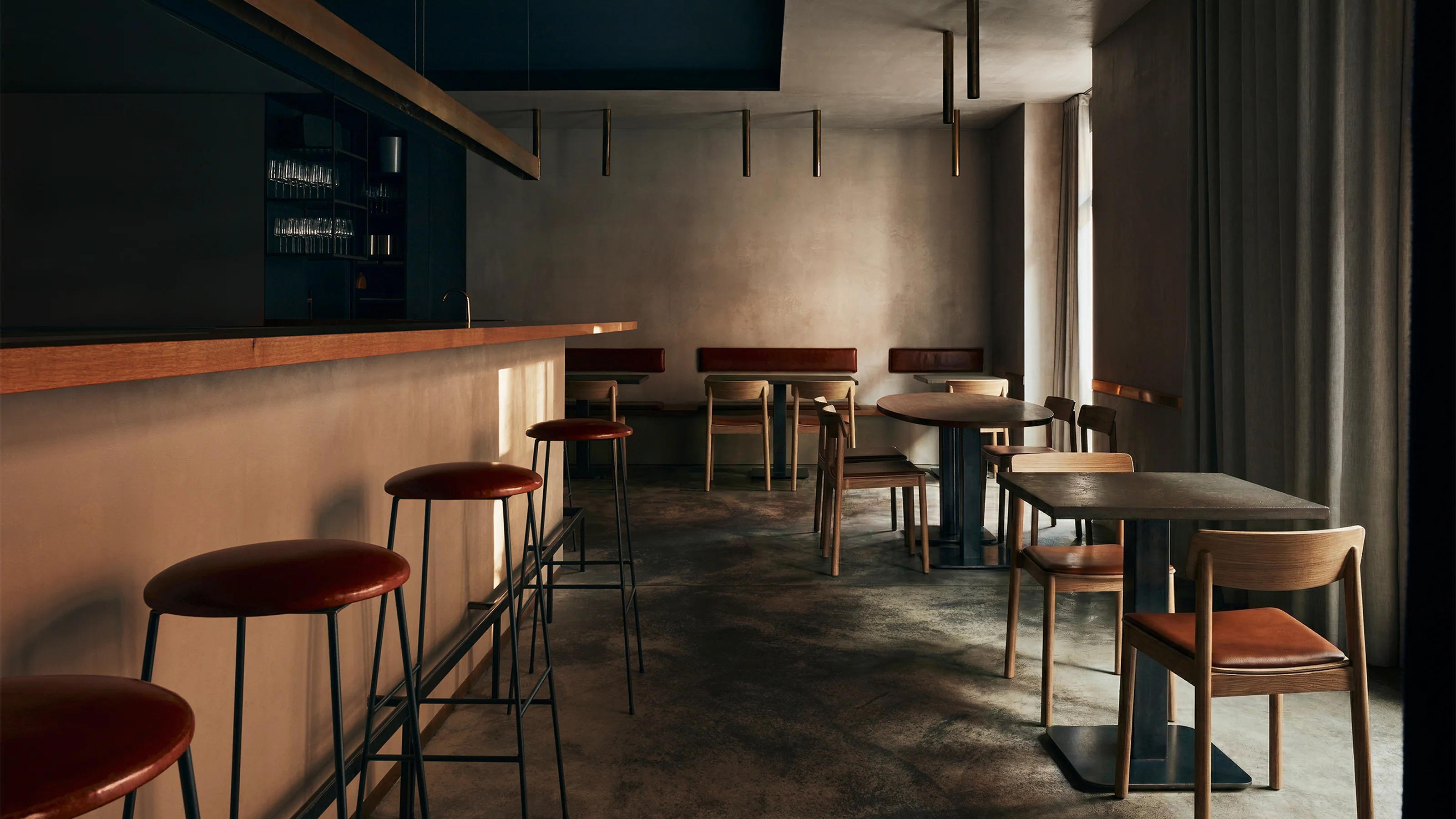
The design-led approach that defines Mariona's positioning is consistent with a broader shift across European neighbourhood dining. Where a previous generation of ambitious restaurants signalled seriousness through formal service rituals and classical tablescapes, the current cohort of rooms often makes the same claim through architectural restraint: exposed material, considered lighting, a counter or open kitchen that makes the production process part of the spatial experience. This format has become its own kind of formalism, no less deliberate for being dressed in apparent casualness.
Kreuzberg's restaurant stock has absorbed this shift more completely than some other Berlin districts. The neighbourhood's tolerance for creative ambiguity, its mixed residential and commercial character, and its density of engaged, repeat-visit customers have made it a reasonable testing ground for formats that require a patient build. A room that reads spatially before it reads gastronomically tends to attract a clientele that returns because the space itself is a reason to come back, independent of any single menu iteration.
Situating Mariona in the Berlin Dining Conversation
Berlin's Michelin-starred tier operates at a different register entirely. Restaurant Tim Raue applies a German-Chinese framework at the summit of the city's formal dining pyramid. Rutz has built a serious wine program alongside its modern European kitchen. These rooms set a benchmark against which neighbourhood alternatives are implicitly measured, even when the comparison is not direct. What a room like Mariona offers is lateral rather than hierarchical: a different kind of evening, a different spatial proposition, a different relationship between diner and room.
Germany's decorated restaurant culture is geographically dispersed in ways that distinguish it from France or the UK. Aqua in Wolfsburg, Schwarzwaldstube in Baiersbronn, Vendôme in Bergisch Gladbach, Victor's Fine Dining by Christian Bau in Perl, and Waldhotel Sonnora in Dreis represent high-end dining embedded in smaller cities and resort contexts. Berlin, despite its scale and cultural mass, runs a comparatively lean Michelin count relative to its population. That gap has been partly filled by the kind of neighbourhood room that Mariona represents: less formal, less decorated, but operating with a seriousness of intent that makes it relevant to readers who also track JAN in Munich, ES:SENZ in Grassau, or Restaurant Haerlin in Hamburg.
For readers whose frame of reference extends further, the spatial and format sensibility at Mariona connects to movements visible in rooms like Atomix in New York City or the spare, deliberate formats that have emerged in other capital cities over the past five years. The specifics differ; the underlying logic of the room-as-argument does not.
Kreuzberg in Season
The neighbourhood operates differently across the year. Summer brings outdoor seating to almost every viable surface along Skalitzer Strasse and the adjoining streets, and the refined U-Bahn line becomes a kind of accidental canopy over the pavement below. The indoor room takes on more weight in autumn and winter, when Kreuzberg's outdoor character recedes and the interior spaces carry more of the neighbourhood's social life. A visit between October and March places the emphasis squarely on the room itself, the lighting, the seating arrangement, and the acoustic texture of the space, which is generally a more reliable test of whether a room has been designed with genuine care.
For those building a Berlin dining itinerary around more than one night, the neighbourhood logic is worth considering. Schanz in Piesport, Bagatelle in Trier, and others in the broader German southwest make for coherent additions to a longer trip, but within Berlin itself, Mariona sits in a cluster of Kreuzberg rooms that reward an evening on foot between the U-Bahn stops along the Ringbahn corridor. See our full Berlin restaurants guide for broader neighbourhood-by-neighbourhood coverage.
Know Before You Go
Address: Skalitzer Str. 94B, 10997 Berlin, Germany
Neighbourhood: Kreuzberg, beneath the U-Bahn refined line (U1/U3, Görlitzer Bahnhof within walking distance)
Phone: Not available
Website: Not available
Hours: Wed to Sat, 6 PM to 12 AM
Price range: about $30 per person
Booking: reservations recommended
Dress code: smart casual
Peers in This Market
Comparable venues nearby, for context on price, style, and recognition.
| Venue | Cuisine | Price | Notes |
|---|---|---|---|
| MarionaThis venue — the venue you are viewing | Modern Catalan Tapas | $$ | Not listed |
| Alaska | Vegan Spanish Tapas | $$ | Neukolln |
| Fischer & Lustig | Traditional German Fish & Meat | $$ | Mitte |
| Zum Schusterjungen | Traditional Berlin German Gastropub | $$ | Prenzlauer Berg |
| Gut Kerkow Bio-Metzgerei | Organic German Butcher Lunch | $$ | Mitte |
| Hoa Rong | Modern Sapa Vietnamese | $$ | Mitte |
Continue exploring
More in Berlin
Restaurants in Berlin
Browse all →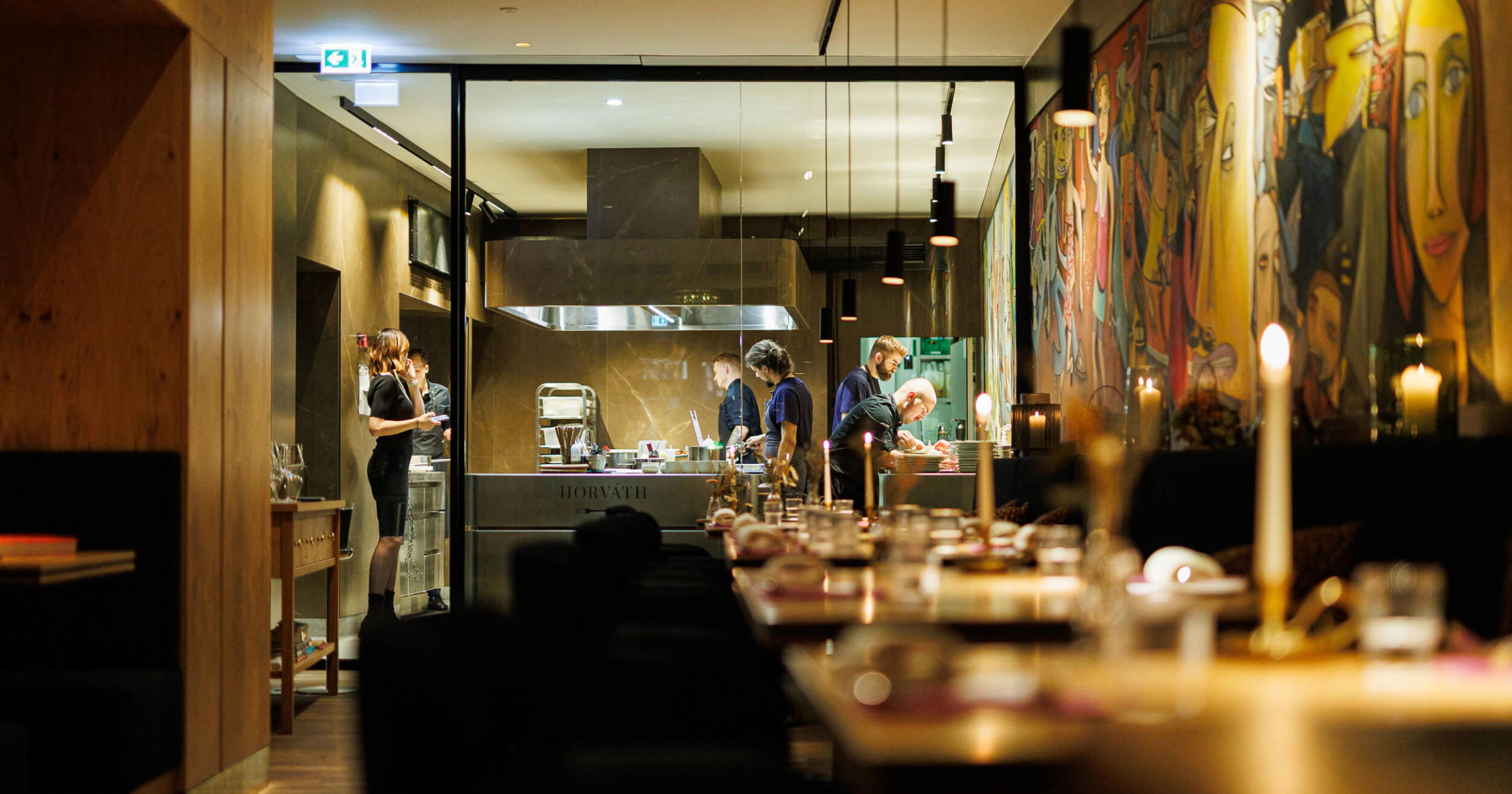
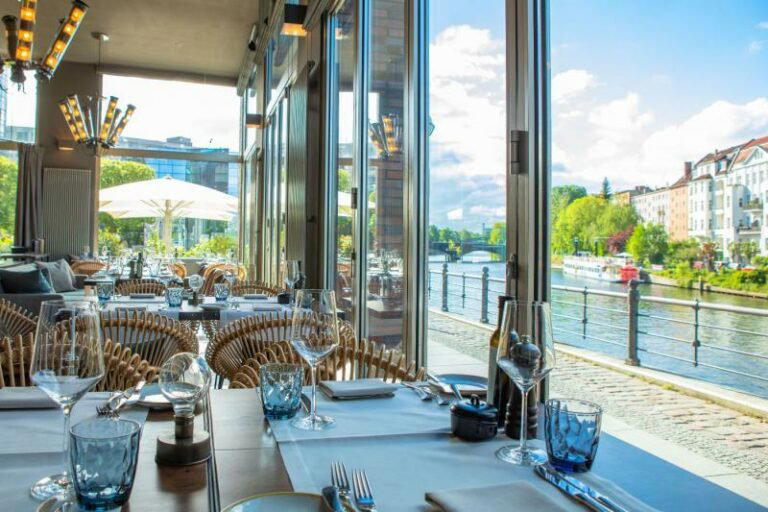
Bars in Berlin
Browse all →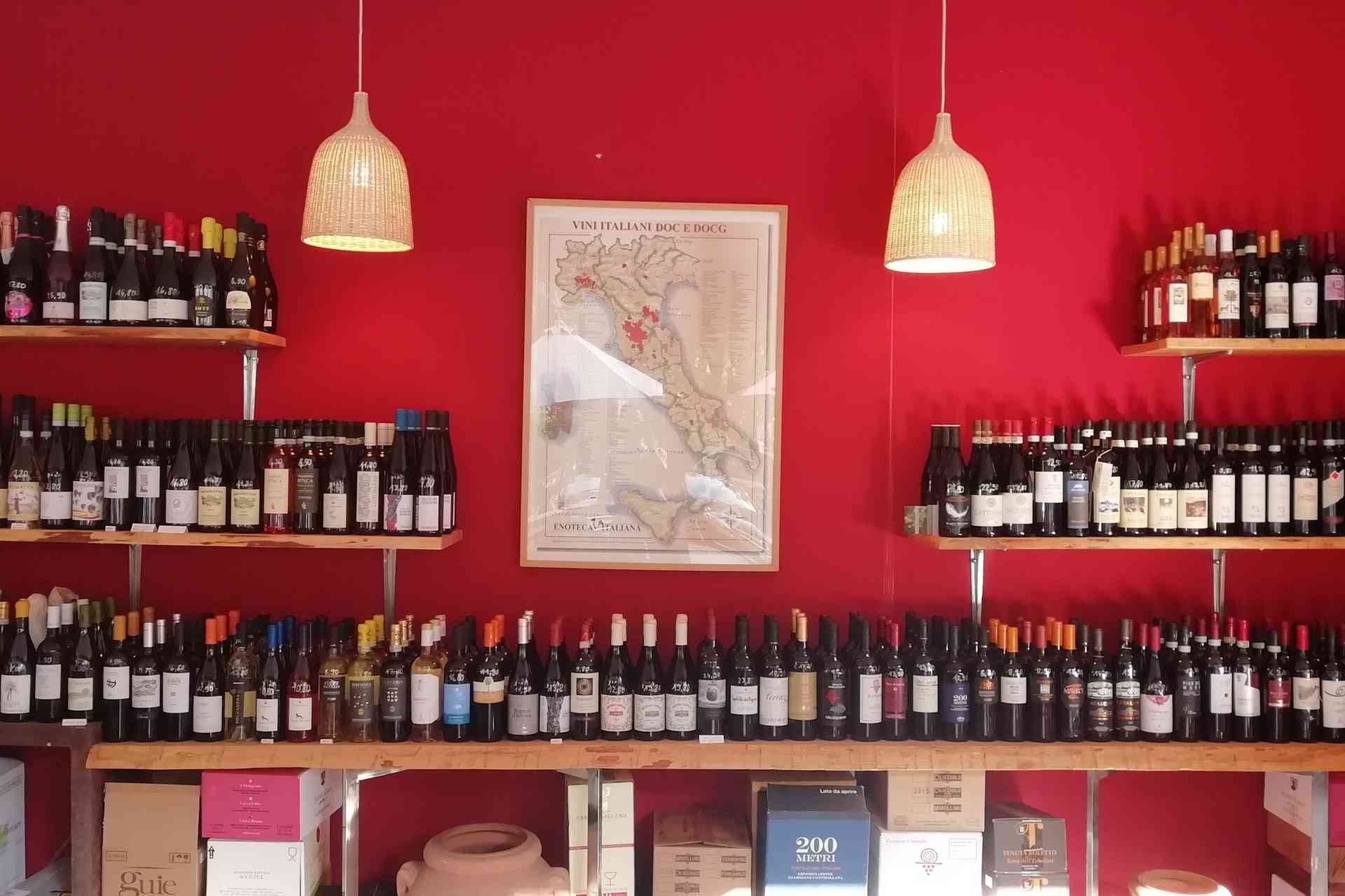
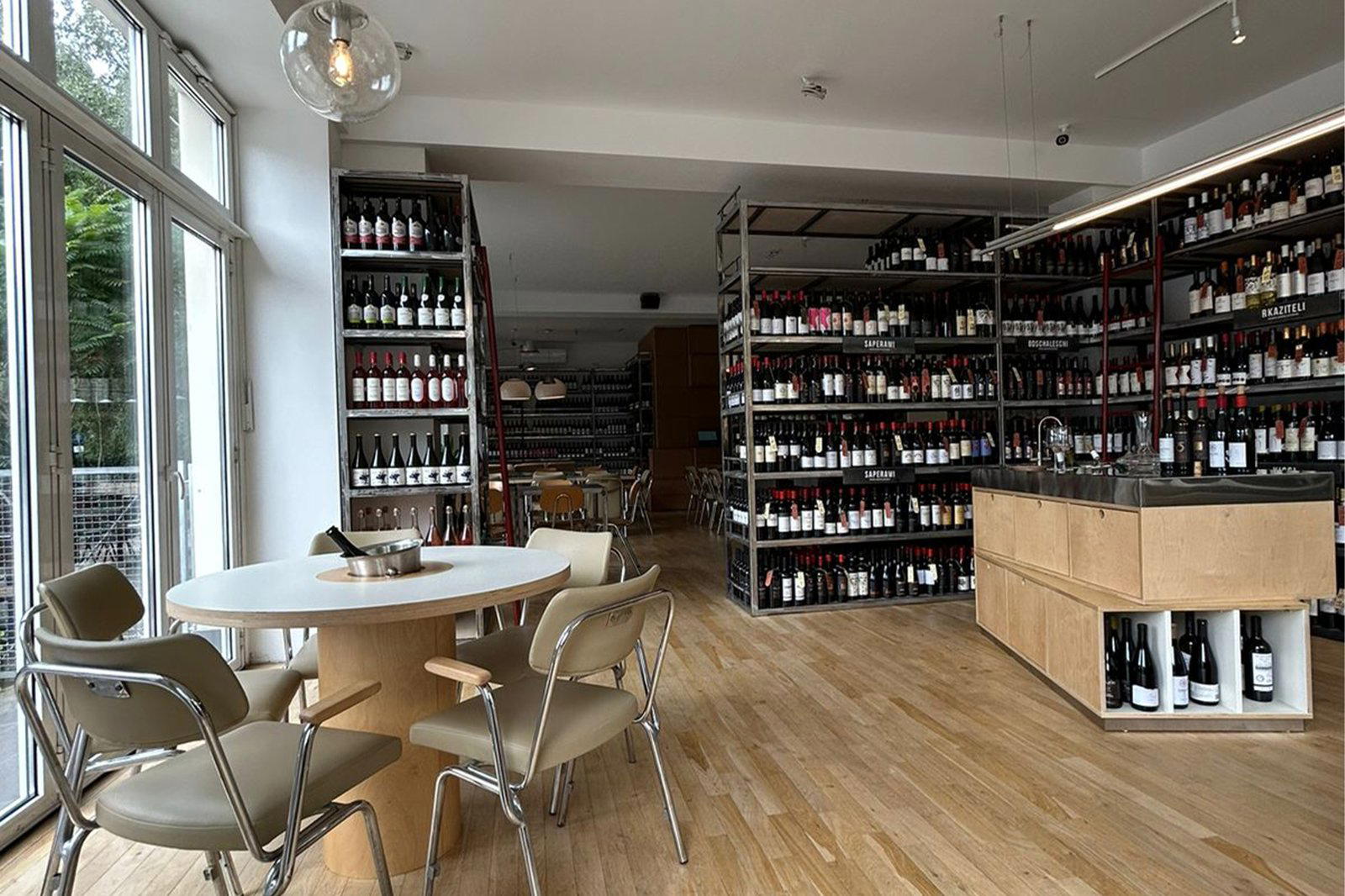
Hotels in Berlin
Browse all →
Wineries in Berlin
Browse all →
At a Glance
- Cozy
- Intimate
- Romantic
- Date Night
- Casual Hangout
- Open Kitchen
- Extensive Wine List
Current opening hours
- Monday
- Closed
- Tuesday
- Closed
- Wednesday
- 6 PM–12 AM
- Thursday
- 6 PM–12 AM
- Friday
- 6 PM–12 AM
- Saturday
- 6 PM–12 AM
- Sunday
- Closed
Hours can change for holidays and private events. Last verified .
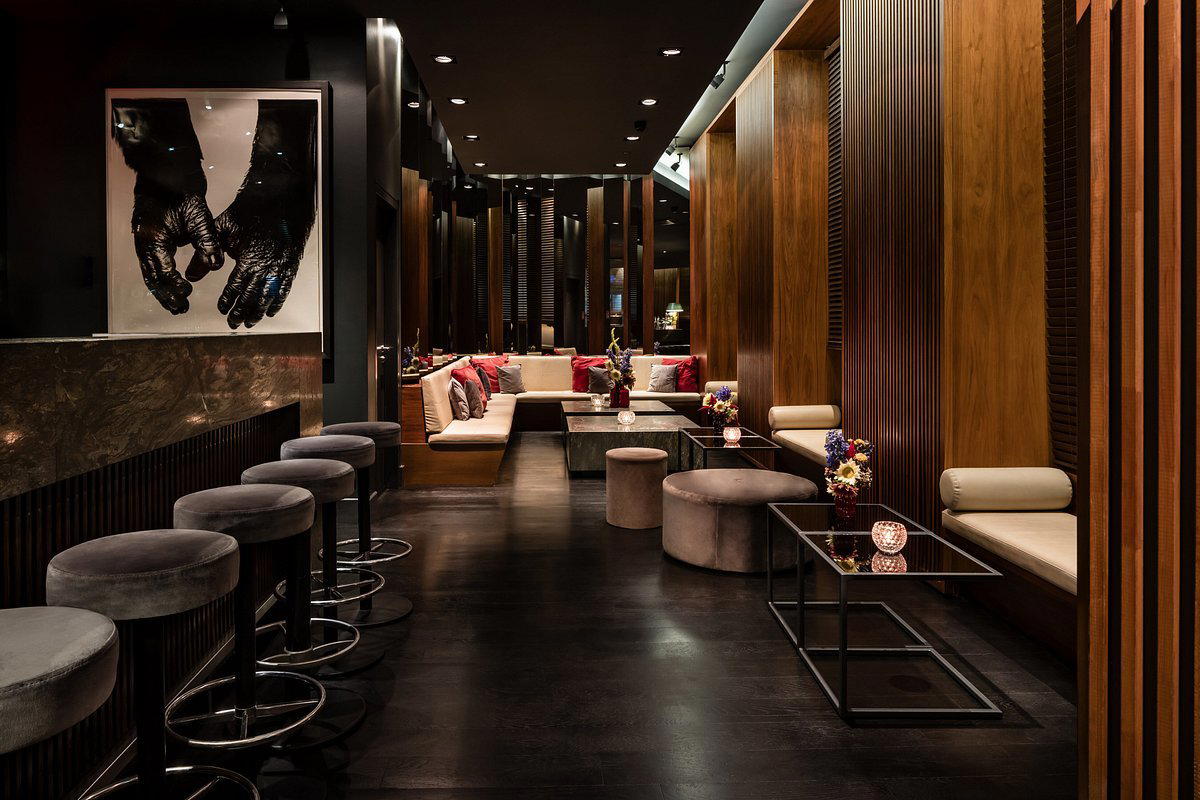
Cozy and warm with candlelit glow, wood-trimmed interior, and romantic atmosphere.