
A Michelin Plate-recognised restaurant in the Langhe hills of Piedmont, La Sbornia a Verduno pairs modern architecture with regional cooking grounded in local ingredients. Owner-chef Carmela Straniero, originally from Puglia, brings a southern sensibility to northern Italian produce. At a mid-range price point, it offers an accessible entry into the serious dining culture surrounding Alba and the Barolo communes.
Pearl is the En Primeur Club membership app — saves, bookings, and concierge access live there. Same editors, same standards.
- Address
- Località Castagni, 60, 12060 Verduno CN, Italy
- Phone
- +39 327 700 5318
- Website
- lasborniaverduno.it
- Directions
- Get directions
 Saves & bookings on Pearl
Where the Langhe Meets the Table
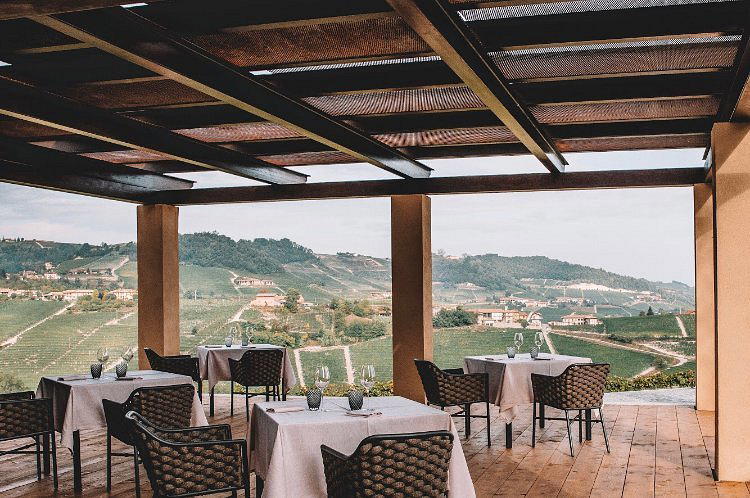
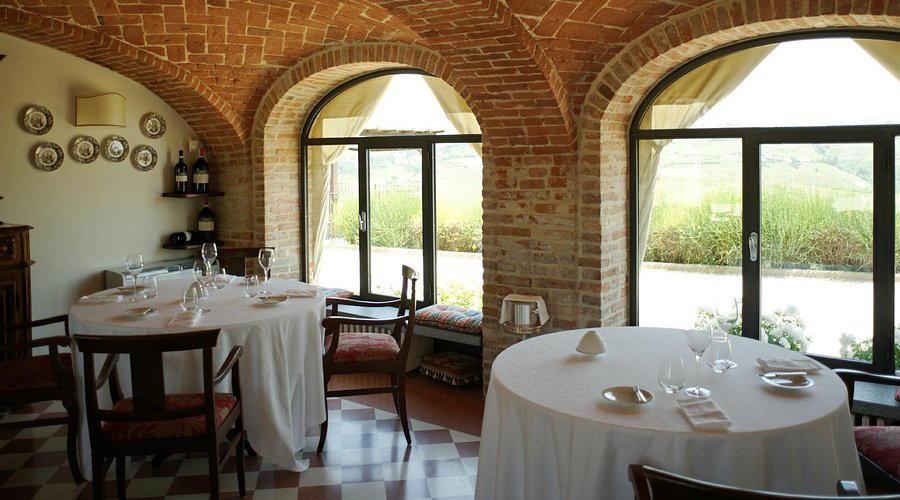
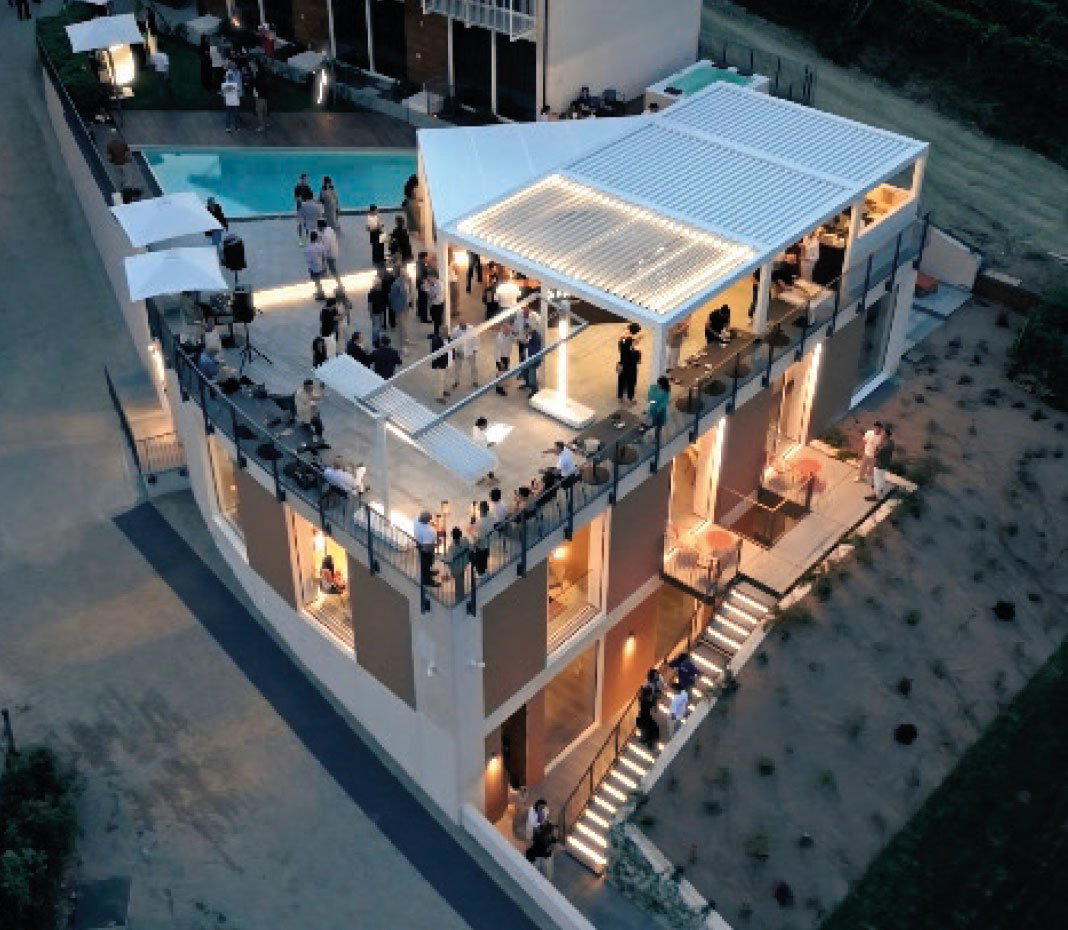
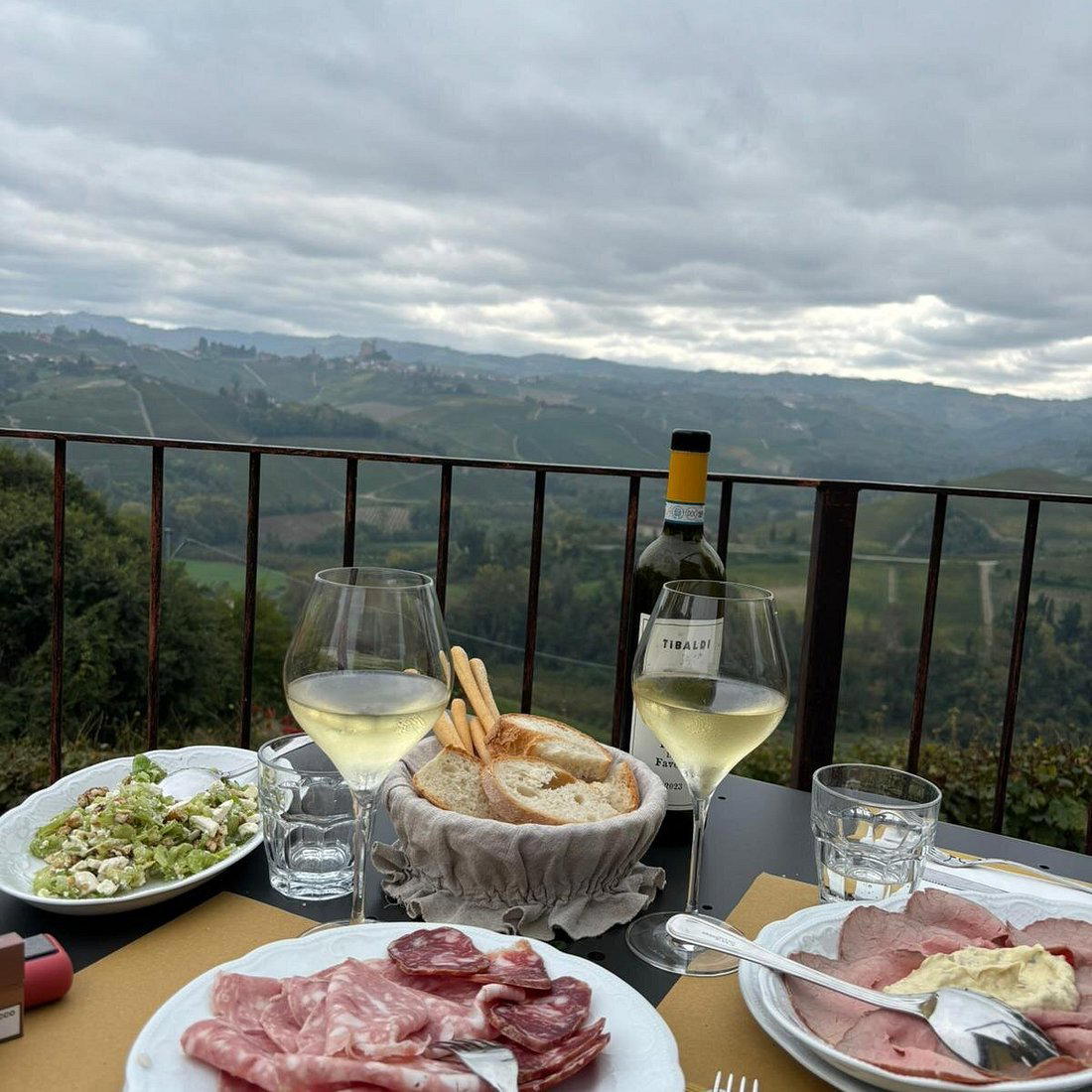
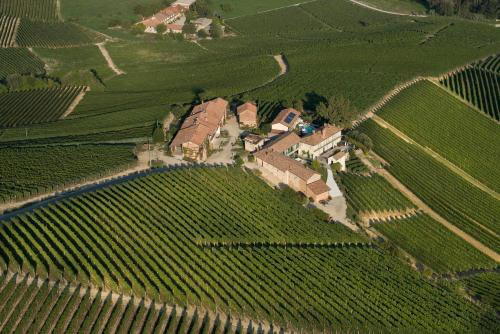
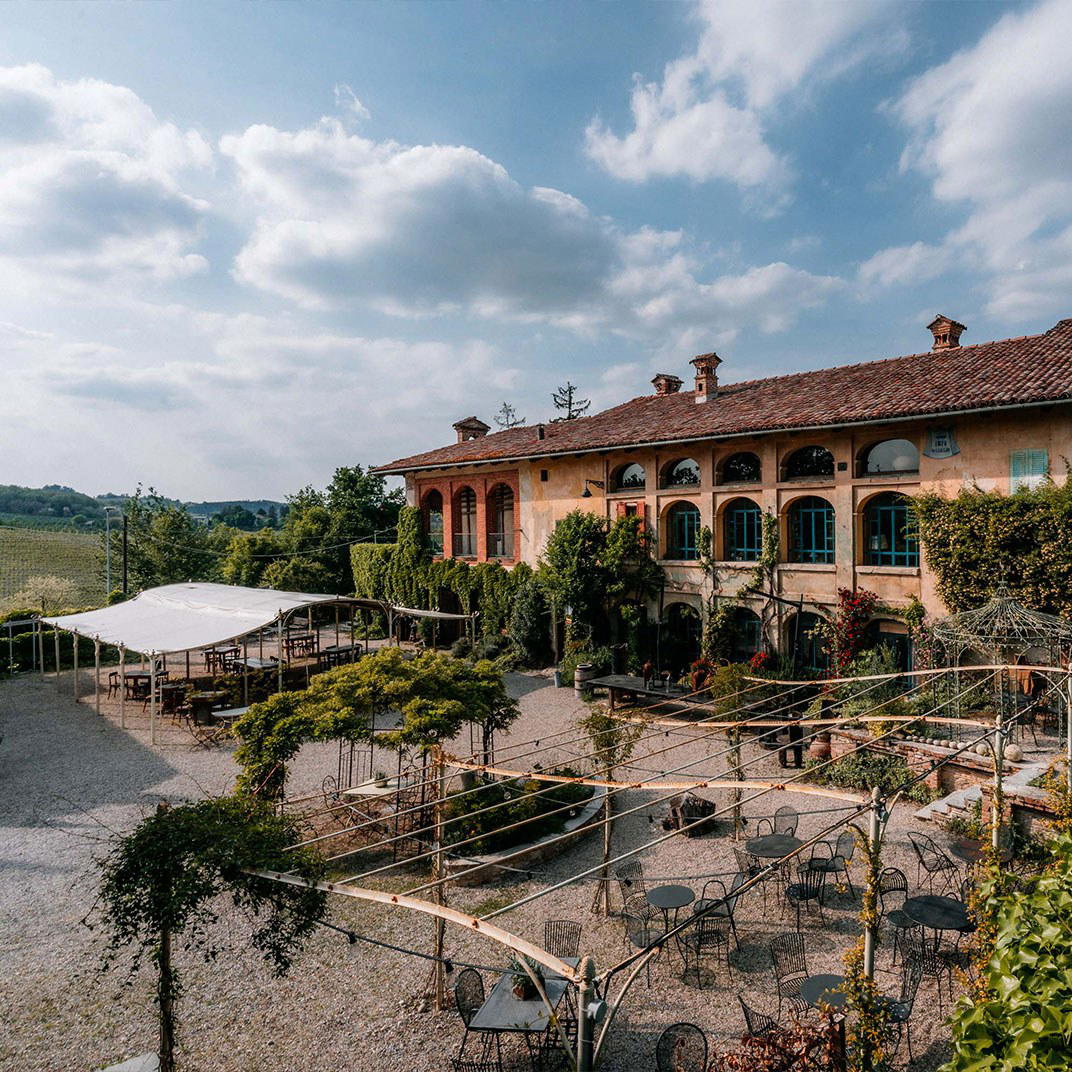
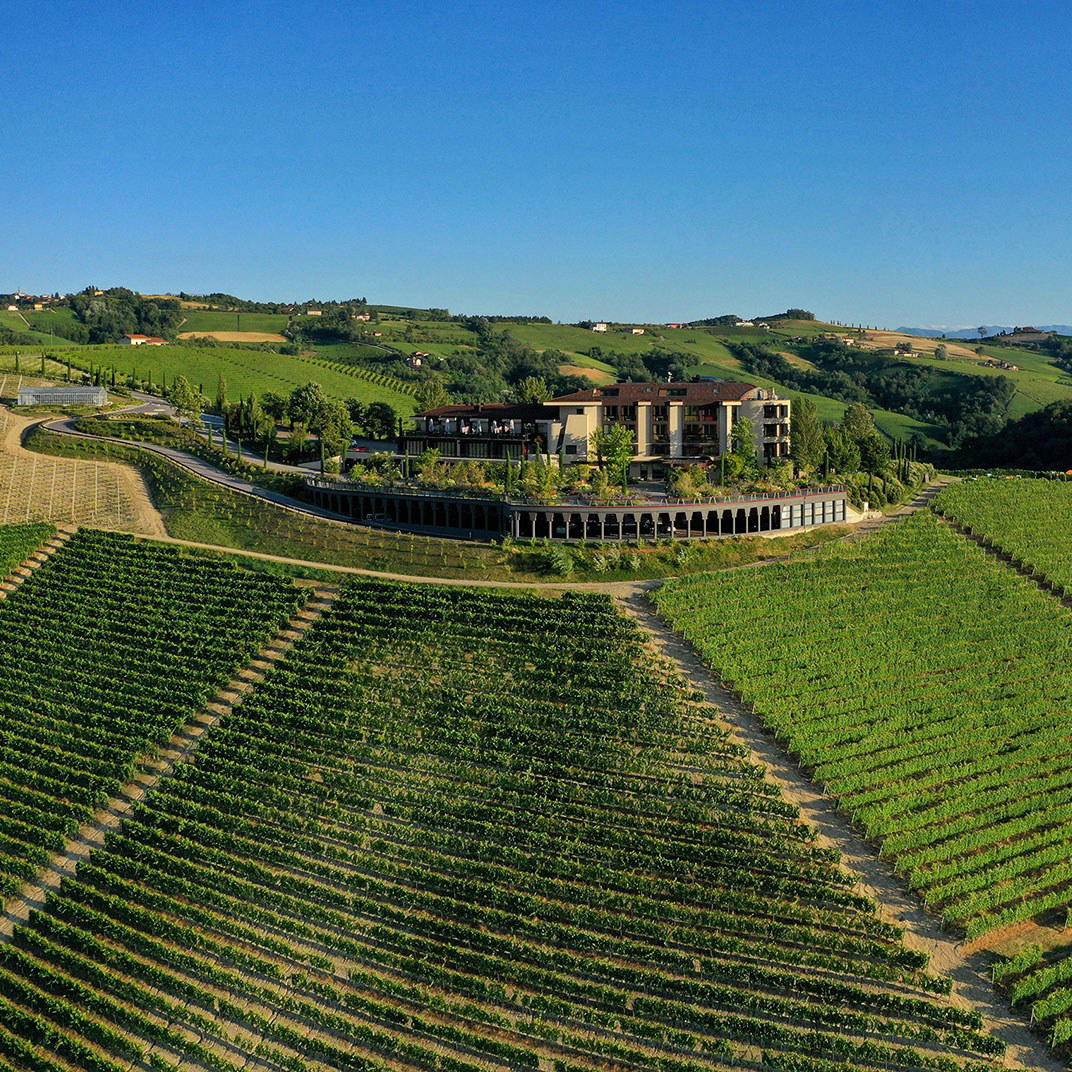
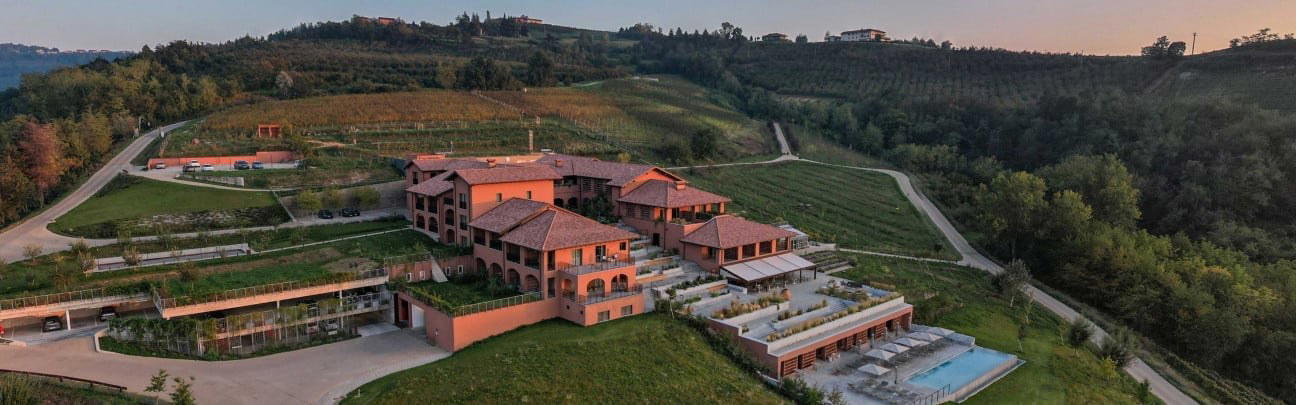
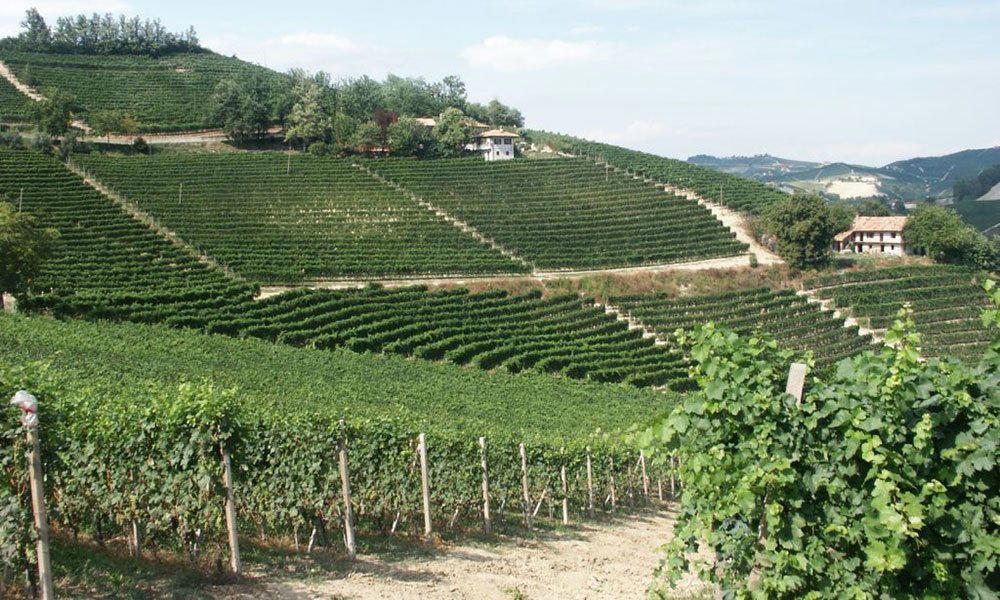
The building announces itself before you enter. A near-cubic form with floor-to-ceiling windows frames the Langhe hills beyond, and the glass panes do the work that most restaurants reserve for interior decoration: the view is the room. On fair days, the outdoor terrace extends that relationship between diner and countryside into something more direct, you eat among the landscape that produced your meal, or close enough to it that the distinction barely matters. This is not incidental to the experience. In a region where Nebbiolo vines and white truffle grounds define the agricultural identity of entire villages, the physical connection between dining space and productive land carries editorial weight.
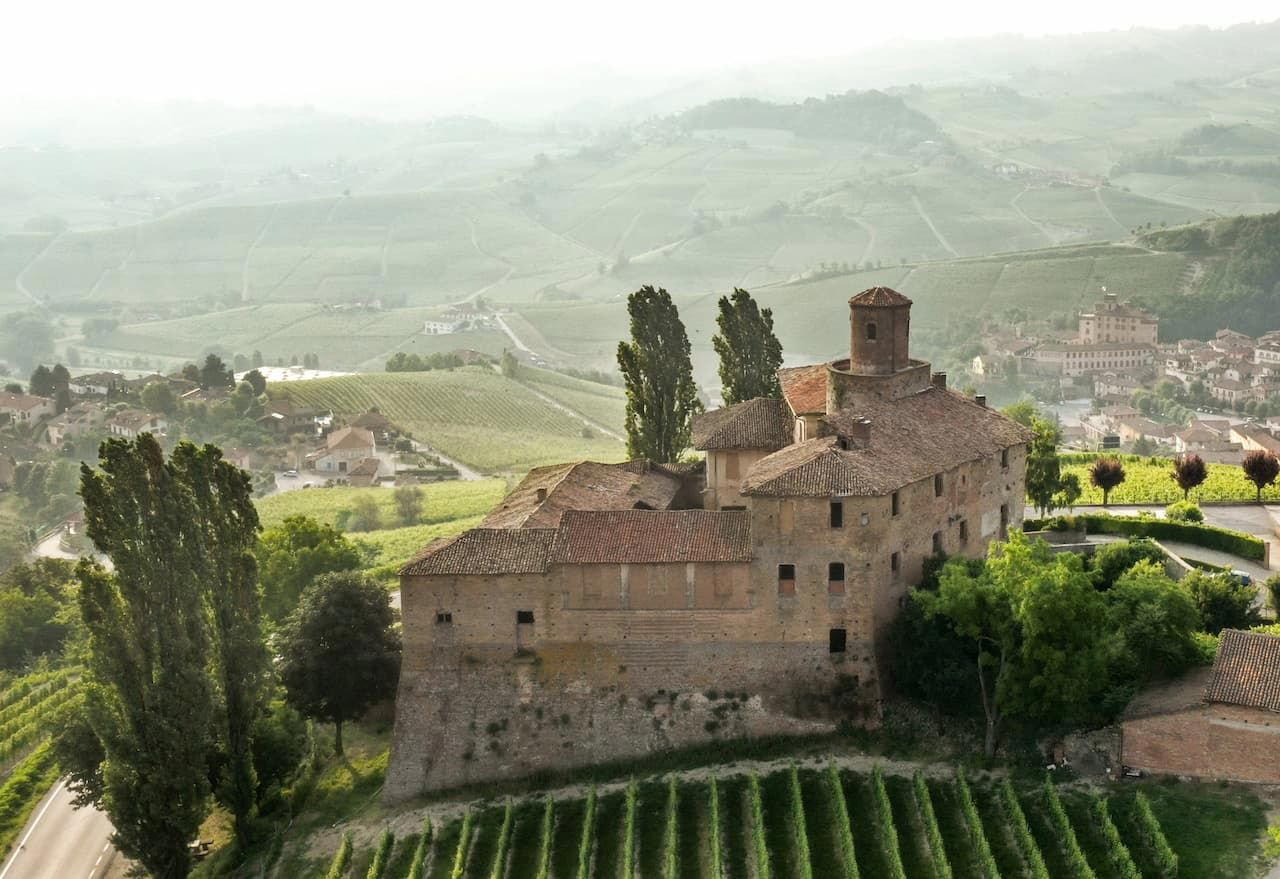
Verduno sits at the northern edge of the Barolo production zone, a quieter commune than the better-known Castiglione Falletto or La Morra, and the village retains a scale that keeps it off most package itineraries. That context matters when reading La Sbornia. The restaurant does not exist in spite of its location; it reads as an argument for it.
Sourcing as Editorial Position
In the Langhe, ingredient sourcing is less a chef's choice than a cultural expectation. The region's identity is built on specificity: Castelmagno cheese from the Val Grana, Fassona beef from Piedmontese cattle, white truffles from Alba's surrounding hillsides, hazelnuts from the Langhe itself. Restaurants in this zone that lean on these materials are participating in a supply tradition with centuries behind it, not simply following a trend toward locality.
What distinguishes kitchens within that tradition is what they do with the expectation. The Michelin Plate awarded to La Sbornia in both 2024 and 2025 signals that the food demonstrates cooking quality and care, a recognition positioned below starred status but meaningful as a consistent quality marker across two annual cycles. The rating places the restaurant inside the tracked cohort of Piedmont's reviewed tables without assigning it to the rarefied bracket occupied by places like Piazza Duomo in Alba, which operates at a different price tier and format entirely.
At a €€ price point, La Sbornia occupies a different position in the regional dining architecture. It sits where serious ingredient work meets accessible pricing, a tier that exists across Italy's serious food regions but is often harder to find than the starred alternatives. For reference, Italy's three-Michelin-star tier, represented by kitchens like Osteria Francescana in Modena, Dal Pescatore in Runate, or Enoteca Pinchiorri in Florence, operates at a price and formality register that requires a different kind of planning. La Sbornia does not compete in that bracket; it addresses a reader who wants regional cooking done with conviction at a price that permits spontaneity.
A Southern Kitchen in Northern Piedmont
The intersection that defines the cooking here is geographic. Carmela Straniero's background is Pugliese, a southern Italian culinary tradition built around olive oil, dried legumes, coastal fish, and a different rhythm of seasoning than the butter-and-cream Piemontese canon. Her kitchen in Verduno operates within the constraint and expectation of Langhe ingredients while filtering them through a sensibility formed elsewhere. This is not fusion in any promotional sense; it is the kind of productive tension that happens when a trained cook relocates and finds a new larder.
Across Italy, this pattern of regional cross-pollination has produced some of the country's more interesting restaurant propositions. The southern Italian tradition of cooking closely to the ingredient, of restraint in technique when the raw material is strong, aligns reasonably well with the Langhe's own ethic of letting produce lead. Whether that alignment produces something that reads as cohesive or hybrid depends on execution, and the two-year Michelin Plate consistency suggests the kitchen has found a stable register. Comparable regional-ingredient propositions at higher price points include Reale in Castel di Sangro and Atelier Moessmer Norbert Niederkofler in Brunico, both of which have taken regional sourcing to starred-level treatment. Further afield, kitchens like Uliassi in Senigallia, Quattro Passi in Marina del Cantone, and Enrico Bartolini in Milan illustrate how Italian kitchens across different regions and price tiers handle the tension between local identity and personal culinary formation.
For those curious about how this type of regional-specialist cooking plays out in other European contexts, Fahr in Künten-Sulz and Gannerhof in Innervillgraten represent comparable propositions in German-speaking regional cuisine, while Le Calandre in Rubano and Casa Perbellini 12 Apostoli in Verona show how the Veneto handles its own version of tradition-meets-creativity at three-Michelin-star level.
Planning Your Visit
Verduno sits in the Cuneo province, accessible from Alba in under 20 minutes by car, and the restaurant's address at Località Castagni, 60 places it slightly outside the village centre, which means a car is the practical assumption for most visitors. The outdoor terrace makes warm-season visits the stronger argument: late spring through early autumn, the window extends from the dining room into the open air, and the landscape backdrop shifts from green-canopied vine rows to the gold of harvest. The €€ pricing tier makes this a realistic option for a lunch stop during a wine itinerary through the Barolo communes rather than a formal dinner destination requiring advance scheduling around a single evening. The restaurant holds, and checking availability before arrival is advisable.
Comparison Snapshot
Comparable venues nearby, for context on price, style, and recognition.
| Venue | Cuisine | Price | Awards | Notes |
|---|---|---|---|---|
| La Sbornia a VerdunoThis venue — the venue you are viewing | Modern Piedmontese Regional | $$$ | Michelin Plate | Not listed |
| Hostaria dai Musi | Modern Italian Seafood | $$$ | Michelin Plate | Central Alba |
| Ape Vino e Cucina | Piedmontese Italian Wine Bar | $$$ | Michelin Plate | Piazza Risorgimento |
| Stefano Paganini alla Corte degli Alfieri | Modern Piedmontese Fine Dining | $$$ | Michelin Plate | Magliano Alfieri |
| Savô | Modern Ligurian Fine Dining | $$$ | Michelin Plate | Laigueglia |
| La Fermata | Modern Piedmontese | $$$ | Michelin Plate | Spinetta Marengo |
Recognition history
Dated appearances from independent guides and award organizations, with the underlying list record or original source where available.
Michelin Plate
Michelin
Michelin Plate
Michelin
Michelin Plate
Michelin
Continue exploring
More in Verduno
Restaurants in Verduno
Browse all →
Bars in Verduno
Browse all →
Hotels in Verduno
Browse all →
At a Glance
- Modern
- Elegant
- Scenic
- Rustic
- Date Night
- Special Occasion
- Open Kitchen
- Terrace
- Panoramic View
- Extensive Wine List
- Local Sourcing
- Vineyard
- Mountain
Current opening hours
- Monday
- Closed
- Tuesday
- Closed
- Wednesday
- Closed
- Thursday
- Closed
- Friday
- Closed
- Saturday
- Closed
- Sunday
- Closed
Hours can change for holidays and private events. Last verified .
Modern contemporary design with large windows providing dramatic hillside views, delightful outdoor space, and an elegant, welcoming atmosphere.